What to see
Complete Guide to Visiting Poland: Cities, Regions, Budget and Tips
We may earn a commission when you book through links on this page, at no extra cost to you. We don't visit or try the places we cover: we summarize published sources. How we work
In short
- A week covers two cities and an excursion, such as Kraków, Warsaw and Wieliczka; ten to fourteen days add Gdańsk, Wrocław or the Tatras.
- May, June and September are the best compromise between weather, day length and prices.
- Per person per day, excluding flights: €45 to €80 (~$52 to $93) tight, €80 to €140 (~$93 to $160) comfort, €140 to €230 (~$160 to $265) higher budget.
- The currency is the zloty (PLN), not the euro. Trains link Kraków, Warsaw and Gdańsk well; a car is useful for small towns, castles and the countryside.
Poland remains one of the most underrated countries in Europe among travelers. People often come for a weekend in Kraków, then discover a vast, varied and welcoming country: old towns rebuilt with patience, Hanseatic ports on the Baltic, mountains where you ski in winter and hike in summer, a generous cuisine and prices that stay reasonable. It is a member of the Schengen area, served by many flights and very well equipped with trains.
This guide is the reference article of the site. It presents the country, its regions and its cities, the must-sees, the best time to go, how to arrive and get around, the accommodation options and the budget to plan. At each step it points to our detailed articles, all listed at the end of the page.
Poland in brief: a flat country, shifting borders
Poland is a large Central European country, bordered to the north by the Baltic Sea and to the south by the Carpathians and the Sudetes. Between them stretches a vast plain crossed by the Vistula, which passes through Kraków and then Warsaw before reaching the sea near Gdańsk. This geography explains the character of the country: little relief in the center, large forests, lakes in the northeast, and mountain ranges only on the southern borders.
Its history is as marked as its geography. A powerful kingdom in the Middle Ages, partitioned among its neighbors at the end of the 18th century, gone from the map for more than a century, Poland was reborn in 1918, suffered the occupation and destruction of World War II, then lived under communist rule until 1989. This memory is present everywhere in the cities: faithful reconstructions, museums, memorials. It gives the trip a depth you may not suspect before arriving.
On the practical side, remember four things. The official language is Polish, but English is widely spoken in tourism, especially by young people. The currency is the zloty, not the euro. Entry rules depend on your passport; see the official sources below. And Poland is generally affordable, which lets you travel comfortably without blowing your budget.
Entry rules depend on your passport. Check the official travel advice of your government before you book: travel.state.gov (US), GOV.UK (UK), travel.gc.ca (Canada), Smartraveller (Australia) (checked November 2026).
The main regions to know
The country is divided into sixteen voivodeships, but for a traveler, five main zones are enough to build an itinerary. They correspond to the regions covered on this site.
Lesser Poland, around Kraków
This is the most visited region, and for good reason. Kraków is its heart, with its Main Market Square, Wawel Hill and the Kazimierz district. Two major sites lie nearby: the Wieliczka salt mine, southeast of the city, and the Auschwitz-Birkenau memorial, about 70 km (43 mi) to the west. The region extends to the Tatras, which lets you combine city, heritage and mountains in a single stay.
Mazovia, around Warsaw
Mazovia is the capital’s region. Warsaw concentrates most of the tourist interest: an old town rebuilt after the war, palaces, museums and contemporary districts. Around it, the countryside is flat, agricultural and little visited by foreigners, except for a few family or cycling getaways.
Pomerania and the Baltic coast
In the north, the seafront is organized around the “Tricity” formed by Gdańsk, Sopot and Gdynia. Gdańsk appeals with its merchants’ houses, its old port and its history tied to the Solidarity union. Sopot is the seaside resort, known for its long wooden pier. Further inland, Malbork Castle, an immense brick fortress built by the Teutonic knights, is a classic excursion.
Lower Silesia, around Wrocław
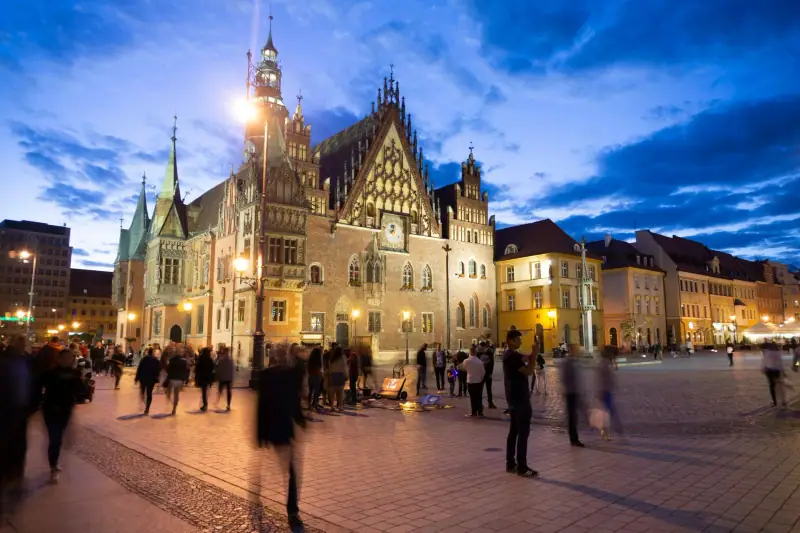
In the west, Lower Silesia revolves around Wrocław, a city of islands and bridges on the Oder, known for its colorful Market Square and its little bronze dwarfs scattered through the streets. The region has many castles and mid-altitude mountains, far less visited than the Tatras.
The Tatras, the Polish mountains
In the south, on the Slovak border, the Tatras form the only true high mountain range of the country. Zakopane is the resort and the starting point for hikes in summer and skiing in winter. The atmosphere is very different from the cities: wooden chalets, the traditional architecture of the highlanders, marked trails and limestone and granite peaks.
Kraków, the city not to miss
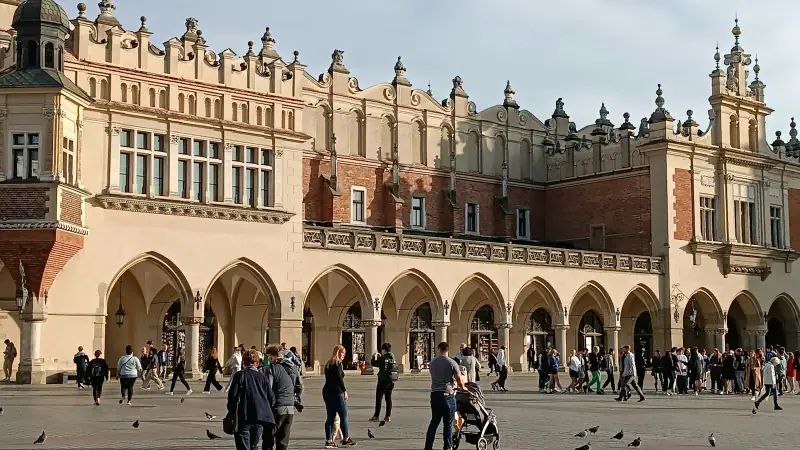
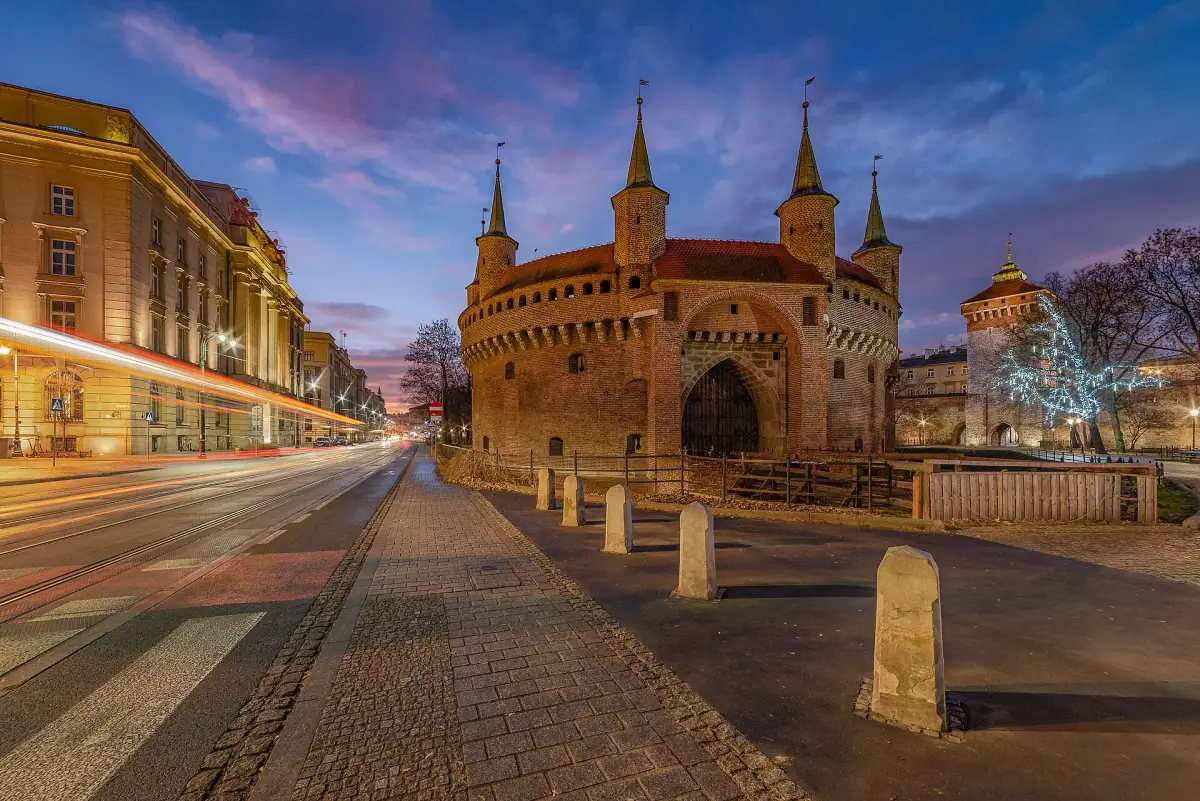
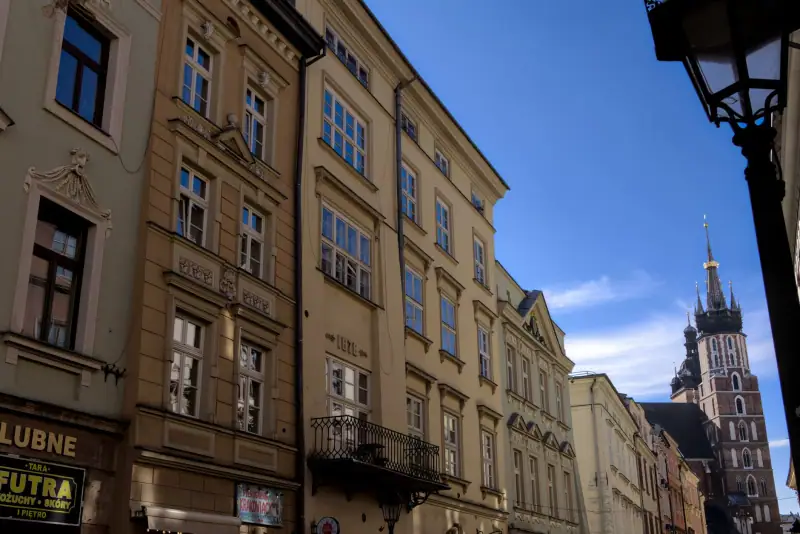
If you could see only one Polish city, it would probably be Kraków. Spared the destruction of World War II, it has kept a medieval center on the UNESCO list since 1978. The Main Market Square, the Cloth Hall, St. Mary’s Basilica and Wawel Hill form a remarkably coherent ensemble, which can be covered entirely on foot.
The city has several faces. In the morning, it is a royal and religious city. In the afternoon, the Kazimierz district, the former heart of Jewish life, reveals its synagogues, cobbled squares and cafés. In the evening, the Main Market Square comes alive, with outdoor cafés open until late at night. Three days let you see everything without rushing: our detailed itinerary for visiting Kraków in 3 days offers a realistic sequence, with a day trip.
Kraków is also the best base for branching out: Wieliczka, Auschwitz-Birkenau and even the Tatras can be reached from the city, without changing hotels.
🏨 Sleeping in Kraków: compare hotels and apartments for your dates. The historic center and the Kazimierz district are the most practical for a first stay, as everything can be done on foot.
Warsaw, the rebuilt capital
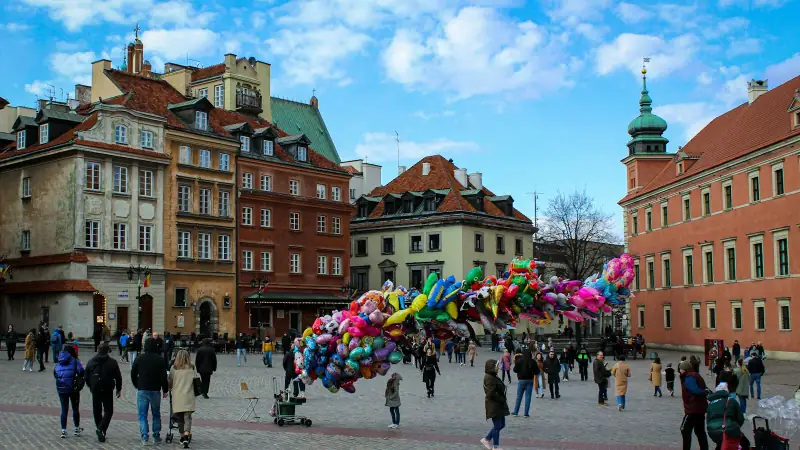
Warsaw was almost entirely destroyed during World War II. Its old town was rebuilt after 1945, from plans, paintings and old photographs, and is now on the UNESCO World Heritage list. It is one of the most striking examples of urban reconstruction in Europe. Castle Square, the Royal Castle and the lanes leading to the Old Town Market Square are the natural starting point for a visit.
The capital is not limited to its historic center. It is home to major museums devoted to the country’s history, parks, modern districts and a very dynamic scene of cafés and restaurants. The fast train links it to Kraków in about 2 h 20, which makes it easy to combine the two cities. To organize your visit, see our itinerary for Warsaw in 2 days.
Gdańsk and the Baltic coast
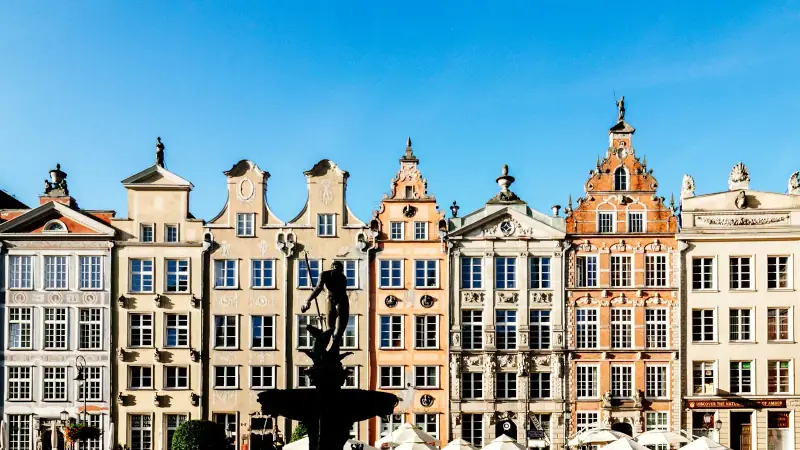
Gdańsk is Poland’s former great Hanseatic port. Its Old Town, with Długa Street, the Neptune Fountain and the merchants’ façades along the Motława, was also rebuilt after the war. The city is also a central place of contemporary history: it was in its shipyards that the Solidarity movement was born, which helped bring down the communist regime. A museum is devoted to it.
Two days are enough for a first approach, or even three if you add Sopot and its pier, or Malbork Castle. Our article on Gdańsk in 2 days details the sequence between the Old Town, the shipyard and the seafront. Keep in mind that the Baltic is cool, even in midsummer: the coast suits walks, cycling and a quiet beach better than prolonged swimming.
Wrocław, Poznań and Toruń: the fine cities of the rest of the country
Beyond the Kraków-Warsaw-Gdańsk trio, several cities deserve a stop if you have more than ten days.
Wrocław is probably the most appealing. Built on several islands of the Oder, it offers one of the finest market squares in the country, a peaceful Cathedral Island and a lively student life. The little bronze dwarfs hidden in the streets amuse children and adults alike. Our itinerary on Wrocław in 2 days gives pointers for discovering it.
Poznań, halfway between Warsaw and the German border, is a city of trade and fairs, with a market square whose town hall is Renaissance. It is ideal as a stop between Berlin and Warsaw.
Toruń, the birthplace of Nicolaus Copernicus, has kept a Gothic brick old town, on the UNESCO list, and is famous for its gingerbread. It can be visited in a day, by train from Warsaw or Gdańsk.
🎟️ Guided tours in Poland: walking tours of the old towns, day trips and tastings. Compare the options, durations and cancellation conditions before you book.
The must-sees outside the cities
Three major visits lie outside the urban centers and deserve to be planned in advance.
The Wieliczka salt mine, about fifteen kilometers (9 mi) from Kraków, has been worked since the Middle Ages. Its tourist route passes through galleries, stairways and chapels carved in the salt, including a large chapel sculpted entirely in the rock. It is cool underground all year. Everything is explained in our guide to the Wieliczka salt mine.
Auschwitz-Birkenau is the former Nazi concentration and extermination camp, now a memorial and museum. It is not a tourist attraction but a place of remembrance, which calls for preparation and reverence. An online slot reservation is now required for all visitors. Our article on visiting Auschwitz-Birkenau explains how to book, how to get there from Kraków and how to approach the day.
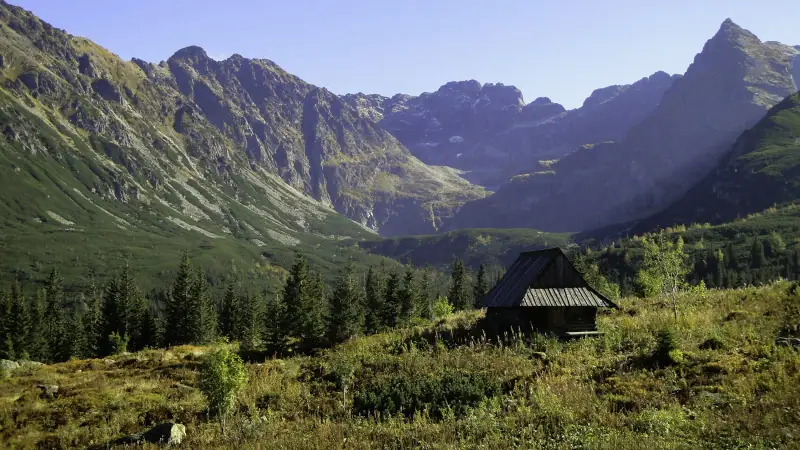
The Tatras and Zakopane, finally, offer the strongest contrast with the rest of the country. The range attracts hikers from late spring to fall and skiers in winter. Our guide to hiking in the Tatras from Zakopane presents the accessible trails and the safety tips to follow in the mountains. The weather can change quickly there: leave early and check the local forecast.
When to go to Poland
The climate is continental: hot summers, cold winters and contrasting shoulder seasons. The choice of period depends on what you are looking for.
- Spring (April to June): parks turn green, terraces reopen and the towns can be visited without the summer crowds. May and June are among the best months for a city stay.
- Summer (July and August): the season of the Baltic coast and mountain hikes. The cities are busier, accommodation is more expensive, and it can be very hot during the day.
- Fall (September and October): September extends the summer pleasantly. In October the mountain colors are superb, but the weather becomes less settled.
- Winter (November to March): it is cold and night falls early. In return, the Christmas markets add a lot of charm to the old towns, and skiing is possible in the Tatras.
For a first trip, aim for May, June or September. Our dedicated article, when to go to Poland, details the seasons, budget and transport.
Getting to Poland
Flying is the simplest way. Kraków, Warsaw and Gdańsk can all be reached by air, with direct or connecting flights. The offer depends on your departure city and the season: compare flights on the usual search engines and book a few weeks ahead for weekends and holidays.
A very useful tip: the “open jaw” option, that is, arriving in one city and leaving from another, for example arriving in Warsaw and leaving from Kraków. It avoids a train ride back and saves half a day.
Before departure, check your entry paperwork against the official sources above. Also think about travel insurance coverage, and check your carrier’s international plan or consider a travel eSIM.
Getting around Poland: train, bus, car
The train is the best way to link the big cities. Fast services run between Warsaw and Kraków, and between Warsaw and Gdańsk, with trips of roughly two to three hours. Tickets are bought online or at the station; book ahead in high season and on weekends, because prices rise as departure approaches. Night trains and long-distance buses are economical alternatives.
The bus is often more practical than the train for secondary destinations, notably for getting to Zakopane from Kraków. In high season, the trip can take longer than you might expect because of traffic.
In the cities, trams and buses cover most needs for a few euros a day, and the historic centers can largely be covered on foot. Download the local transport apps before you leave.
A car is unnecessary for a stay centered on the big cities, where parking is restrictive. It becomes interesting for small towns, castles and the countryside. To rent one, compare the offers when you book. Driving-permit rules depend on your license: check the official sources before you book. Roads on the main routes are in good condition, but driving there can sometimes be brisk.
Where to stay in Poland
The offer is wide: modern hostels, mid-range hotels, apartments, mountain guesthouses in Zakopane. The rule is the same everywhere: the closer you get to the main square, the higher the price, and the tram lets you save a lot by sleeping a few stops from the center.
In Kraków, favor the historic center or Kazimierz for a first stay. In Warsaw, the old town and its surroundings are practical for visits, while the more modern districts often offer better value. In Zakopane, traditional guesthouses and chalets are plentiful. To compare the areas one by one, read our guide where to stay in Poland: Kraków, Warsaw and Zakopane.
Book early for summer, long weekends and the Christmas market period, because the supply shrinks and prices rise quickly.
🏨 Accommodation in Poland: compare hotels, apartments and guesthouses in the big cities for your dates. Booking early widens the choice noticeably in high season.
Budget: how much a trip to Poland costs
Budget is one of the country’s great assets. The orders of magnitude below, excluding round-trip flights, come from our detailed article on the budget for a stay in Poland; they are rounded and change every year.
| Profile | Budget per day per person | What it covers |
|---|---|---|
| Tight budget | €45 to €80 (~$52 to $93) | Hostel, meals in milk bars, public transport |
| Comfort | €80 to €140 (~$93 to $160) | 3-star hotel or apartment, restaurants, a few visits |
| Higher budget | €140 to €230 (~$160 to $265) | Good hotels, taxis, good restaurants, guided excursions |
Meals are particularly affordable. In a milk bar, a traditional canteen inherited from the communist era, a dish generally costs between 8 and 20 zlotys, about €2 to €5 (about $2 to $6). The reference rate is around 4.3 zlotys to €1. City transport is very cheap, and the main expense remains accommodation, especially in high season.
A few habits limit the bill: sleeping slightly outside the center, favoring lunch meals, booking trains ahead and taking advantage of free visits. For Auschwitz-Birkenau, entry is free but booking a slot online is mandatory; only the guided tour is paid.
Eating in Poland: the essentials
Polish cuisine is hearty, comforting and more varied than you might imagine. The essentials are pierogi, dumplings filled with farmer’s cheese, potatoes, cabbage or meat, bigos, a stew of cabbage and meats, żurek, a rye sourdough soup, and the breaded cutlet. Zapiekanka, a toasted half baguette with melted cheese, is the star of street food.
Milk bars are the best way in: you eat for a few euros, among the locals. Restaurants in the old town are more expensive; side streets often offer better value. In our article on Polish cuisine and its specialties, you will find twelve dishes to try during your stay.
🥟 Tasting Polish cuisine with a guide: food tours, pierogi tastings and cooking classes. Useful for discovering the specialties in a few hours before dining on your own.
Sample itineraries by length of stay
Rather than trying to see everything, choose a pace that suits you. Here are three formulas that work well.
One week: Kraków and Warsaw. Four days in Kraków, including an excursion to Wieliczka or Auschwitz-Birkenau, then the train to Warsaw for two or three days. This is the most balanced formula for a first trip.
Ten days: Kraków, Warsaw and Gdańsk. Add the Baltic coast, with three nights in Gdańsk and a getaway to Sopot. Fast trains make the stages easy: most of the time is spent in the cities, not in transit.
Two weeks: cities, sea and mountains. Add Wrocław or Toruń, and a few days in Zakopane to walk in the Tatras. To avoid fatigue, always count at least two nights per stop and do not multiply accommodation changes.
These lengths are guidelines: distances between cities are long, but the rail network makes them bearable. To round things out, you can extend the trip toward Hungary or Germany.
Practical tips before you leave
A few points make the trip simpler.
- Book ahead for visits with limited capacity, in particular Auschwitz-Birkenau, for which an online slot is mandatory, and the most in-demand rooms of Wawel.
- Pay in zlotys and favor your card: it is accepted almost everywhere, including for small amounts. Withdraw cash at an ATM rather than at a currency exchange office.
- Dress in layers: the weather changes quickly, even in summer, and evenings can be cool.
- Respect places of remembrance: low voice, sober dress, photography rules. This applies to Auschwitz-Birkenau but also to the Warsaw memorials.
- Learn a few words of Polish: “dzień dobry” (hello) and “dziękuję” (thank you) are always appreciated, even though English is widespread.
- Take out suitable travel insurance, especially if you plan to hike or ski in the Tatras.
All our articles to prepare your trip
Here is the full list of the site’s articles, sorted by theme, to go deeper into each stop.
See
- Visiting Auschwitz-Birkenau: preparing your visit from Kraków
- Warsaw in 2 days: what to see in the Polish capital
Itineraries
Plan
Stay
Do
Eat
- Polish cuisine: 12 specialties to try
Poland rewards travelers who take the time to come without preconceptions. Choose two or three stops, book your trains and sensitive visits in advance, and let yourself be surprised by the quality of the cities and the warmth of the welcome.
Frequently asked questions
How long do you need to visit Poland?
A week lets you see two cities and an excursion, for example Kraków, Warsaw and the Wieliczka salt mine. With ten to fourteen days, you add Gdańsk and the Baltic coast, Wrocław or the Tatras. The country is large: it is better to limit the number of stops than to rush from city to city.
What is the best time to visit Poland?
May, June and September are the best compromise between weather, day length and prices. Summer suits the Baltic coast and hiking, winter suits the Christmas markets and skiing in the Tatras. The climate is continental: bring layers in every season.
Do you need a visa or a passport to go to Poland?
Entry rules depend on your passport. Check the official travel advice of your government before you book: travel.state.gov (US), GOV.UK (UK), travel.gc.ca (Canada), Smartraveller (Australia) (checked November 2026).
Can you pay in euros in Poland?
The currency is the zloty (PLN), not the euro. Bank cards, including contactless, are accepted almost everywhere. If a terminal or ATM offers to convert to euros or your home currency, choose the local currency: the rate is generally more favorable.
Is Poland an expensive country?
It generally stays affordable, especially for meals, city transport and museums. Plan roughly €45 to €80 (~$52 to $93) a day on a tight budget and €80 to €140 (~$93 to $160) for comfort, excluding flights. The detail is in our budget article.
Do you need to rent a car to visit Poland?
Not for a stay centered on the big cities: trains link Kraków, Warsaw and Gdańsk well, and the tram is enough there. A car becomes useful for small towns, castles and the countryside, or for branching out around the Tatras.
Which city should you visit first in Poland?
Kraków is the most common choice for a first stay: compact medieval center, the Kazimierz district, the Wieliczka salt mine and Auschwitz-Birkenau nearby. Warsaw rounds out the trip well with its history and museums.
More Poland guides
Keep reading
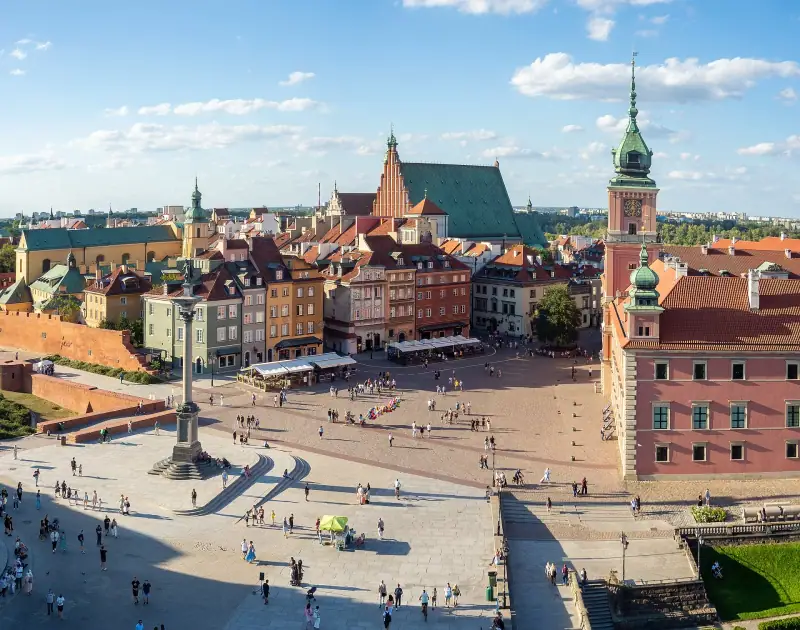
Warsaw in 2 Days: What to See in the Polish Capital
Warsaw in 2 days: rebuilt old town, Royal Castle, Royal Way, Łazienki Park, the Uprising and POLIN museums, and the Praga district.
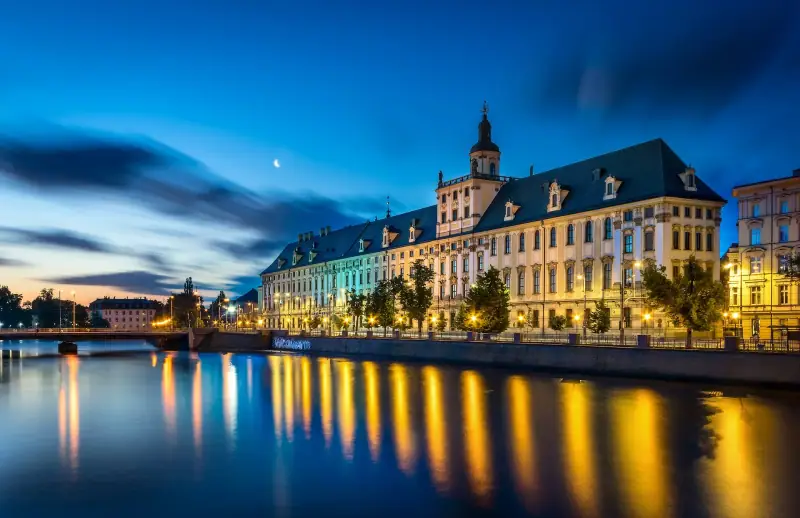
What to See in Lower Silesia: Wrocław, the Karkonosze, the Kłodzko Valley and Castles
What to see in Lower Silesia: Wrocław, Świdnica's Church of Peace, Książ Castle, the Giant Mountains, the Kłodzko Valley and Errant Rocks, with tips.
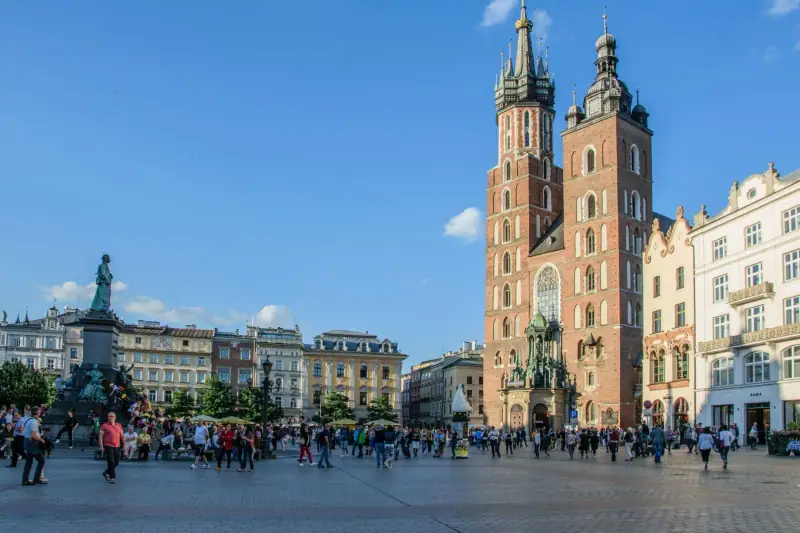
What to See in Lesser Poland: Kraków, Ojców, the Dunajec and UNESCO Sites
What to see in Lesser Poland around Kraków: Wieliczka, Ojców, UNESCO wooden churches, Kalwaria, the Dunajec gorge and the Tatras. Stop ideas and tips.
Ready-made
Poland itineraries
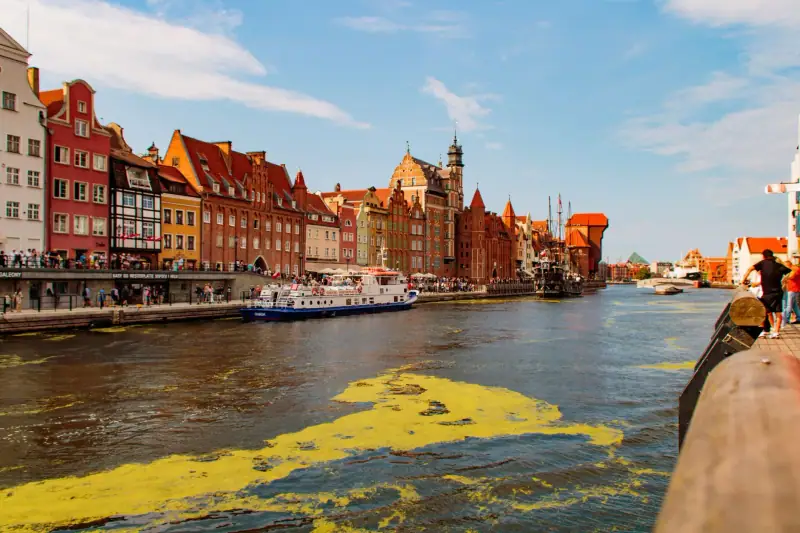
2 days
Gdańsk in 2 Days: An Itinerary Through the Old Town, the Shipyard and the Baltic
Gdańsk in 2 days: Royal Way, St. Mary's Basilica, Motława quays, European Solidarity Centre, Westerplatte and a getaway to Sopot.
3 days
What to Do in Kraków in 3 Days: A Complete Itinerary
Kraków in 3 days: old town, Wawel Hill, the Kazimierz district, the Wieliczka salt mine and a respectful visit to Auschwitz-Birkenau.
2 days
What to Do in Wrocław in 2 Days: A Complete Itinerary
Wrocław in 2 days: Market Square, Cathedral Island, bronze dwarfs, Centennial Hall and the Racławice Panorama. Walking itinerary, tips and budget.