Plan your trip
When to Visit Poland: Seasons, Budget and Transport to Plan Your Trip
We may earn a commission when you book through links on this page, at no extra cost to you. We don't visit or try the places we cover: we summarize published sources. How we work
In short
- May, June and September are the most balanced months: mild temperatures, long days and more moderate crowds than in midsummer.
- The currency is the zloty (PLN). Cards are accepted almost everywhere; withdraw zlotys at an ATM rather than exchanging cash.
- Fast trains connect Warsaw, Kraków and Gdańsk, with trips of roughly two to three hours depending on the city. Book ahead in high season.
- Accommodation in the big cities is the main expense, especially in high season.
Poland suits almost every season, but not the same kind of trip. You come in summer for the Baltic beach, in spring to stroll through the towns, in winter for the Christmas markets or the snow of the Tatras (see our guide to Zakopane in winter). Before booking, a few pointers on climate, currency, budget and transport help avoid surprises.
When to go to Poland: season by season
The climate is continental: hot summers, cold winters and contrasting shoulder seasons. It varies little from one region to another, but the mountains and the coast have their own features.
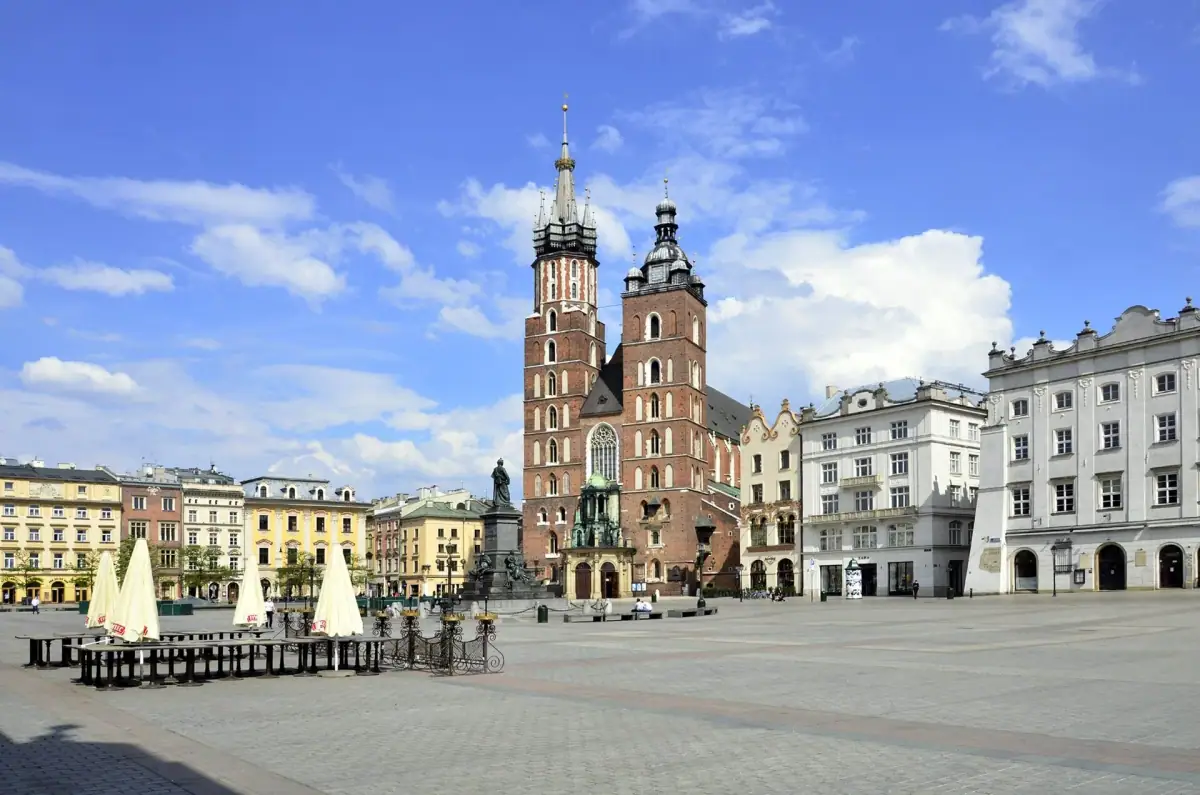
Spring (April to June). The parks turn green, café terraces reopen and the towns can be visited without the summer crowds. May and June are among the best months for a city stay in Kraków or Warsaw. Still pack a waterproof jacket: showers are frequent.
Summer (July and August). This is the season of the Baltic coast and mountain hikes. The cities are busier, accommodation is more expensive and daytime temperatures are sometimes high. The sea stays cool, even in midsummer.
Fall (September and October). September extends the summer pleasantly, with fewer crowds. In October the days get shorter and the mountain colors are superb, but the weather becomes less settled.
Winter (November to March). It is cold and night falls early. In return, the Christmas markets add a lot of charm to the old towns, and the snow allows skiing in the Tatras, around Zakopane.
A suggestion for a first trip: aim for May, June or September. The days are long enough to fit in a busy program, and accommodation prices stay reasonable.
🏨 Sleeping in Poland: compare hotels and apartments in the big cities for your dates. In high season and during the Christmas markets, booking early widens the choice noticeably.
What budget to plan for Poland
Poland is generally affordable, especially for dining, city transport and museum admissions. Eating out, notably in the traditional milk bars that serve simple, hearty food, remains inexpensive. To try the country’s dishes, see our guide to Polish cuisine.
The main expense is accommodation, which rises in high season in the centers of Kraków, Warsaw and Gdańsk. The second is getting there, which depends on the period and on when you book. Since prices change every year, check the fares when you book rather than relying on old figures.
A few habits to limit the bill: sleep a little outside the center, served by the tram; favor lunch menus, often offered at reduced prices; and book ahead for visits with limited capacity such as Auschwitz-Birkenau.
Currency, payment and entry rules
Poland has not adopted the euro: the currency is the zloty (PLN). Bank cards, including contactless, are accepted almost everywhere, even for small purchases, and mobile payment is common. A little cash can be useful at some markets or small shops; withdraw it at an ATM rather than exchanging cash. If the terminal offers to charge you in euros or your home currency, choose to pay in zlotys; the rate applied is generally more favorable.
Entry rules depend on your passport. Check the official travel advice of your government before you book: travel.state.gov (US), GOV.UK (UK), travel.gc.ca (Canada), Smartraveller (Australia) (checked November 2026). Also check your carrier’s international plan or consider a travel eSIM before you go.
Trains between Kraków, Warsaw and Gdańsk
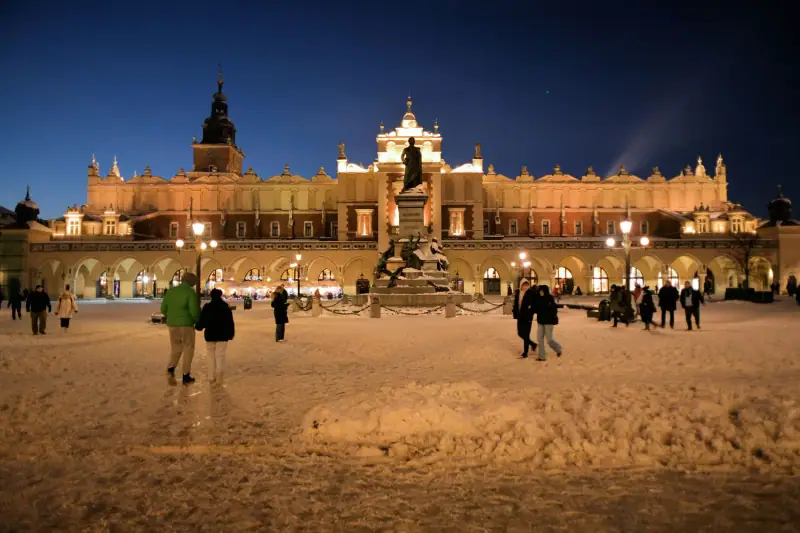
The train is the most practical way to link the big cities. Fast services run between Warsaw and Kraków, and between Warsaw and Gdańsk, with trips of roughly two to three hours depending on the city. Tickets are bought online or at the station, and it is wise to book ahead in high season and on weekends.
A classic ten-day itinerary links these three cities: Kraków and its surroundings, then Warsaw, then the Baltic coast. For the detail of each stage, see our itineraries for Kraków in 3 days, Warsaw in 2 days and Gdańsk in 2 days.
For the mountains, Zakopane is reached from Kraków by road, by bus or by car, and the trip can take longer than you might expect in high season. Our guide to hiking in the Tatras gives pointers for getting organized.
🎟️ Tours and excursions in Poland: guided tours of the old towns, day trips and tastings. Compare the options, durations and cancellation conditions before you book.
Getting to Poland and getting around
Kraków, Warsaw and Gdańsk can all be reached by air, with direct or connecting flights. Consider an “open jaw” ticket: arriving in Warsaw and leaving from Kraków, or the reverse, avoids a train ride back.
In the cities, trams and buses cover most needs for a modest price, and the historic centers can largely be covered on foot. A car is mainly useful for getting off the beaten track, for example in the countryside and small towns; it is unnecessary for stays centered on the big cities, where parking is restrictive.
Local transport apps make it easier to buy tickets. Download them before you leave so you do not depend on ticket machines.
Combining Poland with another country
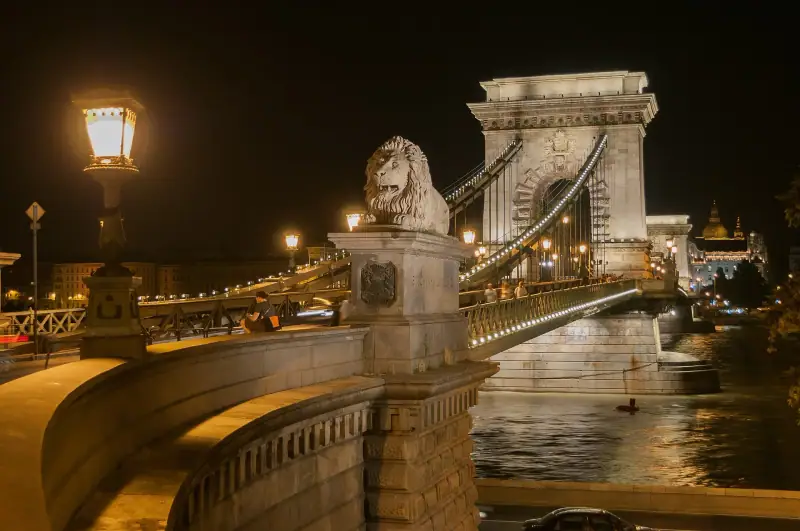
Poland combines well with its neighbors. To the south, a detour to Budapest can extend the trip. To the west, Berlin makes a natural German stop before or after Warsaw.
If you only have a week, concentrate on Kraków and Warsaw, with a day trip. With ten days or more, add Gdańsk and the Baltic coast, or the Tatras if you like walking. A few stops done well beat an overly ambitious circuit.
Frequently asked questions
What is the best time to go to Poland?
May, June and September are the most balanced: mild temperatures, long days and more moderate crowds than in midsummer. July and August suit the Baltic coast, December suits the Christmas markets, and winter suits snow sports in the Tatras.
Do you need euros or zlotys in Poland?
The currency is the zloty (PLN). Bank cards are accepted almost everywhere. If you need cash, withdraw zlotys at an ATM rather than exchanging cash.
Do you need a visa for Poland?
Entry rules depend on your passport. Check the official travel advice of your government before you book: travel.state.gov (US), GOV.UK (UK), travel.gc.ca (Canada), Smartraveller (Australia) (checked November 2026).
Is Poland expensive?
It generally stays affordable, especially for meals, city transport and museums. Accommodation in the big cities in high season is the main expense.
Is the train practical for getting between the big cities?
Yes. Fast services link Warsaw, Kraków and Gdańsk, and the train remains the simplest way to go from one city to another. Book ahead in high season.
More Poland guides
Keep reading
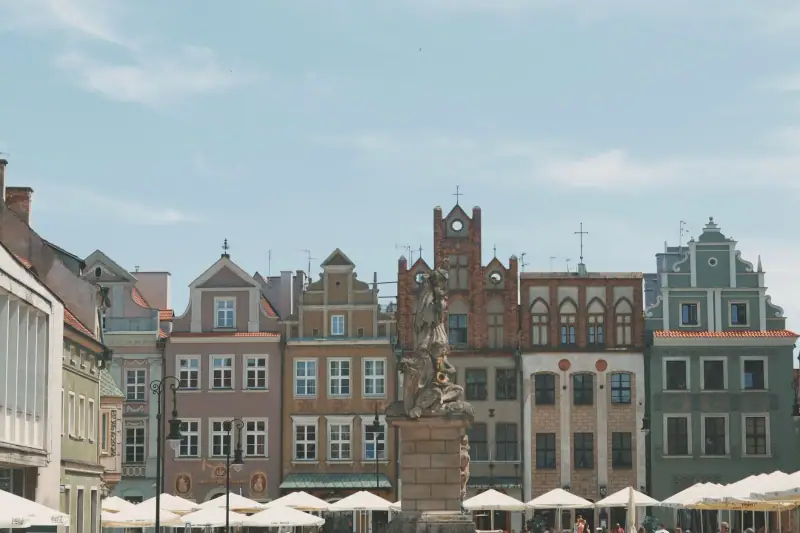
Budget for a Trip to Poland: Real Costs and Tips to Spend Less
How much does Poland cost? Accommodation, transport, meals, visits: prices in zlotys, euros and dollars, three budget profiles and money-saving tips.
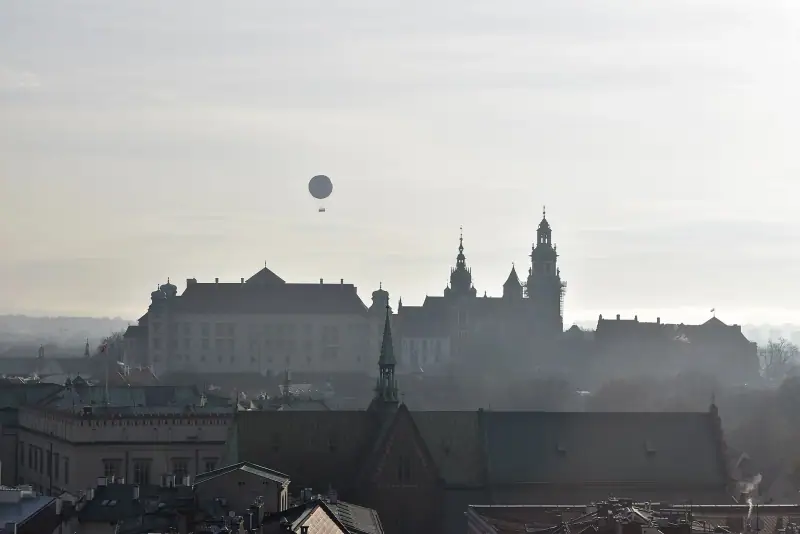
Where to Stay in Poland: Recommended Areas in Kraków, Warsaw and Zakopane
Where to stay in Poland: the best areas of Kraków, Warsaw and Zakopane for your budget and travel style, with booking tips.
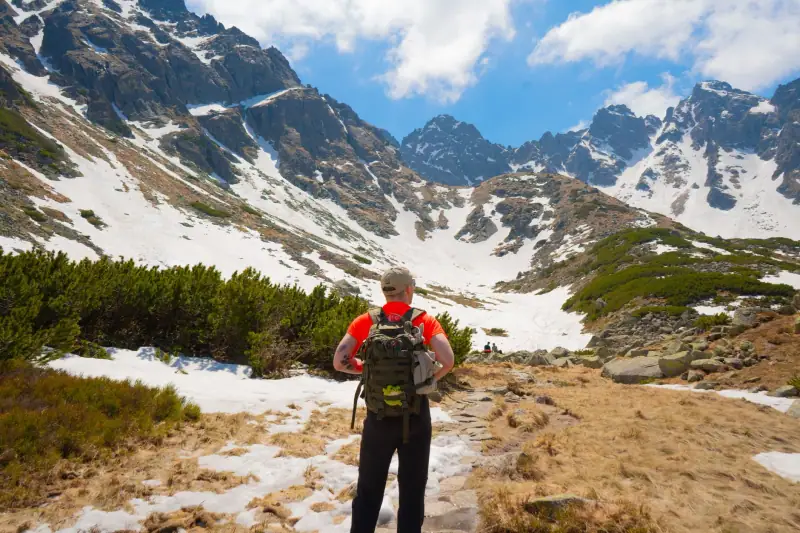
Zakopane and the Tatras: Hikes and Excursions from Kraków
Zakopane and the Tatras: Morskie Oko, Kasprowy Wierch, Krupówki Street, oscypek and tips for organizing a day trip or stay from Kraków.
Ready-made
Poland itineraries
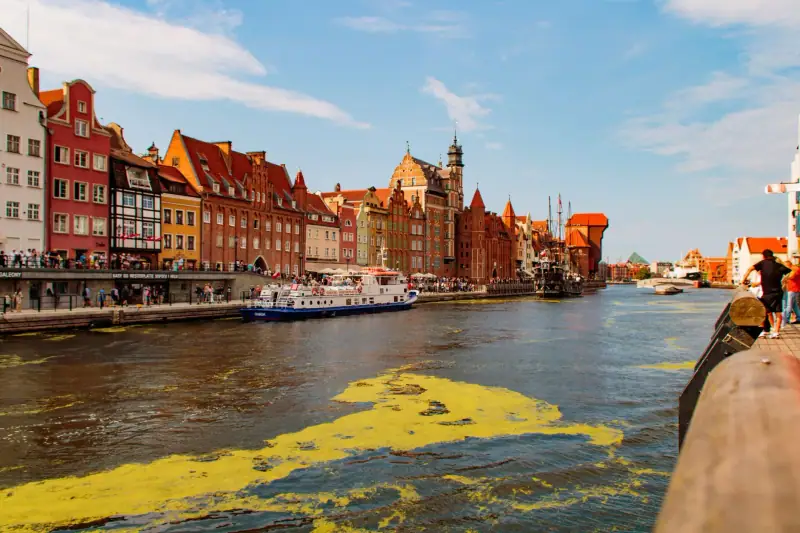
2 days
Gdańsk in 2 Days: An Itinerary Through the Old Town, the Shipyard and the Baltic
Gdańsk in 2 days: Royal Way, St. Mary's Basilica, Motława quays, European Solidarity Centre, Westerplatte and a getaway to Sopot.
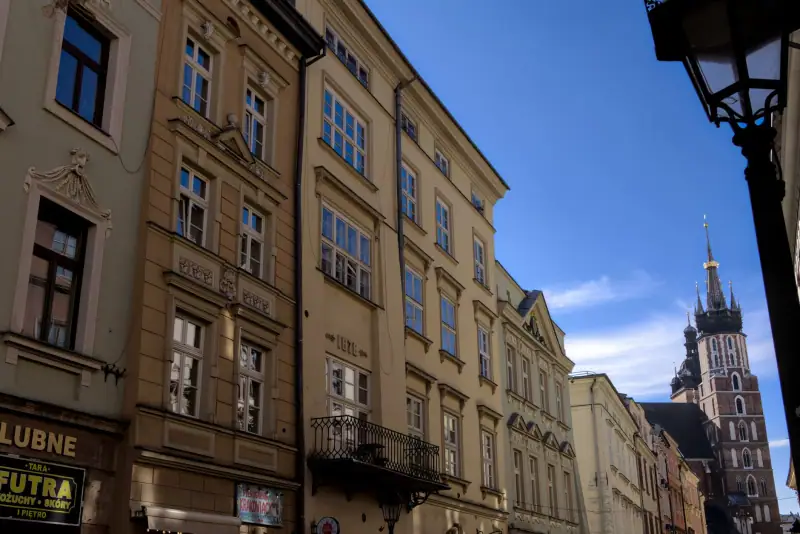
3 days
What to Do in Kraków in 3 Days: A Complete Itinerary
Kraków in 3 days: old town, Wawel Hill, the Kazimierz district, the Wieliczka salt mine and a respectful visit to Auschwitz-Birkenau.
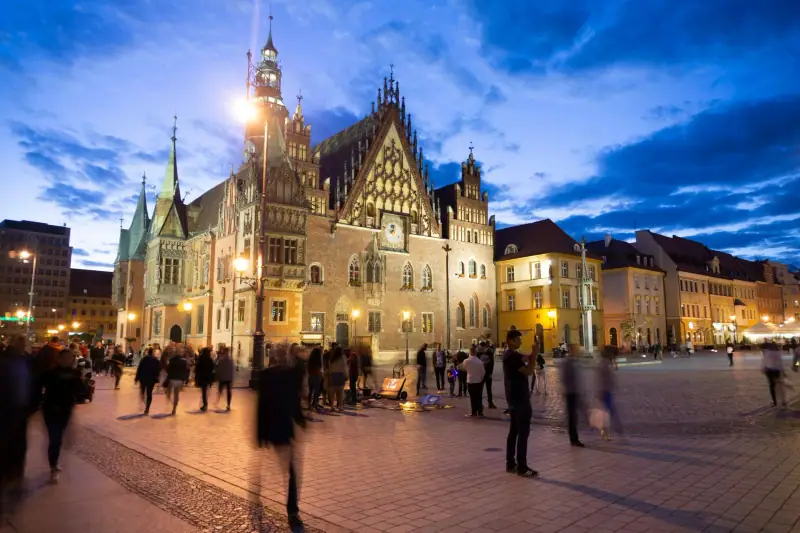
2 days
What to Do in Wrocław in 2 Days: A Complete Itinerary
Wrocław in 2 days: Market Square, Cathedral Island, bronze dwarfs, Centennial Hall and the Racławice Panorama. Walking itinerary, tips and budget.