Where to stay
Where to Stay in Poland: Recommended Areas in Kraków, Warsaw and Zakopane
We may earn a commission when you book through links on this page, at no extra cost to you. We don't visit or try the places we cover: we summarize published sources. How we work
In short
- In Kraków, the old town (Stare Miasto) is the easiest choice, within walking distance of the Main Market Square and Wawel Hill; Kazimierz is a more bohemian alternative.
- In Warsaw, stay in the center (Śródmieście) or the old town for a short stay; Praga suits those who want a more alternative setting.
- In Zakopane, stay near Krupówki Street to do everything on foot, or in residential areas for quiet and early hikes.
- For summer, school holidays, year-end holidays and long weekends, book several weeks ahead, especially in Kraków and Zakopane.
Choosing where to stay in Poland does not take long research, as long as you know which area to book. The cities are generally well served by public transport, but the best addresses are those that spare you needless travel and let you enjoy the atmosphere in the evening.
This guide covers the three most visited stops in the country: Kraków, Warsaw and Zakopane. For each, it describes the most practical areas, the type of accommodation found there and the points to check before booking. No establishment is named on purpose: availability and rates change from one season to the next, so it is better to compare at the time of booking.
Where to stay in Kraków: the old town, Kazimierz or Podgórze
Kraków is a compact city, and that is its main asset for a traveler: almost everything worth seeing lies within a small area. The choice of area therefore depends mostly on the atmosphere you want.
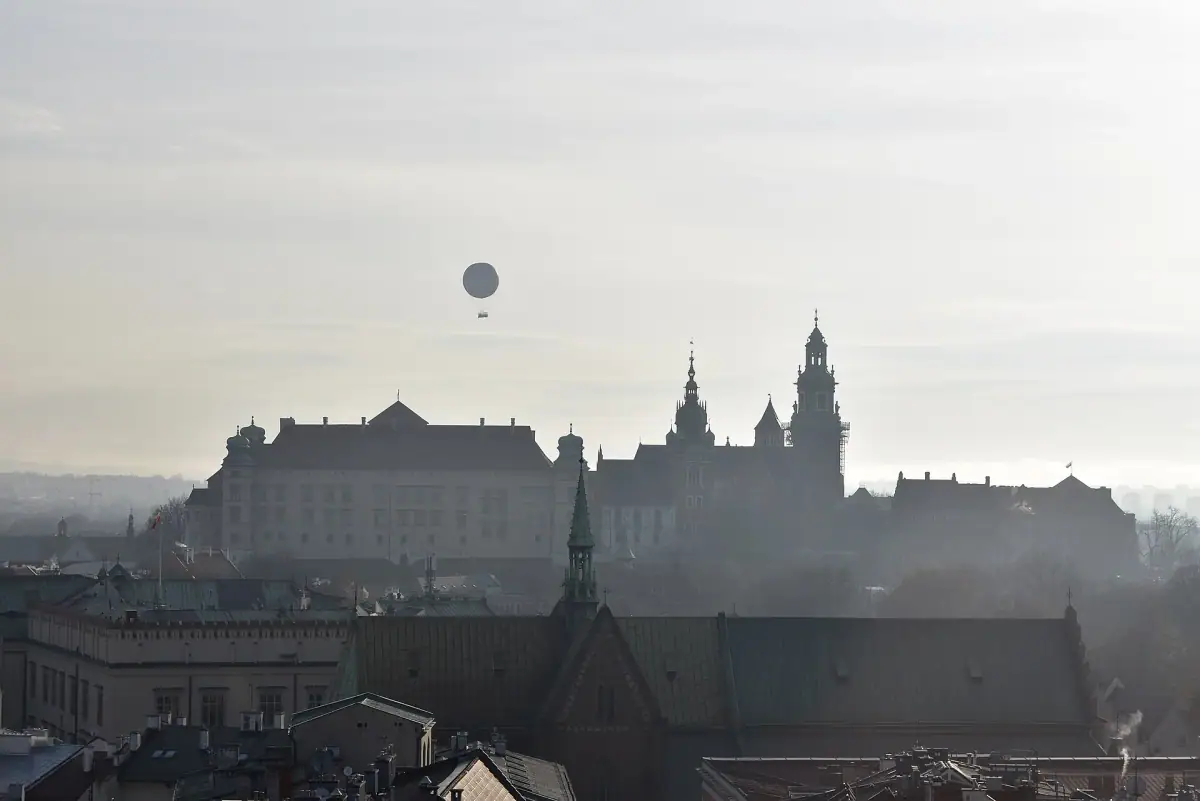
The old town (Stare Miasto) is the easy choice. It is ringed by a belt of greenery, the Planty, which replaced the old fortifications. You are a few minutes’ walk from the Main Market Square, St. Mary’s Basilica, the Cloth Hall and, a little further south, Wawel Hill. There are charming hotels set in old houses, apartments and many hostels. The downside: the nightlife in the streets around the square can be heard, especially on weekends. Ask for a courtyard-facing room if you are a light sleeper.
Kazimierz, the former Jewish district, is the favorite alternative for those looking for a less touristy atmosphere. Its streets are lined with cafés, galleries, small concert halls and bars, with a more relaxed feel than the center. The district is about a fifteen-minute walk from the old town. You will mostly find apartments, small hotels and guesthouses. To understand the history of the place before staying there, our three-day Kraków itinerary devotes a passage to it.
Podgórze, on the other side of the Vistula, is quieter and more residential. It suits families or longer stays, and those who prefer often lower rates in exchange for a few extra minutes of walking or tram. It is also a district full of history, which recalls the World War II ghetto.
A few tips that apply across the city:
- check that the accommodation is within a reasonable distance of a tram stop if you are not staying in the old town;
- see whether breakfast is included: it is often generous and saves you from looking for a café in the morning;
- if you arrive by train, the main station is close to the historic center, which greatly eases luggage logistics;
- if you plan the excursion to Auschwitz or the salt mine, accommodation near the station or a convenient bus stop will help you leave early.
🏨 Sleeping in Kraków: compare hotels, apartments and guesthouses in the old town, Kazimierz and Podgórze for your dates.
Where to stay in Warsaw: the center, the old town or Praga
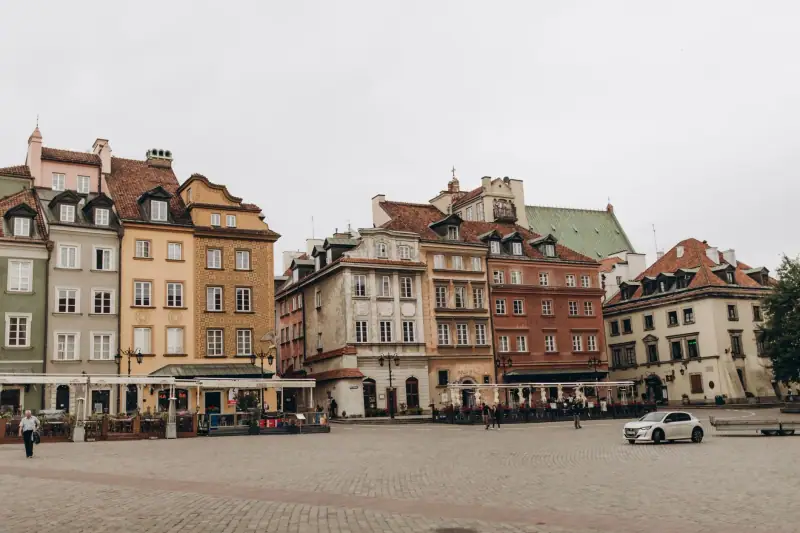
Warsaw is a much more sprawling metropolis than Kraków. After the destruction of World War II, the city was largely rebuilt, and its center mixes postwar buildings, modern towers and a restored old town. Staying in the right place will save you time in transit.
The center (Śródmieście) is the most versatile area for a short stay. It is the administrative and commercial heart of the capital, where you find the central station, many hotels of every category, restaurants and most metro and tram connections. From there, the old town is reached on foot or in a few stops. It is the right choice if you arrive by train or stay two or three days.
The old town (Stare Miasto) appeals to those who want to sleep in the most photogenic setting in the capital. It was rebuilt identically after the war and is part of the UNESCO World Heritage. The choice of accommodation there is more limited and often more expensive, but the atmosphere in the evening, once the visitor groups have left, is very pleasant. We cover it in detail in our guide to Warsaw in two days.
Praga, on the right bank of the Vistula, was long off the tourist circuits. Today the district draws visitors with its converted old industrial buildings, galleries and bars. It suits travelers who prefer a more alternative setting and do not mind taking the metro or tram to the center.
Throughout the city, favor accommodation close to a metro station: it is the simplest way to get around, including from the airport by combining train or bus depending on the line. Also check recent reviews about noise if you choose a busy street.
🏨 Sleeping in Warsaw: compare accommodation in the center, the old town and Praga for your dates.
Where to stay in Zakopane: chalets, guesthouses and mountain houses
Zakopane, at the foot of the Tatras, is the great Polish mountain resort. Here, the accommodation is part of the experience: wood, steep roofs and the so-called “Podhale” architecture set the tone. The choice is between the lively center around Krupówki Street and the quieter areas on the outskirts.
Near Krupówki Street, you enjoy the restaurants, shops and activity, at the price of a noisier setting, especially in high season and on weekends. It is the right choice if you travel without a car and want to do everything on foot.
In the residential areas, you mostly find family guesthouses, bed-and-breakfasts and chalets, often with a balcony or garden and a view of the mountains. The atmosphere is calmer, and it is ideal for those who leave early for a hike. Check the distance to the bus stop or the trailhead: some accommodations are appealing but far from the center, which becomes a constraint without a car.
A few mountain-specific points to watch:
- in summer and in winter, the resort is very busy: book ahead;
- check whether parking is provided, as parking in the center can be complicated;
- if you plan to hike, breakfast included and an early start are valuable;
- read the reviews to judge the heating and insulation if you come off-season.
To plan your days at altitude, see our article on Zakopane and hiking in the Tatras; in the cold season, our guide to Zakopane in winter details skiing, thermal baths and sleigh rides.
🏨 Sleeping in Zakopane: compare the guesthouses, chalets and hotels of the resort for your dates.
Choosing by budget and travel style
Beyond the city, the type of accommodation matters as much as the area. Poland offers a very wide range, from hostels to hotels with character.
Hostels are numerous in the big cities and in tourist areas. They offer dorms and often private rooms, at rates noticeably below those of a hotel. They suit solo travelers or small budgets, as long as you read the reviews on quiet and cleanliness.
Hotels cover every category. In the cities, modern properties near the stations are practical for a stay of one or two nights. Hotels set in old buildings have more character, but the rooms are sometimes smaller: check the photos and reviews.
Apartments are practical for families and stays of several days, with a kitchen to limit restaurant meals. Check the arrival conditions: check-in is sometimes self-service, which means letting the host know your arrival time.
Guesthouses and bed-and-breakfasts, especially common in rural areas and in the mountains, give a more personal welcome and generous breakfasts. Some hosts may not speak English: a phone translation app is usually enough.
A few habits are worthwhile whichever you choose:
- compare the same category on several dates: a one-day shift can change the rate;
- favor flexible cancellation terms if your dates are not firm;
- read recent reviews rather than the overall score;
- look at the exact location on the map, not only the name of the area;
- check whether a tourist tax or any fees are to be paid there.
When to book and how to organize your stay
High tourist season runs from late spring to early fall. July and August, the May long weekends, the Christmas period and New Year are the most in demand. In Zakopane, the winter season, tied to skiing, is also very busy. Outside these periods, it is generally easier to find a room on good terms, even booking late.
For a trip combining several stops, here is a simple logic: start with Warsaw or Kraków depending on your arrival flight, then go to Zakopane to finish in the mountains, or the other way around. Book the accommodation for the most in-demand stops first, then fill in the rest. If you want to combine a visit to a place of remembrance such as Auschwitz-Birkenau with your stay in Kraków, stay in Kraków and plan a full day, rather than changing accommodation for a single night.
To get between cities, the train is often the simplest way. If you prefer a car to explore the countryside or the Tatras, compare rental offers when you book. Finally, a stay in Poland can also be extended toward Germany or Hungary to build a trip across several countries.
🎟️ Activities in Poland: guided tours, excursions and skip-the-line tickets for the country's main stops.
If you are traveling abroad, finally remember to check your coverage in case of a health problem or a cancellation: travel insurance can be useful depending on your profile and the length of your stay. Also check your carrier’s international plan or consider a travel eSIM.
Frequently asked questions
Which area should you stay in for a first visit to Kraków?
The most practical is the old town (Stare Miasto), within walking distance of the Main Market Square and Wawel Hill. Kazimierz is a very good alternative if you prefer a more bohemian atmosphere, with many cafés and bars, a few minutes' walk from the center.
Where should you stay in Warsaw?
For a short stay, stay in the center (Śródmieście) or in the old town, where everything can be reached on foot or by public transport. The Praga district, on the right bank of the Vistula, appeals to those looking for a more alternative setting.
Do you need to book far in advance?
For summer, school holidays, year-end holidays and long weekends, book several weeks ahead, especially in Kraków and Zakopane. Off-season there is generally availability later, but the best locations go first.
Is Polish accommodation expensive?
Poland remains generally affordable, especially off-season. Rates vary a lot with the period and the area; compare several dates before booking.
Is it better to stay in Zakopane or Kraków to see the Tatras?
If the Tatras are your main goal, stay in Zakopane: you save time on the trails and enjoy mountain evenings. A day trip from Kraków is possible, but the road is long for a single day.
More Poland guides
Keep reading
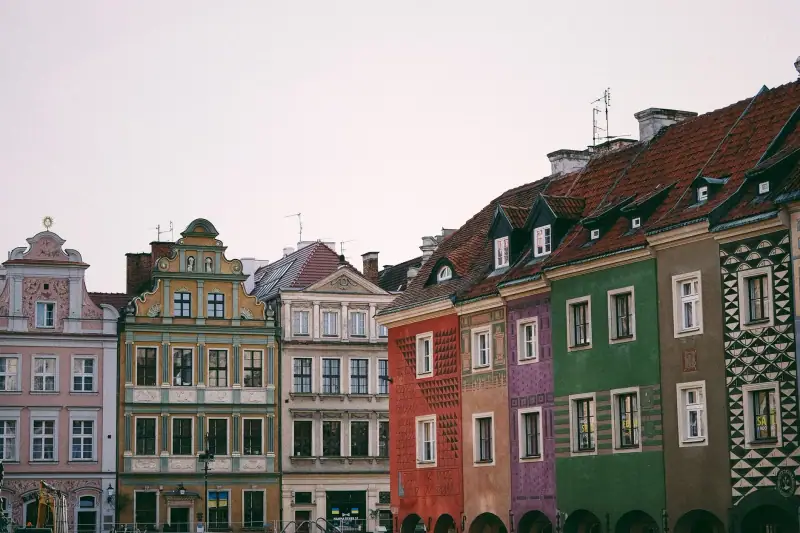
Where to Stay in Poznań: Neighborhoods and Types of Accommodation
Where to stay in Poznań: Old Market, Śródka, Jeżyce, Garbary, the station or Lake Malta. Neighborhoods and accommodation types by length of stay.
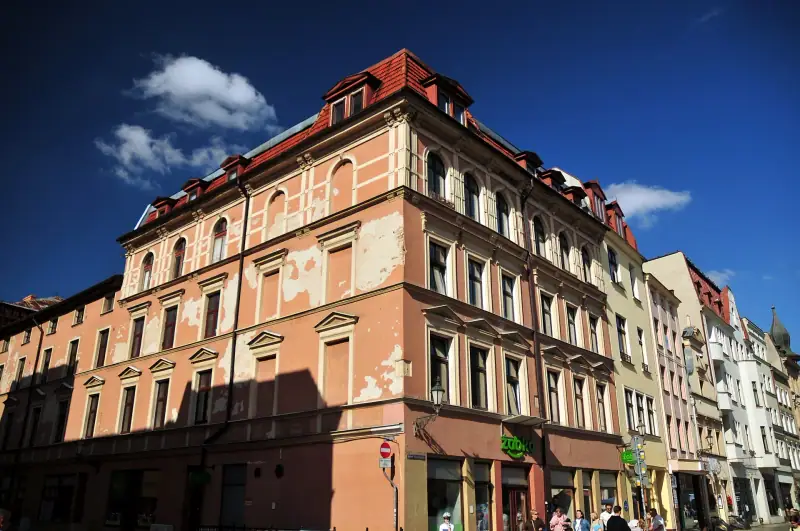
Where to Stay in Toruń: Neighborhoods and Types of Accommodation
Where to stay in Toruń: Old Town, New Town, Vistula bank, Podgórz or the station. Comparison of neighborhoods and accommodation types for your stay.
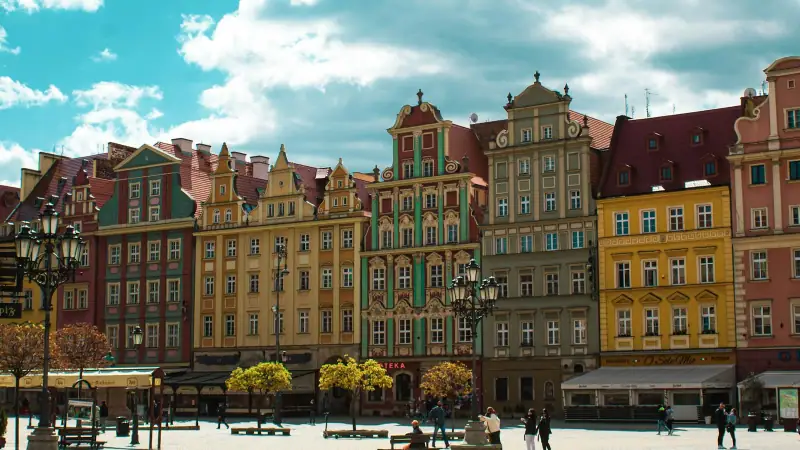
Where to Stay in Wrocław: Neighborhoods and Types of Accommodation
Where to stay in Wrocław: Old Town, Nadodrze, Ostrów Tumski, Biskupin or the station district. Neighborhoods and accommodation types for your stay.
Ready-made
Poland itineraries
2 days
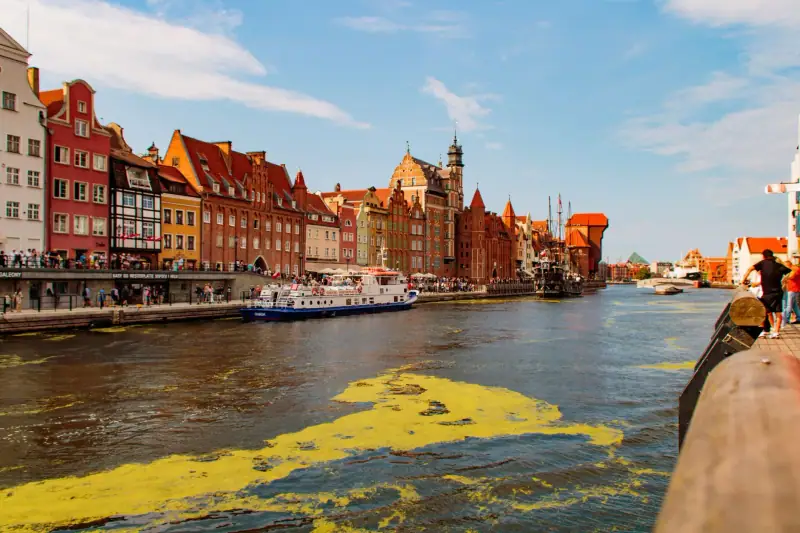
Gdańsk in 2 Days: An Itinerary Through the Old Town, the Shipyard and the Baltic
Gdańsk in 2 days: Royal Way, St. Mary's Basilica, Motława quays, European Solidarity Centre, Westerplatte and a getaway to Sopot.
3 days
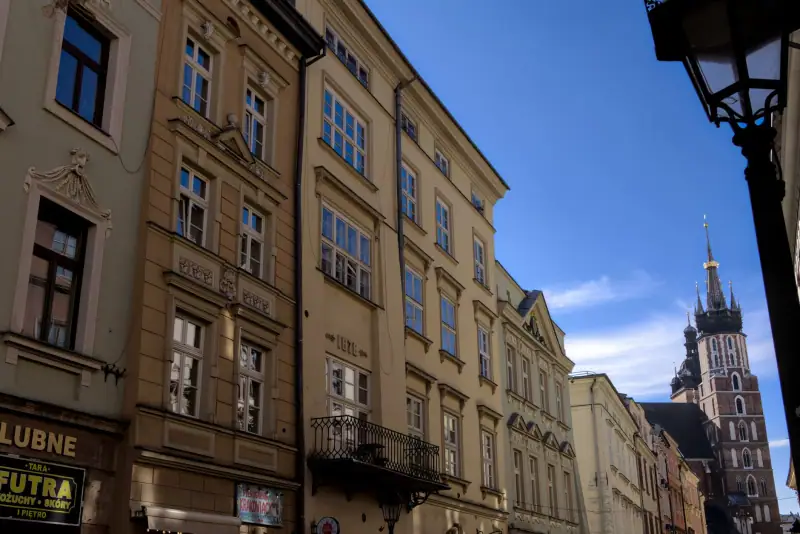
What to Do in Kraków in 3 Days: A Complete Itinerary
Kraków in 3 days: old town, Wawel Hill, the Kazimierz district, the Wieliczka salt mine and a respectful visit to Auschwitz-Birkenau.
2 days
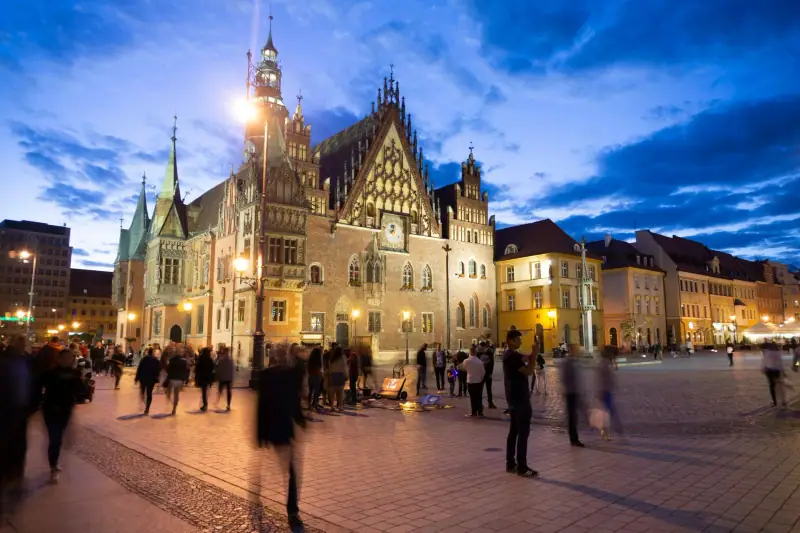
What to Do in Wrocław in 2 Days: A Complete Itinerary
Wrocław in 2 days: Market Square, Cathedral Island, bronze dwarfs, Centennial Hall and the Racławice Panorama. Walking itinerary, tips and budget.