What to see
Warsaw in 2 Days: What to See in the Polish Capital
We may earn a commission when you book through links on this page, at no extra cost to you. We don't visit or try the places we cover: we summarize published sources. How we work
In short
- Two days cover the old town, the Royal Castle and the Royal Way on day 1, and the Uprising and POLIN museums and Łazienki Park on day 2.
- The old town was almost entirely razed in 1944 and rebuilt identically; it is on the UNESCO World Heritage list for that reconstruction.
- The center is walkable; trams, buses and the metro cover the rest. The fast train to Kraków takes about 2 h 30.
- The Uprising and POLIN museums are places of reflection: visiting only one of the two is perfectly legitimate.
Warsaw has the reputation of an austere capital, and that is unfair. A city deeply marked by 20th-century history, it rebuilt itself with remarkable determination and today offers a rare mix: an old town rebuilt stone by stone, large parks, some of the most striking museums in Central Europe and a very lively scene of cafés and bars.
Two days are enough to understand the city. Here is an itinerary that groups the places by district to limit travel, and leaves room for strolling. If you are coming from Kraków, our three-day Kraków itinerary will help you build a two-stop stay.
Day 1 morning: the old town and Castle Square
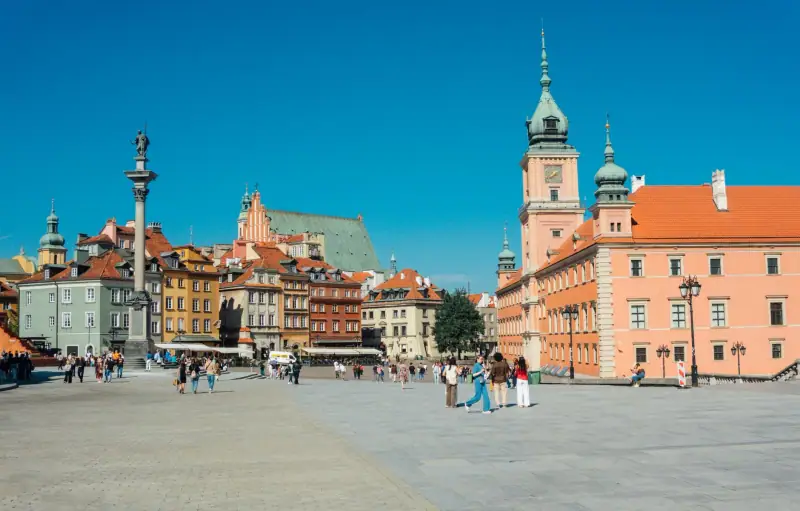
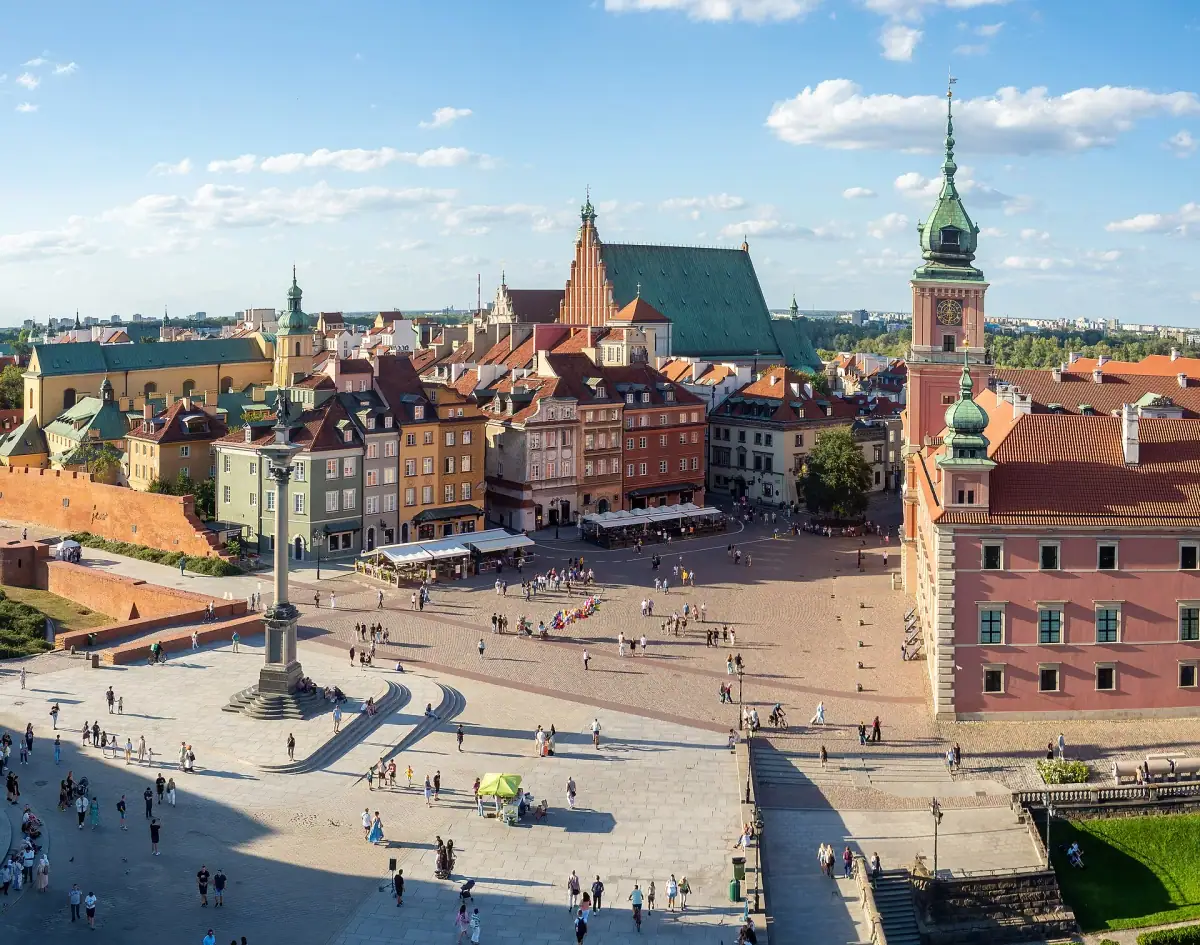
Start with Castle Square, at the foot of the old town. It is dominated by the Royal Castle, the former residence of the kings of Poland, and by Sigismund’s Column, erected in the 17th century and now one of the symbols of the city. Both the castle and the column were destroyed during World War II, then rebuilt. The castle regained its appearance after work spread over several decades, largely funded by donations.
That is precisely what makes the visit unusual: Warsaw’s old town (Stare Miasto) was almost entirely razed in 1944, then rebuilt identically in the postwar years, relying on archives, plans and old paintings. It is on the UNESCO World Heritage list precisely for this exemplary reconstruction.
Inside the castle, the royal apartments and state rooms can be visited. Book your slot ahead if you travel on a weekend or in summer. Plan about one to one and a half hours.
Then pass under the gate to reach the Old Town Market Square (Rynek Starego Miasta). The colorful burghers’ houses, now occupied by cafés and restaurants, surround the statue of the Mermaid (Syrenka), the emblem of Warsaw that appears on its coat of arms. The neighboring streets lead to the Barbican, a 16th-century defensive work that extended the ramparts, and toward the quieter New Town (Nowe Miasto).
🏨 Sleeping in Warsaw: central hotels, apartments and hostels, close to the old town or the Royal Way. Compare availability for your dates, notably on event weekends.
Day 1 afternoon: the Royal Way
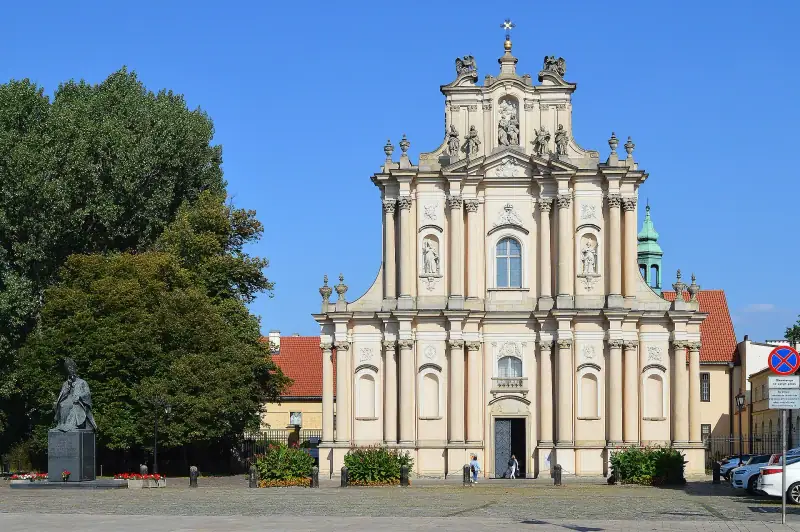
From Castle Square, take the Royal Way (Trakt Królewski), the great artery linking the sovereigns’ former residences. It begins with Krakowskie Przedmieście, lined with palaces, churches and university buildings, then continues as Nowy Świat, a lively shopping street with plenty of outdoor cafés.
Along the way, the Holy Cross Church holds the heart of Frédéric Chopin, kept in a pillar. The composer, born near Warsaw, is everywhere in the city: musical benches that play his works, a museum devoted to him, regular concerts.
Then continue toward the Palace of Culture and Science. This immense skyscraper, built in the 1950s and given by the Soviet Union, divides opinion: some hate it, others love it. It remains the city’s landmark in any case, and its panoramic terrace lets you take in the whole center. It is worth the ride up if the sky is clear.
At the end of the day, let the cafés of Nowy Świat guide you. To know what you might taste in the evening, see our guide to Polish cuisine.
🎟️ Guided tours in Warsaw: guided walks in the old town, history circuits and themed visits with a local guide. Handy for understanding the historical context of the reconstruction.
Day 2 morning: remembering the uprising and the ghetto
The second day is devoted to recent history. These places are demanding, but they are essential to understanding the city.
The Warsaw Uprising Museum, set in a former power plant in the Wola district, traces the uprising of summer 1944 against the German occupier. The uprising lasted about two months and ended with the systematic destruction of the city. The route is immersive, with photographs, objects, films and sound reconstructions. Plan at least two hours, closer to three if you like to read.
The POLIN Museum, devoted to the history of the Jews of Poland, is in the Muranów district, on the site of the former Warsaw ghetto. The permanent exhibition tells a thousand years of Jewish presence in Poland, well beyond the war period. The contemporary building faces the Monument to the Ghetto Heroes. This museum takes time and focus: schedule only one if your day is full.
It is perfectly legitimate to visit only one of the two. These places of remembrance are better experienced without haste, and the afternoon suggested below is deliberately lighter.
Day 2 afternoon: Łazienki Park
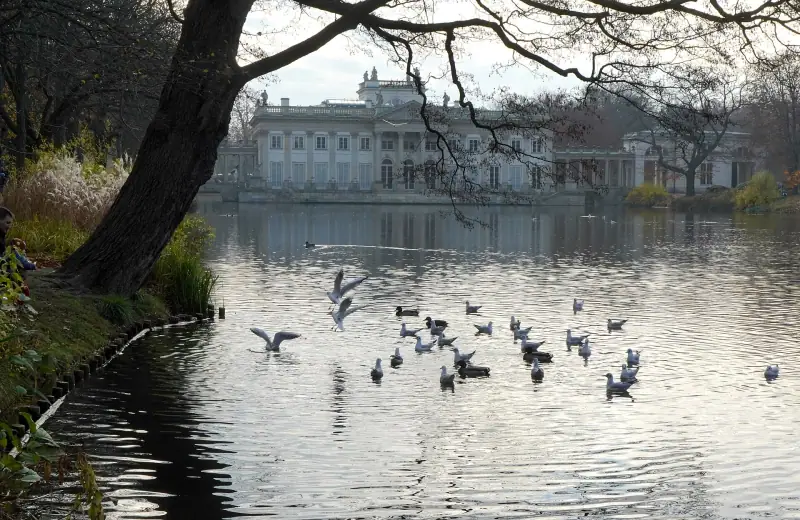
To catch your breath after the morning, head to Łazienki Royal Park (pronounced “wah-ZHEN-kee”), the city’s most famous green space, in the continuation of the Royal Way. It covers several dozen hectares and holds palaces, orangeries, an open-air theater, ponds and peacocks that wander freely.
The Palace on the Isle, summer residence of the last king of Poland, Stanisław August Poniatowski, is reflected in the lake and makes the classic photo. The Chopin monument, under a willow, hosts free piano concerts on Sundays, generally from late spring to early fall: check the calendar before you come.
Palace hours vary with the season and the day of the week, with a Monday closure for some buildings: consult the park’s website before you go. The park itself remains widely accessible and free.
If you have an extra half day, Wilanów Palace, a large Baroque residence of King John III Sobieski, lies at the southern end of the Royal Way. It is surrounded by well-kept gardens and can be reached by public transport.
Praga: the other bank of the Vistula
For a different evening, cross the Vistula to Praga, on the right bank. This district suffered less from the war’s destruction: you still find prewar courtyards, buildings with old architecture and a rawer atmosphere, among artists’ studios, alternative bars, galleries and converted old factories.
The right bank is also a chance to see the city from the other side of the river, and to extend the evening in places less touristy than the Market Square. As everywhere, keep an eye on your belongings in busy places and at night.
🍽️ Tasting Warsaw: food tours, tastings and Polish cooking workshops with a local guide, a way to discover pierogi, soups and the country's specialties.
Practical tips for your stay
When to go. Spring and early fall are the most pleasant: mild temperatures, parks at their best. Summer is hot and lively, winter cold but bright over the illuminated old town, with Christmas markets.
Getting around. The center is explored on foot, and the network of trams, buses and metro takes over for Łazienki or Wola. A multi-day transport pass is generally cheaper than single tickets. Check current fares.
Money. Poland does not use the euro but the zloty (PLN). Cards are accepted almost everywhere. For cash, prefer an ATM to a currency exchange office.
Respect for places of remembrance. The Uprising and POLIN museums, as well as the ghetto monuments, are places of reflection. Discreet dress, quiet voices and restraint with photographs are expected.
Entry rules and phone. Entry rules depend on your passport. Check the official travel advice of your government before you book: travel.state.gov (US), GOV.UK (UK), travel.gc.ca (Canada), Smartraveller (Australia) (checked November 2026). Also check your carrier’s international plan or consider a travel eSIM.
Insurance. For a stay abroad, remember to check your health and repatriation coverage before you leave.
Extending the trip
Warsaw combines easily with Kraków: the fast train links the two cities in about 2 h 30. For a quiet day on the Vistula, Kazimierz Dolny can be reached by bus from the capital. To the south, Zakopane and the Tatras add the mountains to your stay. If you want to widen the trip to Central Europe, Budapest is a possible addition, and Germany lies to the west.
Frequently asked questions
Are two days enough to visit Warsaw?
Yes, for a first overview. Two days let you see the old town, the Royal Castle, the Royal Way, Łazienki Park and one or two major museums. A third day is useful for Wilanów Palace or the Praga district.
Is Warsaw's old town authentic?
It was almost entirely destroyed in 1944, then rebuilt identically after the war, from old plans and 18th-century paintings. This reconstruction is itself recognized: the historic center is on the UNESCO list.
How do you get around Warsaw?
The center can largely be covered on foot, and the network of trams, buses and metro covers the rest of the city. A car is not necessary for a two-day stay.
How do you get from Warsaw to Kraków?
The train is the simplest way: allow about 2 h 30 for fast services between the two cities. Booking ahead is advised in high season.
What currency should you use in Warsaw?
The currency is the zloty (PLN), not the euro. Bank cards are accepted almost everywhere, including for small purchases.
More Poland guides
Keep reading
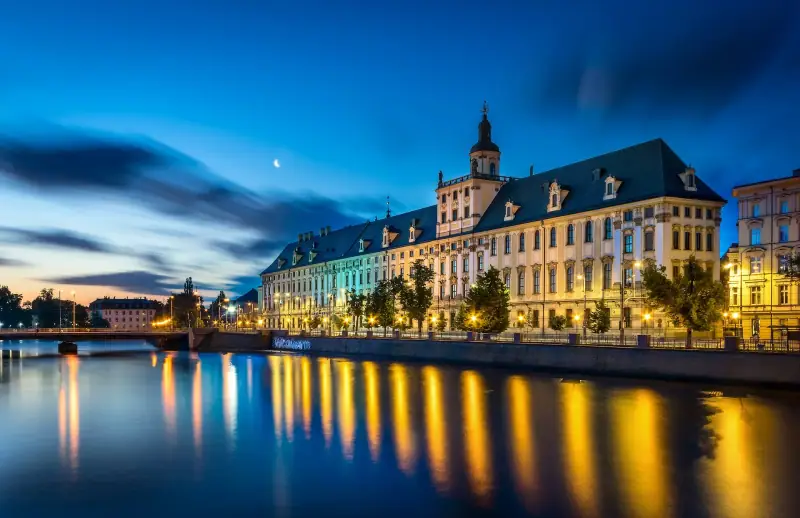
What to See in Lower Silesia: Wrocław, the Karkonosze, the Kłodzko Valley and Castles
What to see in Lower Silesia: Wrocław, Świdnica's Church of Peace, Książ Castle, the Giant Mountains, the Kłodzko Valley and Errant Rocks, with tips.
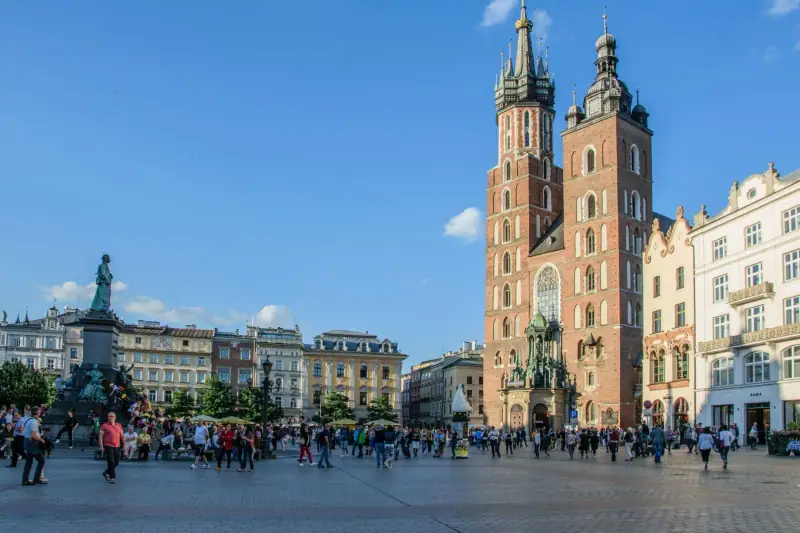
What to See in Lesser Poland: Kraków, Ojców, the Dunajec and UNESCO Sites
What to see in Lesser Poland around Kraków: Wieliczka, Ojców, UNESCO wooden churches, Kalwaria, the Dunajec gorge and the Tatras. Stop ideas and tips.
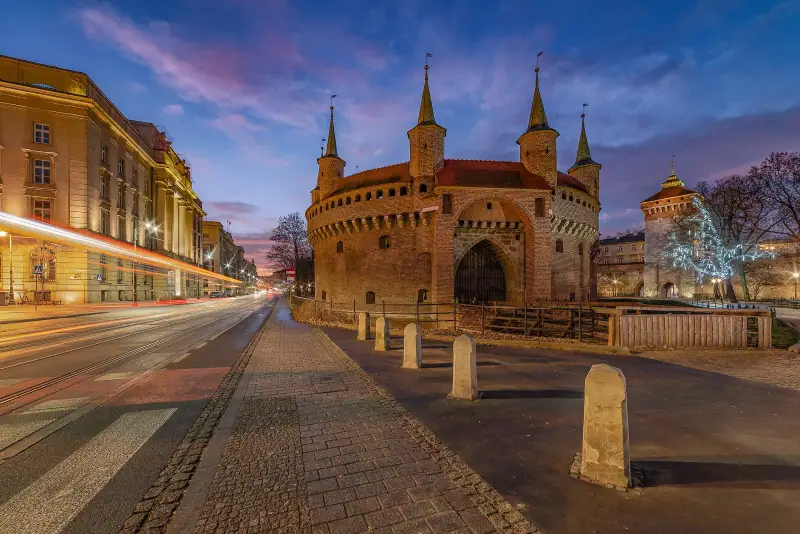
Complete Guide to Visiting Poland: Cities, Regions, Budget and Tips
Visiting Poland: regions, must-see cities, when to go, transport, accommodation and budget. The pillar guide to plan your trip step by step.
Ready-made
Poland itineraries
2 days
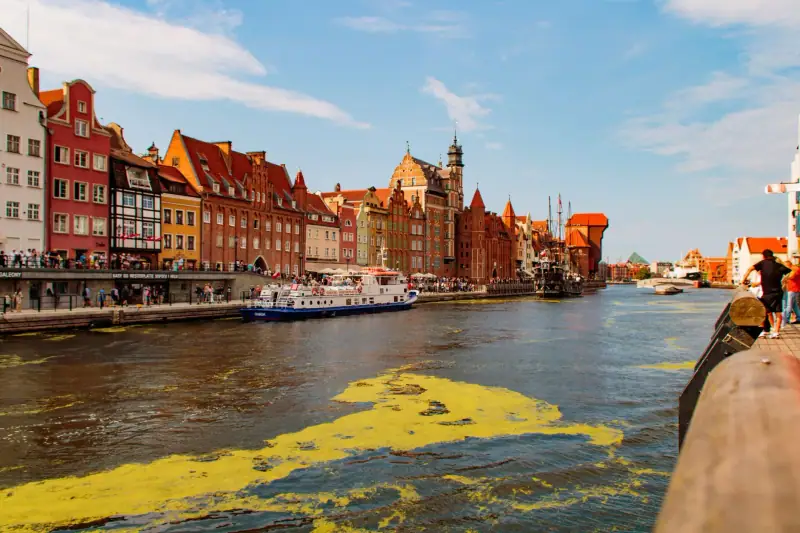
Gdańsk in 2 Days: An Itinerary Through the Old Town, the Shipyard and the Baltic
Gdańsk in 2 days: Royal Way, St. Mary's Basilica, Motława quays, European Solidarity Centre, Westerplatte and a getaway to Sopot.
3 days
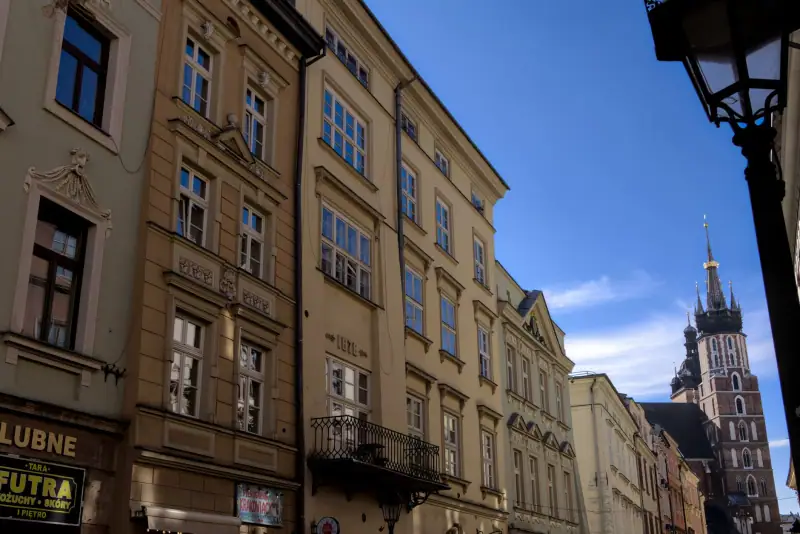
What to Do in Kraków in 3 Days: A Complete Itinerary
Kraków in 3 days: old town, Wawel Hill, the Kazimierz district, the Wieliczka salt mine and a respectful visit to Auschwitz-Birkenau.
2 days
What to Do in Wrocław in 2 Days: A Complete Itinerary
Wrocław in 2 days: Market Square, Cathedral Island, bronze dwarfs, Centennial Hall and the Racławice Panorama. Walking itinerary, tips and budget.