What to see
Visiting Auschwitz-Birkenau: Preparing Your Visit from Kraków
We may earn a commission when you book through links on this page, at no extra cost to you. We don't visit or try the places we cover: we summarize published sources. How we work
In short
- Entry cards are booked online on the official site, visit.auschwitz.org; slots go fast in high season, so book as soon as your dates are fixed.
- The site is 65 to 70 km (40 to 43 mi) from Kraków, about 1 h to 1 h 15 by road; a guided tour lasts about 3 h 30.
- Only small bags are admitted: the Memorial sets a maximum size of 35 x 25 x 15 cm (14 x 10 x 6 in).
- Plan a half day at least, wear simple, sober clothing, keep quiet, and plan nothing demanding right afterward.
Auschwitz-Birkenau is not a tourist attraction like the others. It is the largest place of remembrance of the genocide of the Jews of Europe, where more than a million people were murdered by Nazi Germany between 1940 and 1945. The site is now a memorial and a museum, on the UNESCO World Heritage list since 1979.
Many travelers to Poland choose to go, often from Kraków, out of a duty of remembrance. This guide does not describe what is seen there: it explains how to prepare the visit, when and how to get there, and what attitude to adopt. The visit is demanding, and it is better to approach it with time and without hurrying.
Understanding what you are visiting
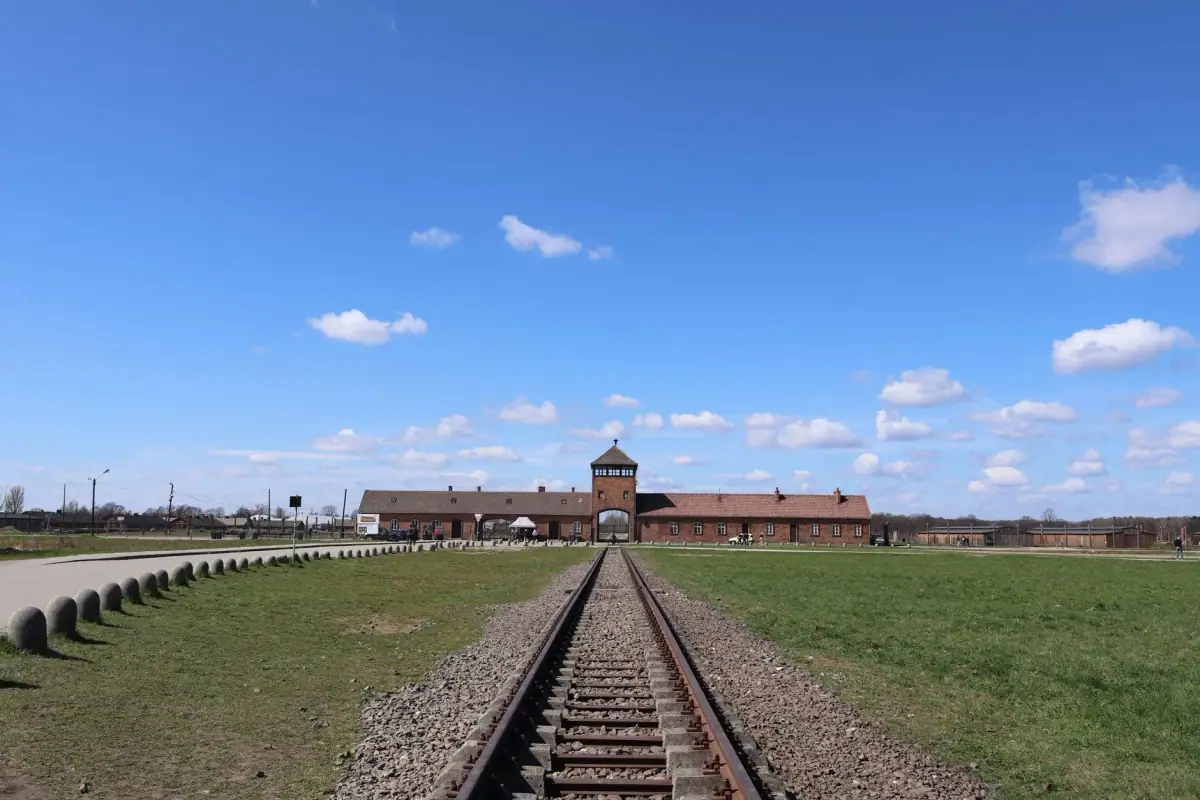
The Memorial is made up of two main sites, often referred to by a single name. The first, Auschwitz I, is a former camp of brick barracks, near the town of Oświęcim. Today it houses the museum’s exhibitions: documents, victims’ personal belongings, testimonies. The second, Birkenau (Auschwitz II), is a much larger site, built a few kilometers away, where the installations of the killing center stood.
The two places complement each other and it is preferable to see them together. Auschwitz I, through its archives and exhibitions, helps you understand what happened and how it was organized. Birkenau, with its expanses, its railway track and its ruins, conveys the scale of the crime. A visit limited to just one of the two sites leaves an incomplete picture.
Before leaving, it is useful to read a few pages of history, or to review what you know about the Shoah. A prepared visit is more meaningful, and above all more respectful: you better understand what is before your eyes, and you avoid discovering the most elementary facts there. The Memorial’s official website offers historical resources in several languages.
Booking your visit in advance
This is the most important practical point: entry has to be prepared. According to the Memorial’s official site, museum entry cards are booked online only, at visit.auschwitz.org. Do not count on buying on the spot, particularly between spring and fall, when attendance is highest.
Access to the grounds is free for individual visitors, but it requires this entry card, which sets a time slot. Only the visit accompanied by an educator-guide from the Memorial is paid. Book as soon as your travel dates are settled, because slots, notably for guided tours in your language, are limited.
You then have two options. The first is to book directly with the Memorial, either a self-guided visit depending on available slots, or a guided tour. The second is to take an organized excursion from Kraków, which generally includes transport and the guided tour. This second option greatly simplifies logistics, especially if you are not renting a car.
Remember to bring an ID and to keep your booking confirmation with you. Security checks at the entrance resemble those at an airport, and the line can be long at peak hours.
🎟️ Excursion to Auschwitz-Birkenau from Kraków: compare the guided tours that include transport and entry to the Memorial, with the guide language depending on the departure.
Getting to Auschwitz-Birkenau from Kraków
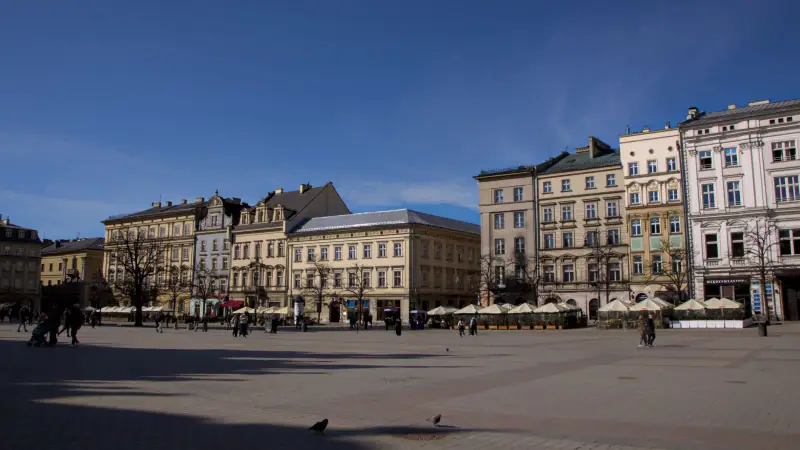
The Memorial is in Oświęcim, about 65 to 70 km (40 to 43 mi) from Kraków by road, roughly 1 h to 1 h 15 in normal conditions, more in heavy traffic or on a bus that stops often. Several ways of getting there are available.
The bus is the most common solution. Buses and minibuses run regularly between Kraków and Oświęcim and drop visitors near the site. Timetables vary with the season: check them the day before, and allow a comfortable margin to arrive before your slot. The train is another option, but Oświęcim station is some distance from the museum, which means completing the trip with a short additional leg.
A car offers the most freedom, for example if you combine the visit with a road trip in the region. There is a parking lot near the site. If you rent a car for the whole stay, it is practical, but for a single excursion the bus or an organized visit often costs less and is less tiring. Organized excursions leave in large numbers from Kraków’s old town, with a minibus transfer included.
Whatever you choose, plan nothing demanding right after the visit. Many visitors need time to regain their footing, and a quiet evening in Kraków is preferable to a busy program. If you have not yet booked your accommodation, choosing an area near the station or the old town makes the round trips easier.
How the visit unfolds
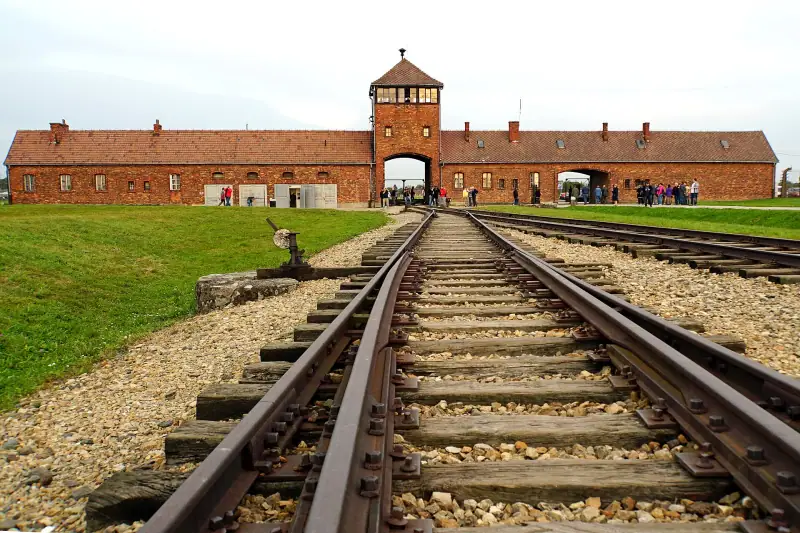
A standard guided tour lasts about three and a half hours, according to the Memorial, with time devoted to each of the two sites. For a self-guided visit, allow about an hour and a half per site, more if you wish to read the panels and exhibitions. It is therefore better to plan a full half day, not a quick stop between two other visits.
The educator-guide gives the historical thread of the route and answers questions. For many visitors, this is what makes the visit most useful: the places alone do not say everything. Groups are equipped with an audio headset, which lets you keep listening without having to move close to the guide, and keep the silence the place calls for.
The pace is slow, and there is a lot of walking, partly outdoors. Birkenau is a very large and very open site, with no shelter from rain, wind or strong heat. Even in summer, a light jacket is often useful, and in cold weather, good shoes and warm layers are indispensable.
It is not unusual to be deeply shaken during the visit. There is nothing abnormal in pausing, stepping away from the group for a moment or cutting some parts short. The Memorial is a place of reflection before it is a place of visit, and each person’s pace must be respected there.
Conduct and dress: respect above all
The Memorial asks visitors to dress in a manner appropriate to the nature of the place. In practice, this means simple, sober clothing, without slogans or provocative garments, with comfortable shoes for walking several hours.
Bags are limited: the maximum size allowed inside the museum is 35 x 25 x 15 cm (14 x 10 x 6 in), according to the official site. Larger bags must be left in the cloakroom or at your accommodation. Come with the bare minimum: water, a phone, your entry card and an ID.
Silence or a very low voice is expected, particularly in the buildings, in front of the monuments and in the areas where the victims’ ashes lie. Do not sit on the ruins, cross the barriers or touch the remains. If you take photographs, keep in mind where you are: it is not a backdrop, and selfies or posing are out of place there. Ask there about the areas where photography is restricted, and follow the posted rules.
A visit with young children needs careful thought. The content is difficult, and it is generally not recommended for the youngest. For teenagers, preparation beforehand, a few explanations and a time for discussion after the visit are essential.
🏨 Sleeping in Kraków: the simplest option is to stay in Kraków, from where buses and excursions leave for the Memorial. Compare hotels and apartments for your dates.
Combining the visit with the rest of your stay
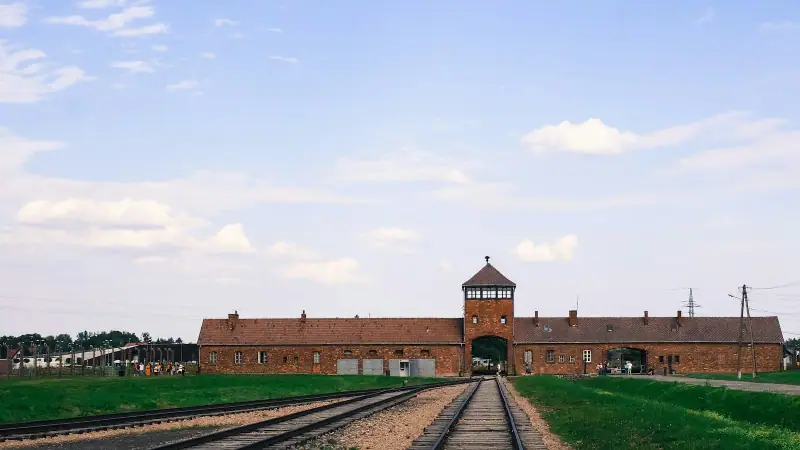
A day devoted to Auschwitz-Birkenau fits well into a stay in Kraków. In our three-day Kraków itinerary, the excursion takes up the third day, as an alternative to the Wieliczka salt mine. If you want to do both excursions without rushing, it is better to add a day.
It is not advisable to follow the visit with a festive program or a long drive the same day. Many travelers prefer to return to Kraków, walk in the old town or the Kazimierz district, and let what they have seen settle. The next day, a day in nature can help: the Tatras are within reach by road, and our guide to Zakopane and the Tatras gives hiking ideas.
For a broader look at the country’s 20th-century history, Warsaw usefully complements the trip, notably with its museums devoted to Polish history. You will find pointers in our guide to Warsaw in two days.
If your trip extends beyond Poland’s borders, neighboring Germany and Hungary can be combined with a stay in Poland by train or road.
When to go and what to expect
The Memorial is open all year, with hours that vary by season. The summer months are the busiest: slots are taken long in advance, security lines are longer and the heat at the very exposed Birkenau site can be trying. Spring and fall generally offer more pleasant conditions and more moderate attendance.
Winter is the quietest period. The site, under snow or in the cold, can then leave a particularly strong impression, but you need very warm clothing and must accept that the walking outdoors is harsh. In all cases, it is better to choose an early-morning slot, when the site is less busy and the visit takes place in a calmer atmosphere.
Before leaving, check the hours and rules in force on the Memorial’s official website, which updates them regularly. Bring water, something to cover up with, and leave time after the visit. And if you are traveling more widely in Poland, taking out travel insurance is a useful precaution. Also check your carrier’s international plan or consider a travel eSIM.
In short
Visiting Auschwitz-Birkenau takes preparation, but above all humility. Book in advance on the official site, plan a half day, choose a visit with an educator-guide if possible, come with few belongings and sober clothing, and leave yourself time after the visit. This day is not the easiest of a trip to Poland, but many visitors consider it one of the most memorable.
Frequently asked questions
Do you need to book to visit Auschwitz-Birkenau?
Yes. Entry cards for the Memorial are booked online on the official site, visit.auschwitz.org, and slots go quickly in high season. The safest course is to book as soon as your dates are fixed.
Is admission to Auschwitz-Birkenau paid?
Access to the grounds is free for individual visitors, but it requires a named entry card that must be booked. Only the visit with an educator-guide from the Memorial is charged.
How much time should you plan?
A standard guided tour lasts about three and a half hours. With the trip from Kraków, plan a half day, or even a full day if you travel on your own.
Can you bring a backpack?
Only small bags are admitted: the Memorial sets a maximum size of 35 x 25 x 15 cm (14 x 10 x 6 in). Larger bags must stay in the cloakroom or at your accommodation.
How do you get from Auschwitz to Birkenau?
The two sites are separate and a few kilometers apart. Guided tours include the transfer from one to the other by shuttle. If you come on your own, ask there how to make the trip.
More Poland guides
Keep reading
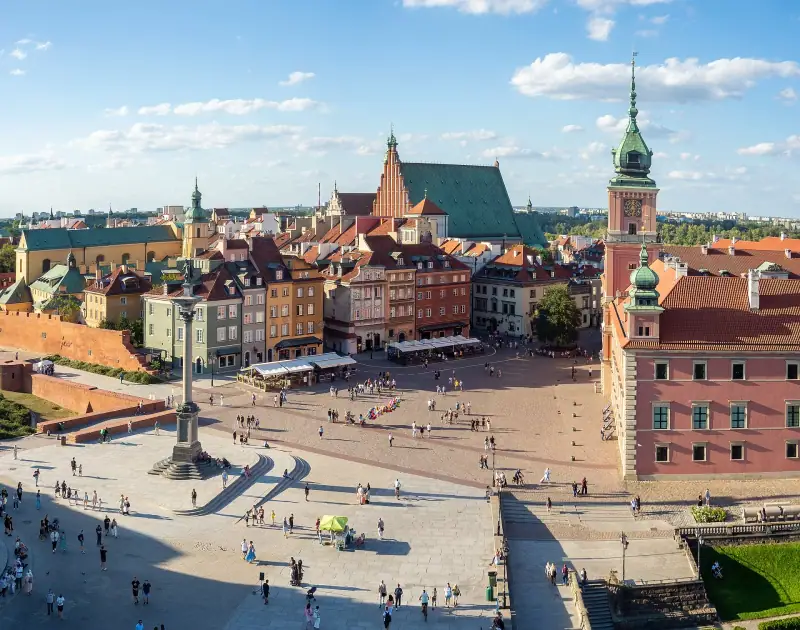
Warsaw in 2 Days: What to See in the Polish Capital
Warsaw in 2 days: rebuilt old town, Royal Castle, Royal Way, Łazienki Park, the Uprising and POLIN museums, and the Praga district.
What to See in Lower Silesia: Wrocław, the Karkonosze, the Kłodzko Valley and Castles
What to see in Lower Silesia: Wrocław, Świdnica's Church of Peace, Książ Castle, the Giant Mountains, the Kłodzko Valley and Errant Rocks, with tips.
What to See in Lesser Poland: Kraków, Ojców, the Dunajec and UNESCO Sites
What to see in Lesser Poland around Kraków: Wieliczka, Ojców, UNESCO wooden churches, Kalwaria, the Dunajec gorge and the Tatras. Stop ideas and tips.
Ready-made
Poland itineraries
2 days
Gdańsk in 2 Days: An Itinerary Through the Old Town, the Shipyard and the Baltic
Gdańsk in 2 days: Royal Way, St. Mary's Basilica, Motława quays, European Solidarity Centre, Westerplatte and a getaway to Sopot.
3 days
What to Do in Kraków in 3 Days: A Complete Itinerary
Kraków in 3 days: old town, Wawel Hill, the Kazimierz district, the Wieliczka salt mine and a respectful visit to Auschwitz-Birkenau.
2 days
What to Do in Wrocław in 2 Days: A Complete Itinerary
Wrocław in 2 days: Market Square, Cathedral Island, bronze dwarfs, Centennial Hall and the Racławice Panorama. Walking itinerary, tips and budget.