Plan your trip
Budget for a Trip to Poland: Real Costs and Tips to Spend Less
We may earn a commission when you book through links on this page, at no extra cost to you. We don't visit or try the places we cover: we summarize published sources. How we work
In short
- Per person per day, excluding flights: €45 to €80 (~$52 to $93) tight, €80 to €140 (~$93 to $160) comfort, €140 to €230 (~$160 to $265) higher budget.
- A milk bar (bar mleczny) dish generally costs 8 to 20 zlotys, about €2 to €5 (~$2 to $6); a full meal rarely exceeds €8 (~$9).
- Auschwitz-Birkenau entry is free, but since March 1, 2026 an online slot is mandatory; only the guided tour is paid, around 150 zlotys (about €35 / $41).
- Accommodation is the first expense; trains are best booked ahead, since the price of the same trip can double or even triple.
Poland has a reputation as an affordable destination, and that is largely true: you eat heartily for a few euros, the tram costs barely more than a euro a ride and several major sites can be visited for free. But the budget for a trip depends mostly on three things: the season, the city chosen and how you sleep. Here are the real costs by item, three budget profiles with figures and the tips that actually cut the bill.
The prices below are given in zlotys (PLN) and converted to euros on the basis of about 4.3 PLN to €1, the rate observed in recent months. They are rounded and indicative: rates move every year, so check them when you book.
The budget at a glance: three profiles
The following ranges, collected from several recent budget guides, include accommodation, meals, local transport and activities. They exclude flights.
| Profile | Budget per day per person | Who it suits |
|---|---|---|
| Tight budget | €45 to €80 (~$52 to $93) | Travelers in a dorm or hostel private room, milk bar meals, public transport, free visits |
| Comfort | €80 to €140 (~$93 to $160) | 3-star hotel or apartment, regular restaurants, museums and an excursion |
| Higher budget | €140 to €230 (~$160 to $265) | Well-located hotels, taxis, good restaurants, guided excursions |
These figures are averages: a couple sharing a room will pay less per person, and a stay in Kraków in August will cost more than a getaway to Wrocław in October. To decide on the period, see our guide to when to go to Poland.
Example: a 3-day weekend in Kraków
To make these ranges concrete, here is what a three-day, two-night stay looks like, per person, excluding flights:
- Tight budget: a dorm bed or a hostel private room (about €25 to €60 for the two nights, about $29 to $70), meals in milk bars (€6 to €10 a day, about $7 to $12), public transport (a few euros), free or low-cost visits. Total: often between €100 and €180 (about $115 to $210).
- Comfort: two nights in a 3-star hotel (about €100 to €140 for the room, or €50 to €70 per person for two, about $58 to $81), a restaurant a day, one major paid visit. Total: about €220 to €350 (about $255 to $405).
- Higher budget: a higher-category hotel, careful dinners, a guided excursion to Auschwitz-Birkenau or Wieliczka with transfer. Total: from €420 (about $485).
To plan these three days, our itinerary Kraków in 3 days gives the details of the visits.
Accommodation: the first expense
On most trips to Poland, the nightly rate weighs more than meals and transport combined. Here are the orders of magnitude for the big cities, according to the sources consulted:
- Dorm bed: about €12 to €25 a night (about $14 to $29). In Kraków, a modern hostel starts around €13 (about $15) in low season, but prices can climb to €30 or €40 (about $35 to $46) in midsummer.
- Private room in a hostel: about €30 to €55 a night (about $35 to $64) depending on the city and the period.
- 3-star hotel: in Kraków, generally €50 to €70 a room (about $58 to $81), with bargain offers around €40 (about $46) in Warsaw. Plan more during the Christmas markets, long weekends and festivals.
- 4- and 5-star hotels: noticeably more expensive, but the gap stays favorable compared with Western European capitals.
Short-stay apartments are a good option from two or three travelers, since the kitchen lets you limit restaurant meals. The district matters a lot: the rate drops quickly as you move away from Kraków’s Main Market Square or Warsaw’s old town, and the tram bridges the distance for under €2 (about $2) round trip. Our comparison where to stay in Poland details the areas to favor in Kraków, Warsaw and Zakopane.
🏨 Compare accommodation in Poland: hostels, hotels and apartments in Kraków, Warsaw, Gdańsk or Wrocław. Filter by price and free cancellation to lock in a rate without risk, then watch for price drops before the deadline.
Transport: economical once you arrive, to plan ahead between cities
In the city
Urban networks are very cheap. In Kraków, tickets are by duration: about 4 PLN for 15 minutes, 8 PLN for 60 minutes and 9 PLN for 90 minutes (about €1 to €2, or about $1 to $2), with unlimited transfers between trams and buses during validity. In Warsaw, a 24-hour ticket costs 15 PLN (about €3.50, or about $4) and covers metro, tram and bus; short tickets start at 3.40 PLN for 20 minutes. In both cities, the historic center can largely be covered on foot: many visitors use transport only to reach their accommodation.
Between cities
The train remains the most practical way. On the Warsaw-Kraków line, the busiest, the fastest trip takes about 2 h 20, with some twenty direct departures a day. Second-class tickets on PKP Intercity trains start around 60 to 80 PLN (€14 to €19, about $16 to $22) when you book early, and climb to 120 to 180 PLN (€28 to €42, about $32 to $49) at the standard fare. Pendolino trains have promotional fares from about 80 to 120 PLN. Low-cost alternatives, such as FlixTrain, exist with lower prices but a longer trip, about 3 h 30 to 4 h.
The golden rule: book the train ahead. The price of the same trip can double or even triple depending on the purchase date. Our guide Gdańsk in 2 days and our itinerary for Wrocław help link the cities with coherent stops.
The car: rarely worthwhile
On an urban stay, the car is a needless expense: restrictive parking, fuel and tolls add to the rental. It becomes interesting for exploring the countryside or reaching the Tatras with several people. In that case, compare rental offers in advance, and think about sharing the costs among travelers.
Meals: Poland’s budget asset
This is where the savings are clearest.
- Bar mleczny (“milk bar”): a canteen inherited from the communist era, where a dish generally costs 8 to 20 PLN (about €2 to €5, or about $2 to $6). A full meal of soup, main and drink rarely exceeds €8 (about $9). Pierogi, bigos, żurek and breaded cutlet are served in generous portions.
- Mid-range restaurant: about €10 to €20 per person (about $12 to $23), drinks not included. Restaurants on or in view of the main square charge more; side streets and districts like Kazimierz offer better value.
- Beer: about 8 to 15 PLN for half a liter at a bar or pub, or €2 to €3.50 (about $2 to $4).
- Supermarket shopping: bread, cold cuts, cheese and fruit let you put together a breakfast or a picnic for a few euros.
To know what to order, read our guide to Polish cuisine and its specialties. A meal budget of €10 to €15 a day (about $12 to $17) is enough to eat well on a tight budget; €25 to €40 (about $29 to $46) lets you add a real restaurant every evening.
🥟 Tasting Polish cuisine with a guide: food tours, pierogi tastings and cooking classes. Useful for discovering the specialties in a few hours and spotting the neighborhood's good addresses before dining on your own.
Activities and visits: lots of free, a few big admissions
The cost of visits depends mostly on two major sites in the Kraków region.
Auschwitz-Birkenau. Entry to the Memorial is free, but since March 1, 2026, booking an online slot is mandatory for all visitors, all year, and no ticket is issued on the spot. Only the guided tour is paid, around 150 PLN per adult (about €35, or about $41). Add transport from Kraków, by bus or train, or an organized excursion that includes it. Our guide to visiting Auschwitz-Birkenau explains how to book and prepare.
Wieliczka salt mine. For 2026, the standard ticket for the tourist route in a foreign language costs 143 PLN in low season and 159 PLN in high season (about €33 to €37, or about $38 to $43). Visits in Polish are cheaper, 103 to 119 PLN, and reduced rates exist. The detail is in our article on the Wieliczka salt mine.
Other expenses. A large part of Poland’s appeal costs nothing: strolling the squares of the old towns, walking along the Vistula, visiting churches (some ask for a small contribution), enjoying the parks. In the mountains, hikes in the Tatras are inexpensive, excluding transport and any national park entrance fee; see our hikes around Zakopane. For Warsaw, our guide Warsaw in 2 days lists the main visits.
🎟️ Excursions and guided tours in Poland: Auschwitz-Birkenau, Wieliczka, old-town visits with a guide. Compare durations, transfers included and cancellation conditions to choose between organizing it yourself and a turnkey excursion.
Money, cards and hidden fees
Poland does not use the euro but the zloty. Bank cards and contactless payment are accepted almost everywhere, including for small amounts. A few precautions avoid needless fees:
- Pay in zlotys. If the terminal offers to charge in euros or your home currency, decline. Dynamic conversion is generally less advantageous than your bank’s. Details in our guide to paying in zlotys or euros by card and at the ATM.
- Withdraw cash at an ATM rather than at a currency exchange office. Withdraw small amounts at a time, so you do not end the trip holding zlotys.
- Check your card’s fees: some banks charge foreign transaction fees, others do not. A card with no foreign fees can save a few dozen euros on a trip.
- Tipping: about 10% at restaurants is common when the service is good; it is not mandatory.
- Travel insurance: an item to plan for, covering cancellation, luggage and medical costs.
- Phone: check your carrier’s international plan or consider a travel eSIM.
Tips to spend less
- Choose the right season. Avoid July-August and the Christmas market period for accommodation in the big cities. April-May and September-October combine softer rates and decent weather.
- Book early, with free cancellation. For the hotel as for the train, the best rates go first. A cancellable booking lets you keep it without commitment and replace it if a lower price appears.
- Sleep on the outskirts, served by the tram. A few stops are enough to lower the room price, for a trip of under €2 (about $2).
- Eat at the milk bar at lunchtime. Many establishments offer reduced-price lunch deals; you keep the restaurant for the evening.
- Take a day transport ticket if you make many trips, notably in Warsaw (15 PLN for 24 hours).
- Combine cities with advance train tickets. Book Warsaw-Kraków-Gdańsk trips several weeks ahead.
- Fill the program with free things. Old towns, parks, markets, churches: alternate a day of paid visits with a day of strolling.
- Favor a less touristy city. Wrocław, Gdańsk, Poznań or Toruń are often a little cheaper than Kraków and Warsaw, for a comparable quality of visit.
- Book Auschwitz-Birkenau as early as possible. The slot is mandatory and places go fast in season; better not to pay a last-minute surcharge for an organized excursion.
- Shop at the supermarket for breakfast and picnics, especially if your accommodation has a kitchen.
How much to plan for your trip?
For a three-day weekend in Kraków, plan between €100 and €180 per person on a tight budget (about $115 to $210), €220 to €350 for comfort (about $255 to $405), and from €420 for a higher budget (about $485), excluding flights. For a week among Kraków, Warsaw and Gdańsk, multiply your profile’s daily budget by seven, then add €60 to €120 for trains (about $70 to $140) if you book them ahead.
Keep a margin of about 10 to 15% for the unexpected: an improvised excursion, a late-night taxi or a paid visit you had not planned. And do not forget the flight: the fare depends on the booking date and the season, so compare it on your usual search engines before setting the overall budget.
In short, Poland lets you travel comfortably at a reasonable price, as long as you master two levers: the nightly rate and the calendar. With a little anticipation, a quality stay remains accessible, even when visiting the country’s most famous sites.
Sources
- Auschwitz-Birkenau Memorial and Museum: figures checked November 2026
- Wieliczka Salt Mine: figures checked November 2026
Frequently asked questions
What budget should you plan per day in Poland?
Plan about €45 to €80 (~$52 to $93) a day on a tight budget (hostel, milk bars, public transport), €80 to €140 (~$93 to $160) for comfort (hotel or apartment, restaurants, visits) and €140 to €230 (~$160 to $265) for a higher budget (good hotels, taxis, excursions). These ranges include accommodation, meals, local transport and activities, excluding round-trip flights.
Is Poland cheap?
Generally yes, especially for meals, city transport and museum admissions. Accommodation in the big cities in high season, particularly in Kraków, narrows the gap. Prices also vary by city: Wrocław, Gdańsk and Poznań are often a little cheaper than Kraków and Warsaw.
How much does a meal in a milk bar (bar mleczny) cost?
A dish there generally costs between 8 and 20 zlotys, about €2 to €5 (about $2 to $6). A full meal (soup, main, drink) therefore most often stays under €8 (about $9). Prices change from year to year: check the menu posted at the entrance.
Is admission to Auschwitz-Birkenau paid?
Entry to the Memorial is free, but since March 1, 2026 booking an online slot is mandatory for all visitors. Only the guided tour is paid: about 150 zlotys per adult, around €35 (about $41). Book on the Memorial's official site.
Is it better to pay in zlotys or euros?
In zlotys. Cards are accepted almost everywhere. If a payment terminal or ATM offers to convert to euros or your home currency, decline and choose the local currency: the rate applied is generally more favorable. The reference rate is around 4.3 zlotys to €1.
When should you go to pay less?
Outside summer and outside the Christmas markets. April-May and September-October offer a good compromise between weather and accommodation prices. Dorm beds in Kraków can go from about €13 (about $15) in low season to over €30 (about $35) in midsummer.
More Poland guides
Keep reading
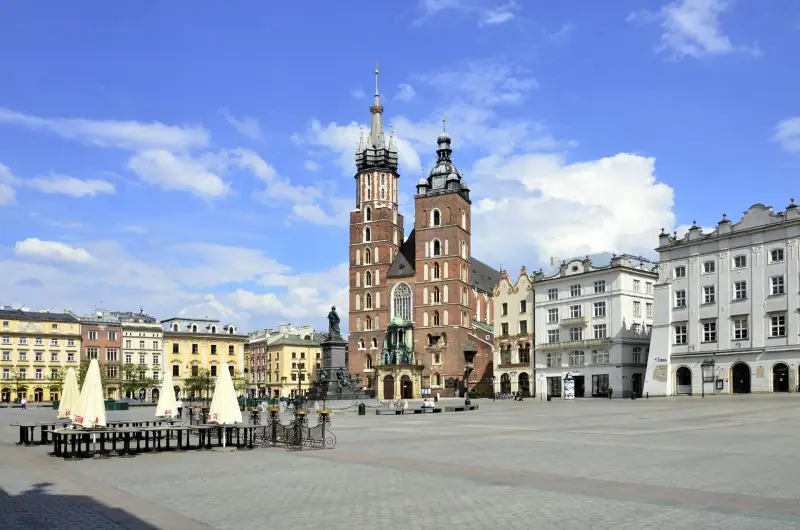
When to Visit Poland: Seasons, Budget and Transport to Plan Your Trip
When to go to Poland? Seasons, budget, currency and trains between Kraków, Warsaw and Gdańsk: what you need to plan a first trip without surprises.
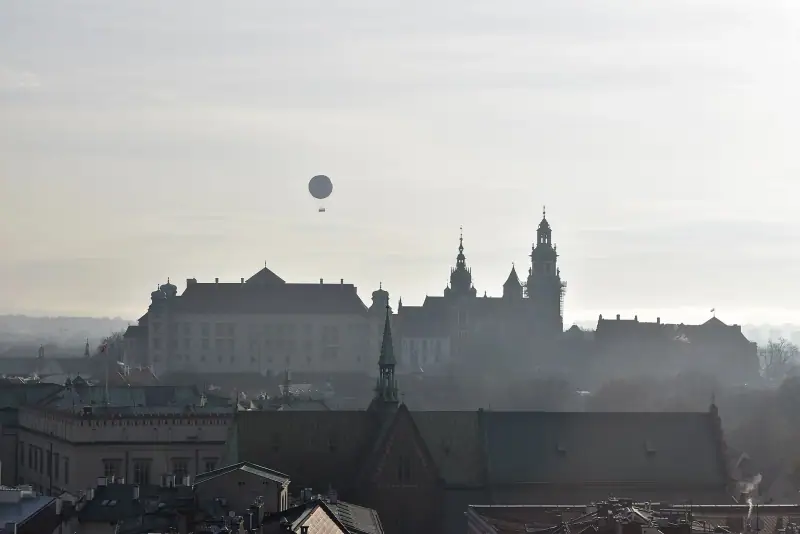
Where to Stay in Poland: Recommended Areas in Kraków, Warsaw and Zakopane
Where to stay in Poland: the best areas of Kraków, Warsaw and Zakopane for your budget and travel style, with booking tips.
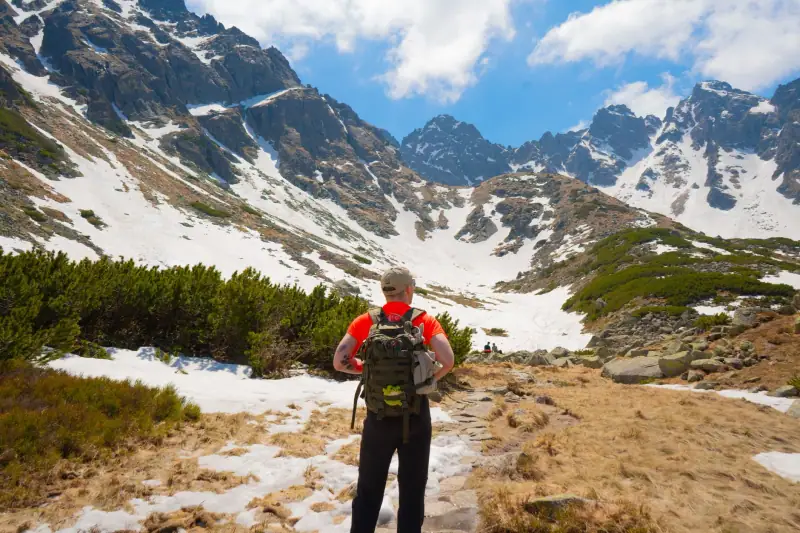
Zakopane and the Tatras: Hikes and Excursions from Kraków
Zakopane and the Tatras: Morskie Oko, Kasprowy Wierch, Krupówki Street, oscypek and tips for organizing a day trip or stay from Kraków.
Ready-made
Poland itineraries
2 days
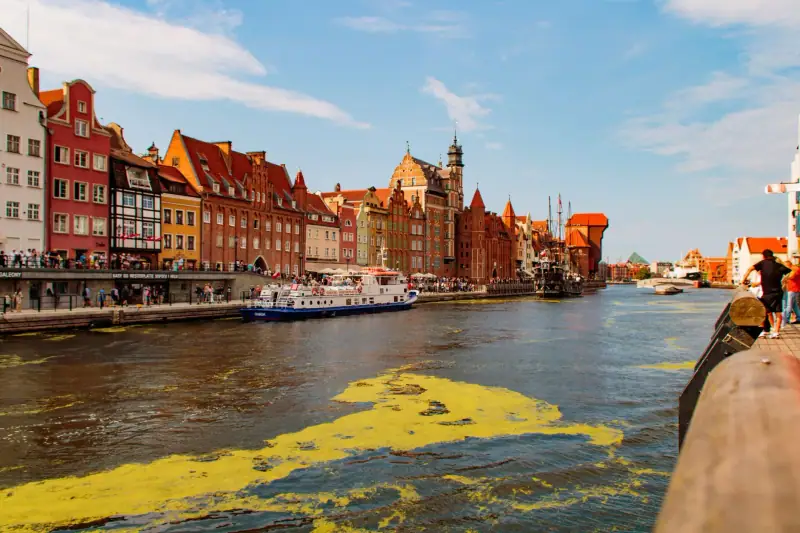
Gdańsk in 2 Days: An Itinerary Through the Old Town, the Shipyard and the Baltic
Gdańsk in 2 days: Royal Way, St. Mary's Basilica, Motława quays, European Solidarity Centre, Westerplatte and a getaway to Sopot.
3 days
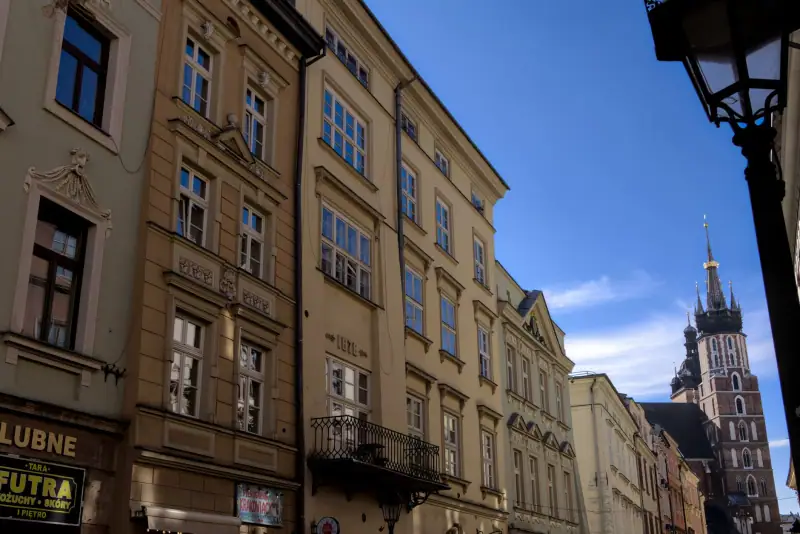
What to Do in Kraków in 3 Days: A Complete Itinerary
Kraków in 3 days: old town, Wawel Hill, the Kazimierz district, the Wieliczka salt mine and a respectful visit to Auschwitz-Birkenau.
2 days
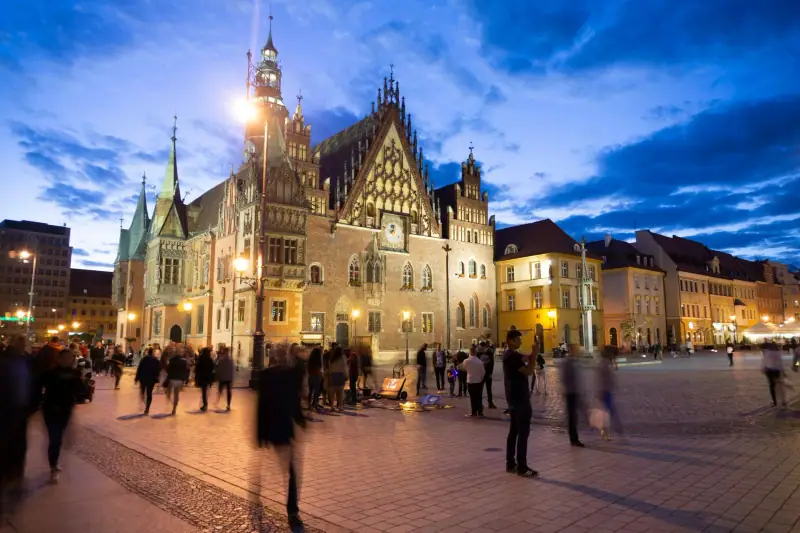
What to Do in Wrocław in 2 Days: A Complete Itinerary
Wrocław in 2 days: Market Square, Cathedral Island, bronze dwarfs, Centennial Hall and the Racławice Panorama. Walking itinerary, tips and budget.