Itineraries
Madagascar in 2 weeks: day-by-day itinerary and variants
We may earn a commission when you book through links on this page, at no extra cost to you. We don't visit or try the places we cover: we summarize published sources. How we work
Day by day: 14-day main circuit
- Days 1-2Antananarivo: arrival, upper town, markets
- Days 3-4Andasibe: rainforest, indris, chameleons
- Days 5-6Antsirabe: rickshaws, market, crafts
- Days 7-8Fianarantsoa old town, optionally Ranomafana
- Days 9-11Isalo National Park: canyons and natural pools
- Days 12-14Beach near Toliara and Ifaty, flight back to Antananarivo
In short
- The main 14-day circuit goes Antananarivo, Andasibe, Antsirabe, Fianarantsoa (and Ranomafana if time allows), Isalo, then a beach near Toliara.
- Count in hours, not kilometers: Antananarivo to Antsirabe is about 170 km (106 mi) and usually takes four to five hours.
- Two variants exist: the West (Morondava, baobabs, Bemaraha tsingy) and the North (Nosy Be and Diego Suarez), the latter by domestic flight.
- Dry season, roughly May to October, is the most comfortable for roads and hikes; return from Toliara by plane rather than road.
Two weeks in Madagascar is both a lot and very little. A lot, because it is enough for a proper trip, with changing landscapes, encounters and wildlife sightings you do not forget. Very little, because the fourth-largest island in the world cannot be crossed like a small European country: distances are long, roads slow, and a trip that looks short on the map often takes a whole day.
This guide offers a 14-day itinerary designed for a first stay, with a main circuit (east, Highlands, RN7 and beach) and two variants: the west of the baobabs and the north around Nosy Be. The goal is not to see everything, but to build a coherent, realistic and enjoyable trip.
Golden rules for building a two-week circuit
Before drawing the itinerary, a few principles avoid unpleasant surprises.
- One large region, not three. The major sights are very far from one another. Mixing the east, south, west and north in fourteen days forces you to multiply flights and days on the road. Choose one axis.
- Count in hours, not kilometers. On the RN7, a stage of about 170 km (106 mi) like Antananarivo to Antsirabe generally takes four to five hours. Our guide to national road 7 details these durations.
- Plan margins. A delay, a flat tire, a bridge under repair: keep a buffer day before your international flight.
- Avoid driving at night. Roads are shared with pedestrians, zebu and vehicles without lights. Experienced drivers plan their stages to arrive before nightfall.
- Alternate intense and calm days. A hike in Isalo after a long road stage is exhausting: build in rest.
Another key point: the season. The dry period, broadly May to October, is the most comfortable for the road and walks. You will find the detail in our article on when to go to Madagascar.
Main circuit: Andasibe, Highlands, RN7 and beach (14 days)
This is the most classic itinerary, and the one suggested for a first discovery. It links the eastern rainforest, the cultivated landscapes of the Highlands, the sandstone massifs of the south and the sea.
Days 1 and 2: Antananarivo, first contact
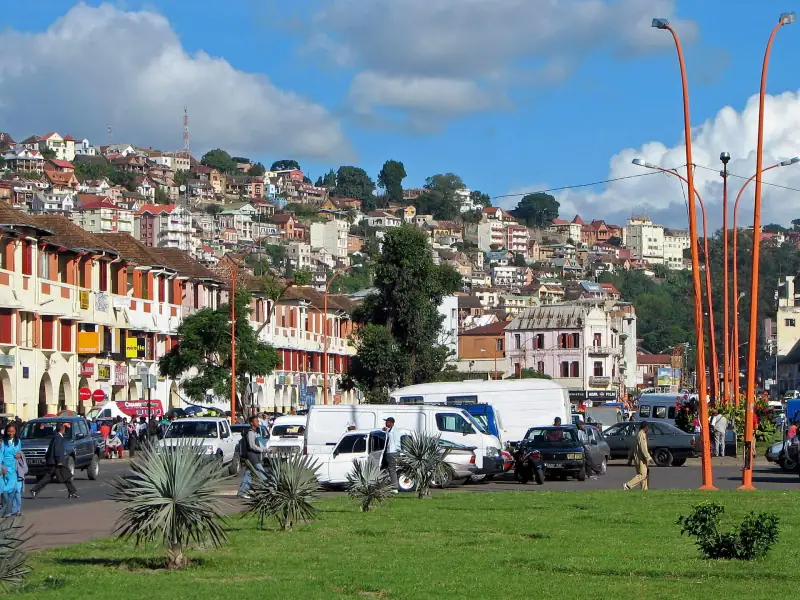
After your arrival at Ivato international airport, take time to catch your breath. Antananarivo, which everyone calls “Tana”, is a city built in tiers on its hills, noisy and dense. Half a day is enough to feel the atmosphere: the upper part of the city with its views, stairs and markets.
The long-haul flight often leaves you tired: do not schedule anything heavy on the first day. Book a night in a hotel near the center or the airport depending on your arrival time, and use the time to change a little money, buy a SIM card and go over things with your driver or agency.
Where to stay in Antananarivo
Compare hotels in the capital for your first and last nights.
Days 3 and 4: Andasibe and the lemurs
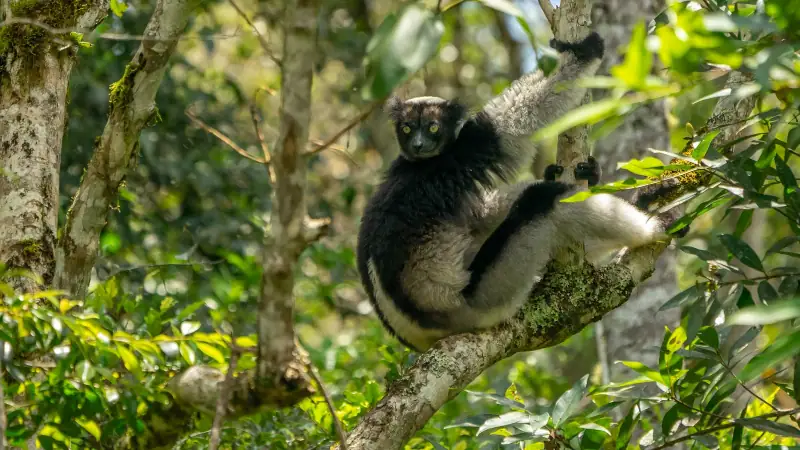
Head east. Andasibe is about 140 km (87 mi) from the capital by national road 2, but allow a good half day for the trip. You will discover the rainforest, its orchids, its chameleons and above all the indris, the largest lemurs, whose song carries far.
Two nights are ideal: an end-of-day visit on arrival, then a big morning outing, when animals are most active. Our guide to Andasibe-Mantadia and the lemurs explains how to organize visits with a licensed guide and what to bring.
Days 5 and 6: back to the Highlands, Antsirabe
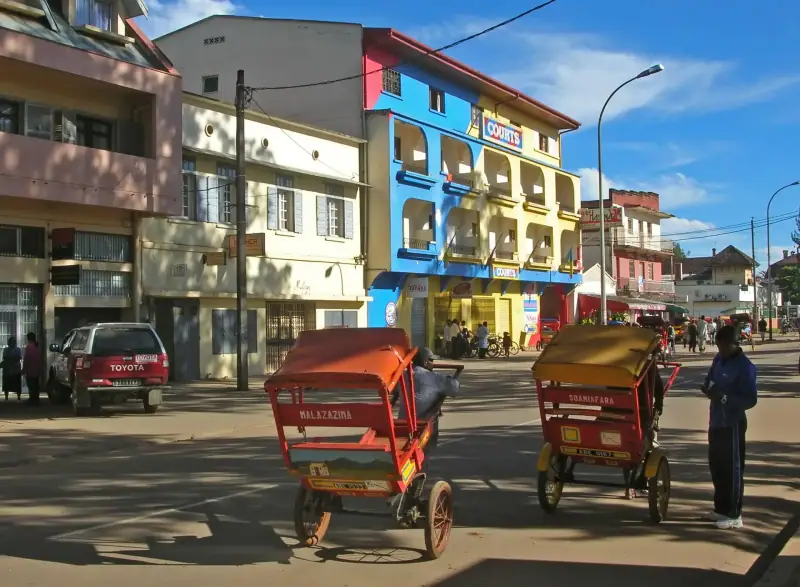
Return toward Antananarivo then continue south. The road between the capital and Antsirabe crosses a setting of hills, terraced rice paddies and red-brick villages. Antsirabe is a highland town known for its colorful pousse-pousse rickshaws, an atmosphere calmer than the capital’s and a cool climate, especially from May to August.
This transition stage is deliberately quiet: a stroll in town, a market visit, crafts. It is also a good place to sleep comfortably before getting back on the road.
Days 7 and 8: Fianarantsoa and, if time allows, Ranomafana
Between Antsirabe and Fianarantsoa, the RN7 covers about 240 km (149 mi) through mountain country. Allow a long day with stops. Fianarantsoa has a perched old town, with its lanes, churches and viewpoints, and it is known as a cultural and wine capital of the Highlands.
If your pace allows, add Ranomafana National Park, a high-altitude rainforest where several lemur species live. It generally takes an hour and a half to two hours by road from Fianarantsoa. If you are short of time, it is better to drop it than to rush: you will already have seen lemurs at Andasibe.
Excursions in Madagascar
Guided visits, hikes and nature outings: compare the activities you can book online.
Days 9 to 11: Isalo, canyons and natural pools
After Fianarantsoa, the road descends south and the landscape changes: open plateaus, savanna, then a sandstone massif sculpted by erosion. Isalo National Park is one of the highlights of the trip, with its canyons, oases and natural pools. Hikes range from a few hours to several days, and the visit is done with a licensed guide.
Spend at least two nights there so as not to chain arrival and hike. The sun is strong: set off early, bring water, a hat and closed shoes. All the practical details are in our article on Isalo and its hikes.
Days 12 to 14: beach near Toliara, then return
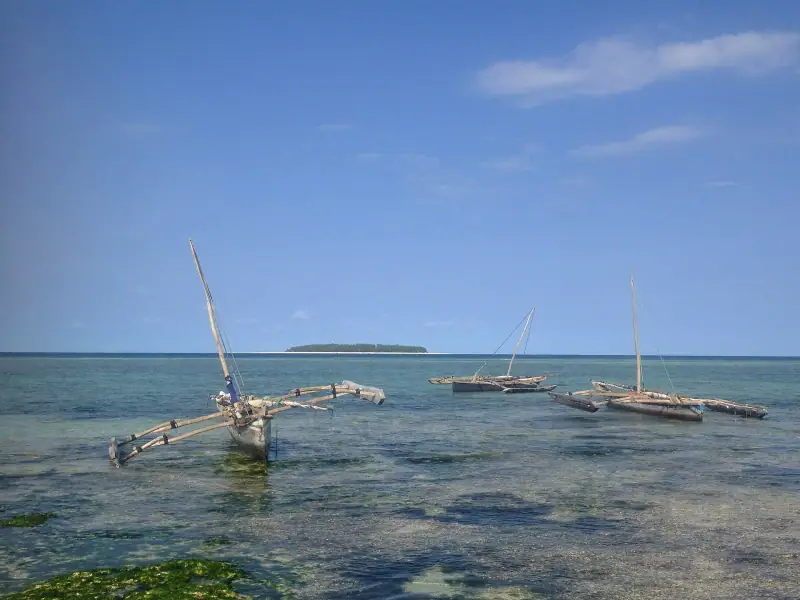
To finish, the coast north of Toliara, around Ifaty, offers beaches, a lagoon and sailing pirogue trips. It is a welcome contrast after the mountains and the dust of the track. Two nights by the water are enough to rest.
The return to Antananarivo is preferably by plane, from Toliara, rather than redoing the road: you gain a whole day. Keep a safety margin before your international flight and do not book your long-haul return on the very day you arrive back in Tana.
West variant: baobabs and tsingy (14 days)
This variant suits those who dream above all of spectacular landscapes. It is organized around Morondava, on the west coast, and requires more logistics.
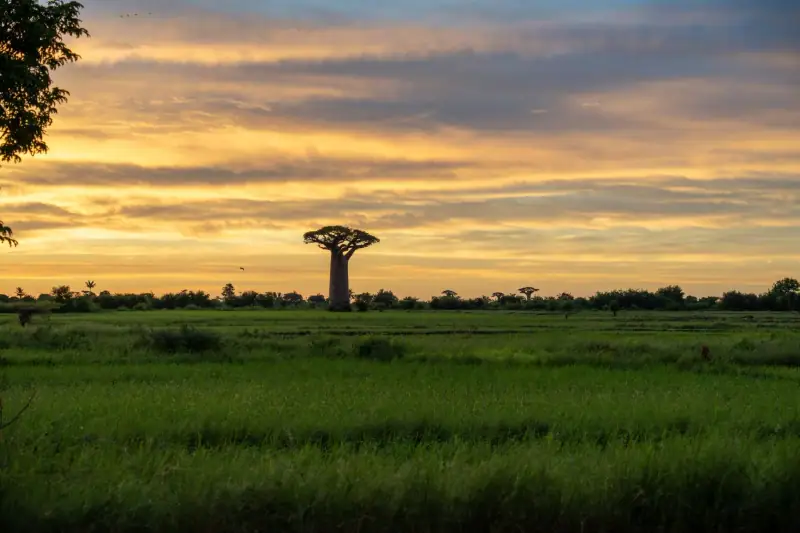
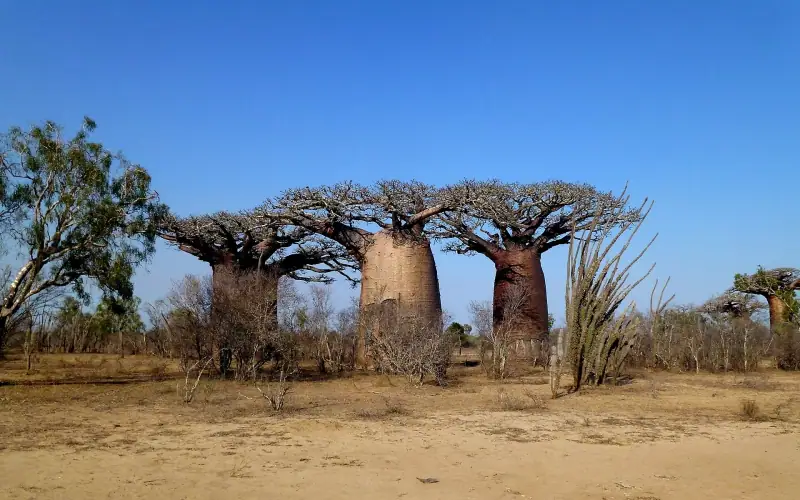
- Avenue of the Baobabs: the famous avenue of baobabs is mostly visited at sunrise and sunset, when the light is best. Our guide to the Avenue of the Baobabs and Morondava helps you organize the time slots.
- Bemaraha tsingy: these limestone stone forests require a long trip and serious organization, with tracks that can become difficult. Read the visitor guide to the Bemaraha tsingy before fixing your dates.
- Pace: here, the track decides. Plan transport days, simple nights and great flexibility.
A realistic outline: three to four days in Antananarivo and the Highlands, the trip west, three days around Morondava, then the rest of the time for the tsingy or for rest by the water. To limit road days, many travelers combine road and domestic flight depending on seasons and availability.
Flights to Madagascar
Compare flights to Antananarivo before locking in your circuit dates.
North variant: Nosy Be and Diego Suarez
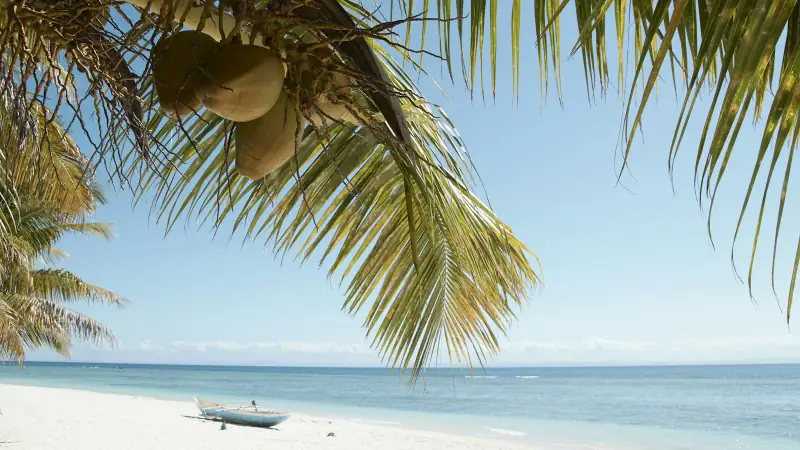
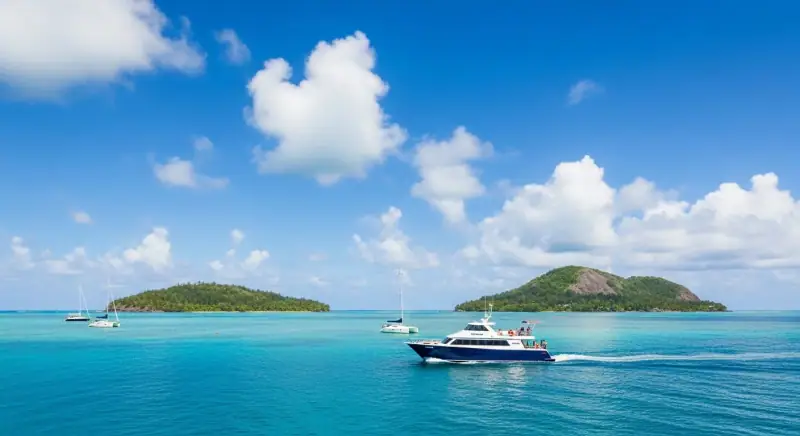
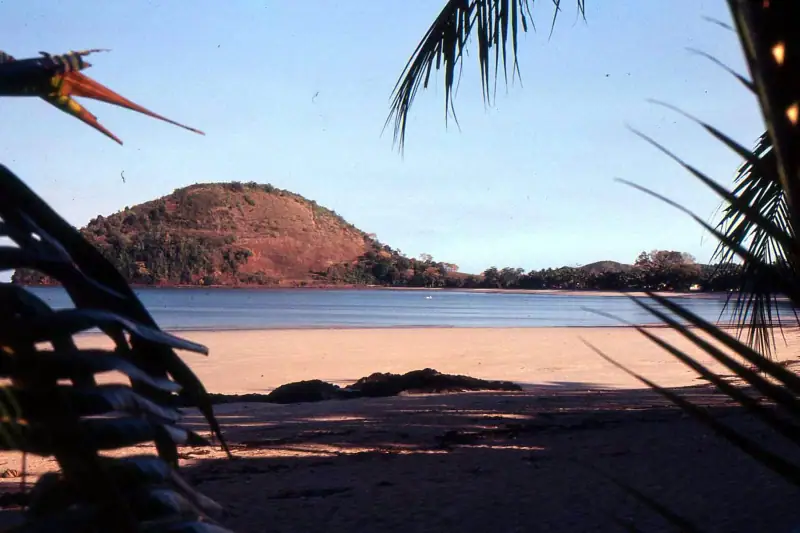
If you want sea, relaxing and a more tropical climate, the north is a good option. Nosy Be, an island off the northwest, is known for its beaches, islets and boat excursions. Diego Suarez, at the very north, is a destination of its own, surrounded by bays and landscapes very different from the rest of the island.
For two weeks, the simplest is to combine a short stay in Antananarivo, a flight north, then stay in that area without multiplying trips. The detail of the beaches, islets and outings is in our article Nosy Be: what to do.
The north works particularly well at the end of a stay: after a circuit in the Highlands, a few beach days rest the legs and back. Check the season, because rains and cyclones can disrupt a stay in the southern summer.
Transport: how to get around during these two weeks
Car with a driver
This is the most common option. You keep flexibility for photo stops and meals, and you do not have to manage the state of the road or navigation. Ask to see the vehicle, clarify what is included (fuel, the driver’s lodging and meals) and set the stages before departure.
Domestic flights
They are useful to save time toward the north or to close a circuit. Schedules and frequencies change, and a delay or cancellation can shift your plans: do not book a tight connection between a domestic flight and your international flight.
Shared taxis (taxis-brousse)
Taxis-brousse are the everyday transport of the Malagasy. They are cheap but slow, often crowded and poorly suited to a two-week trip with precise schedules. Keep them for those with plenty of time.
Car rental
Driving yourself remains reserved for experienced travelers, and you should avoid driving at night.
Time budget and pace: what to expect
The real budget of a two-week circuit is first a time budget. Here is a practical estimate of the pace.
| Type of day | Example | Suggested pace |
|---|---|---|
| Road day | Antananarivo–Antsirabe | 1 stage, early start, arrive before dark |
| Nature day | Andasibe, Isalo | Early start, back in early afternoon |
| Rest day | Antsirabe, beach | No imposed program |
| Air transfer day | Toliara–Antananarivo | Allow a margin at the airport |
For costs, see our analysis of the budget for Madagascar, which prices three traveler profiles. The biggest item on a private circuit is transport with a driver, followed by flights and lodging.
Lodging and booking: how to go about it
For a fourteen-day circuit, book ahead at least the high-season nights and those of the most in-demand stops, such as Isalo or the beaches. In small towns, the offer is limited: it is better to secure a room than to look for one on arrival.
Our article where to stay in Madagascar details the types of lodging by region, from town hotels to beach bungalows. Keep in mind that electricity and hot water can vary from one property to another, including in comfortable ones.
Accommodation in Madagascar
Compare hotels and bungalows across your whole circuit.
Preparing your trip: points not to forget
A good itinerary is also a well-prepared trip.
- Formalities: entry rules depend on your passport. Check the official travel advice of your government before you book: travel.state.gov (US), GOV.UK (UK), travel.gc.ca (Canada), Smartraveller (Australia) (checked November 2026).
- Health: ask your doctor or a travel clinic, and see the official travel health pages (CDC in the US, TravelHealthPro in the UK).
- Insurance: travel insurance with repatriation assistance is strongly advised, especially if you plan hikes or isolated regions.
- Equipment: walking shoes, layered clothing for the Highlands, sun protection and a small first-aid kit. Our selection of accessories for Madagascar may help.
- Money: bring cash in local currency for villages and small purchases, because card payments are not accepted everywhere.
Common mistakes to avoid
- Trying to see everything: this is mistake number one. Choose one axis and accept leaving the rest for a next trip.
- Underestimating travel times: halve your average speed compared with what you imagine.
- Cutting your return flight too close: always keep a margin, especially after a trip on a track.
- Neglecting the season: a hike in the rain or a waterlogged track can ruin a stage.
- Not setting conditions with the driver: mileage, stages, lodging, meals… everything must be clear before departure.
Key takeaways
Two weeks are enough for a very fine trip to Madagascar, provided you give up seeing everything. The Andasibe, Highlands, RN7, Isalo and beach circuit is the most balanced for a first stay; the west suits fans of striking landscapes, and the north those who want the sea. Whatever you choose, keep margins, avoid driving at night and take time to enjoy each stage. It is in these slow moments that Madagascar reveals itself.
Frequently asked questions
Are two weeks enough to visit Madagascar?
Two weeks let you explore one large region in depth, not the whole country. Madagascar is huge and roads are slow: a coherent circuit (east then RN7, or west, or north) is better than trying to see everything.
What is the best two-week circuit for a first trip?
The combination Antananarivo, Andasibe, Antsirabe, Fianarantsoa, Isalo then a beach near Toliara is the most classic: it mixes lemurs, mountain scenery, canyons and sea, along a well-identified road axis.
Do you need to fly within the country?
It is not compulsory on the RN7, which is done by road with a driver. However, for the north (Diego Suarez, Nosy Be) or to save time between two distant regions, a domestic flight is often the most realistic solution. Check schedules, which can change.
Can you drive yourself on a two-week circuit?
It is possible but not recommended for a first stay: variable road conditions, dense traffic around towns, night driving to avoid. A car with a driver-guide is the most common and most relaxed option.
Which period should you choose for this circuit?
The dry season, roughly May to October, is the most comfortable for the road and hikes. The south and west are more pleasant outside the rainy season. See our guide on the seasons to refine.
How many stops should you plan to avoid exhaustion?
Aim for five to seven stops over fourteen days. Beyond that, you will spend most of the stay in a vehicle, on trips that the distance in kilometers does not reveal.
More Madagascar guides
Keep reading
When to go to Madagascar: seasons, weather and best months
When to go to Madagascar? Dry season, rains, cyclones, whales, lemurs: a region-by-region guide to choosing the best time to travel.
Nosy Be: what to do, beaches and excursions on the perfume island
What to do in Nosy Be? Beaches, snorkeling, Nosy Komba, Nosy Tanikely, Lokobe Reserve, ylang-ylang: a guide to plan your stay on the perfume island.
What to see in Madagascar: the 10 top sights
What to see in Madagascar? Baobabs, tsingy, Isalo, Andasibe lemurs, Nosy Be: a selection of 10 top sights to help you prepare your trip.
Ready-made
Madagascar itineraries
12 days
National road 7 in Madagascar: itinerary from Antananarivo to Toliara
Detailed RN7 itinerary in Madagascar: Antsirabe, Fianarantsoa, Ambalavao, Isalo and Toliara. Stages, drive times, practical tips and trip organization.
7 days
Northern Madagascar in 7 days: Diego Suarez, Ankarana and Montagne d'Ambre
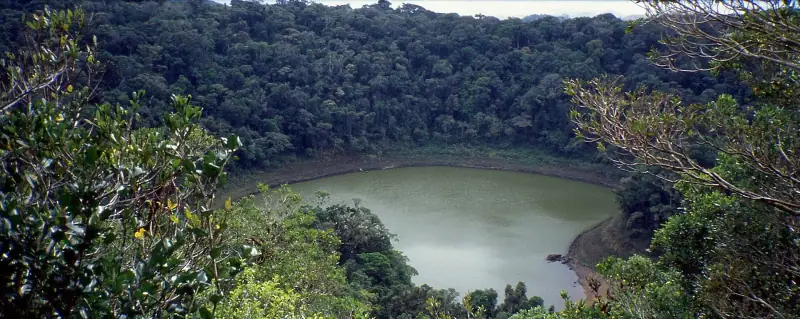
7-day itinerary in northern Madagascar: Diego Suarez, Montagne d'Ambre, Red Tsingy, Ankarana, Ramena and an end in Nosy Be, with realistic trips and tips.
10 days
Western Madagascar road trip: from Antsirabe to Morondava and the tsingy
AntsirabeMiandrivazoMorondavaBekopakaMorondava