Where to stay
Where to stay in Madagascar: regions, types of accommodation and tips
We may earn a commission when you book through links on this page, at no extra cost to you. We don't visit or try the places we cover: we summarize published sources. How we work
In short
- Lodging ranges from town hotels to beach bungalows and simple lodges near national parks; choose where to sleep according to the next day's stage.
- Book ahead in high season (dry season, roughly May to October) and school holidays, especially in Nosy Be and small places near the parks.
- Power outages happen and card payment is not universal: carry a headlamp, a power bank and a cash reserve in ariary.
- Near Andasibe-Mantadia, sleeping close to the park allows early starts and a guided night walk.
Choosing where to stay in Madagascar really changes the trip. Distances are long, roads are slow and the offer is very uneven: you go from a classic town hotel to a bungalow with your feet in the sand, then to a simple lodge at the edge of a national park. Choosing your lodging well is mostly about choosing where you put your bags down according to the next day’s stage.
This guide reviews the main types of accommodation, region by region, with concrete booking tips. It complements our guides to national road 7, to Nosy Be and to the best time to go.
The main types of accommodation in Madagascar
The offer falls into a few main families, with very variable comfort levels from place to place.
- Town hotels: found in Antananarivo, Antsirabe, Fianarantsoa, Toliara or Diego Suarez. Comfort ranges from basic to very polished, often with a restaurant.
- Bungalows: individual huts in wood or local materials, very common on the coast and on the islands. They offer a relaxed atmosphere, but insulation and facilities are sometimes basic.
- Lodges and bush hotels: located near national parks, they offer simple lodging, often with a restaurant, as close to nature as possible.
- Guesthouses and homestays: rarer, but appreciated for the welcome and local immersion.
- Campsites and bivouacs: mostly tied to organized hikes in national parks, with equipment supplied by operators.
Prices vary strongly with the season, the location and the level of service. Always compare several options for the same stage rather than relying on an average rate.
Hotels in Madagascar
Compare the lodging available for your dates, from the capital to the coast.
Where to stay in Antananarivo
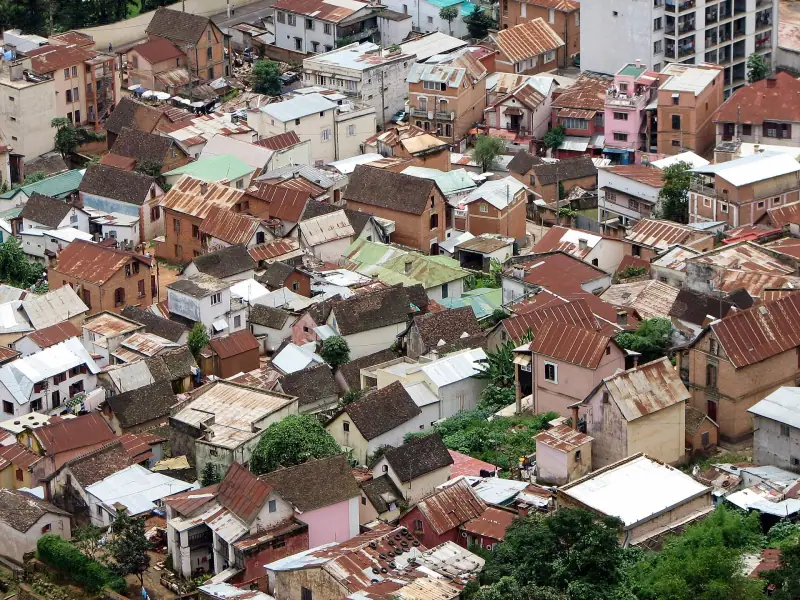
The capital is almost always the arrival point, via Ivato airport. Flights sometimes land late, and traffic in town is dense: it is better to book a first night in advance and arrange a transfer through the property.
Two logics compete. Sleeping near the airport simplifies arrival and departure, especially if your flight leaves early. Sleeping in town, in the central districts, lets you enjoy the upper old town, its sloping lanes and its restaurants. If you visit the capital, allow one or two nights, no more: the country’s interest lies elsewhere.
For safety, choose lodging with controlled access and avoid walking at night. Your hotel can tell you how to get back safely.
Where to stay on the RN7: Antsirabe, Fianarantsoa and Isalo
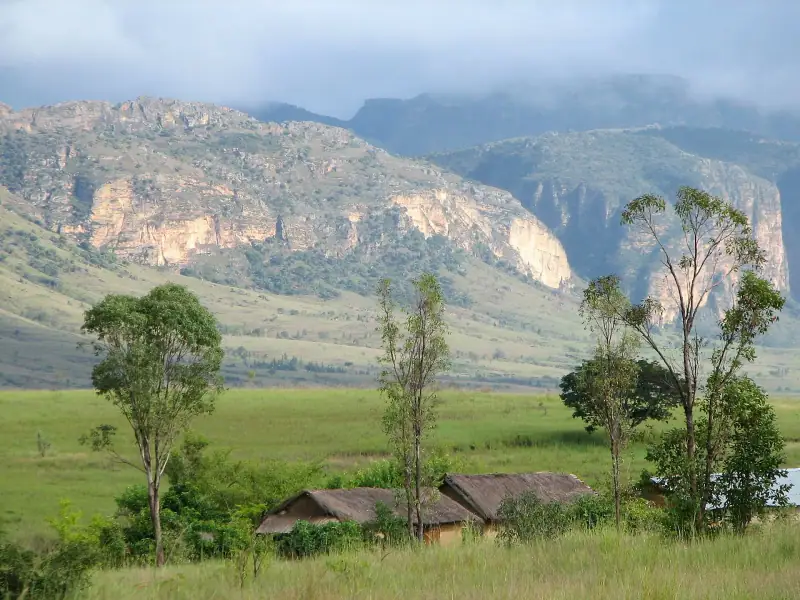
On national road 7, you mostly sleep in stopover towns: Antsirabe, Fianarantsoa, Ambalavao, then Ranohira, at the gates of the Isalo massif. In these places, the offer is made up of small hotels and simple lodges, often family-run.
In Antsirabe, a spa town in the Highlands, nights are noticeably cool in the southern winter: check for extra blankets or heating. In Fianarantsoa, the upper old town is a pleasant setting for a night, but the streets are steep. In Ranohira, several properties face the Isalo massif, which avoids long trips before the hikes. Village or lodge? See where to stay in Isalo.
For itinerary details, see our guide to the RN7 and the one on Isalo National Park.
Flights to Madagascar
Compare flights to Antananarivo before locking in your hotel nights.
Where to stay in Nosy Be and on the north coast
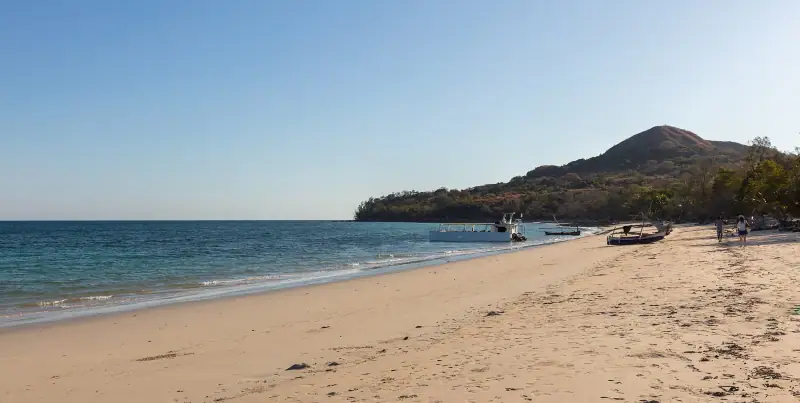
Nosy Be is the country’s most developed seaside destination. There are bungalows, beach hotels and higher-end properties spread around the island. The choice of area matters: some spots are lively, with restaurants and shops nearby, others are isolated and calm, but require transport for any outing.
Before booking, check three points: the distance to the beach (at some beaches, swimming is difficult at low tide), access to boat excursions and the possibility of dining at the property, because alternatives can be far away. Activity details are in our guide to Nosy Be.
Further north, Diego Suarez and its surroundings offer a different setting, with lodging suited to visitors who want to explore the bay and the neighboring parks.
Where to stay in Morondava and at the Avenue of the Baobabs
Morondava is the classic base for visiting the Avenue of the Baobabs. The town and the seafront offer hotels and bungalows of various levels, while a few properties are closer to the avenue itself.
Sleeping close to the avenue lets you enjoy sunrise or sunset without a drive, but the offer is more limited and booking matters more. Sleeping in Morondava gives more choice of restaurants and transport options. In both cases, allow a margin for the tracks, which can be difficult after rain.
Where to stay in Andasibe and the east
To see lemurs, notably the indri, it is better to sleep near Andasibe-Mantadia park rather than make the round trip from the capital. The lodges in the area are generally simple, sometimes surrounded by forest, with basic comfort but a pleasant setting.
The advantage is mostly practical: you can set off early for the morning outings, when animals are most active, and enjoy a guided night visit to the forest. The climate in the east is humid: bring warm clothes for the evening and rain gear.
Excursions and guided visits
Hikes, parks and guided excursions to book before you leave.
How to choose: criteria and pitfalls to avoid
A few habits avoid most disappointments.
- Read recent reviews: the state of a property can change quickly, especially in isolated establishments.
- Check access: a degraded track can double the time of a trip. Ask the hotel about road conditions before you arrive.
- Confirm facilities: hot water, continuous electricity, mosquito net, air conditioning or fan are not guaranteed everywhere.
- Plan meals: in isolated places, the property’s restaurant is often the only option.
- Bring cash: cards are not accepted everywhere, and the network can be missing.
- Watch the season: high season, during the dry season, calls for booking in advance, especially on low-capacity stops.
For the food to try during your stops, see also our guide to Malagasy cuisine.
Booking and organizing your nights
For a first trip, the right method is to book the key stops in advance (first night in Antananarivo, lodging near the parks, beach stay) and to keep some flexibility on intermediate nights if you travel by car with a driver. Keep in mind that travel is slow: it is better to limit lodging changes than to multiply them.
If you plan to combine several regions, split your nights thinking of the route first, then comfort. One more night in a place you like is often worth more than an extra stop. Local transport (driver, domestic flight, rental) must be thought through together with lodging: an isolated hotel is only worth it if you can reach it without stress.
Accommodation: how much to budget?
It is hard to give a single rate, because the gaps are large between a simple room in a mid-sized town and an upscale bungalow in Nosy Be. As a rule, the capital and the seaside islands are more expensive, while stops in the interior stay more affordable. High season raises prices and reduces availability.
Rather than aiming for an average budget, set a ceiling per type of stop: town, bush and beach. That way you avoid overpaying for a simple overnight while keeping room for quality lodging where it really matters, for example near a park or by the sea.
Frequently asked questions
Where should you sleep in Antananarivo for a first night?
Accommodation in the central districts or near the airport makes arrival easier, as it is often late. Choose a property that offers a transfer from Ivato airport, and check that the fence and night security are in place.
Do you need to book accommodation in advance in Madagascar?
It is recommended in high season (dry season, roughly May to October) and around school holidays, especially in Nosy Be and in small places near national parks, which have few rooms.
Do Malagasy hotels always have hot water and electricity?
Not systematically. Power outages happen, and some bungalows run on solar panels or generators. Ask before booking and bring a headlamp and a power bank.
Can you pay for accommodation by bank card?
Establishments in towns and tourist areas often accept it, but not all, and the network can be unreliable. Always keep a cash reserve in ariary, especially on the road and in small localities.
What type of accommodation should you choose on the RN7?
Small hotels and stopover lodges are quite enough, since you mostly spend the night there. Favor a location close to the site you will visit the next day to limit early-morning trips.
More Madagascar guides
Keep reading
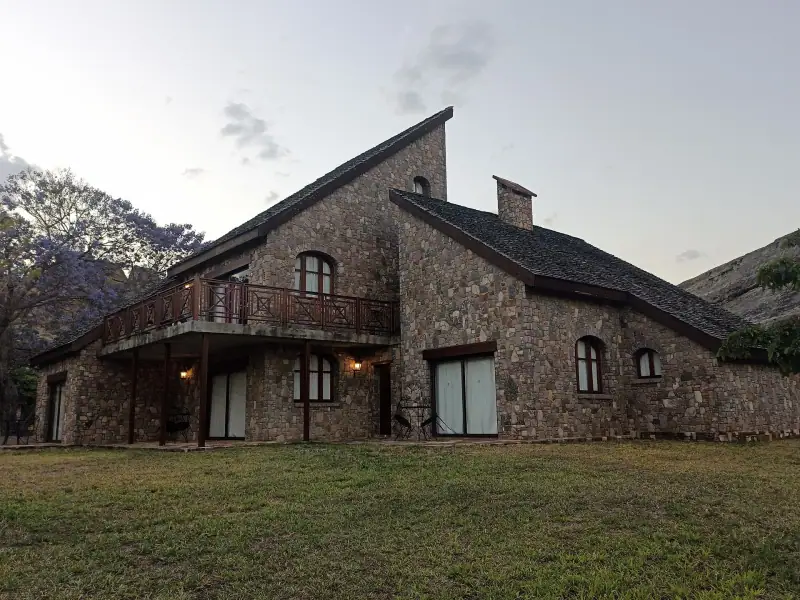
Where to stay in Isalo: Ranohira or a lodge near the massif?
Sleep in Ranohira or in a lodge along the RN7 to visit Isalo: distances, comfort, booking, budget and pitfalls to avoid depending on your profile.
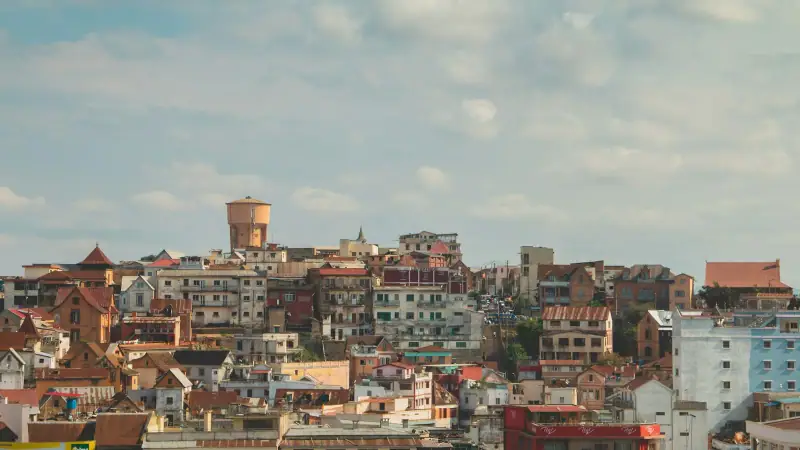
Sleeping near Ivato airport (Antananarivo): late arrival, options and prices
Flight landing at night or leaving at dawn? Where to sleep near Ivato airport in Antananarivo: hotels, shuttle, budget and pitfalls to avoid.
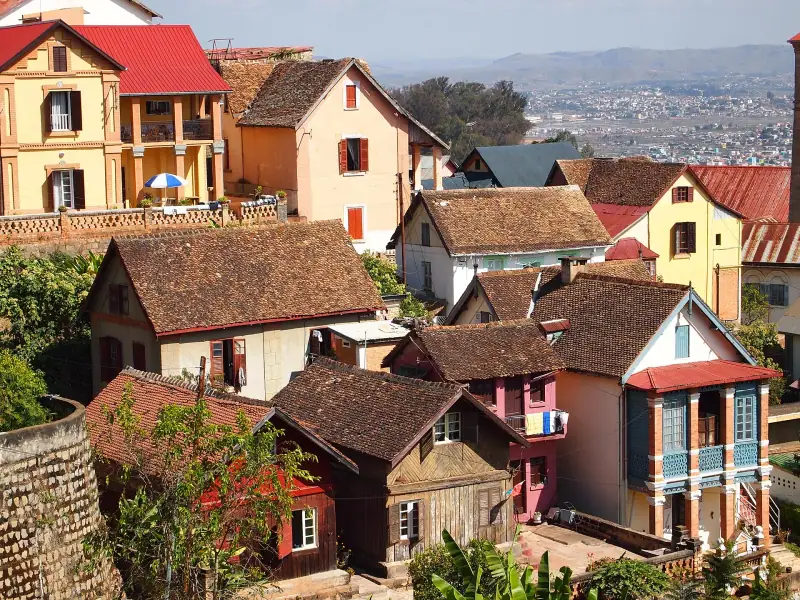
Where to stay in Antananarivo: districts, types of accommodation and tips
Where to stay in Antananarivo? Upper Town, Isoraka, Analakely, Ivandry or near the airport: compare the districts and pick the best base before your tour.
Ready-made
Madagascar itineraries
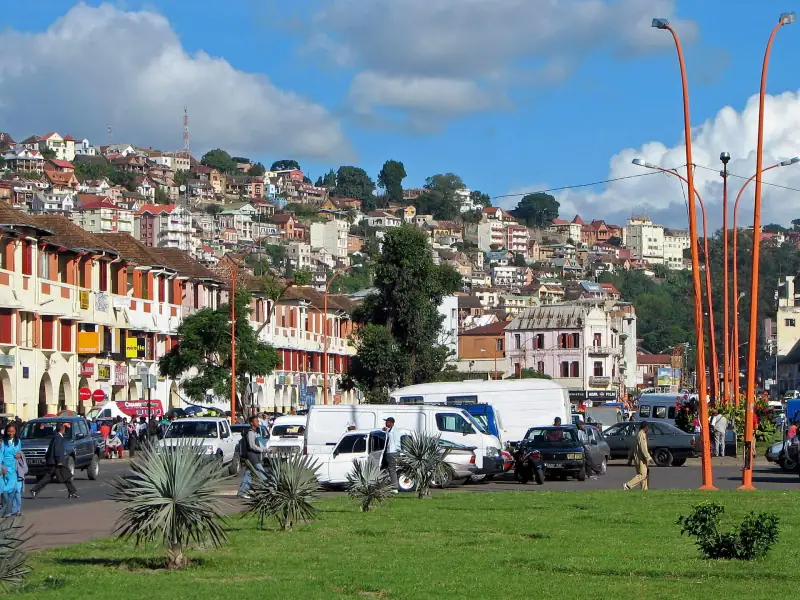
12 days
National road 7 in Madagascar: itinerary from Antananarivo to Toliara
Detailed RN7 itinerary in Madagascar: Antsirabe, Fianarantsoa, Ambalavao, Isalo and Toliara. Stages, drive times, practical tips and trip organization.
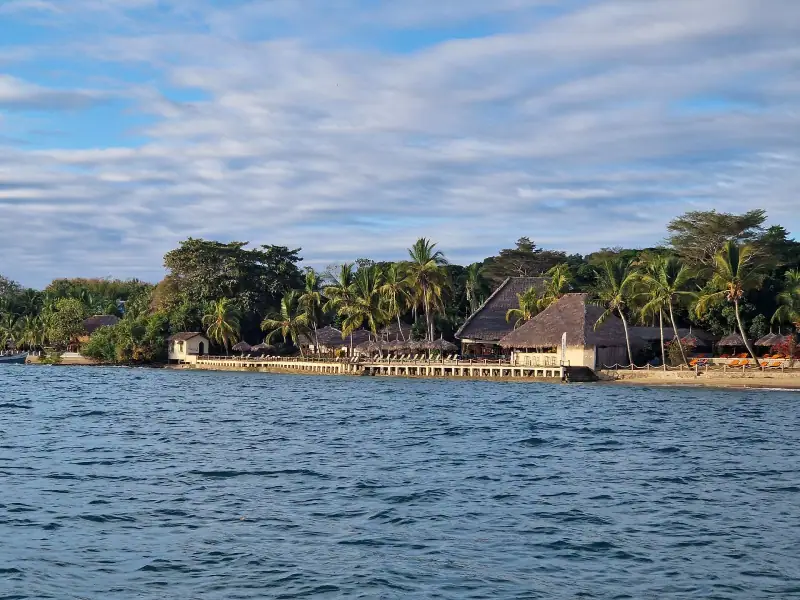
14 days
Madagascar in 2 weeks: day-by-day itinerary and variants
A 14-day itinerary in Madagascar: Andasibe, RN7, Isalo, beach, with two variants (West and baobabs, North and Nosy Be), pace, transport and time budget.
7 days
Northern Madagascar in 7 days: Diego Suarez, Ankarana and Montagne d'Ambre
7-day itinerary in northern Madagascar: Diego Suarez, Montagne d'Ambre, Red Tsingy, Ankarana, Ramena and an end in Nosy Be, with realistic trips and tips.