Plan your trip
When to go to Madagascar: seasons, weather and best months
We may earn a commission when you book through links on this page, at no extra cost to you. We don't visit or try the places we cover: we summarize published sources. How we work
In short
- The dry, cooler season runs roughly May to October and is best for a first trip; the hot, humid season runs roughly November to April, with cyclone risk peaking January to March.
- September and October often give the best balance of weather, wildlife and crowds; July and August are busiest and priciest.
- Humpback whales are near Sainte-Marie roughly July to September; the Bemaraha tsingy can be hard or impossible to reach in the rainy season.
- Highland nights can be cool, especially in June and July: bring a sweater and a jacket.
Choosing when to go to Madagascar is one of the most important decisions in your preparation. The Great Island is vast, its terrain contrasting and its climates vary greatly from one coast to the other: clear skies on the west coast can coexist with persistent rain on the east coast. The calendar also affects how passable the roads are, access to some parks, wildlife watching and prices.
This guide presents the main seasons, then the best periods by region and by what you want: lemurs, baobabs, beaches, whales or hiking.
Madagascar’s two main seasons
Located in the Southern Hemisphere, Madagascar has seasons opposite to those of the Northern Hemisphere. Roughly, there are:
- The dry, cool season, roughly May to October: rain is rare over most of the island, the sky is clearer and temperatures more bearable, with cool nights at altitude.
- The hot, humid season, roughly November to April: rains set in, often as late-day storms, heat and humidity increase, and the cyclone season opens.
These are rough guides. The start and end dates of the rains vary from year to year, and the east coast stays wet even in the dry season, with showers possible all year in the rainforest areas.
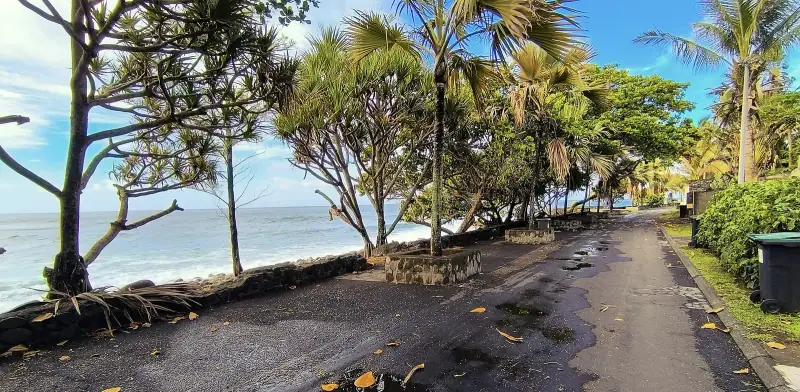
Geography matters as much as the season. The elevation of the Highlands (Antananarivo, Antsirabe, Fianarantsoa) brings coolness, while the west and north coasts are hotter. The south is much drier than the rest of the island. The east, exposed to the trade winds, receives the heaviest rainfall.
May to October: the dry season, ideal for a first trip
This is the most recommended period to discover the country, and the one chosen by most travelers. The sky is generally clear, visibility is good for photography and roads suit long trips better, notably the RN7 linking the Highlands to the southwest.
The upsides:
- Favorable conditions for hikes, such as in the Isalo massif or in the parks of the east and center.
- More passable tracks, which makes access to the remote sites of the west easier.
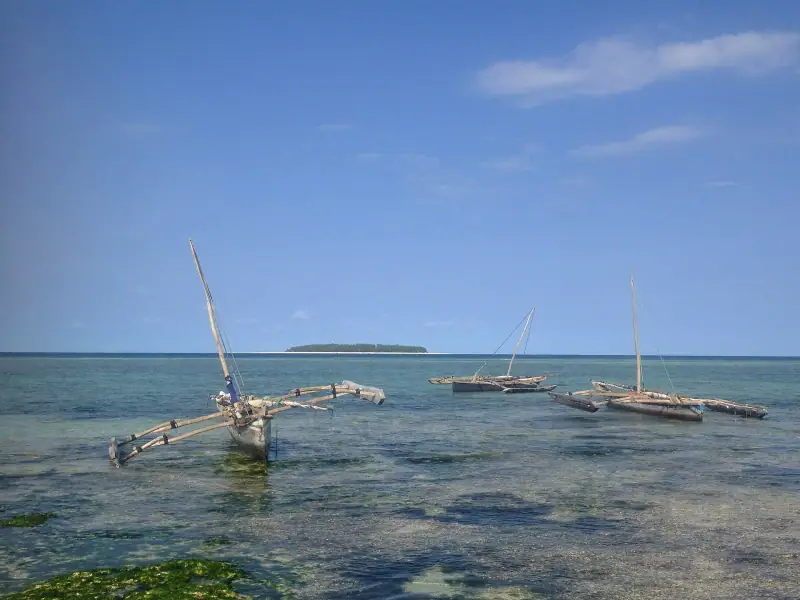
- Pleasant sea conditions and a less humid climate on the beaches of the northwest, around Nosy Be.
- A period suited to watching humpback whales from roughly July to September.
The constraints:
- Higher visitor numbers at the best-known sites, especially July to September.
- Higher flight and lodging prices, with limited availability on very popular circuits.
- Cool nights in the Highlands and in some high-altitude parks: temperatures there can be much lower than you imagine for a tropical country.
If you travel in July and August, which coincide with Northern Hemisphere summer holidays, book your flights and lodging several months ahead.
Hotels in Madagascar
Compare lodging for your dates, especially in the dry season when the best addresses fill up fast.
November to April: the rainy and cyclone season
This period is harder, but not necessarily to be ruled out. Rains are more frequent, heat is more oppressive and the cyclone risk is real, with a peak generally from January to March. The east and north coasts are the most exposed, while the interior and the south are more spared.
What to know:
- Roads and tracks can be damaged, even cut after heavy rain. Travel times become hard to predict.
- Some sites, particularly in the west, become hard to reach or close for part of the wet season. This is notably the case for the Bemaraha tsingy: ask local operators before building your itinerary.
- Lemurs remain observable in the forests, and vegetation is at its peak: everything is very green, and the rice-paddy landscapes are spectacular.
- Prices are lower, and sites are noticeably less crowded.
To limit risks:
- Take out insurance covering cancellation and trip interruption, checking that weather events are included.
- Stay flexible in your schedule: add spare days between two road stages.
- Avoid overly tight itineraries on the east coast and in the west.
- Follow the official local weather bulletins and the authorities’ instructions in case of an alert.
If your only chance to travel falls in this period, favor a stay centered on the Highlands, the south and the sites accessible all year, and leave out the long track crossings.
The best period by region
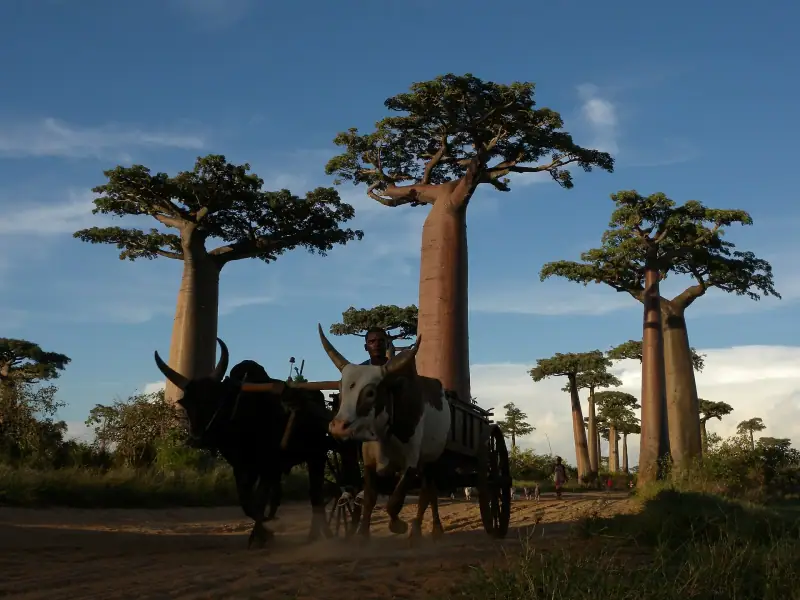
Because Madagascar is huge, the “good season” is not the same everywhere.
Highlands (Antananarivo, Antsirabe, Fianarantsoa). The altitude climate is temperate. The dry season is the most pleasant for visiting, with mild days and cool nights, even cold in June and July. In the rainy season, storms are frequent at the end of the day, but mornings often stay sunny.
South and RN7 (Ranomafana, Isalo, Toliara). The south is the driest part of the country. The dry season suits hiking in Isalo very well, where the midday heat justifies setting off early. Around Ranomafana, on the other hand, the rainforest is wet for much of the year: always bring a waterproof jacket.
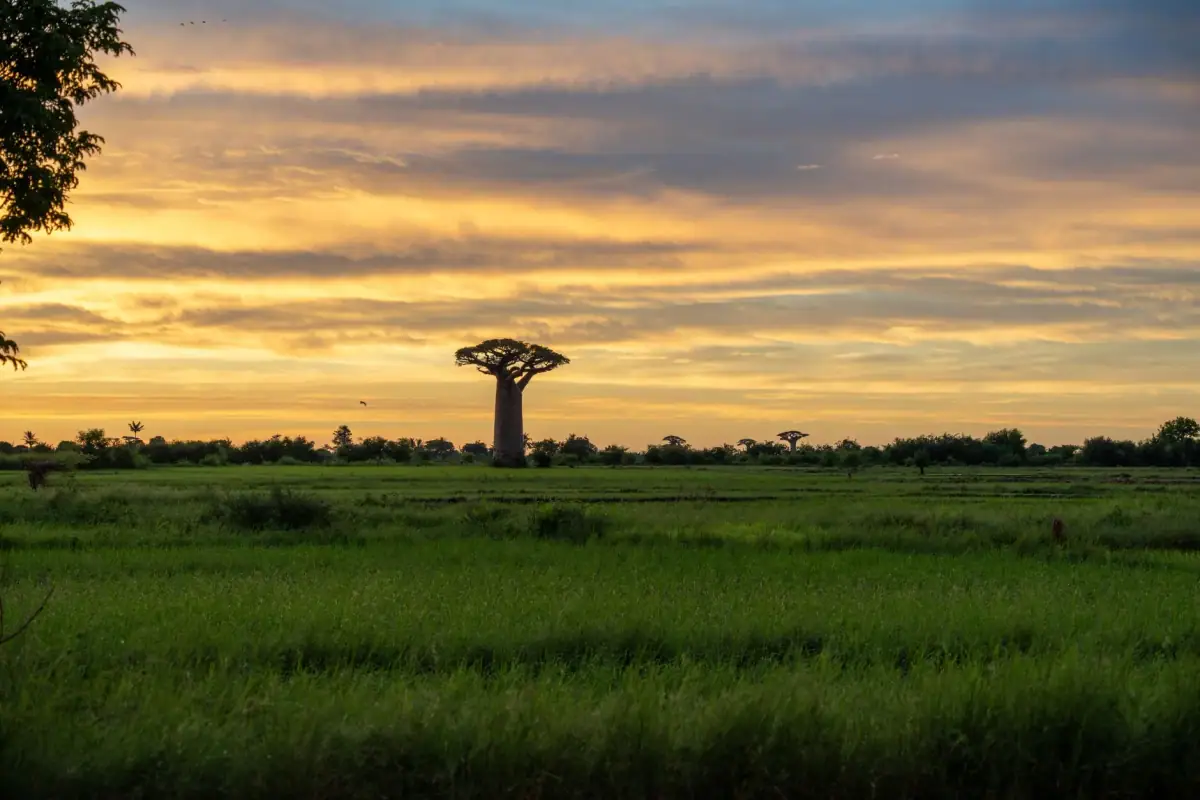
West (Morondava, Avenue of the Baobabs, Bemaraha tsingy). The dry season is by far the most suitable: tracks are more passable and the light on the Avenue of the Baobabs at the end of the day is one of the country’s most famous images. In the rainy season, access to the tsingy can be complicated, even impossible.
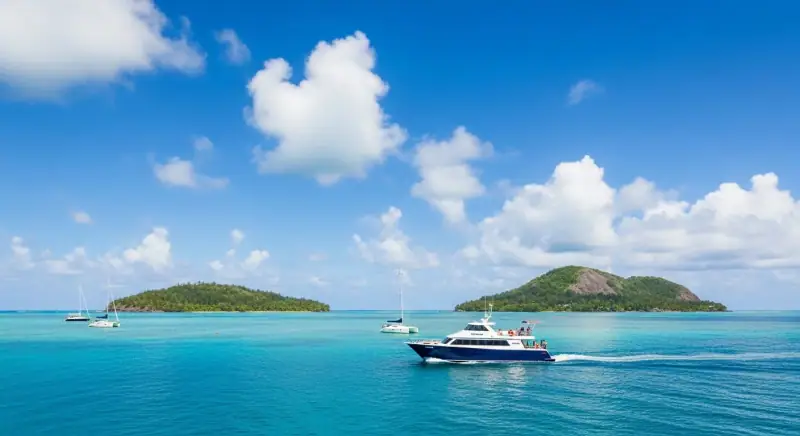
North (Diego Suarez, Nosy Be, Ankarana). The dry season is the most pleasant for beaches and sea excursions. The north and northwest can be hit by cyclones in the wet season, and rains are then more frequent.
East (Andasibe, Pangalanes Canal, Sainte-Marie). The east coast remains the wettest area, with showers possible at any time of year. The dry season, and in particular September-October, generally offers the best chances of pleasant weather. This southern-winter period is also when humpback whales can be seen near Sainte-Marie.
Flights to Madagascar
Fares vary strongly with dates: compare several periods before booking your flight to Antananarivo.
Which period for what you want?
The “best time” depends mainly on what you come for.
For lemurs and wildlife. Lemurs can be seen all year in the parks, such as Andasibe, famous for the indri. The dry season makes travel and forest hikes easier, but the rainy season offers nature in full exuberance. Chameleons, geckos and many birds are easier to spot when the weather is warm and vegetation is active.
For baobabs. Favor the dry season, which guarantees passable tracks to Morondava and beautiful late-afternoon light.
For beaches and diving. The most pleasant period is in the dry season, particularly around Nosy Be and on the northwest islands. In Nosy Be, whale shark season is often cited from the end of the year, but it varies: ask dive clubs and local operators.
For humpback whales. Aim for roughly July to September, off Sainte-Marie Island, on the east coast (see how to book a whale-watching trip at Sainte-Marie).
For hiking. The dry season is the most comfortable, with drier trails and a clear sky, particularly in Isalo and in the Highlands parks.
For photography. The sharper light of the end of the dry season is very popular, as is the intense green of the landscapes after the rains.
For budget. Aim for the shoulder season, in April-May or November, or the wet-season months, accepting a weather risk.
The months one by one: quick reference
- January to March: heat, frequent rain and maximum cyclone risk. For flexible travelers, with insurance.
- April: gradual end of the rains, very green landscapes, low visitor numbers.
- May and June: start of the dry season, clearer weather, cool nights in the Highlands. An excellent compromise between weather and crowds.
- July and August: peak dry season and high tourist season. Humpback whales near Sainte-Marie, but bookings to plan early and higher prices.
- September and October: often considered the best months: dry weather, pleasant temperatures, gradually rising heat and slightly fewer crowds than in peak season.
- November and December: return of rain and heat, with late-day storms. Nature turns green again, prices fall, and the cyclone risk starts to appear.
What to pack depending on the season
Gear depends on the season and the regions you visit.
In the dry season:
- A sweater or fleece and a windbreaker for cool nights and mornings in the Highlands.
- Light, breathable clothes for the day, and a hat.
- Good walking shoes for the parks and trails.
- Sunscreen and sunglasses, as the sun is strong even in cool weather.
In the rainy season:
- A light waterproof jacket and quick-drying clothes.
- Walking shoes already worn in, with good grip on muddy ground.
- Waterproof bags to protect cameras, phone and papers.
- Insect repellent, useful all year and especially in the wet season.
In all cases, a headlamp is useful for night visits to forests and for occasional power cuts.
Excursions and tours in Madagascar
Discover the excursions and guided visits offered there, to book according to the season you choose.
Practical info before booking
A few points to anticipate, whatever season you choose.
Time zone. Madagascar does not change its clocks during the year.
Formalities. Entry rules depend on your passport. Check the official travel advice of your government before you book: travel.state.gov (US), GOV.UK (UK), travel.gc.ca (Canada), Smartraveller (Australia) (checked November 2026). Details change regularly.
Health. Ask your doctor or a travel clinic, and see the official travel health pages (CDC in the US, TravelHealthPro in the UK). Preventing mosquito bites is also worth planning for.
Local transport. Distances are measured in time more than kilometers: the state of the roads, especially in the wet season, clearly lengthens trips. For the big stages, many travelers choose a vehicle with a driver.
Booking. Themed circuits (baobabs, tsingy, Isalo, lemurs) and isolated lodgings can be full several months ahead in high season. Book early for July to September.
Summary: when to go to Madagascar?
- Best balance of weather, wildlife and crowds: September and October, as well as May and June.
- Best weather, but a higher budget: July and August.
- Humpback whales: July to September, near Sainte-Marie.
- Low prices and very green nature: November and April, accepting more rain and uncertainty.
- To avoid if cyclones worry you: January to March, especially for the east and north.
In short, the dry season is the safest choice for a first trip, but Madagascar can be visited almost all year by those who adapt their itinerary to the regions and the weather. First define your priority (wildlife, beaches, baobabs, hiking or budget), then choose your dates and route accordingly, with suitable insurance and a little flexibility.
Frequently asked questions
What is the best time to go to Madagascar?
The dry season, roughly May to October, is the most favorable period for a first trip: clear skies, more passable roads and comfortable hikes. September and October often offer a good balance between weather, wildlife and crowds.
When is the cyclone season in Madagascar?
The cyclone season runs broadly from November to April, with a more marked risk from January to March, especially on the east coast and in the north. Travel insurance with cancellation cover and flexible dates are recommended if you travel in this period.
Can you travel in Madagascar during the rainy season?
It is possible, but with constraints. Some tracks become difficult or impassable, some parks reduce access and travel times lengthen. In return, nature is very green, prices are lower and there are fewer visitors.
When can you see humpback whales in Madagascar?
Humpback whales visit Malagasy waters in the southern winter, mainly from July to September, notably around Sainte-Marie Island, on the east coast. Local operators will tell you the period for the current season.
What is the weather like in Antananarivo in winter?
Located in the Highlands, the capital has a mountain climate: days are mild and sunny in the dry season, but nights can be cool, especially in June and July. Bring a sweater and a jacket.
Do you need a visa for Madagascar?
Entry rules depend on your passport, and the details (visa on arrival, e-visa, duration, fees) change. Check the official travel advice of your government before you book: travel.state.gov (US), GOV.UK (UK), travel.gc.ca (Canada), Smartraveller (Australia) (checked November 2026).
More Madagascar guides
Keep reading
Madagascar budget: real costs, 3 priced profiles and money-saving tips
What budget for Madagascar? Costs by item (lodging, meals, transport, parks), three priced 14-day profiles and tips to spend less.
Nosy Be: what to do, beaches and excursions on the perfume island
What to do in Nosy Be? Beaches, snorkeling, Nosy Komba, Nosy Tanikely, Lokobe Reserve, ylang-ylang: a guide to plan your stay on the perfume island.
What to see in Madagascar: the 10 top sights
What to see in Madagascar? Baobabs, tsingy, Isalo, Andasibe lemurs, Nosy Be: a selection of 10 top sights to help you prepare your trip.
Ready-made
Madagascar itineraries
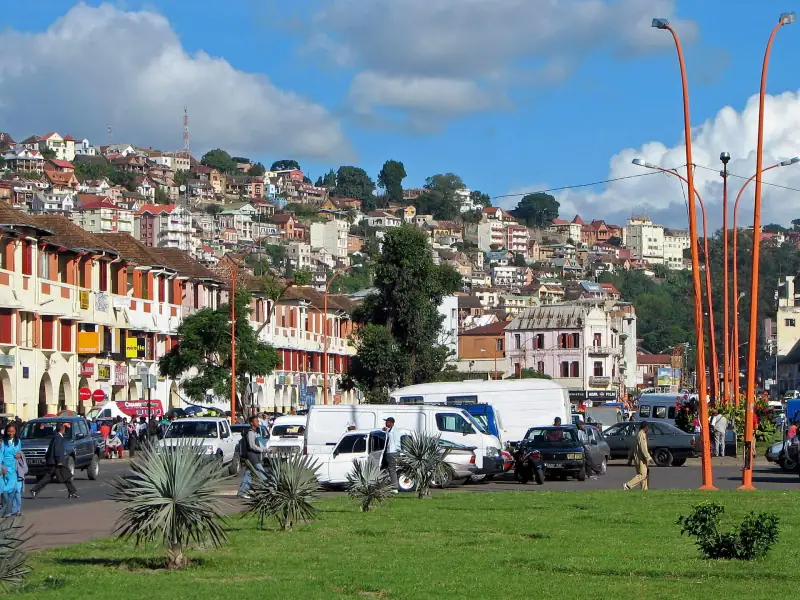
12 days
National road 7 in Madagascar: itinerary from Antananarivo to Toliara
Detailed RN7 itinerary in Madagascar: Antsirabe, Fianarantsoa, Ambalavao, Isalo and Toliara. Stages, drive times, practical tips and trip organization.
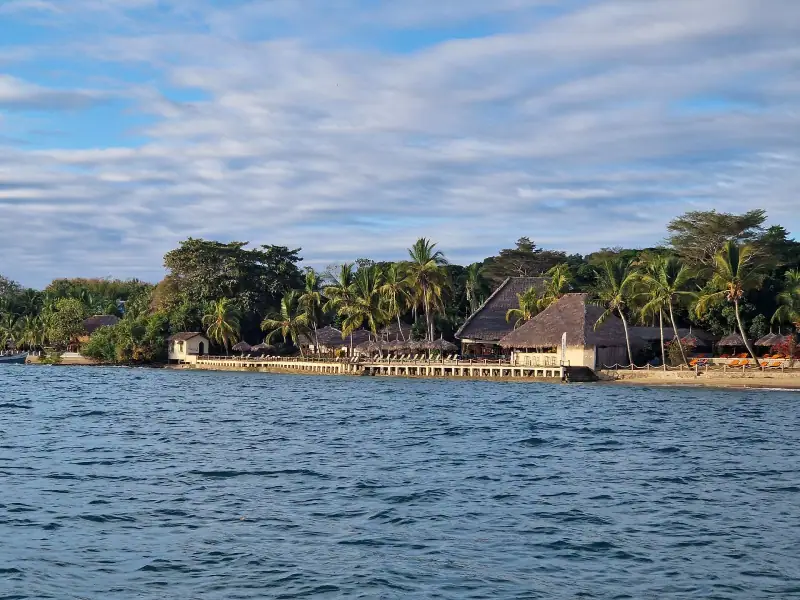
14 days
Madagascar in 2 weeks: day-by-day itinerary and variants
A 14-day itinerary in Madagascar: Andasibe, RN7, Isalo, beach, with two variants (West and baobabs, North and Nosy Be), pace, transport and time budget.
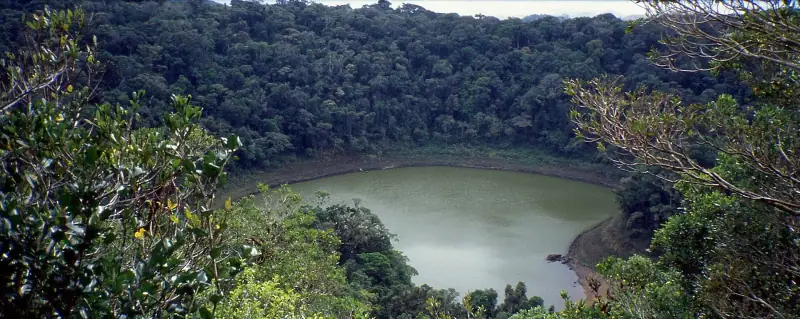
7 days
Northern Madagascar in 7 days: Diego Suarez, Ankarana and Montagne d'Ambre
7-day itinerary in northern Madagascar: Diego Suarez, Montagne d'Ambre, Red Tsingy, Ankarana, Ramena and an end in Nosy Be, with realistic trips and tips.