Itineraries
Northern Madagascar in 7 days: Diego Suarez, Ankarana and Montagne d'Ambre
We may earn a commission when you book through links on this page, at no extra cost to you. We don't visit or try the places we cover: we summarize published sources. How we work
Day by day
- Day 1Arrive in Diego Suarez, bay and seafront
- Day 2Montagne d'Ambre National Park
- Day 3Red Tsingy and the road west
- Days 4-5Ankarana Reserve: tsingy, caves, dry-forest walk
- Day 6Back to Diego Suarez, Ramena and Emerald Sea
- Day 7Departure or extension to Nosy Be
In short
- Seven days cover Diego Suarez and its bay, Montagne d'Ambre, the Red Tsingy, Ankarana and Ramena, with an optional extension to Nosy Be.
- National parks require a licensed local guide; fees are paid at the park or through your lodging and change, so ask beforehand.
- Reaching Diego Suarez from the capital is most commonly done by domestic flight; from Diego Suarez to Nosy Be, fly or go by road to Ankify and then by boat (a full day).
- The dry season, roughly May to October, is the most comfortable for tracks and hikes; bring cash in ariary.
When people talk about Madagascar, they often think of the RN7 or the baobabs of the west. The far north, around Diego Suarez (Antsiranana), is nevertheless one of the island’s most varied regions: a spectacular bay, a mountain covered in rainforest, limestone canyons, red formations sculpted by erosion and beaches that are still quiet. And the region lends itself well to a short circuit, since the sites lie within a reasonable radius of the city.
This 7-day itinerary is designed for travelers who want substance without spending their lives in a car. It can be grafted onto a wider trip described in our two-week itinerary, or end with a beach extension in Nosy Be.
Before you go: what to know about the north
The north has its own rhythm and constraints. A few reference points avoid unpleasant surprises.
- The climate is hotter and drier than in the Highlands. The dry season, roughly May to October, is the most comfortable. See our article on when to go to Madagascar to refine according to your wishes (swimming, wildlife, hiking).
- Tracks slow everything down. A trip that looks short on the map can take half a day. Keep a margin, especially before a flight.
- Parks require a licensed guide. Entry fees and the guide are generally paid at the park or through your lodging; rates change, so ask for them before leaving rather than relying on an old figure.
- Cash is king. Bring ariary in cash for extras. Our budget for Madagascar gives rough figures.
- The sun is strong. Hat, plenty of water, sunscreen and closed shoes for the parks.
To reach Diego Suarez from the capital, the most common solution is the domestic flight; the road is possible but very long. Check schedules with the airlines, which change regularly.
Day 1: arrival in Diego Suarez and the bay
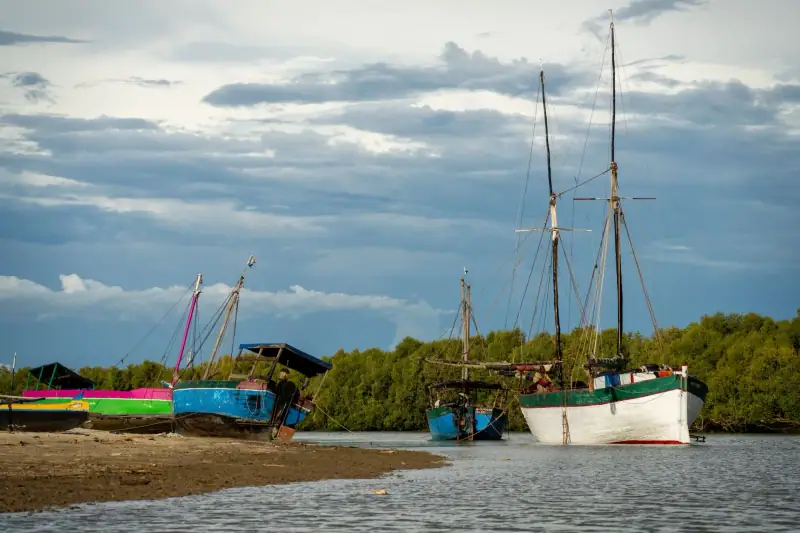
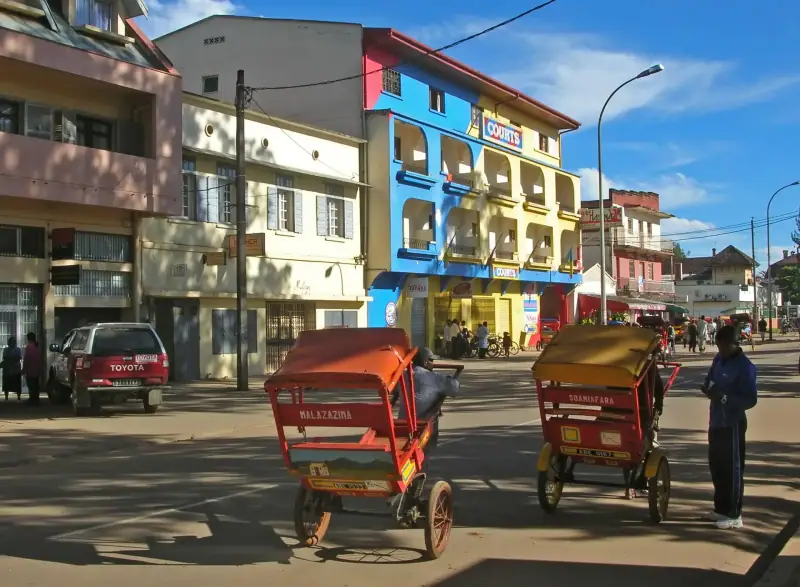
Diego Suarez is built on the edge of one of the largest bays in the world, overlooked by the Sugar Loaf, a cone-shaped rocky islet, and a backdrop of red hills. The city has a character of its own: colonial architecture, wide streets, a relaxed atmosphere and a mix of cultures very noticeable in the markets.
Drop your things, then stroll toward the seafront at the end of the day. Dine simply: grilled fish, skewers or rice dishes in a restaurant in the center. Avoid scheduling anything heavy on the first day: you often arrive tired from the flight.
Where to stay in Diego Suarez?
Compare hotels in the city and the bay for your first and last night.
Day 2: Montagne d’Ambre National Park
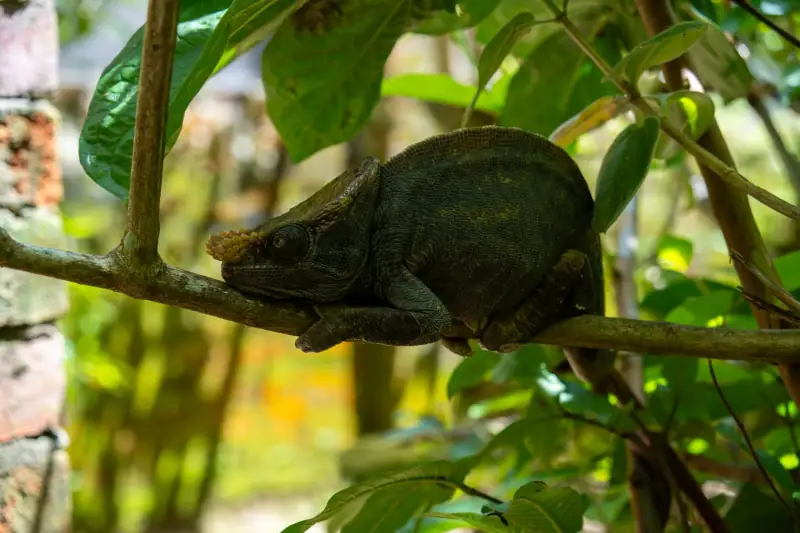
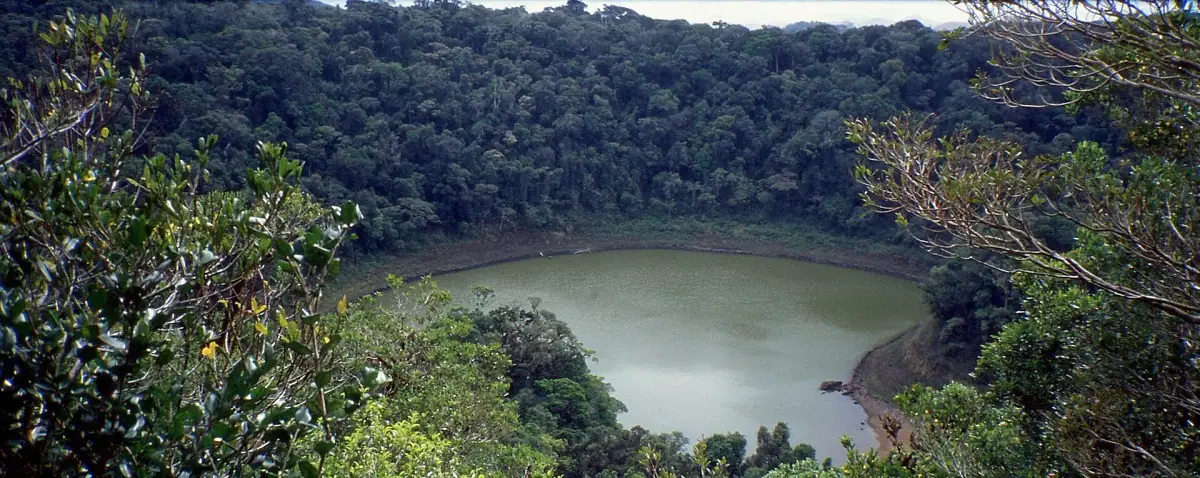
About an hour’s drive south of Diego Suarez, Montagne d’Ambre is a volcanic massif covered in rainforest, which contrasts with the dryness of the plain. Altitude brings coolness and a humidity that favors giant ferns, orchids and lemurs. Several lemur species, chameleons and many birds live there.
The park offers marked circuits of varying lengths, with waterfalls and crater lakes. One day is enough for a circuit of a few hours, and it is possible to spend the night nearby to set off early the next day, when wildlife is more active.
Practical tips:
- Set off in the morning to enjoy the light and animal activity.
- Bring a light waterproof layer: showers are possible even in the dry season.
- Wear suitable shoes: trails can be slippery.
- Keep your binoculars: the guide spots animals well before you do, but binoculars improve the experience.
If you have already seen lemurs in the east (see our guide to Andasibe-Mantadia), you will find that species differ from one region to another: that is the point of visiting different forests.
Day 3: the Red Tsingy and the road west
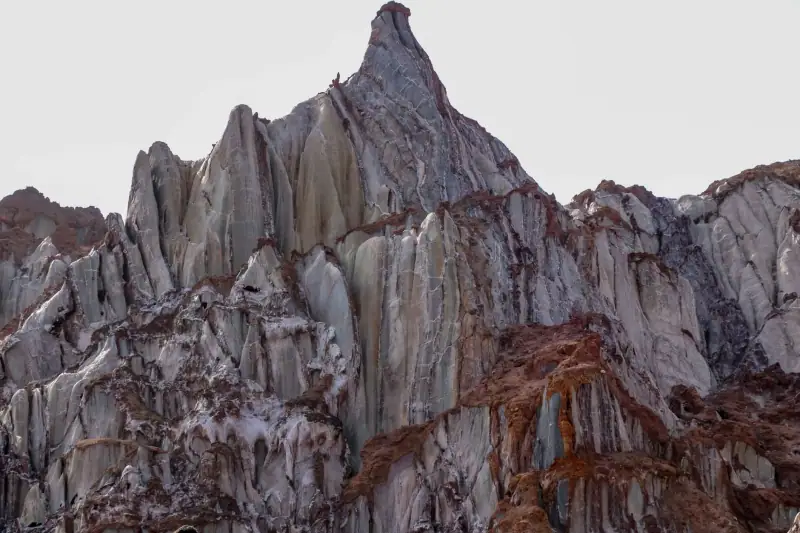
The Red Tsingy is about 60 km (37 mi) from Diego Suarez, not far from the road leading to Ankify. Allow about 45 km (28 mi) on the RN6, then roughly fifteen kilometers (9 mi) of track, or about 1 h 30 to 2 h from Diego Suarez: the outing takes half a day. The site is a canyon with eroded walls whose colors range from ochre to rust, with needles and chimneys of soft rock. Morning and evening light are the most beautiful.
Do not confuse this site with the gray limestone tsingy of Ankarana, further south, nor with those of Bemaraha in the west, which we describe in our guide to the Bemaraha tsingy. Here, the rock is more friable and the landscape less vertical, but the colors are unique.
You can return to Diego Suarez or, if you then head to Ankarana, sleep in lodging in the area to limit the kilometers.
Excursions in the north
Compare the guided outings and excursions you can book online around Diego Suarez.
Days 4 and 5: Ankarana Reserve
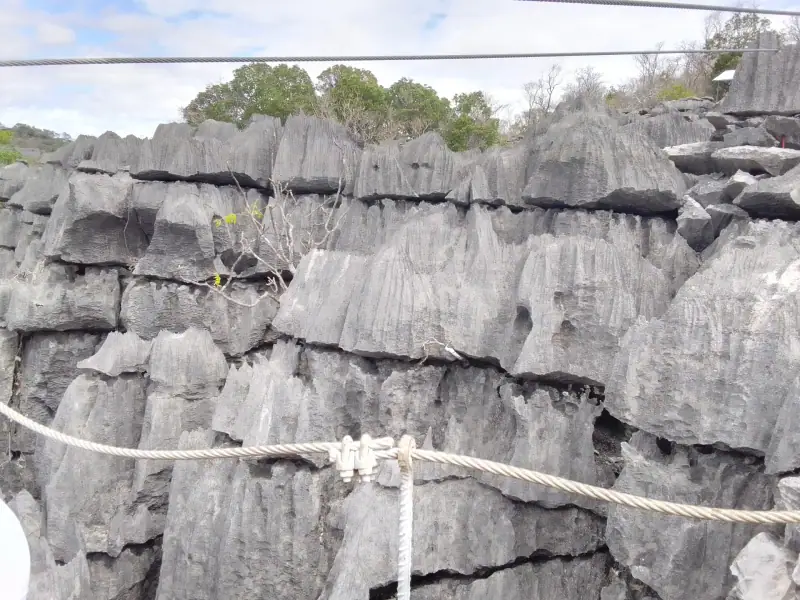
Ankarana is a limestone massif, with gray tsingy, deep canyons, caves and underground rivers. It is about two hours by road from Diego Suarez depending on the state of the track. The reserve holds lemurs, birds and bats, and crocodiles are sometimes seen in the cavities.
A stay of at least one night is recommended. A morning can be enough for a discovery circuit at a good walking pace, but most travelers prefer two days to combine:
- The tsingy and viewpoints, with sometimes narrow passages, requiring some fitness and attention.
- The caves, explored with a guide and a light.
- A walk at the end of the day to watch the lemurs of the dry forest.
Some hikes are physical and exposed: listen to your guide, set off early and keep water in reserve. If you have doubts about your fitness, choose a shorter circuit.
Day 6: back to Diego Suarez and Ramena
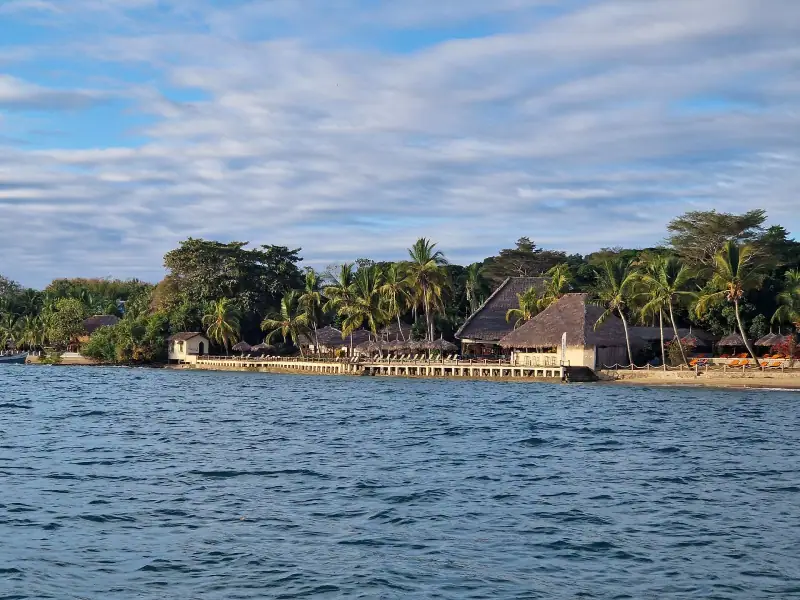
After Ankarana, return to Diego Suarez for a gentler day. Ramena is a fishing village facing the sea, about twenty kilometers (12 mi) from the city, from where you reach the Emerald Sea area, a lagoon sector with clear waters popular for swimming, sailing and kitesurfing, since winds there are steady depending on the season.
What to do in Ramena and the bay:
- Swim and rest on the beach.
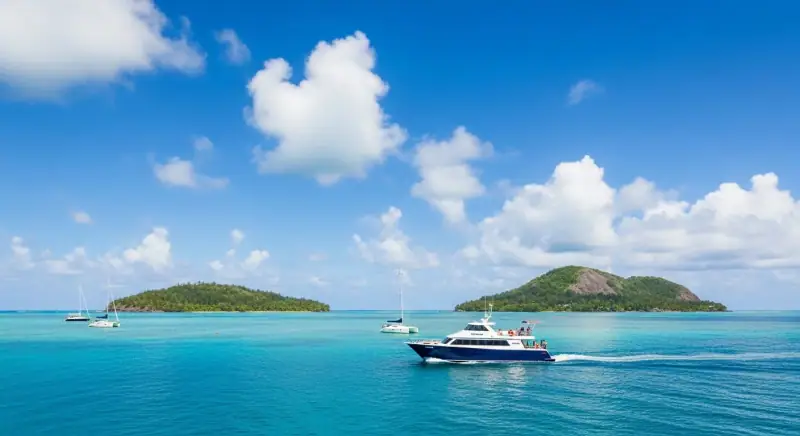
- Book a boat trip to the islets of the bay.
- Try kitesurfing or windsurfing if conditions are good, with an instructor.
- Taste the day’s fish in a simple seaside restaurant.
It is an excellent buffer day: it lets you recover from the fatigue of the tracks before the rest of the trip.
Flights to Madagascar
Compare flights before fixing your circuit dates in the north.
Day 7: departure or extension to Nosy Be
Depending on your plan, the last day can be the return to Antananarivo, or the start of an extension to Nosy Be. Two possibilities:
- The domestic flight: it is the fastest, but schedules and frequencies change. Confirm them before booking nights on arrival.
- The road to Ankify then the boat: the adventure is longer, with varied landscapes, but you need to allow a full day and leave early.
In Nosy Be, beaches, snorkeling and sea trips await. Our article Nosy Be: what to do, beaches and excursions helps you plan. To choose your base, also read where to stay in Nosy Be.
Variants depending on your time and budget
- 5 days: drop Ramena and merge Montagne d’Ambre with half a day in town. You keep Ankarana and the Red Tsingy.
- 10 days: add an extra night at Ankarana, a swimming day at Ramena and three days in Nosy Be.
- Tight budget: favor simple lodging, share the vehicle with other travelers and eat local.
- With kids: focus on Montagne d’Ambre and the bay, and avoid the most exposed Ankarana circuits with young children.
Useful gear for the north
A light bag is enough: breathable clothes, a fleece for evenings at altitude, a headlamp for the caves, walking shoes already worn in, sunscreen, insect repellent and a first-aid kit. Our selection of accessories for Madagascar details the essentials.
A few useful details by stop:
- Clothing: favor light long-sleeved outfits, which protect from sun and insects. At altitude, in Montagne d’Ambre, mornings are noticeably cooler and humidity seeps in: a thin waterproof jacket is valuable.
- Shoes: closed walking shoes, already broken in, are essential for the rocky trails of Ankarana and the friable walls of the Red Tsingy. Sandals are enough for Ramena.
- Light: a headlamp is needed for the caves, and a flashlight for evenings in bush lodgings, where electricity is sometimes limited.
- Water and power: carry a reusable bottle and a power bank, because outlets are not always available in isolated lodges.
- Photo: a modest zoom is enough for lemurs, but think of protection against track dust and forest humidity.
Insurance and health
Slow roads, heat and distance from care justify serious coverage. Travel insurance with repatriation assistance is strongly advised. For health, ask your doctor or a travel clinic, and see the official travel health pages (CDC in the US, TravelHealthPro in the UK). Entry rules depend on your passport. Check the official travel advice of your government before you book: travel.state.gov (US), GOV.UK (UK), travel.gc.ca (Canada), Smartraveller (Australia) (checked November 2026).
Budget: what to expect
The budget depends mainly on the mode of transport (car with a driver or shared transport), the level of lodging and the number of nights in the parks. The biggest items are the vehicle, domestic flights and bush lodgings. Ask several local providers for quotes, and compare them item by item.
Tips to make this circuit work
- Book the vehicle and guide in advance in high season.
- Keep a margin before any flight: a track delay happens easily.
- Respect wildlife: no food given to animals, safe distance, no flash.
- Leave part of the budget to local communities: guides, hosts and craftspeople.
- Stay flexible: weather and track conditions may force you to swap two stages.
Conclusion
Northern Madagascar rewards travelers who accept a slow pace: in a week, you go from rainforest to limestone canyons, from the Red Tsingy to a postcard bay. Combined with an extension to Nosy Be or built into a longer circuit, it is an excellent complement to the island’s classics.
Accommodation in Nosy Be
Extend with a few beach nights: compare the island's hotels and bungalows.
Frequently asked questions
How many days do you need to visit northern Madagascar?
Seven days let you see the essentials around Diego Suarez: Montagne d'Ambre, the Red Tsingy, Ankarana and Ramena bay. With ten days, you add real rest days or an extension to Nosy Be.
How do you get from Diego Suarez to Nosy Be?
Two options: a domestic flight, fast but subject to schedule changes, or the road to Ankify followed by a boat crossing. The road takes a long day. Check conditions with your host or agency before booking.
Can you do the north without a guide or driver?
The national parks require a licensed local guide. For getting around, a car with a driver is the simplest option, because some tracks are difficult, especially after rain.
What is the best period for the north?
The dry season, roughly May to October, is the most comfortable for tracks and hikes. The rainy season complicates some access. Our guide on the seasons details the nuances.
Do the northern tsingy look like those of Bemaraha?
They are different formations: Ankarana is a limestone massif riddled with canyons and caves, the Red Tsingy is erosion of soft rock in ochre and rust tones. Bemaraha, in the west, is larger and more vertical.
Should you carry cash in the north?
Yes. Outside the most established hotels, cards are rarely accepted and ATMs are rare outside Diego Suarez. Bring ariary in cash for guides, entry fees and simple meals.
More Madagascar guides
Keep reading
When to go to Madagascar: seasons, weather and best months
When to go to Madagascar? Dry season, rains, cyclones, whales, lemurs: a region-by-region guide to choosing the best time to travel.
Nosy Be: what to do, beaches and excursions on the perfume island
What to do in Nosy Be? Beaches, snorkeling, Nosy Komba, Nosy Tanikely, Lokobe Reserve, ylang-ylang: a guide to plan your stay on the perfume island.
What to see in Madagascar: the 10 top sights
What to see in Madagascar? Baobabs, tsingy, Isalo, Andasibe lemurs, Nosy Be: a selection of 10 top sights to help you prepare your trip.
Ready-made
Madagascar itineraries
12 days
National road 7 in Madagascar: itinerary from Antananarivo to Toliara
Detailed RN7 itinerary in Madagascar: Antsirabe, Fianarantsoa, Ambalavao, Isalo and Toliara. Stages, drive times, practical tips and trip organization.
14 days
Madagascar in 2 weeks: day-by-day itinerary and variants
A 14-day itinerary in Madagascar: Andasibe, RN7, Isalo, beach, with two variants (West and baobabs, North and Nosy Be), pace, transport and time budget.
10 days
Western Madagascar road trip: from Antsirabe to Morondava and the tsingy
AntsirabeMiandrivazoMorondavaBekopakaMorondava