Things to do
Nosy Be: what to do, beaches and excursions on the perfume island
We may earn a commission when you book through links on this page, at no extra cost to you. We don't visit or try the places we cover: we summarize published sources. How we work
In short
- Nosy Be is usually reached by domestic flight from Antananarivo; allow four to seven days to combine beaches, boat excursions and the Lokobe Reserve.
- Classic boat trips go to Nosy Komba (lemurs, embroidery) and Nosy Tanikely (marine reserve for snorkeling); Nosy Iranja is a longer crossing that depends on sea conditions.
- The dry season, roughly April-May to October, is the most pleasant; January to March brings rains and cyclones, making sea trips less reliable.
- Lokobe Reserve offers a half day of forest walking with a local guide, best early morning or late afternoon.
Nosy Be is the big tourist island of northwest Madagascar. Nicknamed “the perfume island” for its ylang-ylang and vanilla crops, it brings together light-sand beaches, coral islets reachable by boat, forests sheltering lemurs and a relaxed atmosphere, very different from the Highlands. It is the ideal beach extension after a circuit such as national road 7 or a visit to the Avenue of the Baobabs.
This guide helps you choose your activities, organize your days and avoid planning mistakes.
Organizing your stay in Nosy Be
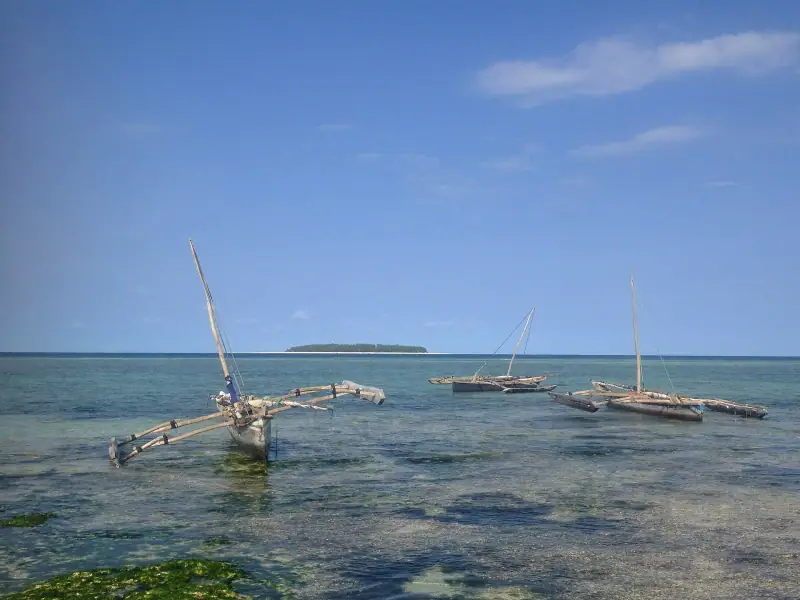
Nosy Be is most often reached by a domestic flight from Antananarivo, which avoids several days of road. Once there, the island is explored by taxi, tuk-tuk or two-wheeler depending on your comfort, and above all by boat for the neighboring islets. Distances are short, but the state of secondary roads can slow trips: plan a margin.
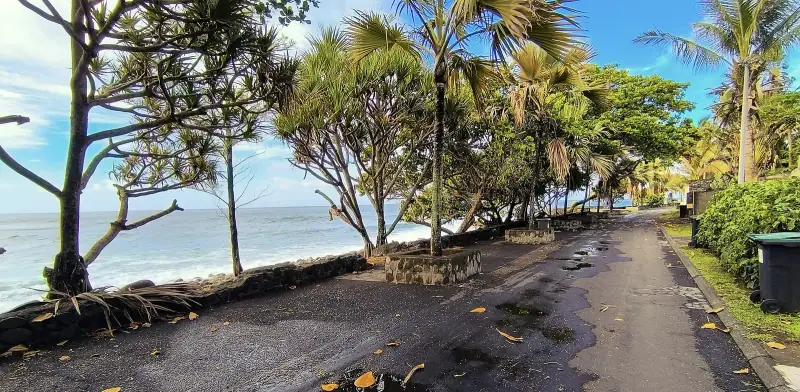
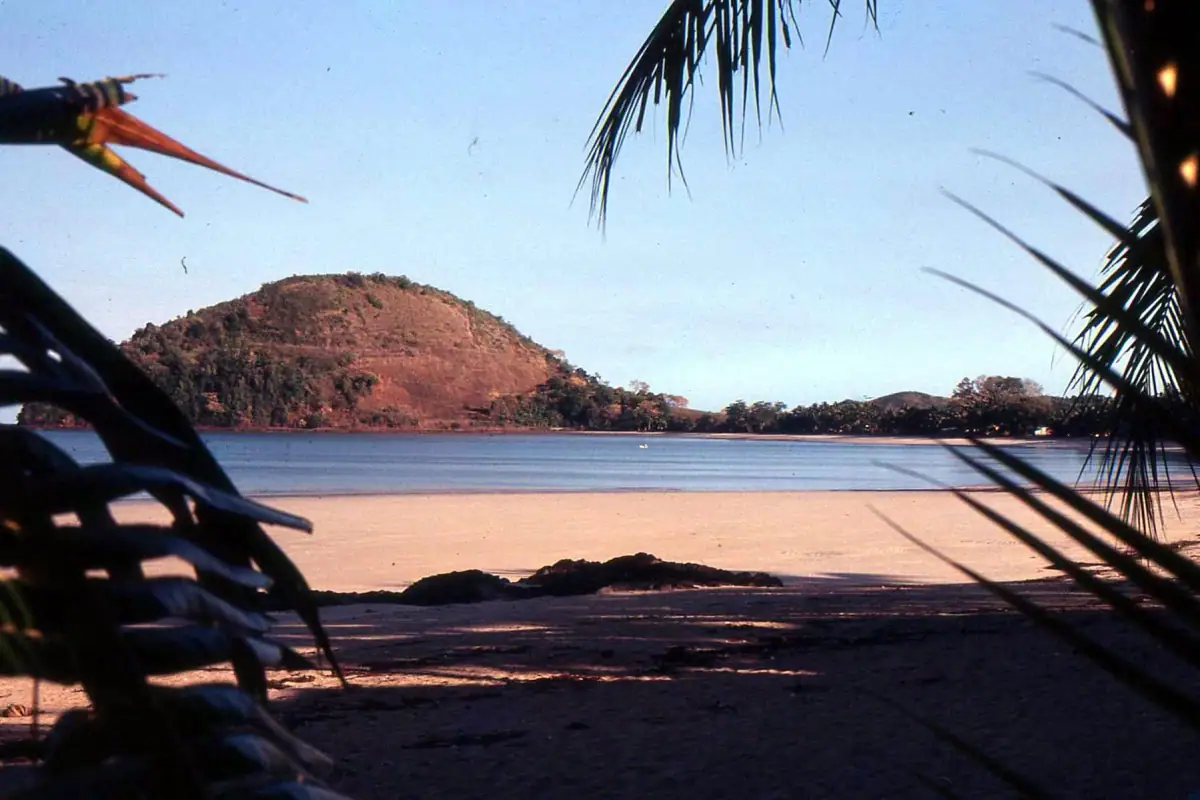
The main town, Hell-Ville (Andoany), concentrates markets, shops and services. The most visited seaside areas are on the west coast, with varied atmospheres: some beaches are lively, with restaurants and bars, others much calmer, made up of a few bungalows facing the sea.
For the calendar, the dry season is the most comfortable. Our guide when to go to Madagascar details the differences between regions. In the north, the rainy and cyclone season, early in the year, makes sea outings less reliable and some lodgings may close.
For a first stay, a base of four to seven days lets you combine relaxation and excursions without rushing. If you travel with family or friends, favor well-located lodging: getting around the island is slower than it looks on the map.
Flights to Madagascar
Compare flights to Antananarivo, from where the domestic links to Nosy Be depart.
Lodging: choosing your beach and atmosphere
The choice of where to stay conditions everything else. Three main logics emerge:
- A lively beach, west side: practical if you want restaurants, shops and excursion agencies nearby. The atmosphere is more touristy, with more people in high season.
- A calm, isolated beach: ideal for rest, reading and quiet swims. Outings are then almost always with a transfer arranged by the lodging.
- A hotel near Hell-Ville: simpler for markets and local life, but less beach-oriented.
Whatever the plan, check the real distance to the sea, the transfer terms from the airport and the possibilities for meals there: in isolated corners, alternatives are rare. In the dry season, notably during school holidays, it is wise to book ahead.
Local lodging includes beachfront bungalows, guesthouses run by families and more structured hotels with a pool. Rates vary strongly with the season and location; compare several dates rather than relying on an average price.
Hotels in Nosy Be
Compare the island's lodging, from beachfront bungalows to small hotels.
Nosy Komba and Nosy Tanikely: the classic excursions
The two neighboring islets are among the most requested outings, and for good reason.
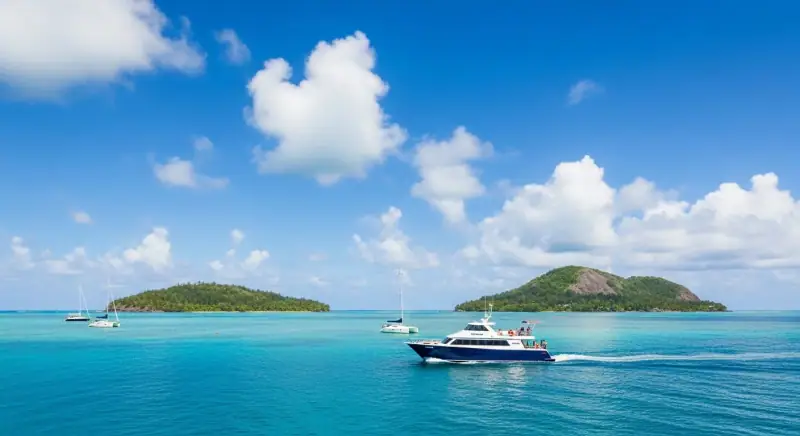
Nosy Komba is a small island with wooded terrain, known for its lemurs used to visitors and for its crafts, notably the embroideries sold in the village. Encounters with lemurs are easy there, but they remain semi-habituated animals: feed them only as the guide instructs and avoid handling them.
Nosy Tanikely is a small marine reserve known for snorkeling. You see colorful fish, coral and, with a bit of luck, sea turtles. The site is visited by boat, with swimming time supervised by local guides. A few practical tips:
- bring a reef-friendly sunscreen or a UV shirt;
- respect the coral: do not walk on it and do not touch anything;
- bring water, a hat and a towel, because there is little shade on the islets’ beaches.
These two stops are often combined in a single boat day, with a grilled-fish lunch on a beach. The program depends on weather and tides: stay flexible and follow the captain’s advice.
Nosy Iranja and farther excursions
For a more ambitious day, some outings head for Nosy Iranja, an islet known for its beaches, a sandbar that links two small islands at low tide and the presence of sea turtles. The crossing is longer than for Nosy Komba or Nosy Tanikely, and depends heavily on sea conditions: it is ideally booked for a fine-weather day, with a reputable operator who provides life jackets and water.
Other excursions offer marine wildlife watching or sailing trips. During the period when humpback whales are present, some agencies organize supervised watching trips. Always check that the operator respects approach distances and limits the number of boats around the animals.
For humpback whales, the reference destination remains Sainte-Marie Island: see our guide to watching whales at Sainte-Marie.
Compare offers on sailing time, group size, equipment supplied and weather cancellation terms.
Excursions around Nosy Be
Boat trips, snorkeling and guided visits: compare offers.
Lokobe Reserve: forest and lemurs
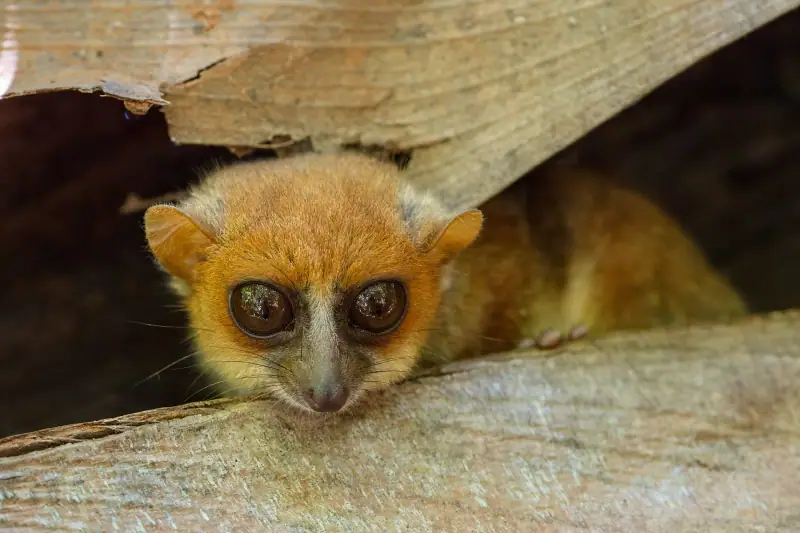
Lokobe Reserve, in the southeast of the island, is one of the last remnants of primary forest in Nosy Be. You meet lemurs, chameleons, geckos and many birds. The visit is on foot, with a local guide, often after a short pirogue crossing from a neighboring village.
It is an excellent alternative to the beaches for a more nature-oriented half day. Early-morning or late-afternoon outings are the most favorable for wildlife watching. Plan:
- closed shoes and light trousers;
- insect repellent, because the forest is humid;
- a camera with a good zoom, because animals often stay at a distance.
If lemurs interest you, our guide on Andasibe-Mantadia and lemurs presents another approach, in the eastern forest with the famous indris. For an overview of the country’s major sites, see what to see in Madagascar.
Perfumes, vanilla and local culture
Nosy Be is also worth a look beyond the beach. Ylang-ylang, a plant whose flowers are used in perfumery, is grown on the island and distilled locally. Some farms organize visits explaining distillation; you also discover vanilla, pepper, sugarcane and various spices.
In Hell-Ville, the market lets you taste tropical fruit, spices and local preparations. Crafts are mostly wooden objects, baskets and embroideries. Negotiate courteously, buy directly from craftspeople when possible, and be wary of products presented as “pure” without a clear origin.
A high viewpoint, often cited by local guides, lets you take in the crater lakes and the sea at sunset. Ask your lodging for access and the best time of day.
Diving, relaxing and pace of life
Beyond snorkeling, several centers offer introductory dives and exploration dives around the island and the islets. Conditions vary with the season, visibility and weather: choose a center that clearly shows its certifications, equipment and safety rules.
For the rest, Life in Nosy Be moves slowly. Days are often organized like this: an early-morning excursion to enjoy the calm sea, lunch on the beach, a nap, then a walk or sunset at the end of the day. Between two outings, plan half days with no program.
For meals, local cuisine features fish, seafood, coconut milk and spices, often served with rice. Ask your lodging for suggestions of tables matching your budget rather than following a fixed ranking.
Practical tips before you go
- Money: bring cash in ariary, because card payments are not accepted everywhere, especially outside the main tourist areas.
- Health: ask your doctor or a travel clinic, and see the official travel health pages (CDC in the US, TravelHealthPro in the UK). Bring insect repellent, a first-aid kit and sun protection.
- Respect: leave no litter on the beaches and islets, do not collect shells or coral, and ask before photographing residents.
- Safety: as anywhere, avoid walking at night with visible valuables and follow your lodging’s advice.
- Bookings: in high season, book lodging and excursions ahead.
To compare transport, flight and lodging options, use the boxes in this article.
Frequently asked questions about Nosy Be
Above all, remember that a successful stay in Nosy Be rests on three choices: the right season, a beach suited to your pace and one or two well-chosen excursions, rather than an overloaded program. With these elements, the perfume island offers an excellent beach counterpoint to a trip to Madagascar.
Frequently asked questions
What is the best time to go to Nosy Be?
The dry season, roughly April-May to October, is the most pleasant: little rain, generally calm sea and comfortable temperatures. January to March is the rainy and cyclone season, less suited to sea excursions.
How do you get to Nosy Be?
The simplest is to take a domestic flight from Antananarivo to Nosy Be airport. You can also reach the northwest coast by road and then cross by boat, but the trip is clearly longer.
How many days should you plan in Nosy Be?
Allow 4 to 7 days to combine beaches, one or two boat excursions to the neighboring islets and a visit to the Lokobe Reserve.
Can you snorkel in Nosy Be?
Yes. The neighboring islets, such as Nosy Tanikely, are known for snorkeling. Outings are by boat with a local guide, with mask and snorkel generally provided or rented.
Why is Nosy Be called the perfume island?
The island is known for its ylang-ylang, vanilla and other aromatic plants, hence this nickname.
More Madagascar guides
Keep reading
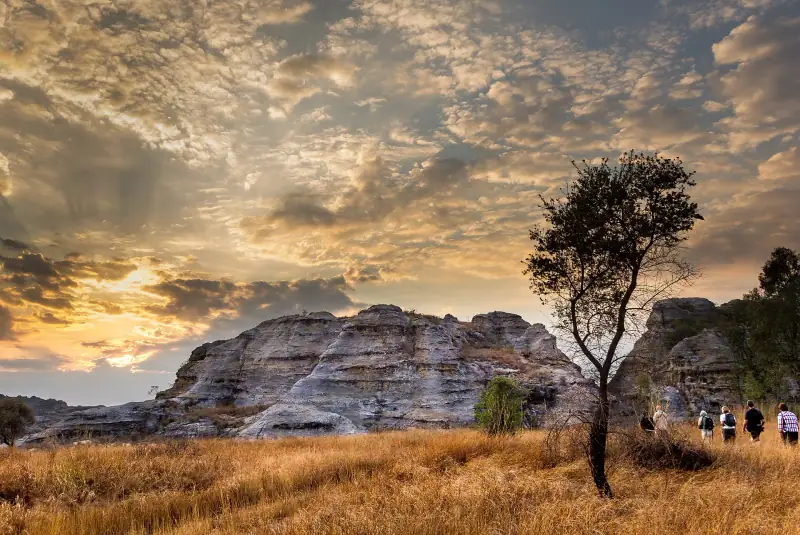
Isalo National Park: hikes, canyons and natural pools
Isalo National Park in Madagascar: hikes, Monkey Canyon, natural pools, sunset, lemurs and practical tips to prepare your visit.
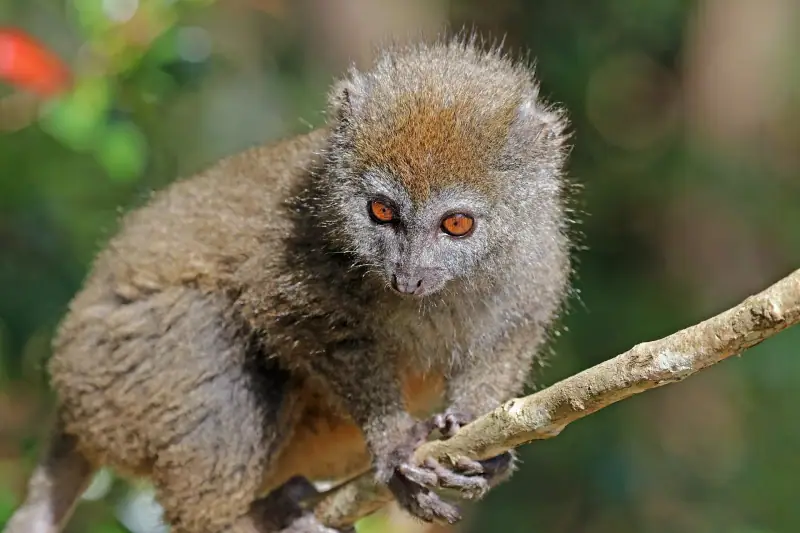
Andasibe-Mantadia: seeing lemurs and indris in Madagascar
Guide to Andasibe-Mantadia: getting there from Antananarivo, which lemurs to see, the night walk, length of stay and practical tips to prepare well.
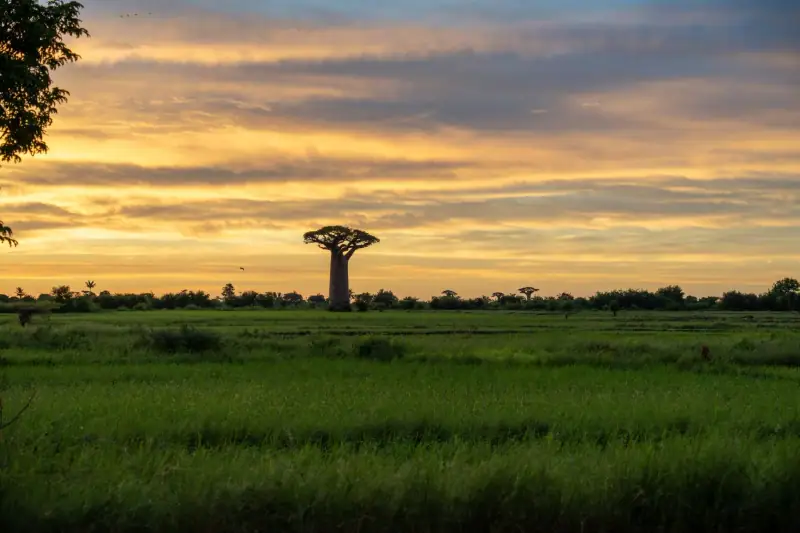
When to go to Madagascar: seasons, weather and best months
When to go to Madagascar? Dry season, rains, cyclones, whales, lemurs: a region-by-region guide to choosing the best time to travel.
Ready-made
Madagascar itineraries
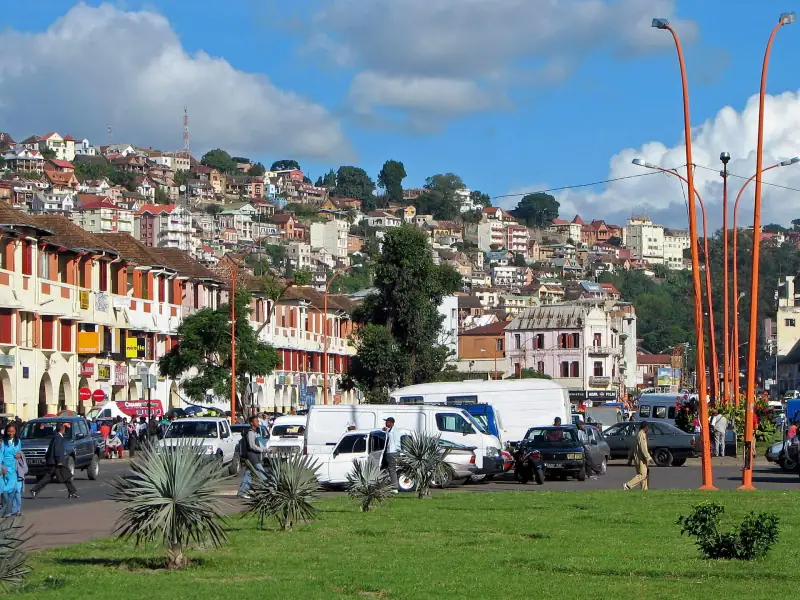
12 days
National road 7 in Madagascar: itinerary from Antananarivo to Toliara
Detailed RN7 itinerary in Madagascar: Antsirabe, Fianarantsoa, Ambalavao, Isalo and Toliara. Stages, drive times, practical tips and trip organization.
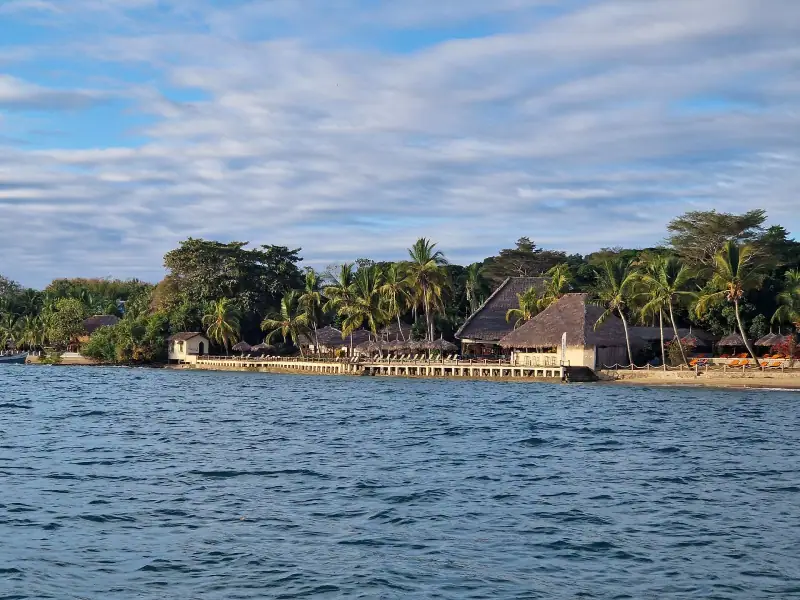
14 days
Madagascar in 2 weeks: day-by-day itinerary and variants
A 14-day itinerary in Madagascar: Andasibe, RN7, Isalo, beach, with two variants (West and baobabs, North and Nosy Be), pace, transport and time budget.
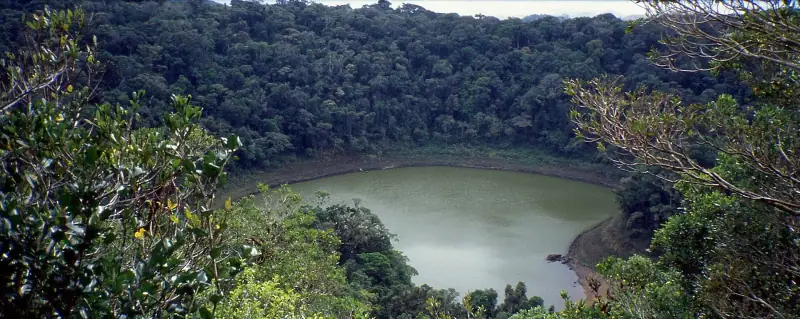
7 days
Northern Madagascar in 7 days: Diego Suarez, Ankarana and Montagne d'Ambre
7-day itinerary in northern Madagascar: Diego Suarez, Montagne d'Ambre, Red Tsingy, Ankarana, Ramena and an end in Nosy Be, with realistic trips and tips.