Plan your trip
Madagascar budget: real costs, 3 priced profiles and money-saving tips
We may earn a commission when you book through links on this page, at no extra cost to you. We don't visit or try the places we cover: we summarize published sources. How we work
In short
- In-country cost for 14 days, excluding the international flight: about €350 to 560 (about $405 to 650) backpacker, €840 to 1,540 (about $975 to 1,785) comfort with a car and driver, €1,700 to 2,900 (about $1,970 to 3,365) premium.
- National park entry is about 45,000 ariary per adult per day (55,000 for the Bemaraha tsingy), plus a required guide; all is paid in cash in ariary.
- A car with a driver is about €60 to 120 (about $70 to 140) a day; a domestic flight about €120 to 320 (about $140 to 370) one way.
- Rates are about 25% higher in high season (April to October, per one travel specialist); the ariary rate fluctuates around 4,800 to 5,000 per euro.
The budget for Madagascar surprises in both directions. Once you are there, daily life costs very little: a meal in a small local restaurant costs a few euros, a night in a guesthouse stays modest. But the international flight weighs heavily, the huge distances force you to pay for a driver or domestic flights, and national parks add fixed fees to each visit.
This article details real costs item by item, offers three priced budget profiles for 14 days, then ends with concrete tips to spend less without sacrificing the essentials. Verification date: October 4, 2026. Rates come from sources published between September 2025 and July 2026 (specialist guides, Malagasy press, park rates), and wherever a figure is an estimate on our part, we say so.
Exchange rate and currency: what to know first
The currency is the ariary (Ar). Local prices are shown in ariary, and conversions vary with the rate. The reference points published in 2026 are consistent without being identical: Malagasy press reported a euro crossing the 5,000 ariary mark in late December 2025, then falling back below it in February 2026, and a reference source showed about 4,840 ariary per euro in early July 2026.
In this article, we convert on a rounded basis of 4,800 to 5,000 ariary per €1. A gap of a few percent does not change the order of magnitude, but for a big expense (private circuit, domestic flight), check the day’s rate. Euro amounts are given first with a dollar equivalent (1 € = $1.16, rounded).
Three habits to adopt:
- Withdraw ariary in town (Antananarivo, Nosy Be, Toliara): ATMs become rare between major stops, as our complete guide to Madagascar reminds.
- Keep small notes for taxis, markets, tips and pirogue operators, who do not always have change.
- Bring cash for the parks: fees are paid in ariary at the counter, with no card or foreign currency.
The international flight: the first item in the budget
The airfare is often one of the biggest items of a two-week trip, and its price depends on where you fly from, so this article gives no fixed figure. Compare offers for your own departure city.
What makes the price vary:
- The season: high season, April to October, comes with a rise of about 25% in prices in general according to a travel specialist.
- Booking ahead: booking about two months ahead saves up to around ten percent according to comparison sites, based on their statistics.
- The stopover: a flight with a connection is often cheaper than a direct one, at the cost of a few extra hours.
- The day of departure: comparison sites note that a mid-week departure is on average cheaper than a weekend one.
Compare flights to Madagascar
The airfare is the biggest budget item: compare dates, stopovers and airlines several weeks before departure.
Formalities and insurance: small sums not to forget
These fees are modest, but they do not always make it into estimates. Entry rules, and any visa fee, depend on your passport. Check the official travel advice of your government before you book: travel.state.gov (US), GOV.UK (UK), travel.gc.ca (Canada), Smartraveller (Australia) (checked November 2026).
Travel insurance with medical repatriation is strongly advised. Its price depends on the contract, age and length: ask for several quotes rather than keep an average figure. If you travel with a high-end bank card, check what it really covers before considering it sufficient.
Lodging: from a few euros to over €100 a night
This is the item with the biggest gap. The ranges below are published for a double room (so divide by two for the per-person cost when two people share):
| Category | Indicative price per night, double room |
|---|---|
| Very budget (simple room, sometimes shared bathrooms) | up to about €10 (~$12) |
| Guesthouse or small hotel | about €10 to 20 (~$12 to $23) |
| Charming hotel | about €20 to 40 (~$23 to $46) |
| International hotel or upscale lodge | about €80 to 120 (~$93 to $140) |
Another source indicates €40 to 60 (~$46 to $70) a night for two in a decent hotel, which overlaps the range of charming hotels. Prices climb in Nosy Be and Antananarivo in the most comfortable establishments, while they stay low in mid-sized towns of the interior. Our guide where to stay in Madagascar details the areas and types of lodging.
A few field notes:
- Breakfast is often included in guesthouses, not always in larger hotels. Ask when booking.
- Park lodges (Isalo, Andasibe) are at the top of the range: safari rates compared by some specialist sites run far higher when they include transport, meals and activities.
- In high season, the best establishments fill up: booking early protects both availability and price.
Hotels and guesthouses in Madagascar
Compare rates, reviews and cancellation conditions before locking your stops, especially in high season.
Meals: a very cheap item
Eating in Madagascar costs little if you accept local food. The published reference points:
- A plate of rice with meat or fish in a “hotely” (a basic local restaurant): about 12,000 ariary, a little over €2 (about $2.50).
- A mid-range restaurant: about €6 to 7 (~$7 to $8) per person.
- A three-course dinner in a lodge or tourist restaurant: about €15 to 20 (~$17 to $23).
- A 33 cl beer: about €1.30 (~$1.50), a one-liter bottle of water: a little over €0.50 (~$0.60), according to a cost-of-living price base.
If you cook or buy at markets, the daily food budget drops to a few euros. On an organized trip or in a bush lodge, meals are often included in full board: the nightly rate rises, but this item disappears from the daily budget.
For ideas on what to order, see our guide to Malagasy cuisine and its specialties. As a precaution, drink bottled water with a sealed cap or filtered water and avoid ice cubes of unknown source: better to spend a little on water than lose two days in bed.
Transport: the item that tips the budget
Madagascar is big, and the roads are slow. The mode of transport you choose therefore largely determines the bill.
Taxi-brousse: cheapest, but slow
The taxi-brousse is the reference shared transport. Rates change with the company, the class and the season:
- Antananarivo-Antsirabe: about 8,000 to 10,000 ariary, or about €2 to 3 (~$2 to $3.50).
- Antananarivo-Mahajanga: national cooperatives set the ceiling at 70,000 ariary in high season, according to the Malagasy press (June 2026). A private company such as Cotisse shows 65,000 ariary in Lite class, 90,000 in Premium and 125,000 in VIP (rates noted in early 2026).
- Long trips in general: roughly €6 to 12 (~$7 to $14) according to a specialist guide.
The drawbacks are real: flexible schedules (the vehicle leaves when it is full), luggage on the roof, limited comfort, long trips. Cautious travelers avoid chaining night trips and keep a margin before a flight.
Car with a driver: the most common choice of travelers
For a circuit such as the RN7 or the west coast, the dominant option is the vehicle with a driver, often a 4x4: about €60 to 120 (~$70 to $140) a day according to a practical guide, or €60 to 80 (~$70 to $95) a day for a rental for two according to another source. The rate varies with the vehicle, season, length and route. Ask precisely what is included: fuel, the driver’s lodging and meals, mileage, fees for the empty return trip. Our article on national road 7 shows a typical itinerary for this mode of travel.
For reference, gasoline is about €1 (~$1.15) a liter according to a price base published in early 2026. Renting without a driver remains rare and not recommended on difficult roads.
Domestic flights: saving time at the cost of money
To link the North, Nosy Be or the Southwest without spending days on the road, a domestic flight is often the most reasonable. Allow about €120 to 320 (~$140 to $370) one way depending on the route and season, according to a practical guide. Baggage is sometimes limited: check the allowance before booking.
Taxis in town and short trips
A short taxi ride in Antananarivo is negotiated around €3 (~$3.50) according to a practical guide, and the airport transfer is advertised around €15 (~$17): agree on the price before getting in. For short trips, tuk-tuks and pousse-pousse (depending on the town) remain the cheapest.
National parks and activities: fixed fees to include
The parks managed by Madagascar National Parks raised their entry fees in 2026. The rates noted by a specialist site are as follows (per adult per day, children under 12 paying less):
| Park | Entry (ariary) | Guide (per group, ariary) |
|---|---|---|
| Isalo | 45,000 | about 30,000 |
| Andasibe-Mantadia | 45,000 | 25,000 to 40,000 |
| Ranomafana | 45,000 | 20,000 to 35,000 |
| Bemaraha tsingy | 55,000 | 35,000 to 50,000 (helmet extra) |
| Montagne d’Ambre | 45,000 | 25,000 to 35,000 |
At about 4,800-5,000 ariary per euro, a 45,000 Ar entry comes to around €9 (~$10), and 55,000 Ar about €11 (~$13). The guide is required in most parks and the fee is shared among group members: traveling with others clearly reduces each person’s share. Everything is paid in cash, in ariary. To prepare each visit, see our guides on Isalo National Park, Andasibe-Mantadia and its lemurs and the Bemaraha tsingy.
Outside the parks, a traditional pirogue excursion is cited at around €50 (~$58) per person by a practical guide, and everyday activities (village visits, short guided hikes) fall in a range of €4 to 8 (~$5 to $9) a day according to a price base. The rates of an excursion from Nosy Be (see our Nosy Be guide) vary strongly with the boat and the provider.
Excursions and guided visits
Browse the excursions offered in Madagascar: parks, lemurs, sea trips and guided visits, with rates shown in advance.
Three budget profiles for 14 days
The amounts below are estimates calculated by us from the published ranges above, per person per day, for a couple sharing the room and the vehicle. They exclude the international flight and insurance.
Profile 1: backpacker (taxi-brousse, guesthouses, local food)
| Item | Per person per day |
|---|---|
| Lodging (double room at €10-20, shared) | €5 to 10 (~$6 to $12) |
| Meals (hotely, markets, one simple restaurant meal) | €6 to 10 (~$7 to $12) |
| Transport (one long taxi-brousse trip every 2 to 3 days, local taxis) | €5 to 8 (~$6 to $9) |
| Parks and activities (one park entry at about €9, shared guide) | €8 to 12 (~$9 to $14) |
| Total | about €25 to 40 (~$29 to $46) |
Over 14 days: about €350 to 560 (~$405 to $650) per person in country.
Profile 2: comfort (car with a driver, charming hotels)
| Item | Per person per day |
|---|---|
| Lodging (double room at €20-40, shared) | €10 to 20 (~$12 to $23) |
| Meals (mid-range restaurants) | €10 to 15 (~$12 to $17) |
| Transport (car with a driver at €60-120, shared by two) | €30 to 60 (~$35 to $70) |
| Parks and activities | €10 to 15 (~$12 to $17) |
| Total | about €60 to 110 (~$70 to $130) |
Over 14 days: about €840 to 1,540 (~$975 to $1,785) per person in country. This profile matches the most classic circuit: RN7, Isalo, west coast. Since the vehicle is not needed every day (rest days, stays in town), the real bill is often below the upper range.
Profile 3: premium (domestic flights, lodges, private guides)
| Item | Per person per day |
|---|---|
| Lodging (double room at €80-120, shared) | €40 to 60 (~$46 to $70) |
| Meals (lodge dinners, tourist restaurants) | €20 to 30 (~$23 to $35) |
| Transport (domestic flights at €120-320 one way, 2 to 3 trips, plus private transfers) | €40 to 80 (~$46 to $93) |
| Activities (private excursions, pirogue, guides) | €20 to 40 (~$23 to $46) |
| Total | about €120 to 210 (~$140 to $245) |
Over 14 days: about €1,700 to 2,900 (~$1,970 to $3,365) per person in country. All-inclusive plans sold by some agencies go well beyond these amounts according to the compared safari sites: if you travel with a tour operator, compare what is included (domestic flights, meals, park fees) before judging the price.
For comparison with published budgets
A specialist site gives a daily budget of €20 to 57 (~$23 to $66) per person excluding the flight: this matches our profile 1 at the top of the range, which shows how much the gaps depend on the mode of transport.
The items people forget
Several expenses escape the first estimates:
- Tips: customary for guides, drivers and porters. Plan a few euros a day during the circuit, more for an attentive driver over several days.
- Health: see the health sentence below.
- Luggage and phone: extra baggage on a domestic flight, a local SIM card depending on the operator, unplanned transfers.
- Souvenirs and crafts: you negotiate, and keep a little margin for silk, essential oils or vanilla.
- Bank fees: ariary withdrawals, card commissions, exchange: compare your bank’s conditions before leaving.
On health: ask your doctor or a travel clinic, and see the official travel health pages (CDC in the US, TravelHealthPro in the UK).
Ten tips to spend less
- Travel outside the peaks. Prices are about 25% higher in high season. See when to go to Madagascar to choose a period that balances weather and price.
- Book the flight early, comparing stopovers and departure days.
- Share the vehicle. The vehicle with a driver costs the same for two or for four: traveling as four halves each person’s share.
- Negotiate the all-inclusive rate with the driver: fuel, the driver’s nights and meals, mileage. A written quote avoids surprises.
- Alternate modes of transport: taxi-brousse for short trips on well-maintained roads, private car or plane for long distances.
- Eat local. A meal in a hotely costs a fraction of a tourist restaurant.
- Group the parks. Fees are daily and the guide is shared: a well-filled day is better than an entry for little time.
- Withdraw money wisely, limiting the number of withdrawals to reduce fees, while avoiding carrying large sums.
- Choose lodging with a kitchen or breakfast included when the rate is comparable.
- Avoid last-minute purchases at the airport or in transit areas, where prices are higher.
One last rule: set a ceiling per item before leaving, as suggested by our complete guide to Madagascar, and keep about 10 to 15% margin for the unexpected. On an island where a landslide or a closed road can force an extra night, this margin is not a luxury.
Frequently asked questions
What budget should you plan for two weeks in Madagascar?
Excluding the international flight, allow about €350 to 560 (about $405 to 650) per person for a backpacker trip, €840 to 1,540 (about $975 to 1,785) for comfort with a car and driver, and €1,700 to 2,900 (about $1,970 to 3,365) for a premium plan with domestic flights and lodges. These are estimates calculated from rates published in early 2026.
Can you pay by bank card in Madagascar?
In hotels and restaurants of tourist areas, often, but not everywhere. National park fees are paid in cash, in ariary, at the counter: neither cards nor euros are accepted. Withdraw ariary in town before heading into the bush and keep a reserve of small notes.
How much does a taxi-brousse cost?
It depends on the trip and the company. Antananarivo-Antsirabe is advertised at around 8,000 to 10,000 ariary (about €2 to 3 / $2 to $3.50), while on Antananarivo-Mahajanga the cooperatives set a ceiling of 70,000 ariary in high season and a company such as Cotisse shows 65,000 ariary in Lite class, 90,000 in Premium and 125,000 in VIP.
How much does national park entry cost?
In 2026, parks managed by Madagascar National Parks show about 45,000 ariary per day per adult for Isalo, Andasibe-Mantadia, Ranomafana or Montagne d'Ambre, and about 55,000 for the Bemaraha tsingy. A required guide is added, roughly 20,000 to 50,000 ariary per group depending on the park.
Should you plan for tips?
They are not mandatory but customary for guides, drivers and porters, whose income depends largely on the tourist season. Bring small notes in ariary and set the sum aside in your budget, without making it a heavy item.
When is it cheaper to travel to Madagascar?
Prices are about 25% higher in high season, April to October according to an estimate published by a travel specialist. Going at the start or end of the dry season limits the bill, provided you account for the climate: see our guide on the best time to go.
Is the ariary stable against the euro?
No, the rate fluctuates. In 2026, Malagasy press reports noted a euro sometimes above, sometimes below 5,000 ariary, and about 4,840 ariary in early July. The euro figures in this article are converted on a rounded basis of about 4,800 to 5,000 ariary per euro: check the rate before you go.
More Madagascar guides
Keep reading
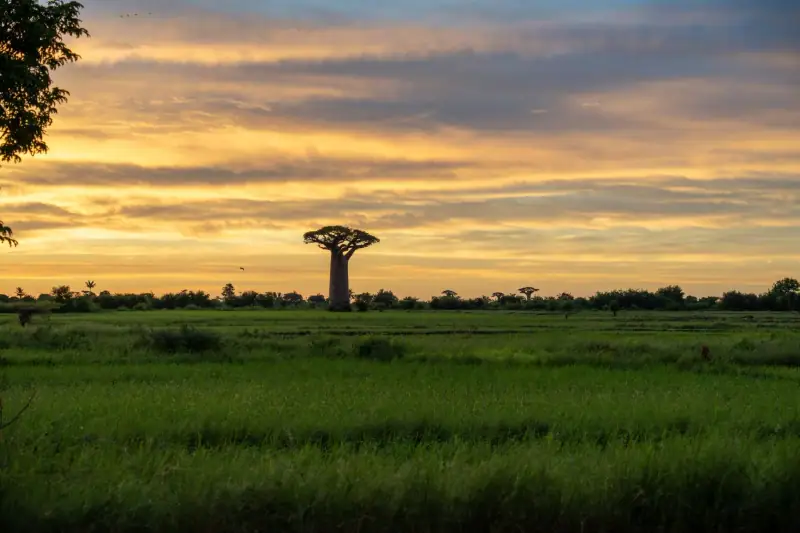
When to go to Madagascar: seasons, weather and best months
When to go to Madagascar? Dry season, rains, cyclones, whales, lemurs: a region-by-region guide to choosing the best time to travel.
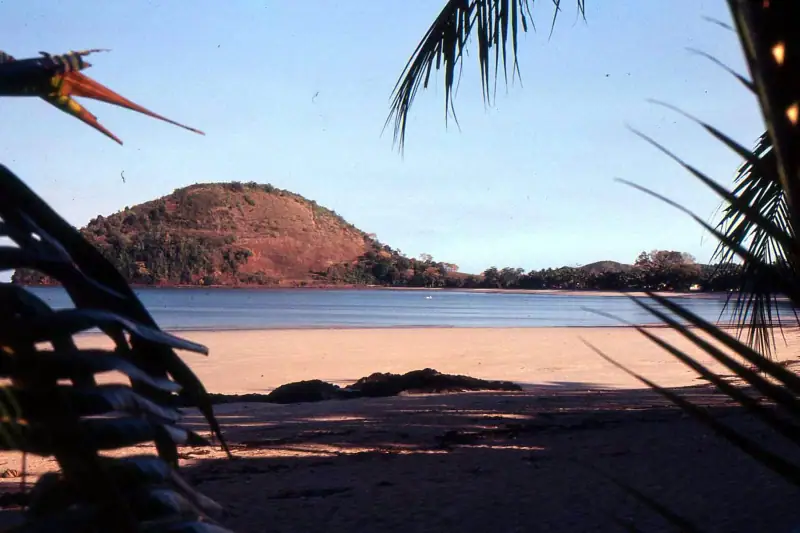
Nosy Be: what to do, beaches and excursions on the perfume island
What to do in Nosy Be? Beaches, snorkeling, Nosy Komba, Nosy Tanikely, Lokobe Reserve, ylang-ylang: a guide to plan your stay on the perfume island.
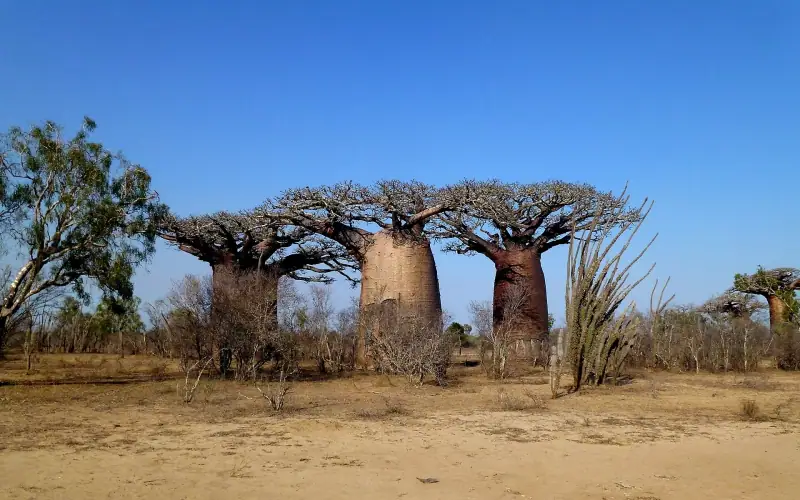
What to see in Madagascar: the 10 top sights
What to see in Madagascar? Baobabs, tsingy, Isalo, Andasibe lemurs, Nosy Be: a selection of 10 top sights to help you prepare your trip.
Ready-made
Madagascar itineraries
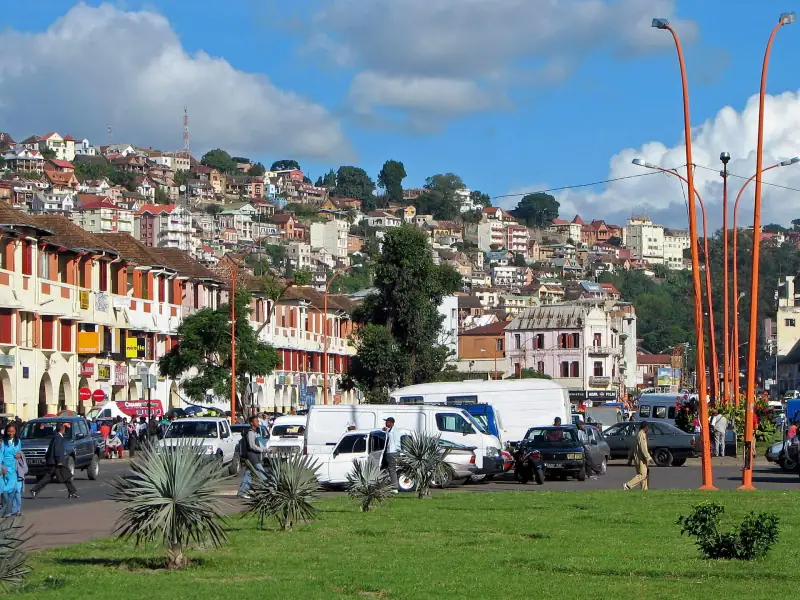
12 days
National road 7 in Madagascar: itinerary from Antananarivo to Toliara
Detailed RN7 itinerary in Madagascar: Antsirabe, Fianarantsoa, Ambalavao, Isalo and Toliara. Stages, drive times, practical tips and trip organization.
14 days
Madagascar in 2 weeks: day-by-day itinerary and variants
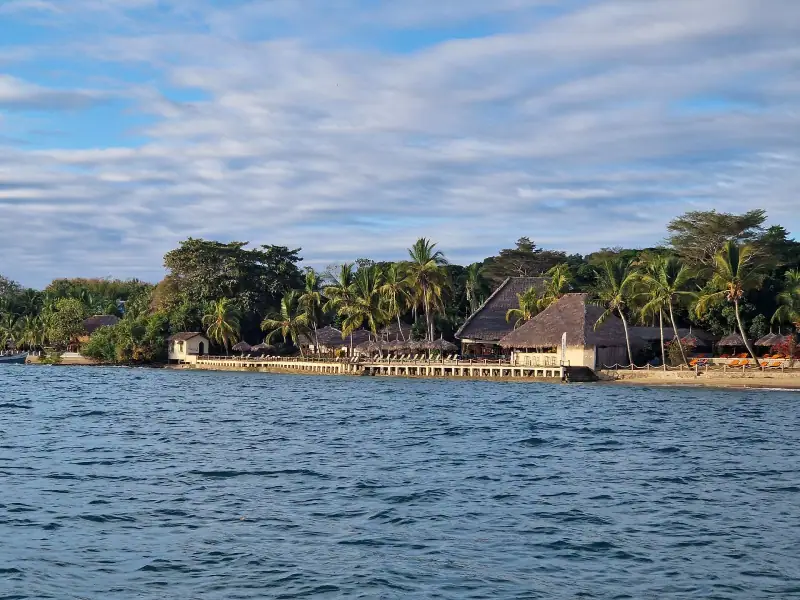
A 14-day itinerary in Madagascar: Andasibe, RN7, Isalo, beach, with two variants (West and baobabs, North and Nosy Be), pace, transport and time budget.
7 days
Northern Madagascar in 7 days: Diego Suarez, Ankarana and Montagne d'Ambre
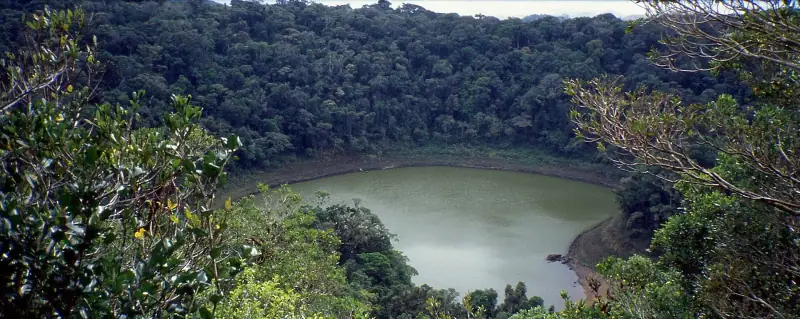
7-day itinerary in northern Madagascar: Diego Suarez, Montagne d'Ambre, Red Tsingy, Ankarana, Ramena and an end in Nosy Be, with realistic trips and tips.