Things to do
Isalo National Park: hikes, canyons and natural pools
We may earn a commission when you book through links on this page, at no extra cost to you. We don't visit or try the places we cover: we summarize published sources. How we work
In short
- A guide approved by the park is required for most circuits; the base is Ranohira on the RN7, and entry is paid at the park.
- Classic hikes: Monkey Canyon and Rat Canyon, the natural pool and the Namaza waterfall; multi-day treks need advance planning.
- The dry season, roughly May to October, is the most comfortable; start early, carry plenty of water and protect yourself from the sun.
- Plan at least two nights so as not to chain the drive and the hike; lemur sightings (ring-tailed, Verreaux's sifaka, brown lemurs) are never guaranteed.
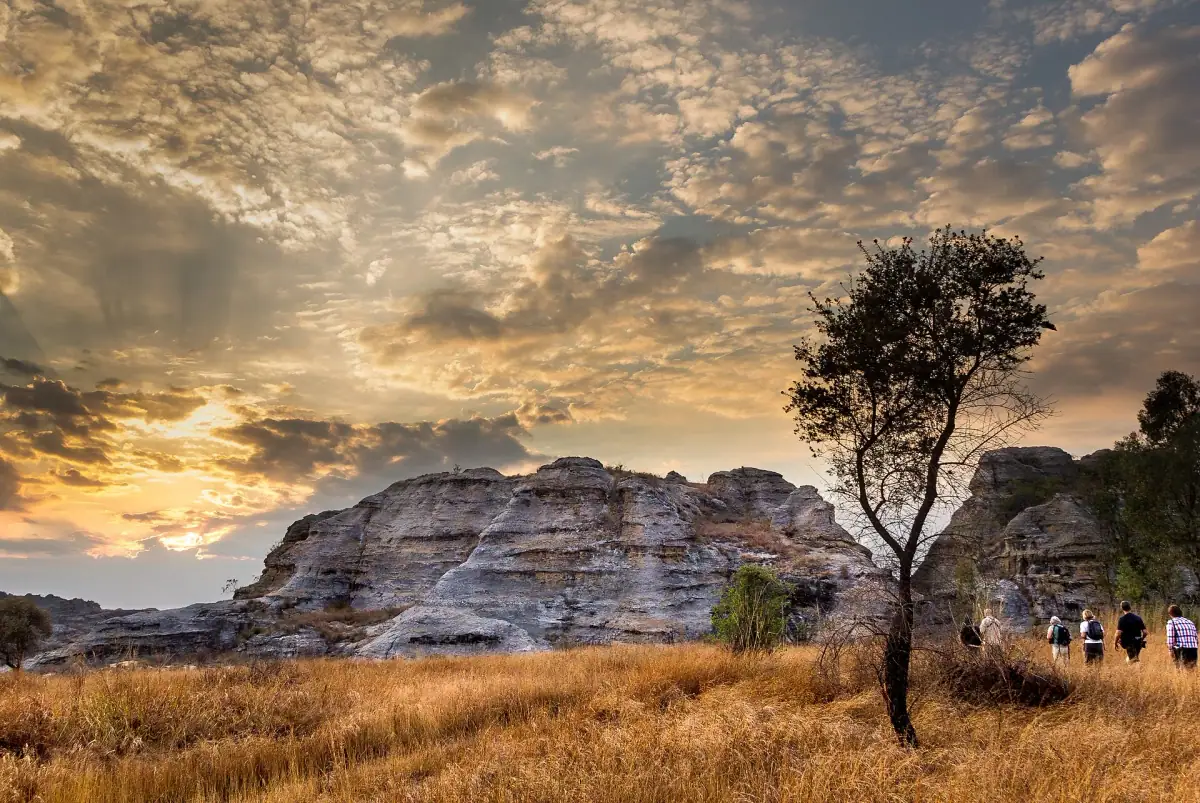
Isalo National Park is one of the most spectacular landscapes in southern Madagascar. In the middle of the savanna, an eroded sandstone massif raises its cliffs, canyons and ochre plateaus, while green oases and clear pools hide at the bottom of the valleys. It is a great stop for anyone who likes walking, photographing and watching nature.
This article details the most common hikes, the wildlife to hope for, the best time to go and the practical organization. To place Isalo within a larger trip, see our RN7 itinerary and the selection of sights to see in Madagascar.
A sandstone massif in the heart of the South
Isalo is a relief sculpted by erosion: the sandstone has been carved by water and wind to form deep gorges, arches, ruin-like shapes and long ridges. The contrast is striking between the dry plateaus, covered with grasses and drought-resistant plants, and the canyons where humidity, ferns and palm trees gather.
The park is managed by Madagascar National Parks. Entry is paid at the park, and a local guide is required to enter most circuits. The starting base for the visit is the village of Ranohira, on the RN7. It holds most of the lodging, small restaurants and guide agencies.
The region is also marked by cattle herding and by Bara traditions, a people of zebu herders whose decorated tombs can sometimes be seen near the roads and cliffs. Respect for places and local customs is part of the visit: always ask your guide’s opinion before photographing a burial site.
Flights to Madagascar
Compare flights to Antananarivo before heading south on the RN7.
Choosing your hike in Isalo
The park offers short half-day circuits and longer routes over one or several days. The exact names and routes may vary with the state of the trails and the park rules; your guide will steer you according to your fitness and the season.
Monkey Canyon and Rat Canyon. These are two classic walks that go into cool, wooded gorges. They suit most walkers and let you discover the green atmosphere of the valley floors, with a bit of luck in the company of lemurs.
The natural pool. The walk to this basin of clear water is one of the park’s great classics. It first crosses plateaus of rock and savanna, then descends to a small patch of vegetation where you can swim. Set off early in the morning: the midday heat is strong, there is little shade, and the light is nicer.
The Namaza waterfall. Depending on the season, this fall gives the walk an extra goal, and its basin is a good spot to stop for a picnic. The route is longer than the Monkey Canyon one and requires stamina.
Multi-day treks. For seasoned hikers, it is possible to arrange with an agency a multi-day trek, with a bivouac and porters provided by the local team. This type of stay must be prepared in advance and calls for good fitness.
Wildlife and plants to watch for

Isalo is one of the sites in the south where animal sightings are most regular, even if it is always a matter of patience and luck.
- Ring-tailed lemurs, recognizable by their black-and-white ringed tails, are often spotted near water points and bivouac sites.
- Verreaux’s sifakas, white lemurs that move by leaping, may be seen in wooded areas.
- Brown lemurs tend to frequent canyon floors.
- Birds and chameleons are far more common than you would think, but harder to spot without the guide’s trained eye.
As for vegetation, you notice plants adapted to dry terrain, such as pachypodiums, often nicknamed “elephant’s foot”, and several aloe species. Never feed the animals and keep your distance: they are wild animals, and their diet cannot cope with human food.
Hikes and excursions
Browse the activities offered in Madagascar: hikes, parks and guided visits.
Sunset over Isalo
The end of the day is a prime moment. In the low light, the sandstone takes on red and orange hues, and the massif completely changes appearance. A much-appreciated viewpoint, reachable on foot from Ranohira, is often presented as the “Isalo window”: a natural opening in the rock that frames the setting sun.
To enjoy it, arrive a little before nightfall, with a headlamp for the way back, and check the sunset time with your guide or your lodging. It is busier in high season: if you want more calm, favor the edges of the dry season.
When to go and what to expect
The dry season, roughly May to October, is the most comfortable period for walking in Isalo: the sky is clear and the trails more passable. Nights can be cool, while afternoons are hot. In the hot season, storms can complicate some passages and walking is more tiring; the full calendar is detailed in our guide when to go to Madagascar.
In your bag, plan:
- good closed walking shoes;
- a hat, sunglasses and sunscreen;
- a large amount of water, because water points are not always accessible;
- a swimsuit and a light towel for the basins;
- a light jacket for the evenings;
- a headlamp, useful for the return from the sunset;
- a little cash, because card payments are rare in the region.
Lodging around Isalo
Compare the hotels and lodges of Ranohira, close to the park.
Where to stay around Isalo
Lodging is concentrated in Ranohira and on the roads near the park. The offer ranges from simple homestay rooms to more comfortable lodges, often with a pool, which is much appreciated after a day of walking. Book ahead in high season, notably July to September, because capacity is limited. To choose between the village and a lodge, read our guide where to stay in Isalo.
If you travel with a driver, plan at least two nights there, so as not to chain the drive and the hike in the same day. Meals are often taken at the lodging; try the dishes based on zebu and rice, the country’s staple cuisine.
How to get there
Isalo is reached by the RN7, the main road linking Antananarivo to Toliara. The trip from Fianarantsoa is long, with landscapes of plateaus and savanna; allow most of a day. From Toliara, the road is shorter. The stage details are presented in our RN7 itinerary.
Most travelers go through an agency or hire a vehicle with a driver. Road conditions change with maintenance and weather: ask before leaving and keep a margin in your schedule.
Tips to prepare your visit
- Set off early: in the morning, the light is beautiful, the temperature bearable and wildlife viewing better.
- Do not overestimate yourself: heat, elevation gain and lack of shade tire you quickly.
- Be respectful: take your litter with you, stay on the trails and avoid touching burial sites.
- Pay for local work: guides, porters and cooks keep the region alive; a tip is appreciated.
- Insurance: check that your policy covers hiking and repatriation.
Isalo is a highlight for anyone who wants to walk in wide open spaces. Combined with Anja, Ranomafana or a beach extension toward Toliara, it anchors a very fine trip in southern Madagascar.
Frequently asked questions
Do you need a guide to visit Isalo National Park?
Yes, the visit is done with a guide approved by the park. The guide knows the trails, wildlife and plants, and being accompanied is required for most circuits. Rates and packages are settled with the park or your lodging.
How much time should you plan for Isalo?
Two nights there allow one main hike (canyon and natural pool) and a sunset. Experienced hikers can add a multi-day trek in the massif.
What is the best period for Isalo?
The dry season, roughly May to October, is the most comfortable: dry trails and clear skies. In the hot season, storms and heat make walking harder, and some trails may be less passable.
Can you swim in Isalo?
Yes, several basins and natural pools lie at the end of walking trails. The water is cool, which is very pleasant after the hike. Follow your guide's instructions, notably after heavy rain.
Do you see lemurs in Isalo?
It is possible: ring-tailed lemurs, Verreaux's sifakas and brown lemurs may be spotted depending on the trails and the hours. They are wild animals, and no sighting is guaranteed.
How do you get to Isalo?
The park is near Ranohira, on the RN7 between Fianarantsoa and Toliara. You get there by car with a driver or by shared transport. Allow a long day of driving from Fianarantsoa.
More Madagascar guides
Keep reading
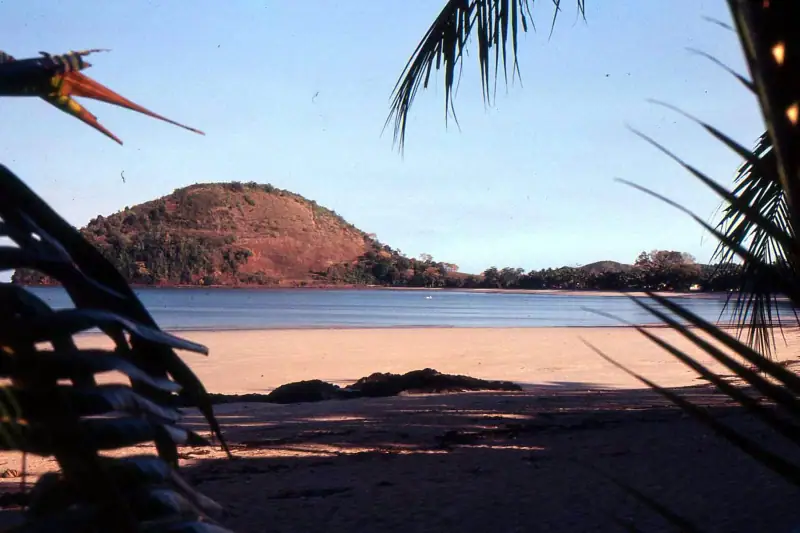
Nosy Be: what to do, beaches and excursions on the perfume island
What to do in Nosy Be? Beaches, snorkeling, Nosy Komba, Nosy Tanikely, Lokobe Reserve, ylang-ylang: a guide to plan your stay on the perfume island.

Andasibe-Mantadia: seeing lemurs and indris in Madagascar
Guide to Andasibe-Mantadia: getting there from Antananarivo, which lemurs to see, the night walk, length of stay and practical tips to prepare well.
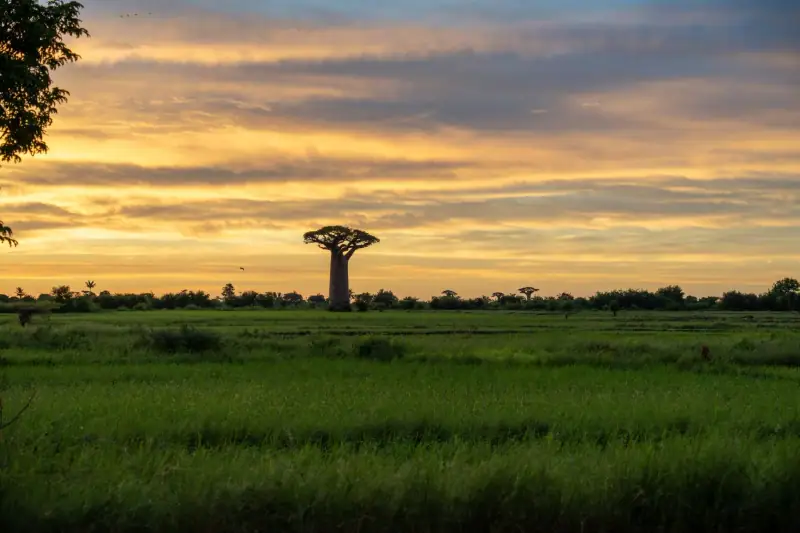
When to go to Madagascar: seasons, weather and best months
When to go to Madagascar? Dry season, rains, cyclones, whales, lemurs: a region-by-region guide to choosing the best time to travel.
Ready-made
Madagascar itineraries
12 days
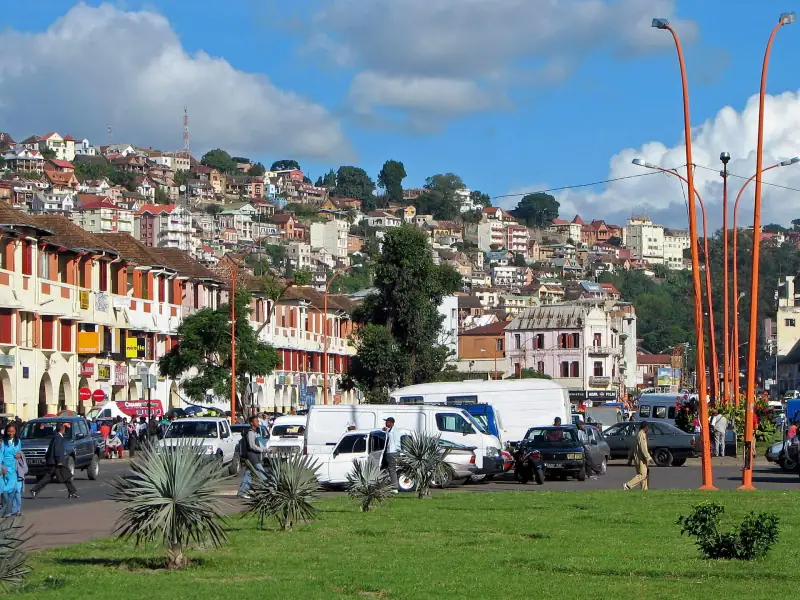
National road 7 in Madagascar: itinerary from Antananarivo to Toliara
Detailed RN7 itinerary in Madagascar: Antsirabe, Fianarantsoa, Ambalavao, Isalo and Toliara. Stages, drive times, practical tips and trip organization.
14 days
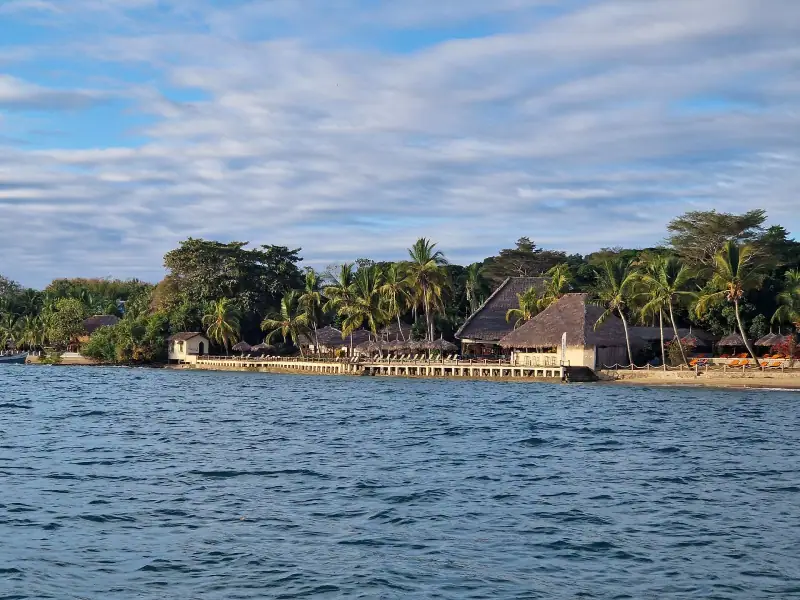
Madagascar in 2 weeks: day-by-day itinerary and variants
A 14-day itinerary in Madagascar: Andasibe, RN7, Isalo, beach, with two variants (West and baobabs, North and Nosy Be), pace, transport and time budget.
7 days
Northern Madagascar in 7 days: Diego Suarez, Ankarana and Montagne d'Ambre
7-day itinerary in northern Madagascar: Diego Suarez, Montagne d'Ambre, Red Tsingy, Ankarana, Ramena and an end in Nosy Be, with realistic trips and tips.