What to see
Complete guide to visiting Japan: regions, highlights, budget and tips
We may earn a commission when you book through links on this page, at no extra cost to you. We don't visit or try the places we cover: we summarize published sources. How we work
In short
- Ten days cover the Tokyo, Kyoto, Osaka triangle; two weeks add Hiroshima, Hakone or the Japanese Alps; beyond three weeks, Hokkaido, Okinawa or rural regions.
- Spring (cherry blossoms, late March to early April in big cities) and fall (red leaves, especially November) are the most popular and the busiest seasons.
- Trains are punctual and dense; for most visitors a rental car is unnecessary. Check whether a rail pass pays off before buying.
- Entry rules depend on your passport: check your government's official travel advice before you book.
Stretching from north to south across the Pacific, the archipelago of Japan is one of the most fascinating destinations in the world: futuristic megacities sit beside centuries-old temples, snowy mountains tower over cultivated plains, and food is practiced as an art of living. It is also a country you prepare for, because its vocabulary, distances and habits often bewilder first-time visitors.
This complete guide is the pillar article of our site. It introduces the destination, its regions and cities, the highlights, the best season to go, ways to get there and around, lodging options and the budget to plan. At each step, links point you to our detailed guides to go deeper into what interests you.
Japan at a glance
Japan has four main islands: Honshu, the largest, home to Tokyo, Kyoto, Osaka and most of the best-known sights; Hokkaido to the north; Kyushu and Shikoku to the southwest. Thousands of smaller islands add to these, including the Okinawa archipelago, far to the south. The country has about 125 million inhabitants, concentrated mainly on the coastal plains of Honshu, while the very mountainous interior remains much quieter.
This geography explains the wide variety of landscapes and climates. In the north, winters are long and snowy; in the south, the climate is subtropical. Central Honshu, where most tourist itineraries lie, has four clearly marked seasons, which completely changes the experience depending on when you travel.
The country is known for safety, cleanliness, punctuality and quality of service. A few customs are worth knowing: you take off your shoes in homes, ryokan and some restaurants; you avoid speaking loudly on transport; you do not tip; and you sort your trash, often carrying it with you for lack of street bins. These simple rules are enough to be seen as a respectful visitor.
Japan’s main regions
To organize a trip, it is simpler to think in regions than in isolated cities. Here are the ones we cover on this site.
Tokyo and the Kanto
The Kanto is the capital’s region, the country’s largest urban area. Tokyo is a mosaic of neighborhoods with very different moods: Shinjuku and its skyscrapers, Shibuya and its famous crossing, Asakusa and its historic temple, Ginza and its luxury shops. Around the capital, classic excursions lead to Nikko, known for its shrines, or to Kamakura, a former shogunate capital near the sea.
For a detailed plan of the city, see our guide what to do in Tokyo in four days, and to choose where to stay, our article where to stay in Tokyo.
Mount Fuji and Hakone
A short distance from the capital, the Mount Fuji and Hakone region is ideal for a nature break. Fuji, the country’s highest point at about 3,776 meters (12,388 ft), is a sacred mountain whose regular silhouette has become a national emblem. Hakone, a well-known spa resort, offers onsen, museums, trails and views of the volcano in clear weather. Weather strongly affects visibility: keep your schedule flexible to improve your chances of seeing the mountain.
The Kansai: Kyoto, Osaka and Nara
The Kansai is Japan’s historic and cultural heart. Kyoto, imperial capital for more than a thousand years, concentrates temples, gardens, shrines and traditional districts. Its neighbor Osaka is known for its energy, humor and street food. Nara, a very ancient former capital, is famous for its great Buddhist temple and the free-roaming deer in the park.
The three cities are linked by frequent, fast trains, which lets you fan out from a single base. Our guides what to do in Kyoto and what to do in Osaka detail the visits, and the article where to stay in Kyoto helps you choose your neighborhood.
The Japanese Alps: Takayama, Shirakawa-go and Kanazawa
More rural and quieter, this region crosses central Honshu. Takayama charms with its old town of wooden houses, Shirakawa-go is known for its farmhouses with steeply sloped thatched roofs, a World Heritage site, and Kanazawa offers a large landscaped garden, a samurai district and a teahouse district. It is an excellent option for a second trip, or for a first three-week stay that wants to get off the beaten path.
The Chugoku: Hiroshima and Miyajima
West of Kyoto and Osaka, the Chugoku region is best known for Hiroshima, a city whose Peace Memorial Park recalls the 1945 atomic bombing, and for the small island of Miyajima, famous for its great torii standing in the sea. Both can be visited easily in one or two days from the Kansai. Our article what to do in Hiroshima and Miyajima offers a visit outline.
Hokkaido and Okinawa
At the two ends of the country, these destinations show a very different face of Japan. Hokkaido, in the north, is known for its wide open spaces, volcanoes, lakes, seafood cuisine and abundant winter snow, which attracts skiers. Okinawa, in the south, is a subtropical archipelago, a former Ryukyu kingdom, with a culture, cuisine and beaches quite distinct from the rest of the country. They require a domestic flight and suit a trip of more than two weeks.
Japan’s highlights
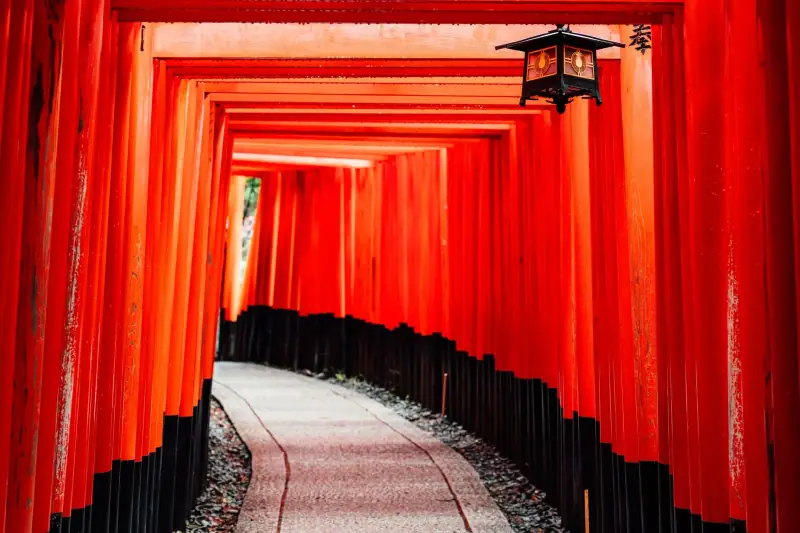
If you could keep only a handful of places for a first trip, these are the ones that come up most often in travelers’ accounts.
Tokyo: the Shibuya crossing, Senso-ji temple in Asakusa, the Shinjuku and Harajuku districts, its markets and museums. The city is better discovered by choosing one or two neighborhoods a day rather than trying to see everything.
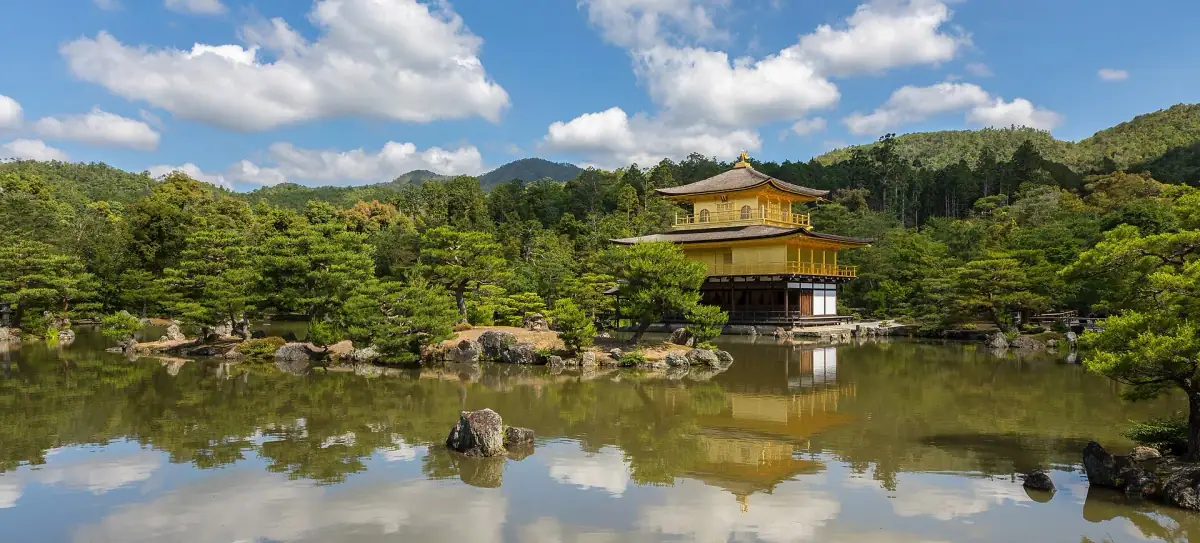
Kyoto: Fushimi Inari shrine and its thousands of vermilion gates, Kiyomizu-dera temple, the Gion district, the Arashiyama bamboo grove and the Golden Pavilion. Allow at least two to three days so as not to rush.
Nara: the great Todai-ji temple and its immense bronze Buddha, and the park’s deer, tame but to be fed only with the special crackers sold there.
Osaka: the Dotonbori district, its illuminated signs and street-food stalls. It is the place to taste local specialties, notably takoyaki and okonomiyaki.
Hiroshima and Miyajima: the Atomic Bomb Dome, the memorial museum and the floating torii of Itsukushima.
Mount Fuji: to admire from Hakone or from the lakes region, or to climb during the summer season, reserved for well-prepared walkers.
Onsen: hot spring baths are an integral part of Japanese life. A few basic rules: wash carefully before entering the bath, do not put your towel in it, and find out in advance about the rules on tattoos, as some establishments still refuse them.
Guided tours and excursions in Japan
Walking tours, day excursions, cultural experiences: compare the activities offered by city and by your dates.
When to go to Japan
Japan can be visited year-round, but the feel changes strongly from one season to the next.
Spring (March to May) is cherry blossom season, which draws crowds of visitors. Temperatures are mild, but lodging fills up long in advance, especially in Kyoto and Tokyo. The bloom varies from year to year and region to region, so stay flexible.
Summer (June to August) is hot and humid across most of the country. The rainy season marks the start of summer, followed by very hot weeks. It is the time of festivals and of the Mount Fuji climb, but also when mountain regions and Hokkaido are most pleasant.
Fall (September to November) is often considered the best season: clear skies, pleasant temperatures and red leaves, which peak in November in many regions. September can still see typhoons.
Winter (December to February) is dry and bright around Tokyo, cold and snowy in the Alps and the north. It suits those who want less crowded sights, onsen in the snow or skiing in Hokkaido.
To plan month by month, see our detailed guide when to go to Japan, with seasonal events and weather.
How to get to Japan
Japan is reached by air. The two main gateways are the Tokyo region, with Haneda and Narita airports, and the Osaka and Kyoto region, with Kansai International Airport. Flight options, durations and fares depend on where you start, so compare several airlines and itineraries; flights with a stopover are generally cheaper but longer.
A practical tip is to consider an “open jaw” ticket: arrive in Tokyo and leave from Osaka, or the reverse. This avoids retracing your route and lets you build a linear itinerary. Compare fares across several dates: prices vary a lot with season, school holidays and day of departure. Book early for spring and fall.
Compare flights to Japan
Tokyo or Osaka, round trip or open jaw: compare airlines, stopovers and dates to find the best fare.
Formalities before you go
Before booking, check your passport’s validity and the current entry conditions. Entry rules depend on your passport, so check the official travel advice of your government before you book: travel.state.gov (US), GOV.UK (UK), travel.gc.ca (Canada), Smartraveller (Australia) (checked November 2026). Also consider travel insurance covering medical costs, as care can be expensive for a foreigner. All the points to check are in our article formalities for Japan.
Getting around Japan
The Japanese transport network is one of the most efficient in the world: punctual, clean and dense. For most visitors, renting a car is unnecessary.
The Shinkansen, the high-speed train, links Tokyo to Kyoto, Osaka, Hiroshima and many other cities. The Tokyo-Kyoto trip takes a little over two hours on the fastest train, and Kyoto-Osaka about fifteen minutes. Tickets are booked at the station or online, and you can choose a reserved or unreserved seat.
The Japan Rail Pass has seen changes in prices and conditions in recent years: always calculate whether the pass pays off against individual tickets before buying. For an itinerary limited to Tokyo, Kyoto and Osaka, single tickets may be enough. All the details are in our guide getting around Japan: Shinkansen, JR Pass and IC cards.
Rechargeable IC cards, such as Suica or Pasmo, work on subways, buses and urban trains in most big cities, and at many vending machines and shops. They save you from buying a ticket for each trip.
Night buses and domestic flights can be economical options for long distances, notably to Hokkaido or Okinawa, where the plane is generally the only reasonable solution.
A car is only worthwhile for rural regions, such as the Japanese Alps or some parts of Hokkaido. Driving is on the left. Check the license requirements in your government’s official travel advice before you book.
A few practical tips complete the planning: travel light, because luggage storage is limited on trains and rooms are often small; use the hotel-to-hotel luggage forwarding service, very common, to lighten your moves; and arrange an internet connection by SIM card or eSIM from arrival (or check your carrier’s international plan).
Where to sleep in Japan
The lodging offer is wide and falls into several main categories.
Business hotels are very common, practical and clean, with compact rooms. They are often the best value, especially near stations.
Ryokan are traditional inns with tatami, futons, hot spring baths and meals served in the room or a shared hall. A night in a ryokan is a cultural experience to have at least once, preferably in a spa region like Hakone or near Kyoto. Prices are generally higher, as dinner and breakfast are often included.
Hostels and capsules suit small budgets and solo travelers, with dorms or individual cabins.
Short-term rentals can be interesting for families, but local regulation is strict: choose properly registered lodging.
The choice of neighborhood matters as much as the lodging. In Tokyo, Shinjuku is practical for a first stay thanks to its connections, Asakusa and Ueno are more traditional and more affordable, and Tokyo Station is ideal for Shinkansen departures. In Kyoto, the station, Gion and Arashiyama offer very different atmospheres. Our guides where to stay in Tokyo and where to stay in Kyoto detail each area.
Compare stays in Japan
Hotels, ryokan and guesthouses: check availability and reviews for your dates, especially for the cherry blossom and fall periods.
Food: a journey on the plate
Food is one of the great reasons to travel to Japan. It is very varied: sushi, ramen, tempura, okonomiyaki, takoyaki, soba, udon, yakitori, Japanese curry and traditional pastries. Each region has its specialties: Osaka is famous for street food, Kyoto for refined cuisine and vegetables, Hiroshima for its layered okonomiyaki and oysters, Hokkaido for seafood.
You eat very well at low prices: small specialty restaurants, station counters, convenience stores and the prepared-food floors of department stores offer often remarkable quality. Some restaurants work with a ticket vending machine at the entrance: you choose your dish on the machine, pay, then hand the ticket to the cook.
Our article what to eat in Japan presents twelve specialties to try. To understand what you are eating, a cooking class or a food tour is an excellent way to start.
What budget to plan for a trip to Japan
The budget depends on length, season, travel style and number of travelers. The main items are: the flight, often the biggest expense; lodging, which varies a lot by city and season; domestic transport, notably Shinkansen; food, which can stay very reasonable; and sight entry fees, generally modest.
A few levers reduce the bill: travel outside peak periods, choose business hotels, sleep near a station rather than in the very center, eat in small restaurants and use convenience stores for breakfast. Conversely, one or two nights in a ryokan and a big fine-dining meal can be planned as occasional treats.
For an item-by-item estimate, with ranges and savings tips, see our Japan budget.
How to organize your itinerary
The most common mistake of first-time travelers is trying to see too much in too little time. Here are a few general benchmarks for choosing the length.
One week: Tokyo and Kyoto, possibly with Osaka or Nara as an excursion. This is a minimum, which requires choosing priorities.
Ten days: the Tokyo, Kyoto, Osaka triangle, with Nara and a nature break day at Hakone or around Fuji.
Two weeks: the great classic, from Tokyo to Hiroshima via Hakone, Kyoto and Osaka. Our two-week itinerary for Japan details the day-by-day plan.
Three weeks and more: add the Japanese Alps (Takayama, Shirakawa-go, Kanazawa), Hokkaido or Okinawa, or explore more rural regions at your own pace.
A few principles help build a good itinerary: limit lodging changes, plan a margin day for the weather, alternate cities and nature, and do not plan more than two or three major visits per day. Also think about Japanese public holidays and vacation periods, notably Golden Week in late April and early May, when trains and lodging are in very high demand.
Practical tips before you go
Money: the yen is the country’s currency. ATMs in convenience stores and post offices generally accept foreign cards. Keep cash for small establishments.
Electricity: the current is 100 volts, with two-flat-pin sockets; an adapter may be needed, and most modern chargers handle this voltage.
Connection: a SIM card or eSIM on arrival is handy for navigation, translation and bookings; alternatively, check your carrier’s international plan. Public Wi-Fi is uneven.
Health: ask your doctor or a travel clinic, and see the official travel health pages (CDC in the US, TravelHealthPro in the UK). Travel insurance is strongly recommended.
Respect and customs: do not tip, do not eat while walking in busy streets, remove your shoes where indicated, stay discreet on transport, respect the quiet of residential districts and places of worship, and ask before photographing people, especially in Gion.
Earthquakes and typhoons: Japan is a seismic country and is hit by typhoons in late summer and fall. Buildings and warning systems are adapted; follow local instructions and keep some flexibility in your schedule.
Where to start your preparation
To proceed methodically, we suggest this order: choose the period with when to go to Japan, check the formalities, estimate the budget, book the flight and the first nights, then build the itinerary from our city guides. If you like ready-made plans, start from the two-week itinerary and adapt it to your wishes.
Here are all the articles on our site to continue reading:
- Discovery: What to do in Tokyo, What to do in Kyoto, What to do in Hiroshima and Miyajima
- Activities: What to do in Osaka
- Itineraries: Japan in 2 weeks
- Lodging: Where to stay in Tokyo, Where to stay in Kyoto
- Practical: Japan budget, Formalities, When to go, Getting around Japan
- Food: What to eat in Japan
Japan rewards those who take the time to prepare: once there, punctual transport, safety and hospitality make the trip surprisingly smooth. Choose your regions, leave room for the unexpected and get ready to come back: many travelers leave wanting to return.
Frequently asked questions
How long do you need to visit Japan?
Ten days let you see the essentials of the Tokyo, Kyoto, Osaka triangle. Two weeks leave time to add Hiroshima, Hakone or the Japanese Alps without rushing. Beyond three weeks, you can explore Hokkaido, Okinawa or more rural regions.
What is the best time to go to Japan?
Spring (cherry blossoms, late March to early April in the big cities) and fall (red leaves, especially in November) are the most popular, but also the busiest. Winter is ideal for snow and onsen; summer is hot and humid across most of the country.
Do you need a visa to go to Japan?
Entry rules depend on your passport. Check the official travel advice of your government before you book: travel.state.gov (US), GOV.UK (UK), travel.gc.ca (Canada), Smartraveller (Australia) (checked November 2026). Rules can change, and our formalities guide lists the points to check.
Is Japan an expensive country?
Japan is more affordable than its reputation: transport, simple meals and business-hotel lodging help keep the budget under control. The main expenses are the flight, lodging in high season and long Shinkansen journeys.
Do you need to speak Japanese to travel in Japan?
No. The main station signs and announcements are bilingual Japanese-English, and a translation app covers the rest. A few polite words such as "arigato" (thank you) or "sumimasen" (excuse me) are appreciated.
Can you travel in Japan without cash?
Bank cards are increasingly accepted, but cash remains useful in small restaurants, temples, shrines and rural areas. Plan on a mix of both and a rechargeable transport card for city trips.
Which regions should you choose for a first trip?
For a first look, the combination of Tokyo, Hakone or Fuji, Kyoto, Nara, Osaka and Hiroshima offers an excellent balance of modernity, tradition, nature and food, with very simple train links.
More Japan guides
Keep reading
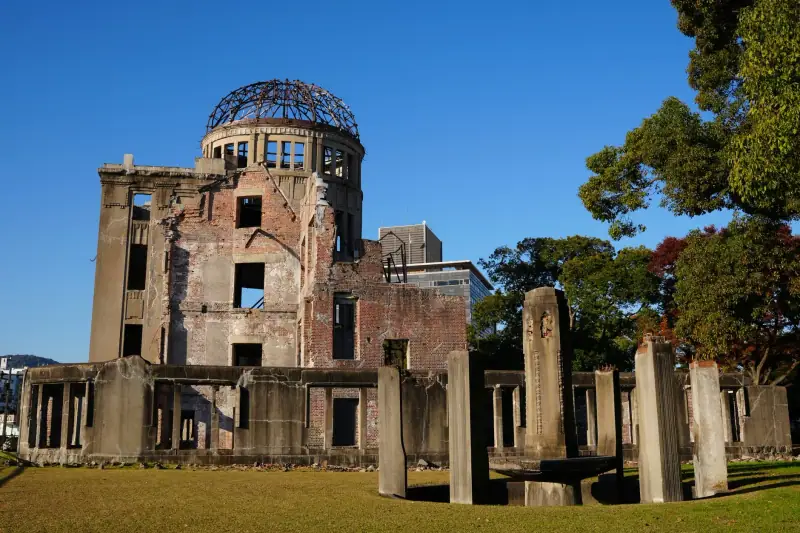
What to do in Hiroshima and Miyajima: memorial, floating torii and local flavors
Peace Park, Atomic Bomb Dome, Miyajima island, Mount Misen and okonomiyaki: what to do in Hiroshima in 2 days, with routes and practical tips.
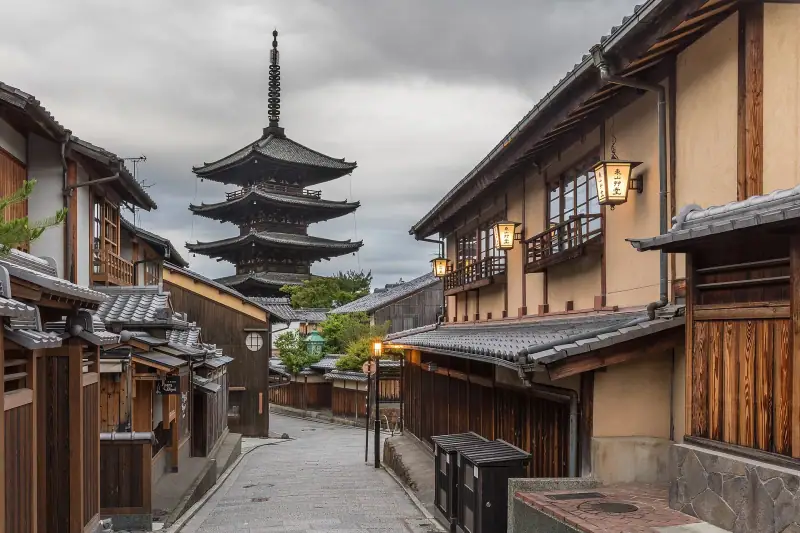
What to do in Kyoto: the 9 must-see sights in the former capital
Fushimi Inari, Kinkaku-ji, Arashiyama, Gion, Kiyomizu-dera: Kyoto's highlights, how to organize them over 2 to 3 days and tips to avoid the crowds.
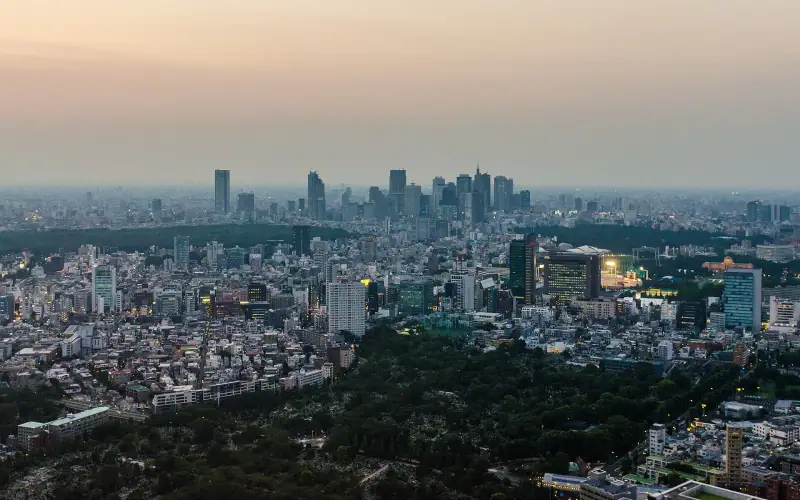
What to do in Tokyo: the highlights of the Japanese capital in 4 days
Asakusa, Shibuya, Shinjuku, Meiji Jingu, Akihabara, Ueno: what to do in Tokyo in 3 to 4 days, how to organize visits by neighborhood and avoid the crowds.
Ready-made
Japan itineraries
5 days
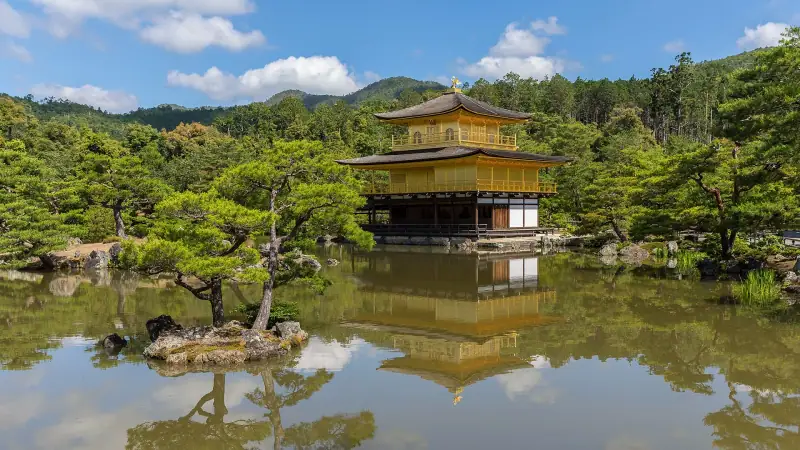
Kyoto, Nara and Osaka in 5 days: a day-by-day itinerary
A 5-day Kansai itinerary: Kyoto temples, Nara deer and Osaka street food, with transport, tips and mistakes to avoid.
10 days
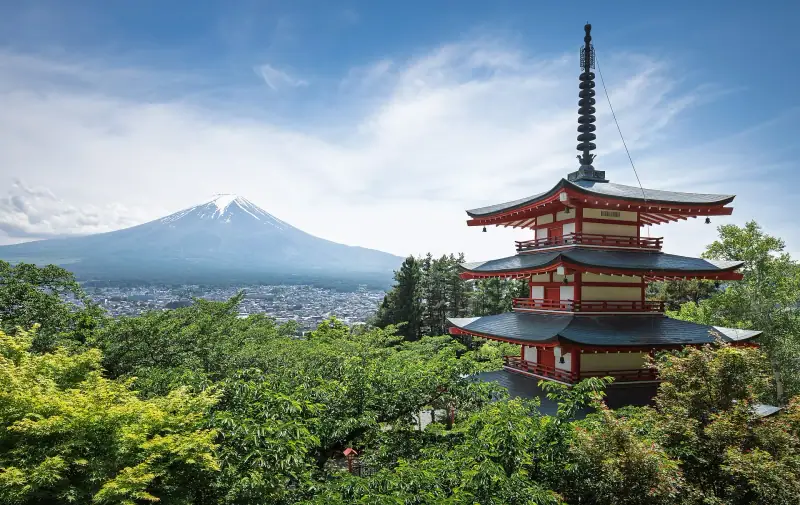
Japan in 10 days with kids: stops, journeys and a realistic pace
TokyoHakoneKyoto
5 days
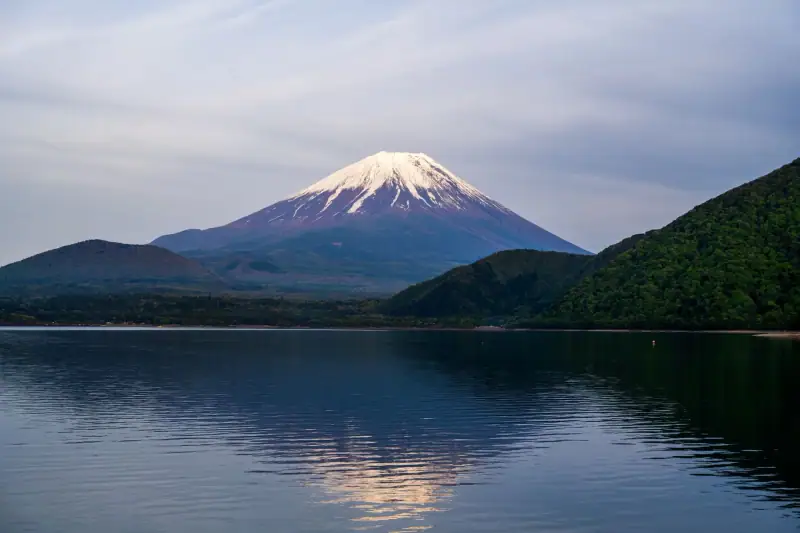
Tokyo, Hakone and Mount Fuji in 5 days: a detailed itinerary
A 5-day itinerary through Tokyo, Hakone and the Mount Fuji lakes: trains, onsen, volcano views, budget and mistakes to avoid on a first trip.