Plan your trip
When to go to Japan: seasons, weather and events month by month
We may earn a commission when you book through links on this page, at no extra cost to you. We don't visit or try the places we cover: we summarize published sources. How we work
In short
- Spring (late March to late April) and fall (October to November) are the two most recommended seasons, and also the busiest and most expensive.
- Cherry blossoms in Tokyo and Kyoto generally peak between late March and early April; the exact date changes every year.
- The rainy season runs from early June to mid-July; typhoons mainly from August to October. Avoid Golden Week (late April to early May), Obon (mid-August) and New Year if you can.
- Skiing generally runs from December to March, with renowned powder in Hokkaido and on the Sea of Japan coast in January and February.
Japan can be visited year-round, but the experience changes radically from one season to the next. In spring, parks are covered in pink petals; in summer, festivals light up the hot, humid nights; in fall, the mountains turn red; in winter, snow turns Hokkaido and the villages of the Japanese Alps into postcard scenery. Choosing your date means choosing your Japan.
This guide reviews the four seasons, the climate particularities of the archipelago (which stretches several thousand kilometers from north to south), the busy periods to avoid and the events that may justify building your trip around a specific date. Bloom and leaf-color dates vary from year to year: treat those given here as general benchmarks.
Japan’s climate in brief
The archipelago extends from the subtropical island of Okinawa in the south to Hokkaido in the north, where winters are harsh. Temperature gaps between these two ends can be considerable on the same date. To simplify, several main zones can be distinguished.
Tokyo, Kyoto and Osaka (the classic route). The climate is temperate, with four clearly marked seasons. Summers are hot and very humid, winters rather cold but sunny, especially on the Pacific side, and snow remains occasional in Tokyo. This is the zone most travelers visit on a first stay.
The Sea of Japan coast and the Japanese Alps. Kanazawa, Takayama and Shirakawa-go get a lot of snow in winter. The atmosphere is magnificent, but expect sub-zero temperatures and sometimes difficult roads.
Hokkaido. Winters are long and snowy, summers cooler and less humid than elsewhere, and the rainy season is barely marked. It is the ideal destination to escape the heat of July-August.
Okinawa and the southern islands. The subtropical climate allows beach time for much of the year, but the region is exposed to typhoons in late summer and fall.
Spring (March to May): cherry blossoms and mild weather
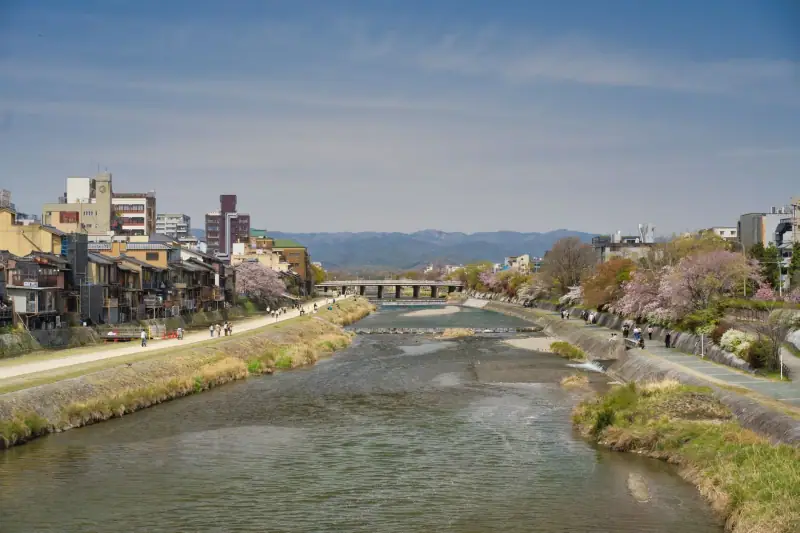
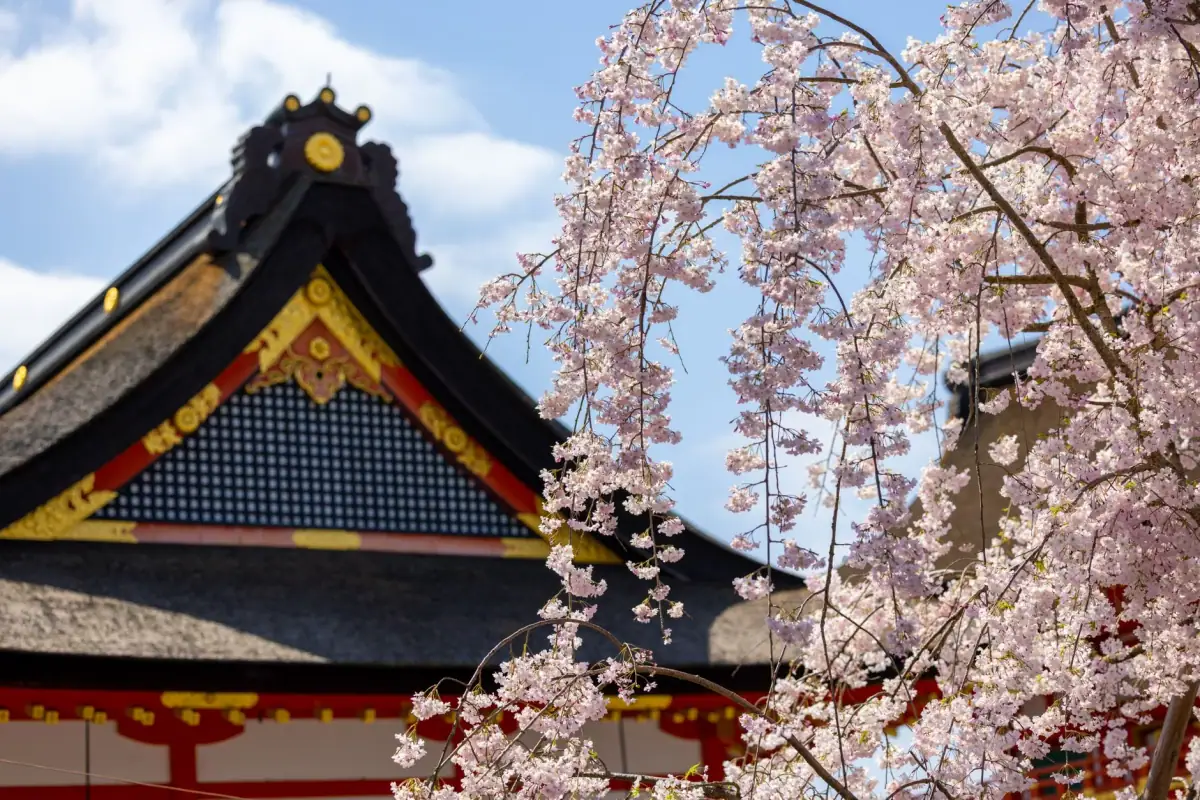
For many, this is the favorite season. The cherry blossom, sakura, triggers a genuine national fervor every year. The Japanese hold picnics under the trees, the hanami, and the media follow the progress of the “blossom front” like a weather report.
When to see the cherry trees? In Tokyo and Kyoto, the bloom generally falls between late March and early April. It starts earlier in the south of the country, and later in the north: you can still admire cherry trees in Hokkaido in April, even early May. Each tree stays in bloom only one to two weeks, and rain or wind can bring the petals down quickly. A two-week stay straddling late March and early April improves your chances of landing at the right time.
The advantages. Temperatures are mild, the sky often clear, and the landscapes spectacular. Walks in Tokyo’s parks, along Kyoto’s canals or around castles are among the highlights of a trip to Japan.
The drawbacks. It is also one of the most expensive and busiest periods. Lodging in big cities must be booked several months ahead, and Kyoto’s most famous sights are very crowded, especially at midday.
Beware of Golden Week. In late April and early May, several public holidays follow one another and the Japanese take the chance to travel. Trains are packed, lodging full or much more expensive, and tourist places saturated. If your dates are flexible, avoid this week. If you cannot, book train tickets and lodging very early and plan early-morning starts.
Book early for cherry blossom season
Hotels, ryokan and apartments in Tokyo, Kyoto and Osaka: compare availability before the best places are full.
Summer (June to August): heat, festivals and mountains
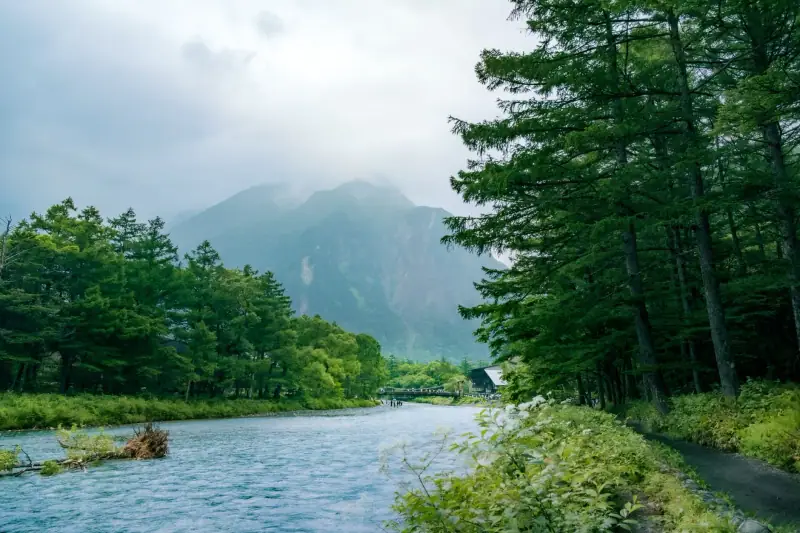
The Japanese summer is the most demanding season for travelers, but also the liveliest for festivals.
The rainy season (tsuyu). It affects most of the country from early June to about mid-July. Days are often gray, humid and rainy, without meaning uninterrupted rain. It is a period when hydrangeas are at their peak and temples take on a particular charm in the rain. Hokkaido largely escapes it.
Humid heat. In July and August, temperatures climb sharply and humidity makes the heat grueling, notably in Tokyo, Kyoto and Osaka. Outdoor visits are more tiring: bring water, a hat, sunscreen and plan breaks in air-conditioned places. Days are better paced by visiting early in the morning and late in the day.
Festivals. It is the big season of matsuri. In July, Kyoto hosts the Gion Matsuri, one of the country’s most famous festivals. Osaka celebrates the Tenjin Matsuri in late July. Many fireworks displays, the hanabi, light up riverbanks across the country, and wearing the yukata, a light summer kimono, is widespread during this period.
The Mount Fuji climb. The official climbing season generally runs from July to early September. Outside this period, the huts are closed and climbing is discouraged without suitable equipment and experience. As conditions and access rules change regularly, check the official information before you go.
Where to go in summer? If you travel in July or August, consider Hokkaido, cooler, the Japanese Alps or the Okinawa islands for the sea. Beware of Obon week in mid-August: many Japanese return to their families and transport is busy.
Activities and excursions in Japan
Guided visits, workshops, day excursions from Tokyo or Kyoto: find what suits you by season.
Fall (September to November): red leaves and clear skies
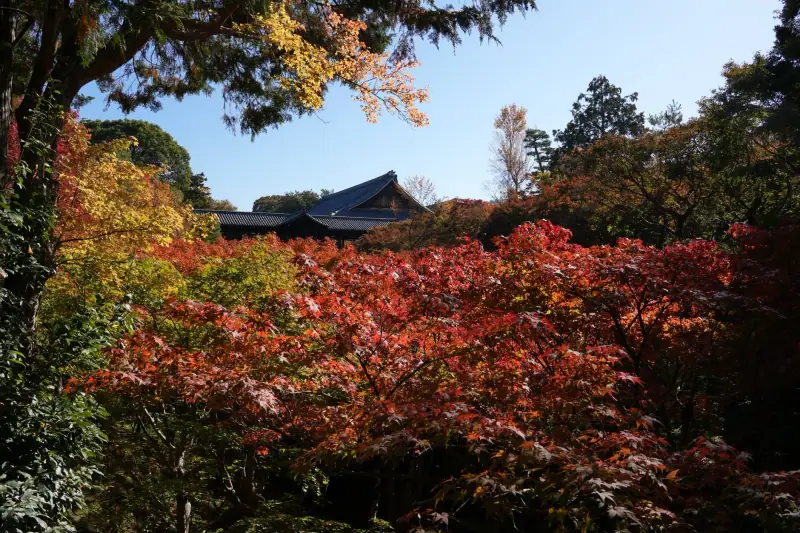
Fall shares with spring the title of best season to travel in Japan.
September and early October: caution with typhoons. The typhoon season runs mainly from August to October. These storms can disrupt trains, planes and ferries for a day or two, and are more frequent in the south and on the Pacific coast. They do not ruin a trip, provided you keep flexibility in your schedule and take out suitable travel insurance. Summer heat often lingers until the end of September.
October and November: the koyo. Temperatures become pleasant, the air drier and the sky clearer. The leaves of maples and ginkgos turn red and gold, a period called koyo. The color starts in the north and at altitude, then moves south: in Hokkaido and the mountains from October, in Kyoto and Tokyo more from mid-November to early December.
Places to favor. Kyoto’s gardens and temples, the Nikko area, the lakes around Mount Fuji or the Hakone region offer beautiful fall scenery. As in spring, the most famous places are very crowded: arrive at opening time for a calmer atmosphere.
Budget side. The November crowds push up lodging prices in Kyoto. Book long in advance if you are aiming for the peak color period.
Winter (December to February): snow, onsen and calm
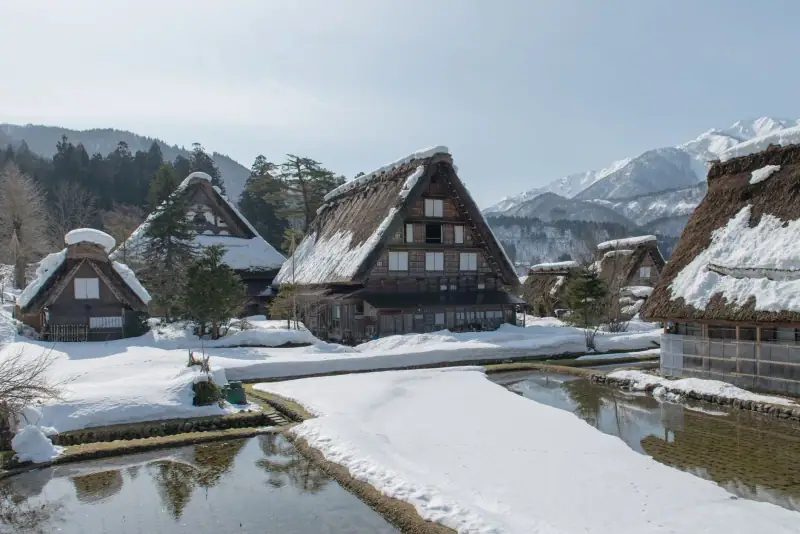
Winter is the least crowded season outside the year-end holidays, and one of the most pleasant for those who like peaceful moods.
Clear skies on the Pacific coast. In Tokyo, Kyoto or Osaka, winter is cold but often sunny and dry. Snow is rare in Tokyo, a little more frequent in Kyoto, and tourist sites are quieter. Snowy temple landscapes are a rare and beautiful sight, but they are not guaranteed.
Snow in the north and on the Sea of Japan. Hokkaido, the Tohoku region, the Japanese Alps and the Sea of Japan coast receive large amounts of snow. Takayama and Shirakawa-go are especially beautiful under snow, even if you should expect sub-zero temperatures. Skiers and snowboarders generally head to Hokkaido or the resorts of the Japanese Alps, for renowned powder; our guide to skiing in Japan compares Niseko and Hakuba, with lift pass prices.
Onsen. Nothing beats an open-air hot spring bath in cold weather. Winter is the ideal time to stay in a ryokan with a hot spring, for example in the Hakone region.
Festivals and holidays. New Year is the country’s most important holiday: many shops close for a few days and the Japanese visit temples and shrines. In early February, the Sapporo Snow Festival draws many visitors to Hokkaido. Winter illuminations are also very popular in big cities.
To plan for. Days are short and the New Year period is heavy with travel. Avoid train travel in the very first days of January and at the end of December if you can, and book ahead.
Month by month: summary
Here is an overview of the months, as a guide.
- January and February: cold and dry on the Pacific coast, very snowy in the north and mountains. Ideal for skiing, onsen and uncrowded sights.
- March: end of winter, first cherry trees in the south of the country. The bloom approaches in Tokyo and Kyoto at the end of the month.
- April: sakura peak in most regions. Heavy crowds, especially at the end of the month as Golden Week approaches.
- May: pleasant temperatures, green landscapes. Avoid the first days of the month because of Golden Week.
- June: start of the rainy season. Hydrangeas and lower prices, but often gray skies.
- July: end of the rains, start of the big heat. Festivals, fireworks and the Mount Fuji climb.
- August: hottest and most humid month, start of typhoon season. Hokkaido and the mountains are more pleasant. Avoid mid-August (Obon).
- September: lingering heat, typhoon risk. Prices drop a little and crowds thin.
- October: temperatures soften, first fall colors in the north and at altitude.
- November: koyo peak in Kyoto and Tokyo, clear skies and cool temperatures. Very busy.
- December: cold and dry, illuminations in cities. Beware of year-end travel.
Which season to choose for your profile?
For a classic first trip (Tokyo, Kyoto, Osaka). Aim for late March-April or October-November. The climate is ideal and the landscapes magnificent. Book your lodging very early and accept sharing the famous places with many visitors.
To travel cheaper and quieter. January, February, June and September are among the cheapest and least crowded months (outside year-end holidays). You will have fewer people at tourist sites, at the price of a less favorable climate.
For photography. Spring and fall are obviously the most spectacular. Winter also offers superb light and snowy landscapes in the Japanese Alps and Hokkaido.
For hikers. Favor spring, summer at altitude and fall. Mountain trails are often accessible from late spring to fall, but always check trail conditions before you go.
For the beach. Okinawa and the southern islands suit mainly summer, keeping an eye on typhoon forecasts. The waters stay pleasant until fall, but late summer is the period most exposed to storms.
For a family trip. Spring and fall, milder, are more comfortable for children. In summer, plan a light pace and activities sheltered from the heat.
Booking flights at the right time
Flights to Japan are more expensive during cherry blossom season, Golden Week, Obon and the year-end holidays. To travel on these dates, book several months ahead. Outside these periods, you will find reasonable fares more easily by comparing several departure and arrival days. A flight to Tokyo with a return from Osaka (or the reverse) avoids retracing your steps and lets you optimize a linear itinerary.
Flights to Japan
Compare flights to Tokyo or Osaka for your dates and find the most favorable period.
Practical tips to prepare your trip well
Book early for peak dates. For sakura, koyo, Golden Week, Obon and New Year, lodging and transport fill up fast. Plan several months ahead.
Stay flexible. Weather, bloom and leaf color are by nature unpredictable. Plan fallback options, such as museums or covered visits, in case of rain.
Adapt your suitcase. Layer up in spring and fall, when gaps between morning and afternoon are noticeable. In summer, choose light, breathable clothes and bring rain gear. In winter, warm clothes, waterproof shoes and a good coat are essential, especially in the mountains and the north.
Think about travel insurance. Typhoons, snow or cancellations can change your plans. Insurance that covers cancellations and trip interruptions is a useful precaution.
Check official sources. Bloom and fall-color forecasts, typhoon alerts and information on climbing Mount Fuji are updated regularly by Japanese bodies, notably the Japan Meteorological Agency and the Japan National Tourism Organization. Check them before departure.
Our verdict: which is the best period?
If we had to keep only one, we would recommend the second half of October and the month of November for a first stay on the classic Tokyo-Kyoto-Osaka route: the climate is pleasant, the sky clear, the landscapes colorful and the typhoon risk receding. Spring remains the choice of cherry blossom lovers, provided they accept the crowds and book early. Winter will appeal to those seeking quiet, snow and hot spring baths (our ideas are in the article on Japan in winter: onsen, snow festivals and activities), and summer will suit mainly lovers of festivals, mountains and Hokkaido.
Whatever the season, Japan remains a fascinating destination. Once the date is chosen, you will still need to build your itinerary, book your lodging and prepare your trip: that is where the most exciting part of the project begins.
Frequently asked questions
What is the best time to visit Japan?
Spring (late March to late April) and fall (October to November) are the two most recommended seasons: pleasant temperatures, often clear skies, cherry blossoms or red foliage. They are also the busiest and most expensive periods, so book early.
When do the cherry trees bloom in Japan?
In Tokyo and Kyoto, the bloom generally falls between late March and early April. It starts earlier in the south and later in the north: you can see it in April, even early May, in Hokkaido. The exact date varies each year with the weather, so check the official forecasts a few weeks before departure.
Should you avoid the rainy season?
The rainy season (tsuyu) affects most of the country from early June to about mid-July. It does not prevent travel, but it brings gray, humid days. Hokkaido largely escapes it, making it a good summer option.
Are there typhoons in Japan?
Yes, the typhoon season runs mainly from August to October, peaking in late summer. They can disrupt trains, flights and ferries for a day or two. Plan some margin in your schedule and travel insurance that covers cancellations.
Which period should you avoid because of crowds?
Golden Week (late April to early May), Obon week (mid-August) and the New Year period are when the Japanese travel en masse. Trains, lodging and tourist sites are packed and prices rise. If you can, avoid these dates.
When is the best time to ski in Japan?
The ski season generally runs from December to March, with renowned powder in Hokkaido and on the Sea of Japan coast in January and February. The resorts of the Japanese Alps are also very popular over this period.
More Japan guides
Keep reading
Japan budget: what a trip costs, item by item, and how to spend less
Lodging, transport, meals, activities: the real cost of a stay in Japan, three budget profiles priced in yen, euros and dollars, and tips to save.
Getting around Japan: the Shinkansen, JR Pass and IC cards explained
Shinkansen, subway, bus, JR Pass or single tickets: how to get around Japan without mistakes, with tips to choose the right pass and save time.
Skiing in Japan: Hokkaido, Niseko, Hakuba, powder, season and budget
Skiing in Japan: Niseko or Hakuba, powder season, 2026-2027 lift pass prices from official sites, access, lodging and budget to plan your trip.
Ready-made
Japan itineraries
5 days
Kyoto, Nara and Osaka in 5 days: a day-by-day itinerary
A 5-day Kansai itinerary: Kyoto temples, Nara deer and Osaka street food, with transport, tips and mistakes to avoid.
10 days
Japan in 10 days with kids: stops, journeys and a realistic pace
TokyoHakoneKyoto
5 days
Tokyo, Hakone and Mount Fuji in 5 days: a detailed itinerary
A 5-day itinerary through Tokyo, Hakone and the Mount Fuji lakes: trains, onsen, volcano views, budget and mistakes to avoid on a first trip.