Where to stay
Where to stay in Tokyo: the best neighborhoods for your trip
We may earn a commission when you book through links on this page, at no extra cost to you. We don't visit or try the places we cover: we summarize published sources. How we work
In short
- Shinjuku is the most practical choice for a first trip: a major rail hub and a very wide choice of hotels. Shibuya and the Tokyo Station area are excellent alternatives.
- Asakusa, Ueno and Ikebukuro generally have business hotels, hostels and capsule hotels at lower rates than Shinjuku or Ginza.
- Choose lodging within ten minutes' walk of a station, and book months ahead for cherry blossom season, Golden Week and fall.
- Tokyo to Kyoto takes about 2 h 15 by the fastest train, so a day trip is possible but Kyoto deserves at least two nights.
Tokyo has more than ten million inhabitants within the city proper and a metropolitan area among the most populous on the planet. Faced with such size, the question of lodging becomes strategic: a good location saves you time every day, a bad choice condemns you to long subway rides. The good news is that the city is very well served and safe, and the offer ranges from the capsule hotel to the traditional ryokan.
This guide presents the main neighborhoods to drop your bags, what each brings, which kind of traveler it suits, and the different types of lodging. If you are still unsure about your dates, first see our guide when to go to Japan, as season strongly affects room availability.
How to choose your neighborhood in Tokyo
Tokyo has no single center, but several hubs linked by the Yamanote loop line and a dense subway network. Three criteria help you decide.
Proximity to a major station. The stations of Shinjuku, Shibuya, Tokyo or Ueno are crossroads where many lines pass. Staying nearby makes it easier to get to the airport, to excursions (Nikko, Kamakura, Hakone) and to the country’s other cities.
The atmosphere you want. Neon and nightlife in Shinjuku, fashion and youth culture in Shibuya, old-neighborhood feel in Asakusa, elegance and luxury shops in Ginza: each area has its personality.
Budget. As a rule, the most central and prestigious areas are the most expensive, while the east and north of the city offer more reasonable rates with good service.
Shinjuku: the practical choice for a first stay
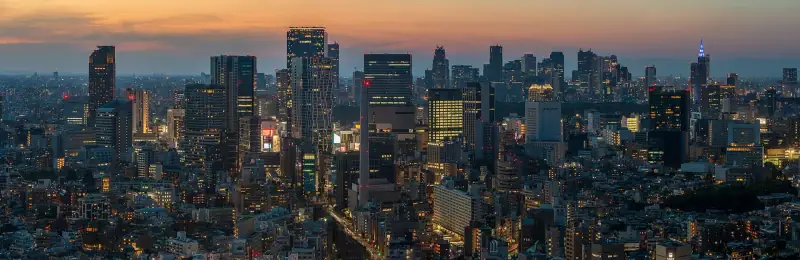
Shinjuku is probably the most recommended neighborhood for a first visit. Its station is one of the busiest in the world, making it an ideal starting point for exploring the whole city. The district combines office towers, shopping centers, bar lanes and the famous Kabukicho area, very lively at night.
Advantages. Huge choice of hotels, from the economical business hotel to the large high-rise upscale property. Many rail links, including direct trains to several destinations in the Kanto region. Restaurants and izakaya open late.
Drawbacks. The district can be noisy and the huge station bewilders first-time visitors. Choose a hotel on the west side for a calmer, more business-oriented mood, or on the east side to be in the middle of the action.
Compare Tokyo hotels
Business hotels, upscale properties and apartments: check availability and reviews for your dates.
Shibuya: the energy of Tokyo’s youth
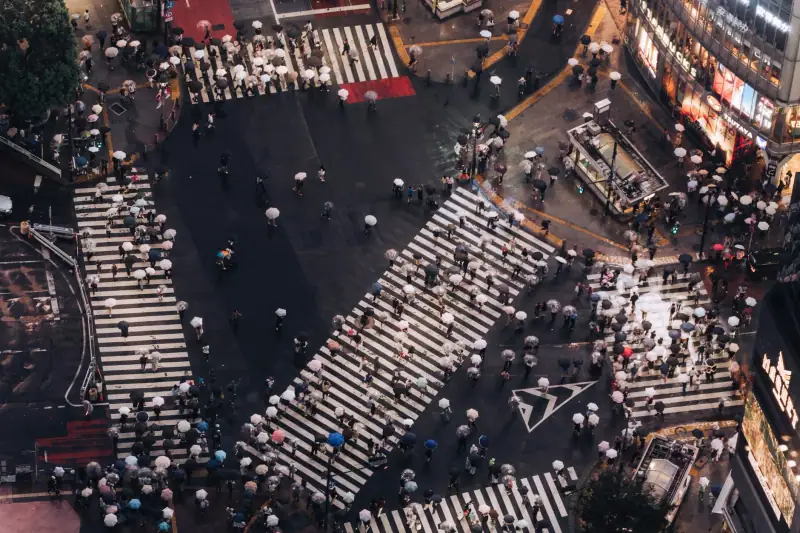
Shibuya is famous for its huge pedestrian crossing, one of the most photographed in the world, and for its young, trendy mood. Fashion shops, cafés, concert halls and clubs sit alongside new office and retail skyscrapers.
Who is it for? Travelers who like lively cities, nightlife and shopping. The district is also well placed on the Yamanote line and close to calmer areas like Harajuku, Yoyogi Park and Meiji Shrine.
Good to know. The terrain is hilly, which matters with suitcases, and the station surroundings are very busy in the evening and on weekends. Hotels there are generally compact. Ideally, book on streets a few minutes from the station rather than right in front of the crossing, for quieter sleep.
Tokyo Station, Marunouchi and Ginza: elegance and the Shinkansen
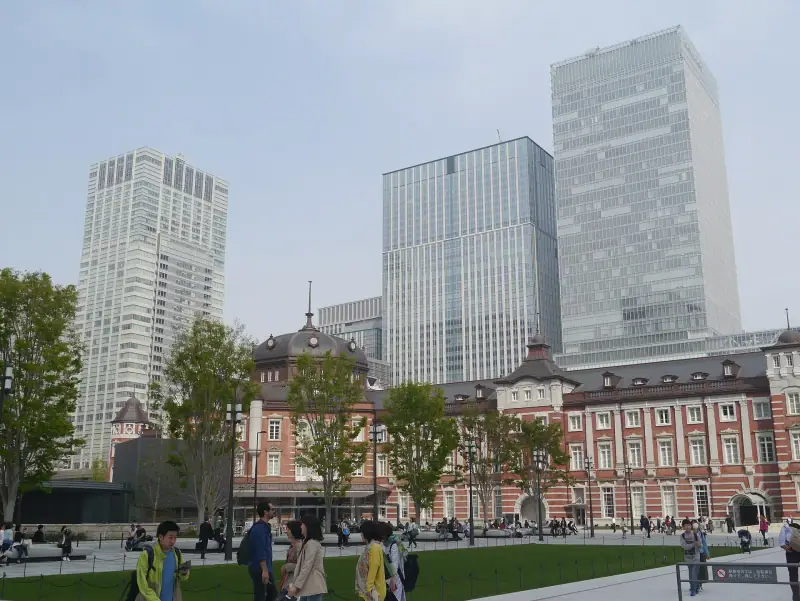
The Tokyo Station area, with the Marunouchi and Otemachi business districts and the neighboring Ginza district, brings together department stores, luxury shops, renowned restaurants and high-end hotels. The Imperial Palace and its gardens are nearby.
The big asset: the Shinkansen. Tokyo Station is the terminus of the Tokaido high-speed line, toward Nagoya, Kyoto and Osaka. If your trip continues west, or if you leave early in the morning, staying here is very practical. The Tokyo-Kyoto trip takes about two hours fifteen on the fastest train.
Drawbacks. The area is quiet in the evening and on weekends, when offices are closed, and rates are among the highest in the city. Ginza offers more activity, but remains a chic, expensive district.
Asakusa and Ueno: old Tokyo at lower rates
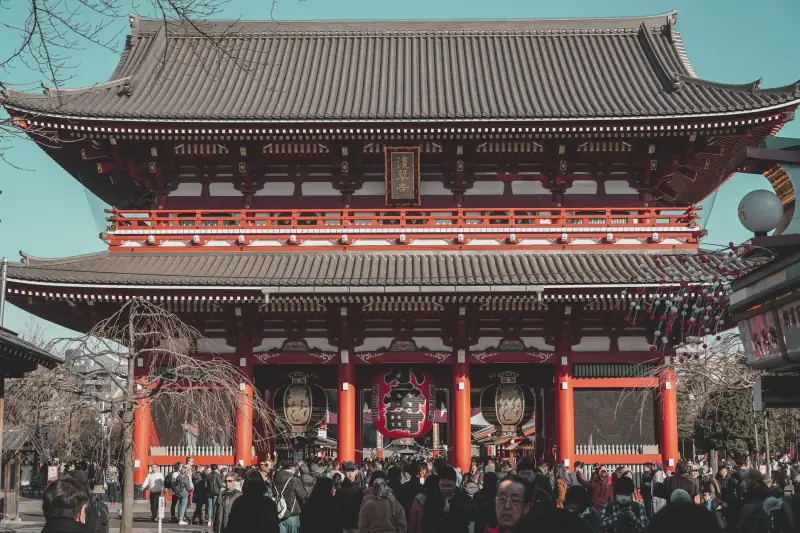
In the east of the city, Asakusa is dominated by Senso-ji temple, Tokyo’s oldest, and its Nakamise shopping street, lined with souvenir and specialty shops. The district keeps an old-Tokyo atmosphere, with quiet lanes and craftspeople.
Farther northwest, Ueno is another cultural hub, with a big park, several national museums and a zoo. Its station is also a terminus for several lines to the north of the country and to Narita Airport.
Who is it for? Budget-conscious travelers, those who like more authentic atmospheres and those who want a calmer pace in the evening. There is a good concentration of hostels, business hotels, capsule hotels and small guesthouses.
Good to know. These areas are a little farther from the very lively western districts: allow some subway time to reach Shibuya or Shinjuku. In the evening, restaurants generally close earlier than in Shinjuku.
Ikebukuro, Akihabara and Roppongi: alternatives by taste
Ikebukuro. Another big hub on the Yamanote line, in the northwest, Ikebukuro is very commercial and offers many hotels at rates often more affordable than Shinjuku. It is a good option for moderate budgets and families.
Akihabara. The district of electronics, video games and manga culture attracts pop-culture fans. A few practical hotels are there, well linked to the rest of the city. The mood is very specific, quieter at night than Shinjuku.
Roppongi. Known for its art museums, towers and international nightlife, Roppongi appeals to travelers who like bars and galleries. It is a rather expensive district, lively late into the night.
Which type of lodging to choose in Tokyo
Discover Tokyo with a local guide
Guided tours, food tours and excursions from Tokyo: something to optimize your first day there.
Business hotels. This is the most common formula: compact but functional rooms, private bathroom, comfortable bedding and impeccable service. They offer excellent value, provided you accept small rooms.
Capsule hotels. A typically Japanese and very economical experience. Privacy is limited and sanitary areas are often shared, but hygiene is generally excellent. Check whether the establishment is mixed or single-sex.
Ryokan. These traditional inns, with tatami, futons and sometimes shared baths, are rarer in the middle of Tokyo than in other regions of Japan. They are more frequent in Hakone, Kyoto or the Japanese Alps: for a ryokan night, it is better to plan it on an excursion.
Apartments. Handy for families and long stays, with an equipped kitchen. Make sure the property is registered and complies with local regulation, which strictly governs short-term rental.
Large upscale hotels. Tokyo has many high-end addresses, often on the upper floors of towers, with panoramic views of the city and, in clear weather, of Mount Fuji.
From the airport: arrive stress-free
Tokyo is served by two international airports: Haneda, relatively close to the center, and Narita, farther east in Chiba Prefecture. From Narita, express trains reach in particular Tokyo Station, Shinjuku or Ueno in about one to one and a half hours, depending on the destination. From Haneda, the trip to the center is clearly shorter.
A practical tip: after a long flight, favor lodging near a station directly linked to your arrival airport. You will save time on the first day.
Find your flight to Tokyo
Compare airlines and schedules to Haneda and Narita to time your arrival and first night.
Smart booking tips
Favor proximity to a station. Under ten minutes’ walk from the station is the right habit. Tokyo’s streets are very safe, but suitcases and the humid summer heat tire you quickly.
Check the room size. Floor areas are often given in square meters in the description. A very compact double room may suit two people traveling light, much less with big suitcases.
Book early in high season. Cherry blossom season, Golden Week and fall are the most requested periods. Rates rise and the best places fill up several months ahead.
Choose free cancellation. It lets you adjust your program or compare prices again later.
Consider two lodgings for a long stay. Beyond a week, changing neighborhoods mid-stay lets you explore the west, then the east of the city, without spending hours in transport.
Think about the rest of the trip. If you continue to Kyoto, Osaka or Hakone, lodging near Tokyo or Shinagawa station makes Shinkansen departures with luggage easier.
In short: which neighborhood for which traveler?
- First stay, practicality above all: Shinjuku.
- Young mood, shopping and nightlife: Shibuya.
- Shinkansen departure, comfort and elegance: Tokyo Station area and Ginza.
- Tight budget, traditional atmosphere: Asakusa and Ueno.
- Families and moderate budgets: Ikebukuro.
- Pop-culture fans: Akihabara.
Whatever your choice, Tokyo remains a city where the transport network largely makes up for an imperfect location. Take time to compare, book ahead, and keep some flexibility: the city’s greatest pleasure is getting lost in it, from neighborhood to neighborhood.
Frequently asked questions
What is the best neighborhood to stay in Tokyo on a first stay?
Shinjuku is the most practical choice for a first trip: the station is a major rail hub, many lines run to the whole city and the hotel offer is very wide. Shibuya and the Tokyo Station area are excellent alternatives.
Where should you stay in Tokyo on a tight budget?
The Asakusa, Ueno and Ikebukuro areas generally concentrate business hotels, hostels and capsule hotels at lower rates than Shinjuku or Ginza. Subway and train lines there serve the rest of the city well.
Should you stay near a station in Tokyo?
Yes, it is strongly recommended. You will spend a lot of time in transport and connections are long in big stations. Choosing lodging within ten minutes' walk of a station avoids a lot of fatigue, especially with suitcases.
Are hotel rooms in Tokyo small?
Often, yes. Standard business hotel rooms are compact, but well designed and very clean. If you travel in a group or with lots of luggage, check the stated floor area and consider an apartment or a family room.
When should you book lodging in Tokyo?
Ideally several months ahead for cherry blossom season, Golden Week and fall, the most requested periods. Prefer free-cancellation rates to keep flexibility.
Can you stay in Tokyo and visit Kyoto as a day trip?
It is possible thanks to the Shinkansen, but the trip takes about two hours fifteen to two and a half hours each way. To enjoy Kyoto properly, it is better to spend at least two nights there.
More Japan guides
Keep reading
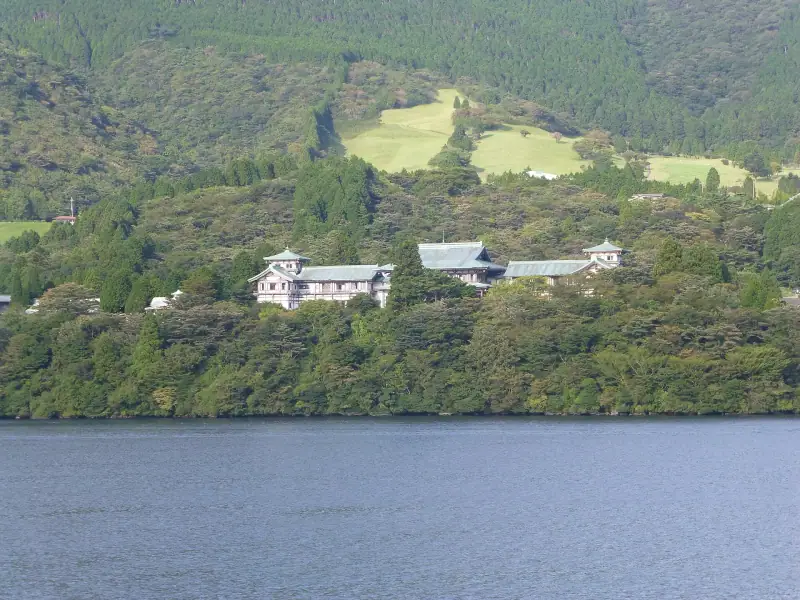
Where to stay in Hakone: Yumoto, Gora or Lake Ashi, which area to choose?
Hakone-Yumoto, Gora, Miyanoshita or Lake Ashi: compare Hakone's areas by transport, ryokan with onsen and budget for one night.
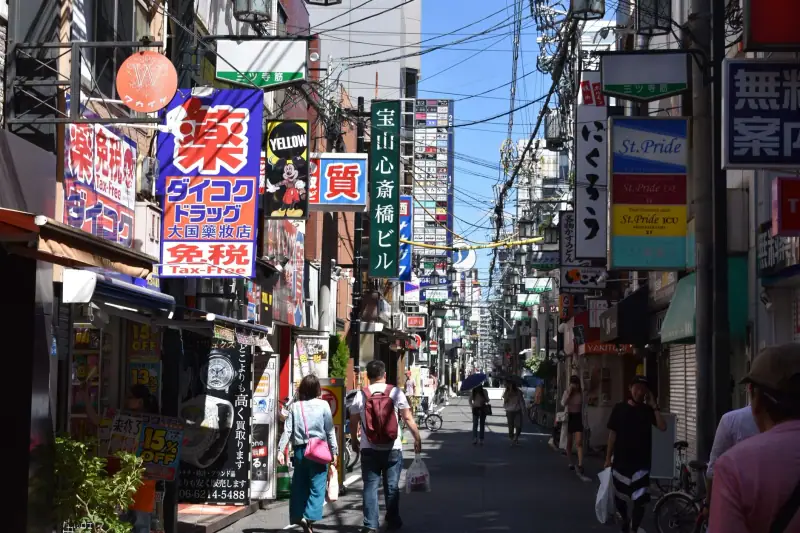
Where to stay in Osaka: neighborhoods, hotels and tips for choosing well
Namba, Umeda, Shinsaibashi, Tennoji or the bay? Compare Osaka's neighborhoods, lodging types and tips for choosing where to stay.
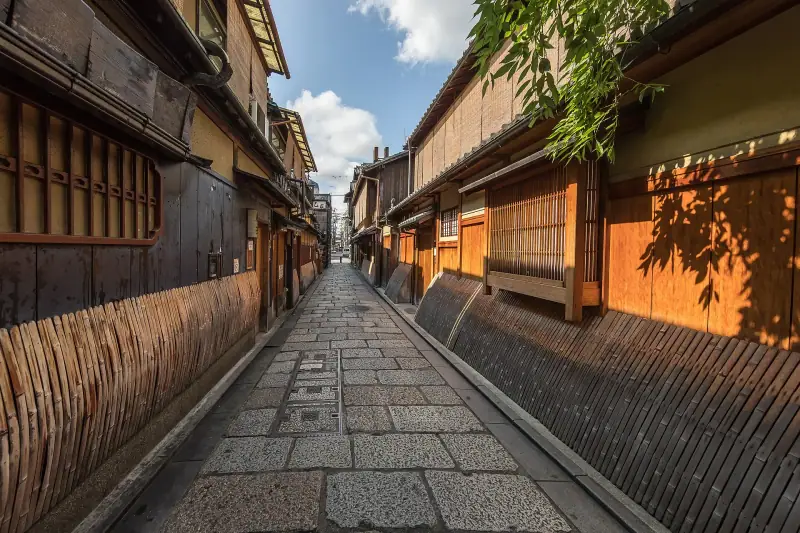
Where to stay in Kyoto: neighborhoods, ryokan and tips for choosing well
Kyoto Station, Gion, Higashiyama, downtown or Arashiyama? Compare Kyoto's neighborhoods, ryokan and hotels to choose where to stay.
Ready-made
Japan itineraries
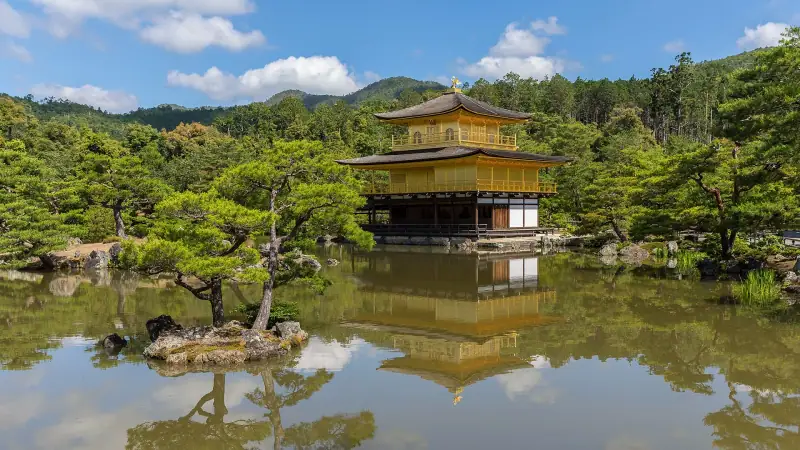
5 days
Kyoto, Nara and Osaka in 5 days: a day-by-day itinerary
A 5-day Kansai itinerary: Kyoto temples, Nara deer and Osaka street food, with transport, tips and mistakes to avoid.
10 days
Japan in 10 days with kids: stops, journeys and a realistic pace
TokyoHakoneKyoto
5 days
Tokyo, Hakone and Mount Fuji in 5 days: a detailed itinerary
A 5-day itinerary through Tokyo, Hakone and the Mount Fuji lakes: trains, onsen, volcano views, budget and mistakes to avoid on a first trip.