Itineraries
Japan in 2 weeks: the day-by-day itinerary from Tokyo to Hiroshima
We may earn a commission when you book through links on this page, at no extra cost to you. We don't visit or try the places we cover: we summarize published sources. How we work
Day by day
- Day 1Arrive in Tokyo: Asakusa, Senso-ji temple
- Day 2Shibuya crossing, Meiji Shrine, Harajuku, Shinjuku
- Day 3Tokyo museums, gardens, Akihabara, contrasting neighborhoods
- Day 4Day trip to Nikko or Kamakura
- Day 5Hakone: ryokan night with onsen
- Day 6Shinkansen to Kyoto; Higashiyama and Kiyomizu-dera
- Day 7Fushimi Inari and southern Kyoto
- Day 8Arashiyama bamboo grove, Togetsukyo bridge, Kinkaku-ji
- Day 9Half day in Nara: deer park and Todai-ji
- Day 10Osaka Castle and Dotonbori
- Day 11Free day in Osaka: aquarium, theme park or shopping
- Day 12Hiroshima: Peace Memorial Park, Dome and museum
- Day 13Miyajima: Itsukushima shrine and floating torii
- Day 14Return to Tokyo or Osaka airport, souvenirs, flight home
Where to sleep
- Tokyo4 nights
- Hakone1 night
- Kyoto4 nights
- Osaka2 nights
- Hiroshima2 nights
In short
- Fourteen days with five bases: Tokyo (4 nights), Hakone (1 night in a ryokan), Kyoto (4 nights, with half a day in Nara), Osaka (2 nights) and Hiroshima with Miyajima (2 nights).
- Tokyo to Kyoto takes about 2 h 15 to 2 h 30 by Nozomi Shinkansen; Osaka or Kyoto to Hiroshima about 1.5 to 2 hours.
- Arriving in Tokyo and leaving from Osaka (or the reverse) avoids a long return trip by train.
- Compare the Japan Rail Pass price with the total of your Shinkansen tickets before buying: it is no longer systematically worthwhile.
Fourteen days in Japan is the ideal length for a first trip: long enough to experience Tokyo’s energy, Kyoto’s tradition and Hiroshima’s memory, short enough to stay reasonable on budget and vacation time. The country has a remarkably reliable rail network, which makes getting around simple, even without speaking Japanese.
This itinerary follows the classic big loop between Tokyo, Hakone, Kyoto, Nara, Osaka and Hiroshima. The travel times given are orders of magnitude; always check exact timetables on a route planner before leaving. To choose your period, see our guide when to go to Japan.
Overview: 14 days, 5 bases
The principle is to limit hotel changes. Sleeping several nights in the same place and fanning out from that base is far more restful than repacking every evening.
- Days 1 to 4: Tokyo, with a possible day trip (Nikko, Kamakura).
- Day 5: Hakone, a night in a ryokan with onsen.
- Days 6 to 9: Kyoto, with half a day in Nara.
- Days 10 and 11: Osaka, for street food and atmosphere.
- Days 12 and 13: Hiroshima and Miyajima.
- Day 14: return to Tokyo or Osaka and international flight.
If you arrive in Tokyo and leave from Osaka (or the reverse), you avoid a long return trip by train. Compare both options when booking your flight.
Find your flight to Japan
Compare airlines and arrival and departure airports to build an open-jaw itinerary.
Days 1 to 4: Tokyo, the megacity that never stops
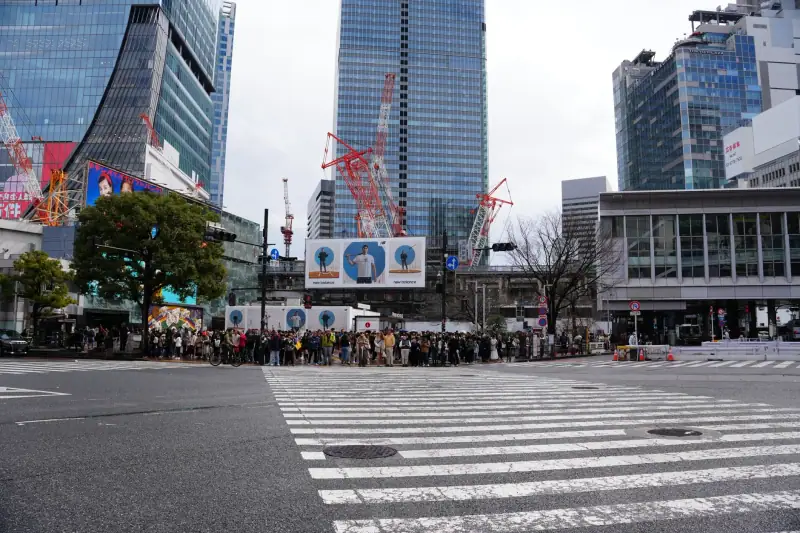
Tokyo is immense, and this is where jet lag makes itself felt. Plan a quiet first day: a walk around your neighborhood, dinner at a small local place, early to bed. To choose where to sleep, our guide where to stay in Tokyo compares the main neighborhoods.
Day 1: arrival and the Asakusa district. Senso-ji temple and its shopping lanes offer a first immersion in traditional Tokyo. At the end of the day, the city lights up and the mood is calmer than in the middle of the day.
Day 2: Shibuya, Harajuku and Shinjuku. Cross the famous Shibuya crossing, then walk to Meiji Shrine, a green haven in the middle of the city. In the afternoon, explore the streets of Harajuku and end the evening in Shinjuku, with its neon and tiny alley bars.
Day 3: museums, gardens and contrasting neighborhoods. Choose according to your tastes between a big fresh-produce market, contemporary art galleries, the specialized districts of Akihabara for manga and video game culture, or a traditional garden to contrast with the concrete.
Day 4: a day out of the city. Two classic options: Nikko, known for its richly decorated shrines and forest scenery, or Kamakura, on the coast, with its great Buddha and temples. Both are day trips by train, about two hours each way for Nikko and a little under an hour for Kamakura.
Guided visits and excursions from Tokyo
Neighborhood tours, food tours and day excursions: a local guide saves precious time the first time.
Day 5: Hakone, onsen and views of Mount Fuji
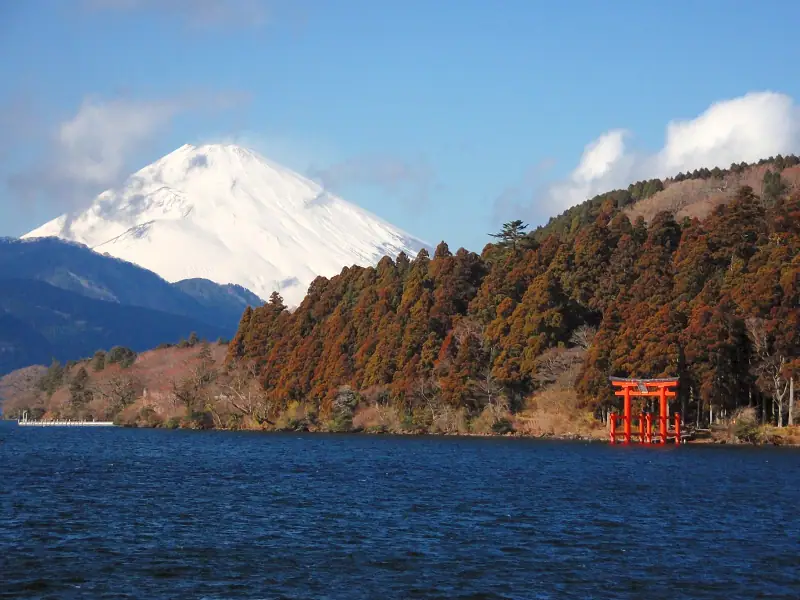
Hakone is about an hour and a half to two hours from Tokyo depending on the train chosen, making it an ideal stop for a night in a ryokan, a traditional inn. You will sleep on a futon, have a meal served in the room or in a dedicated hall, and enjoy natural hot baths, the onsen.
A few rules to know before soaking in an onsen: you wash thoroughly before entering the bath, you do not wear swimwear in it, and tattoos are sometimes refused (ask the establishment; some offer private baths).
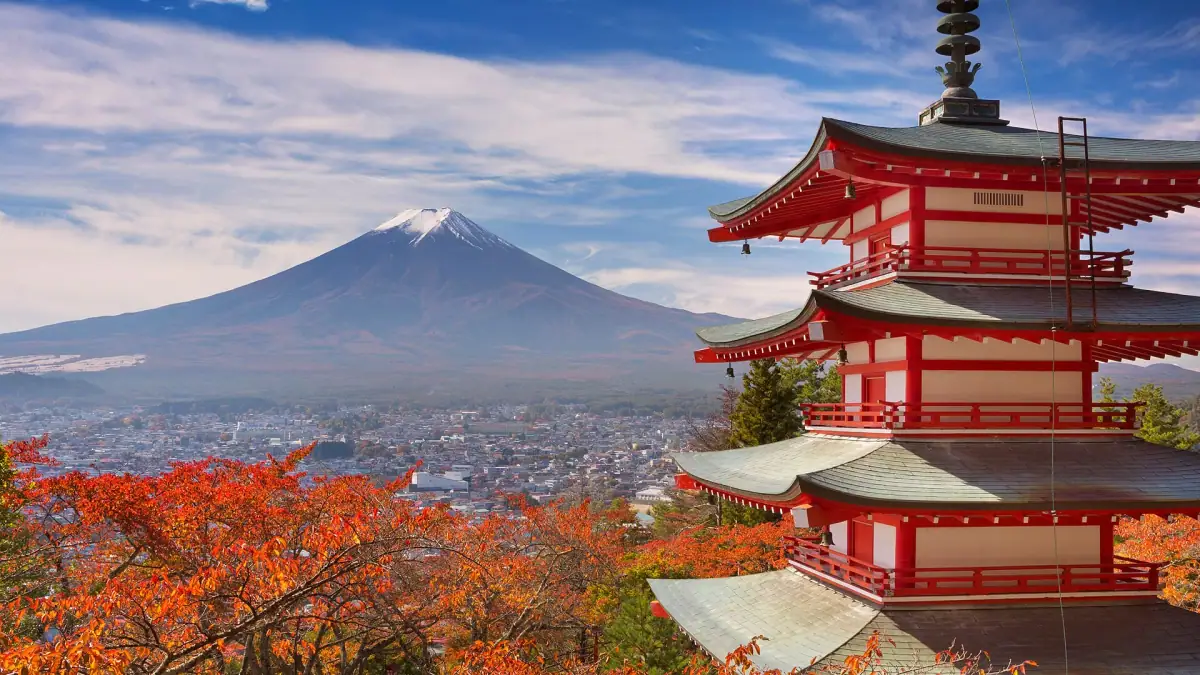
The region is known for its volcanic scenery, its lake and its views of Mount Fuji. These depend entirely on the weather: in overcast conditions, the summit stays invisible, so consider the view a bonus rather than a promise.
Travel light that day: large suitcases can be forwarded from one hotel to the next by a luggage delivery service very common in Japan, which lets you take the train with just an overnight bag.
Days 6 to 9: Kyoto, the traditional soul of Japan
From Tokyo or Hakone, the Shinkansen reaches Kyoto in a little over two hours. An imperial capital for more than a thousand years, the city has a great many temples, shrines and gardens. Four nights are not too many.
Day 6: Higashiyama. The district east of the city groups Kiyomizu-dera temple, with its views over the city, and sloping lanes lined with traditional wooden houses. Arrive early in the morning to avoid the crowds.
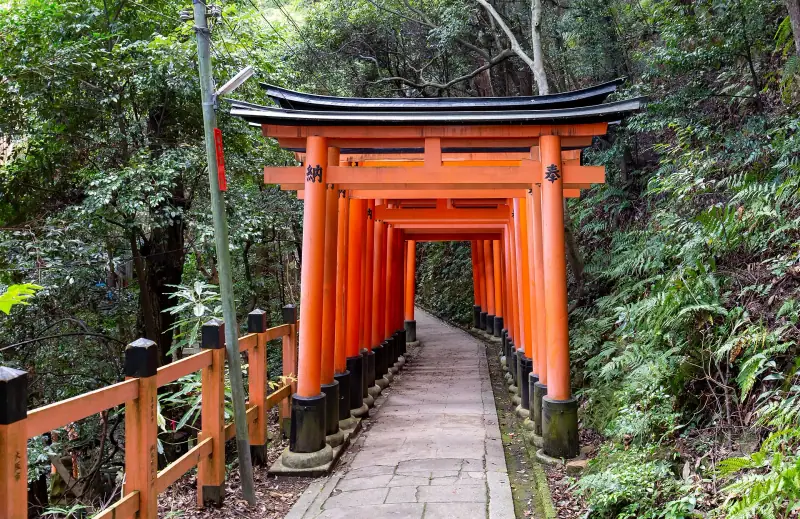
Day 7: Fushimi Inari and the south of the city. The thousands of red gates (torii) of Fushimi Inari shrine climb gently up the hill. The path is long; go as far up as your energy allows, as the crowd thins the higher you climb.
Day 8: Arashiyama and the northwest. The famous bamboo grove, the Togetsukyo bridge and several temples can be visited in the same morning. Complete the afternoon with the Golden Pavilion (Kinkaku-ji), north of the city.
Day 9: Nara in half a day. Nara is about 45 minutes from Kyoto by train. The park is home to hundreds of free-roaming deer, which readily approach visitors, and Todai-ji temple, which houses an immense Buddha. Give the deer only the crackers sold specifically there.
Compare stays in Kyoto
Renovated machiya, ryokan, hotels near the station: check availability for your dates, especially in high season.
Days 10 and 11: Osaka, the capital of good cheer
Osaka is about fifteen to thirty minutes from Kyoto by rapid train, depending on the line taken. The city has a reputation for being more relaxed, noisier and more food-loving than its neighbors. People come here to eat: takoyaki (octopus balls) and okonomiyaki (a kind of savory filled pancake) are the most emblematic specialties.
Day 10: castle and the Dotonbori district. Visit Osaka Castle and its park during the day, then head to Dotonbori in the evening. This bright district, lined by a canal, is the perfect place to sample street food while strolling.
Day 11: at your own pace. Depending on your wishes, devote this day to an aquarium, a theme park if you travel with children, calmer neighborhoods or a day of shopping. It is also a good buffer day if the weather has disrupted your program.
Days 12 and 13: Hiroshima and Miyajima island
From Osaka or Kyoto, allow about an hour and a half to two hours by Shinkansen to Hiroshima. It is the farthest part of the itinerary, but well worth the detour.
Day 12: the Peace Memorial Park. The park, the Atomic Bomb Dome and the Peace Memorial Museum tell the story of the city, destroyed in 1945. The visit is moving and deserves time, without rushing.
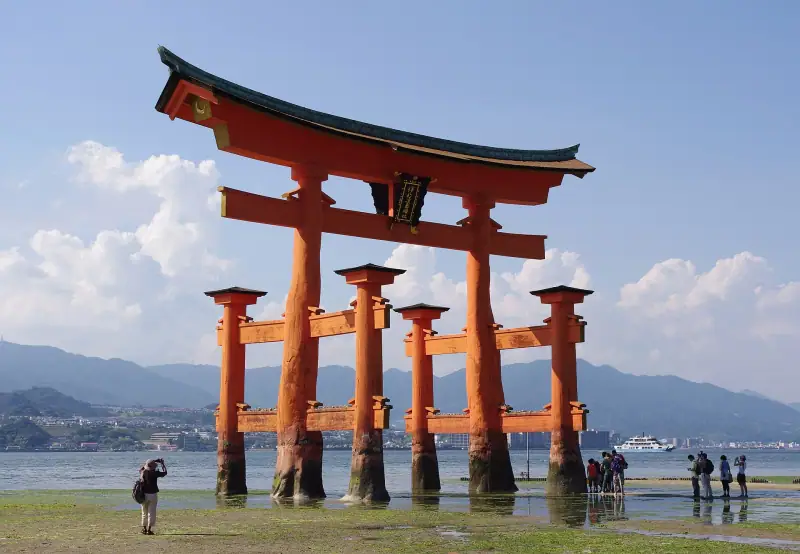
Day 13: Miyajima. The island is reached by train then ferry, so allow about an hour from central Hiroshima. The great torii of Itsukushima shrine, which seems to float on the water at high tide, is one of the country’s best-known images. Tides change the look of the site: check the times to see the torii in the water or, at low tide, reachable on foot.
Food tours and cooking classes in Japan
Street food tastings, sushi or ramen classes: a fun way to extend the trip onto your plate.
Day 14: heading home and a last day
Depending on your flight, you will go to Osaka’s airport or return to Tokyo by Shinkansen (about three hours from Osaka). If your flight leaves late in the day, keep a last morning for souvenir shopping: sweets, tea, ceramics or Japanese stationery.
Leave a margin for the trip back to the airport, check-in and a possible late train, even though Japanese trains are known for their punctuality.
Practical tips to make this itinerary work
Getting around. The Shinkansen is the most practical way for long distances. Compare the Japan Rail Pass price with single tickets before buying: since its price increase, it is no longer systematically worthwhile. For city trips, a rechargeable transport card (Suica or ICOCA type) simplifies everything.
Traveling light. Trains have limited luggage space, and some Shinkansen even require a reservation for very large suitcases. The luggage forwarding service between hotels is an excellent solution.
Booking early. In cherry blossom season, fall foliage or Golden Week, hotels and trains fill up very fast. Book lodging several months ahead and favor free cancellation.
Pace. Do not try to see everything. One more temple does not bring as much as a quiet evening on a neighborhood street. Keep free slots in your schedule.
Variations. With three more days, add the Japanese Alps (Takayama, Kanazawa) between Tokyo and Kyoto. With less time, drop Hiroshima and focus on Tokyo, Kyoto and Osaka in ten days.
Do not mix destinations. Japan deserves a trip of its own.
Frequently asked questions
Is two weeks enough for a first trip to Japan?
Yes. Fourteen days let you cover Tokyo, an excursion to Hakone or Mount Fuji, Kyoto, Nara, Osaka and Hiroshima without rushing. Beyond four or five stops, the time spent on trains and hotel changes ends up eating into the experience.
Should you buy a Japan Rail Pass for this itinerary?
Not necessarily. Since the pass price increase, it is less often worthwhile than before. Compare the pass price with the total of your Shinkansen tickets (Tokyo-Kyoto, Kyoto-Hiroshima, return) before buying: on a limited loop itinerary, single tickets can cost less.
How long does it take to go from Tokyo to Kyoto?
About 2 h 15 to 2 h 30 on the Nozomi Shinkansen, the fastest link. Trains leave very frequently from Tokyo or Shinagawa station.
Which direction should you follow the itinerary?
Tokyo to Hiroshima and back is the most common, but you can also arrive in Osaka and leave from Tokyo. Look for the best flight deals: with an open-jaw ticket, you avoid a round trip by train of several hours.
Can you add another country to this trip?
Other destinations in the region are beautiful, but they deserve their own trip rather than being skimmed as an extension of a stay in Japan.
More Japan guides
Keep reading
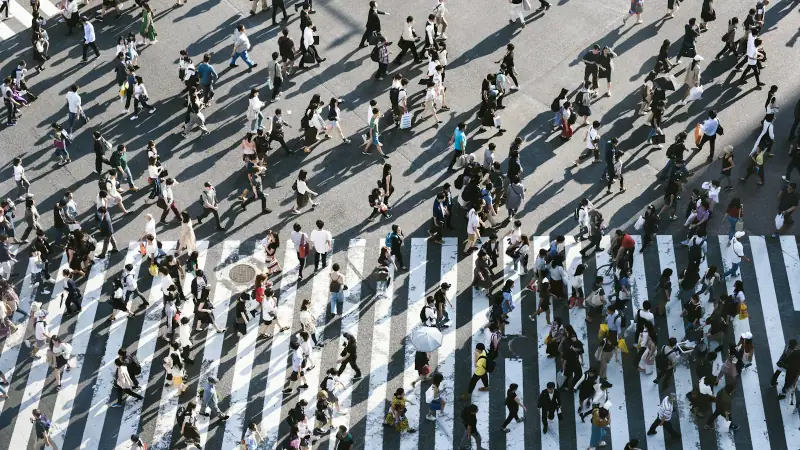
Japan budget: what a trip costs, item by item, and how to spend less
Lodging, transport, meals, activities: the real cost of a stay in Japan, three budget profiles priced in yen, euros and dollars, and tips to save.
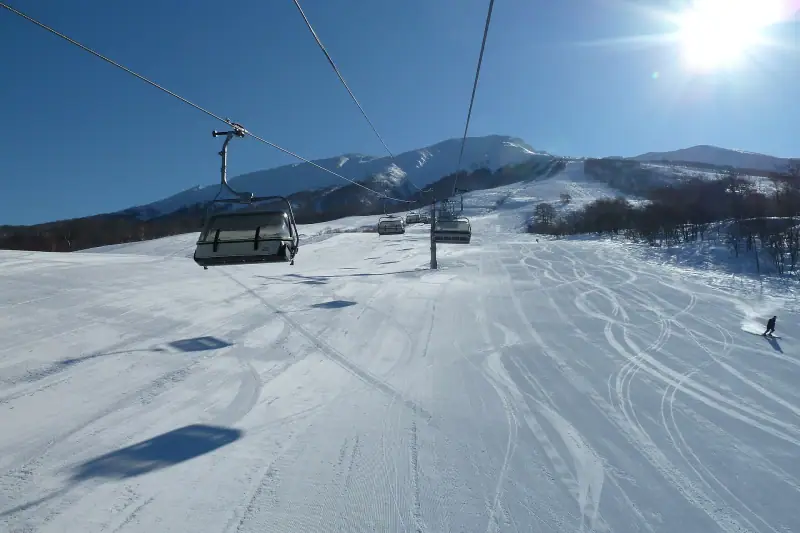
Skiing in Japan: Hokkaido, Niseko, Hakuba, powder, season and budget
Skiing in Japan: Niseko or Hakuba, powder season, 2026-2027 lift pass prices from official sites, access, lodging and budget to plan your trip.
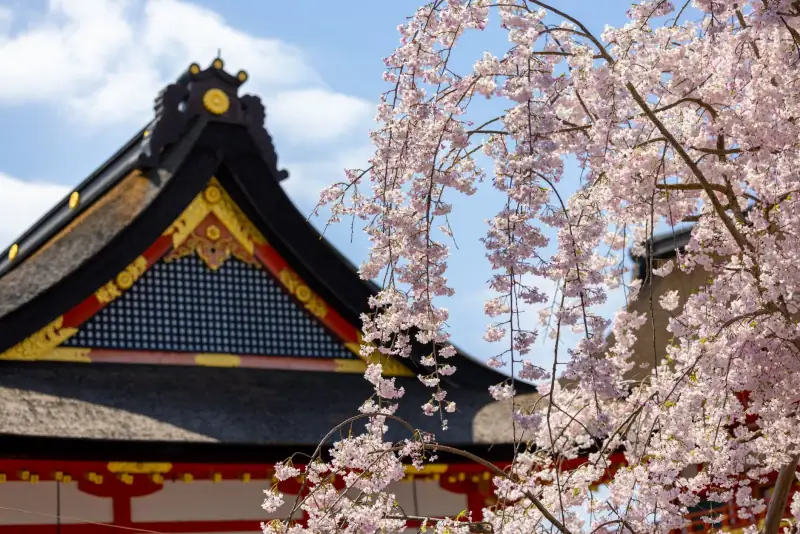
When to go to Japan: seasons, weather and events month by month
What is the best time to travel to Japan? Cherry blossoms, red leaves, rain, typhoons, snow: the month-by-month guide to choosing your dates.
Ready-made
Japan itineraries
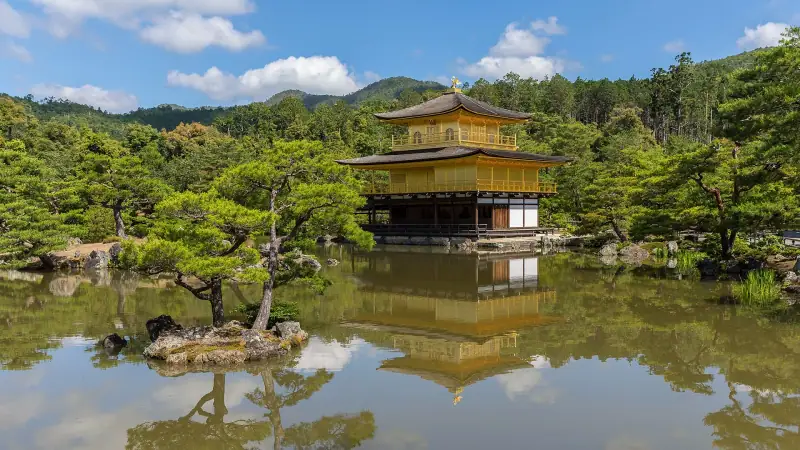
5 days
Kyoto, Nara and Osaka in 5 days: a day-by-day itinerary
A 5-day Kansai itinerary: Kyoto temples, Nara deer and Osaka street food, with transport, tips and mistakes to avoid.
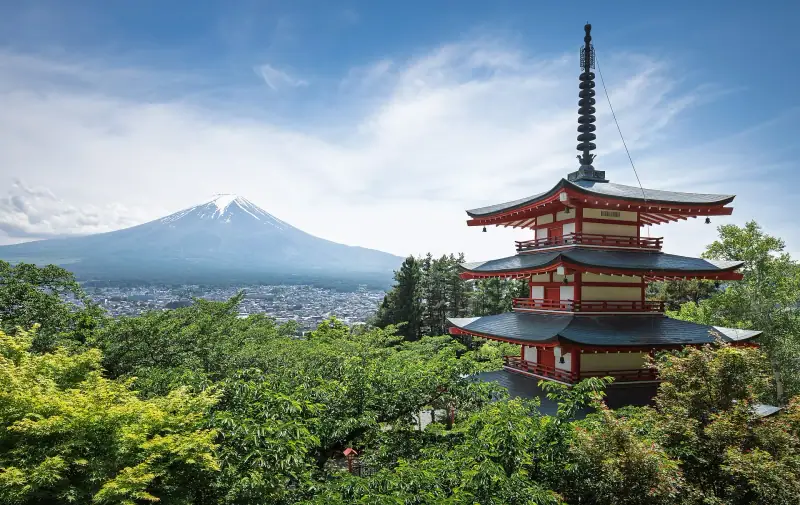
10 days
Japan in 10 days with kids: stops, journeys and a realistic pace
TokyoHakoneKyoto
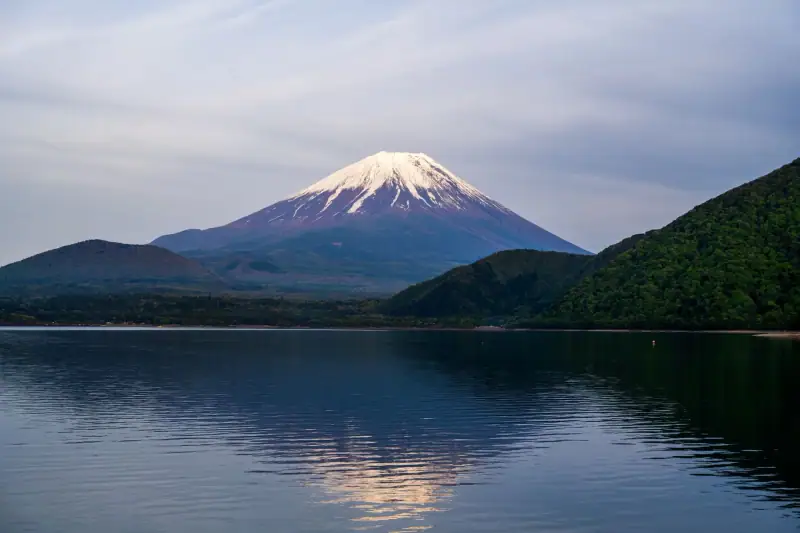
5 days
Tokyo, Hakone and Mount Fuji in 5 days: a detailed itinerary
A 5-day itinerary through Tokyo, Hakone and the Mount Fuji lakes: trains, onsen, volcano views, budget and mistakes to avoid on a first trip.