Where to stay
Where to stay in Kyoto: neighborhoods, ryokan and tips for choosing well
We may earn a commission when you book through links on this page, at no extra cost to you. We don't visit or try the places we cover: we summarize published sources. How we work
In short
- For a first stay, the Kyoto Station area is the most practical: Shinkansen, trains, subway and buses meet there.
- Kawaramachi suits evenings out on foot, Gion and Higashiyama the old-town atmosphere, Arashiyama calm and nature.
- Two to three nights cover the main sights; add a night for a Nara excursion or Arashiyama.
- Book several months ahead for cherry blossom season (late March-early April), Golden Week and November foliage, and prefer free-cancellation rates.
Kyoto is not a city where you stay just anywhere. Unlike Tokyo, it is mid-sized and can be visited largely on foot, by bus and by subway, but its sights are scattered across a basin surrounded by hills. The right neighborhood saves you long trips, puts you near the atmosphere you like and can turn a night into a lasting memory, especially if you choose a traditional ryokan.
This guide compares the main areas to stay, the types of lodging and a few booking habits. To organize your days once there, see our guide what to do in Kyoto, and for the best season our article when to go to Japan.
How to choose your neighborhood in Kyoto
Three criteria help you decide.
Transport. Kyoto’s subway network has only two main lines, and many temples can only be reached by bus. Staying near the station, a subway station or a well-served bus stop makes getting around much easier.
Atmosphere. An old town of wood and lanes in Higashiyama and Gion, downtown buzz in Kawaramachi, residential calm farther north, a nature setting in Arashiyama: each area offers a different experience.
Budget. Historic neighborhoods and renowned ryokan are generally the most expensive. Business hotels around the station and downtown often offer better value.
Compare stays in Kyoto
Hotels, ryokan and machiya: check availability and reviews for your dates, especially in spring and fall.
Around Kyoto Station: the most practical
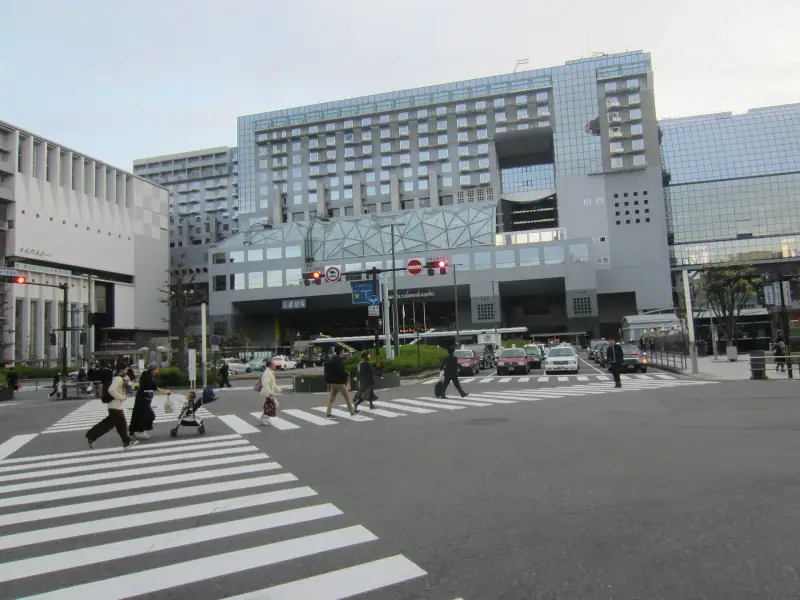
Kyoto Station is the arrival point of the Tokaido Shinkansen and an important hub for local trains, the subway and buses. It houses a large shopping center and many restaurants, and its observation tower is visible from several places in the city.
Advantages. Very good access for excursions: Fushimi Inari and Nara can be reached by train from this station. Wide choice of business hotels, international chains and hostels. Practical with luggage.
Drawbacks. The area lacks the charm of the old neighborhoods and you are a few minutes of transport away from the eastern temples. In the evening, the mood is more functional than picturesque.
Who is it for? Travelers arriving by Shinkansen, short two-night stays, and those linking several cities with suitcases.
Kawaramachi and downtown: going out in the evening on foot
Central Kyoto spreads around Shijo Street and the Kamo river. Here you find the long Teramachi shopping arcade, Nishiki Market, cafés, izakaya and restaurant lanes like those of Pontocho, along the river.
Advantages. You can dine, stroll and walk back without depending on the last trains. Gion and Higashiyama are reachable on foot or in a few minutes by bus, and several bus and subway lines serve the area.
Drawbacks. The liveliest streets can be noisy in the evening, and rooms, often compact, are a bit pricier than around the station.
Who is it for? Food lovers, couples, and everyone who prefers a lively stay with restaurants and shops at hand. Our guide to food in Japan will give you ideas for specialties to try.
Gion and Higashiyama: the wooden old town
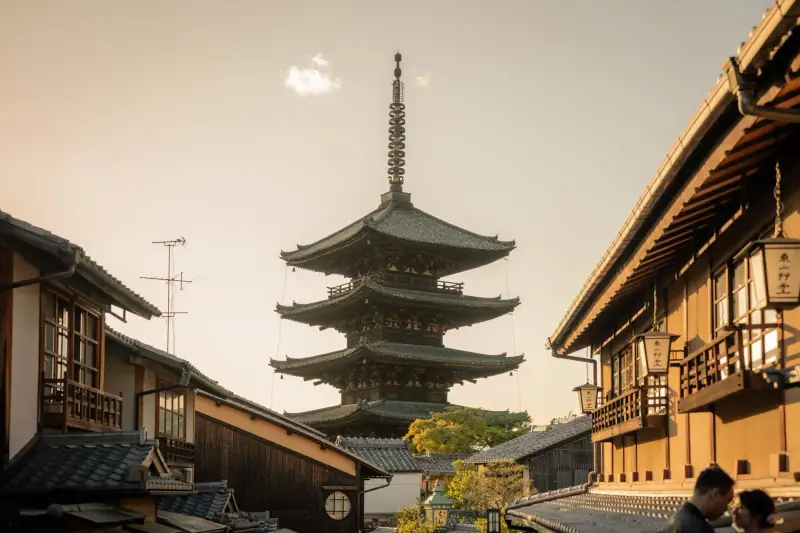
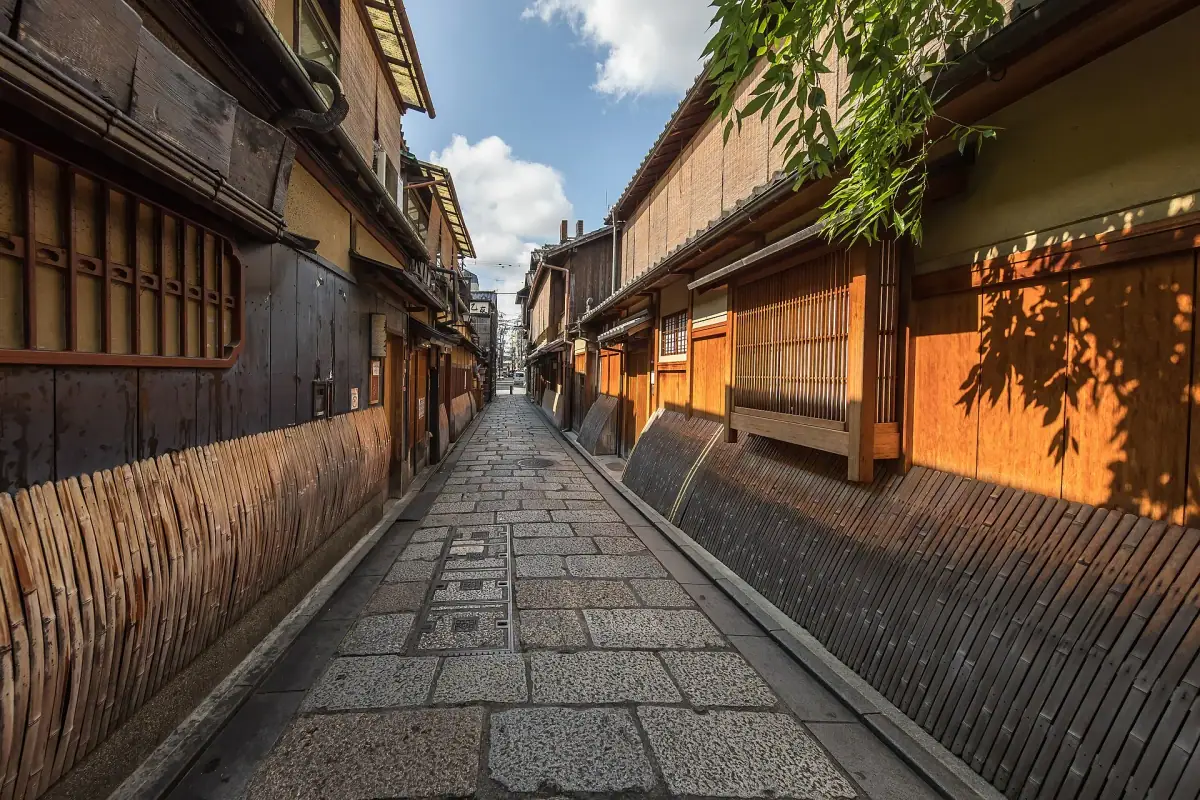
Gion is Kyoto’s most famous district for its teahouses, wooden facades and the chance of crossing paths with maiko and geiko. Higashiyama, just to the southeast, concentrates sloping lanes, traditional shops and temples like Kiyomizu-dera.
Advantages. It is probably the setting that feels most like a different world: late in the day and early in the morning, when the groups have gone, the atmosphere is remarkable. There are small hotels, ryokan and renovated traditional houses, the machiya.
Drawbacks. The district is very busy during the day, rates are among the highest in the city and access by car or subway is limited. The lanes are narrow: travel light.
Who is it for? Those seeking immersion, honeymoons and stays where the lodging is part of the experience.
Discover Kyoto with a guide
Guided tours of Gion, tea ceremony, cooking classes: something to fill your first day.
Arashiyama: nature on the west side of the city
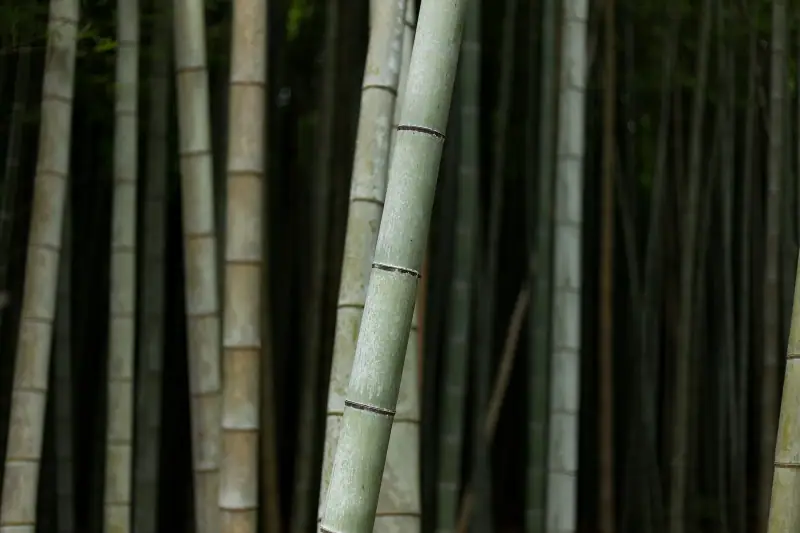
Arashiyama, west of Kyoto, is known for its bamboo grove, its river and its Togetsukyo bridge, as well as Zen temples surrounded by greenery. The area can be reached by train from downtown.
Advantages. A peaceful setting once the day’s visitors have left, with riverside ryokan and a nature mood. It is a good option for a relaxing night.
Drawbacks. The area is far from the eastern temples and downtown: expect a train or bus trip to reach the rest of the city. The restaurant offer shrinks clearly in the evening.
Who is it for? Travelers seeking calm, those who have already seen the big classics and ryokan fans.
Which type of lodging to choose in Kyoto
Business hotels. Very common around the station and downtown: compact rooms, private bathroom, comfortable bedding, careful service. It is the simplest formula for good value.
Ryokan. Traditional inns with tatami rooms, futons, sometimes a shared or private bath and meals served at the inn. Kyoto has many, from simple places to luxury houses. Before booking, find out what is included (dinner, breakfast) and the arrival time, generally late afternoon.
Sleep in a ryokan in Kyoto
Tatami rooms, baths and traditional meals: compare Japanese inns by budget.
Machiya. These narrow, long wooden townhouses are sometimes converted into short-term rentals. They offer a unique experience, but check that the property is registered and complies with local regulation, which governs tourist rentals.
Hostels and capsule hotels. An economical solution, with dorms or capsules, often well kept and located near the station or downtown.
Upscale hotels. Kyoto has high-end establishments with Japanese gardens, sometimes in former estates. They suit stays where you want to treat yourself.
How long and which season
Two to three nights are enough for the main sights. If you add Nara as an excursion and some wandering, go to four nights. In a two-week trip, Kyoto naturally takes a central place between Tokyo and Osaka or Hiroshima: see our two-week itinerary for Japan for an example.
Season strongly affects prices and availability. Cherry blossom season, late March to early April, and the red leaves in November are the busiest periods: book several months ahead. Summer is hot and humid, which can lower rates, but means planning visits early in the morning.
Find your flight to Japan
Compare airlines and schedules to Tokyo or Osaka, the two usual gateways for reaching Kyoto.
Smart booking tips
Favor proximity to a station. Under ten minutes’ walk from a train station, subway station or frequent bus stop: that is the right habit, especially with suitcases.
Check the room size. Japanese rooms are often compact. If you travel in a group or with big luggage, look for a family room or an apartment.
Read the cancellation terms. They vary a lot, especially for ryokan. Free cancellation gives you flexibility.
Send your luggage. In Japan, a luggage delivery service (takkyubin) lets you ship suitcases from one lodging to the next, which is very handy for visiting Kyoto light. Ask your hotel.
Think about the rest of the trip. To reach Tokyo or other cities, see our guide to the Shinkansen and the Japan Rail Pass.
In short: which neighborhood for which traveler?
- Arriving by Shinkansen, short stay: around Kyoto Station.
- Nightlife, restaurants, walks: Kawaramachi and downtown.
- Historic atmosphere and ryokan: Gion and Higashiyama.
- Calm and nature: Arashiyama.
- Small budget: hostels and business hotels near the station.
Whatever your choice, Kyoto is best discovered early in the morning and late in the day. Well-located lodging lets you enjoy those moments, when the city regains its calm.
Frequently asked questions
What is the best neighborhood to stay in Kyoto?
For a first stay, the Kyoto Station area is the most practical: trains, Shinkansen, subway and buses all meet there. Downtown (Kawaramachi) suits you if you want to go out in the evening on foot, and Higashiyama or Gion if you want the old-town atmosphere.
How many nights should you plan in Kyoto?
Two to three nights let you see the main sights without rushing. Add a night if you want to make an excursion to Nara or take your time in Arashiyama.
Should you stay in a ryokan in Kyoto?
It is an experience many travelers find memorable, with tatami, futons and often a traditional meal. One night is enough to try it. Ryokan are generally pricier than a business hotel and the house rules (shoes, baths) are worth knowing in advance.
When should you book lodging in Kyoto?
Several months ahead for cherry blossom season (late March-early April), Golden Week and the red leaves in November, when the city is very busy. Prefer free-cancellation rates.
Can you stay in Osaka and visit Kyoto as a day trip?
Yes, the two cities are linked by several rail lines and the trip takes about half an hour on a rapid train. It can be an option to save money, but you will lose Kyoto's atmosphere in the evening and at dawn, the calmest moments for the temples.
More Japan guides
Keep reading
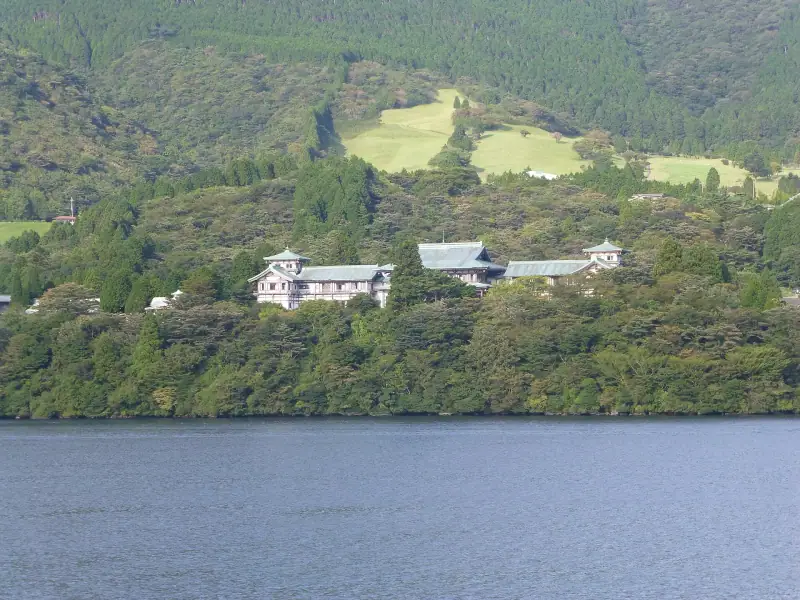
Where to stay in Hakone: Yumoto, Gora or Lake Ashi, which area to choose?
Hakone-Yumoto, Gora, Miyanoshita or Lake Ashi: compare Hakone's areas by transport, ryokan with onsen and budget for one night.
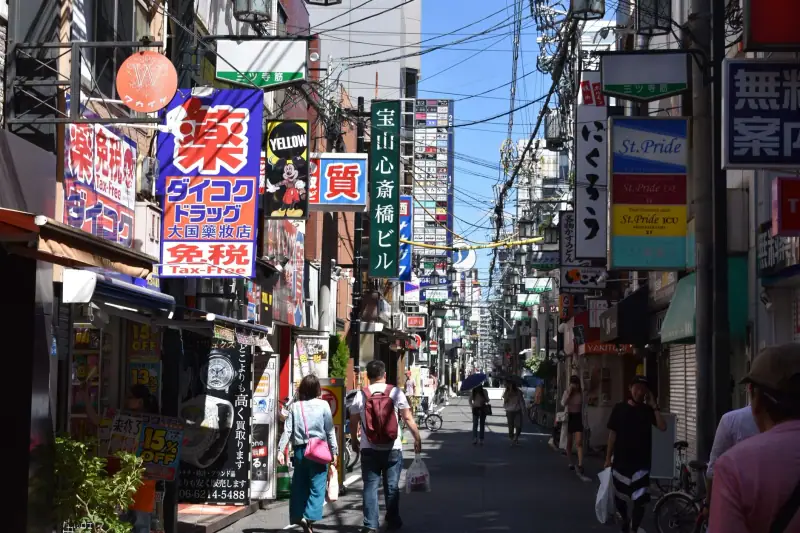
Where to stay in Osaka: neighborhoods, hotels and tips for choosing well
Namba, Umeda, Shinsaibashi, Tennoji or the bay? Compare Osaka's neighborhoods, lodging types and tips for choosing where to stay.

Where to stay in Tokyo: the best neighborhoods for your trip
Shinjuku, Shibuya, Asakusa, Ginza or Ueno? Compare Tokyo's neighborhoods, lodging types and tips for choosing where to stay on your trip.
Ready-made
Japan itineraries
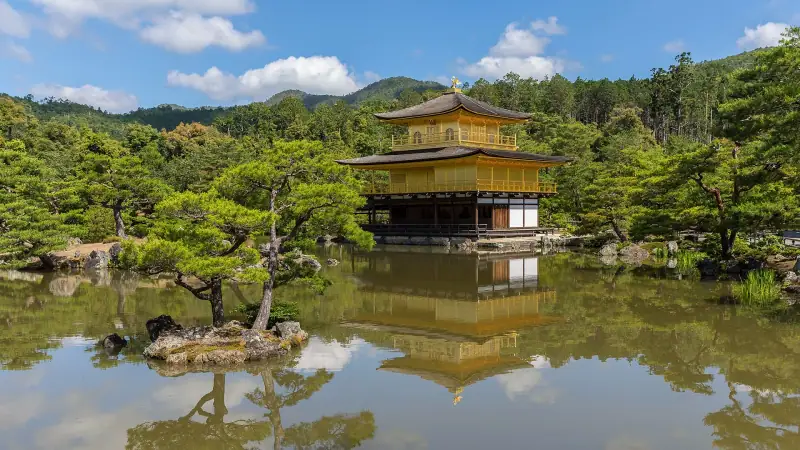
5 days
Kyoto, Nara and Osaka in 5 days: a day-by-day itinerary
A 5-day Kansai itinerary: Kyoto temples, Nara deer and Osaka street food, with transport, tips and mistakes to avoid.
10 days
Japan in 10 days with kids: stops, journeys and a realistic pace
TokyoHakoneKyoto
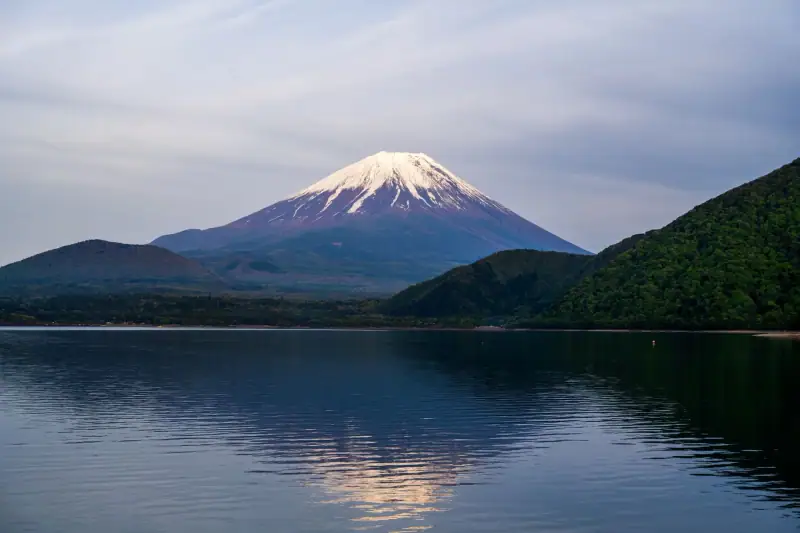
5 days
Tokyo, Hakone and Mount Fuji in 5 days: a detailed itinerary
A 5-day itinerary through Tokyo, Hakone and the Mount Fuji lakes: trains, onsen, volcano views, budget and mistakes to avoid on a first trip.