Things to do
What to do in Osaka: the highlights of Japan's food capital
We may earn a commission when you book through links on this page, at no extra cost to you. We don't visit or try the places we cover: we summarize published sources. How we work
In short
- Two days cover Dotonbori, the castle, Shinsekai and a viewpoint; add a day for a theme park or an excursion to Nara, Kyoto or Himeji.
- Osaka is a good Kansai base: Kyoto is about 30 minutes by rapid train, Nara about 45 minutes, Himeji about 30 to 45 minutes.
- Signature dishes: takoyaki (octopus balls), okonomiyaki (savory pancake) and kushikatsu (breaded skewers); never dip a skewer twice in the shared sauce.
- Buy Universal Studios Japan tickets ahead and check access conditions for the busiest zones on the park's official site.
Japan’s third-largest city by population, Osaka has a reputation for being more relaxed, noisier and more food-loving than its neighbors. Where Kyoto cultivates contemplation and Tokyo excess, Osaka bets on good cheer, illuminated signs and street-food stands. The locals even have an expression of their own: kuidaore, which could be translated as “to ruin yourself eating.”
Osaka is also an excellent base for exploring the Kansai. Kyoto, Nara and Himeji are easily reached by train, and Kansai International Airport is nearby. This guide presents the visits not to miss, a way to organize them over two or three days, and possible excursions. To compare with the imperial capital, also see our guide what to do in Kyoto.
Dotonbori: Osaka’s bright heart
Dotonbori is the image you keep of Osaka: a canal lined with giant signs, restaurants and shops, which comes alive especially at nightfall. The Glico Running Man sign, set up near Ebisu Bridge, has become a symbol of the city and an essential photo backdrop. The nearby Namba district extends the mood with its covered shopping arcades and lanes full of places to eat.
The best time to stroll there is early evening, when the neon reflects in the water. Be patient: the sidewalks are very busy, especially on weekends. You can snack while wandering, but, as everywhere in Japan, it is better to eat right at the stand than while walking, out of respect for passersby and vendors.
A cruise on the canal also lets you discover the district from another angle, with regular departures near the center of Dotonbori. It is a short activity, well suited to the end of the day.
Compare stays in Osaka
Namba, Umeda or Shin-Osaka: compare hotels by neighborhood and dates, especially in cherry blossom season and fall.
Osaka Castle: the history of a unified Japan
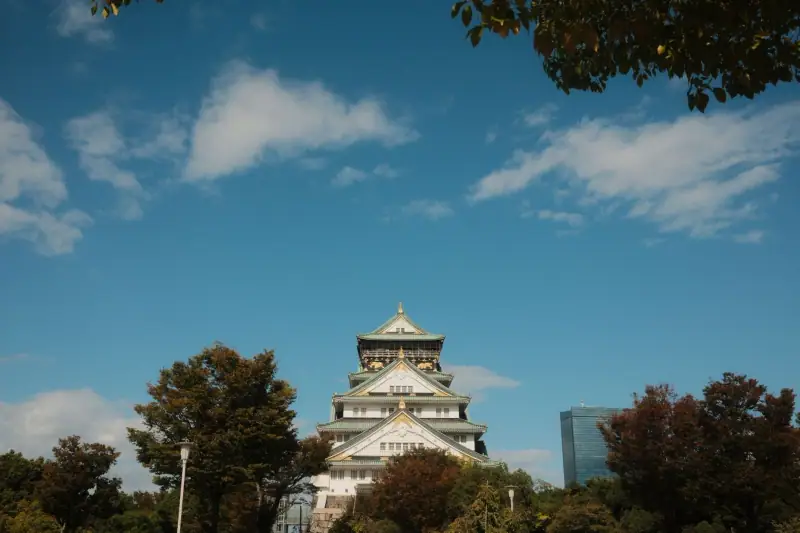
Osaka Castle is linked to Toyotomi Hideyoshi, one of Japan’s great unifiers in the late 16th century, who began its construction around 1583. The castle has been destroyed and rebuilt several times. The current keep dates from a 20th-century concrete reconstruction, but its outer appearance remains impressive, with its verdigris roofs and gilded ornaments.
Inside is a museum devoted to the history of the castle and its era, with an observation deck at the top giving a view of the city. Even if you do not visit the museum, the park surrounding the castle is worth a stroll: it is dotted with moats, massive stone walls and big green spaces. In spring, it is one of the city’s most popular places to admire cherry blossoms; you will find the details of the seasons in our guide when to go to Japan.
Allow half a day with the park, and arrive early to avoid the crowds of groups.
Shinsekai and Tsutenkaku: working-class Osaka
Shinsekai, “the new world,” is a district with retro charm, designed in the early 20th century as a modern leisure park. Its emblem is the Tsutenkaku tower, whose silhouette dominates the surrounding lanes. The district has kept a working-class, slightly dated side, very different from the newer commercial areas.
This is where you eat kushikatsu, breaded, fried skewers dipped in a shared sauce. The rule is simple and posted in many establishments: you do not dip the same skewer twice in the sauce. You also find fugu (pufferfish) served by specialized restaurateurs, known for its tightly regulated preparation.
The district can be visited without stress, in one to two hours. It is more pleasant late in the afternoon, before the evening crowd arrives. The surroundings have a slightly less touristy reputation; stay alert at night, as in any big city.
Umeda and Kita: the modern city seen from above
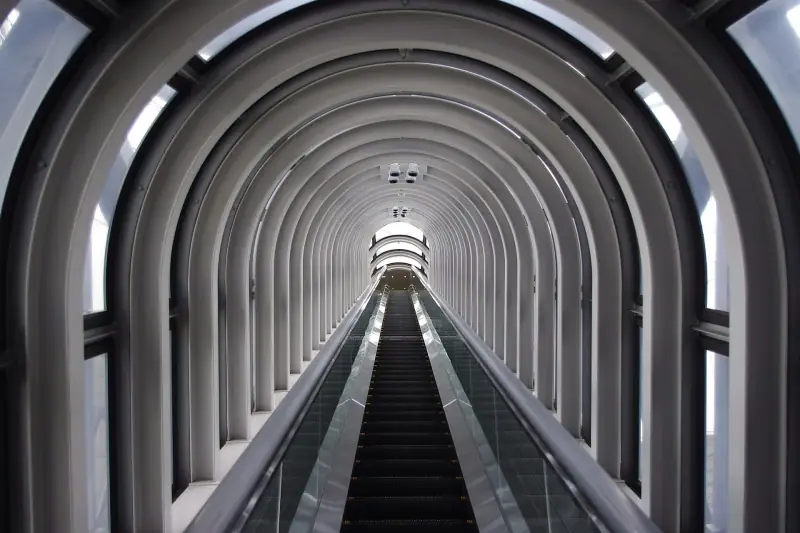
In the north of the city, the Umeda district concentrates major stations, underground shopping centers and skyscrapers. The Umeda Sky Building, with its two towers linked by a platform up high, offers a 360-degree panorama over Osaka. It is a well-known viewpoint, especially popular at sunset.
Umeda is above all a transport hub: subway, private train and JR lines cross there. The underground arcades are immense and can be disorienting, so keep a navigation app at hand. It is a practical area to sleep if you plan several excursions in the region.
Visits and excursions in Osaka
Theme parks, guided visits and excursions to Nara or Kyoto: see the activities offered and their reviews.
Universal Studios Japan: a day for families
Located in western Osaka, Universal Studios Japan is one of the city’s major attractions, particularly popular with families and fans of movies and video games. The park includes a zone devoted to the Nintendo universe, opened to the public in 2021, which has become one of its main points of interest.
A few general tips: buy tickets in advance, arrive at opening and check the access conditions for the most requested zones on the official site before coming, as they can change. Plan a full day. If you travel without children and with limited time, it is not essential, but the park may be worth the detour for fans of the genre.
Kaiyukan Aquarium and the waterfront
In the bay district, the Kaiyukan aquarium is one of the largest in Japan. Its spiral route invites you to descend around a big central tank representing the Pacific Ocean and its inhabitants. It is a visit that pleases children and adults alike and takes about two to three hours.
Nearby, the port area offers a Ferris wheel and shops. Sunset over the bay is pleasant there. If you have already planned Universal Studios Japan, the district can be paired with another, calmer day, but the two visits rarely go well together on the same day.
Osaka’s temples and shrines
People associate Osaka more readily with food than temples, but the city has some very beautiful ones. Shitenno-ji is one of Japan’s oldest Buddhist temples, founded in the Asuka period, in the 6th century according to tradition. Sumiyoshi Taisha, a very ancient Shinto shrine, is known for its red wooden arched bridge spanning a pond and its distinctive architectural layout.
Both sites are reachable by subway or local train from the center. They suit a calm morning before tackling the food part of the day.
Eating in Osaka: a subject in itself
You do not visit Osaka without sitting down to eat. Three popular dishes deserve a taste:
- Takoyaki: batter balls filled with pieces of octopus, cooked in a pan with hollows and topped with sauce.
- Okonomiyaki: a kind of thick pancake based on cabbage and batter, filled with meat, seafood or vegetables of your choice, found in many restaurants with griddles.
- Kushikatsu: the breaded, fried skewers mentioned in the Shinsekai section.
The Kuromon covered market, south of Dotonbori, is known for its seafood and fresh produce stalls, with many stands where you can eat right there. Prices there are generally higher than elsewhere, and it is better to come in the morning or at lunchtime. For an overview of Japanese cuisine, see our article what to eat in Japan.
Food tour and cooking class in Osaka
Takoyaki, okonomiyaki, kushikatsu: a food tour with a local guide helps you choose the right places in Namba and Shinsekai.
Excursions from Osaka: Kyoto, Nara and Himeji
Osaka is an ideal base for the Kansai, as the neighboring cities are close and well linked.
Kyoto. About thirty minutes by rapid train, and a little less by Shinkansen from Shin-Osaka. You can go for the day, but it is better to devote two or three days if you want to see the main temples.
Nara. About forty-five minutes by train. The deer park and Todai-ji temple are well covered in half a day to a day.
Himeji. Himeji Castle, nicknamed the “White Heron,” is one of the finest original castles in the country and a UNESCO World Heritage site. It is about thirty to forty-five minutes by rapid train or Shinkansen depending on the service. One day is enough.
To understand which tickets to use for these trips, our guide getting around Japan: Shinkansen and JR Pass details the different options.
Organizing your two or three days in Osaka
Day 1: the historic and food-centered core. Osaka Castle in the morning, lunch in the area, then Dotonbori and Namba in the late afternoon and evening.
Day 2: the working-class mood and the heights. Shinsekai and Tsutenkaku in the morning, a temple or shrine, then the Umeda Sky Building at sunset.
Day 3: your choice. Universal Studios Japan, the aquarium, or an excursion to Nara, Kyoto or Himeji.
This program fits perfectly into a longer trip: our two-week itinerary for Japan shows how to link Tokyo, Hakone, Kyoto and Hiroshima, with Osaka as a possible base for the western part.
Find your flight to Osaka
Osaka has its own international airport, Kansai, often more practical than Tokyo for a trip centered on the west of the country.
Our practical tips
Choose the right neighborhood. Namba for atmosphere and restaurants, Umeda for transport, Shin-Osaka for Shinkansen departures. In all three cases, lodging near a subway station is the best option.
Avoid peak periods. Cherry blossom season, Golden Week and mid-November are the busiest times across the Kansai. Book early.
Get a rechargeable transport card. IC-type cards work on the subway, trains and many shops, which simplifies getting around.
Keep cash. Many small stands and family restaurants still accept only cash.
Respect local customs. Do not eat while walking in very busy streets, throw your trash where bins are provided (they are sometimes rare) and stay discreet in temples.
Frequently asked questions
How many days do you need to visit Osaka?
Two days let you see the big classics: Dotonbori, the castle, Shinsekai and a viewpoint. Allow one more day if you add a theme park or an excursion to Nara, Kyoto or Himeji.
Osaka or Kyoto: where should you sleep?
The two cities are linked in about thirty minutes by rapid train. Osaka generally offers more lodging choice, livelier nightlife and better service from Kansai Airport; Kyoto appeals more for its traditional atmosphere.
Which neighborhood should you choose to sleep in Osaka?
Namba is ideal for food and atmosphere, Umeda (Kita) for connections and shopping centers, Shin-Osaka for taking the Shinkansen. All three are well served by the subway.
Do you need to book Universal Studios Japan?
It is strongly advised to buy tickets in advance, especially on weekends and Japanese school holidays. Check the access conditions for the most requested zones on the park's official site before you come.
What is Osaka's specialty?
Osaka is known for its popular dishes: takoyaki (octopus balls), okonomiyaki (savory pancake) and kushikatsu (breaded, fried skewers). The city is nicknamed "the kitchen of Japan."
How do you get from Kansai Airport to central Osaka?
Direct trains link the airport to downtown, notably to Namba and Osaka (Umeda), in under an hour or so. Check the rail operators' timetables before your arrival.
More Japan guides
Keep reading
Skiing in Japan: Hokkaido, Niseko, Hakuba, powder, season and budget
Skiing in Japan: Niseko or Hakuba, powder season, 2026-2027 lift pass prices from official sites, access, lodging and budget to plan your trip.
Nakasendo: hiking from Magome to Tsumago, a practical guide to the Kiso Valley
Magome-Tsumago hike on the old Nakasendo road: access from Nagoya or Takayama, duration, difficulty, luggage, seasons and tips to do it well.
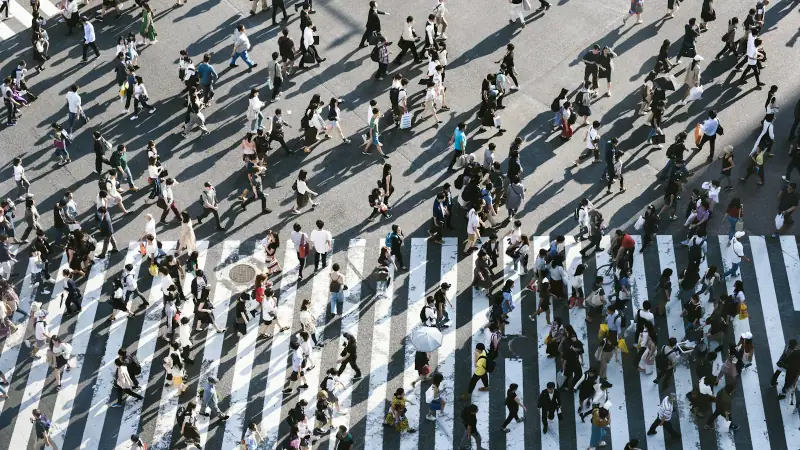
Japan budget: what a trip costs, item by item, and how to spend less
Lodging, transport, meals, activities: the real cost of a stay in Japan, three budget profiles priced in yen, euros and dollars, and tips to save.
Ready-made
Japan itineraries
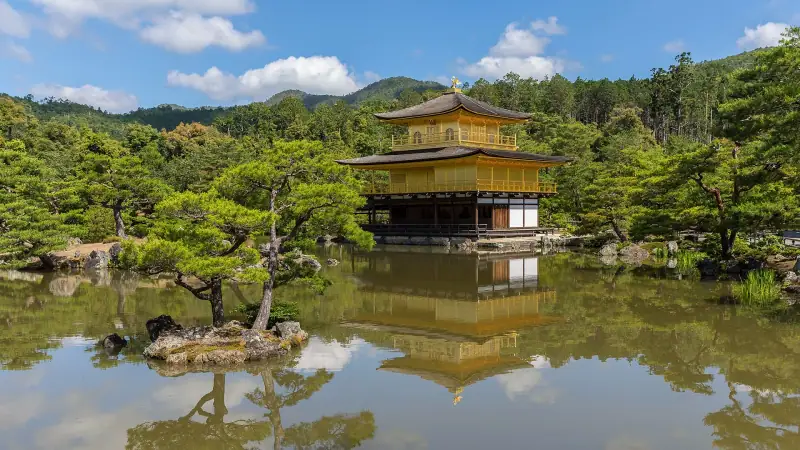
5 days
Kyoto, Nara and Osaka in 5 days: a day-by-day itinerary
A 5-day Kansai itinerary: Kyoto temples, Nara deer and Osaka street food, with transport, tips and mistakes to avoid.
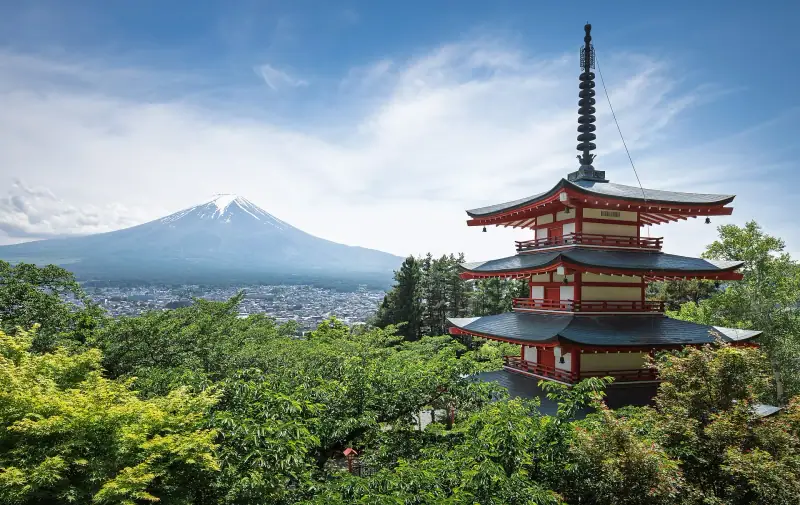
10 days
Japan in 10 days with kids: stops, journeys and a realistic pace
TokyoHakoneKyoto
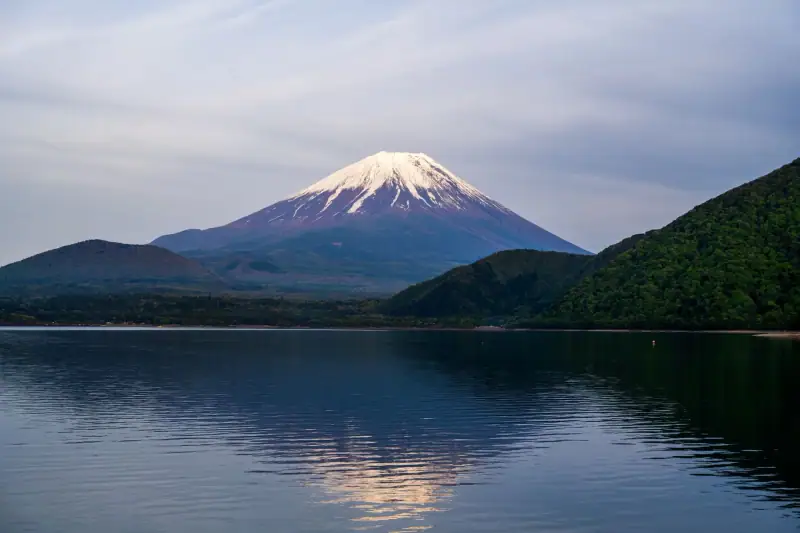
5 days
Tokyo, Hakone and Mount Fuji in 5 days: a detailed itinerary
A 5-day itinerary through Tokyo, Hakone and the Mount Fuji lakes: trains, onsen, volcano views, budget and mistakes to avoid on a first trip.