What to see
What to do in Kyoto: the 9 must-see sights in the former capital
We may earn a commission when you book through links on this page, at no extra cost to you. We don't visit or try the places we cover: we summarize published sources. How we work
In short
- Two days cover the classics, but three days are better; group sights by area (east, west and north, then Fushimi Inari and Nara).
- Seventeen Kyoto monuments are UNESCO World Heritage, listed as "Historic Monuments of Ancient Kyoto."
- Go early: Fushimi Inari and Arashiyama look completely different before the end of the morning. Cherry blossoms and November maples are the busiest periods.
- Nara is about 45 minutes from Kyoto by train, a classic day trip.
An imperial capital for more than a thousand years, Kyoto was spared the destruction that struck other big Japanese cities in the 20th century. Today it preserves an exceptional concentration of Buddhist temples, Shinto shrines, gardens and wooden lanes. Seventeen of its monuments are UNESCO World Heritage sites under the title “Historic Monuments of Ancient Kyoto.”
This richness is also a trap: the sights are plentiful, scattered and very busy. This guide presents nine must-see sights, grouped by area to limit travel, with tips to avoid the crowds. If you are preparing a wider trip, our two-week itinerary for Japan shows how to fit Kyoto between Tokyo and Hiroshima.
Fushimi Inari: the shrine of thousands of torii
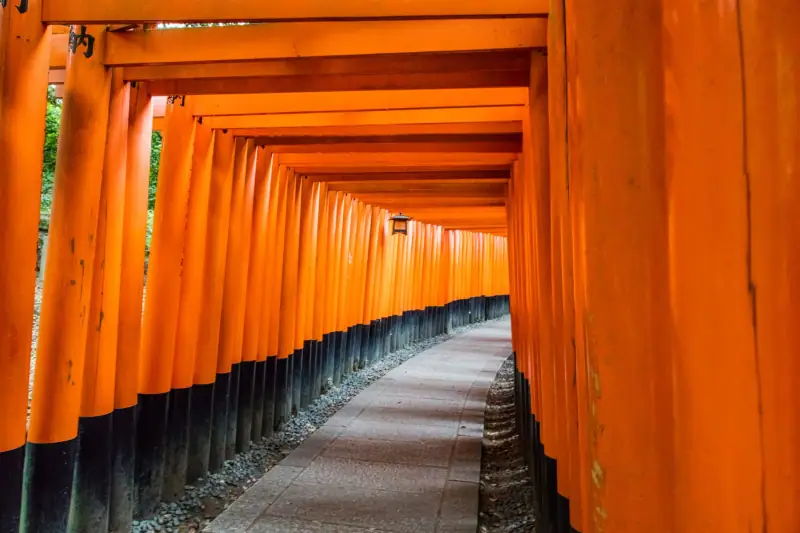
Fushimi Inari is dedicated to Inari, the deity associated with rice and prosperity. It is famous for its countless vermilion gates following one another along the paths climbing through the forest of Inari hill. Each torii was donated by an individual or a company, and their number runs into the thousands.
The shrine is a few minutes by train from Kyoto Station and its grounds generally remain open at all times. The start of the route is very busy, but the crowd thins clearly as you climb: allow one to two hours for a comfortable loop, with good shoes. Early morning or the end of the day offer the best light and fewer people.
Kiyomizu-dera and the lanes of Higashiyama
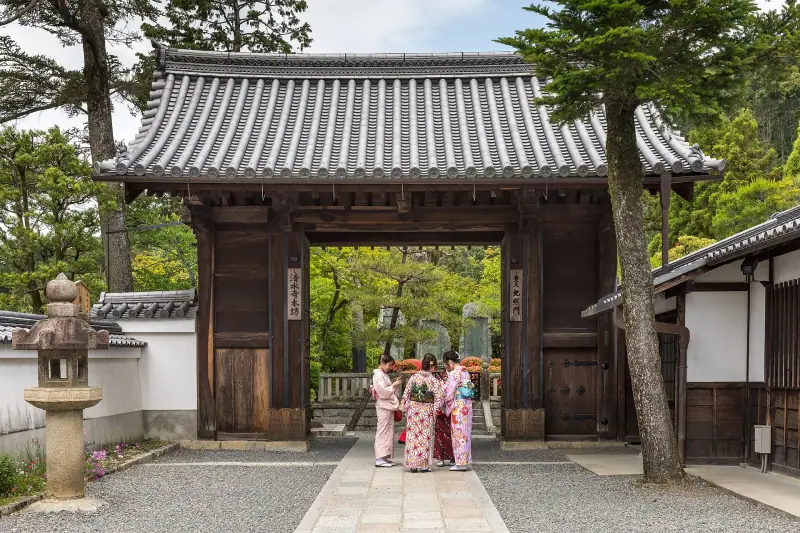
Founded in the late 8th century, Kiyomizu-dera is one of Kyoto’s most emblematic temples. Its large wooden terrace, supported by a nail-free frame, gives a wide view of the city, magnificent in spring and fall. The temple takes its name from the spring flowing below, the “pure water.”
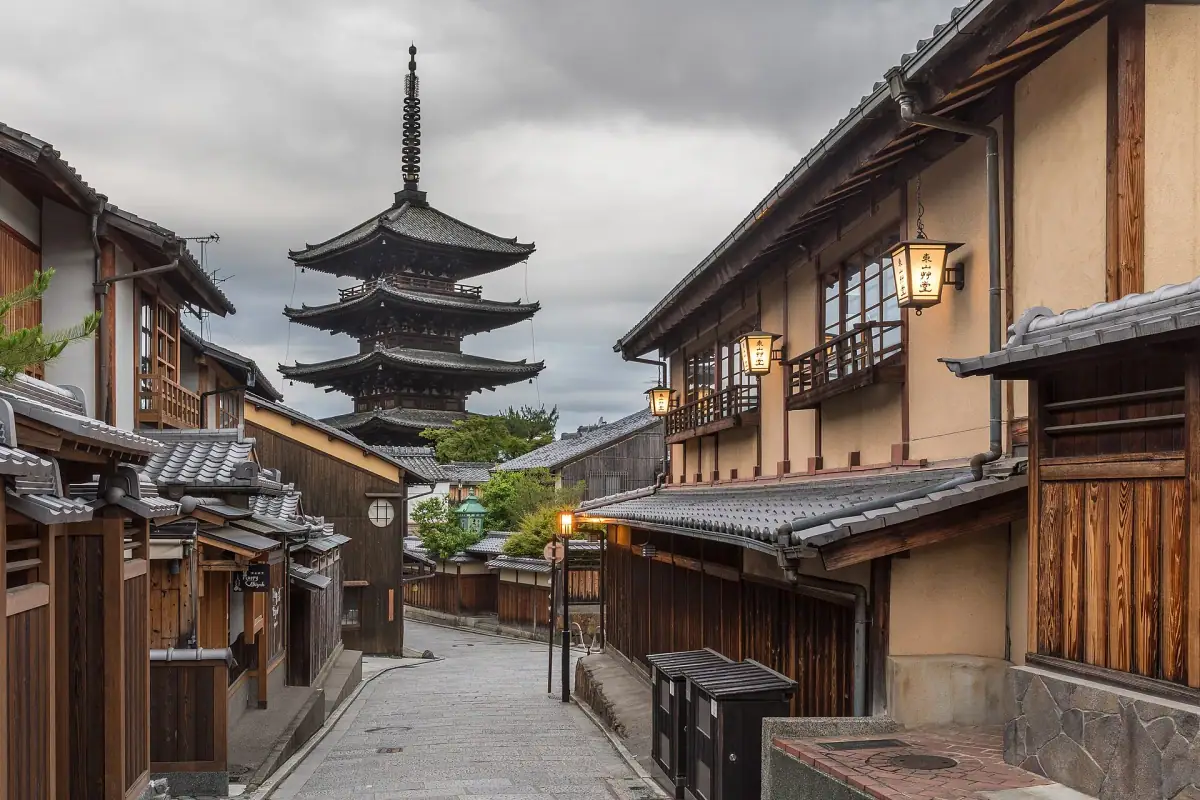
To reach the temple, you will walk steep streets lined with wooden houses, ceramics shops and traditional pastry shops, in the Higashiyama district. It is one of Kyoto’s most touristy areas: arrive at opening or late in the afternoon to enjoy the atmosphere.
Compare stays in Kyoto
Hotels, ryokan and apartments: check availability and reviews for your dates, especially in cherry blossom season and fall.
Gion: the district of maiko and teahouses
Gion is Kyoto’s historic district of traditional arts. Around Hanamikoji Street, wooden facades shelter teahouses (ochaya) where the geiko perform, the name given in Kyoto to geisha, and their apprentices, the maiko. The neighboring lanes, notably along the small Shirakawa canal, are among the most photogenic in the city.
A walk late in the day sometimes lets you glimpse a maiko on her way to an appointment. Remember that this is a district where people live and work: stay discreet, do not block the way and respect the signs limiting photography in some private lanes.
Nishiki Market: Kyoto’s kitchen
Nicknamed “Kyoto’s kitchen,” Nishiki Market is a long covered lane in the center of the city, where stalls of fish, pickled vegetables (tsukemono), tofu, pastries and seasonal products follow one another. It is an excellent place to taste several specialties in a few bites.
The market is liveliest in the middle of the day. Avoid eating while walking in the lane, as many shopkeepers ask you to eat near the stall. To go further, a cooking class or a food tour helps you understand the region’s specialties.
Guided visits and food tours in Kyoto
Discover Gion, Nishiki or the temples with a local guide: an effective way to understand what you see.
Arashiyama: bamboo grove, temple and river
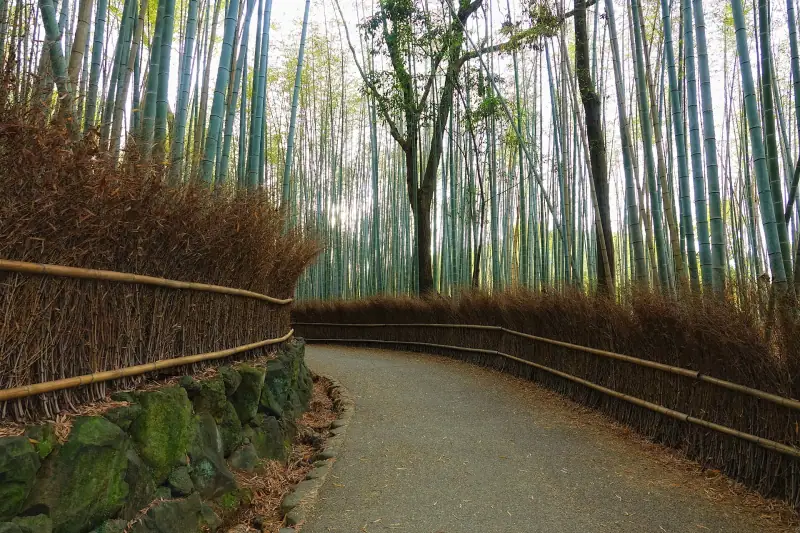
Located in the west of the city, Arashiyama is a district for nature and strolling. Its famous bamboo grove, a path lined with tall green stalks, is the area’s best-known image, but it is very busy: arrive early in the morning to walk it in peace.
Tenryu-ji temple, a UNESCO site, has a beautiful stroll garden whose views change with the seasons. The Togetsukyo bridge, crossing the Katsura river, and the wooded hills around complete the walk. Allow half a day to a full day depending on your wishes.
Kinkaku-ji: the Golden Pavilion
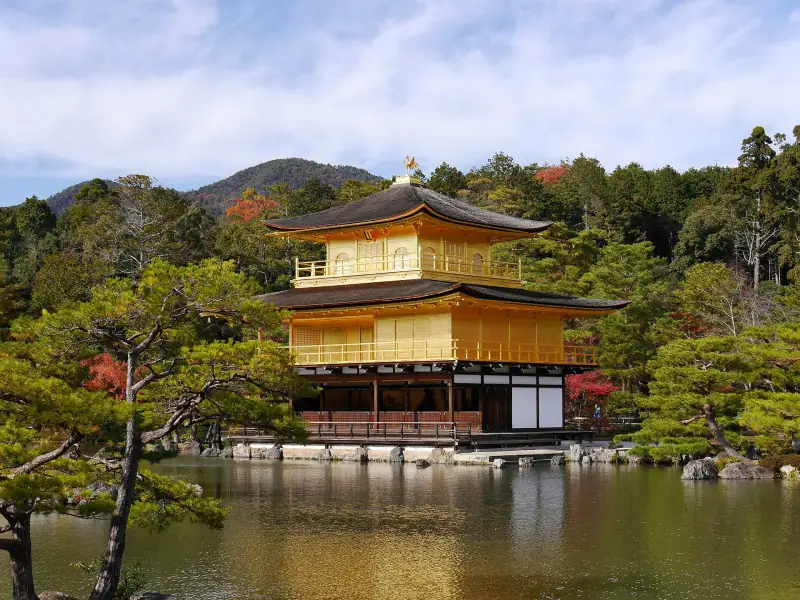
Kinkaku-ji, officially Rokuon-ji, is a Zen temple whose main pavilion is covered in gold leaf. It is reflected in a pond surrounded by a carefully composed garden. The visit follows a one-way route and generally lasts under an hour, but it offers one of Kyoto’s most famous views.
The current pavilion is a reconstruction: the original building was destroyed by fire in 1950. Pair it with neighboring Ryoan-ji, famous for its dry garden of stones and gravel, perfect for a meditative pause.
Nijo Castle: the history of the shoguns
Nijo Castle was the residence of the Tokugawa shoguns in Kyoto. It stands out for its rooms decorated with paintings on sliding panels and its so-called “nightingale” floors, designed to squeak slightly when an intruder passes. The gardens around the palace invite a quiet walk.
It is an interesting visit for understanding the shoguns’ power, in contrast to the imperial court, established in the Kyoto Imperial Palace, set in a large park in the center of the city.
The Philosopher’s Path and Ginkaku-ji
This walking path follows a canal in the east of the city, lined with cherry trees that attract many visitors in spring. It is about two kilometers (1.2 mi) long, and links several temples, including Ginkaku-ji, the “Silver Pavilion,” at the north end.
It is an ideal walk for a quiet half day, for example after Kiyomizu-dera, passing cafés and temples more modest than the big classics.
Nara: the day excursion
Japan’s first permanent capital in the 8th century, Nara is about 45 minutes from Kyoto by train. The city is famous for its park where deer roam freely, for Todai-ji temple and its immense bronze Buddha, and for Kasuga shrine.
Nara is easily visited on foot in a day. It can be combined with Fushimi Inari on the same train line, but a dedicated day is more comfortable. The deer are wild: buy only the food intended for them and do not hold out paper.
Find your flight to Japan
Compare airlines and schedules to Tokyo or Osaka, the two main entry points for reaching Kyoto.
How to organize your visit over two or three days
To limit travel, group the sights by area rather than following a list.
Day 1: the east of the city. Kiyomizu-dera and the lanes of Higashiyama in the morning, Nishiki Market at lunchtime, then Gion late in the afternoon.
Day 2: the west and north. Arashiyama early in the morning, then Kinkaku-ji and Ryoan-ji in the afternoon.
Day 3: your choice. Fushimi Inari early in the morning and Nara during the day, or Nijo Castle and the Philosopher’s Path for a calmer pace.
Choose lodging well served by train or subway, and see our guide when to go to Japan to choose the season. If your trip starts in the capital, our article on where to stay in Tokyo will help you prepare the first stage.
Our tips for avoiding the crowds
Set off early. Most big sights are clearly more pleasant in the first hours of the day. Fushimi Inari and Arashiyama, in particular, look completely different before the end of the morning.
Avoid peak periods. Cherry blossom season, Golden Week and mid-November are the busiest times. If you have flexibility, favor calmer periods.
Vary the sights. Alternate the big classics with lesser-known temples, often just as beautiful and quieter.
Respect the places. Take off your shoes where indicated, speak softly in temples and respect the bans on photography.
Plan for walking. A day in Kyoto easily means several kilometers on foot: good shoes are essential.
Frequently asked questions
How many days do you need to visit Kyoto?
Two days let you see the big classics, but three days are better to visit without rushing, add a less touristy neighborhood and enjoy the temples early in the morning or late in the day.
What is the best way to get around Kyoto?
Buses and the subway cover the city, but the sights are scattered and buses can be packed in high season. Many travelers combine train, subway, walking and sometimes cycling on the flat areas of the center.
When can you see cherry blossoms and red leaves in Kyoto?
Cherry trees generally bloom in late March or early April, and maples turn red mainly in November. These are also the busiest periods: book lodging long in advance.
Can you see geisha in Gion?
You sometimes cross paths with maiko and geiko in the Gion district late in the day, but they are professionals at work: do not follow them, do not block their way and photograph discreetly. Organized shows and meetings are a respectful alternative.
Can you visit Nara from Kyoto in a day?
Yes, Nara is about 45 minutes from Kyoto by train. It is a very classic excursion, which can be combined with Fushimi Inari, located on the same railway line.
More Japan guides
Keep reading
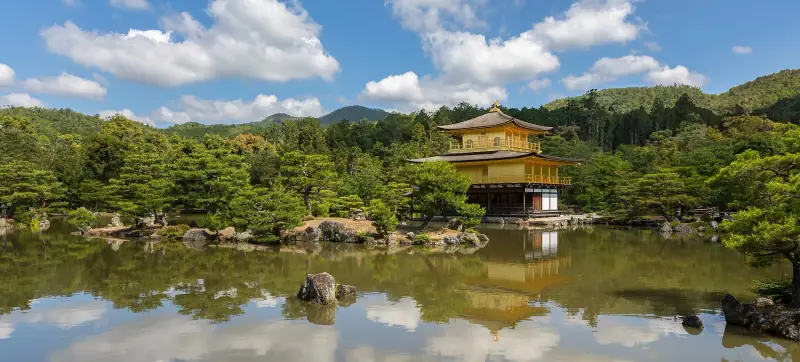
Complete guide to visiting Japan: regions, highlights, budget and tips
Everything to plan your trip to Japan: regions and cities, highlights, when to go, transport, lodging and budget, with links to our detailed guides.
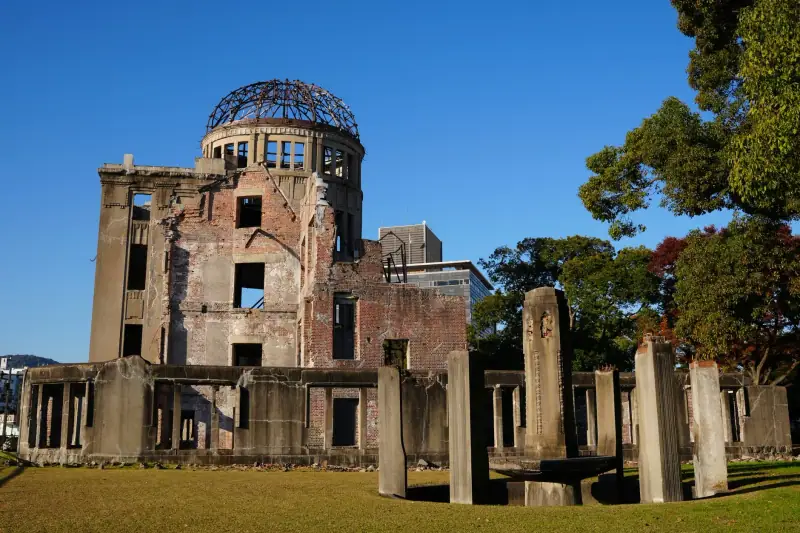
What to do in Hiroshima and Miyajima: memorial, floating torii and local flavors
Peace Park, Atomic Bomb Dome, Miyajima island, Mount Misen and okonomiyaki: what to do in Hiroshima in 2 days, with routes and practical tips.
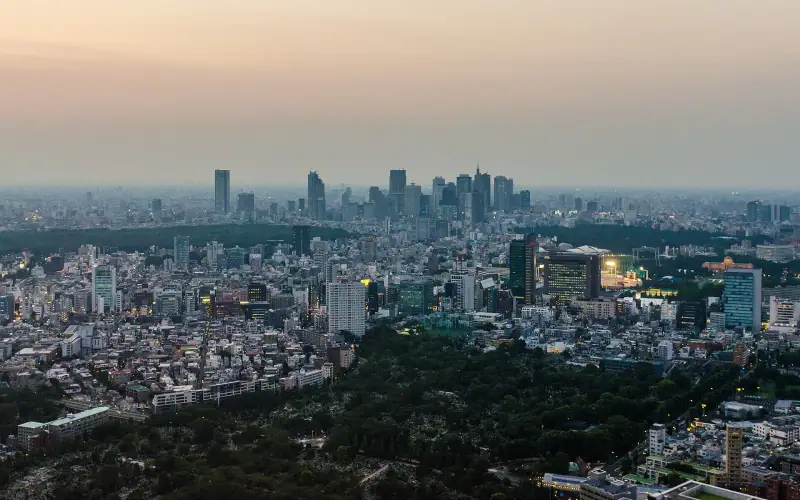
What to do in Tokyo: the highlights of the Japanese capital in 4 days
Asakusa, Shibuya, Shinjuku, Meiji Jingu, Akihabara, Ueno: what to do in Tokyo in 3 to 4 days, how to organize visits by neighborhood and avoid the crowds.
Ready-made
Japan itineraries
5 days
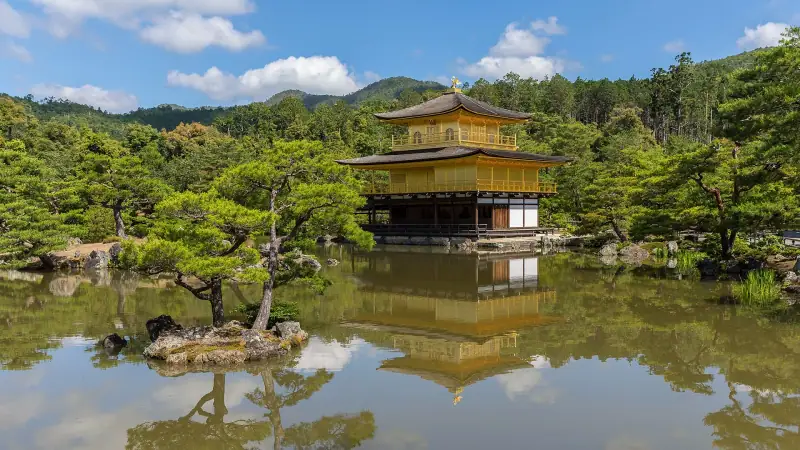
Kyoto, Nara and Osaka in 5 days: a day-by-day itinerary
A 5-day Kansai itinerary: Kyoto temples, Nara deer and Osaka street food, with transport, tips and mistakes to avoid.
10 days
Japan in 10 days with kids: stops, journeys and a realistic pace
TokyoHakoneKyoto
5 days
Tokyo, Hakone and Mount Fuji in 5 days: a detailed itinerary
A 5-day itinerary through Tokyo, Hakone and the Mount Fuji lakes: trains, onsen, volcano views, budget and mistakes to avoid on a first trip.