What to see
What to do in Tokyo: the highlights of the Japanese capital in 4 days
We may earn a commission when you book through links on this page, at no extra cost to you. We don't visit or try the places we cover: we summarize published sources. How we work
In short
- Three days cover the classics and four leave time to wander and add an excursion; group visits by neighborhood rather than crossing the city repeatedly.
- Suggested split: Asakusa and Ueno or Akihabara, then Meiji Jingu, Harajuku and Shibuya, then Shinjuku with its free observatory, then a day trip.
- Subway and train lines cover almost all tourist sights; a rechargeable transport card, also usable on a phone, avoids buying a ticket each trip.
- Classic day trips: Kamakura (a little over an hour by train), Nikko (about two hours each way), Hakone and the Mount Fuji area.
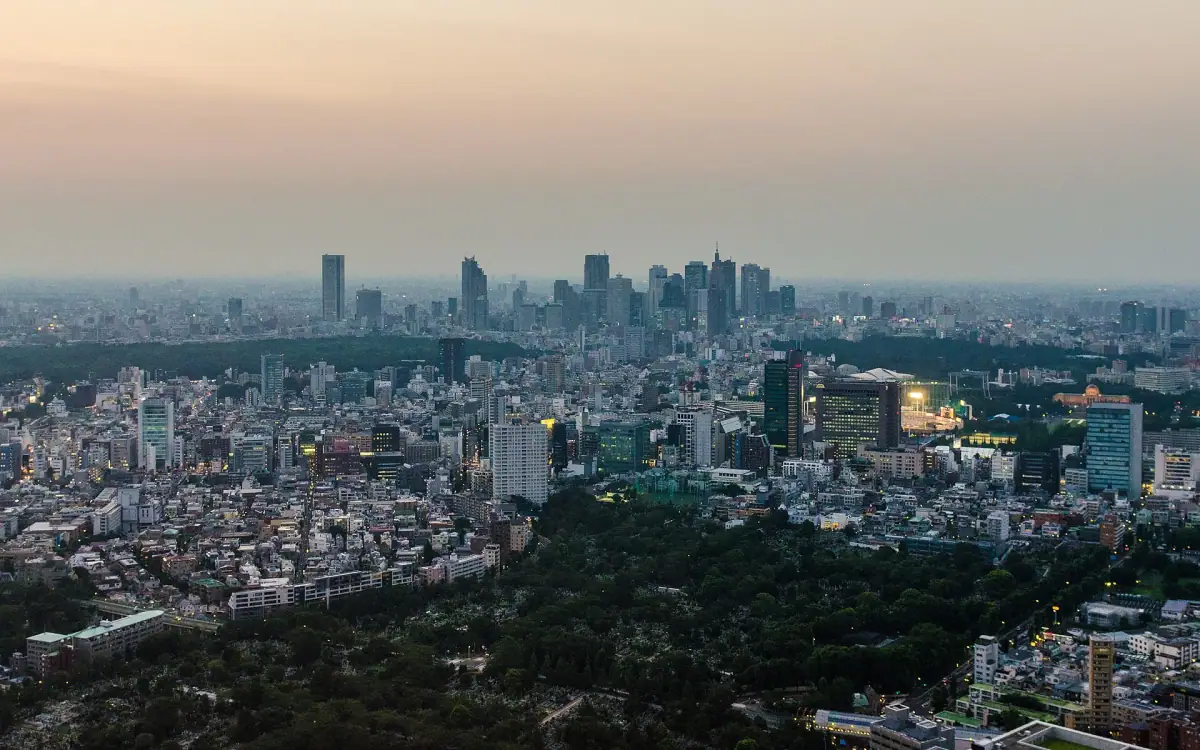
Tokyo is dizzying. With one of the largest urban areas in the world, the Japanese capital places side by side centuries-old temples, crossings saturated with screens, lanes of tiny bars and districts entirely devoted to manga or electronics. The shock is real, but the city is also one of the cleanest, safest and most efficient to get around.
The key to a successful stay is to think by neighborhood. Each area has its personality and can be visited in half a day to a day. This guide suggests a split over three to four days, with general tips for avoiding the crowds. If you are preparing a wider trip, see our two-week itinerary for Japan and our guide to sleeping in Tokyo.
Asakusa and Senso-ji: old Tokyo
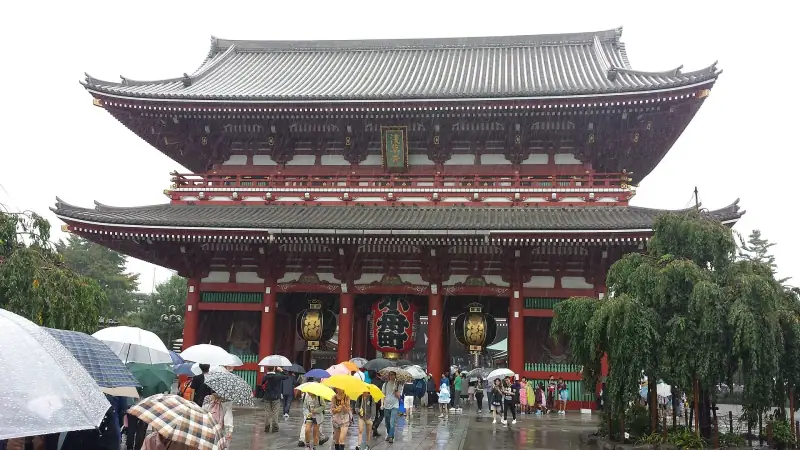
Asakusa is the ideal neighborhood to start with, as it keeps an older atmosphere than the rest of the capital. Its centerpiece is Senso-ji, the city’s oldest temple, whose origin goes back to the 7th century according to tradition. You reach it through the Kaminarimon gate, hung with an immense red lantern, then along the Nakamise shopping street, lined with souvenir shops and traditional sweets.
The temple is very busy during the day, especially on weekends. If you can, come early in the morning or late in the day: the light is softer, the groups fewer, and the buildings are nicely lit in the evening. Take time to discover the neighboring lanes, where you find small family restaurants and craft shops.
From the district, a walk along the Sumida river offers a view of the Tokyo Skytree, the big telecommunications tower that dominates the east of the city. It houses an observation deck, but it is not essential if you already plan another high viewpoint.
Compare stays in Tokyo
Shinjuku, Asakusa, Ueno or Shibuya: compare hotels by neighborhood and dates, especially in spring and fall.
Ueno and Akihabara: museums, park and pop culture
Ueno is the district of museums and greenery. Its large park houses several cultural institutions, including the Tokyo National Museum, devoted to Japanese art and archaeology, as well as a zoo. In spring, the cherry-lined paths draw crowds for the bloom. The markets bordering the station, lively and popular, offer a pleasant contrast with the calm of the park.
A few train stops away, Akihabara is the kingdom of electronics, video games, manga and Japanese animation. Even if you are not a collector, it is worth strolling there for its multi-story buildings filled with arcade games and specialty shops. It is a very lively district in the evening.
These two districts combine well on the same day: museums and park in the morning, Akihabara late in the afternoon. Allow a good half day for Ueno if you want to enter a museum, and two to three hours for Akihabara.
Shibuya and Harajuku: youth and fashion
Shibuya is famous for its pedestrian crossing, one of the busiest in the world, where hundreds of people cross at each green light. To watch it from above, several surrounding buildings offer viewpoints, and some require advance booking. The district is most pleasant at nightfall, when the screens light up and bars and restaurants fill.
On foot, you reach Harajuku, the district of fashion and Japanese youth trends. Takeshita Street is a very lively passage, full of colorful shops and crepe stands. The neighboring streets, calmer, house designer boutiques and cafés.
Between the two, the walk is easy: allow roughly half a day for both districts. Avoid weekend evenings if crowds bother you.
Meiji Jingu: a calm pause in the middle of the city
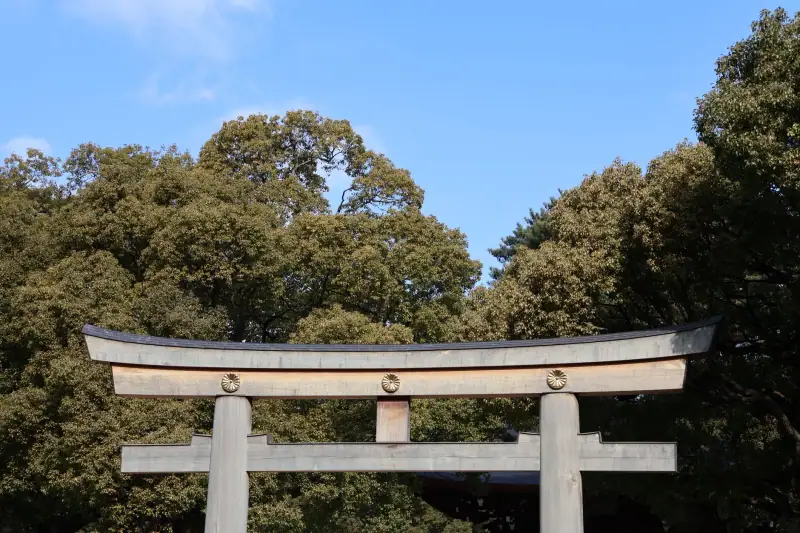
Steps from Harajuku, Meiji Jingu shrine is dedicated to Emperor Meiji and his wife. It is surrounded by a vast forest planted in the early 20th century, which gives the feeling of being far from the city from the first steps under the great wooden gate.
The walk to the shrine takes a few minutes along wide gravel paths. With a little luck, you will cross paths with a traditional wedding procession, a frequent sight depending on the day. Observe the usual customs: purify your hands at the fountain, bow before the gate and avoid photographing ceremonies too closely.
It is an excellent complement to Shibuya and Harajuku, as it offers an immediate contrast with the neighboring bustle. Allow one to one and a half hours there.
Guided visits and activities in Tokyo
Walking tours with a local guide, excursions to Mount Fuji or Kamakura: see the activities offered and their reviews.
Shinjuku: skyscrapers, lanes and nightlife
Shinjuku is a district with two faces. In the west, business skyscrapers house the Metropolitan Government Building, whose observatories offer, according to official information, free access and a wide view over the city and, in clear weather, of Mount Fuji. In the east, Kabukicho concentrates neon, bars and nighttime entertainment.
Between the two, Shinjuku Station is known as one of the busiest in the world. It can be disorienting: identify the exit you need before setting off. The small lanes near the station, filled with tiny bars and skewer restaurants, offer a typical Tokyo evening atmosphere. Stay a little cautious in the liveliest parts of the district, as in any big city.
For a simple evening, dine in one of these lanes, then go up to an observatory for the view of the city lights. Our guide on what to eat in Japan will help you choose what you want to taste.
Possible excursions from Tokyo
If you stay more than four days, Tokyo is a good base for day getaways.
Kamakura. This former shogunate capital, by the sea, has temples, a great bronze Buddha and hiking trails. It is reachable by train in a little over an hour from central Tokyo.
Nikko. Known for its richly decorated shrines and temples, a World Heritage site, Nikko lies north of the capital. Allow about two hours each way: it is a full day.
Hakone and Mount Fuji. The Hakone region offers onsen, lakes and, if the weather is clear, a view of Fuji. It lends itself better to a night there than a round trip, but the day excursion remains possible.
To organize these trips, our article on the Shinkansen and the Japan Rail Pass details the transport options. If you prefer not to manage the logistics, organized excursions exist.
Excursions from Tokyo
Mount Fuji, Hakone, Nikko or Kamakura: compare day excursions with transport and a guide.
Organizing your 4 days in Tokyo
Here is a simple split, to adapt to your pace and the weather.
- Day 1: Asakusa in the morning, a walk by the Sumida, then Ueno or Akihabara in the afternoon.
- Day 2: Meiji Jingu in the morning, Harajuku, then Shibuya late in the day.
- Day 3: Shinjuku, its free observatory and its lanes in the evening.
- Day 4: an excursion to Kamakura, Nikko or Hakone, or a free day as you wish.
A few practical tips: summer is hot and humid, spring and fall are the most pleasant seasons (see our guide when to go to Japan), and transport is very punctual but packed at rush hour. Bring good shoes: you walk a lot, often more than ten kilometers (6 mi) a day.
For the rest of the trip, Kyoto is the natural next stop: see our guide what to do in Kyoto.
Frequently asked questions
How many days do you need to visit Tokyo?
Three days let you see the big classics, four days leave time to wander and add an excursion. Tokyo is huge: it is better to group visits by neighborhood than to cross the city several times.
Which neighborhood should you choose to sleep in Tokyo?
Shinjuku is practical for its many lines and its buzz, Asakusa and Ueno for a more traditional mood and often lower rates, Shibuya for nightlife. Our dedicated guide details each area.
Do you need to book ahead to visit Tokyo?
Most temples and neighborhoods can be visited freely. It is however advisable to book some in-demand places in advance, such as museums with limited capacity or the most popular viewpoints, checking conditions on the official sites.
How do you get around Tokyo?
The city's subway and train lines cover almost all tourist places. A rechargeable transport card, also usable on a phone, avoids buying a ticket for each trip.
Can you take a day trip from Tokyo?
Yes. Kamakura, Nikko, Hakone or the Mount Fuji region are classic day trips by train or bus, although Hakone and Nikko deserve a night there if you have time.
More Japan guides
Keep reading
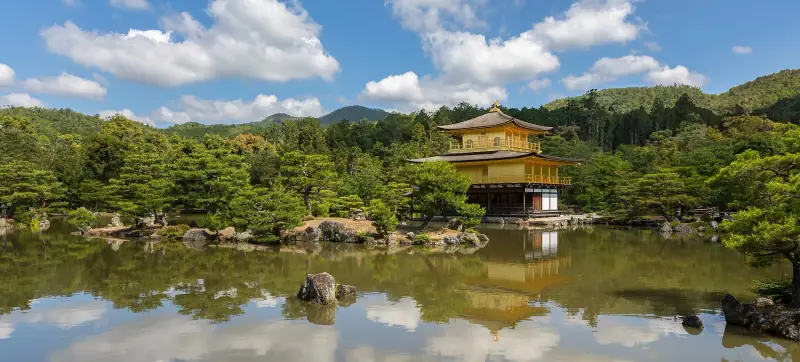
Complete guide to visiting Japan: regions, highlights, budget and tips
Everything to plan your trip to Japan: regions and cities, highlights, when to go, transport, lodging and budget, with links to our detailed guides.
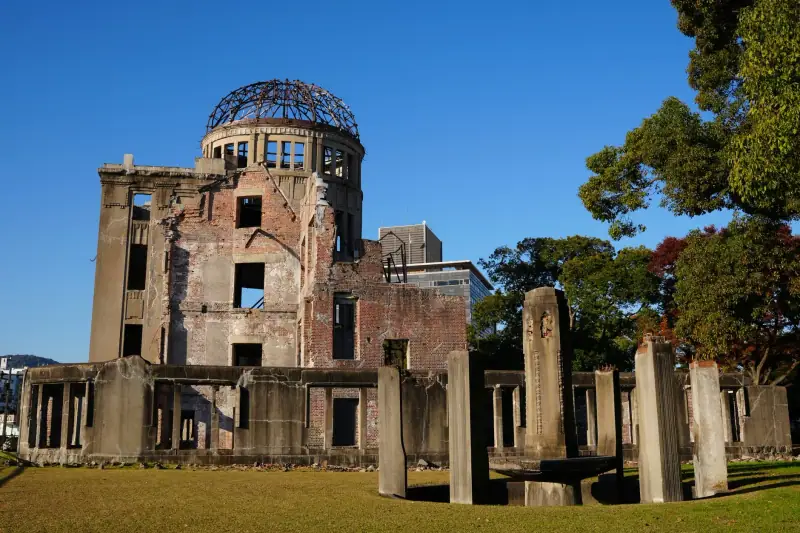
What to do in Hiroshima and Miyajima: memorial, floating torii and local flavors
Peace Park, Atomic Bomb Dome, Miyajima island, Mount Misen and okonomiyaki: what to do in Hiroshima in 2 days, with routes and practical tips.
What to do in Kyoto: the 9 must-see sights in the former capital
Fushimi Inari, Kinkaku-ji, Arashiyama, Gion, Kiyomizu-dera: Kyoto's highlights, how to organize them over 2 to 3 days and tips to avoid the crowds.
Ready-made
Japan itineraries
5 days
Kyoto, Nara and Osaka in 5 days: a day-by-day itinerary
A 5-day Kansai itinerary: Kyoto temples, Nara deer and Osaka street food, with transport, tips and mistakes to avoid.
10 days
Japan in 10 days with kids: stops, journeys and a realistic pace
TokyoHakoneKyoto
5 days
Tokyo, Hakone and Mount Fuji in 5 days: a detailed itinerary
A 5-day itinerary through Tokyo, Hakone and the Mount Fuji lakes: trains, onsen, volcano views, budget and mistakes to avoid on a first trip.