What to see
Complete guide to visiting the American West: parks, cities, budget and tips
We may earn a commission when you book through links on this page, at no extra cost to you. We don't visit or try the places we cover: we summarize published sources. How we work
In short
- Plan at least 10 days for the Utah and Arizona parks from Las Vegas, and 15 days to three weeks to add Yosemite, Death Valley and the California coast.
- Spring (April to early June) and fall (September to October) offer the best compromise of temperatures, open roads and crowds.
- A rental car is essential in the vast majority of cases; keep average driving to four or five hours a day.
- Fix the hard points first (Antelope Canyon, nights near Zion and Yosemite), then book the rest; lodging is often the heaviest expense.
There are few regions in the world where the landscapes scroll by with such variety: from the red canyons of Utah to the granite cliffs of Yosemite, from the neon of Las Vegas to the mists of San Francisco, from the buttes of Monument Valley to the coastal road of Big Sur. The American West is a destination of superlatives, but also one that must be prepared. Distances are enormous, seasons contrasted, and the most famous parks require you to plan schedules, reservations and lodging ahead.
This complete guide is the starting point of this site. It presents the regions and cities, the highlights, the best period, how to get there and around, lodging options and the budget. At each step, it points to our detailed guides so you can go deeper on the topics that matter for your trip.
The American West at a glance
“The American West” is not an administrative region, but a way of designating the southwest quarter of the United States, the one that makes travelers dream: a great expanse of deserts, plateaus, canyons and mountains, bordered on the west by the Pacific Ocean. For a first trip, people generally speak of five big areas, which we use throughout this guide.
- Arizona: the Grand Canyon, the town of Page with Antelope Canyon and Horseshoe Bend, and Monument Valley, straddling the border with Utah.
- Utah: the land of national parks, with Zion, Bryce Canyon, Arches and Canyonlands, among cliffs, sandstone arches and hoodoos.
- Nevada: Las Vegas, a very practical gateway to the region, and desert landscapes like the Valley of Fire.
- California: Yosemite, Death Valley, but also the big coastal cities, San Francisco and Los Angeles, and the Pacific road.
- New Mexico: White Sands and Santa Fe, a possible extension for those with more time.
The common point of all these stops: the car. The territory is vast, and even a “tight” circuit adds up to well over 1,000 miles (several thousand km) in total. It is a trip where the journey is part of the pleasure, provided you plan it realistically.
The big cities: gateways and urban stops

Cities are not the first reason to come to the American West, but they structure almost every itinerary: you land there, rent your car there, stop there before or after the great open spaces.
Las Vegas: the gateway to the desert
Las Vegas is the most practical starting base to explore the parks of the Southwest. It is served by frequent flights, offers a wide choice of car rentals and hotels, and is a few hours’ drive from Zion, the Grand Canyon, the Valley of Fire and Death Valley. It is also a destination in its own right: the Strip, the big casino resorts, the shows and the restaurants are worth a day or two, no more for most road trippers.
One point to watch in the budget: many hotels charge mandatory fees on top of the advertised price. Always check the total before booking, and if possible book your night early in the week, when rates are lower.
San Francisco: fog, hills and the Pacific
San Francisco is the most European-feeling urban stop of the American West: its varied neighborhoods, its hills, its Golden Gate Bridge and its cable cars make it a pleasant city to explore on foot and by public transit. It is also the most practical base to reach Yosemite, a few hours’ drive east. Even in summer, the city’s climate can stay cool and foggy: bring a jacket.
Los Angeles: urban immensity
Los Angeles is a sprawling metropolis, where everything is done by car. You come for the beaches, the neighborhoods of Hollywood, Santa Monica, the museums and the California atmosphere. In a road trip, it is often the arrival or departure point, notably for international flights. Allow time for traffic and for returning the rental car.
The stop towns: Page, Moab, Flagstaff and Springdale
Four small towns play a key role in organizing a trip:
- Page, in Arizona, is the base for Antelope Canyon, Horseshoe Bend and Lake Powell.
- Moab, in Utah, is the gateway to Arches and Canyonlands, and a hub for mountain biking and outdoor sports.
- Flagstaff, in Arizona, is a comfortable stop on the way to the Grand Canyon, at the foot of forested mountains.
- Springdale, at the entrance of Zion, lets you sleep a few minutes from the park and use the shuttles.
These stop towns concentrate motels and restaurants at every price. We detail them in our guide to where to stay in the American West.
Where to stay in Las Vegas?
Compare hotels for your dates and check the total price with mandatory fees before booking.
The national park highlights
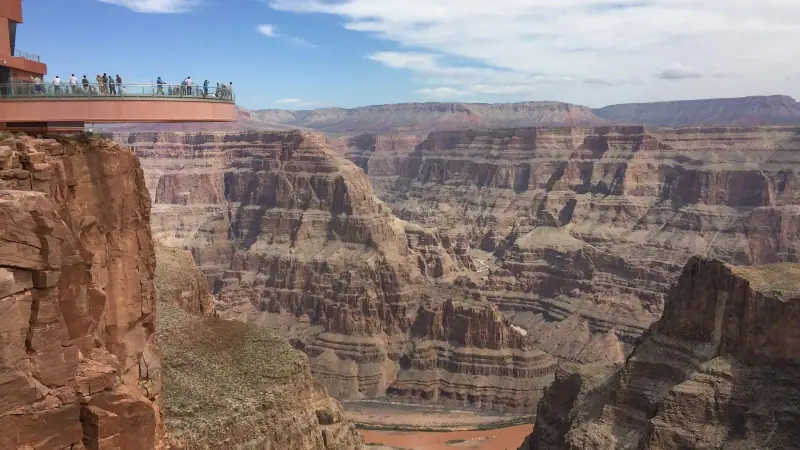
The heart of the trip is the great protected spaces. Here are the stops found in almost every circuit, with a pointer to our detailed guide for each.
The Grand Canyon: immensity
The Grand Canyon, in Arizona, is the absolute reference: a gigantic rift carved by the Colorado River, well over 100 miles (several hundred km) long and over 3,300 ft (1 km) deep in places. Most visitors discover the South Rim, accessible year-round, with its developed viewpoints, its trails at the edge of the void and its shuttles. Sunrise and sunset are especially spectacular there. Our guide to visiting the Grand Canyon (South Rim) details the viewpoints and hikes, with the precautions to take: going down into the canyon is easy, climbing back out is much less so.
Zion National Park: cliffs and river
Zion, in Utah, is a narrow canyon with vertical red and cream cliffs, crossed by the Virgin River. In season, a shuttle serves the main canyon, which avoids parking problems. The park offers very varied hikes, from easy walks to exposed routes or routes in the river, which depend on weather conditions and water level. You will find all the tips in visiting Zion National Park.
Bryce Canyon: the kingdom of hoodoos
Bryce Canyon is not a canyon in the strict sense, but an amphitheater of orange rock chimneys, the hoodoos, that you discover from overlooks or by walking down among them. At high elevation, the park is cooler than its neighbors and can be snowy in winter, which offers very different landscapes. Our guide to visiting Bryce Canyon helps you organize your visit.
Antelope Canyon and Horseshoe Bend
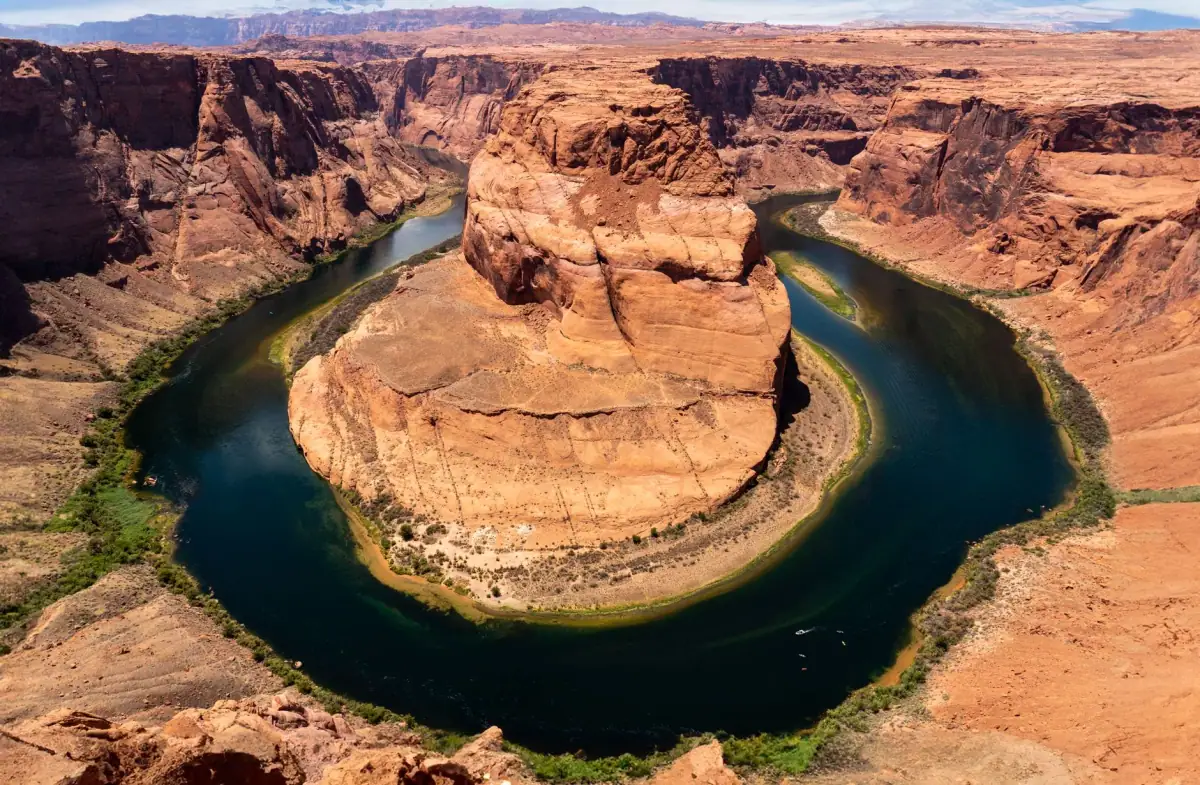
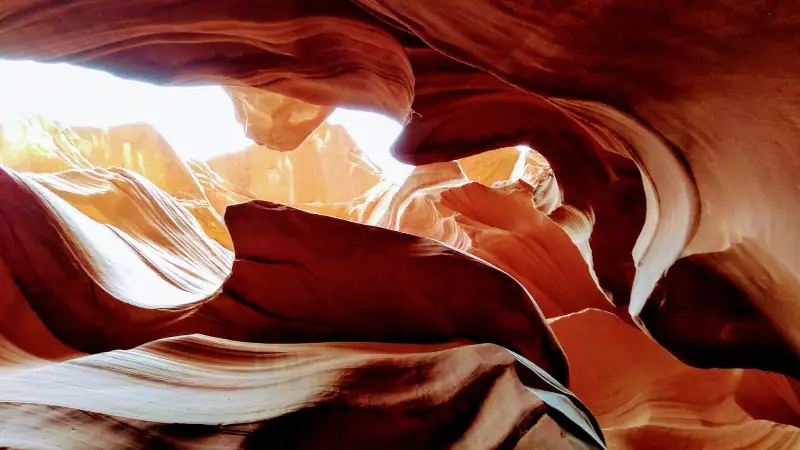
Near Page, two much-photographed sites can be visited in half a day: the slot canyon of Antelope Canyon, where light draws beams in the sculpted sandstone, and the Horseshoe Bend meander that the Colorado River draws at the foot of the cliff. Antelope Canyon can be visited only with a licensed guide, by reservation: everything is detailed in Antelope Canyon and Horseshoe Bend.
Monument Valley: the image of the Wild West
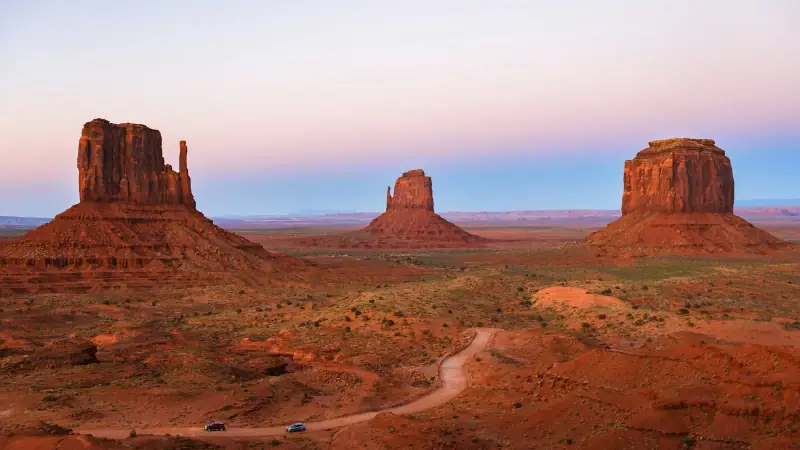
Monument Valley, on the border between Arizona and Utah, lies on Navajo land. Its red buttes, which became the very image of the American West through cinema, are discovered by a scenic drive or on a tour with a Navajo guide, who offers valuable cultural insight. Our article on visiting Monument Valley explains how to organize the visit and respect the rules of the place.
Arches and Moab: the land of sandstone arches
Arches National Park, near Moab, concentrates a large number of natural red sandstone arches. The best-known sites are visited on short hikes, but some trails are exposed to heat in summer. Moab also serves as a base for Canyonlands and for many outdoor activities. See visiting Arches National Park and Moab.
Yosemite: granite, waterfalls and sequoias
Yosemite, in California, is a spectacular mountain park, with its granite cliffs, its waterfalls in spring and its forests of big trees. The park is famous for its valley, but its highlands, accessible only when the Tioga Pass road is open, are just as remarkable. The season plays a decisive role: see visiting Yosemite before fixing your dates.
Death Valley, the Valley of Fire and the deserts
Between Las Vegas and California, two desert areas deserve a detour. Death Valley is one of the hottest places on the planet in summer, but it is very pleasant in winter and early spring, with its dunes, salt flats and colorful viewpoints. The Valley of Fire, a short distance from Las Vegas, offers easily accessible red sandstone formations. These are two stops to visit at specific times of the year.
Grand Canyon and park excursions
If you don't drive, or want a day without the wheel, guided excursions from Las Vegas are an option.
When to go to the American West
The season is probably the most important criterion, because the region combines extreme climates: crushing heat in the low deserts, snow at elevation, fog on the Pacific coast. The general principle is simple:
- Spring (April to early June): pleasant temperatures in the deserts, Yosemite’s waterfalls at their peak, but high mountain roads sometimes still closed.
- Summer (June to August): vacation period, heavy crowds, extreme heat in Death Valley and in the canyons of southern Utah. It is the season for Yosemite’s high country.
- Fall (September to October): often considered the best period, with milder temperatures and fewer people, while keeping most roads open.
- Winter (November to March): ideal for Death Valley, Las Vegas and the low deserts, but cold and snowy on the plateaus, with mountain roads closed.
Our guide to when to go to the American West details each month and the precautions to take, notably during the thunderstorm season, when flash floods can make narrow canyons dangerous.
How to get to the American West
Flights
The main gateways are Los Angeles, San Francisco and Las Vegas.
For a road trip, the open-jaw ticket (arriving in one city, returning from another) is very practical: for example arriving in Las Vegas and leaving from Los Angeles or San Francisco. Rental companies generally charge a fee for returning the car in another city, to compare with the price of the flight.
Compare flights to the American West
Into Las Vegas, out of Los Angeles or San Francisco: compare combinations for your dates.
Entry requirements
Entry rules depend on your passport. Check the official travel advice of your government before you book: travel.state.gov (US), GOV.UK (UK), travel.gc.ca (Canada), Smartraveller (Australia) (checked November 2026). Use only official government websites for any travel authorization, and beware of intermediary sites that charge extra fees. Also think about travel insurance, essential in the United States where health costs can be very high. All the details, including customs, driving licenses and payments, are in our guide to formalities for the American West.
How to get around: the car is king
Renting a car
The rental car is the reference means of transport: it gives the freedom to choose your schedules, stop at viewpoints and reach the parks. A few tips:
- Book ahead, especially in high season, and compare insurance and mileage conditions.
- Choose a comfortable vehicle: you spend long hours at the wheel, often on straight, shadeless roads.
- Check the fees for returning in another city and for an additional driver.
- Check the conditions regarding unpaved roads: some tracks are not covered by standard contracts.
Driving license rules depend on your country: check the current requirements with your rental company and the states you cross.
Distances to know
Here are rough figures for the main drives, without stops or traffic. They vary with the exact route and road conditions:
- Las Vegas to Zion: about 3 hours of driving.
- Zion to Bryce Canyon: about 2 hours.
- Bryce Canyon to Page: about 3 hours.
- Page to Monument Valley: about 2 h 30.
- Las Vegas to the Grand Canyon (South Rim): about 4 h 30 to 5 h.
- Las Vegas to Los Angeles: about 4 hours.
- San Francisco to Yosemite: about 4 hours.
The golden rule: don’t exceed four to five hours of driving a day on average, and keep the long legs for times when they don’t sacrifice an important visit. Our 15-day road trip applies this logic.
Driving and planning for gas
Driving is easy: well-kept roads, clear signage, automatic transmission almost universal. The main pitfall is the distance between gas stations in desert areas: fill up as soon as the tank drops below half and before committing to an isolated road. Always keep water and provisions in the car.
Going without a car?
It is hard to visit the American West without a car. Public transit hardly serves the parks, except for a few internal shuttles (as at Zion or the Grand Canyon). For travelers who don’t drive, an alternative is to stay in Las Vegas or a big city and book guided day excursions to the major sites.
Where to stay in the American West
Lodging is often the heaviest and most constraining expense: near the most popular parks, supply is limited and prices climb very fast as the season approaches. The main options:
- Motels and chain hotels: the classic choice, practical and reliable, found in all the stop towns.
- Las Vegas hotels: very varied, sometimes cheap midweek, with mandatory fees to watch.
- Park lodges: inside or at the entrance of the parks, they offer an ideal location, but must be booked very far in advance.
- Campgrounds: an economical option for equipped travelers, but subject to reservations in the busiest parks.
- Apartment or house rentals: useful for families and stays of several nights in the same place.
A tip on method: fix the hard points first, such as the Antelope Canyon visit or nights in the villages near Zion and Yosemite, then book the rest around them. Our guide to where to stay in the American West tells you the best base for each park, and the booking conditions to check before paying.
What budget should you plan?
It is hard to give a single figure, because the budget depends on many parameters: length, season, number of travelers, comfort sought. It is better to reason by expense items.
- The flight: one of the most variable items depending on season and booking date. Compare several arrival and departure airports.
- The car: the price depends on category, length and fees for returning in another city. Extra insurance and an additional driver push up the bill.
- Lodging: often the first item of spending on the ground. Traveling as a couple or a family lets you share a room, which noticeably lowers the cost per person.
- Gas: distances are long. Calculate based on your total mileage.
- Park entrances: access to national parks is paid, with a fee per vehicle or per person. An annual pass can pay off if you chain several parks; see the official National Park Service website for current fees, which can vary with your resident status.
- Meals: portions are generous, and a meal at a standard restaurant costs more once the tip is added, usually 15 to 20%. A hotel breakfast, a picnic and supermarket groceries help limit spending.
- Activities: guided tours (Antelope Canyon, Monument Valley), helicopter or boat excursions, shows in Las Vegas.
Finally, think about travel insurance and small costs: parking in cities, tolls, water, bank cards (contactless payments are very common). Compare prices for your exact dates rather than relying on an average.
A few itinerary ideas
The American West lends itself to many circuits. Here are three formulas, which you can adapt to your length.
The 15-day grand classic
It starts from Las Vegas, goes through Zion, Bryce Canyon, Page, Monument Valley and the Grand Canyon, returns to Las Vegas to reach Death Valley, crosses the Sierra Nevada to Yosemite, then reaches San Francisco and ends in Los Angeles along the coast. This is the formula detailed in our 15-day itinerary, which balances open spaces, nature and cities.
The short version, 8 to 10 days
For less time, concentrate on the Colorado Plateau parks: Las Vegas, Zion, Bryce Canyon, Page, Monument Valley and the Grand Canyon. You avoid the long transfers to California and gain in calm. If your stay is in winter, favor instead Las Vegas, Death Valley, the Grand Canyon and the coast.
The long version, 3 weeks
With more time, add Moab, Arches and Canyonlands, an extra night in the parks to enjoy the morning and evening light, as well as the California coast road. You can also extend to New Mexico for White Sands and Santa Fe, or plan “buffer” days for the unexpected.
Practical tips for a successful trip
- Plan reservations ahead. Some parks and trails require permits or timed reservations in high season, and the rules change from year to year: check each park’s official website.
- Watch the weather. Thunderstorms can cause flash floods in canyons. Never enter a slot canyon or a canyon river if there is a storm in the area.
- Drink a lot. In the deserts, dehydration comes fast. Bring plenty of water and start early for exposed hikes.
- Respect protected areas. Stay on the trails, don’t approach wildlife and leave no trash. On Navajo land, follow local rules.
- Manage the time difference between states. Arizona does not observe daylight saving time (except the Navajo Nation), whereas Utah and Nevada do: the time can change when crossing the border.
- Download offline maps. Cell coverage is weak in many parks and on isolated roads.
- Get good insurance. Medical costs in the United States can be very high; check what your credit card covers and top up if needed.
- Allow margins. A closed road, a sandstorm or snow can upset a day. Keep half a day of flexibility in your schedule.
Where to start?
If you are preparing your first trip, here is the order we recommend:
- Pick your travel dates with our guide to when to go, since they shape everything else.
- Check the formalities: passport, entry requirements, insurance and driving license.
- Choose an itinerary, for example the 15-day road trip, and adjust it to your length.
- Book the hard points, then the lodging, with the help of our guide to where to stay.
- Go deeper on each stop with our dedicated guides: Grand Canyon, Monument Valley, Zion, Bryce Canyon, Antelope Canyon and Horseshoe Bend, Arches and Moab and Yosemite.
The American West takes a little preparation, but it gives back a hundredfold: monumental landscapes, a unique light and roads that are part of the trip. With a good calendar, a realistic itinerary and reservations made in time, you will enjoy every stop to the fullest.
Frequently asked questions
How long does it take to visit the American West?
Plan at least 10 days for a circuit centered on the parks of Utah and Arizona from Las Vegas, and 15 days to three weeks if you want to add Yosemite, Death Valley and the California coast. Distances are very long: it is better to see fewer sites than to exhaust yourself on the road.
What is the best time to go?
Spring (April to early June) and fall (September to October) offer the best compromise between temperatures, open roads and crowds. Summer is very hot in the deserts, winter closes some mountain roads. Our month-by-month guide details each season.
Do you need a visa for the United States?
Entry rules depend on your passport. Check the official travel advice of your government before you book: travel.state.gov (US), GOV.UK (UK), travel.gc.ca (Canada), Smartraveller (Australia) (checked November 2026). Use only official government websites for any travel authorization.
Is it essential to rent a car?
In the vast majority of cases, yes. The parks are very far from each other and public transit there is almost non-existent. If you don't drive, organized excursions from Las Vegas or Los Angeles let you see a few major sites, such as the Grand Canyon or Antelope Canyon.
What budget should you plan for an American West road trip?
The budget depends mostly on the season, the type of lodging and the length of the car rental. The main items are the flight, the car, lodging (often the heaviest, as prices climb near the parks), gas, park entrances and meals. Compare prices for your exact dates and plan a margin for the unexpected.
Do you need to book lodging in advance?
Yes, especially for villages near the parks (Springdale, Page, Moab, Yosemite) and for high season. Some visits, like Antelope Canyon, are possible only with a licensed guide and by reservation. Book the hard points first, then the rest of the circuit.
Is the American West suitable for families?
Yes, provided you adapt the pace: shorter driving days, easy hikes, plenty of water and attention to the heat. Stops like the Grand Canyon, Bryce Canyon or the California coast suit kids well, while some exposed trails are best avoided.
More American West guides
Keep reading
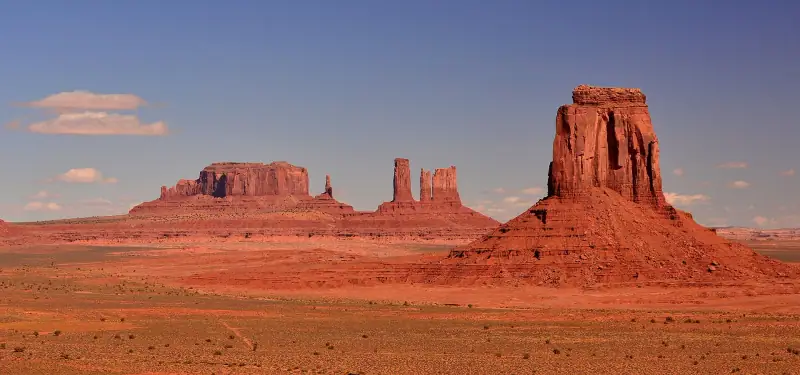
Visiting Monument Valley: buttes, scenic drive and Navajo-guided tours
Plan your Monument Valley visit: scenic drive, Navajo-guided tour, sunrise, Forrest Gump Point, lodging and where it fits in your road trip.
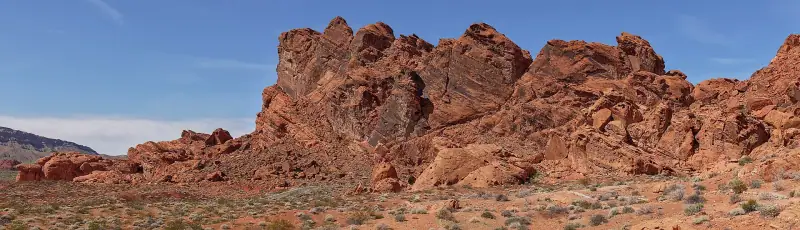
Valley of Fire or Red Rock Canyon: which to visit in half a day from Las Vegas?
Valley of Fire or Red Rock Canyon from Las Vegas: distance, fees, required reservation, hikes and a verdict based on your half day and profile.
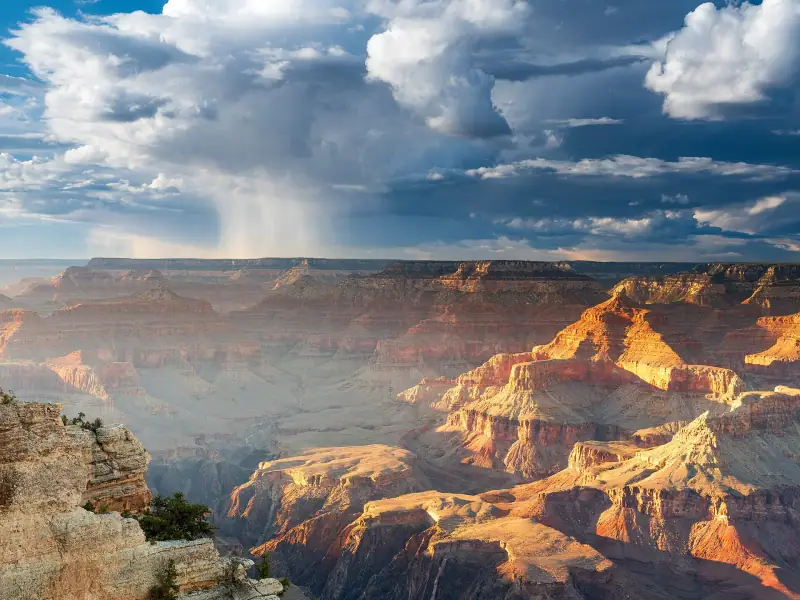
Visiting the Grand Canyon (South Rim): viewpoints, hikes and tips
Plan your Grand Canyon South Rim visit: viewpoints, shuttles, Bright Angel and South Kaibab, Desert View Drive, where to stay and the best season.
Ready-made
American West itineraries
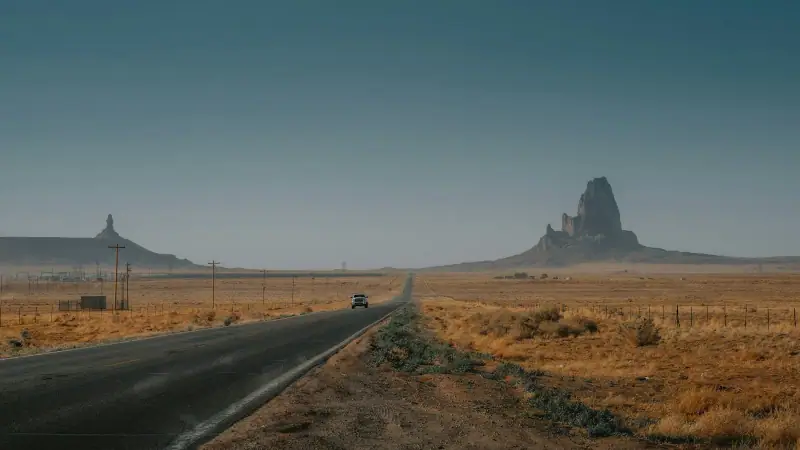
8 days
American West road trip in December: 8-day itinerary and passable roads
Las VegasSpringdaleBryce CanyonPageGrand Canyon South Rim
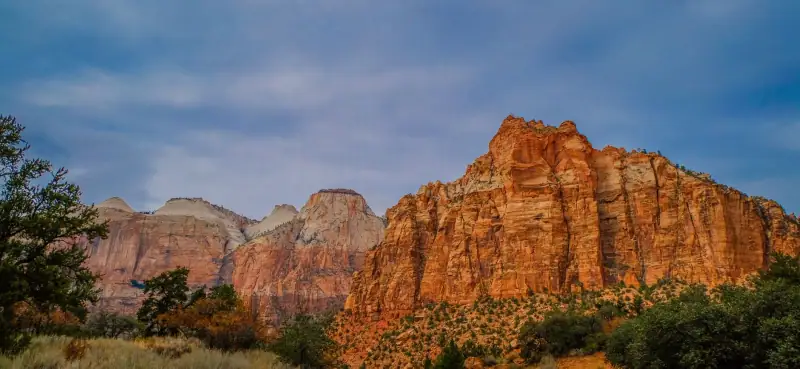
8 days
8-day road trip from Las Vegas: Zion, Bryce, Page and the Grand Canyon
Las VegasSpringdaleBryce CanyonPageGrand Canyon South RimLas Vegas
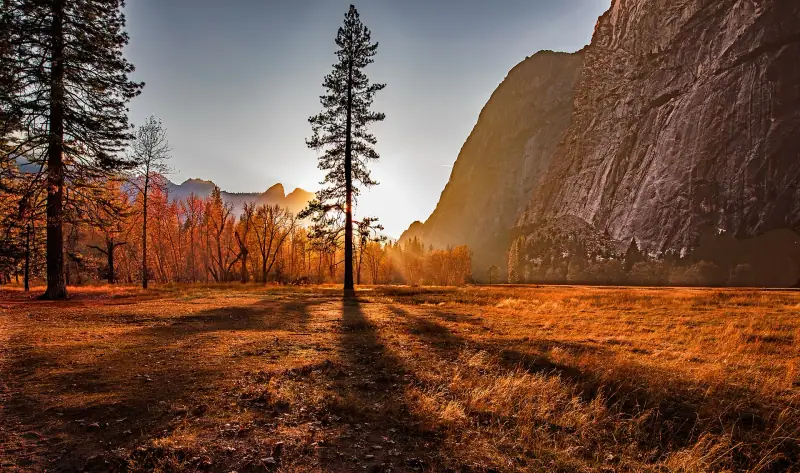
9 days
9-day road trip: San Francisco, Yosemite, Death Valley and Las Vegas
San FranciscoYosemiteLee ViningLone PineDeath ValleyLas Vegas