Things to do
Visiting Zion National Park: hikes, shuttle and practical tips
We may earn a commission when you book through links on this page, at no extra cost to you. We don't visit or try the places we cover: we summarize published sources. How we work
In short
- One full day covers the main viewpoints and one or two hikes; two days are better for The Narrows or a longer hike such as Observation Point.
- A free shuttle serves the main canyon road for most of the year, and private vehicles are restricted there. Check how it operates for your dates.
- The final section of Angels Landing needs a permit awarded by lottery; without one you can still reach Scout Lookout.
- Springdale, at the south entrance, is the most practical base; book early in spring and fall. Flash floods are a real risk in narrow canyons.
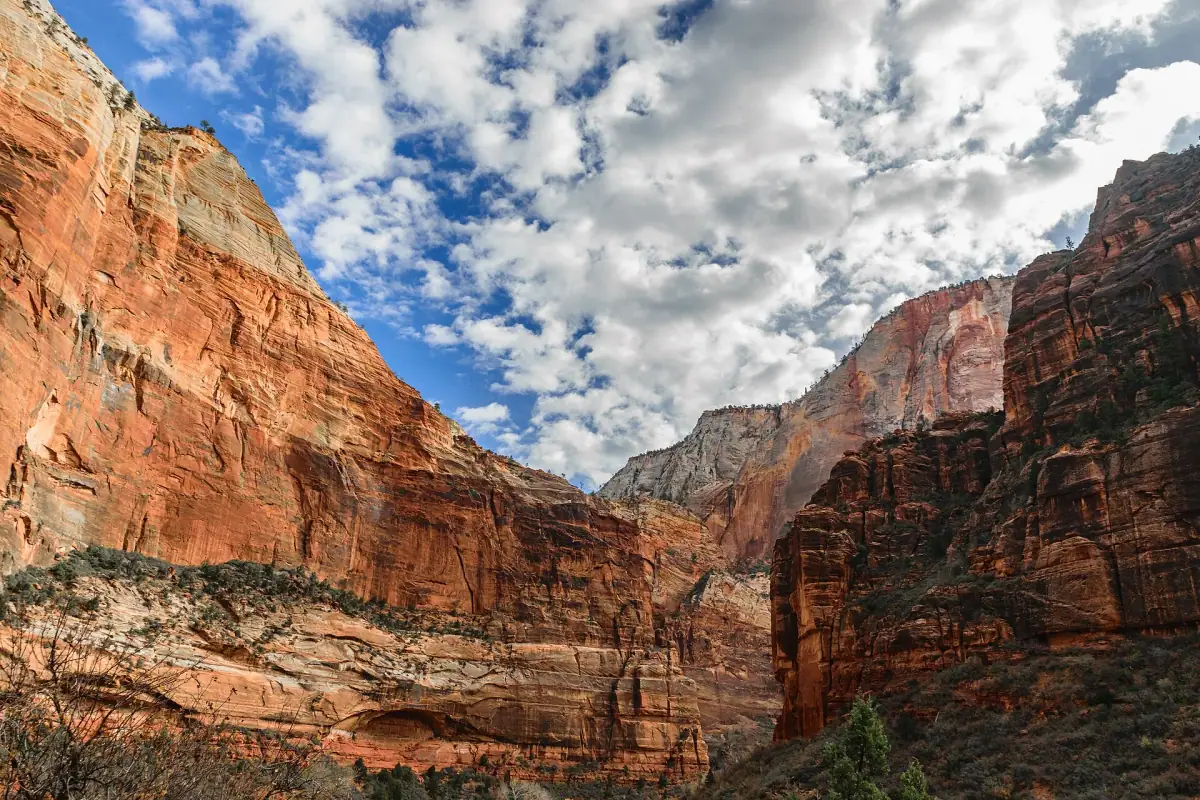
Zion National Park, in southwestern Utah, is one of the most visited national parks in the United States, and it is easy to see why. Red and cream sandstone cliffs rise sheer above a river, trails run along vertical walls, and you can even walk in the riverbed between two walls of rock. All of it is concentrated in a narrow canyon, easy to cover by shuttle.
This concentration has a downside: crowds. Preparing your visit well (schedules, shuttle, any permits, season) really changes the experience. This guide gathers the useful benchmarks to organize a day or two, choose hikes for your level and choose where to stay.
Understanding the park: one canyon, two atmospheres
The park is organized around two main areas. The best known is Zion Canyon, reached from Springdale, the small town at the south entrance. That is where most of the famous trails are: Angels Landing, The Narrows, Emerald Pools or Riverside Walk.
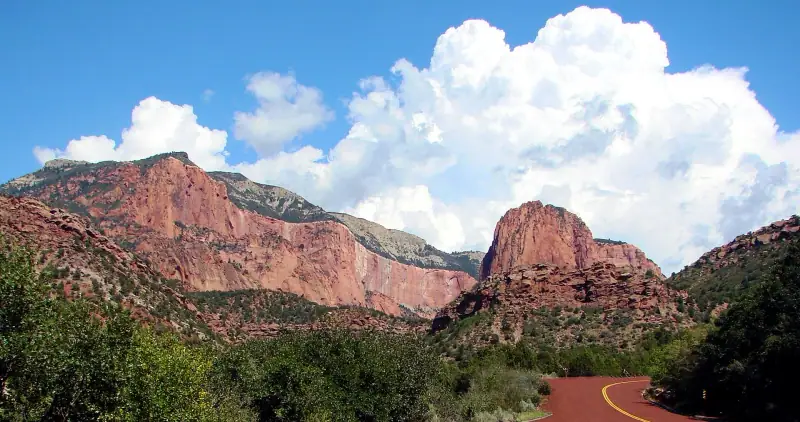
The second area is the east part of the park, crossed by the Zion-Mount Carmel road, which has a long tunnel carved in the rock. The landscape changes: you find domes of white and pink sandstone, more open, with easy photo stops and fewer people.
A few simple benchmarks to get organized:
- Zion Canyon concentrates most of the emblematic hikes and is visited mainly on foot and by shuttle.
- The Zion-Mount Carmel road is driven by car, with stops and short walks to viewpoints.
- The remote areas of the park take more time and preparation, and suit visitors with several days.
Zion fits naturally into a grand circuit: see our 15-day American West road trip to see how to link it with Las Vegas, Bryce Canyon and the Grand Canyon.
Getting to Zion and getting around
From Las Vegas, the drive to Springdale generally takes between 2 h 30 and 3 h without stops, depending on traffic. This is one of the reasons Zion is often the first stop of a road trip through the Utah parks.
A detail often forgotten: Utah is in a different time zone from Las Vegas. Utah is one hour ahead year-round: you therefore lose an hour going from Las Vegas to Zion. Keep it in mind for your shuttle and reservation times.
In the main canyon, private cars do not circulate freely for most of the year: a free shuttle serves the stops along the scenic road. It is efficient, but can be crowded in high season, and the first shuttles of the morning are the quietest. The precise rules (schedules, periods without a shuttle, entrance fees) change: check them on the park’s official website before you go.
If you travel in a rental car, don’t worry about last-mile logistics: leave the vehicle at the hotel in Springdale and take the shuttle for the day.
Where to stay in Springdale?
Sleeping near the park entrance avoids early-morning drives. Book early: rooms go fast in spring and fall.
Angels Landing: the most famous hike
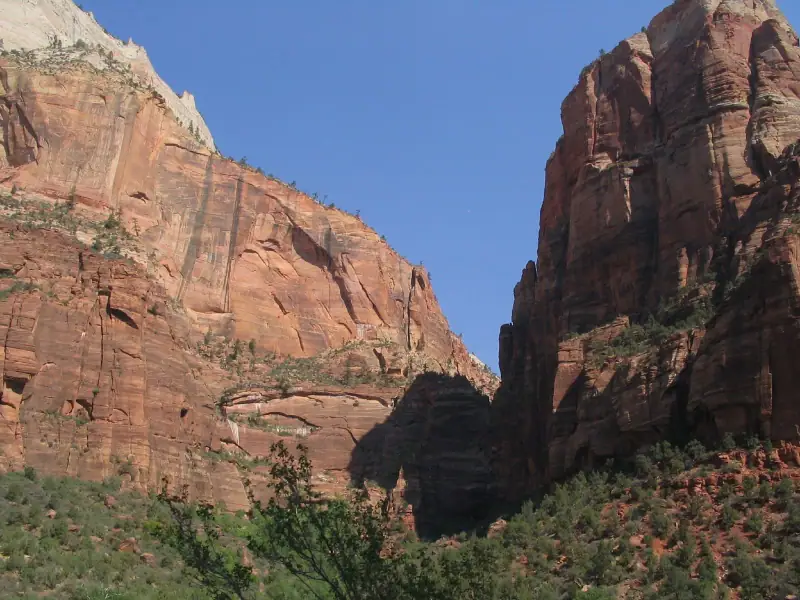
Angels Landing is the trail that made Zion’s reputation. It climbs in switchbacks to a narrow ridge, then the last portion is walked holding on to chains, with a drop on each side. The view of the canyon from the top is spectacular.
This last portion is now subject to a permit awarded by lottery. Without a permit, you can still climb to an intermediate viewpoint, called Scout Lookout, which already offers a very fine panorama without the exposure of the chain section.
A few common-sense tips:
- Don’t attempt the chain section if you are afraid of heights or if the trail is wet, icy or very crowded.
- Bring lots of water: the effort is sustained and there is little shade.
- Start early to avoid heat and crowds.
- Check the permit rules on the official website before booking your dates.
The Narrows: walking in the river
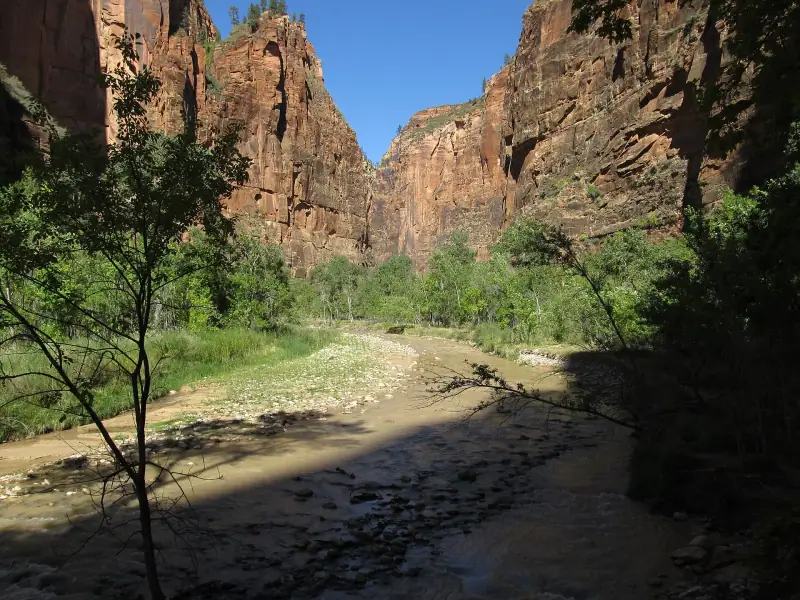
The Narrows is Zion’s most original experience. The trail follows the Virgin River at the bottom of a canyon that narrows, and you advance largely in the water, between very tall walls. The start is at the end of the scenic road, after a short developed walk called Riverside Walk, accessible to almost everyone.
Two ways to do it:
- The easy version: follow Riverside Walk then wade into the river as far as your comfort level allows, before turning back.
- The long version: a big hike from the top of the canyon, which takes experience, a permit and excellent weather.
In both cases, the weather is decisive. In case of a storm in the region, even a distant one, flash floods can be dangerous in a narrow canyon. Ask the rangers the same day, and don’t go in if access is closed or if storms are forecast.
As for gear, closed-toe shoes with good grip, a walking stick and quick-drying clothes are more useful than light sandals. Some shops in Springdale rent shoes and sticks suited to the river. Depending on the season, the water can also be cold, and a dry suit then becomes useful.
More hikes worth your time
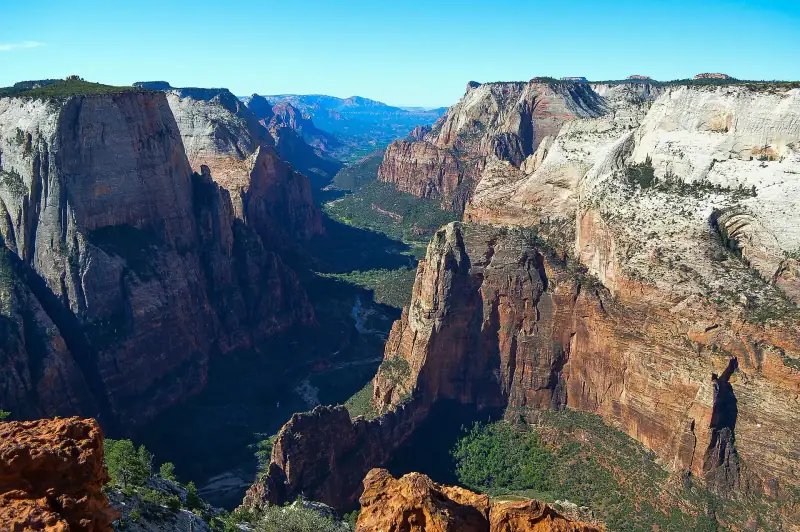
If you don’t fancy Angels Landing, Zion offers many alternatives, for all levels:
- Riverside Walk: an easy, flat, developed walk that follows the river to the entrance of The Narrows. Suitable for the whole family.
- Emerald Pools: a series of pools and small waterfalls reached by fairly short trails, well suited to half a day and to those who want greenery.
- Observation Point: a longer hike, often considered a less exposed alternative to Angels Landing, with a plunging view of the canyon. Check the trail condition, which can be closed after rockfalls.
- Canyon Overlook Trail: a short walk near the tunnel of the Zion-Mount Carmel road, with a magnificent viewpoint for a modest effort.
- Watchman Trail: a medium-length hike starting near the visitor center, which lets you watch sunset over the canyon.
For each trail, check the park’s official information: condition, any closures, difficulty level. Times vary a lot with your pace and the crowds.
Excursions around Zion
Guided hike, canyoneering or a visit with a local guide: compare the available activities.
The Zion-Mount Carmel road and the east part of the park
This road crosses the park from west to east and leads toward Bryce Canyon or Lake Powell. It includes a long tunnel carved in the cliff, which very wide or very tall vehicles can only use with special traffic management, sometimes paid. If you rent a large motorhome, find out before committing your vehicle.
The landscapes are different from the canyon: hills of white sandstone, rounded and striated, that recall a petrified sea. Several stops let you admire them without a long walk, and it is often quieter than in the main canyon. At the end of the day, the low light is very beautiful.
When to visit Zion and avoid the crowds
Zion can be visited year-round, but the experience varies clearly:
- Spring: pleasant temperatures, waterfalls fed by snowmelt, but the river may be too high for The Narrows. Heavy crowds.
- Summer: strong heat, late-day thunderstorms, maximum crowds. Start at dawn.
- Fall: superb light, stable weather, colors in the valley. A highly sought-after period.
- Winter: the park is much quieter, but trails can be slippery and the water in The Narrows is very cold.
To refine your choice, our guide to when to go to the American West details the seasons of each park.
Whatever the season, a few rules help avoid the crowds: arrive before opening, take the first shuttle, schedule the popular hikes early in the morning and keep the easy viewpoints for midday.
Compare flights to Las Vegas
Las Vegas is the most practical gateway to Zion: compare flights for your dates.
Where to sleep and eat around Zion
Springdale is the best base: a few minutes on foot or by shuttle from the park entrance, the town has hotels, motels, restaurants and equipment rental shops. Prices there are higher than in neighboring towns, especially in the popular seasons.
More economical solutions exist in nearby towns, at the cost of roughly half an hour of extra driving, which is worth considering if you want to enter the park early. To compare the types of lodging across the whole circuit, read our guide to where to stay in the American West.
For meals, the simplest solution is to prepare picnics: dining in the park is limited. Bring provisions and at least 2 to 3 quarts (about 2 to 3 liters) of water per person for a day of walking, more in summer. Springdale’s restaurants are plentiful for dinner.
Practical tips before you go
- Book lodging early, especially for spring and fall.
- Check the park’s official website before you go: fees, shuttle, permits, trail closures.
- Consider the annual national parks pass if your circuit includes several: it can become better value than single entries.
- Dress in layers: mornings can be cool, even in summer.
- Respect nature: stay on the trails, don’t approach wild animals and leave no trash.
- Allow a margin: don’t plan a long drive right after a big hike.
With good organization, Zion is one of the most rewarding parks of the American West: accessible, spectacular and varied, it suits seasoned hikers as well as families who prefer short walks.
Frequently asked questions
How long does it take to visit Zion National Park?
A full day lets you see the big viewpoints and do one or two hikes. Two days are preferable if you want to walk The Narrows or do a longer hike such as Observation Point, without rushing from one stop to the next.
Do you need a permit for Angels Landing?
Yes. For a few years now, the final part of the Angels Landing hike, equipped with chains, has required a permit awarded by lottery. Rules and calendars change: check the official National Park Service website before planning your trip.
Can you reach Zion by car?
Yes to arrive at the park and Springdale, but the scenic road that goes up Zion Canyon is served by a free shuttle for most of the year, and private vehicle traffic is restricted there. Check how the shuttle operates for the date of your visit.
Where should you stay to visit Zion?
Springdale, right at the park's south entrance, is the most practical base: hotels, motels, restaurants and a free shuttle stop. Book early, especially in spring and fall. Cheaper alternatives exist in nearby towns, at the cost of longer drives.
What is the best season for hiking in Zion?
Spring and fall are the most pleasant. Summer is very hot and thunderstorms can cause flash floods in narrow canyons, while winter sometimes brings ice on some trails. Always check the weather and the rangers' notices.
More American West guides
Keep reading
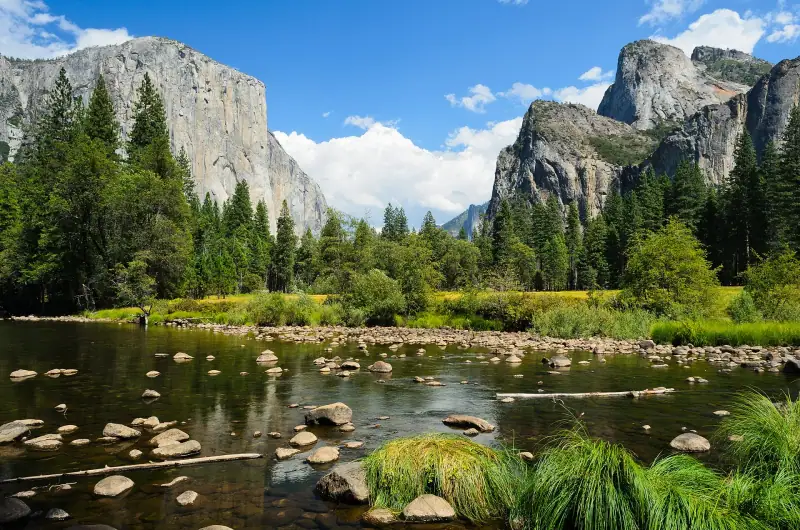
Visiting Yosemite: waterfalls, cliffs and tips for your road trip
Plan your Yosemite visit: valley, El Capitan, Yosemite Falls, Glacier Point, Mariposa Grove, Tioga Road, best season and where to stay.
Visiting Arches National Park and Moab: arches, hikes and tips
Plan your Arches National Park visit from Moab: Delicate Arch, Windows, Devils Garden, light, heat, where to stay and your road trip.
Antelope Canyon and Horseshoe Bend: guided tour and practical tips
Plan your stop in Page: Antelope Canyon guided tour, Horseshoe Bend overlook, Lake Powell, best season, where to stay and your road trip.
Ready-made
American West itineraries
8 days
American West road trip in December: 8-day itinerary and passable roads
Las VegasSpringdaleBryce CanyonPageGrand Canyon South Rim
8 days
8-day road trip from Las Vegas: Zion, Bryce, Page and the Grand Canyon
Las VegasSpringdaleBryce CanyonPageGrand Canyon South RimLas Vegas
9 days
9-day road trip: San Francisco, Yosemite, Death Valley and Las Vegas
San FranciscoYosemiteLee ViningLone PineDeath ValleyLas Vegas