Itineraries
American West road trip in 15 days: day-by-day itinerary
We may earn a commission when you book through links on this page, at no extra cost to you. We don't visit or try the places we cover: we summarize published sources. How we work
Day by day
- Day 1Arrive in Las Vegas, the Strip
- Days 2-3Drive to Zion; Zion Canyon, The Narrows, hikes
- Day 4Zion to Bryce Canyon and its hoodoos
- Days 5-6Page: Horseshoe Bend, Antelope Canyon; then Monument Valley
- Day 7Monument Valley to the Grand Canyon South Rim
- Day 8Drive back to Las Vegas
- Day 9Las Vegas to Death Valley
- Days 10-11Death Valley to Yosemite; Yosemite Valley and waterfalls
- Day 12Yosemite to San Francisco
- Day 13San Francisco sightseeing
- Day 14San Francisco to Monterey and Big Sur
- Day 15Big Sur to Los Angeles
Where to sleep
- Las Vegas1 night
- Springdale2 nights
- Bryce Canyon1 night
- Page1 night
- Monument Valley1 night
- Grand Canyon South Rim1 night
- Las Vegas1 night
- Death Valley1 night
- Yosemite2 nights
- San Francisco2 nights
- Monterey and Big Sur1 night
In short
- The 15-day route runs from Las Vegas to Los Angeles through Zion, Bryce, Page, Monument Valley, the Grand Canyon, Death Valley, Yosemite, San Francisco and Big Sur.
- Day 10, from Death Valley to Yosemite, is the longest leg: 6 to 7 h of driving. Tioga Pass must be open to cross the Sierra Nevada.
- Book lodging near Zion, Page, Yosemite and the Grand Canyon early, and book Antelope Canyon, which can be visited only with a guide.
- To shorten it to 10 days, drop Death Valley and Yosemite and finish in Las Vegas or Los Angeles.
Fifteen days, a car and landscapes that change almost every day: that is the formula for the grand American West road trip. Between the casinos of Las Vegas, the red canyons of Utah, the Navajo plateaus, the waterfalls of Yosemite and the Pacific coast, the region offers one of the most spectacular circuits in the world.
This itinerary starts in Las Vegas and ends in Los Angeles. Travel times are rough figures without stops: they vary with traffic, roadworks and weather. To choose your dates, see our guide to when to go to the American West.
The 15-day itinerary at a glance
| Days | Stop | Main drive |
|---|---|---|
| 1 | Las Vegas | Arrival, the Strip |
| 2 | Las Vegas → Zion | about 2 h 45 |
| 3 | Zion | hikes |
| 4 | Zion → Bryce Canyon | about 2 h |
| 5 | Bryce → Page | about 3 h |
| 6 | Page → Monument Valley | about 2 h 30 |
| 7 | Monument Valley → Grand Canyon | about 4 h |
| 8 | Grand Canyon → Las Vegas | about 4 h 30 |
| 9 | Las Vegas → Death Valley | about 2 h 30 |
| 10 | Death Valley → Yosemite | long leg, 6 to 7 h |
| 11 | Yosemite | valley and waterfalls |
| 12 | Yosemite → San Francisco | about 4 h |
| 13 | San Francisco | city sightseeing |
| 14 | San Francisco → Monterey / Big Sur | about 3 h |
| 15 | Big Sur → Los Angeles | about 6 h |
This schedule is dense: if you prefer a slower pace, drop Death Valley or Monument Valley rather than shortening every leg.
Day 1: arrive in Las Vegas
Las Vegas is the ideal gateway: many flights, rental cars at the airport, hotels for every budget. Use the first evening to see the Strip, its big casino resorts and its fountains, without trying to do everything.
Save your energy: the drive to Utah starts early the next day. The choice of area matters: on the Strip, hotels offer spacious rooms but often add mandatory resort fees, to check before you book.
Where to stay in Las Vegas?
Compare hotels for your dates: prices vary strongly between weekdays and weekends.
Days 2 and 3: Zion National Park
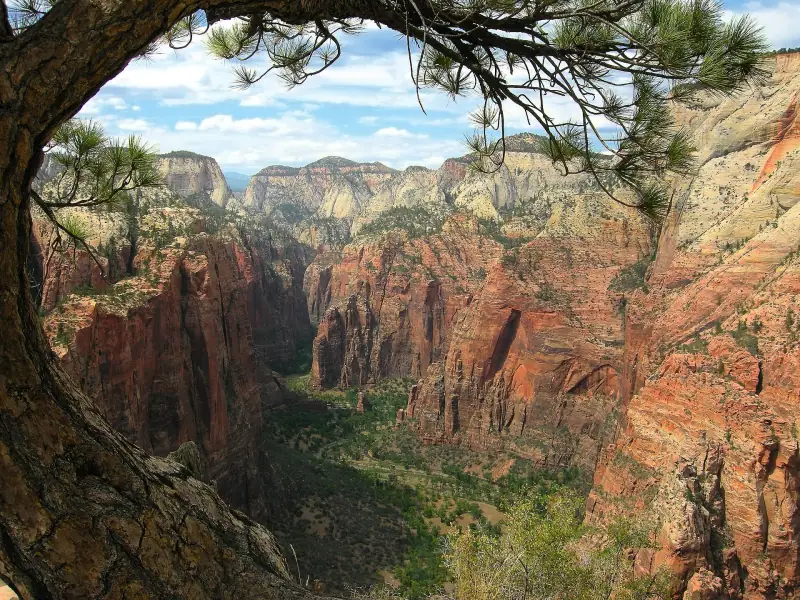
The drive from Las Vegas to Springdale, the village at the entrance to Zion, takes about 2 h 45. The route crosses the Nevada desert, then the northwest corner of Arizona, before arriving in southwestern Utah. Utah is one hour ahead of Nevada year-round.
What to do in Zion:
- The Zion Canyon Scenic Drive is served by shuttles in high season: the inner road is then closed to private cars.
- The Narrows: a walk in the river between narrow walls. Check the weather and the river conditions before you go, because there is a risk of sudden flash floods.
- Angels Landing: this very exposed hike requires a permit system. Check the park’s official website well before your departure.
- For an easy walk, stick to the valley-floor trails, which are suitable for children.
Start early: parking lots fill up fast, especially in spring and fall.
Day 4: Bryce Canyon and its hoodoos
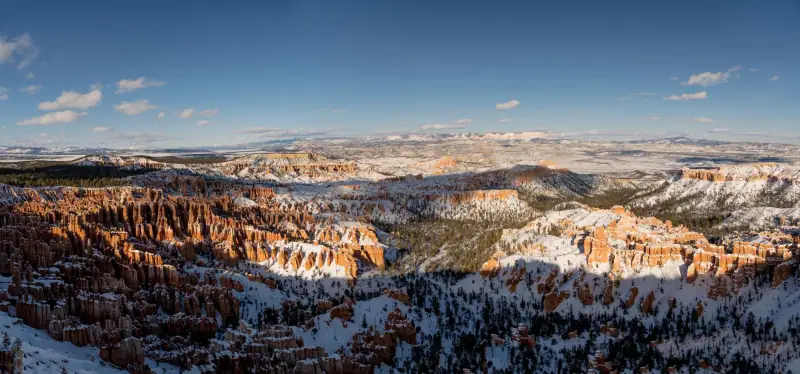
From Zion to Bryce Canyon, allow about 2 h of driving. Bryce is not a canyon in the strict sense: it is a natural amphitheater filled with hoodoos, those columns of orange and pink rock sculpted by erosion.
The park sits at high elevation, over 7,900 ft (2,400 m): nights are cool there, even in summer. The best-known viewpoints are reachable by car, but the best way to understand the place is to descend into the amphitheater by one of the main trails, such as the Navajo Loop or Queen’s Garden.
At sunrise, the light makes the hoodoos especially spectacular. Bring a jacket, even in spring.
Where to stay near Zion
Lodging in Springdale fills up early, especially in spring and fall.
Days 5 and 6: Page, Antelope Canyon and Horseshoe Bend
From Bryce to Page, the drive takes about 3 h. Page is the base for two must-see sites in northern Arizona: Horseshoe Bend, a spectacular meander of the Colorado River, reached on foot by a short trail, and Antelope Canyon, a narrow canyon whose wavy walls are lit by daylight.
Antelope Canyon lies on Navajo land and can only be visited with a licensed guide. Book ahead, especially in summer.
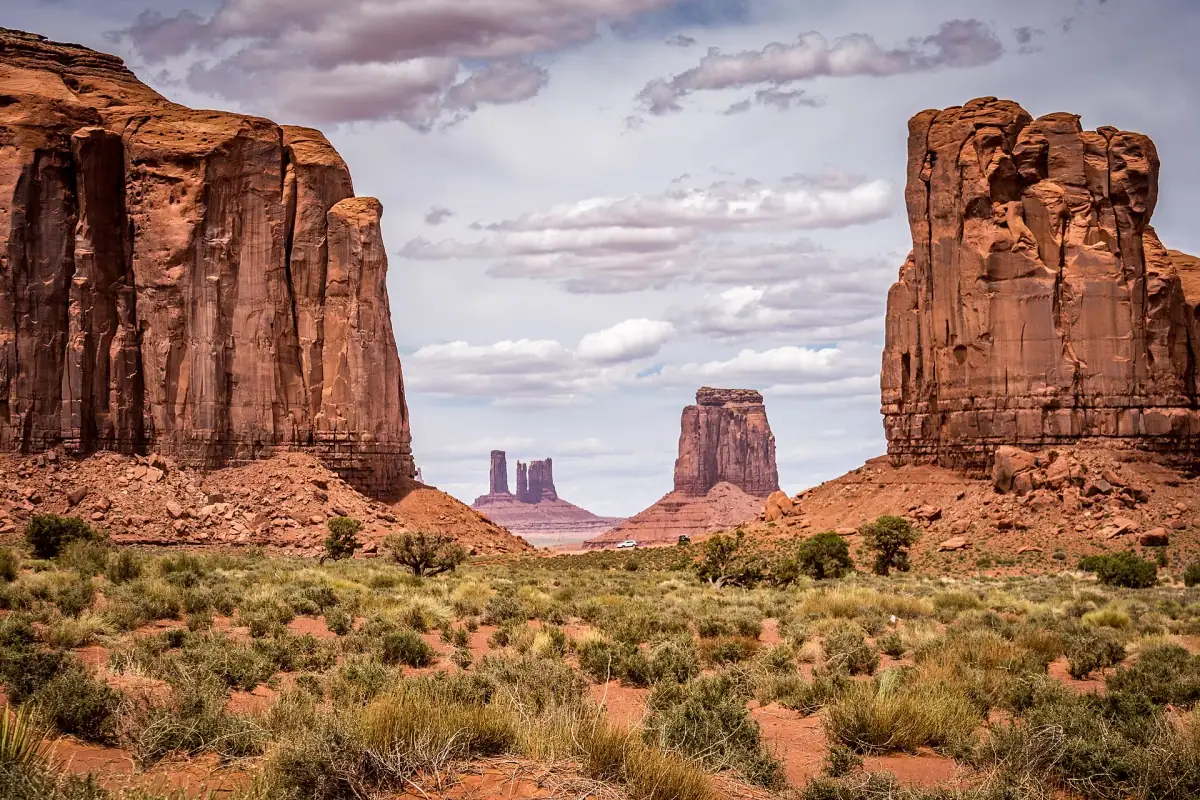
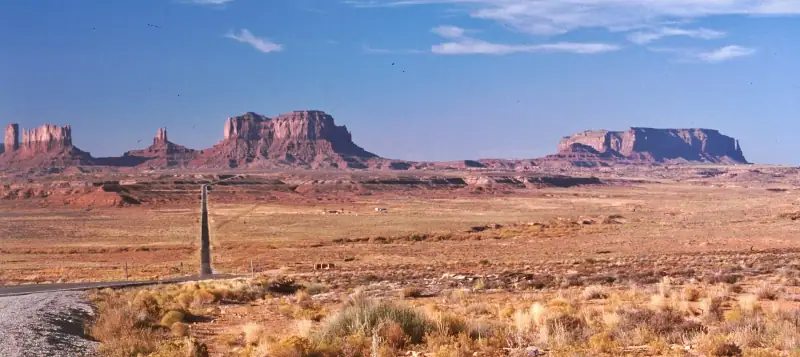
On day 6, after a morning visit, take the road to Monument Valley (about 2 h 30). The site lies in the Navajo Nation: it is a Navajo tribal park with its own entrance fee, separate from that of the federal national parks. A scenic drive lets you discover the famous buttes, long used as a backdrop in Westerns.
Day 7: from Monument Valley to the Grand Canyon
The drive to the South Rim of the Grand Canyon takes about 4 h. It is a longer driving leg, but the reward is at the end: the Grand Canyon is best seen at sunrise and sunset, when the light reveals the layers of rock.
The rim trails are accessible to everyone. To go down into the canyon, trails such as the Bright Angel Trail exist, but the climb back up is hard and the heat can be dangerous in summer: do not go down without plenty of water and without having read the park’s recommendations.
Days 8 and 9: back to Las Vegas, then Death Valley
Day 8 is mostly a driving day, about 4 h 30 from the Grand Canyon to Las Vegas. Use the evening to rest.
On day 9, head for Death Valley, about 2 h 30 from Las Vegas. The park is known for its extremes: Badwater Basin is the lowest point in North America, about 282 ft (86 m) below sea level. You can also see the Mesquite Flat dunes and take in the view from Dante’s View.
The golden rule: in summer, the heat is extreme. Always keep a large reserve of water, fill up on gas at every opportunity and never set off on an isolated track without having assessed the risks. Phone coverage is weak or absent.
Days 10 to 12: Yosemite National Park
The day 10 leg is the longest of the circuit, with 6 to 7 h of driving. Crossing the Sierra Nevada over Tioga Pass is only possible when the pass is open, generally from late spring to fall: check its status on the park’s official website. Outside that period, you have to go around the mountains, which lengthens the trip considerably.
Day 11 is devoted to Yosemite Valley. The highlights:
- Tunnel View, the classic viewpoint over the valley, with El Capitan and Bridalveil Fall.
- Yosemite Falls, one of the tallest waterfalls in North America, especially impressive during snowmelt.
- Glacier Point, a balcony with a plunging view of the valley, accessible in season.
- The giant sequoias of Mariposa Grove, at the south entrance.
On day 12, take the road to San Francisco (about 4 h). Lodging in and near Yosemite must be booked long in advance: arrange it as soon as your dates are fixed.
Days 13 and 14: San Francisco and the coast
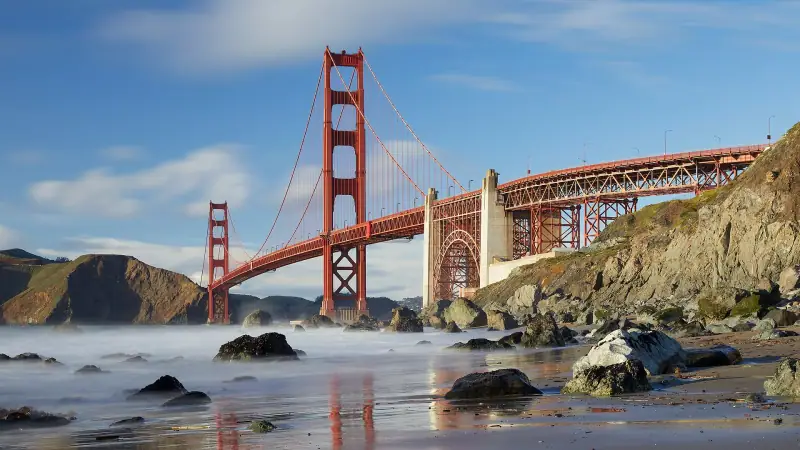
San Francisco is easy to visit on foot and by public transit: the Fisherman’s Wharf area, the cable cars, Chinatown, and of course the Golden Gate Bridge, which you can admire from several viewpoints. Fog is frequent, even in summer: bring warm clothing.
As for the car, parking in the city is expensive and car break-ins are frequent: never leave visible items in the vehicle.
Where to stay in San Francisco?
Compare hotels by neighborhood and check parking fees.
On day 14, leave the city along the coast toward Monterey and Big Sur, about 3 h of driving to the Monterey area. Highway 1 offers one of the most beautiful road stretches in the United States, with cliffs overlooking the Pacific. Some sections have had closures due to landslides: check the road status before you go.
Day 15: Big Sur and arrival in Los Angeles
On the last day, the drive from Big Sur to Los Angeles is about 6 h without stops. Take the coast road, stopping in the small seaside towns. Arrive in Los Angeles early enough to return the car on time and catch your flight.
Compare flights to the United States
A flight into Las Vegas and out of Los Angeles is possible: compare itineraries.
Practical tips for preparing this circuit
- Entry rules: they depend on your passport. Check the official travel advice of your government before you book: travel.state.gov (US), GOV.UK (UK), travel.gc.ca (Canada), Smartraveller (Australia) (checked November 2026). Use only official government websites for any travel authorization.
- Annual national parks pass: the America the Beautiful pass usually pays for itself once you visit several parks. Fees and any surcharges for non-resident visitors have changed recently: check them on the official National Park Service website before you go. The pass is not valid in Navajo tribal parks such as Monument Valley.
- Car rental: plan for a comfortable vehicle and clear insurance, and check the fees for returning it in another city (one way).
- Water and gas: in the deserts, gas stations are rare: fill up whenever you can.
- Reservations: lodging near Zion, Page, Yosemite and the Grand Canyon is the first to go.
- Weather: check the forecast before each narrow canyon; flash floods are a real danger.
Frequently asked questions
Are fifteen days enough for an American West road trip?
Yes, for a classic grand circuit between Las Vegas, the parks of Utah and Arizona, the Sierra Nevada and the California coast. Distances are large: accept a few long driving days and don't try to see everything.
Which direction should you drive the loop?
The most common is to start in Las Vegas and finish in Los Angeles or San Francisco. The direction depends mostly on flight prices and the rental: a car picked up in one city and returned in another usually carries a fee, to compare before you book.
Do you need a visa for this trip?
Entry rules depend on your passport. Check the official travel advice of your government before you book: travel.state.gov (US), GOV.UK (UK), travel.gc.ca (Canada), Smartraveller (Australia) (checked November 2026). Only use official government websites for any travel authorization.
Do you need to book in advance?
Yes for lodging near the parks (Springdale, Page, Yosemite), which fills up early, and for Antelope Canyon, accessible only with a guide. Some parks also have reservation or permit rules: check their official websites.
Can the itinerary be shortened?
Yes. For 10 days, drop Death Valley and Yosemite and finish in Las Vegas or Los Angeles. For a version centered on the Colorado Plateau parks, stay between Las Vegas, Zion, Bryce, Page and the Grand Canyon.
More American West guides
Keep reading
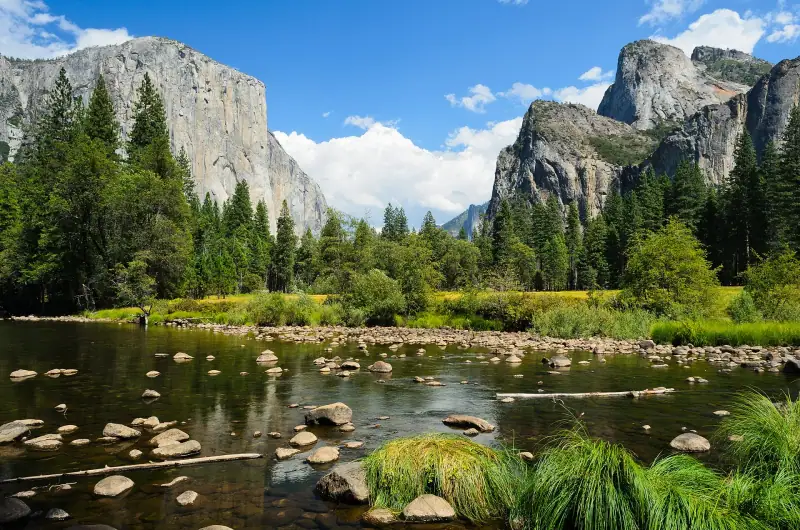
Visiting Yosemite: waterfalls, cliffs and tips for your road trip
Plan your Yosemite visit: valley, El Capitan, Yosemite Falls, Glacier Point, Mariposa Grove, Tioga Road, best season and where to stay.
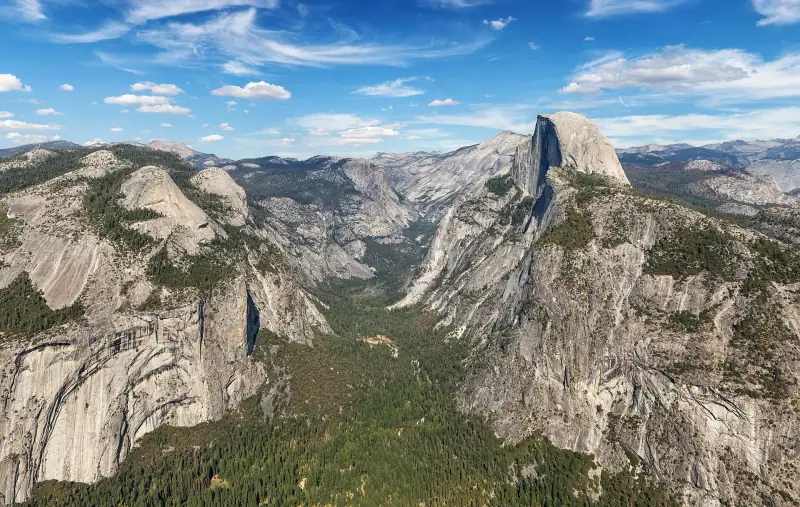
When to go to the American West? A month-by-month guide
When to go to the American West: Death Valley heat, snow at Bryce, closed roads at Yosemite, crowds. A season comparison for your road trip.
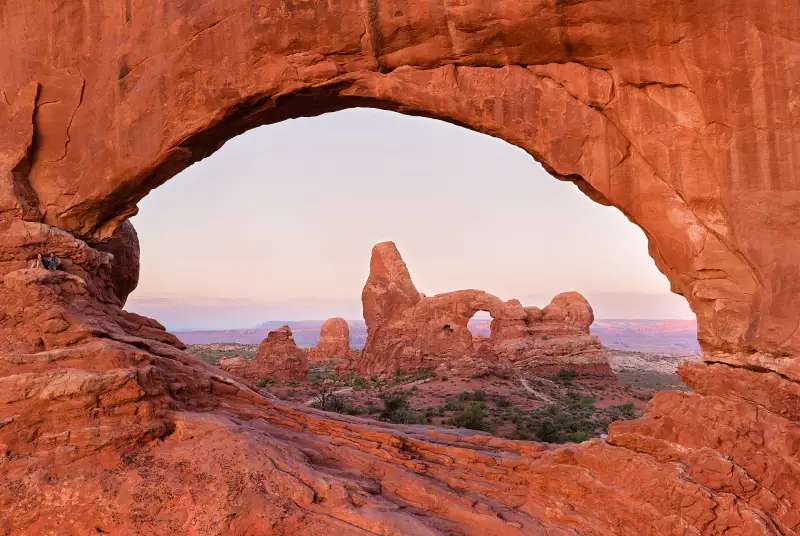
Visiting Arches National Park and Moab: arches, hikes and tips
Plan your Arches National Park visit from Moab: Delicate Arch, Windows, Devils Garden, light, heat, where to stay and your road trip.
Ready-made
American West itineraries
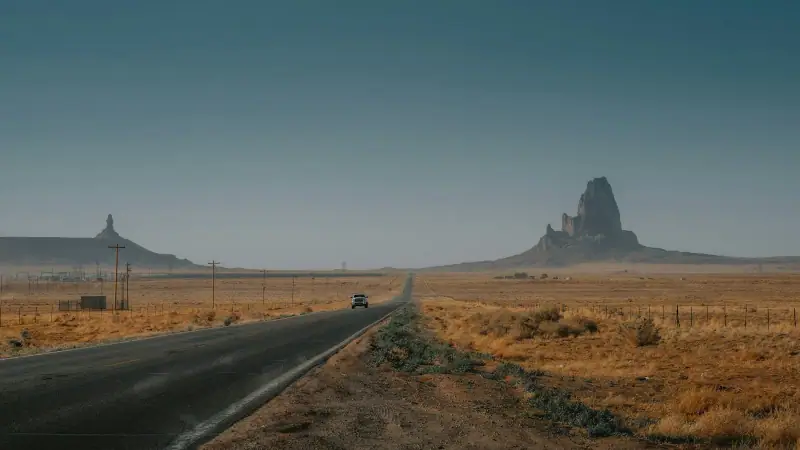
8 days
American West road trip in December: 8-day itinerary and passable roads
Las VegasSpringdaleBryce CanyonPageGrand Canyon South Rim
8 days
8-day road trip from Las Vegas: Zion, Bryce, Page and the Grand Canyon
Las VegasSpringdaleBryce CanyonPageGrand Canyon South RimLas Vegas
9 days
9-day road trip: San Francisco, Yosemite, Death Valley and Las Vegas
San FranciscoYosemiteLee ViningLone PineDeath ValleyLas Vegas