Plan your trip
When to go to the American West? A month-by-month guide
We may earn a commission when you book through links on this page, at no extra cost to you. We don't visit or try the places we cover: we summarize published sources. How we work
In short
- Spring (April to early June) and fall (mid-September to October) offer the best compromise: bearable desert temperatures, mostly open mountain roads, less extreme heat.
- Summer is high season: mountain roads are open, but Las Vegas and Death Valley often exceed 104 °F (40 °C) and monsoon storms can cause flash floods in narrow canyons.
- Winter suits Las Vegas, Death Valley and the Valley of Fire; Bryce, the Grand Canyon rim and Monument Valley are cold, and Tioga Pass at Yosemite is closed.
- Start from the itinerary, not the calendar, and keep a margin: a closed road or a storm can force a change.
The American West is not a destination you visit “whenever you can”. Between the deserts of Utah and Arizona, the mountains of the Sierra Nevada, coastal California and the casinos of Las Vegas, conditions change radically from one month to the next. The same itinerary can be ideal in October and downright painful in July, or the reverse depending on the stops.
The right question is therefore not only “which is the best month?”, but which regions do you want to see, and which constraints are you ready to adapt to: heat, elevation, crowds, closed roads or budget. This guide goes through each season with its advantages, its limits and the points to check before booking.
The American West at a glance: a climate of contrasts
The region is vast and its climates very varied. The benchmarks below are rough figures, to confirm with forecasts at the time of departure.
- Low deserts (Las Vegas, Death Valley, Valley of Fire): extremely hot summers, mild and pleasant winters.
- Colorado Plateau (Zion, Bryce, Arches, Grand Canyon, Monument Valley): hot summers, cold winters, the in-between seasons most pleasant. Elevation changes a lot from one park to another.
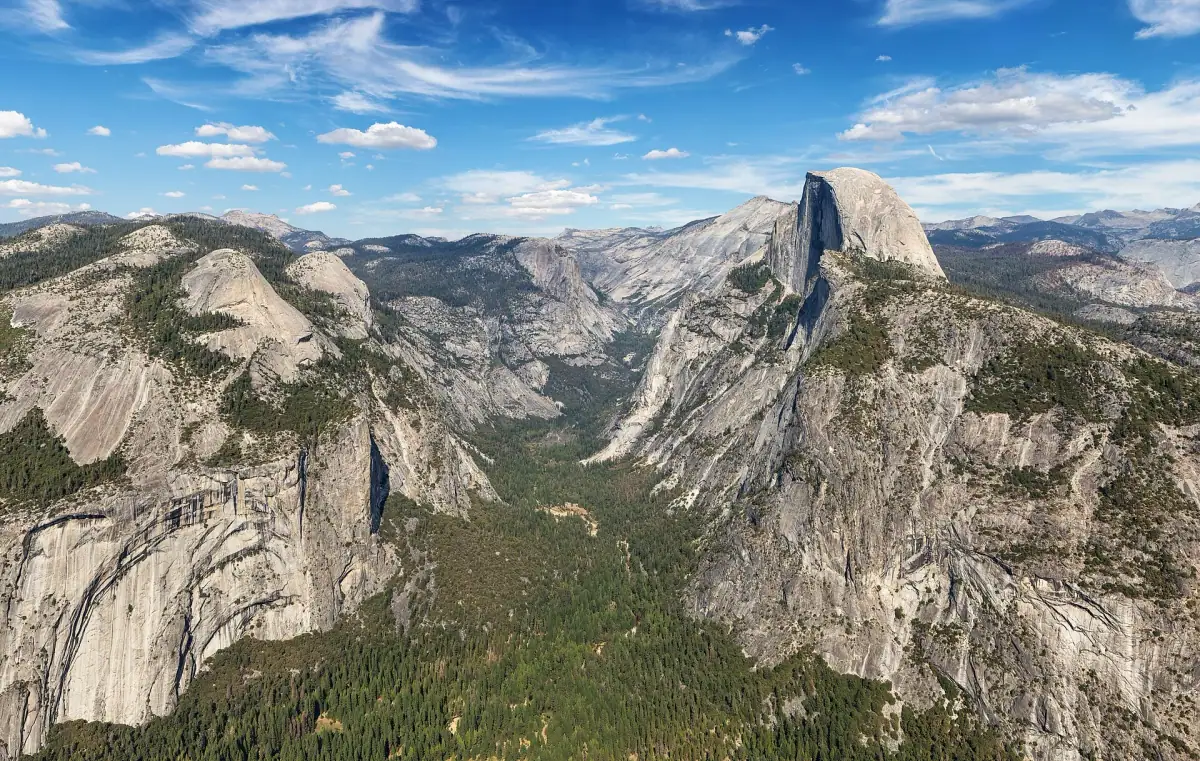
- Sierra Nevada (Yosemite): dry, sunny summers, snowy winters, with high-elevation roads closed for several months.
- California coast (Los Angeles, San Francisco): mild climate year-round, with frequent fog in early summer, notably around San Francisco.
Above all, remember this: a single day can take you from a burning desert to a freezing mountain. Pack layers of clothing and check the elevation of each stop.
Where to stay in Las Vegas?
Compare hotels for your dates: rates vary a lot between weekdays and weekends.
Spring (March to May): the most balanced season
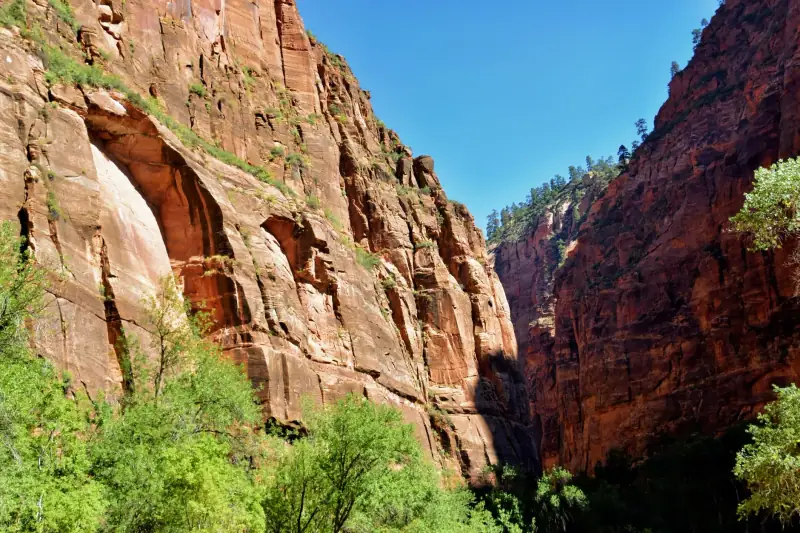
Spring is often considered the best period for a grand circuit. The deserts are still temperate, the parks are green and sometimes in flower, and the days lengthen.
What’s good:
- Pleasant temperatures for hiking at Zion, Arches or around the Grand Canyon, especially from April to May.
- Death Valley can be visited in March, before the heat sets in. Some years, favorable winter rains trigger a spectacular desert bloom.
- Yosemite’s waterfalls are generally at peak flow in spring, fed by snowmelt.
What to know:
- Nights stay cool at elevation, and Bryce Canyon can still see frost or snow in early spring.
- Snowmelt swells the waterways: some walks in the water, such as The Narrows at Zion, can be closed or discouraged while the flow is high.
- Yosemite’s high-elevation roads, notably Tioga Pass, reopen gradually between late May and June depending on snowpack.
- Easter vacations and long weekends raise crowds and prices in the most famous parks.
Spring suits almost every profile, provided you book lodging near the parks early.
Summer (June to August): heat, crowds and high-elevation roads open
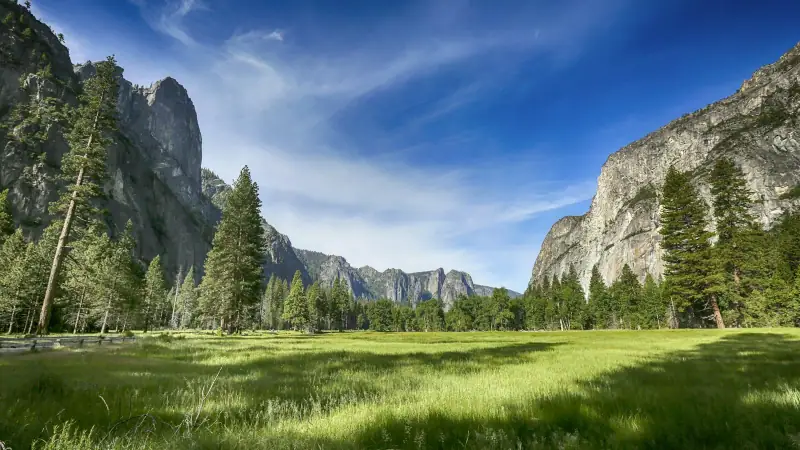
Summer is high season because of school vacations. It is also the most demanding season for the deserts.
What’s good:
- All mountain roads are open, including those of Yosemite, which allows crossing the Sierra Nevada.
- Days are long: you can link sunrise and sunset in the same park.
- At Antelope Canyon, near Page, the light beams descending into the canyon are more marked around the middle of the day in summer, which makes it a much sought-after period for photographers.
- The California coast and the high-elevation parks offer relief from the desert heat.
What to know:
- In Las Vegas and Death Valley, temperatures regularly exceed 104 °F (40 °C), and more than 113 °F (45 °C) in Death Valley. Hiking in the middle of the day there is dangerous. If you go there, limit yourself to visits by car, start at dawn and bring plenty of water.
- In the Southwest, the monsoon thunderstorm season begins in mid-summer. It can cause flash floods in narrow canyons: always check the weather before heading into a slot canyon.
- The most famous parks are packed, parking lots saturated early in the morning and lodging expensive. Book several months ahead.
- Around San Francisco, morning fog can persist in early summer: days are not always as sunny as you imagine.
Compare flights to the United States
Flights to Las Vegas, Los Angeles or San Francisco are better value booked early.
If you must travel in summer, choose a route that alternates elevation and coast, and keep exposed hikes for early morning.
Fall (September to November): the best compromise for many
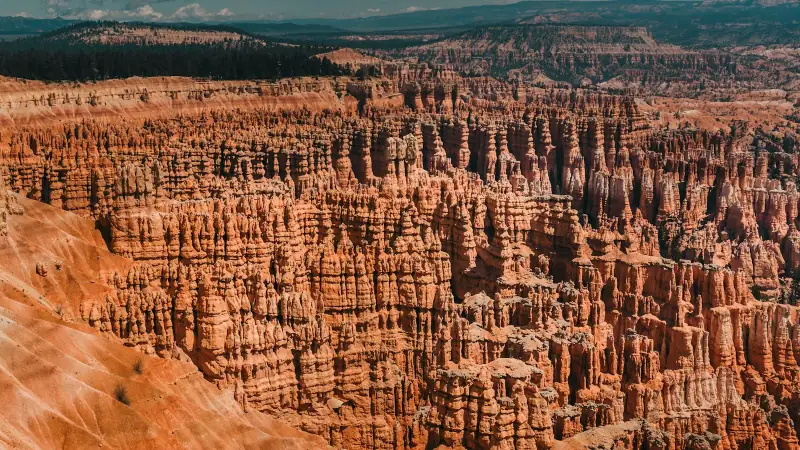
For many travelers, the period from mid-September to late October is the most pleasant. Heat drops in the deserts, the monsoon fades and the light is superb.
What’s good:
- Much more bearable temperatures at Zion, Arches, Monument Valley and in the Grand Canyon.
- Fewer people than in midsummer, especially after the American school year starts.
- Fall colors in some high-elevation areas, notably in Utah’s aspen groves.
- Coastal California often has its warmest and clearest days in September and October.
What to know:
- Seasonal facilities close gradually from October in some high-elevation areas: the Grand Canyon’s North Rim, for example, has limited services in fall and an access road closed in winter.
- The first snows can close Tioga Pass at Yosemite as early as late fall, sometimes earlier depending on the year.
- Days shorten fast: plan less driving and visiting time in late fall.
Stay near the national parks
Lodging in Springdale, Page or Moab fills up early in spring and fall.
Winter (December to February): mild desert, snowy mountains
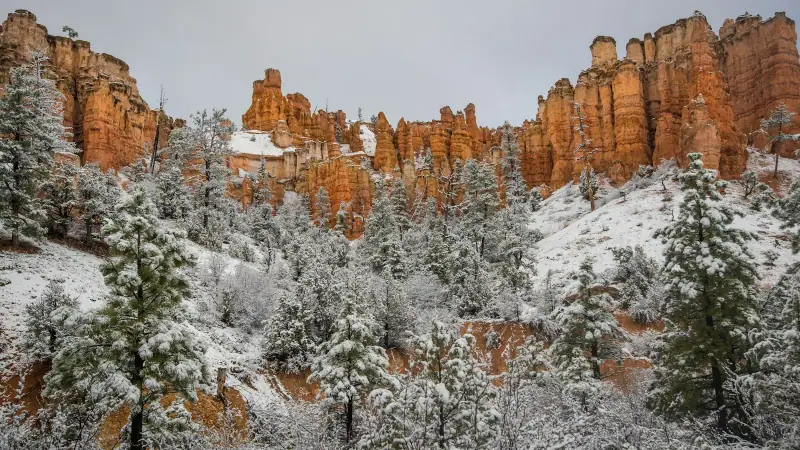
Winter is the quietest season, but it has real assets for some itineraries.
What’s good:
- Death Valley, Las Vegas and the Valley of Fire are very pleasant, with mild days and clear landscapes.
- Bryce Canyon under snow is one of the finest sights in the region, and the parks are far less crowded.
- Lodging rates are often lower, outside the year-end holidays.
- The California coast stays mild, with a higher risk of rain.
What to know:
- Nights are very cold on the Colorado Plateau: frost and snow are frequent at Bryce, the Grand Canyon (South Rim) or Monument Valley.
- Tioga Pass is closed in winter, which prevents crossing Yosemite from east to west. Mountain roads may require chains or suitable tires: check conditions before you go.
- Days are short. Some tourist services, restaurants or seasonal lodging are closed or have reduced hours.
Winter circuits work better with a shorter itinerary, centered on Las Vegas, Death Valley, the Grand Canyon and California, rather than on the high plateaus. For snow lovers, our guide to skiing in the American West presents the resorts of Utah, Colorado and Lake Tahoe.
Periods to avoid or anticipate
Rather than a period to rule out, it is better to know the times that call for particular preparation:
- July-August in the low deserts: extreme heat, a real danger for hikers.
- American school vacations and public holidays: heavy crowds, high prices, saturated parking lots in the parks.
- Late fall to early spring at elevation: closed or difficult roads, reduced services.
- Monsoon period: thunderstorms and flash floods in canyons, with conditions that change fast.
A few tips for choosing your date
- Start from the itinerary, not the calendar. If your circuit goes through Yosemite and Death Valley, no season is perfect: spring is the best compromise.
- Avoid extreme heat with an adapted schedule. Exposed hikes are done early in the morning, and car trips in the middle of the day.
- Book early for the much-requested parks. Some parks or trails require permits or timed reservations depending on the period: check the National Park Service website before you go, as these rules change from year to year.
- Keep Arizona’s time difference in mind. Arizona does not observe daylight saving time (except the Navajo Nation), whereas Utah and Nevada do: local time can change by an hour when crossing the state border.
- Allow a margin in the schedule. A closed road or a storm can force a change of stop.
Visit Antelope Canyon
Access is by guided tour only: book ahead, especially in summer.
For a classic first road trip (Las Vegas, parks of Utah and Arizona, then California), May, the first half of June, September and October are the periods most often recommended. For a stay centered on big cities and the desert, winter remains an interesting and cheaper option.
Frequently asked questions
What is the best time for an American West road trip?
Spring (April to early June) and fall (mid-September to October) offer the best compromise: bearable temperatures in the deserts of Utah and Arizona, mountain roads most often open and less extreme heat. Summer remains possible but requires adapting, especially at elevation and near Death Valley.
Can you visit Death Valley in summer?
It is possible but not recommended for hiking: temperatures regularly exceed 113 °F (45 °C) during the day. If you go in summer, stay in an air-conditioned car, start very early, bring lots of water and avoid any exertion in the middle of the day. Winter and early spring are much more pleasant.
When are the Yosemite roads open?
The Tioga Pass road, which crosses the park from east to west, closes with the first heavy snowfalls and generally reopens between late May and June depending on snowpack. Yosemite Valley stays accessible year-round, but check road conditions and any reservation rules on the park's official website.
Is there snow in the Utah parks?
Yes, especially at elevation. Bryce Canyon, at over 7,900 ft (2,400 m), gets snow in winter and then offers very photogenic landscapes, but it is cold. Zion and Arches are milder, with occasional snow that melts quickly.
Should you worry about the thunderstorm season in the Southwest?
From mid-summer to early fall, the monsoon can bring violent late-day thunderstorms, with risks of flash floods in narrow canyons. Check the weather before going into a slot canyon or The Narrows and follow the rangers' instructions.
More American West guides
Keep reading
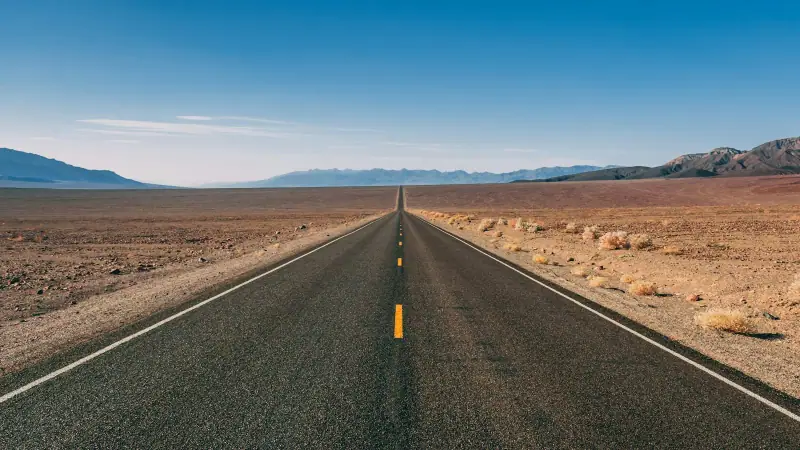
Budget for the American West: real costs and three priced profiles
What budget for the American West in 2026? Real costs by item, three priced profiles for 15 days for two and concrete tips to spend less.
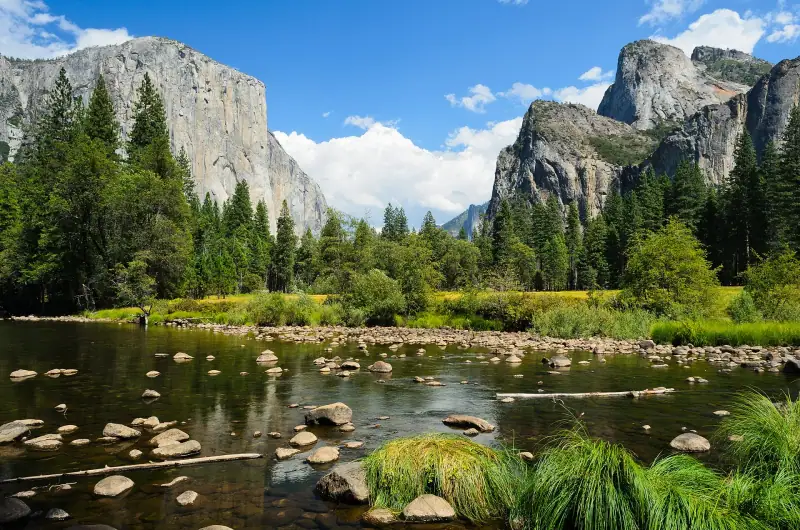
Visiting Yosemite: waterfalls, cliffs and tips for your road trip
Plan your Yosemite visit: valley, El Capitan, Yosemite Falls, Glacier Point, Mariposa Grove, Tioga Road, best season and where to stay.
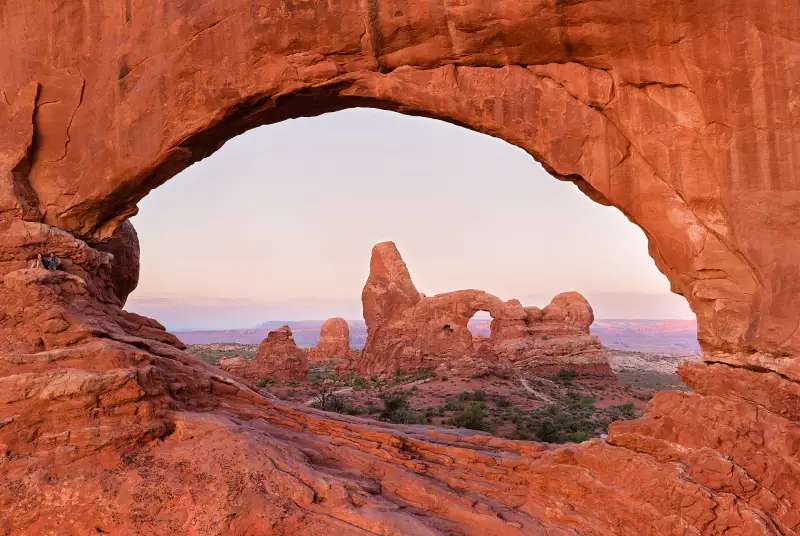
Visiting Arches National Park and Moab: arches, hikes and tips
Plan your Arches National Park visit from Moab: Delicate Arch, Windows, Devils Garden, light, heat, where to stay and your road trip.
Ready-made
American West itineraries
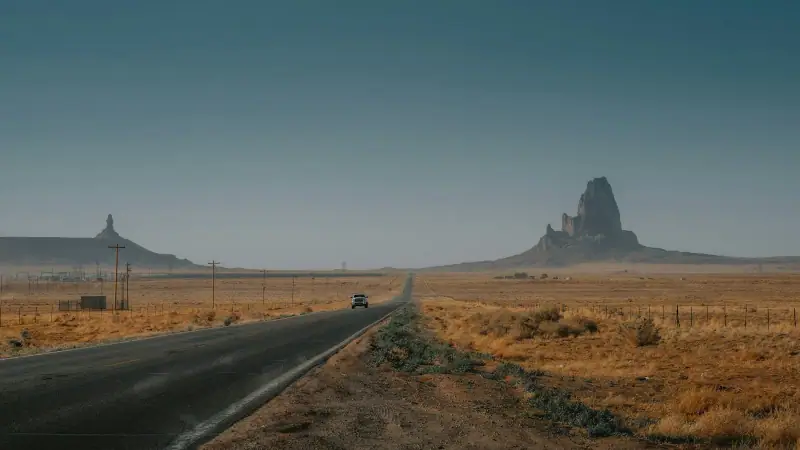
8 days
American West road trip in December: 8-day itinerary and passable roads
Las VegasSpringdaleBryce CanyonPageGrand Canyon South Rim
8 days
8-day road trip from Las Vegas: Zion, Bryce, Page and the Grand Canyon
Las VegasSpringdaleBryce CanyonPageGrand Canyon South RimLas Vegas
9 days
9-day road trip: San Francisco, Yosemite, Death Valley and Las Vegas
San FranciscoYosemiteLee ViningLone PineDeath ValleyLas Vegas