Things to do
Visiting Bryce Canyon: hoodoos, hikes and practical tips
We may earn a commission when you book through links on this page, at no extra cost to you. We don't visit or try the places we cover: we summarize published sources. How we work
In short
- Half a day covers the main viewpoints (Sunrise, Sunset, Inspiration and Bryce Point); a full day lets you hike down into the amphitheater.
- The Navajo Loop and Queen's Garden combination is the most popular hike: allow 2 to 3 h, with a real climb back out.
- The park is at high elevation, so it is cool even in summer; dress in layers and carry water.
- From Zion it is about 2 h by road, and from Bryce to Page about 3 h. Sleep near the entrance for sunrise.
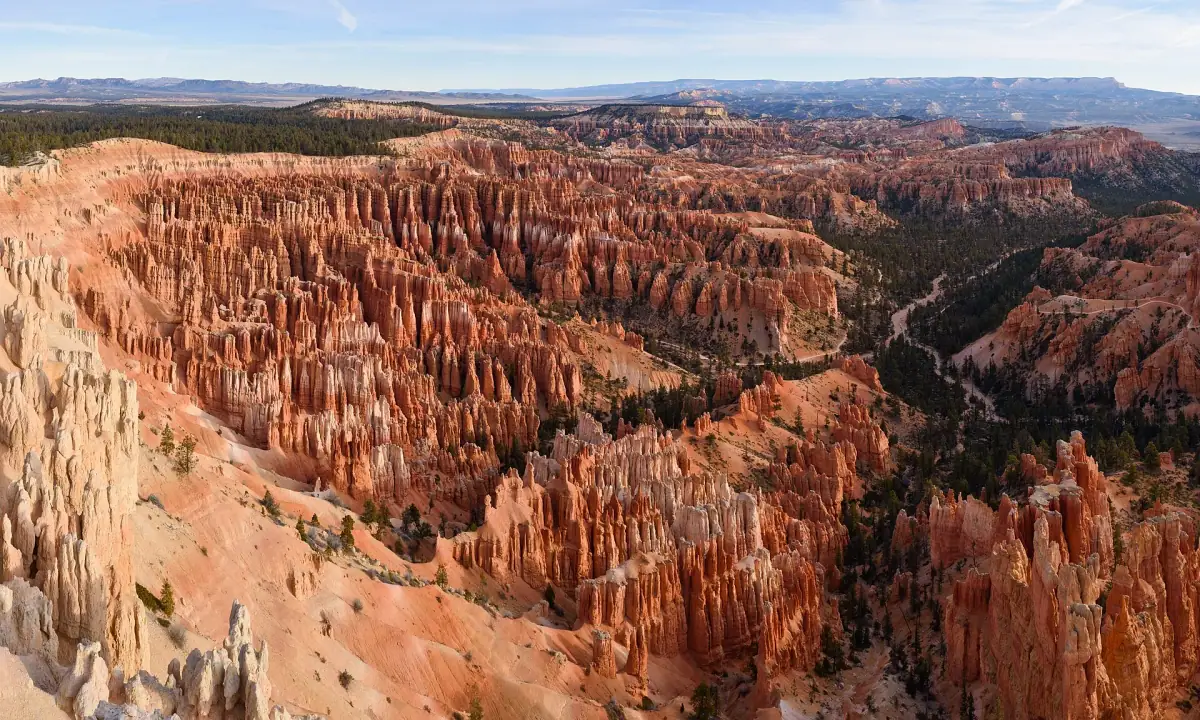
Bryce Canyon is one of the most surprising landscapes of the American West. In southern Utah, the edge of a high plateau drops into an immense amphitheater filled with hoodoos, columns of orange, pink and cream rock, lined up like an army of statues. At dawn, when the low light sets them aflame, the sight is hard to forget.
Despite its name, Bryce is not a canyon carved by a river: it is a series of amphitheaters shaped by erosion, freezing and thawing. The park is compact, easy to visit, and fits very well between Zion and the Page area. This guide helps you choose your viewpoints, your hikes and your lodging.
Understanding Bryce Canyon before you go
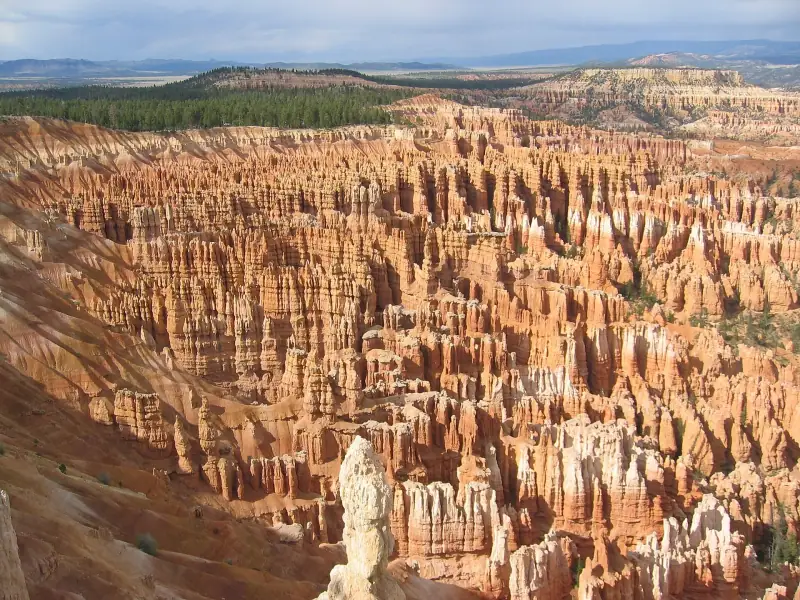
Bryce Canyon National Park stretches along the edge of a plateau, at high elevation, which explains the cooler climate than in the neighboring parks. Hoodoos are born from water seeping into the rock: it freezes at night, widens the cracks, then thaws by day. This cycle, repeated thousands of times, slowly sculpts the sandstone spires.
Most visitors discover the park through the Bryce Amphitheater section, where the most famous overlooks are concentrated. A single road then continues south and serves other, more open viewpoints, from which you take in very wide horizons.
Bryce is a park where you look as much as you walk. Two approaches complement each other:
- Cliff-edge viewpoints, reached in a few minutes on foot, perfect for a short visit or a sunrise.
- Trails that descend into the amphitheater, to see the hoodoos up close, between their walls of rock.
The park fits naturally into a grand circuit: our 15-day American West road trip links it with Zion, then the Page area.
Getting to Bryce Canyon
From Zion, the drive takes about 2 h, which makes it an ideal stop for a second day in the Utah parks. From Las Vegas, plan on a comfortable day of driving (around 4 h 30 to 5 h), so Bryce is rarely a day trip from the city. From Bryce to Page, the drive takes about 3 h, with often splendid scenery.
To organize your trip:
- Allow a margin: there are many photo stops on Utah’s roads.
- Set off with a full tank: gas stations are few and far between in isolated areas.
- Watch the time: the time differences with Arizona and Nevada, which change with the season, can cause confusion over reservation times. Always check the time zone of your activities.
Most visitors come in a rental car. The vehicle gives you the freedom to stop at each overlook, and is valuable for reaching the farther viewpoints. A seasonal shuttle serves the main sights in high season: check how it operates on the park’s official website for the date of your visit.
Where to stay near Bryce Canyon?
Sleeping near the park entrance makes sunrise easier. Book early in high season.
The key viewpoints of the amphitheater
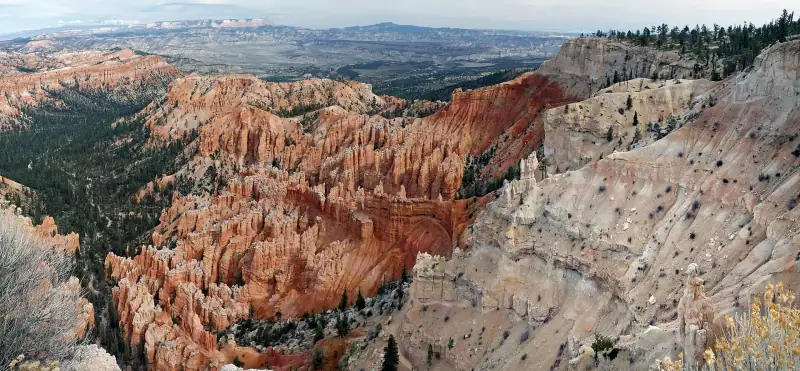
The amphitheater’s overlooks follow one another along the cliff edge and are linked by a rim trail, the Rim Trail. You can therefore link them on foot or by stopping by car or shuttle.
- Sunrise Point: as its name says, an excellent place to watch the sun rise over the hoodoos. It is also the starting point of several trails.
- Sunset Point: despite its name, it is also very beautiful in the morning. It is the starting point of the Navajo Loop.
- Inspiration Point: a multi-level overlook, from which you see the amphitheater spread out before you.
- Bryce Point: often considered one of the finest panoramas, with an overview of the whole curve of the amphitheater.
If you only have a few hours, visit these four stops and give yourself time to watch the light change on the rock. Colors vary enormously with the hour: deep orange at sunrise, pale pink in the middle of the day, coppery red in the evening.
For photos, morning and late afternoon are the best times. In the middle of the day, the light flattens the landforms and the park is busier.
Hiking among the hoodoos
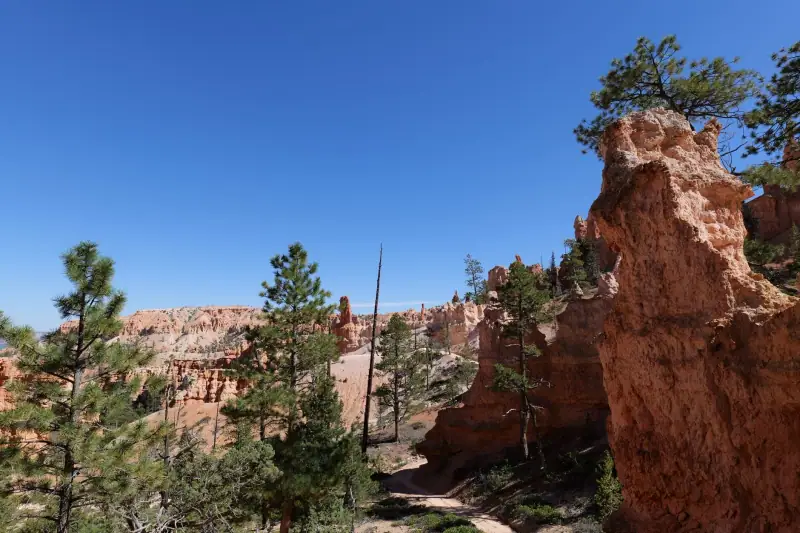
Going down into the amphitheater is the experience that sets Bryce apart from a simple “overlook” park. Once down, hoodoos rise on each side, trails pass between narrow walls, and you find yourself under arches and twisted pines.
The Navajo Loop and Queen’s Garden loop is the most popular combination. It starts from a rim viewpoint, descends into the amphitheater, runs along the hoodoos and climbs back by another trail. Allow about 2 to 3 h depending on your pace, with a real elevation gain on the way back. If you prefer a shorter version, you can do only one of the two branches and return via the Rim Trail.
The Rim Trail is the easiest trail: it follows the ridge between the overlooks, with little elevation change. It suits families, people who prefer to avoid climbs, and those who want to do the circuit in several stages.
Longer loops, such as those that cross the bottom of the amphitheater, take more time and fitness. They are for regular walkers who want to get away from the crowd.
A few important tips:
- Elevation is felt: you get out of breath faster than at sea level, especially on the climb back.
- Bring water, even for a short hike.
- Wear good shoes: trails are sometimes sandy, even slippery after rain or snow.
- Check trail conditions, which can be closed after a rockfall or in winter.
Excursions around Bryce Canyon
Guided walk, stargazing or horseback ride: compare the available activities.
The scenic drive to the south of the park
Beyond the amphitheater, a single road continues to the south of the park, for more than 20 mi (several dozen km), and leads to less crowded overlooks. The view there is wider: you see the plateau and its forests, with horizons stretching far toward Utah and Arizona.
This part is ideal if you have more than half a day, or if you have already seen the amphitheater and want some quiet. Several stops let you enjoy panoramas without a long walk. A practical tip: drive it in late morning or early afternoon, when the amphitheater is busiest, then come back for sunset.
This area is at an even higher elevation than the main overlooks. It is therefore cooler, and snow often stays longer there in spring. Dress in layers, even if the sky is clear.
Sunrise and stargazing
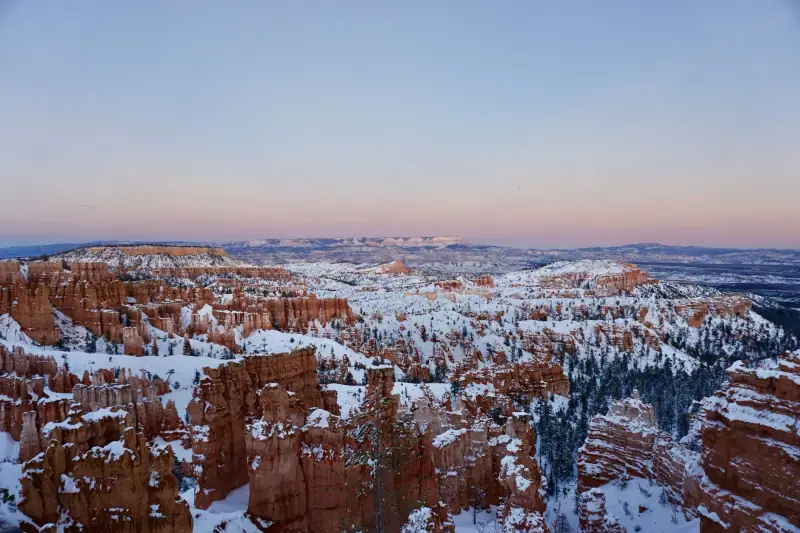
Bryce Canyon is known for the quality of its night sky. Elevation, dry air and distance from big cities give very dark nights, good for watching the Milky Way in clear weather. The park regularly holds stargazing events: check the official calendar at the time of your stay.
Sunrise is the other big moment. A few tips:
- Arrive before dawn: the best spots at the overlooks fill up early in high season.
- Dress warmly: mornings are cool, including in summer.
- Stay after sunrise: the light evolves for several dozen minutes and colors become more intense as the sun rises.
If you can only do one of the two, choose sunrise: it generally offers more vivid colors than sunset, because the amphitheater faces east.
Compare flights to Las Vegas
Las Vegas is the usual gateway to the Utah parks: compare flights for your dates.
When to visit Bryce Canyon
The park can be visited year-round, but elevation means choosing your season with care:
- Spring: variable temperatures, sometimes snow still on the trails. Crowds are thinner than in summer.
- Summer: the busiest season. Days are pleasant, noticeably cooler than in the nearby desert, but thunderstorms can break out late in the day.
- Fall: superb light, more moderate crowds, cool nights. A very good period for photos.
- Winter: the park is quiet and snow-covered hoodoos make a magnificent sight, but the cold is sharp and some trails can be difficult or closed.
To compare the seasons of each park of your circuit, see our guide to when to go to the American West.
Where to sleep and eat around Bryce Canyon
The most practical option is to stay in one of the villages near the park entrance: you save time in the morning and can go back to rest after the hike. Choice is limited, especially compared with Springdale near Zion, and rooms book fast in high season.
Other small towns in the region offer sometimes better rates, at the cost of a longer drive. If you plan a sunrise, proximity becomes a real advantage. To compare the types of lodging across the whole circuit, read our guide to where to stay in the American West.
For meals, dining in this area is limited and hours are often short outside the season. Bring food for lunch, plenty of water, and a reserve of snacks for hikes.
Fitting Bryce into your circuit
Bryce links easily with the other big parks of the Colorado Plateau:
- With Zion: first see Zion National Park, then take the road east to Bryce. The two parks complement each other: Zion for its cliffs and river, Bryce for its rock spires.
- With the Page area: about 3 h of driving separate Bryce from Page, the base for Horseshoe Bend and Antelope Canyon.
- With the Grand Canyon: then continue to Arizona. Our guide to visiting the Grand Canyon details the viewpoints and seasons.
A simple rule: give Bryce at least half a day, and ideally a night on site if sunrise or the starry sky tempts you.
Practical tips before you go
- Check the park’s official website: entrance fees, shuttle, trail conditions and any closures.
- Consider the annual national parks pass if your circuit includes several: it can be better value than single entries.
- Dress in layers: even in summer, mornings and evenings are cool.
- Hydrate and protect yourself from the sun: elevation strengthens the rays.
- Pace yourself: don’t schedule a long drive right after a hike with elevation gain.
- Respect nature: stay on the trails, don’t feed animals and take nothing from the park.
With good preparation, Bryce Canyon is one of the most memorable stops of an American West trip: a unique landscape, accessible hikes and colors that change every hour of the day.
Frequently asked questions
How long does it take to visit Bryce Canyon?
Half a day is enough to see the main viewpoints, but a full day is ideal: it lets you walk down into the amphitheater and enjoy sunrise or sunset. Astronomy fans will appreciate spending a night on site.
What is the best hike in Bryce Canyon?
The loop that combines Navajo Loop and Queen's Garden is the most recommended for a first visit: it descends among the hoodoos without requiring exceptional fitness. It does climb back up, at high elevation: bring water and take breaks.
Is it cold at Bryce Canyon?
The park is at high elevation, so temperatures are noticeably cooler than in the nearby desert, including in summer when evenings and mornings stay cool. Winter is cold and snowy: find out about trail conditions before you go.
How long is the drive between Zion and Bryce Canyon?
Allow about 2 h of driving between Zion and Bryce Canyon, not counting stops. The leg is therefore easy to fit in the same day, provided you leave early from Springdale.
Where should you stay to visit Bryce Canyon?
The villages near the park entrance are the most practical option, with hotels and motels a few minutes away. Other small towns around sometimes offer lower rates, at the cost of a longer drive. Book early in high season.
More American West guides
Keep reading
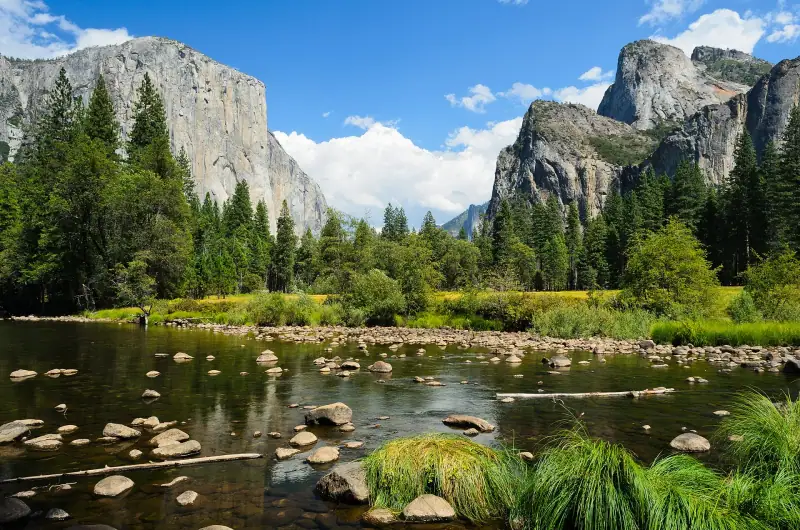
Visiting Yosemite: waterfalls, cliffs and tips for your road trip
Plan your Yosemite visit: valley, El Capitan, Yosemite Falls, Glacier Point, Mariposa Grove, Tioga Road, best season and where to stay.
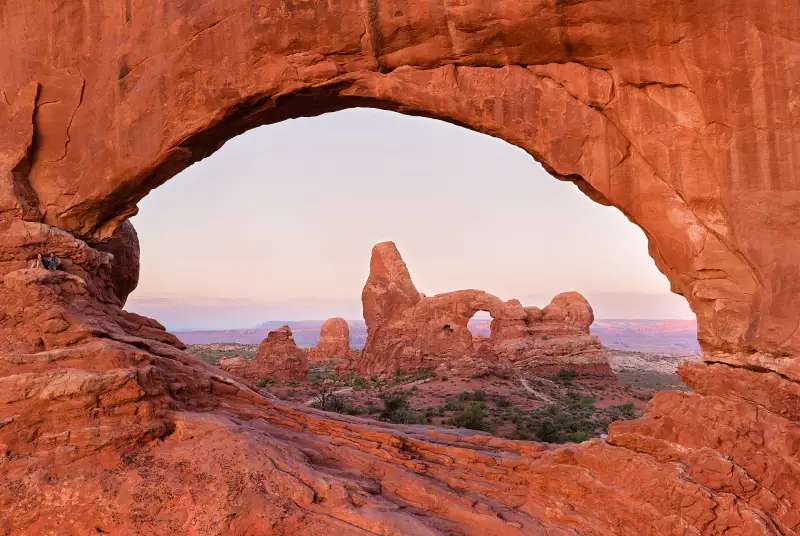
Visiting Arches National Park and Moab: arches, hikes and tips
Plan your Arches National Park visit from Moab: Delicate Arch, Windows, Devils Garden, light, heat, where to stay and your road trip.
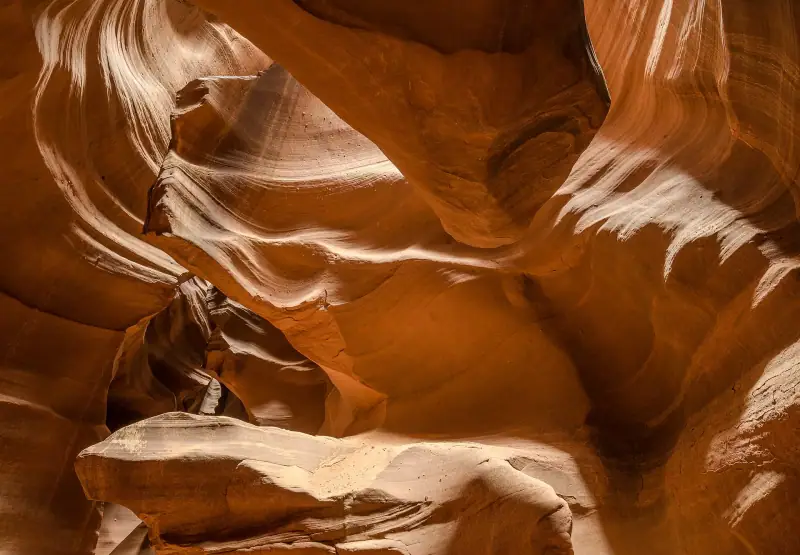
Antelope Canyon and Horseshoe Bend: guided tour and practical tips
Plan your stop in Page: Antelope Canyon guided tour, Horseshoe Bend overlook, Lake Powell, best season, where to stay and your road trip.
Ready-made
American West itineraries
8 days
American West road trip in December: 8-day itinerary and passable roads
Las VegasSpringdaleBryce CanyonPageGrand Canyon South Rim
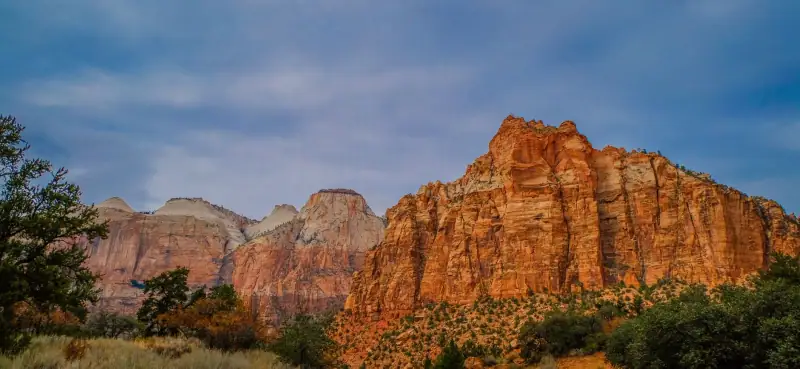
8 days
8-day road trip from Las Vegas: Zion, Bryce, Page and the Grand Canyon
Las VegasSpringdaleBryce CanyonPageGrand Canyon South RimLas Vegas
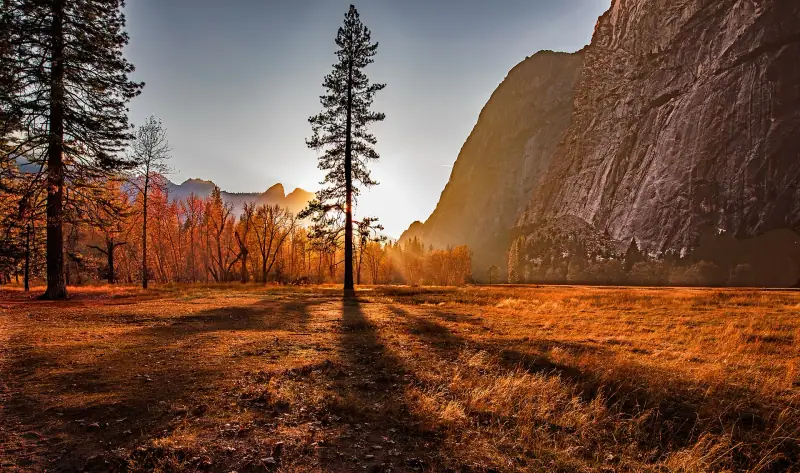
9 days
9-day road trip: San Francisco, Yosemite, Death Valley and Las Vegas
San FranciscoYosemiteLee ViningLone PineDeath ValleyLas Vegas