Things to do
Visiting Yosemite: waterfalls, cliffs and tips for your road trip
We may earn a commission when you book through links on this page, at no extra cost to you. We don't visit or try the places we cover: we summarize published sources. How we work
In short
- One day covers the main Yosemite Valley viewpoints; two to three days let you add a hike, Glacier Point and another area of the park.
- From San Francisco allow about 4 to 5 h of driving to the valley, so sleep in or near the park rather than do a day trip.
- Tioga Road and Glacier Point Road close in winter; the valley stays accessible year-round. Spring is best for waterfalls.
- The final stretch of the Half Dome hike needs a permit from the park, generally awarded by lottery; check the official website well ahead.
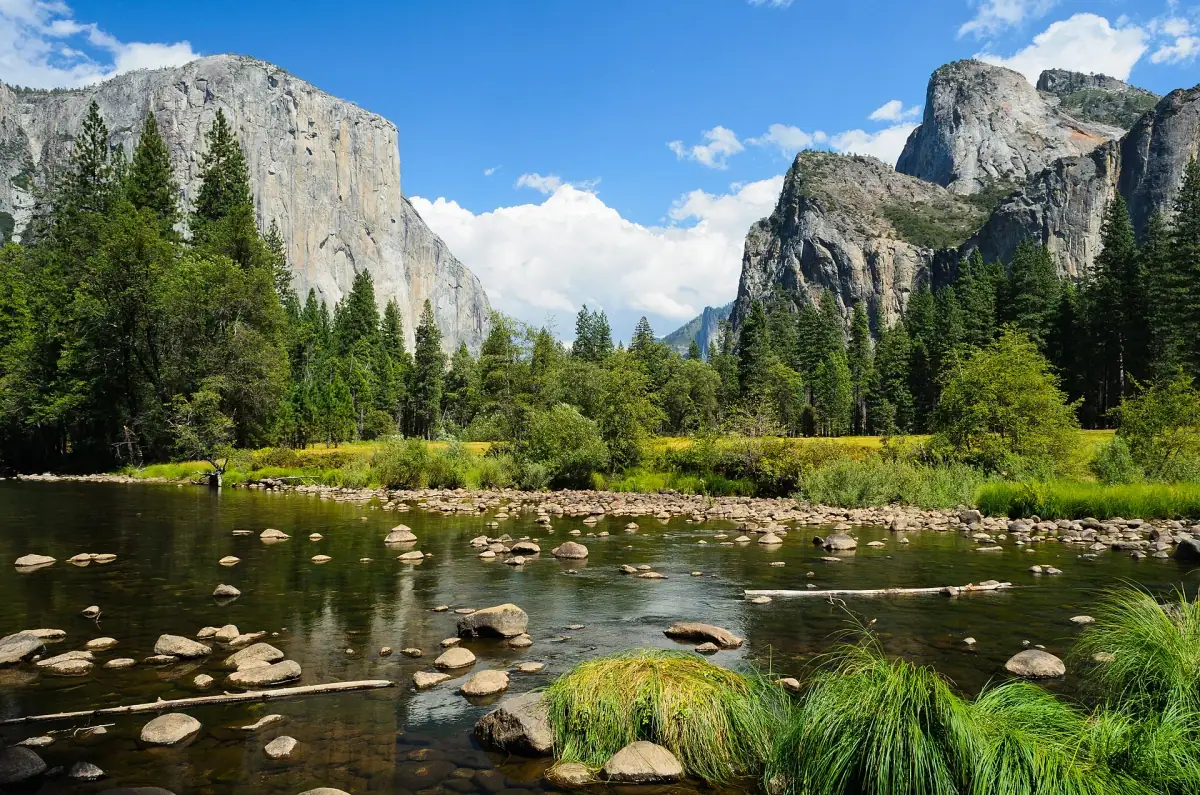
Yosemite is California’s most emblematic national park. In the Sierra Nevada, a glacial valley lined with gigantic granite cliffs holds spectacular waterfalls, sequoia forests and high meadows. Between El Capitan, Half Dome and Yosemite Falls, the landscapes have a scale that impresses even those who have already seen the Grand Canyon.
The park stands apart from the desert stops by its greenery and coolness: you walk under pines, beside rivers, facing vertical walls. It does take a bit more organization, though, because lodging, high-elevation roads and crowds vary a lot by season. This guide helps you choose your stops, your hikes and your base.
Understanding Yosemite before you go
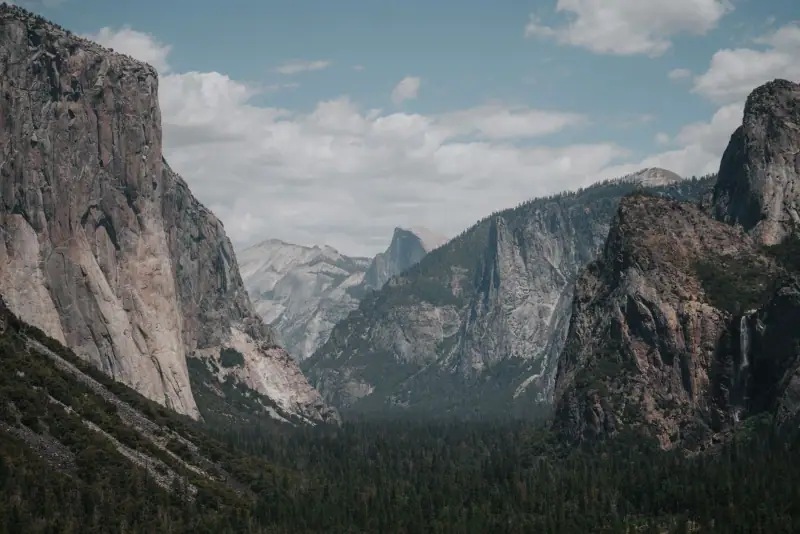
The park covers a vast territory, but most visitors concentrate on Yosemite Valley, a narrow valley carved by glaciers and the Merced River. That is where the most famous cliffs and waterfalls are, along with most of the lodging, restaurants and services.
The rest of the park divides into several areas:
- Yosemite Valley: the heart of the park, accessible year-round, with the big overlooks and the most popular trails.
- Glacier Point and Badger Pass: a spectacular balcony above the valley, reached by a road that closes in winter.
- Mariposa Grove: a grove of giant sequoias, in the south of the park.
- Tioga Road and Tuolumne Meadows: the high-elevation road that crosses the park from east to west, lined with granite domes and meadows, open only part of the year.
- Hetch Hetchy: a quieter valley, in the northwest, often less visited.
To place Yosemite in a grand circuit, see our 15-day American West road trip, which links it with Death Valley and San Francisco.
Getting to Yosemite
Yosemite is several hours’ drive from big cities. From San Francisco, allow about 4 to 5 h to reach the valley. From Los Angeles, the road is much longer: plan a big day of driving, better split over two stops. From Death Valley, crossing the Sierra Nevada via Tioga Road is only possible when the road is open.
A few benchmarks to organize your trip:
- Choose your entrance based on your itinerary: the west entrance serves the valley directly, the east entrance depends on Tioga Pass.
- Anticipate traffic: in high season, lines at the entrances and parking in the valley can cost time.
- Fill up before going up: gas stations are rare in the park and their prices are high.
The car remains the simplest way to get organized, especially since the park is vast. A free shuttle runs in the valley at certain times: check how it operates and the access rules on the park’s official website for the date of your visit.
Where to stay near Yosemite?
Lodging in and around the park fills up early. Compare options and book well ahead in high season.
The main viewpoints of the valley
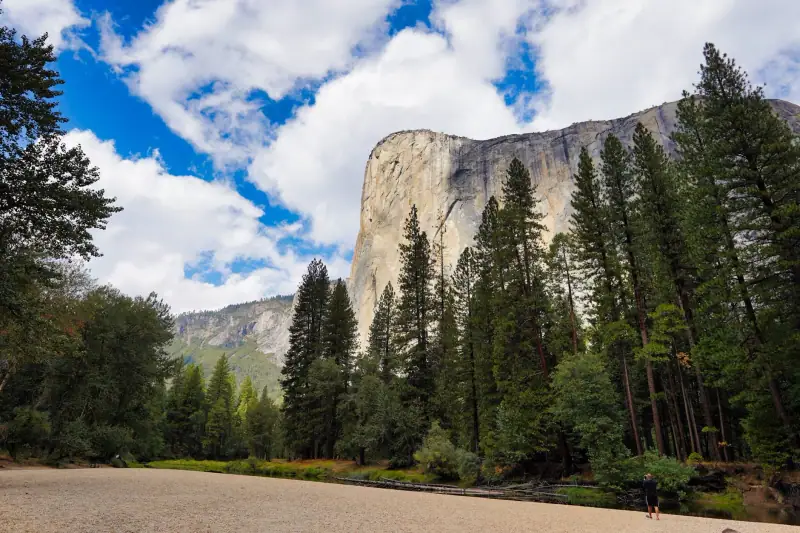
Yosemite Valley is first discovered with the eyes. Several overlooks, often reached in a few minutes on foot, show the whole landscape:
- Tunnel View: one of the most photographed panoramas of the park, taking in El Capitan, Bridalveil Fall and Half Dome in a single glance. A classic stop when arriving by the west entrance.
- El Capitan: a granite cliff about 3,000 ft (900 m) high, much loved by climbers. From the meadows at the foot of the wall, you can watch it with binoculars.
- Bridalveil Fall: a delicate waterfall whose water the wind sometimes disperses into a veil. It is reached by a short trail.
- Half Dome: the granite dome that dominates the east end of the valley and serves as a landmark for the whole park.
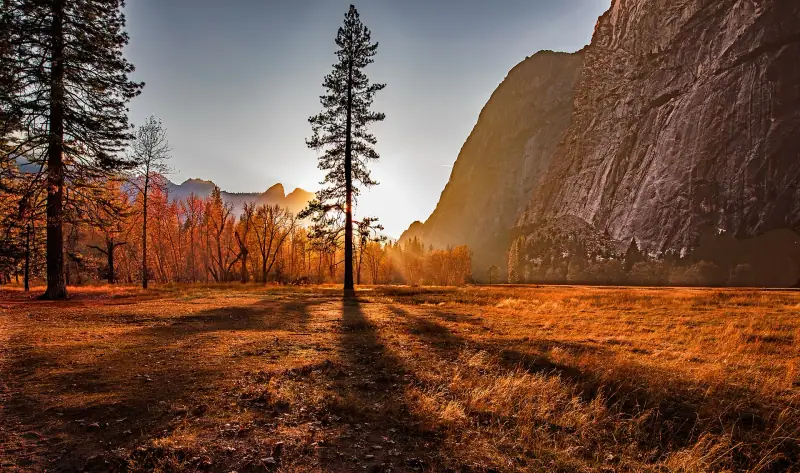
To enjoy the light, go in the early morning and late afternoon, when the cliffs take on golden hues. Avoid planning these stops in the middle of the day, when crowds are strongest.
Yosemite Falls and the park’s waterfalls
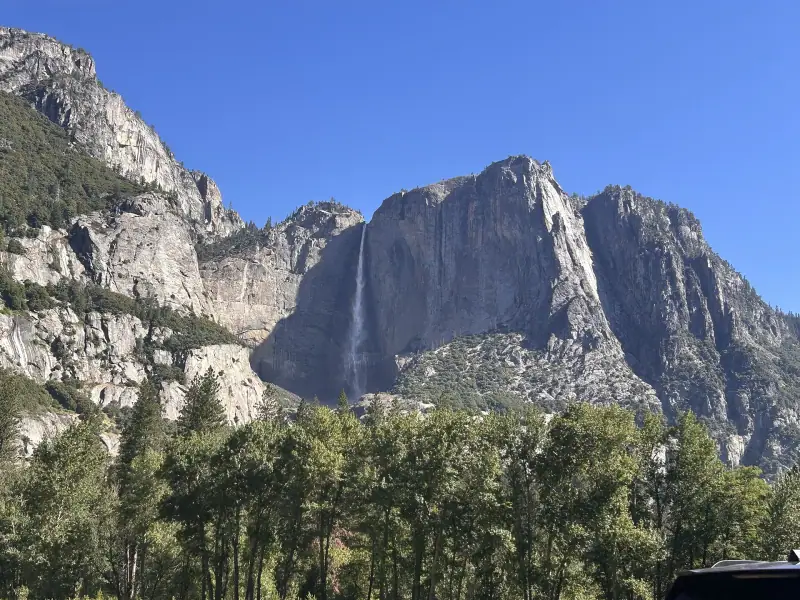
Yosemite Falls is among the tallest waterfalls in North America, with a total height close to 2,425 ft (740 m) split into three sections. Its flow depends strongly on the season: powerful in spring, it can be reduced to a trickle at the end of summer, even dry in places.
A few tips for the waterfalls:
- Visit in spring if your priority is the show of water. Snowmelt then feeds most of the falls.
- Bring a waterproof layer near the falls: spray can be heavy.
- Choose the right trail: a short walk leads to the foot of the falls, while a much more demanding trail climbs to the top.
The Mist Trail hike, which follows the river up to Vernal Fall then Nevada Fall, is one of the most famous in the park. It is demanding, the stone steps can be slippery and the mist wets the trail: bring good shoes and water, and allow plenty of time.
Yosemite excursions
Guided visits, tours from San Francisco: compare the activities available for your dates.
Glacier Point and Half Dome
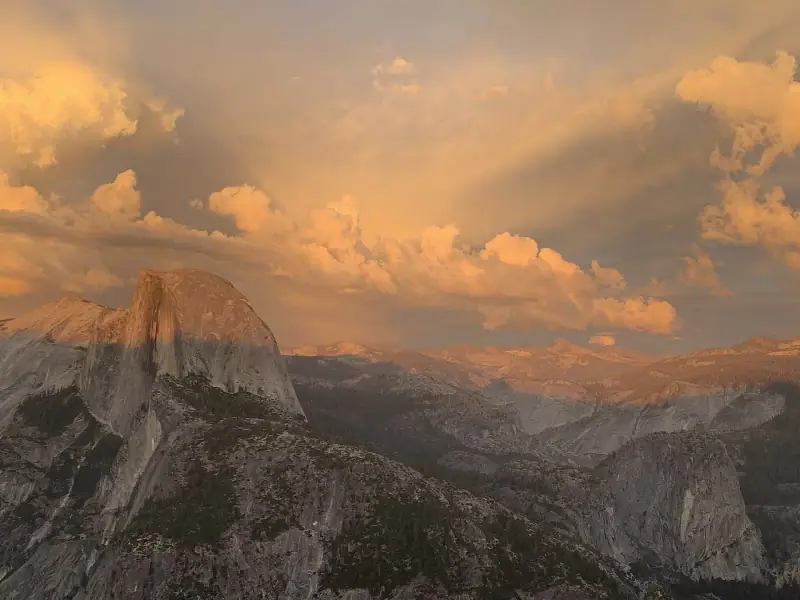
Glacier Point is a natural balcony that overlooks the valley from very high. From there you see Half Dome face on, the waterfalls at the bottom of the valley and the Sierra Nevada mountains on the horizon. Access is by a road that closes in winter: check that it is open before going, as it depends on snowpack.
Sunrise and sunset are especially beautiful there, but they are also when the parking lot fills fastest. Arrive early and bring a jacket, as it is cooler than at the bottom of the valley.
The Half Dome hike is the park’s most famous climb. It takes a full day, excellent fitness and lots of water. The final portion, equipped with cables, requires a permit issued by the park, generally awarded by lottery: plan this step ahead, and always check the official website for the rules in force.
If you don’t want to do this climb, many other hikes offer superb panoramas for a more reasonable effort.
Mariposa Grove and the giant sequoias
In the south of the park, Mariposa Grove shelters giant sequoias among the most impressive in California. These trees, among the most massive on the planet, live several thousand years. Trails of varying lengths let you discover them at your own pace.
Access to this sector is organized differently by season, sometimes with a shuttle from a welcome parking lot: find out on the official website before your visit. Allow half a day if you want to walk the forest leisurely.
It is a nice alternative for those who want to change pace after the valley, where you spend most of the time looking at cliffs. Here, the scale changes: you look up, at the foot of immense trunks.
Compare flights to San Francisco
San Francisco is the most practical gateway to Yosemite: compare flights for your dates.
Tioga Road and Tuolumne Meadows
Tioga Road crosses the Sierra Nevada from west to east and runs at high elevation, among granite domes, lakes and meadows. It is one of the finest drives in the park, but it is open only when snow allows: generally from late spring to fall, depending on the year.
Tuolumne Meadows, at the center of this sector, is a vast high meadow surrounded by peaks. The atmosphere is calmer and wilder than in the valley, with half-day hikes on granite domes or along the river. Nights are cool there, even in summer.
This road is also the natural link between Yosemite and Death Valley, or Mono Lake, to the east. If your circuit goes that way, check the road status before committing, because a closure forces a long detour.
When to visit Yosemite
Yosemite can be visited year-round, but each season offers a different experience:
- Spring: waterfalls are at peak flow, meadows are green, but some high-elevation roads are still closed.
- Summer: all roads are open and days are long, but crowds are at their maximum and lodging fills up very early.
- Fall: crowds drop, the light is beautiful and temperatures pleasant, but waterfalls are often reduced.
- Winter: the park is quiet and the snowy valley is magnificent, but Tioga Road and Glacier Point are closed and chains may be required. Our guide to American West national parks in winter details the cold season.
To compare the seasons across the whole circuit, see our guide to when to go to the American West.
Where to sleep and eat around Yosemite
Lodging is Yosemite’s main challenge. There are three main options:
- In the valley: the most practical for sunrises and early hikes, but the most expensive and the quickest to fill.
- At the park gates: edge villages offer hotels and motels, with 30 min to 1 h of driving to the valley depending on the location.
- Camping: an economical and immersive option, but subject to reservations sometimes needed very far ahead.
For meals, the valley has a few restaurants and a grocery store, often busy in high season. Many visitors prepare picnics, which avoids waiting and lets you eat facing the cliffs. To compare the areas, see our guide to where to stay in the American West.
Practical tips before you go
A few points to keep in mind to prepare your visit calmly:
- Check the access rules: depending on the period, the park may require reservations or permits. Check the official website before you go.
- Book early: Yosemite lodging and campgrounds fill up very far ahead for summer.
- Respect wildlife: black bears live in the park. Store food in the lockers provided and leave nothing in the car.
- Pack layers: the temperature gap between the valley floor, Glacier Point and Tioga Pass can be large.
- Start early: it is the best way to avoid crowds and find a parking spot.
- Expect little coverage: phones work poorly in much of the park. Download your maps in advance.
To compare with the desert parks, also see our guide to Zion National Park, which offers a striking landscape contrast with the Sierra Nevada.
Frequently asked questions
How long does it take to visit Yosemite?
One day lets you see the big viewpoints of the valley, but two to three days are preferable to add a hike, Glacier Point and another area of the park. If you want to drive Tioga Road and the high meadows, allow one more day.
What is the best time to visit Yosemite?
Spring is ideal for waterfalls, fed by snowmelt, while summer and early fall open all the high-elevation roads. Summer is also the busiest period. Check the park's official website for road conditions and any reservation rules.
How long is the drive between San Francisco and Yosemite?
Allow about 4 to 5 h of driving from San Francisco to the valley, depending on the entrance chosen and traffic. The day is therefore long: better to stay on site or nearby than to attempt a day round trip.
Do you need to reserve for Half Dome?
Yes, the final portion of the Half Dome hike, equipped with cables, requires a permit issued by the park, generally awarded by lottery. Find out well ahead on the official website, as the rules can change from one year to the next.
Can you cross Yosemite in winter?
The valley stays accessible year-round, but the Tioga Pass road, which crosses the park from east to west, closes with the first heavy snowfalls. Mountain roads may require chains: check conditions before you go.
More American West guides
Keep reading
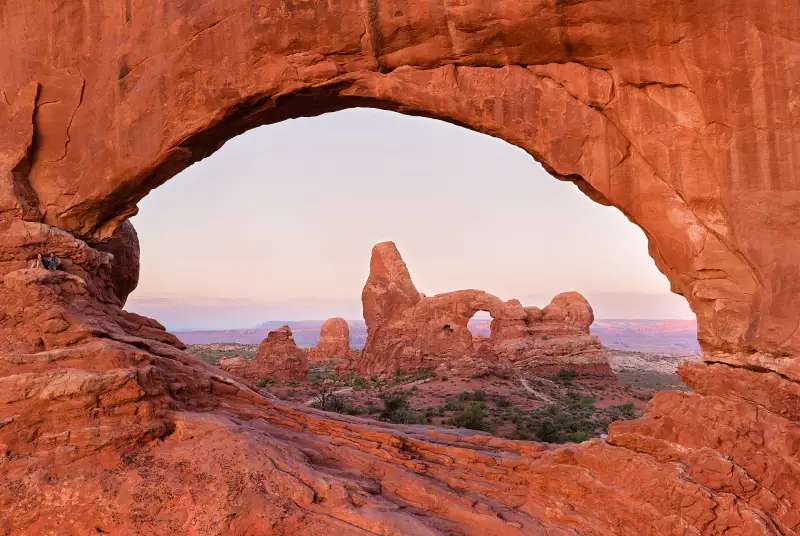
Visiting Arches National Park and Moab: arches, hikes and tips
Plan your Arches National Park visit from Moab: Delicate Arch, Windows, Devils Garden, light, heat, where to stay and your road trip.
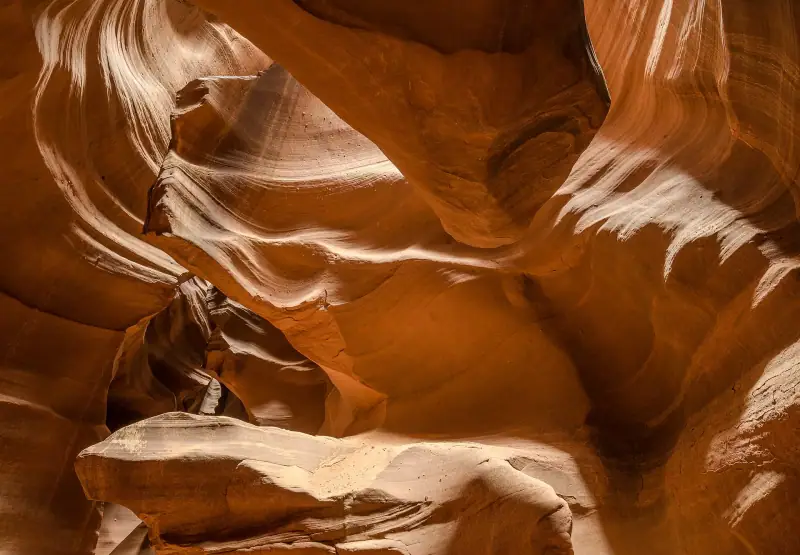
Antelope Canyon and Horseshoe Bend: guided tour and practical tips
Plan your stop in Page: Antelope Canyon guided tour, Horseshoe Bend overlook, Lake Powell, best season, where to stay and your road trip.
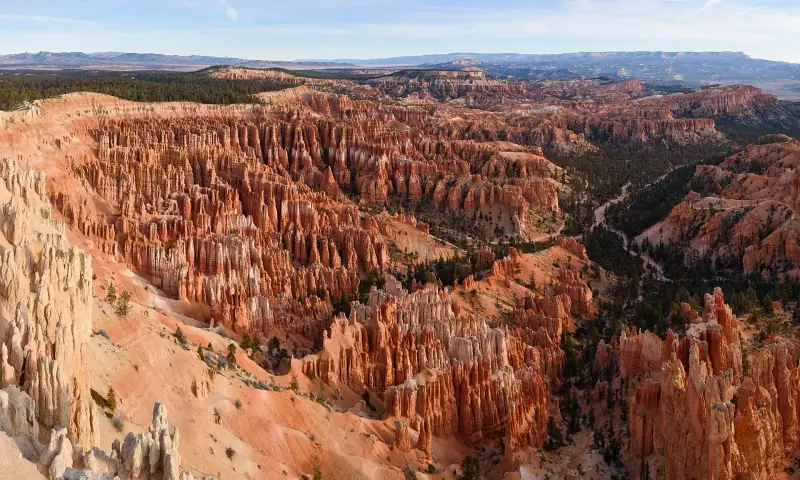
Visiting Bryce Canyon: hoodoos, hikes and practical tips
Plan your Bryce Canyon visit: viewpoints, Navajo Loop, Queen's Garden, sunrise, stargazing, where to stay and fitting it into your road trip.
Ready-made
American West itineraries
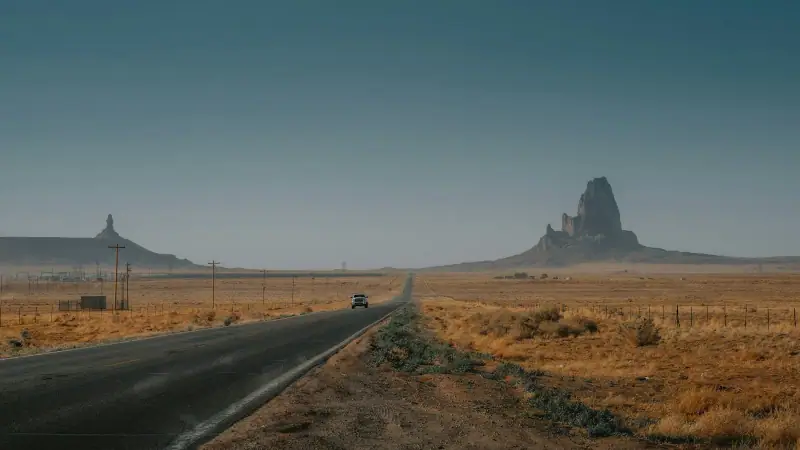
8 days
American West road trip in December: 8-day itinerary and passable roads
Las VegasSpringdaleBryce CanyonPageGrand Canyon South Rim
8 days
8-day road trip from Las Vegas: Zion, Bryce, Page and the Grand Canyon
Las VegasSpringdaleBryce CanyonPageGrand Canyon South RimLas Vegas
9 days
9-day road trip: San Francisco, Yosemite, Death Valley and Las Vegas
San FranciscoYosemiteLee ViningLone PineDeath ValleyLas Vegas