Itineraries
4-day safari in Tanzania: Tarangire, Manyara and Ngorongoro
We may earn a commission when you book through links on this page, at no extra cost to you. We don't visit or try the places we cover: we summarize published sources. How we work
Day by day
- Day 1Tarangire National Park, overnight near Lake Manyara or Karatu
- Day 2Lake Manyara in the morning, then the road to Karatu
- Day 3Descent into Ngorongoro Crater, back to Karatu
- Day 4Drive back to Arusha
In short
- The 4-day circuit links Tarangire, Lake Manyara and Ngorongoro Crater, three very different ecosystems, without reaching the Serengeti.
- Expect roughly two to four hours on the road between stages, plus the hours spent driving inside the parks.
- Karatu, near the Ngorongoro entrance, is the most practical overnight base before the crater descent.
- Park fees are usually the biggest budget item. Check that they are included before comparing quotes.
This 4-day safari in northern Tanzania is the short version of the classic circuit. It links Tarangire National Park, Lake Manyara and Ngorongoro Crater, three very different sites that give a good overview of East African wildlife without tying up a whole week. It suits travelers with little time off, a limited budget, or a safari added to a bigger trip, for example a climb or a beach extension.
If you have more time and want to include the Serengeti, see the 7-day itinerary in northern Tanzania instead. To choose your dates, read our guide to when to go to Tanzania.
The circuit at a glance
Here is the general outline, which each operator adjusts to its own habits:
- Day 1: leave Arusha, spend the day in Tarangire National Park, overnight near Lake Manyara or in Karatu.
- Day 2: morning at Lake Manyara, then the road to Karatu and the highlands around Ngorongoro.
- Day 3: descent into Ngorongoro Crater, game viewing all morning, then back to Karatu.
- Day 4: drive to Arusha and end of the circuit.
Driving times are approximate: track conditions, weather and wildlife stops make them vary. The idea is never to do a stage without time for pauses, because wildlife viewing often happens at unplanned moments.
This program skips the Serengeti, whose distance forces a longer stay. In exchange, four days let you enjoy stages closer to Arusha, which cuts the hours on the tracks.
Before you go: organizing a short safari
The circuit usually starts in Arusha, a town at the foot of Mount Meru. Kilimanjaro International Airport lies between Arusha and Moshi, and many travelers land there in the evening. If possible, plan a night of rest before departure, or build a one-day buffer into your flight schedule.
Flights to Tanzania
Flights usually arrive at Kilimanjaro Airport, between Arusha and Moshi: compare offers for your dates.
A few planning points:
- A 4x4 with a driver-guide is the norm. It is essential to reach the park tracks and the Ngorongoro Conservation Area.
- Park entrance fees weigh heavily on the budget. They are usually included in packages, but check this before comparing quotes. Our article on the cost of a safari in Tanzania breaks down the expense items.
- Formalities: entry rules depend on your passport. Check the official travel advice of your government before you book: travel.state.gov (US), GOV.UK (UK), travel.gc.ca (Canada), Smartraveller (Australia) (checked November 2026). For health, ask your doctor or a travel clinic, and see the official travel health pages (CDC in the US, TravelHealthPro in the UK). See also visa, health and vaccines.
- Packing: layered clothing, neutral colors, a hat, sunglasses, sunscreen and binoculars. We list useful gear in our article on accessories for Tanzania.
Day 1: Tarangire National Park
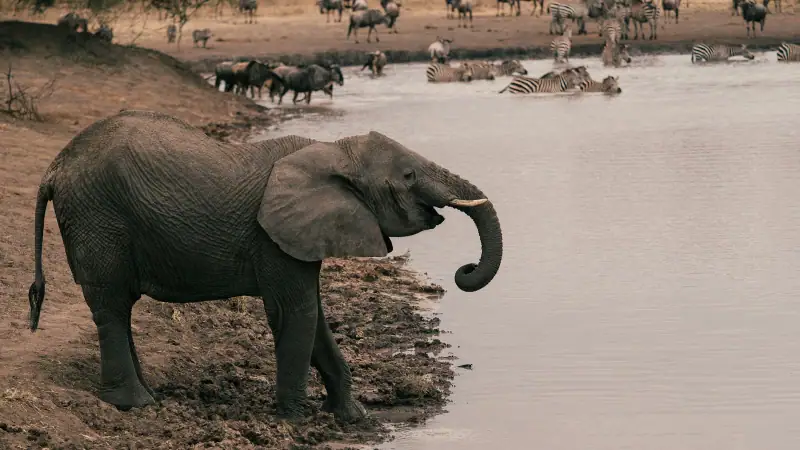
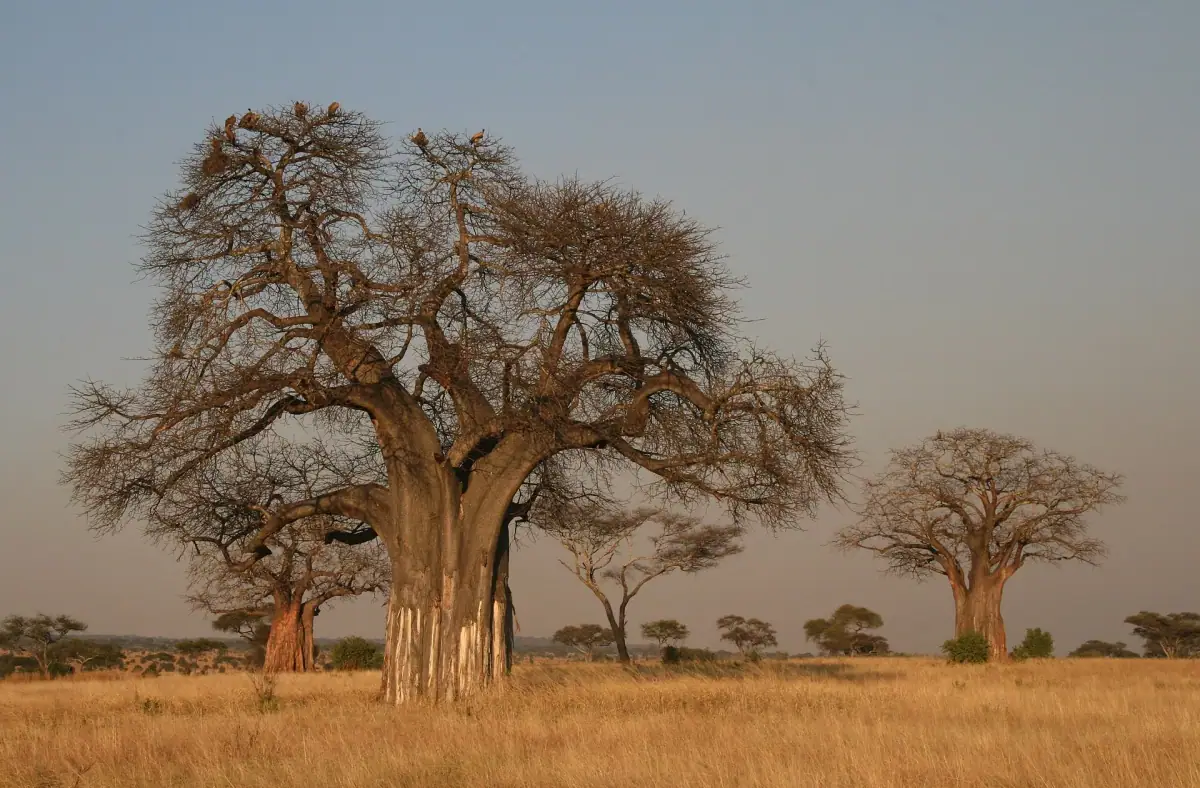
The first day takes you to Tarangire National Park, about two hours from Arusha depending on traffic and road conditions. The park is known for its large elephant herds and its baobabs, massive-trunked trees that tower over the savanna. The Tarangire River draws animals in the dry season, which makes viewing especially rich between June and October.
You regularly see elephants, giraffes, zebras, wildebeest, buffalo and impalas. Lions are often spotted resting in the shade, and leopards hide in the branches of big trees, a challenge even for trained eyes. Birds are plentiful: birders will find plenty to keep them busy.
To understand the park, its seasons and its best viewing times, read our full guide to Tarangire, its elephants and its baobabs.
A few tips for this first day:
- Leave early to enjoy the soft morning light and animals that are still active.
- Plan a picnic: most operators supply a packed lunch to eat in a designated area.
- Stay in the vehicle except in areas where the guide says you can get out.
- Carry plenty of water: the heat builds quickly around midday.
The night is usually spent in a lodge or camp in the Lake Manyara or Karatu area. The choice depends on your budget and on your operator’s route logic.
Day 2: Lake Manyara and the road to Karatu
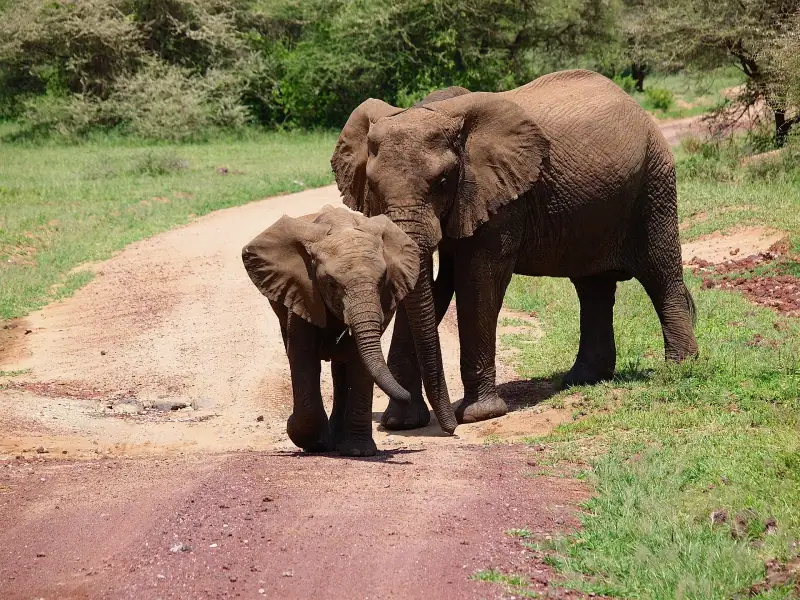
The second day is devoted to Lake Manyara National Park, smaller than its neighbors but very diverse. The scenery shifts from dense forest to savanna and then to the lakeshore, at the foot of a tall escarpment. Here you meet wildlife you do not see everywhere: baboon troops are common, hippos stay in the water and waterbirds abound on the shores depending on the lake level.
The lions of this park are known for climbing trees. This quirk is often highlighted, but sightings remain a matter of chance: do not take it for granted. Giraffes, elephants and buffalo complete the picture.
The town of Mto wa Mbu, at the foot of the escarpment, is known for its lively market and its diverse population. If your schedule allows, it is a chance to see daily Tanzanian life: fruit stalls, craft workshops and small shops. Take the time to taste the local fruit, especially the bananas, which are very common in the region.
Safaris and excursions
Compare organized safaris from Arusha, with a guide and a suitable vehicle.
In the afternoon, the road climbs to Karatu, a small farming town in the highlands near the Ngorongoro entrance. Its cooler climate and cultivated hills contrast with the heat of the plains. It is the most practical overnight base before the crater descent, since it spares you a dawn start after a long drive.
Where to sleep in Karatu before Ngorongoro
Karatu has a wide range of lodging: lodges with hill views, simple guesthouses and more affordable camps. Many operators place the night of day 2 here, sometimes the night of day 3 too.
Whether you book your safari through an agency or directly, look at these criteria: distance to the Ngorongoro entrance, quality of breakfast (the departure is early), hot water and whether you can pay by card. Our guide to where to sleep on a safari in Tanzania compares the main types of lodging.
Places to stay in Karatu
Sleep near the Ngorongoro entrance to limit fatigue before the descent into the crater.
Day 3: Ngorongoro Crater
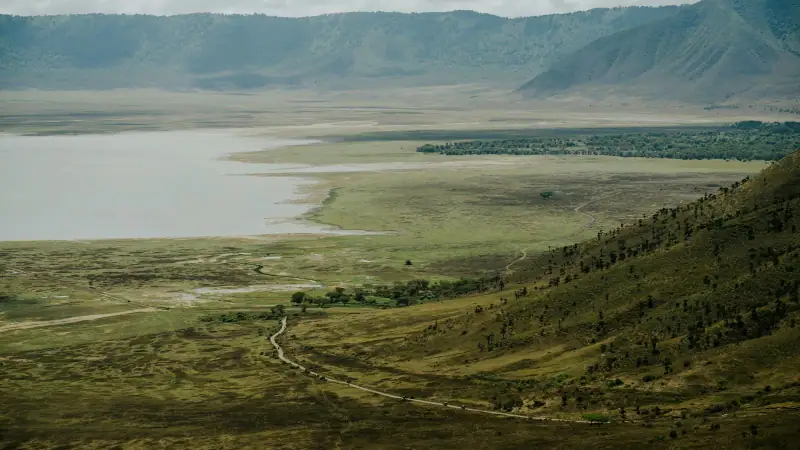
The third day is usually the high point of the circuit. Ngorongoro Crater is a huge collapsed volcanic caldera whose floor forms a closed ecosystem where many animals live year-round. The descent follows a track from the crater rim in the early morning, when the light is good and the mist clears.
The concentration of wildlife is remarkable: zebras, wildebeest, buffalo, gazelles, hippos, hyenas, flamingos on the lake depending on the season, and many birds. Lions are often visible. The crater is also one of the places where you may have a chance to glimpse a black rhino, rare and protected, usually at a distance.
Time on the crater floor is regulated: the conservation area’s rules limit how long you can stay. Operators therefore organize the day to make the most of the first hours, then climb back out in the early afternoon. Our guide to visiting Ngorongoro Crater covers visiting hours, access fees and viewing tips.
Tips for this day:
- Dress warmly: it is cool at altitude at the start, then hot in the crater.
- Charge your batteries: cameras and phones get heavy use.
- Listen to your guide: he knows where the animals are at a given time and can anticipate their movements.
- Stay patient: a sighting can last when a big cat is hunting or a herd crosses the track.
To build your viewing skills and understand animal behavior, our tips for watching wildlife in Tanzania will help you get the most from every outing.
Day 4: back to Arusha
The last day is for the return. From Karatu, the road reaches Arusha in a few hours, possibly with a stop to buy crafts. Depending on your flight time, the operator drops you at your hotel, at Kilimanjaro Airport or at Arusha Airport.
Keep a generous safety margin: do not plan an international flight the same evening without confirming with your operator the realistic driving time and arrival time. An extra night in Arusha avoids the stress of delays.
To extend the trip with a few days of relaxation, a beach extension on Zanzibar is possible.
What budget for 4 days of safari?
The cost of a four-day safari depends mainly on the comfort level, the number of participants and the season. The main items are:
- park and conservation area fees, often the biggest share;
- the vehicle and driver-guide, shared among travelers;
- lodging, from simple camping to a comfortable lodge;
- meals, generally included in a full-board package;
- tips, a common practice for the guide and the lodge team.
A group departure lowers the cost per person, while a private package offers more flexibility. Avoid abnormally low offers: they often come at the cost of unreliable vehicles, distant lodges or hidden fees. Always ask what is included, and get it in writing. Details are in our article on the cost of a safari in Tanzania.
Short safari or long safari: how to choose?
A 4-day safari is a good compromise, but it has limits. Here is how to decide.
Choose 4 days if:
- you have little time or a tight budget;
- you want a first safari before doing a longer one later;
- you are combining the safari with another stop (Kilimanjaro, beach, another country);
- you prefer to limit long hours on the tracks.
Choose 7 days or more if:
- the Serengeti and the Great Migration are your priority; our Serengeti guide explains why this park needs more time;
- you want to improve your chances of seeing the big cats;
- you like to take your time, with lighter days.
In any case, do not try to see everything: wildlife viewing takes time, and it is better to visit fewer sites with calmer days.
Practical tips for a successful 4-day safari
- Book ahead in high season, June to October: the best lodging fills early.
- Choose a reputable operator: read reviews, ask for details on the vehicle (pop-up roof, number of seats, window seat for each passenger) and make sure the agency’s license is valid.
- Protect yourself from sun and dust: hat, sunglasses, scarf and sunscreen.
- Respect the wildlife: keep quiet, never feed the animals and do not leave the vehicle outside authorized areas.
- Bring cash in small bills for tips and small purchases.
- Ask your doctor or a travel clinic before you go, and see the official travel health pages (CDC in the US, TravelHealthPro in the UK).
- Take out travel insurance that includes medical assistance and repatriation.
Frequently asked questions
Is a 4-day safari in Tanzania enough?
Yes, if you have little time or a limited budget. Four days cover three very different ecosystems (Tarangire, Lake Manyara and Ngorongoro Crater) and let you see elephants, giraffes, zebras, buffalo, hippos and, with some luck, lions. This circuit does not include the Serengeti or the Great Migration, which need more days.
What is the best time of year for this circuit?
The dry season, generally June to October, is best for Tarangire because animals gather around the water points. Ngorongoro and Lake Manyara can be visited year-round. The long rains, generally March to May, make the tracks harder and many lodges slow down.
Do you need a guide for this safari?
Yes. In these parks you travel in a 4x4 with a driver-guide, who knows the tracks, spots the animals and handles the entry formalities. Operators also offer group departures to share the costs.
Where should you sleep during a 4-day safari?
Most circuits include two nights at a base: one in the Karatu area, near Ngorongoro, and another around Arusha or in a camp close to a park. Options range from camping to comfortable lodges depending on your budget.
Can you extend the trip with a few beach days?
Yes, many travelers end their safari with a beach extension on Zanzibar.
How long do you spend in the car?
Drives are often long: generally allow two to four hours on the road depending on the stage, on top of the hours of driving inside the parks. Times vary a lot with track conditions and the season, so ask your operator for the details.
More Tanzania guides
Keep reading
Arusha National Park: walking, canoeing and Mount Meru
Arusha National Park, near town: walking safari with a ranger, canoeing on the Momella lakes, Ngurdoto Crater and the Mount Meru climb. Practical guide.
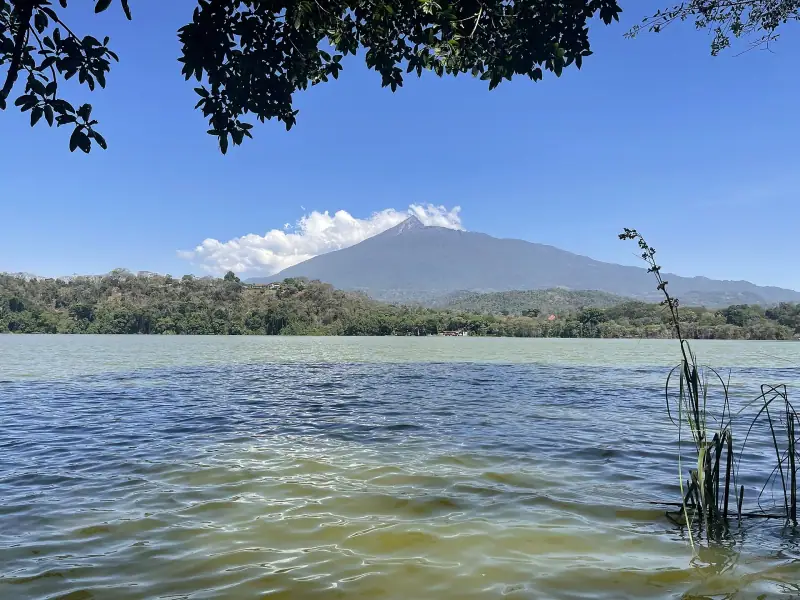
Lake Duluti near Arusha: canoeing, walking and prices for a half day
Is Lake Duluti worth a detour before or after a safari? Access from Arusha, canoeing, walking, birds, quoted prices and tips for a half day.
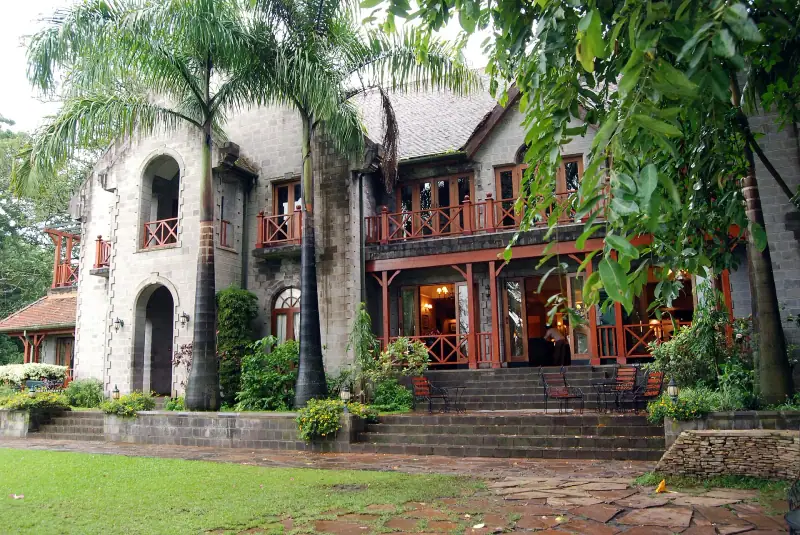
Where to stay in Arusha and Moshi before and after a safari
Arusha, Moshi or Karatu: which base before and after a safari or Kilimanjaro, what kinds of hotels, what budget and which pitfalls to avoid.
Ready-made
Tanzania itineraries

8 days
Family safari in Tanzania: an 8-day itinerary with kids
A Tanzania safari circuit suited to children: short stages, accessible parks, pace, lodging, health and tips so the whole family enjoys it.
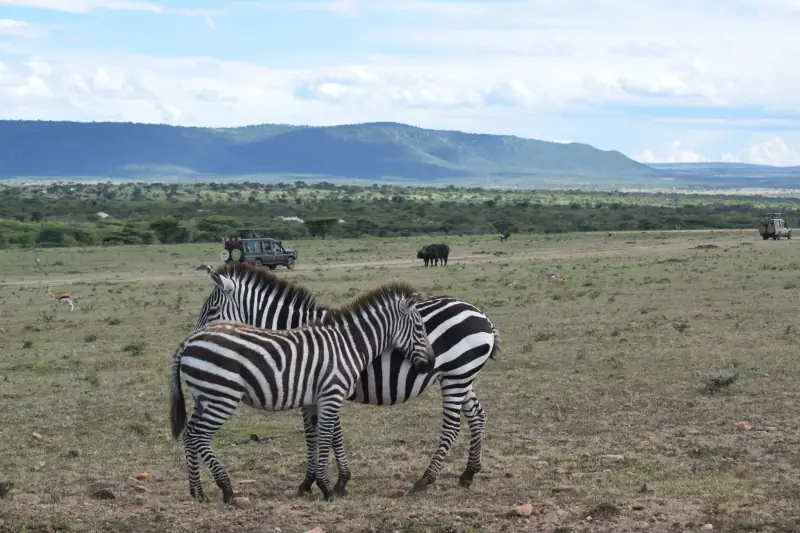
7 days
7-day safari in northern Tanzania: the complete itinerary
A 7-day itinerary for a first Tanzania safari: Tarangire, Lake Manyara, Ngorongoro and the Serengeti, with tips on planning and where to stay.