Plan your trip
When to visit Tanzania: seasons, migration and best months
We may earn a commission when you book through links on this page, at no extra cost to you. We don't visit or try the places we cover: we summarize published sources. How we work
In short
- The dry season, about June to October, is the most recommended for safari: low vegetation, animals near water, passable tracks.
- Calving in the southern Serengeti is generally January to March; river crossings in the north most often fall between July and October.
- The long rains run about March to May, with lower rates and fewer visitors, but some difficult tracks.
- Kilimanjaro has two popular windows: January to mid-March and June to October.
Choosing when to visit Tanzania depends above all on what you want to see. Safari in the Serengeti, Tarangire’s elephants, Ngorongoro Crater or a Kilimanjaro climb: each plan has its ideal period, and no season is really to be ruled out. The country sits near the equator, so it is the rains, much more than temperatures, that set the rhythm of the year.
This guide helps you choose your dates according to your priorities: wildlife viewing, migration, hiking, budget or quiet.
Tanzania’s climate in brief
Northern Tanzania, where the big safari parks are concentrated, has two rainy seasons and two dry seasons:
- The main dry season, about June to October, with sunny days, cool nights and little rain.
- The short rains, about November to December, often in the form of brief showers, sometimes in the late afternoon.
- A short dry season, about January to February, hot and generally pleasant.
- The long rains, about March to May, the wettest period of the year.
These limits are indicative: from one year to the next, the rains can arrive earlier or later. Altitude also plays a big role. Around Arusha, Karatu and Ngorongoro Crater, nights can be cool, even cold, in June-July: a fleece is essential for dawn departures.
June to October: the high season for safari
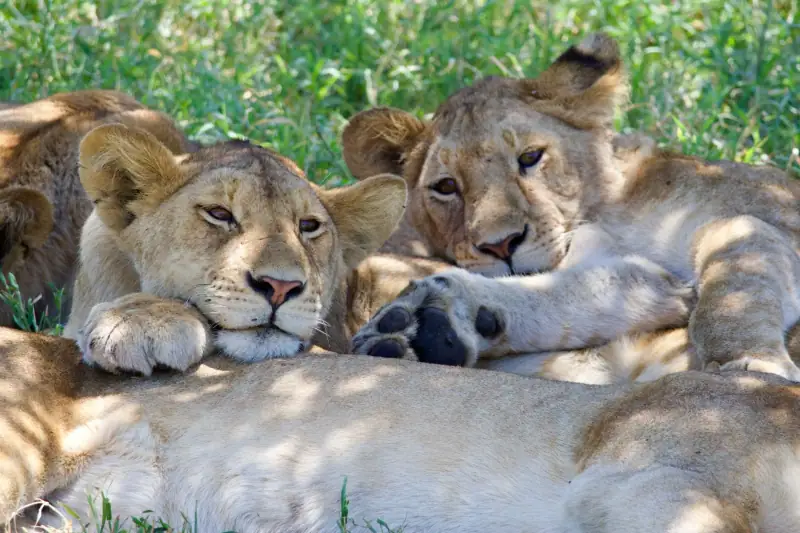
This is the most popular period, for good reasons. The grass is lower and the vegetation less dense, which makes viewing easier. Animals move closer to permanent water points, notably in Tarangire National Park, known for its large elephant herds in the dry season. Tracks are generally more passable and mosquitoes less numerous.
Advantages:
- Among the best viewing conditions of the year.
- Tracks in good condition, more reliable drives between parks.
- The period when the Great Migration’s river crossings most often take place in the northern Serengeti, generally between July and October.
Drawbacks:
- Lodge and camp rates at their highest, especially in July-August.
- The best-known parks and sites are more crowded.
- Book the best lodging several months ahead.
Places to stay around Arusha
The starting point of most safaris: compare the hotels available for your dates, especially in high season.
The Great Migration: following the herds in the Serengeti
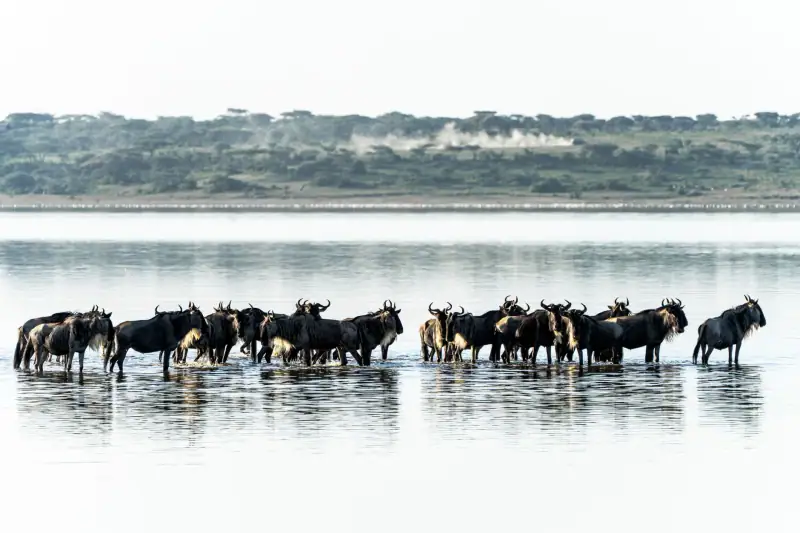
The migration of wildebeest and zebras is not a one-off event but a continuous cycle, driven by the rains and the growth of the grass. No calendar is guaranteed to the week; here are the usual stages.
- January to March: the herds generally gather in the southern Serengeti and the Ndutu area, where most calving takes place. This period also attracts predators.
- April to June: the herds move back up toward the center and west of the park, a transition period often tied to the rains.
- July to October: the animals move toward the northern Serengeti and cross the Mara River, a spectacular but unpredictable sight.
- November to December: with the return of the short rains, the herds head back south.
To maximize your chances, ask your operator where the herds are at the time you leave, and plan at least two nights there rather than one.
January and February: an underrated period
Many travelers do not realize that the start of the year is excellent. The year-end rains have eased, the landscapes are still green, the light is lovely for photography and crowds remain lower than in summer. It is also the calving period in the southern Serengeti, with rates often more moderate than in high season, outside the year-end holidays.
The heat is more marked than in July, but remains bearable for most travelers. It is a particularly good period if you want to combine safari with watching young animals.
March to May: the long rains
This is the wettest season. Showers can be heavy, some tracks difficult, and some seasonal camps close or reduce activity. The sky is often cloudy, but it does not rain all day: mornings are frequently clear.
Why go anyway:
- Green landscapes and dramatic light, appreciated by photographers.
- Much lower crowds in the parks.
- Often better rates at many lodges.
Good to know: build flexibility into your schedule, bring light waterproof clothing and a suitable vehicle. May is often presented as an interesting transition period, although conditions vary from year to year.
Flights to Tanzania
Compare flights to Kilimanjaro (JRO) or Dar es Salaam for your dates.
November and December: the short rains
The short rains generally arrive in November. They often take the form of occasional showers, separated by long sunny spells. The parks are quiet, nature turns green again and rates are often lower, except around the year-end holidays when demand rises sharply.
It is a good period for travelers who accept some weather uncertainty in exchange for more peace, notably at Ngorongoro, Lake Manyara and Tarangire.
When to climb Kilimanjaro
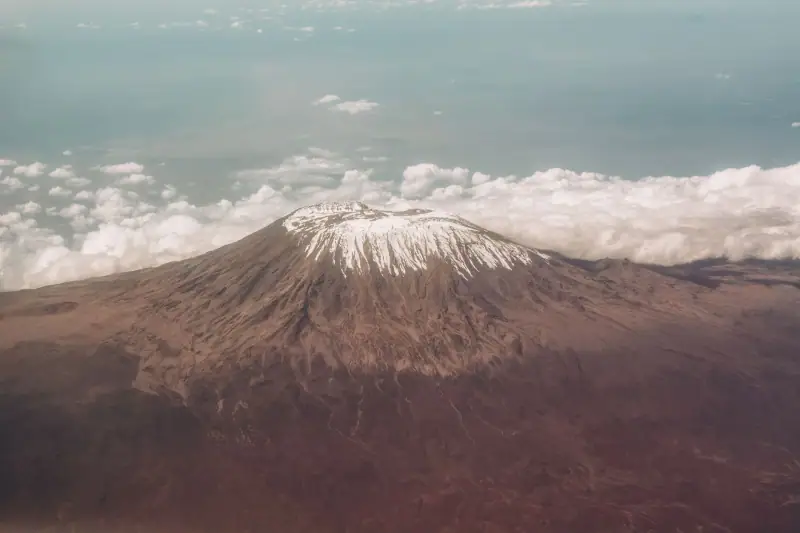
Kilimanjaro can be climbed year-round, but two windows are generally recommended: January to mid-March and June to October, when rainfall is lower. June to October is the busiest, with often clear skies but very cold nights at altitude. In April-May, rain is more frequent and the trails sometimes slippery.
Whatever the season, the summit remains a high-mountain environment: below-freezing temperatures at night and changeable weather. Ask your doctor or a travel clinic about altitude, and see the official travel health pages (CDC in the US, TravelHealthPro in the UK). Choose an itinerary that leaves time to acclimatize and travel with a licensed operator.
Combining safari and beach
Many travelers extend their safari with a few days of beach relaxation: an extension to Zanzibar is the most common.
Safaris and excursions
Browse day or multi-day safaris, often with flexible cancellation depending on the offer.
Advice by traveler profile
- First safari: June to October, to maximize viewing chances and track reliability.
- Migration and calving: January to March in the southern Serengeti.
- River crossings: July to October in the north, with some uncertainty.
- Tight budget: April-May or November, with more flexibility required.
- Photography: January-February and March-May for green landscapes and contrasting light.
- Kilimanjaro: January to mid-March or June to October.
Whatever period you choose, book early, favor a reputable operator and plan travel insurance with cancellation cover. Entry rules depend on your passport. Check the official travel advice of your government before you book: travel.state.gov (US), GOV.UK (UK), travel.gc.ca (Canada), Smartraveller (Australia) (checked November 2026).
Frequently asked questions
What is the best month for a safari in Tanzania?
The dry season, from about June to October, is the most recommended: vegetation is lower, animals gather around water points and the tracks are passable. January and February are also excellent in the southern Serengeti for the calving of the migration.
When can you see the Great Migration in the Serengeti?
The migration is a continuous circular movement. Calving generally takes place from January to March in the southern Serengeti, and river crossings in the north most often fall between July and October. The exact timing varies each year with the rains.
What is the best time to climb Kilimanjaro?
The two most popular windows are January to mid-March and June to October, when rainfall is lower. It is very cold at the summit whatever the season.
Can you go to Tanzania during the rainy season?
Yes, it is possible. The short rains (November-December) are often brief, and the long rains (March to May) are more pronounced. In return, the landscapes are green, lodge rates are often lower and the parks are less crowded, but some tracks can be difficult.
Can you add a beach extension to a safari?
Yes, most travelers end their safari with a few beach days on Zanzibar.
More Tanzania guides
Keep reading
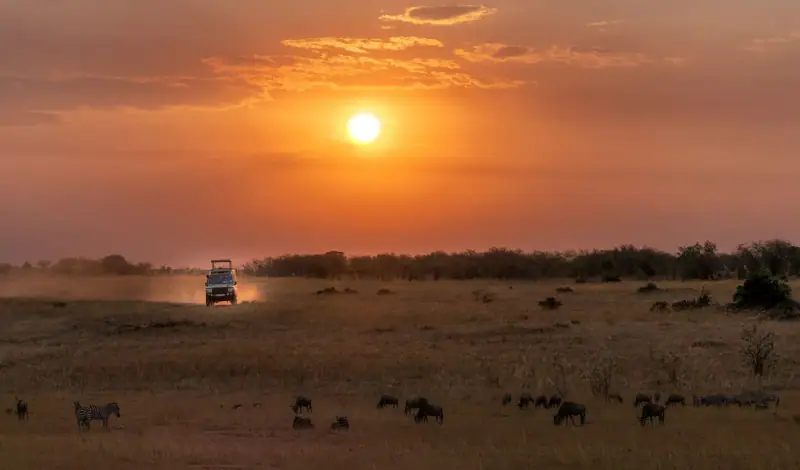
Tanzania safari budget: how much to plan and how to save
Tanzania safari budget: expense items, ranges by comfort level, park fees, flights, tips and ways to cut the bill without giving up the essentials.
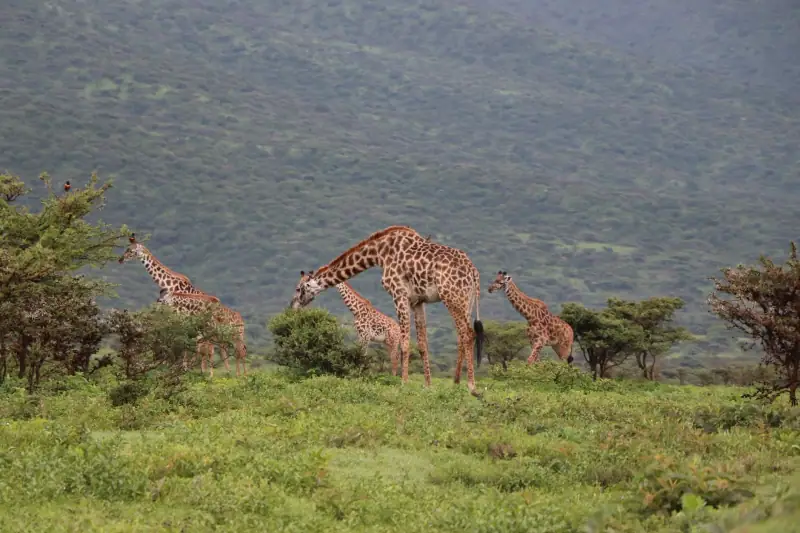
Arusha National Park: walking, canoeing and Mount Meru
Arusha National Park, near town: walking safari with a ranger, canoeing on the Momella lakes, Ngurdoto Crater and the Mount Meru climb. Practical guide.
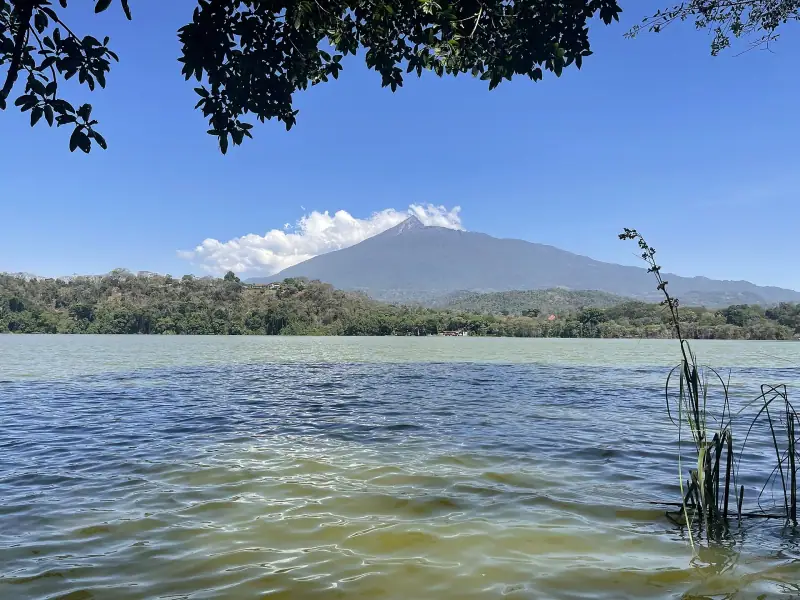
Lake Duluti near Arusha: canoeing, walking and prices for a half day
Is Lake Duluti worth a detour before or after a safari? Access from Arusha, canoeing, walking, birds, quoted prices and tips for a half day.
Ready-made
Tanzania itineraries
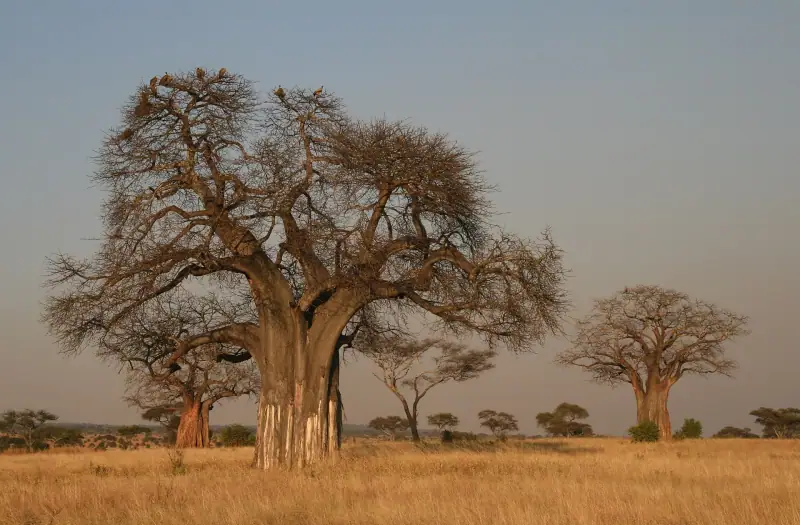
4 days
4-day safari in Tanzania: Tarangire, Manyara and Ngorongoro
A 4-day itinerary for a short safari in northern Tanzania: Tarangire, Lake Manyara and Ngorongoro Crater, with lodging, budget and practical tips.

8 days
Family safari in Tanzania: an 8-day itinerary with kids
A Tanzania safari circuit suited to children: short stages, accessible parks, pace, lodging, health and tips so the whole family enjoys it.
7 days
7-day safari in northern Tanzania: the complete itinerary
A 7-day itinerary for a first Tanzania safari: Tarangire, Lake Manyara, Ngorongoro and the Serengeti, with tips on planning and where to stay.