Itineraries
Family safari in Tanzania: an 8-day itinerary with kids
We may earn a commission when you book through links on this page, at no extra cost to you. We don't visit or try the places we cover: we summarize published sources. How we work
Day by day
- Day 1Arrive in Arusha, rest and meet your guide
- Day 2Tarangire National Park: elephants and baobabs
- Day 3Lake Manyara and Mto wa Mbu village
- Day 4Rest day in Karatu
- Days 5-6Ngorongoro Crater descent, relaxed second day
- Day 7Drive back to Arusha, souvenir shopping
- Day 8Departure or beach extension to Zanzibar
In short
- The 8-day itinerary covers Tarangire, Lake Manyara and Ngorongoro, with few lodging changes, a rest day in Karatu and a cultural day.
- Pace matters most: a morning outing, a return to the lodge for lunch and rest, then a short late-afternoon outing.
- Lodges' rules vary by age: ask in writing before booking, and keep the answer.
- A single descent into Ngorongoro Crater is plenty for families; a driver-guide is by far the simplest formula.
Taking children on safari is one of the best travel gifts you can give them. Seeing a giraffe cross a track, an elephant spray itself or a lion resting a few meters from the vehicle leaves a lasting mark. But a safari designed for photo-loving adults, with departures before dawn and long days on the tracks, can quickly turn into an ordeal for a six-year-old.
This eight-day itinerary in northern Tanzania is designed for families: few lodging changes, reasonable drives, breaks, and parks chosen for easy viewing. It builds on the famous northern loop (Tarangire, Lake Manyara, Ngorongoro) that we describe in an adult version in our 4-day safari through Tarangire, Manyara and Ngorongoro, adding rest time and a cultural day.
The drive times given here are orders of magnitude: they vary with track conditions, the season and stops. Your agency or lodge will confirm the details at booking.
Before you choose: what changes with children
A family safari is prepared differently. Three parameters matter more than anything: the children’s ages, the length of drives and the safety level of the lodging.
Age and property rules
Rules vary a lot. Some lodges gladly welcome little ones, with family rooms and suitable menus. Others set a minimum age or forbid young children from moving around the grounds alone, since wildlife can approach the tents, especially at night. Some activities, such as walks with a ranger, are reserved for older children. Ask before booking, in writing, and keep the answer.
Pace: the key
A child copes poorly with boredom, heat and bumps. The right pace is to limit vehicle hours per day and to plan free time: lodge pool, games, a nap. It is better to miss an animal than to tire the whole family. In practice, one outing in the morning, a return to the lodge for lunch and rest, then a short outing late in the day works very well.
Health and safety
Before you go, see your doctor or a travel clinic, and check the official travel health pages (CDC in the US, TravelHealthPro in the UK). We detail the points to check in our article on visa, health and vaccines in Tanzania. For children, add repellents suited to their age, light but covering clothes, hats, sunscreen and the means to hydrate them regularly. Each child must have their own passport.
Day 1: arrival in Arusha, a transition night
Most international flights land at Kilimanjaro Airport, between Moshi and Arusha. After a long flight, often overnight, plan nothing. Head to Arusha or its surroundings to sleep in a quiet property, with a garden or pool if possible. We detailed the options in our guide to sleeping in Arusha and Moshi before and after the safari.
It is also the time to meet your guide, ask your questions, check the vehicle and remind the children of the safety rules: stay seated in the vehicle, speak softly, do not get out without permission, do not wave your arms at the animals.
Flights to Tanzania
Compare family flights to Kilimanjaro Airport, taking into account arrival times and layovers with children.
Day 2: Tarangire, elephants and baobabs
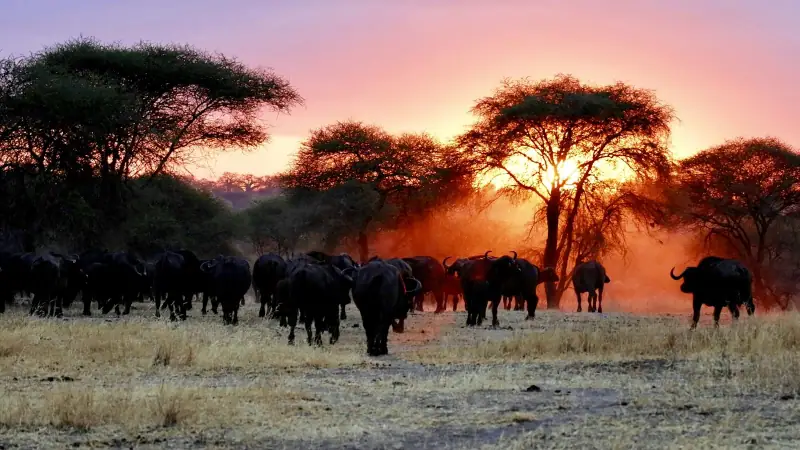
Tarangire National Park is an excellent first stop for a family. The road from Arusha is relatively short compared with the Serengeti’s, and the park concentrates elephants that children love. The baobabs, huge and strange, serve as landmarks and playgrounds for the imagination. Our Tarangire guide explains why elephants are so present there, especially in the dry season.
Suggest a little game: a sheet with animals to spot, which the children tick off through the day. Elephant, giraffe, zebra, monkey, colorful bird, termite mound. This holds their attention much longer than a simple “look, over there.” Bring water, snacks, caps and binoculars for everyone, even basic ones.
Sleep in a lodge or camp near the park, with family rooms if possible, and let the children rest in the afternoon if the heat is strong.
Day 3: Lake Manyara and the Mto wa Mbu area
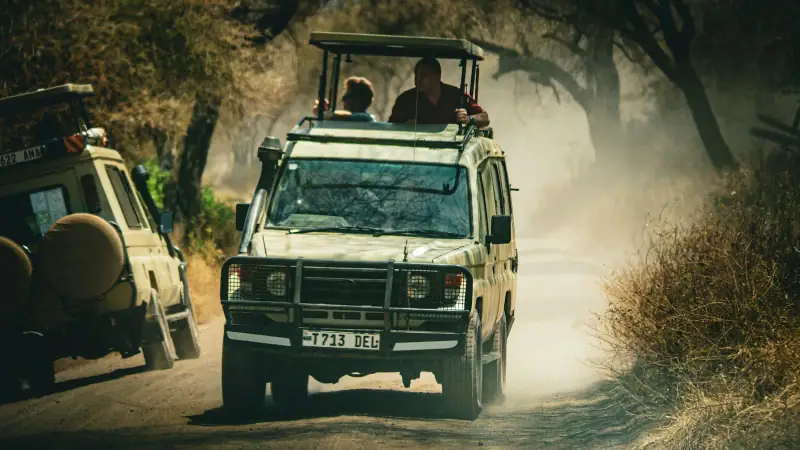
Lake Manyara National Park is smaller than its neighbors and easy to cover in half a day. It alternates forest, open areas and lakeshore, which varies the scenery: baboons, monkeys, hippos and, depending on the season, many birds. Children enjoy the forest, where you can watch primates up close.
The village of Mto wa Mbu, nearby, is an excellent cultural complement. Its market, banana and fruit stalls, small workshops: all of this is a change from the parks. We cover it in our article on the markets of Moshi and Mto wa Mbu and banana cooking. A guided visit on foot or by bike, organized by a local outfit, lets children meet the residents and taste fruit.
Family excursions and visits
Compare day excursions around Arusha and Lake Manyara: cultural visits, walks and short safaris suited to children.
Day 4: rest in Karatu
After three intense days, a break day is precious. Karatu, a farming town in the highlands, serves as the base for Ngorongoro. Its climate is cooler, its hills are cultivated, and several properties offer gardens, pools and play areas. Take the chance to do laundry, sort photos, write postcards and let the children play.
This day is the key to the itinerary. Without it, the following days risk being endured rather than lived. If your budget or time off is tight, you can shorten it to a half day of rest, but do not drop it completely with young children.
A quiet activity
Depending on your lodging, a visit to a coffee or vegetable plantation, an accompanied walk in the countryside or a cooking workshop can fill the end of the day. Ask your lodge what is offered and suited to children.
Days 5 and 6: Ngorongoro Crater
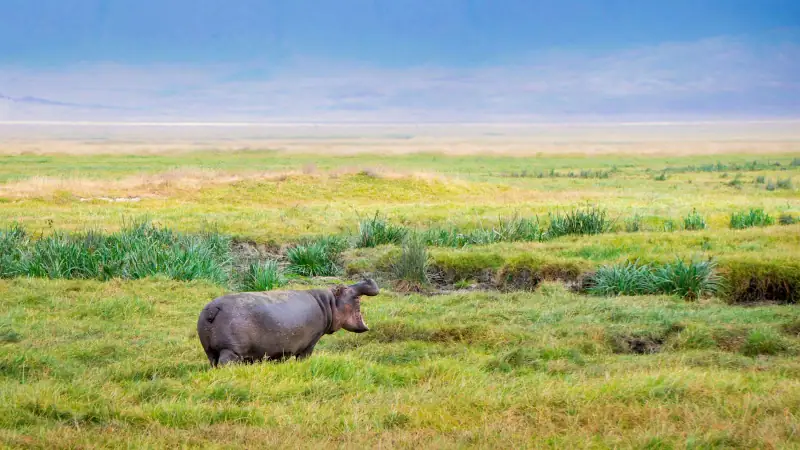
Ngorongoro Crater is probably the best safari setting for children. In a relatively small space, you can watch many animals: zebras, wildebeest, buffalo, elephants, hyenas, lions, and sometimes a black rhino from afar. The descent to the crater floor, with the mist lifting, impresses little ones and grown-ups alike.
For families, a single descent is plenty. In the morning, the animals are active and the light is lovely, but the outing can be long. Bring warm clothes for the start of the day: on the crater rim, it is cool, even cold. Find all the practical details in our guide to Ngorongoro Crater.
On the second day, stay relaxed: spend the morning at the lodge, enjoy the view or a gentle activity, then make a short outing in the conservation area, where animals and Maasai communities coexist. A well-organized cultural visit, respectful of the residents, can interest children, provided it does not turn into a show for tourists. Ask your guide to favor an authentic encounter, with explanations, rather than an overly rehearsed demonstration.
Places to stay in Karatu
Compare lodging in the Karatu area, an ideal base before Ngorongoro, filtering for family rooms.
Day 7: back to Arusha
The road back crosses farmland and villages where local life scrolls past the window: motorbikes, markets, schoolchildren in uniform. For children, this is a discovery in its own right. Plan stops to stretch legs, snacks and a little music or an audiobook.
Once in Arusha, leave time for souvenir shopping, a quiet lunch and the next day’s departure. Ask your guide to point out reliable shops rather than letting yourself be led to high-priced boutiques.
Day 8: departure or Zanzibar extension
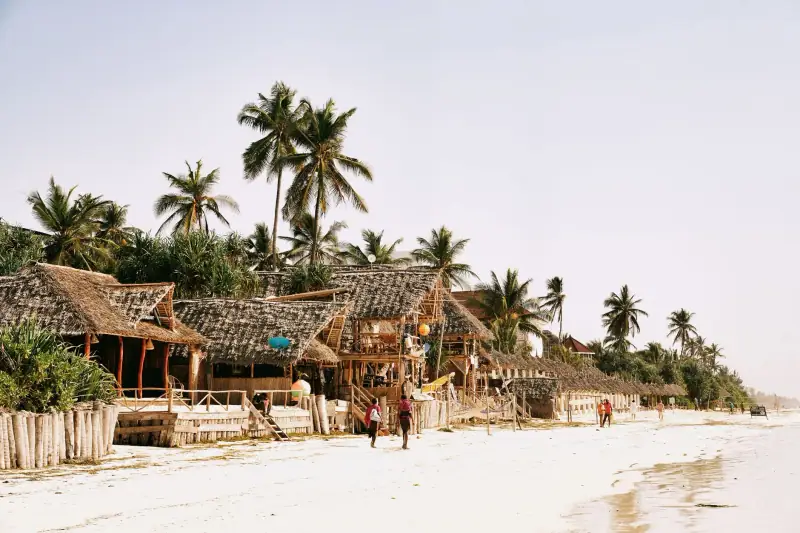
Depending on your flight date, you can go home or extend by a few days with a beach extension to Zanzibar, popular with families after a safari. We do not cover that part here.
If you go straight home, keep the morning for last purchases and an unhurried lunch, then allow plenty of time to reach the airport: children tired by a week of travel cope poorly with a race against the clock. A beach extension, for its part, offers a real transition, with swimming and rest, before the return home.
Choosing the season and the agency
The dry season, from about June to October, is often preferred for viewing. It is also the high season: book early, and expect higher rates. The green months need a little more care with muddy tracks and rain, but offer more beautiful scenery and fewer people. Our article on when to go to Tanzania helps you choose.
For the agency, favor those that offer family circuits, vehicles with a pop-up roof and guides experienced with children. Ask precise questions: minimum age at the lodges, seats per vehicle, policy in case of a health problem. A reputable agency answers plainly. Our guide to the safari budget in Tanzania gives benchmarks to compare offers.
Preparing the children for the trip
A few weeks before departure, show them documentaries, animal books, maps. Give each child a role: the one who notes the animals, the one who handles the map, the one who spots birds. Also explain the safari rules and why they exist: the animals are wild, and respecting them is the condition for seeing them.
What to put in each child’s bag
- a cap, sunglasses and a warm layer for early-morning departures;
- a reusable water bottle and simple snacks;
- suitable binoculars, a notebook and a pencil;
- wipes, hand sanitizer and any medicines your doctor has prescribed;
- a small game or a book for the drives.
Our article on what to bring to Tanzania completes this list with gear for adults.
Should you rent a car?
For a family safari, the driver-guide formula is by far the simplest: tracks, park entry formalities and finding the animals are handled for you. Driving yourself on Tanzanian tracks requires suitable experience and a suitable vehicle, which we do not recommend with young children.
Key takeaways
A good family safari rests on a few principles: few stops, days with a proper break, suitable lodging, a guide who listens and serious health preparation. With eight well-paced days, you give children a full overview of Tanzanian wildlife without exhausting them. And if you hesitate on the order of stops, draw inspiration from our 7-day safari in northern Tanzania for a longer version.
Frequently asked questions
From what age can you go on safari in Tanzania?
There is no single age: it depends on the lodges, camps and activities. Many properties accept young children, others set a minimum age, sometimes for safety reasons in the bush. Check each property's policy before booking, and choose a circuit with short drives for the youngest.
What about health precautions for children?
Recommendations depend on age, weight and the area visited. Ask your doctor or a travel clinic several weeks before you go, stating each child's age, and see the official travel health pages (CDC in the US, TravelHealthPro in the UK). Suitable repellents, covering clothes and a mosquito net complete the protection.
What is the best season for a safari with children?
The dry season, from about June to October, makes viewing easier and limits humidity and mosquitoes. It also means more crowds. The shorter dry months, around January and February, are also pleasant. Outside the heavy rains, a family safari is possible year-round.
How many hours on the tracks per day for children?
Aim for short stages and alternate morning and late-afternoon safari outings with a proper break at the lodge in the middle of the day. Long 4x4 drives on tracks tire children quickly. A circuit built around few stops, with two nights in the same place, is far more pleasant than a daily chain of lodges.
Can you add a few beach days in Zanzibar?
Yes, it is a classic extension after the safari: the children rest by the Indian Ocean. Plan a domestic flight from Arusha or Kilimanjaro.
Is a driver-guide required?
To enter the big parks, you travel in a suitable vehicle, and most families travel with a driver-guide who handles tracks, formalities and viewing. A guide who knows how to talk to children and adapt the pace makes a big difference.
More Tanzania guides
Keep reading
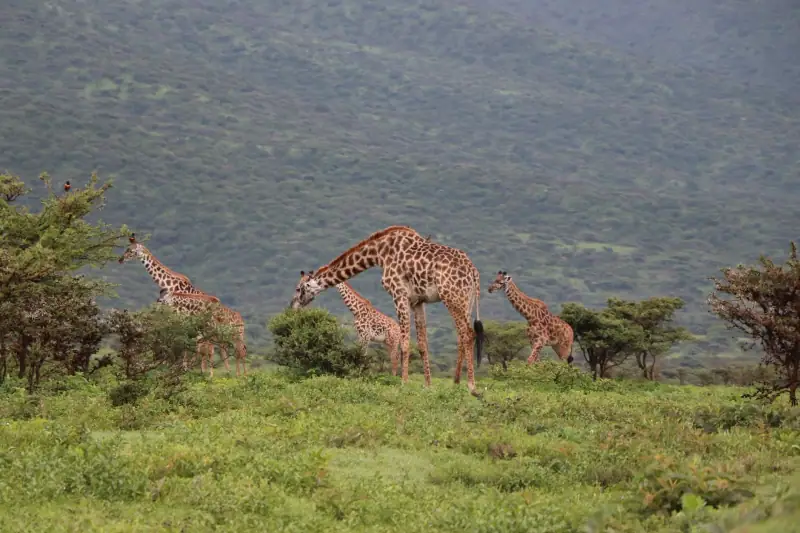
Arusha National Park: walking, canoeing and Mount Meru
Arusha National Park, near town: walking safari with a ranger, canoeing on the Momella lakes, Ngurdoto Crater and the Mount Meru climb. Practical guide.
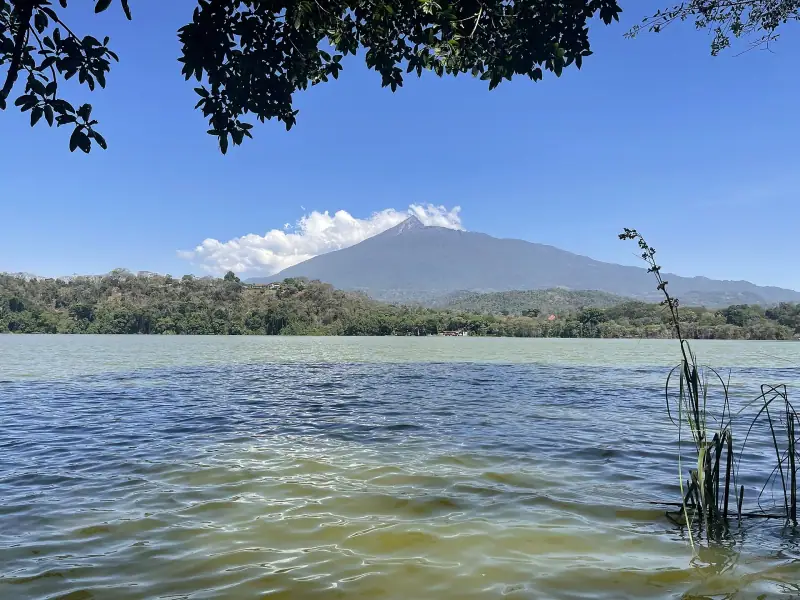
Lake Duluti near Arusha: canoeing, walking and prices for a half day
Is Lake Duluti worth a detour before or after a safari? Access from Arusha, canoeing, walking, birds, quoted prices and tips for a half day.
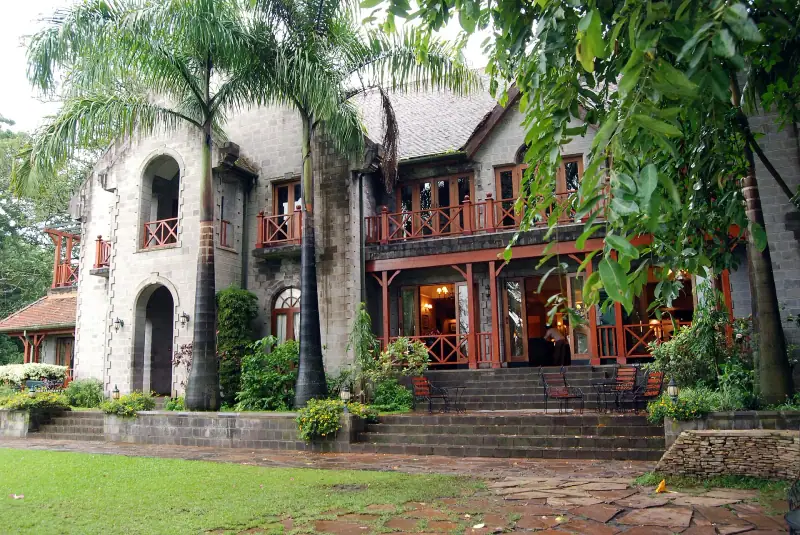
Where to stay in Arusha and Moshi before and after a safari
Arusha, Moshi or Karatu: which base before and after a safari or Kilimanjaro, what kinds of hotels, what budget and which pitfalls to avoid.
Ready-made
Tanzania itineraries
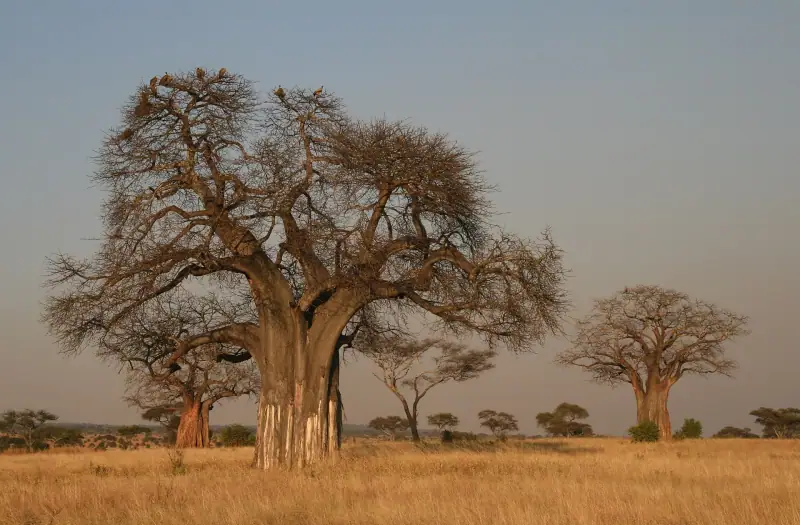
4 days
4-day safari in Tanzania: Tarangire, Manyara and Ngorongoro
A 4-day itinerary for a short safari in northern Tanzania: Tarangire, Lake Manyara and Ngorongoro Crater, with lodging, budget and practical tips.
7 days
7-day safari in northern Tanzania: the complete itinerary
A 7-day itinerary for a first Tanzania safari: Tarangire, Lake Manyara, Ngorongoro and the Serengeti, with tips on planning and where to stay.