Plan your trip
Tanzania safari budget: how much to plan and how to save
We may earn a commission when you book through links on this page, at no extra cost to you. We don't visit or try the places we cover: we summarize published sources. How we work
In short
- Park fees and the vehicle with a driver-guide are the hard-to-cut base; lodging, length and season drive most of the price difference.
- Three comfort levels exist: camping (cheapest), mid-range lodges (the most common) and luxury camps (several times the lodge budget).
- Rates are generally lower in the rainy seasons, especially April to May; high dry season is the most expensive.
- Tarangire, Lake Manyara and Ngorongoro in four or five days cost noticeably less than a Serengeti-centered program.
Preparing the budget for a safari in Tanzania often baffles travelers: quotes can vary by a factor of three for programs that look identical. The reason lies in a few heavy items that are hard to compress, and in many details that tip the price from one category to another.
This guide breaks down the bill, explains what makes rates vary and gives you concrete levers to save without turning your trip into an obstacle course. For exact prices, always rely on a recent quote: fees and rates change from year to year.
The main expense items of a safari
A safari in Tanzania almost always consists of the same elements, and understanding their relative weight helps you decide where to save:
- Park entrance fees: national parks and the Ngorongoro Conservation Area charge a fee per person per day, plus charges for the vehicle and for camping or lodge stays.
- Lodging: from tent camping to eco-lodge, up to the luxury camp in the middle of the savanna.
- The 4x4 and driver-guide: generally a vehicle with a pop-up roof, shared or private.
- Meals: most often included on a full-board basis during the safari.
- Flights: the international flight, possibly a domestic flight to the Serengeti.
- Extras: visa, insurance, tips, drinks, optional activities.
A simple rule: park fees and the vehicle are a fixed base. Lodging, length and season account for most of the price difference.
Three comfort levels, three budgets
Safari agencies generally offer three categories, with some variation from one operator to another.
Camping safari: the budget option
You sleep in a tent in public campsites or simple camps, with a crew preparing the meals. Sanitary facilities are basic and nights can be cool at altitude. It is the cheapest option, and it suits travelers who put wildlife viewing ahead of comfort.
Mid-range lodge safari
This is the most common choice: fixed rooms or tents with a private bathroom, a restaurant, sometimes a pool. The price level rises noticeably, but the comfort is much better after long days on the tracks.
Luxury safari
Private camps, locations in the heart of the migration zones, specialist guides and domestic flights: the bill can reach several times the budget of a lodge safari. This is justified for an exceptional occasion, much less for a first trip.
Serengeti: the park that weighs most on the budget
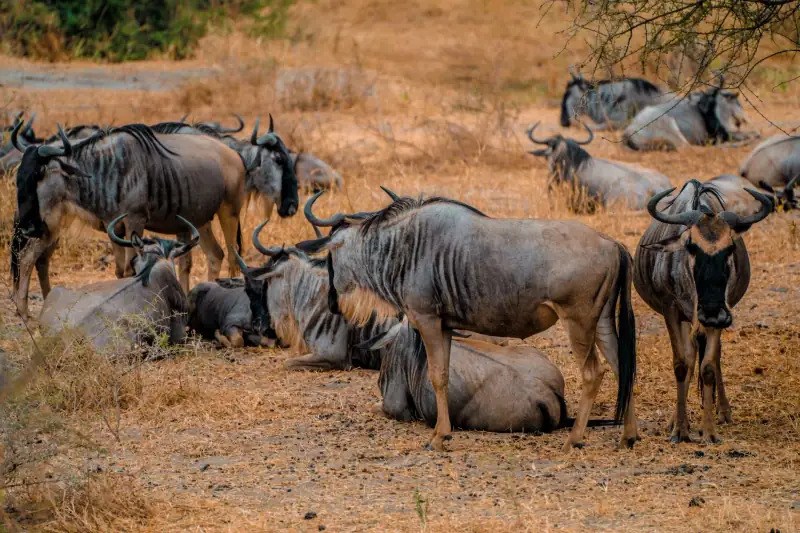
The Serengeti is the country’s most emblematic park, and also one of the most expensive. Entrance fees there are among the highest, and lodging near the migration zones is in high demand in high season. A stay of two or three nights is often enough to enjoy the essentials.
To save, you can choose lodging on the edge of the park rather than in the heart of the busiest zones, or opt for public camping. The choice of dates matters too: the southern Serengeti is known for calving at the start of the year, and rates are not the same as in the height of the dry season. To pin down your dates, see our guide to when to go to Tanzania.
Sleeping in Arusha before or after the safari
One or two nights in Arusha let you recover from the flight and prepare the departure: compare hotels for your dates.
Ngorongoro Crater: a separate entrance fee and descent
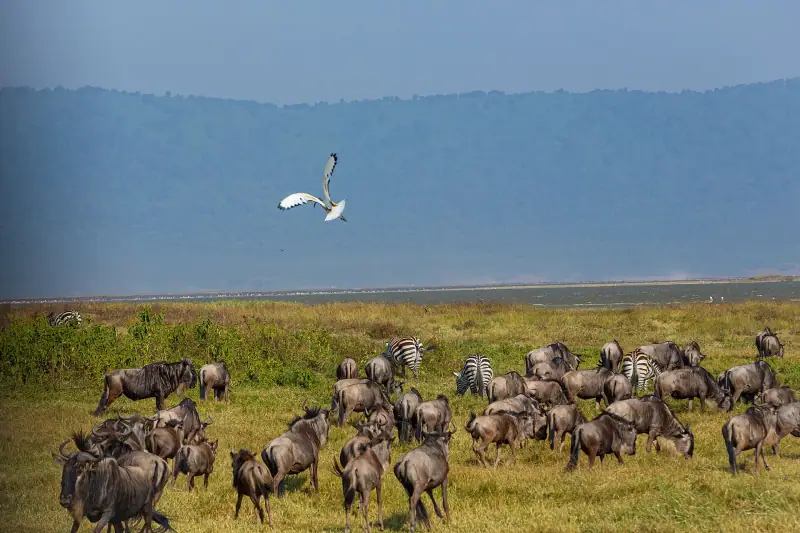
Ngorongoro Crater is one of the most visited sites in the country. Besides the entrance fee to the conservation area, the descent into the crater is charged separately, per vehicle, which makes the excursion much better value when the 4x4 is well filled. A shared group safari lets you split these costs.
Many travelers sleep in Karatu, a small town before the entrance to the conservation area, where lodging is more affordable than on the crater rim itself. Visit details are in our guide to Ngorongoro Crater.
Tarangire and Lake Manyara: more affordable alternatives
If your budget is tight, Tarangire National Park and Lake Manyara National Park offer an excellent alternative. Closer to Arusha, they need less travel, few or no domestic flights, and their entrance fees are lower than the Serengeti’s. Tarangire is known for its elephants and baobabs, without requiring long drives: see our article on Tarangire National Park.
Combining Tarangire, Lake Manyara and Ngorongoro in four or five days gives a complete safari for a noticeably lower bill than a Serengeti-centered program.
Flights, visa and insurance: non-safari expenses
Beyond the trip itself, several expenses add up and are often forgotten when comparing quotes:
- The international flight: it depends heavily on the season and booking lead time. Flights to Tanzania, to Kilimanjaro Airport or Dar es Salaam, generally involve a stopover.
- The visa: check before you leave with the official authorities, since the procedures can change. Entry rules depend on your passport. Check the official travel advice of your government: travel.state.gov (US), GOV.UK (UK), travel.gc.ca (Canada), Smartraveller (Australia) (checked November 2026).
- Travel insurance: essential, preferably with medical and repatriation cover suited to a safari.
- Health preparation: ask your doctor or a travel clinic, and see the official travel health pages (CDC in the US, TravelHealthPro in the UK).
Compare flights to Tanzania
Booking early and staying flexible on dates is the best way to limit the ticket price.
Kilimanjaro: a different kind of budget
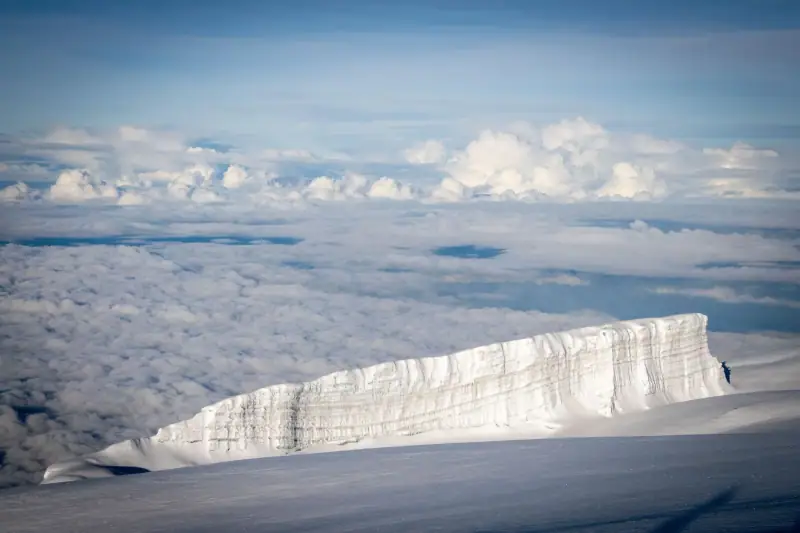
The Kilimanjaro climb follows a different logic: park entrance fees, guides, porters and cook are included in agency packages, and the price depends mostly on the length and the quality of support. The longest packages, with better acclimatization, cost more but clearly increase the chances of reaching the summit. It is best to avoid abnormally low offers, which often cut into porters’ wages or safety. Everything is detailed in our guide to climbing Kilimanjaro.
Tips, drinks and small extras
Tipping is part of safari culture: the driver-guide, the cook and the camp team count on it. Ask your agency about customs and suggested amounts, and build them into your budget from the start to avoid unpleasant surprises. Also plan for drinks, rarely included in lodges, souvenir purchases and any optional activities, such as a village visit or a hot-air balloon flight.
Ways to cut the bill
- Travel in low season: lodge rates drop noticeably during the rains, in exchange for harder tracks.
- Share the vehicle: a small-group safari splits the 4x4 and guide costs.
- Cut the number of parks: two or three well-chosen parks beat an exhausting chain.
- Compare several quotes: ask several local agencies for detailed quotes and check what is included.
- Check inclusions: park fees, meals, water, airport transfers and insurance must be clearly stated.
- Book early: the best lodging fills months ahead in high season.
To organize your program concretely, our 7-day safari itinerary in northern Tanzania gives a realistic base to price out.
Safaris and excursions
Compare day or multi-day safaris to estimate your budget before booking.
Finally, most travelers end their safari with a beach extension on Zanzibar: include it in your overall budget, since it adds a flight or a ferry and lodging.
Sources
- Tanzania National Parks (TANAPA): figures checked November 2026
Frequently asked questions
How much does a safari in Tanzania cost?
The price varies a lot with comfort and season. As a guide, an organized camping safari sits at the low end of the range, a mid-range lodge safari is noticeably higher, and a stay in a luxury camp can be several times the base budget. Always ask for a quote that details what is included.
What is the biggest expense item?
National park and Ngorongoro Conservation Area fees, plus lodging and the vehicle with a driver-guide, make up most of the bill. These fees are set by the authorities and are not negotiable.
Should you plan for tips?
Yes, it is a common practice for the driver-guide, the cook and the camp team. They are usually handed over at the end of the stay, preferably in cash. Ask your agency for the suggested amounts.
When should you go to pay less?
Lodge rates are generally lower during the rainy seasons, in particular April to May. In return, some tracks are harder and viewing comfort varies. The high dry season is the most expensive.
Can you add a few beach days after the safari?
Yes, most travelers finish with a beach extension on Zanzibar.
More Tanzania guides
Keep reading
When to visit Tanzania: seasons, migration and best months
When to visit Tanzania? Great Migration, rainy seasons, Kilimanjaro, Tarangire: a month-by-month guide to choosing the best time to go.
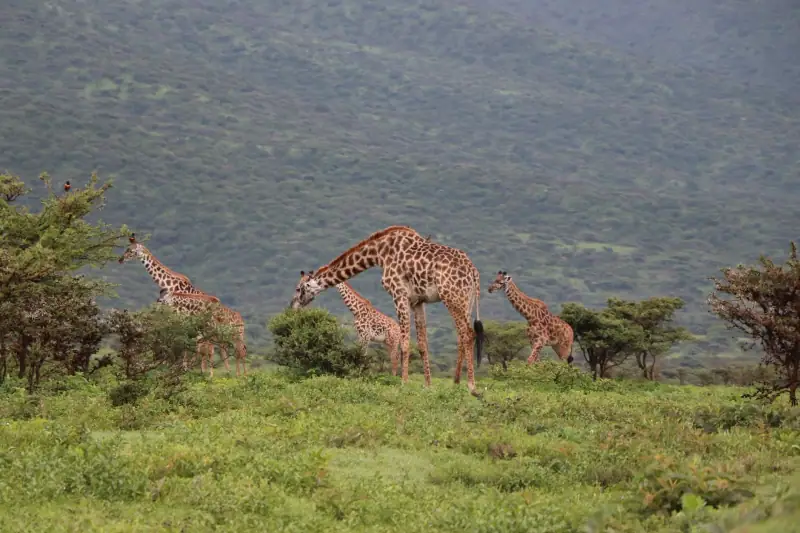
Arusha National Park: walking, canoeing and Mount Meru
Arusha National Park, near town: walking safari with a ranger, canoeing on the Momella lakes, Ngurdoto Crater and the Mount Meru climb. Practical guide.
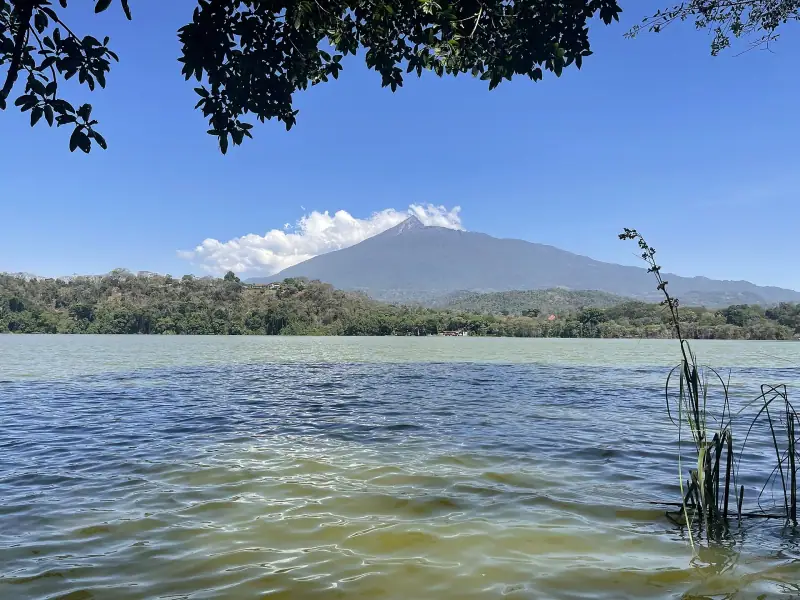
Lake Duluti near Arusha: canoeing, walking and prices for a half day
Is Lake Duluti worth a detour before or after a safari? Access from Arusha, canoeing, walking, birds, quoted prices and tips for a half day.
Ready-made
Tanzania itineraries
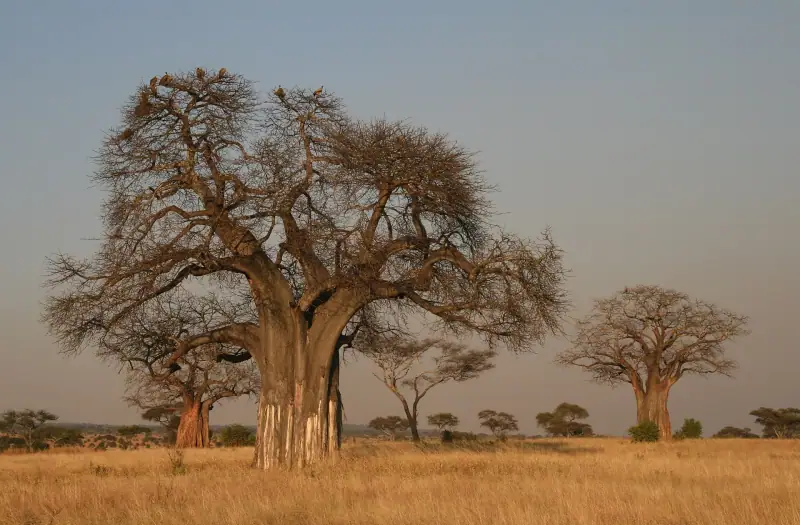
4 days
4-day safari in Tanzania: Tarangire, Manyara and Ngorongoro
A 4-day itinerary for a short safari in northern Tanzania: Tarangire, Lake Manyara and Ngorongoro Crater, with lodging, budget and practical tips.

8 days
Family safari in Tanzania: an 8-day itinerary with kids
A Tanzania safari circuit suited to children: short stages, accessible parks, pace, lodging, health and tips so the whole family enjoys it.
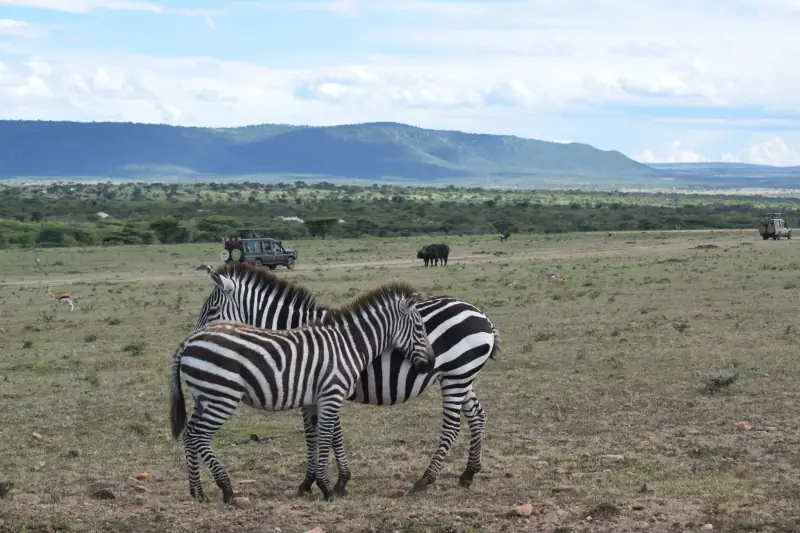
7 days
7-day safari in northern Tanzania: the complete itinerary
A 7-day itinerary for a first Tanzania safari: Tarangire, Lake Manyara, Ngorongoro and the Serengeti, with tips on planning and where to stay.