What to see
Lake Duluti near Arusha: canoeing, walking and prices for a half day
We may earn a commission when you book through links on this page, at no extra cost to you. We don't visit or try the places we cover: we summarize published sources. How we work
In short
- Lake Duluti is about 14 km (9 mi) from central Arusha, near Tengeru, roughly 20 to 30 minutes by car outside traffic.
- Plan a half day for a canoe trip and a walk around the lake, going early in the morning.
- Official prices are not published: ask for an all-inclusive price (entrance, guide, canoe, transfer) per person before you go.
- With only half a day, choose Duluti; with a full day, Arusha National Park is richer.
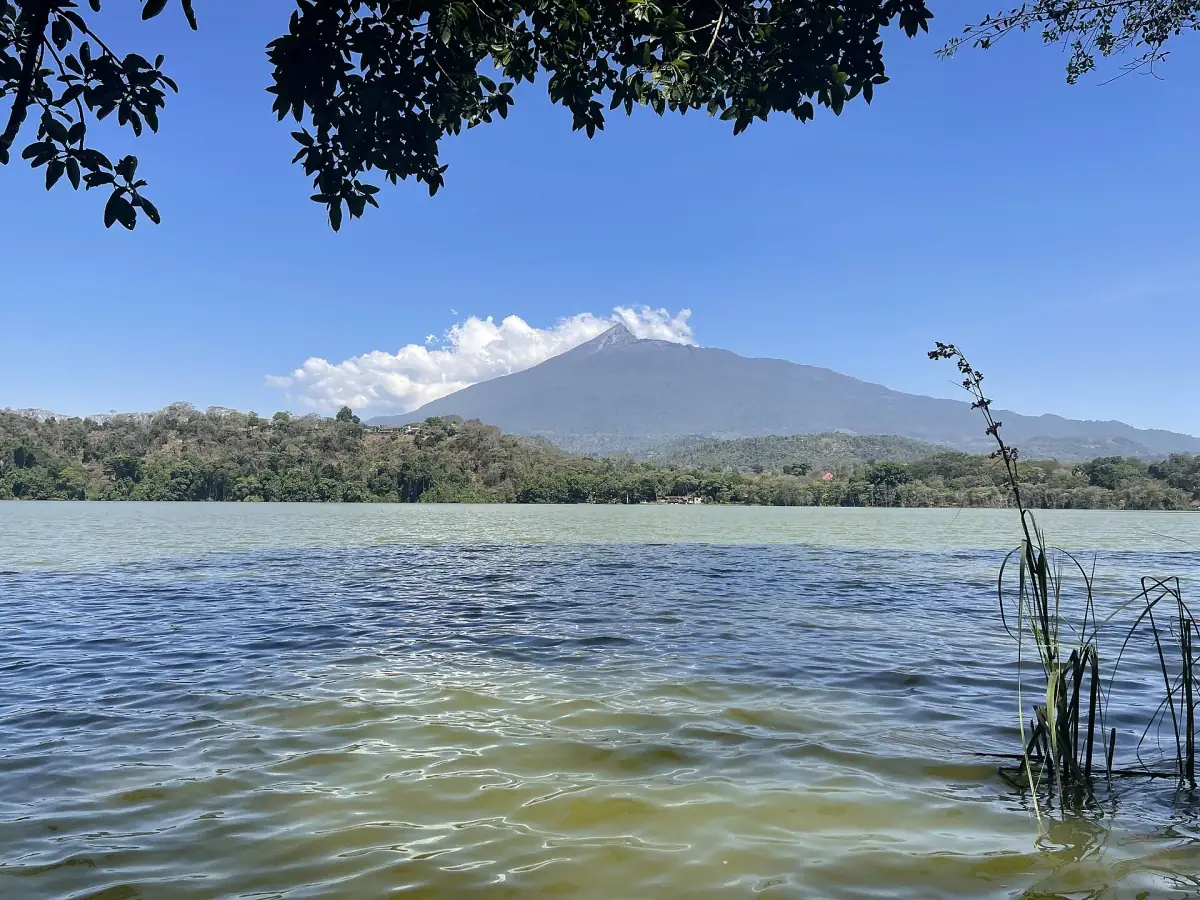
Lake Duluti is a small crater lake surrounded by forest, about twenty minutes from Arusha: a good option for a quiet half day, by canoe or on foot, before or after a safari. It is not an unmissable stop, but it is one of the few easy outings from the town that does not involve a national park.
In short: Lake Duluti is about 14 km (9 mi) from central Arusha, near Tengeru. Plan a half day for a canoe trip and a walk around the lake, going early in the morning. Rates are not officially published: ask for the total price (entrance, guide, canoe) before leaving.
This guide answers the questions you ask before going: how to get there, what you do there, how much it costs according to operators, and when it is most pleasant.
What exactly is Lake Duluti?
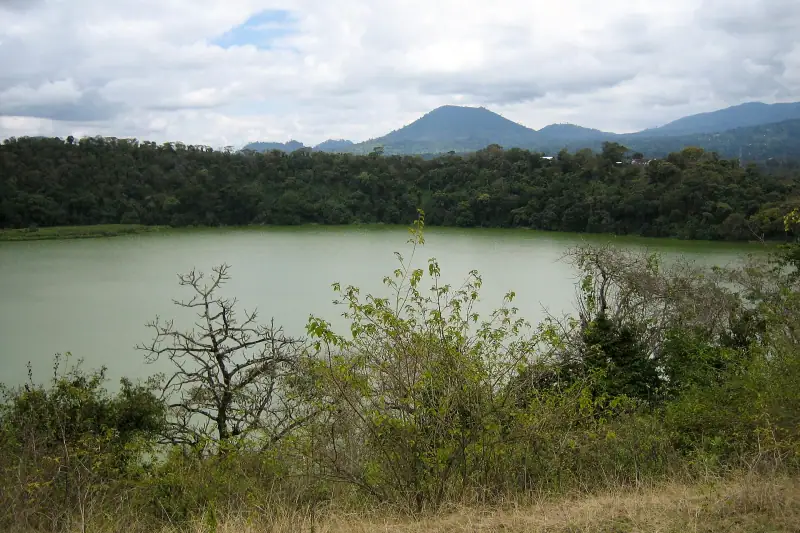
Duluti is a small volcanic lake: about 0.66 km² (0.25 sq mi), barely more than a kilometer (0.6 mi) long, with a maximum depth of about 9 m (30 ft) at the center. It occupies a crater considered a secondary vent of Mount Meru, the volcano that overlooks Arusha. Around the water, a forest reserve covers about 19 hectares (47 acres).
This small green setting shelters blue monkeys, reptiles and above all birds: gray herons, fish eagles, cormorants, ospreys and kingfishers are among the species cited by local guides. This is what attracts birders, who find here a first approach before the big parks.
For regional context, our guide to watching wildlife in Tanzania explains how to spot animals and birds well.
Lake Duluti from Arusha: how to get there
The lake is about 14 km (9 mi) from the center of Arusha and a little over a kilometer (about 0.7 mi) from the Arusha-Moshi road, near Tengeru. Allow 20 to 30 minutes by car outside traffic jams.
By taxi or with the hotel transfer
This is the simplest solution. Agree on a round-trip price before getting in and ask the driver to wait for you: taxis are rare at the lake exit. If you stay in lodging nearby, ask it to arrange transport; our article on sleeping in Arusha and Moshi gives the neighborhoods to favor.
On an organized excursion
Several agencies and platforms offer the lake as a half day, with hotel transfer, guide, canoe and sometimes a snack or lunch. It is the least stressful formula if you do not speak Swahili or English.
Canoeing and walking at Lake Duluti
Compare half-day excursions from Arusha, with guide and transfer.
What to do at Lake Duluti in half a day
Canoeing on the lake
This is the headline activity. You glide over calm water, along the forest, at bird height. Outings generally last between one hour and an hour and a half, with a guide who knows the perches of the eagles and kingfishers. It is not strenuous: there is no current or waves, and children from about ten years old can generally take part, depending on the operator’s instructions.
Walking around the lake
A trail runs along the shore in the shade of the forest. It is a chance to spot blue monkeys and watch the birds more closely. Allow about an hour at a relaxed pace. Wear closed shoes: the ground is uneven and sometimes damp.
Birdwatching
Even without being a specialist, you will easily see herons and cormorants. A pair of binoculars changes the experience: it lets you recognize species without disturbing the birds.
A coffee or lunch nearby
Several lodges and cafés in the area, some on the lakeshore, serve lunch. If you want to extend the day in the region, coffee growing around Moshi is detailed in our article on coffee, bananas and markets.
How much does it cost? What operators quote
No official price list is published online for the lake. Prices therefore vary a lot by formula, and we can only cite orders of magnitude quoted by operators:
- A short outing with a guide (about 1 h 30): on the order of a few dozen dollars per person with local operators.
- A half day with transfer, walk, canoe and snack: higher, and very variable by agency.
- Reserve entrance fee: some operators indicate around $20 per person, often included in the package. This amount is not confirmed by an official source.
Our advice: always ask for an all-inclusive price (entrance, guide, canoe, transfer), per person, and specify the currency. If you pay there, bring cash; to know what to keep in dollars or shillings, see our article on tipping in Tanzania. To place this outing in your overall budget, see the safari budget.
When to go: season and time of day
The lake can be visited year-round, but the dry season (June to October) is the most comfortable for walking. During heavy rains, trails can be muddy, and it is wise to avoid traveling during heavy downpours: check the weather before leaving. For the general calendar, see our guide when to go to Tanzania.
As for the time of day, early morning is the best moment: soft light, coolness, active birds and few visitors. Late afternoon also suits photography.
Duluti or Arusha National Park: which to choose?
Both are close to the town and offer an activity on the water or on foot. The difference is simple:
- Duluti: shorter, calmer, focused on canoeing and birds. Ideal for a half day of relaxation.
- Arusha National Park: larger, with giraffes, buffalo, forest walks and a view of Mount Meru. It needs a full day; see our guide to Arusha National Park.
If you only have half a day, choose Duluti; if you have a day, the national park is richer.
Sleeping in Arusha before or after the safari
Compare hotels in Arusha and its outskirts, about twenty minutes from the lake.
Practical tips
- Bring: hat, sunscreen, water, closed shoes and repellent; the humid forest has mosquitoes. The full list is in our accessories for Tanzania.
- Photography: a zoom helps for birds. Ask your guide’s permission before photographing people.
- Health: ask your doctor or a travel clinic, and see the official travel health pages (CDC in the US, TravelHealthPro in the UK); see also our article on vaccines and health.
- Insurance: consider coverage for the whole stay.
- Timing: a departure at 8 am lets you be back in Arusha for lunch. Avoid combining this outing with a flight the same day without a margin.
- Beach: to extend the trip toward the sea, Zanzibar is the natural option.
Quick table
| Question | Answer |
|---|---|
| Distance from Arusha | About 14 km (9 mi), near Tengeru |
| Travel time | About 20 to 30 minutes |
| Lake size | About 0.66 km² (0.25 sq mi), max depth about 9 m (30 ft) |
| Activities | Canoeing, walking, birdwatching |
| Recommended length | A half day |
| Best time | Early morning |
| Price | Not officially published: ask for an all-inclusive rate |
Frequently asked questions
Is Lake Duluti worth the detour?
Yes, if you have half a day in Arusha before or after a safari and you like birds or quiet. It is not a spectacular site: it is a calm interlude, away from the noise of the town.
How far is Lake Duluti from Arusha?
About 14 km (9 mi) from the center of Arusha, near the town of Tengeru, in Meru district. Allow about twenty minutes by car, longer in heavy traffic.
Can you go without an agency?
It is possible by taxi or with your hotel's transfer, but you then pay the entrance fee there and, if you wish, a canoe outing with a guide. Rates are not officially posted online: ask at the entrance before paying.
How long should you plan?
Operators offer formulas of about 1 h 30 for a simple outing, up to 3 or 4 hours with transfer, a walk around the lake and a meal. A half day covers everything comfortably.
What is the best time of day?
Early morning: the air is cool, the water calm and the birds active. Late-afternoon light also suits photography.
Can you swim in the lake?
It is not the custom: people come for canoeing, walking and birdwatching. Ask the guide there before considering anything in the water.
More Tanzania guides
Keep reading
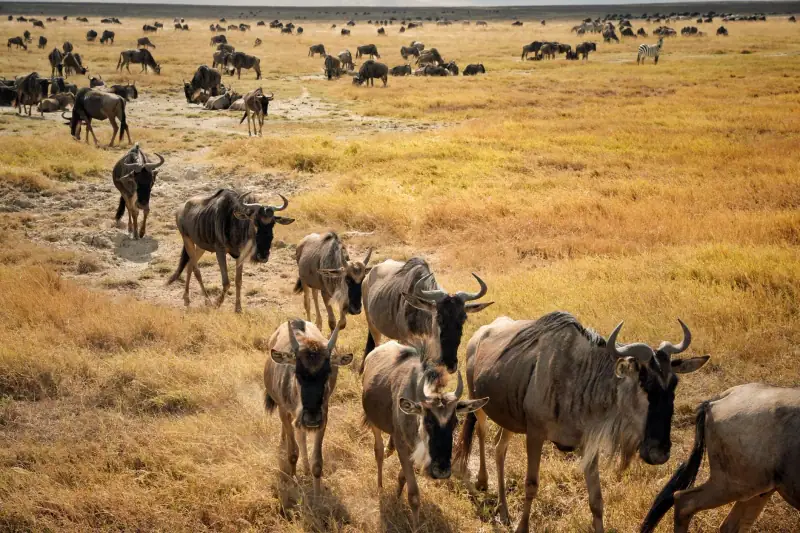
Serengeti and the Great Migration: when and where to see wildebeest in Tanzania
Visit the Serengeti in Tanzania: Great Migration calendar, viewing areas, ideal length, lodge or camp lodging and tips for a successful safari.
Complete guide to visiting Tanzania: regions, safari, budget and tips
Visit Tanzania: Serengeti, Ngorongoro, Tarangire, Kilimanjaro, when to go, how to get there, where to stay and what budget to plan. The pillar guide.
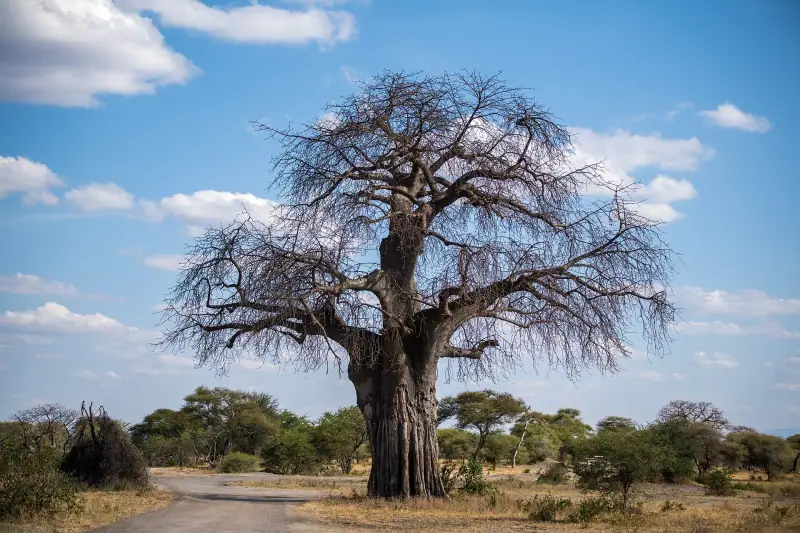
Tarangire National Park: elephants, baobabs and visiting tips
Visit Tarangire National Park in Tanzania: elephants, baobabs, best season, length of visit, lodging and tips for a successful safari.
Ready-made
Tanzania itineraries
4 days
4-day safari in Tanzania: Tarangire, Manyara and Ngorongoro
A 4-day itinerary for a short safari in northern Tanzania: Tarangire, Lake Manyara and Ngorongoro Crater, with lodging, budget and practical tips.

8 days
Family safari in Tanzania: an 8-day itinerary with kids
A Tanzania safari circuit suited to children: short stages, accessible parks, pace, lodging, health and tips so the whole family enjoys it.
7 days
7-day safari in northern Tanzania: the complete itinerary
A 7-day itinerary for a first Tanzania safari: Tarangire, Lake Manyara, Ngorongoro and the Serengeti, with tips on planning and where to stay.