What to see
Visiting Ngorongoro Crater: a practical guide for your safari
We may earn a commission when you book through links on this page, at no extra cost to you. We don't visit or try the places we cover: we summarize published sources. How we work
In short
- The caldera is about 20 km (12 mi) across; much of its wildlife lives there year-round, so sightings are reliable in every season.
- One day of safari is enough for a first visit: descend early, picnic on the floor and climb out in the early afternoon.
- A 4x4 with an authorized driver-guide is the norm for the descent and the whole conservation area.
- Sleep on the rim for views (higher rates) or around Karatu for a range of budgets; evenings are cool at altitude.
Ngorongoro Crater is one of the most spectacular stops on a safari in Tanzania. This immense volcanic caldera, a UNESCO World Heritage site, shelters on a floor of a few hundred square kilometers an exceptional concentration of wildlife, which can be watched in a single day. This guide helps you understand what you will see and prepare your visit.
To fit it into a full circuit, see our 7-day safari in northern Tanzania.
Understanding Ngorongoro
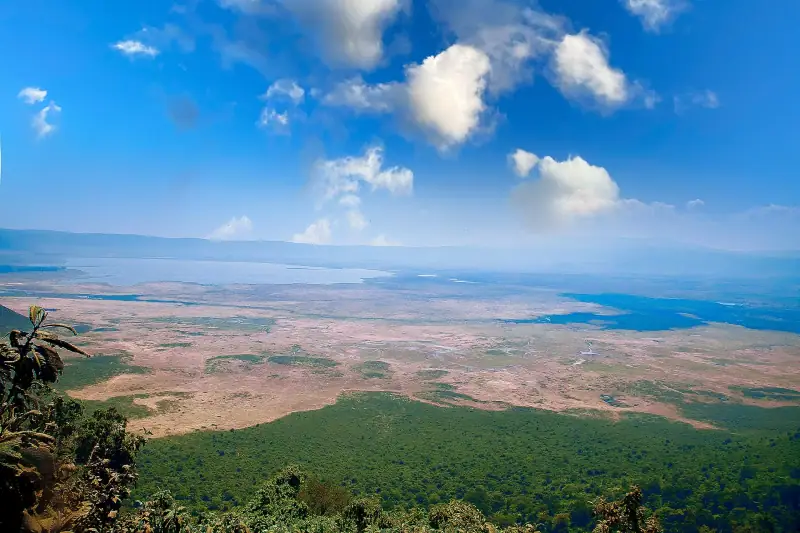
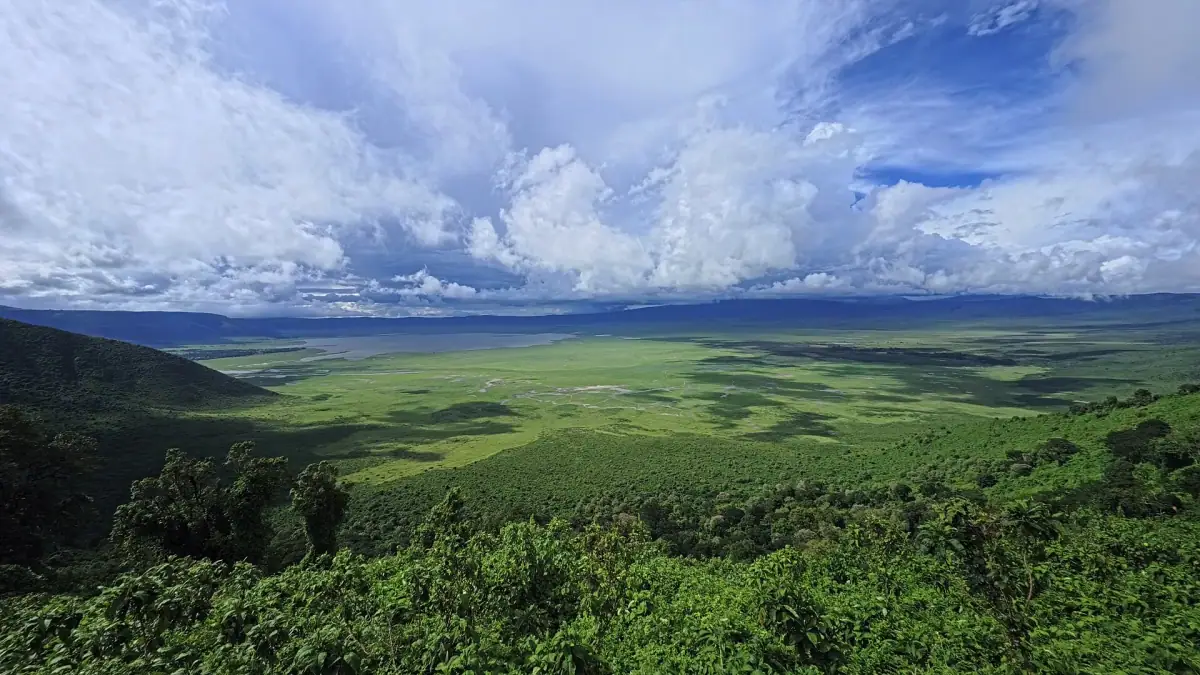
Ngorongoro is a caldera, that is, a crater formed by the collapse of an ancient volcano. It measures about 20 km (12 mi) across, and its walls rise several hundred meters above the floor, hence the feeling of a closed world. The crater is part of the Ngorongoro Conservation Area, a larger protected space where wildlife, Maasai herders and archaeological sites coexist.
Unlike the neighboring Serengeti, the crater’s wildlife does not migrate over long distances: many animals live there year-round, which makes sightings reliable in every season. This is what makes it a popular stop on first safaris.
Flights to Tanzania
Flights generally land at Kilimanjaro Airport: compare offers for your dates.
The crater floor and its wildlife
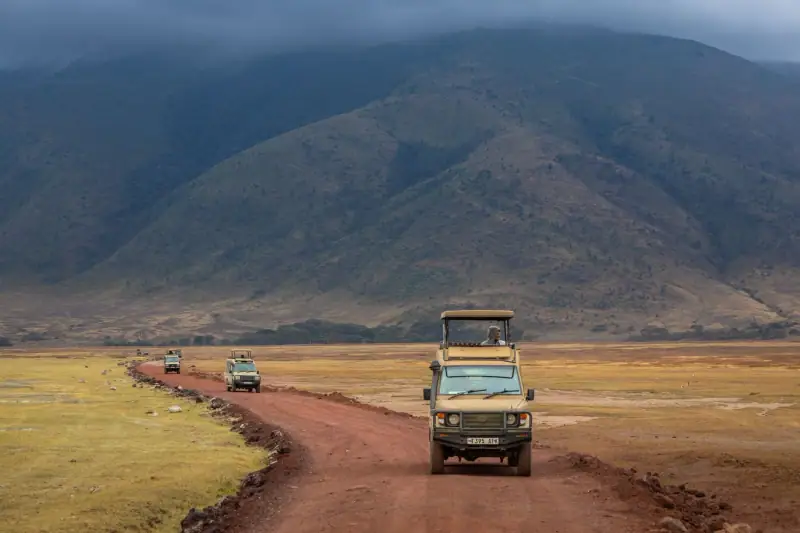
The crater floor alternates grasslands, marshy areas, small acacia forests and a shallow lake, Lake Magadi, often visited by flamingos depending on conditions. This mosaic of habitats explains the variety of species encountered.
You frequently see:
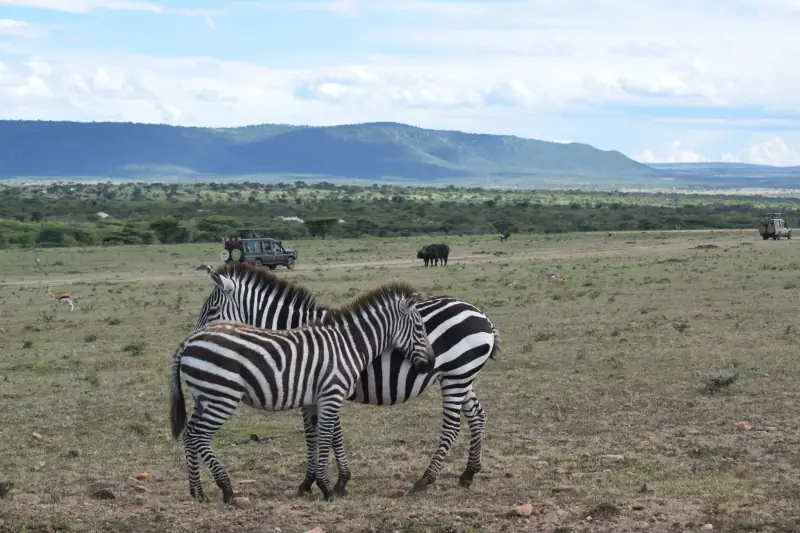
- Big herbivores: wildebeest, zebras, buffalo, gazelles and elephants, the latter often lone males.
- Predators: lions, spotted hyenas and jackals, often seen in broad daylight on the open plains.
- Hippos, gathered around water points.
- The black rhino, a threatened species present in the crater but rare and generally seen at a distance: binoculars are valuable.
Giraffes, on the other hand, are absent from the crater floor. Bring binoculars, a camera with a good zoom and plenty of patience: the best scenes often unfold when you stop with the engine off.
The descent and how a day unfolds
Access to the floor is by a descent track reserved for authorized vehicles. Early departures are the rule: the light is lovely, the wildlife is active and you avoid the biggest crowds. Time spent on the floor is regulated by park rules, which your operator knows and follows.
A typical day goes like this:
- Leave your lodge early, often in the cool of the altitude.
- Descend into the crater, then drive around in the 4x4 between plains, marshes and lake.
- Picnic in a dedicated area, where kites draw attention: keep a firm hold on your meal.
- Climb back out in the early afternoon, then drive to your next stop.
Places to stay around Karatu
The Karatu highlands offer many lodges at a reasonable distance from the crater entrance.
Where to sleep around the crater
Two main options exist: sleeping on the crater rim, with remarkable views but generally high rates, or staying in the Karatu region, in the highlands, which offers a range of lodges for various budgets at a reasonable distance from the entrance. Evenings are cool at this altitude: bring a fleece and a windbreaker even in the dry season.
In high season, June to October, the best lodging fills up well in advance: book early. To choose the right time for your trip, see our guide to when to go to Tanzania.
The conservation area and the Maasai
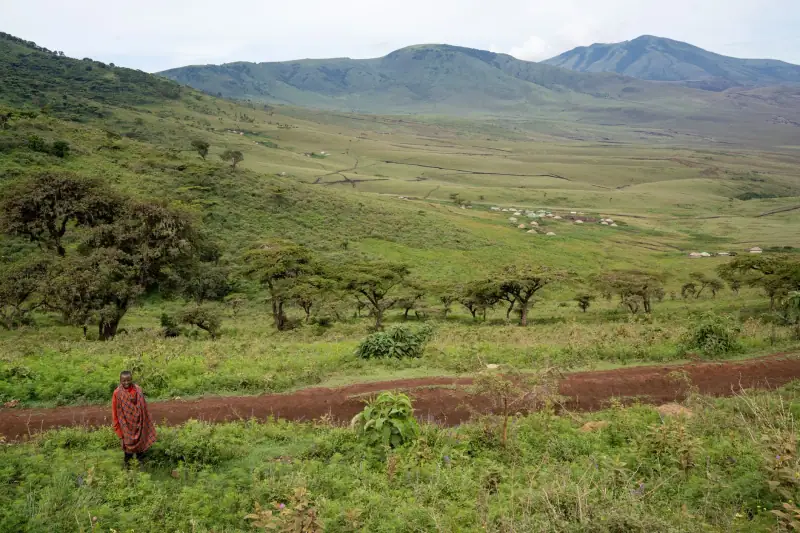
Ngorongoro is not just the crater. The conservation area is a multiple-use territory: Maasai herders graze their livestock alongside wildlife, a different model from classic national parks. You will often meet shepherds and herds on the road between Karatu and the Serengeti.
Cultural villages offer paid visits. Choose them carefully, ask your operator about respectful practices, and always ask permission before photographing people.
Olduvai Gorge
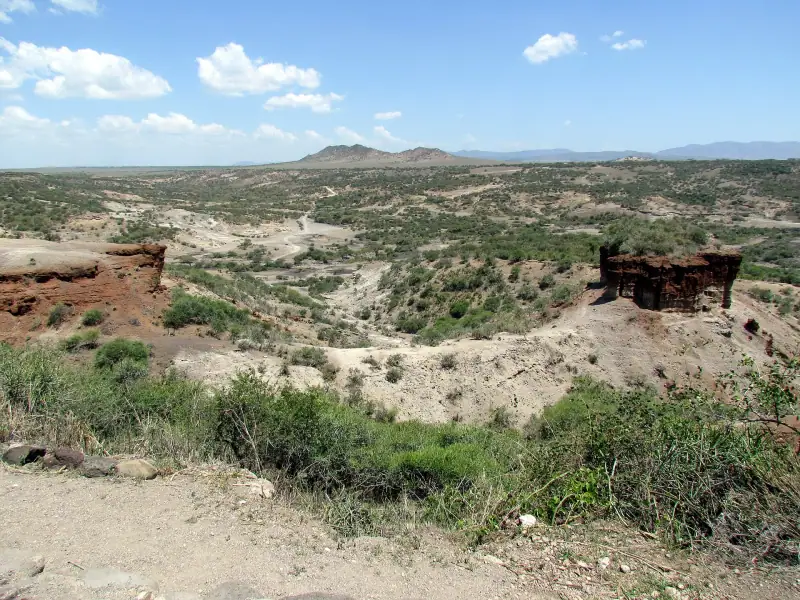
On the road between Ngorongoro and the Serengeti lies Olduvai Gorge, a famous paleontological site where the work of Louis and Mary Leakey uncovered some of the oldest known hominid remains. A small museum presents the site and the history of the excavations.
The stop is generally short and fits well into the drive. It is a cultural pause that breaks from wildlife viewing and places the region in the history of humanity.
Ngorongoro safaris
Compare excursions and safaris that include the crater, with a driver-guide.
Practical tips for your visit
- Book a driver-guide: essential for the descent and for driving in the conservation area.
- Dress in layers: dawn is cold on the rim, midday can be hot on the floor.
- Bring binoculars and a zoom: the animals are wild and not always close.
- Protect yourself from sun and dust: glasses, hat, sunscreen.
- Respect the wildlife: stay in the vehicle, speak quietly, never feed the animals.
- Ask your doctor or a travel clinic before you go, and see the official travel health pages (CDC in the US, TravelHealthPro in the UK).
To round out your trip, a beach extension to Zanzibar is possible after the safari.
Frequently asked questions
Do you need a full day to visit Ngorongoro Crater?
One day of safari is enough for a first visit: you descend early in the morning, picnic on the floor and climb back out in the early afternoon. The time spent on the crater floor is regulated by park rules.
Can you visit Ngorongoro without a driver-guide?
Not in practice: you descend in a 4x4 with an authorized driver-guide, which is the norm for the whole conservation area.
Do you see the Big Five in the crater?
The crater is home to lions, elephants, buffalo and black rhinos, the latter rare and often distant. Leopards are more discreet and harder to see.
Can you combine Ngorongoro with a beach?
Yes, many travelers extend their safari with a few days on Zanzibar.
More Tanzania guides
Keep reading
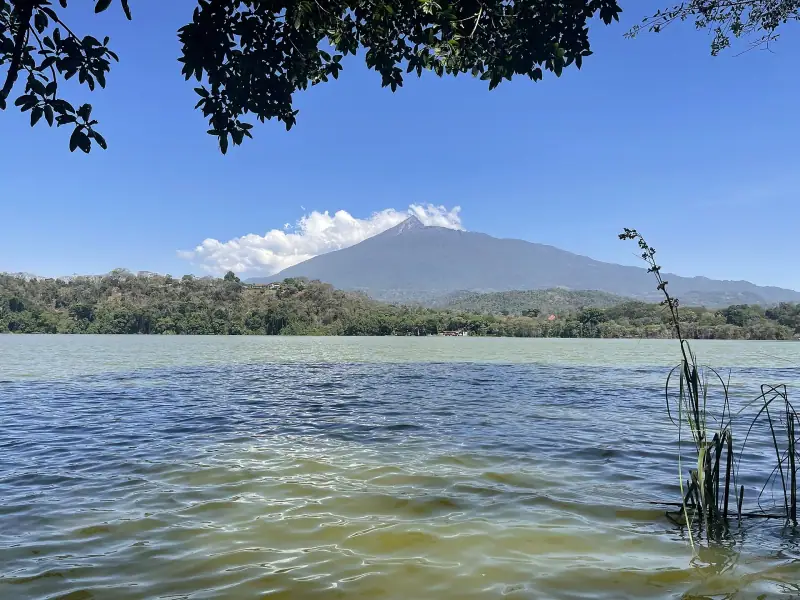
Lake Duluti near Arusha: canoeing, walking and prices for a half day
Is Lake Duluti worth a detour before or after a safari? Access from Arusha, canoeing, walking, birds, quoted prices and tips for a half day.
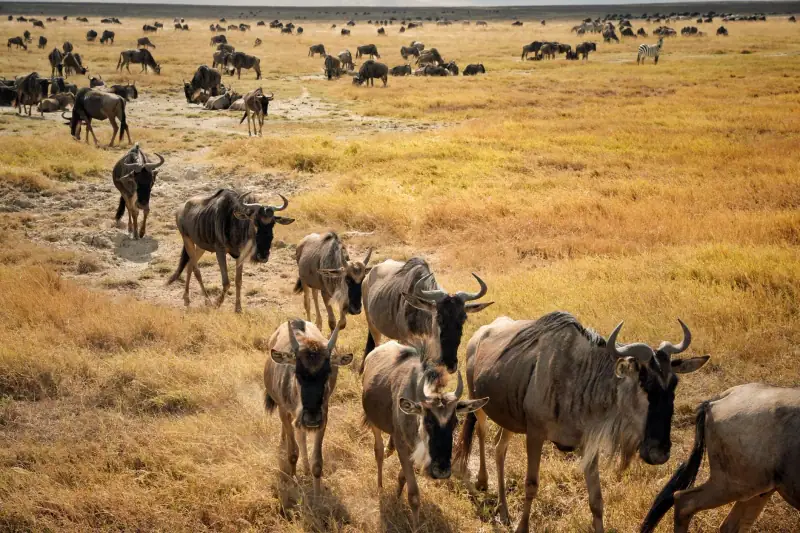
Serengeti and the Great Migration: when and where to see wildebeest in Tanzania
Visit the Serengeti in Tanzania: Great Migration calendar, viewing areas, ideal length, lodge or camp lodging and tips for a successful safari.
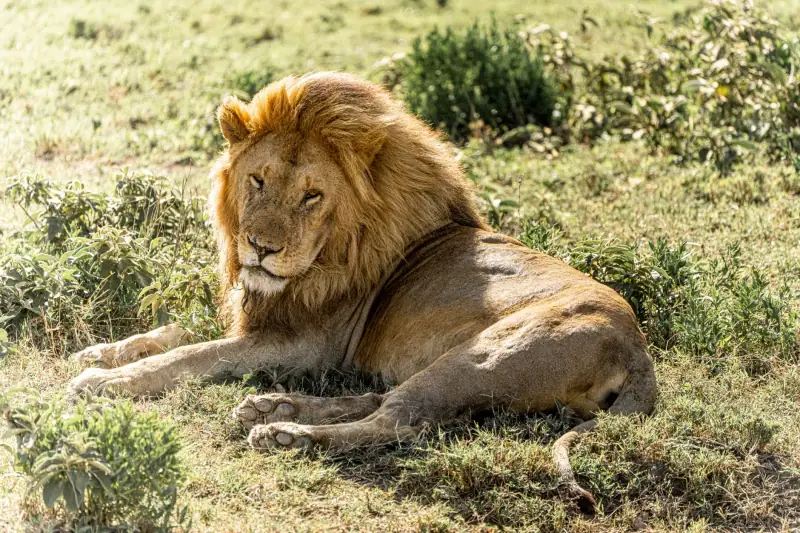
Complete guide to visiting Tanzania: regions, safari, budget and tips
Visit Tanzania: Serengeti, Ngorongoro, Tarangire, Kilimanjaro, when to go, how to get there, where to stay and what budget to plan. The pillar guide.
Ready-made
Tanzania itineraries
4 days
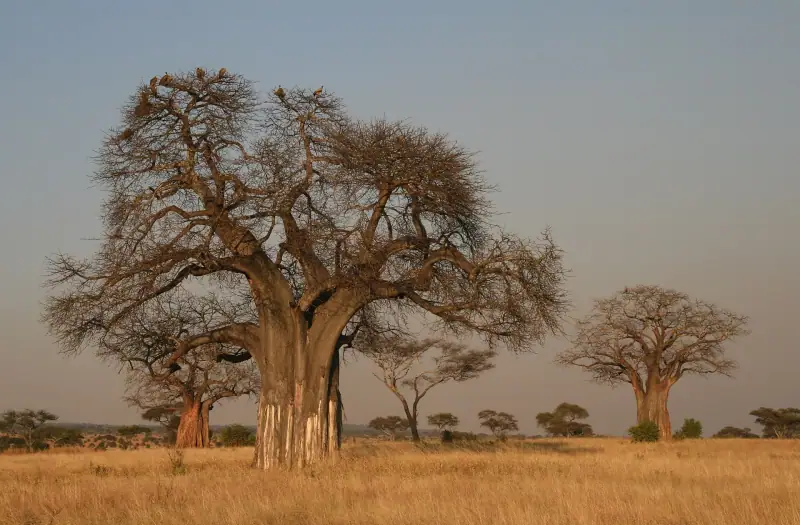
4-day safari in Tanzania: Tarangire, Manyara and Ngorongoro
A 4-day itinerary for a short safari in northern Tanzania: Tarangire, Lake Manyara and Ngorongoro Crater, with lodging, budget and practical tips.

8 days
Family safari in Tanzania: an 8-day itinerary with kids
A Tanzania safari circuit suited to children: short stages, accessible parks, pace, lodging, health and tips so the whole family enjoys it.
7 days
7-day safari in northern Tanzania: the complete itinerary
A 7-day itinerary for a first Tanzania safari: Tarangire, Lake Manyara, Ngorongoro and the Serengeti, with tips on planning and where to stay.