What to see
Tarangire National Park: elephants, baobabs and visiting tips
We may earn a commission when you book through links on this page, at no extra cost to you. We don't visit or try the places we cover: we summarize published sources. How we work
In short
- The park covers about 2,800 km² (1,080 sq mi) south of Arusha, reached in roughly two to three hours by road.
- The dry season, about June to October, is the most favorable: animals gather around the Tarangire River.
- A full day from Arusha shows the essentials; one night there is better for dawn and dusk game drives.
- Tarangire often opens a northern circuit, before Lake Manyara, Ngorongoro and the Serengeti.
With its immense baobabs and its elephant herds, Tarangire National Park offers one of the most photogenic settings in northern Tanzania. Less famous than the Serengeti or Ngorongoro, it nonetheless appeals with its more intimate atmosphere, varied scenery and the quality of viewing in the dry season.
This guide helps you decide whether Tarangire belongs in your itinerary, when to go, what you will see there and how to organize the visit.
Introducing Tarangire park
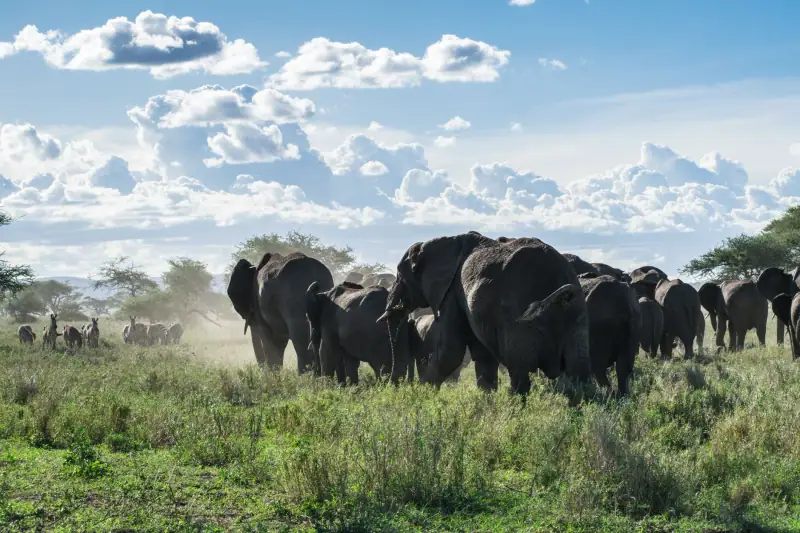
The park covers about 2,800 km² (1,080 sq mi) south of Arusha, in the north of the country. It takes its name from the Tarangire River, which crosses it and is the main permanent water source of the region in the dry season.
The landscape alternates wooded savanna, gentle hills, acacia forests, marshy areas and vast plains of tall grass. This variety explains the richness of the wildlife and makes every hour of safari different. Unlike the great open plains of the Serengeti, the baobabs and acacias give photographers many compositions.
Access is from Arusha, generally in about two to three hours by road. This lets you leave in the morning and arrive in time for a first game drive, making it an ideal stop to start a circuit.
Elephants and wildlife to watch
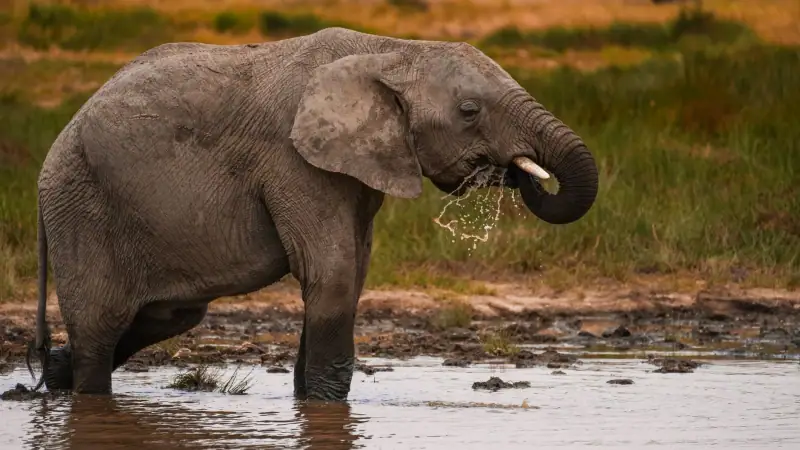
Tarangire is known above all for its elephants. In the dry season, whole families come down to the river, and it is not unusual to see several groups in a single outing. Watching young elephants bathe or push through the tall grass remains one of the great moments of a stay.
Besides elephants, you can hope to see:
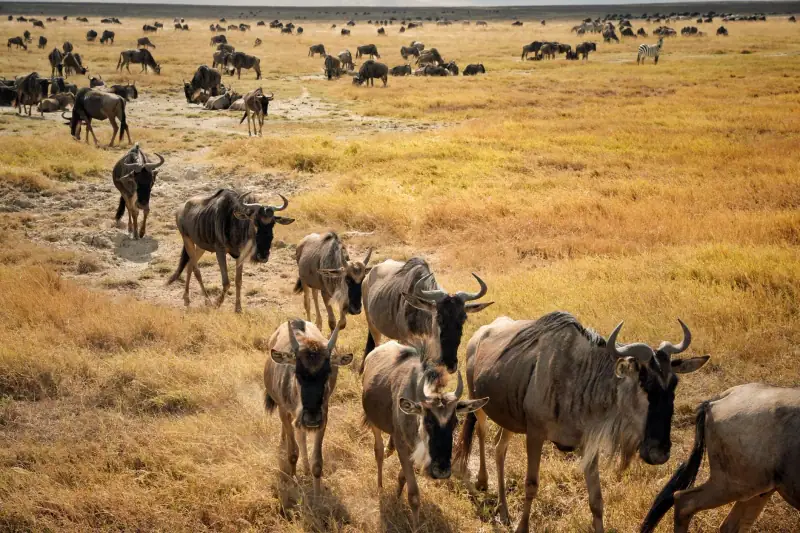
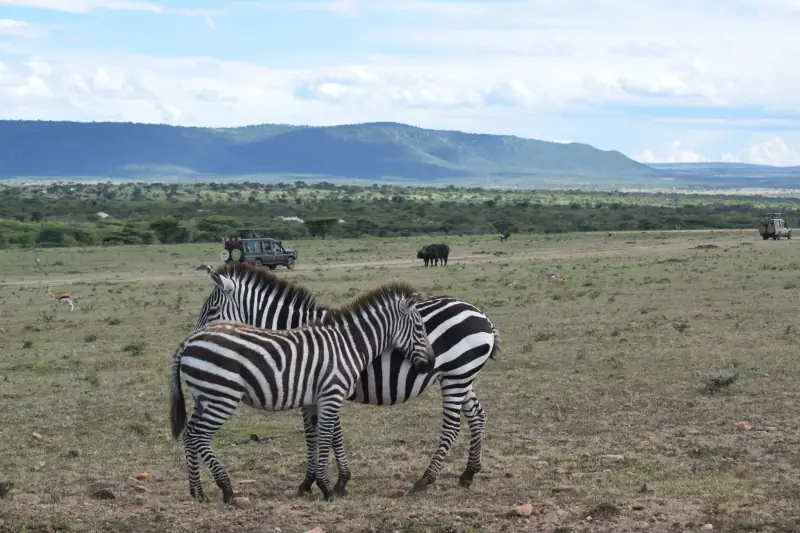
- Herbivores: zebras, wildebeest, buffalo, giraffes, impalas and elands, often grouped near water.
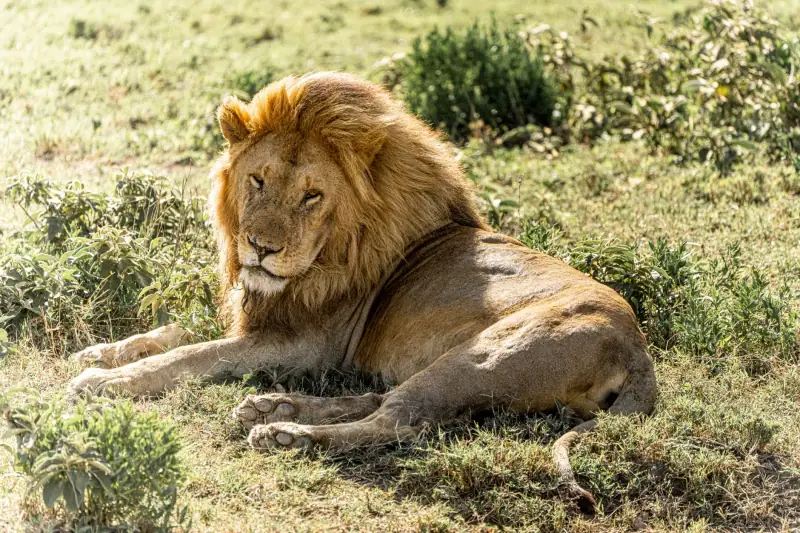
- Predators: lions, leopards and cheetahs are present, but seeing them is more a matter of chance and depends on the season.
- Abundant birdlife: the park is known for the diversity of its birds, with more than 500 species recorded according to sources, which appeals to birders.
No sighting is guaranteed: the wildlife is wild and moves with water and vegetation. A good driver-guide, who knows the animals’ habits, makes all the difference.
Tarangire safaris
Compare one-day or multi-day safaris from Arusha, with a driver-guide and a suitable vehicle.
Tarangire’s baobabs and landscapes
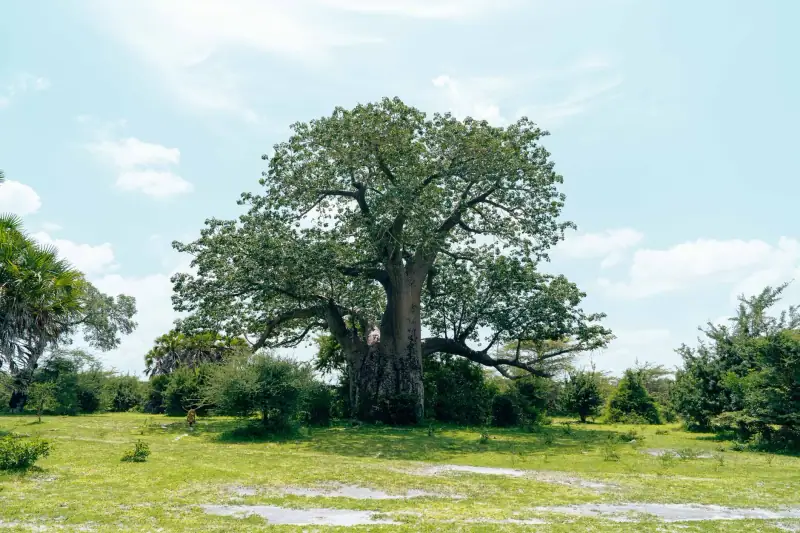
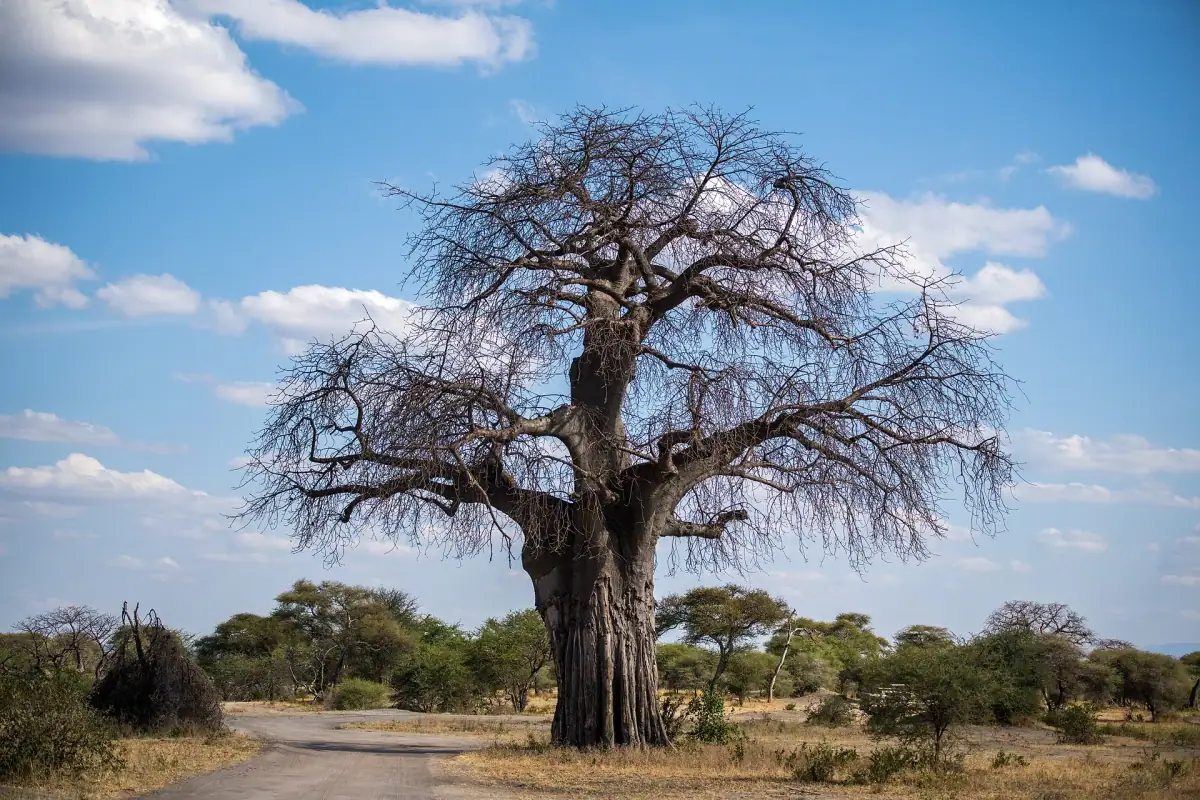
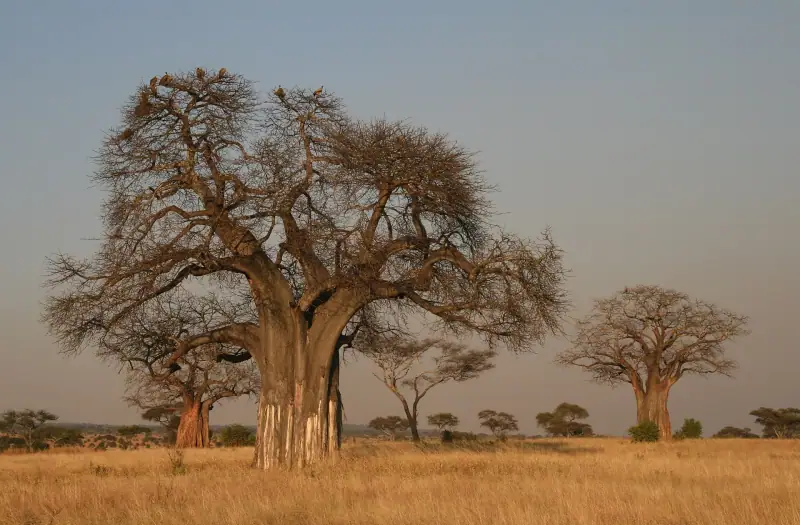
Baobabs are the visual signature of the park. Some very old specimens tower over the savanna with their massive trunks and twisted branches. In the dry season they lose their leaves and take on the look of roots turned toward the sky, a silhouette found in many photos of Tanzania.
The light of early morning and late afternoon is the most beautiful for photographing them. Bring a telephoto lens for the animals and a wide-angle for the landscapes.
Termite mounds, often tall, and marshy areas that fill after the rains complete the setting. These marshes attract many birds and change the face of the park from one season to the next.
When to visit Tarangire
The dry season, about June to October, is generally the most recommended. Vegetation is less dense, animals gather around the river and the tracks are in better condition. It is also the busiest and priciest period for lodging.
In the green season, about November to May, the park turns very green, animals disperse and viewing takes more patience. In return, crowds are lower, the scenery is superb and rates are often better. The long rains, about March to May, can make some tracks difficult.
To compare all periods across the country, see our guide When to go to Tanzania.
How long to stay and how to organize
A day trip from Arusha is possible, but it leaves little margin, since the drives take a good part of the day. One night there, or even two, lets you enjoy dawn and dusk game drives, when animals are most active.
Tarangire fits naturally into a larger circuit. It is often combined with Lake Manyara, Ngorongoro and the Serengeti, as in our 7-day safari in northern Tanzania. If the crater appeals to you, also read our guide to visiting Ngorongoro Crater.
A few practical tips:
- Pack neutral clothes (beige, khaki), a hat, sunglasses and sunscreen.
- Bring water and a light fleece for early-morning departures.
- Respect the park rules: stay in the vehicle, keep quiet and never feed the animals.
- Book ahead in high season, since the best lodging fills quickly.
- Check entrance fees and current conditions with your operator: rates change regularly.
Where to sleep near Tarangire
Several options exist depending on your budget and your wish for immersion:
- Lodges and camps in the park or on its edge: the most immersive, with savanna sounds at night and views of the plain. Rates are the highest.
- Lodging outside the park: generally more affordable, it requires a short extra drive in the morning.
- Hotels in Arusha: practical for a day trip or the night before a departure.
In every case, compare the formulas (full board, safaris included or not) before booking.
Places to stay around Tarangire
Compare lodges and hotels available for your dates, especially in high season.
Extending the trip
After the northern parks, some travelers like to finish their stay by the Indian Ocean. An extension to Zanzibar is possible.
For a fuller safari, you can also pair Tarangire with a hike on the roof of Africa: our guide to climbing Kilimanjaro details the routes and preparation.
Key takeaways
Tarangire is a park that rewards travelers who love big landscapes, elephants and baobabs. Easy to reach from Arusha, it suits both a short outing and a two-day stay, and combines very well with the other stops of the northern circuit. Visit it preferably in the dry season, book early and rely on an experienced driver-guide to maximize your chances of sightings.
Frequently asked questions
Why visit Tarangire National Park?
Tarangire is known for its large elephant herds, monumental baobabs and varied scenery. It is relatively close to Arusha, which makes it a very good first stop on a safari.
What is the best time to visit Tarangire?
The dry season, from about June to October, is the most favorable: animals gather around the Tarangire River and are easier to see. During the rains, the park is greener and less crowded, but viewing is trickier.
How long should you plan for Tarangire?
A full day from Arusha lets you see the essentials. A night there is preferable to enjoy the best viewing hours, early morning and late afternoon.
Can you combine Tarangire with other parks?
Yes, Tarangire very often opens a circuit in northern Tanzania, before Lake Manyara, Ngorongoro Crater and the Serengeti.
Can you extend the trip with a beach stay?
Yes, many travelers end their safari with a few beach days on Zanzibar.
More Tanzania guides
Keep reading
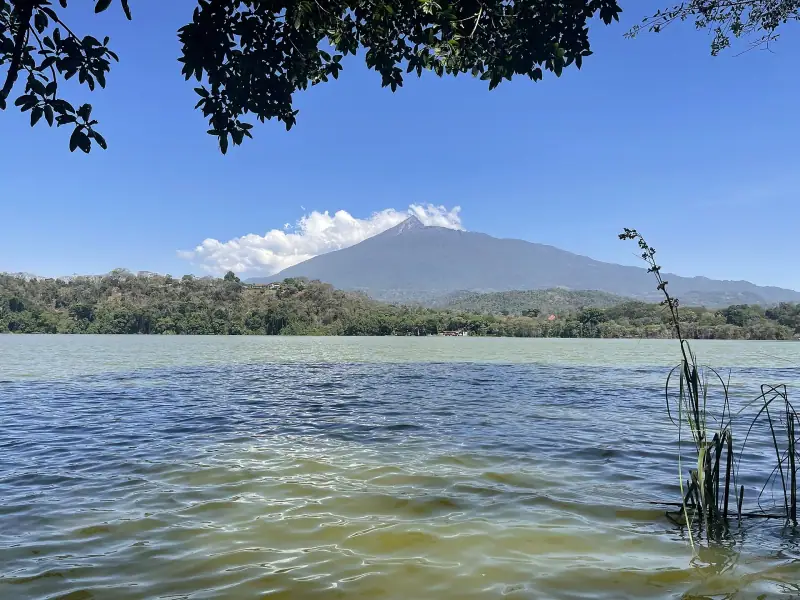
Lake Duluti near Arusha: canoeing, walking and prices for a half day
Is Lake Duluti worth a detour before or after a safari? Access from Arusha, canoeing, walking, birds, quoted prices and tips for a half day.
Serengeti and the Great Migration: when and where to see wildebeest in Tanzania
Visit the Serengeti in Tanzania: Great Migration calendar, viewing areas, ideal length, lodge or camp lodging and tips for a successful safari.
Complete guide to visiting Tanzania: regions, safari, budget and tips
Visit Tanzania: Serengeti, Ngorongoro, Tarangire, Kilimanjaro, when to go, how to get there, where to stay and what budget to plan. The pillar guide.
Ready-made
Tanzania itineraries
4 days
4-day safari in Tanzania: Tarangire, Manyara and Ngorongoro
A 4-day itinerary for a short safari in northern Tanzania: Tarangire, Lake Manyara and Ngorongoro Crater, with lodging, budget and practical tips.

8 days
Family safari in Tanzania: an 8-day itinerary with kids
A Tanzania safari circuit suited to children: short stages, accessible parks, pace, lodging, health and tips so the whole family enjoys it.
7 days
7-day safari in northern Tanzania: the complete itinerary
A 7-day itinerary for a first Tanzania safari: Tarangire, Lake Manyara, Ngorongoro and the Serengeti, with tips on planning and where to stay.