Things to do
Arusha National Park: walking, canoeing and Mount Meru
We may earn a commission when you book through links on this page, at no extra cost to you. We don't visit or try the places we cover: we summarize published sources. How we work
In short
- The park covers about 137 km² (53 sq mi) close to Arusha, about half an hour to 45 minutes by road, and has no lions.
- Three zones: Ngurdoto Crater (viewpoints only), the Momella lakes (birds, hippos, canoeing when water levels allow) and Mount Meru.
- Walks are led by an armed ranger under strict rules; Mount Meru, about 4,600 m (15,100 ft), takes three to four days round trip.
- Half a day gives a first look; a full day combines vehicle, walk and lakes.
When preparing a safari in Tanzania, you think of the Serengeti, Ngorongoro or Tarangire. Arusha National Park often gets left out. That is a pity: a short distance from the town, it brings together in one place a mountain forest, a vegetation-covered crater, bird-filled lakes and a volcano that overlooks it all, Mount Meru. And above all, it offers what the big parks rarely do: walking, or paddling, in the midst of nature.
This guide presents the park’s three zones, the possible activities, how to organize them and their place in a broader trip. As with any wildlife watching, nothing is guaranteed, but the setting is pleasant in every season. To understand how to optimize your outings in all the country’s parks, also see our guide to watching wildlife in Tanzania.
A small park with varied landscapes
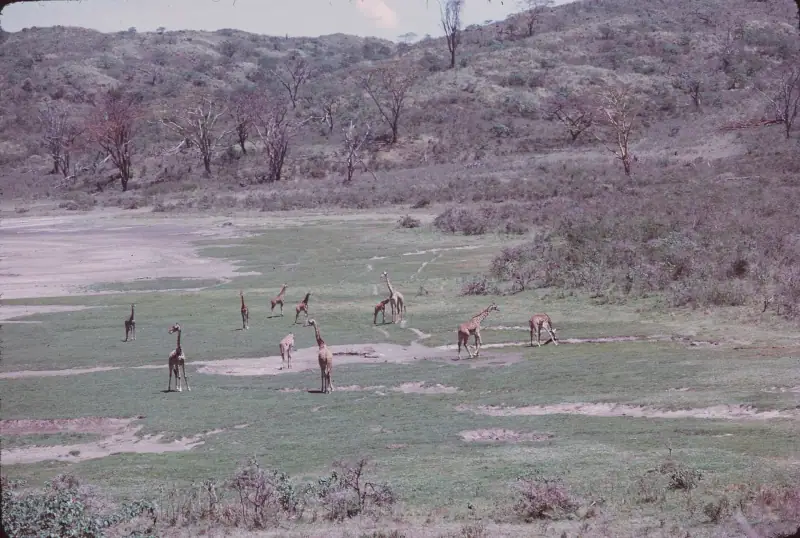
Arusha National Park is the smallest of the country’s big parks: it covers about 137 km² (53 sq mi), so you can enjoy it without long transfers. This small size hides great diversity, since its altitude ranges from under 1,500 m (4,900 ft) on the plains to over 4,500 m (14,800 ft) at the summit of Meru. In a few kilometers you pass from wooded savanna to humid forest, then high-altitude moorland and volcanic rock.
The park divides into three main groups, often visited on the same day:
- Ngurdoto Crater, a vast volcanic depression carpeted with forest and grassland;
- the Momella lakes, a series of bodies of water of different colors depending on their mineral content;
- Mount Meru, the country’s second-highest summit, after Kilimanjaro, rising to about 4,566 m (14,980 ft).
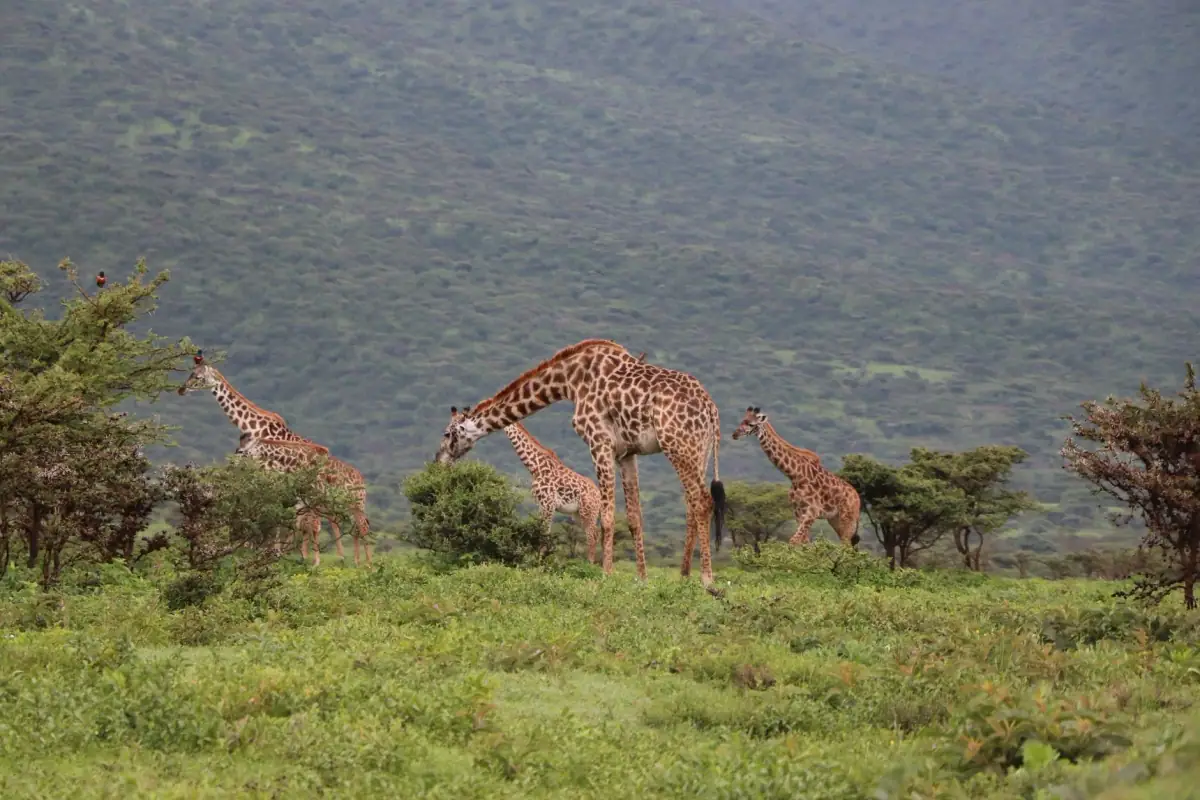
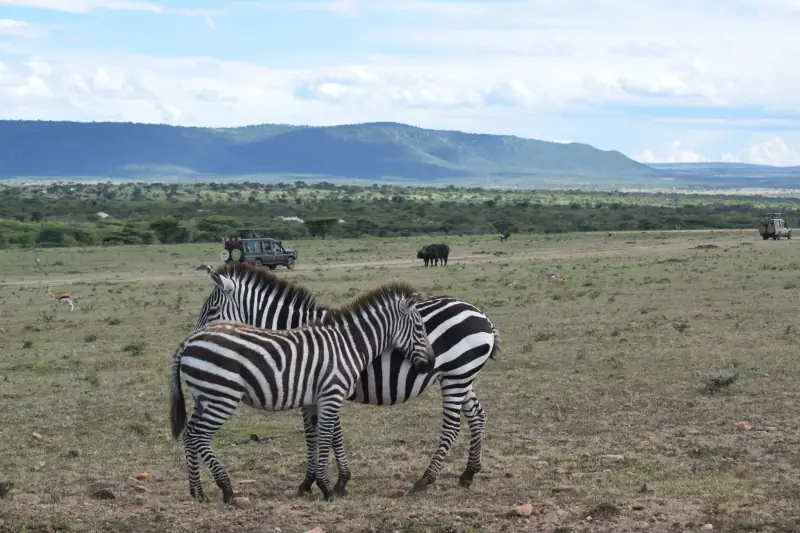
Another point to know: the park has no lions. If your goal is to see big cats, better to wait for the Serengeti or Ngorongoro. Here the interest is elsewhere: giraffes, buffalo, zebras, warthogs, colobus monkeys and many birds, in a setting that differs a lot from the open plains of the north.
Ngurdoto Crater: a forest inside a crater
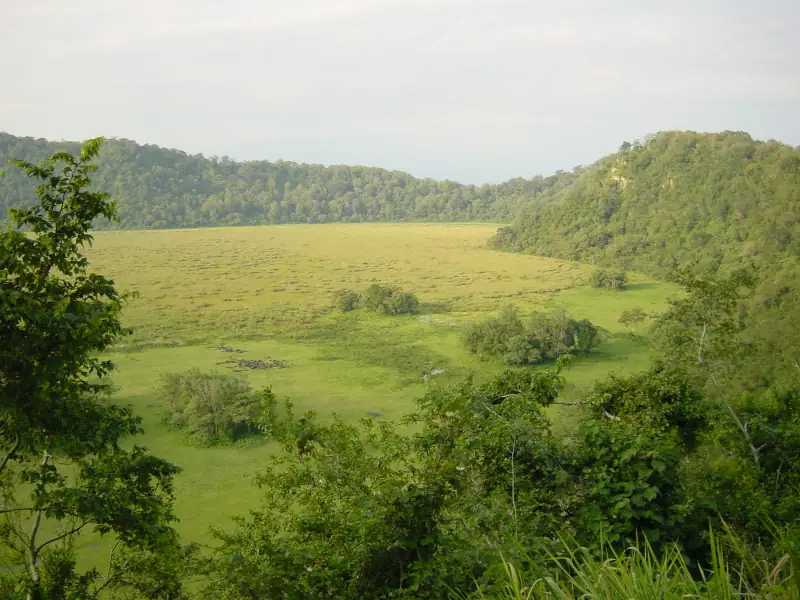
Ngurdoto Crater is sometimes nicknamed “the little Ngorongoro,” which is confusing. It is neither the same size nor the same experience: the crater floor is closed to visitors, and you simply gaze at it from the rim, where viewpoints have been set up. Its diameter is on the order of three kilometers (about 2 mi), and its floor looks like a carpet of forest and marsh where, with binoculars, you can make out buffalo and sometimes other big herbivores.
The interest of the visit lies as much in the journey as in the view. The tracks leading there cross a dense forest where black-and-white colobus monkeys live, recognizable by their long fur and plumed tails. Baboons and blue monkeys are also common. All along the way, keep your ears open: the calls of birds and primates are often the first sign of their presence.
A few tips to enjoy this zone:
- leave early: the forest is calmer and the light softer;
- bring binoculars, since the crater floor is viewed from a distance;
- keep a jacket within reach, as the forest’s humid air can surprise you;
- accept not seeing everything: here, the atmosphere is part of the pleasure.
The Momella lakes: flamingos, hippos and canoeing
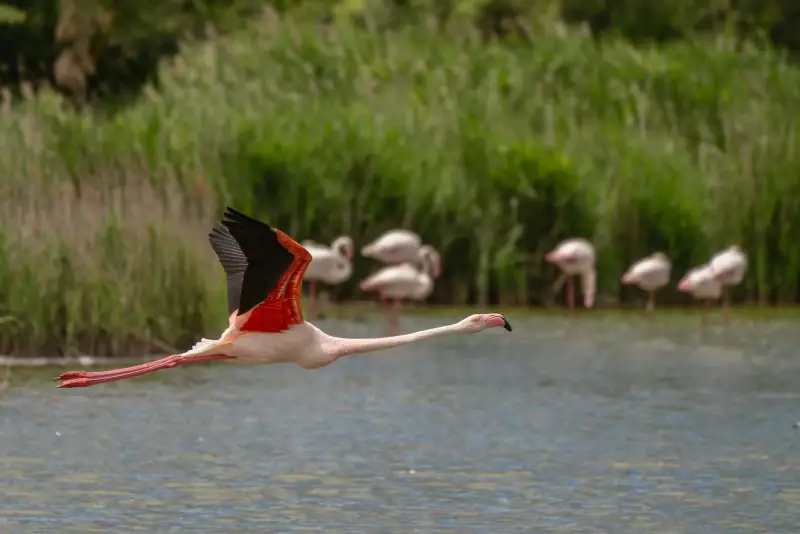
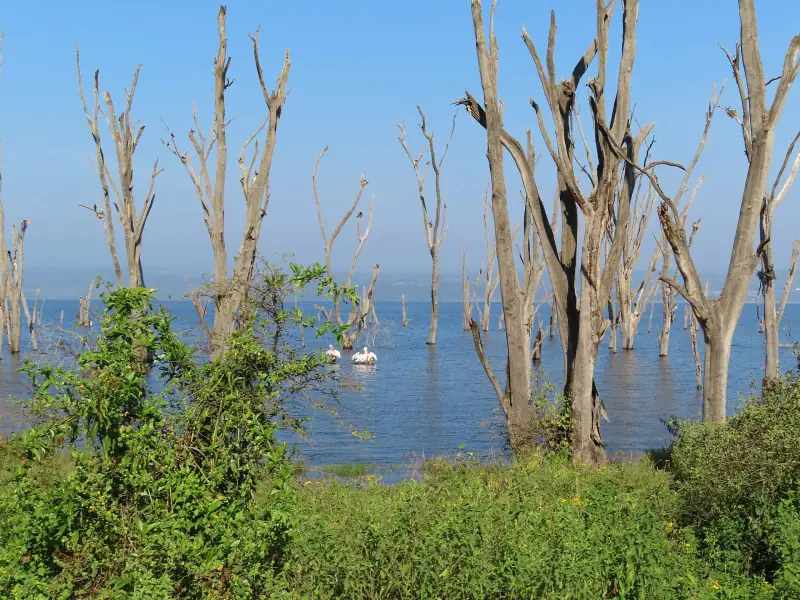
In the northeast part of the park, the Momella lakes form a string of bodies of water fed by underground springs. Each has its own tint, from green to blue to more milky tones, depending on its composition. They attract many waterbirds: flamingos, ibises, Egyptian geese and many other species depending on the season. The shores also host giraffes, buffalo and warthogs, and some lakes shelter hippos.
Canoeing: a quiet way to watch
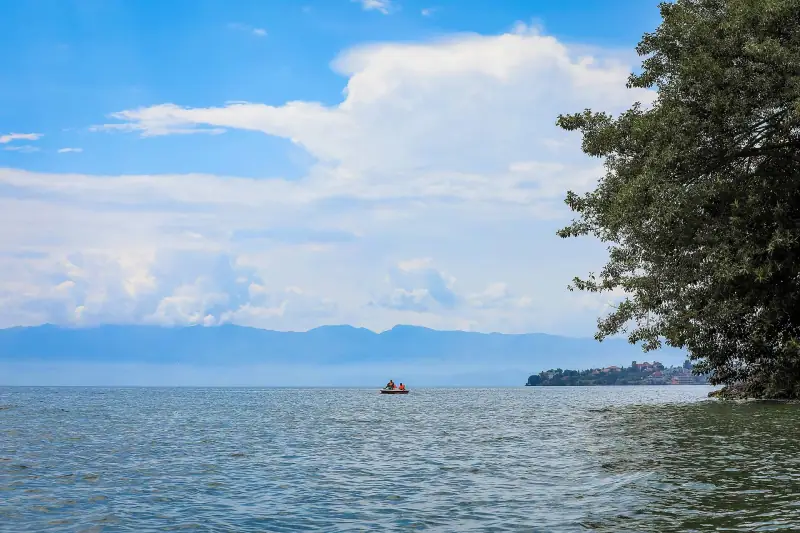
The park is one of the few places in northern Tanzania where you can watch wildlife from the water. Canoe outings are offered on some lakes, with a guide, when the water level allows. The principle is simple: you move without noise, keep your distance from the hippos and enjoy an unusual angle on the birds and shore animals.
Two precautions are needed. First, this activity depends on the conditions of the moment: check before booking and plan a backup option. Second, follow the guide’s instructions scrupulously, since he knows the areas to avoid. Canoeing is not an activity to do alone or without supervision.
Arusha National Park excursion
Compare day excursions with walking, canoeing or a visit to the Momella lakes from Arusha.
The walking safari: changing scale
This is probably the activity that makes the park unique. In most of Tanzania’s big parks, you stay in the vehicle. Here, walks led by an armed ranger are commonly offered. The experience is very different from a classic safari: on foot, you do not try to “tick off” animals, you learn to read a landscape.
How a walk unfolds
The group is small and moves in single file behind the ranger, who decides the pace, stops and direction. He explains tracks, droppings, bird songs, trees, insects. At a reasonable distance, you can watch giraffes, buffalo, zebras or antelopes. The ranger also tells you when and how to stop, go quiet or back away.
The rules are strict and not up for discussion:
- stay together and behind the ranger;
- never run, even if an animal appears;
- speak in a low voice and avoid sudden gestures;
- do not approach animals for a photo;
- wear comfortable closed shoes and neutral colors.
Who is it suited to?
Walks are for people comfortable walking a few hours on uneven ground. They need no particular technique, but demand attention and discipline. For young children, the rules vary by operator: ask for advice before booking. If you travel with children, our article on the family safari in Tanzania will help you choose activities suited to their age.
Mount Meru: Tanzania’s other volcano
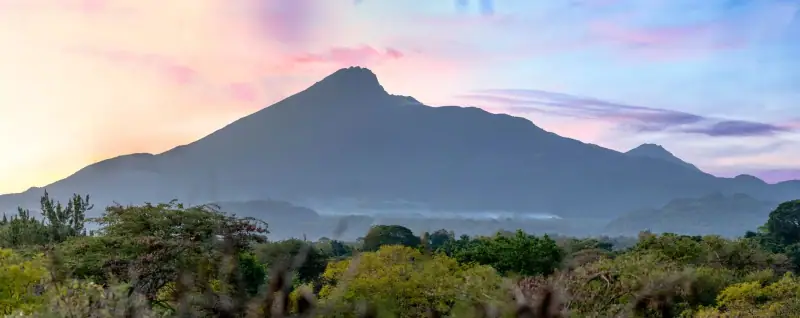
Mount Meru is an imposing volcano whose summit stands at about 4,600 m (15,100 ft). It is the country’s second highest summit, behind Kilimanjaro. Many travelers overlook it, even though it offers a serious alternative to those who want a multi-day hike with fewer crowds.
A three- to four-day climb
The climb is generally done in three to four days round trip, with a mandatory ranger, crossing successively savanna, forest, moorland and then rocky ridges. The first days are a chance to meet animals: giraffes, buffalo, monkeys. The end of the climb is more alpine, with ridge sections that demand sure footing and good morale.
Meru is not a stroll. Altitude, cool nights and the final ascent weigh on the body. Ask your doctor or a travel clinic before you go, and see the official travel health pages (CDC in the US, TravelHealthPro in the UK). Do not expect to take on a summit without preparation.
Meru before Kilimanjaro?
Several hikers choose Meru as preparation before Kilimanjaro: you test your breathing, your gear and how you react at altitude. This reasoning holds, provided you plan a few days of rest between the two. To understand climbing options and trip organization, see our guide to climbing Kilimanjaro.
When to visit Arusha park
The park can be visited year-round. In the dry season, about June to October, the tracks are more passable and visibility often better, notably on Meru and, in clear weather, on Kilimanjaro in the distance. The rainy season makes the forest greener and the lakes livelier, but some tracks can get slippery and canoeing is sometimes impossible. Our article when to go to Tanzania details the seasons and their effects on the country’s different areas.
The park does not depend on the Great Migration: it therefore remains a good idea when the Serengeti parks are harder to reach, or as a complement when you visit the region at a time less favorable to the big herds.
How to organize
Getting there from Arusha
Proximity to the town is its major asset. Excursions generally leave early in the morning from Arusha and return in the late afternoon. If you hire a vehicle with a driver-guide, he knows the entrances and the park rules. The vehicle must be suited to the tracks, notably in the wet season.
Places to stay in Arusha
Sleep in Arusha to combine the park with your safari departure or return flight: compare hotels and lodges.
Where to sleep
The simplest is to stay in Arusha and do the excursion as a day trip. For the town’s lodging and alternatives around it, see our article where to sleep in Arusha and Moshi before and after a safari. If you prefer to sleep closer to nature, lodging exists near the park and on its outskirts; check its exact location before booking.
What to bring
- closed walking shoes and comfortable socks;
- neutral-colored clothes, with a warm layer for the morning;
- a hat, sunglasses and sunscreen;
- enough water;
- binoculars and a camera with a zoom;
- a light windbreaker: the weather changes quickly at altitude.
Budget
Park entrance fees, ranger fees and any canoe fees are added to the excursion price, and rates change regularly. To understand the weight of each item in a stay, read our safari budget in Tanzania and always ask your operator for a detailed quote.
How to fit it into your trip
Arusha park fits easily into several setups.
On arrival or departure. If your flight lands at Kilimanjaro Airport and you are not going straight on to a safari, half a day of walking in the park is a gentle way to get into the swing. Conversely, the day before the return flight, it is a pleasant last outing without long drives. For a shorter outing, Lake Duluti offers canoeing and walking in half a day.
As a complement to a classic safari. Our itineraries such as the 7-day safari in the north focus on the big parks. A day in Arusha can be added before or after, to vary the pleasures.
Before Kilimanjaro. Meru is an option to train for altitude, with a rest period before the big departure.
For the beach. Once the safari is over, many travelers extend their stay with a few days of relaxation on the island of Zanzibar.
Tips for a good outing
- Choose a licensed operator that details what is included: entrance fees, ranger, meals, transport.
- Book ahead for walks and canoeing, often in limited numbers.
- Stay flexible: weather or water level can change the program.
- Listen to your ranger: his experience of the terrain is your best insurance.
- Take your time: better one lake well observed than five hurried stops.
Key takeaways
Arusha National Park does not rival the Serengeti in the spectacle of big predators, and it does not need to. Its strength lies elsewhere: closeness to the town, variety of landscapes, and the chance to experience nature differently, on foot, by canoe or by climbing a volcano. Whether you spend a few hours or several days there, it complements a trip devoted to the big parks of northern Tanzania very well.
Frequently asked questions
Where is Arusha National Park?
It is close to the town of Arusha, in northern Tanzania, about half an hour to three quarters of an hour by road depending on traffic and the entrance used. It is one of the most accessible parks in the country, which makes it a good option for a first or last day.
Can you see lions in Arusha National Park?
No, lions are not part of the park's wildlife. You mostly see giraffes, buffalo, zebras, warthogs, colobus monkeys and baboons, plus many birds. For big cats, turn to the Serengeti or Ngorongoro.
Is a walking safari dangerous?
Walks are led by an armed ranger and follow strict rules: you stay together, follow instructions and do not approach the animals. Risk is never zero in the wild, but the supervision is designed to limit it. Very young children are generally not advised; ask your operator.
How long does it take to climb Mount Meru?
Generally allow three to four days round trip, with a mandatory ranger. Meru rises to about 4,600 m (15,100 ft) and often serves as altitude preparation before Kilimanjaro, but it demands real fitness and good acclimatization.
Is canoeing always possible on the Momella lakes?
No, it depends on the water level and conditions of the moment, among other things. Ask your operator to confirm before booking and plan another activity just in case.
How long should you plan to visit the park?
Half a day gives a first look, and a full day is enough to combine vehicle, walking and lakes. If you want to climb Meru, add three to four days.
More Tanzania guides
Keep reading
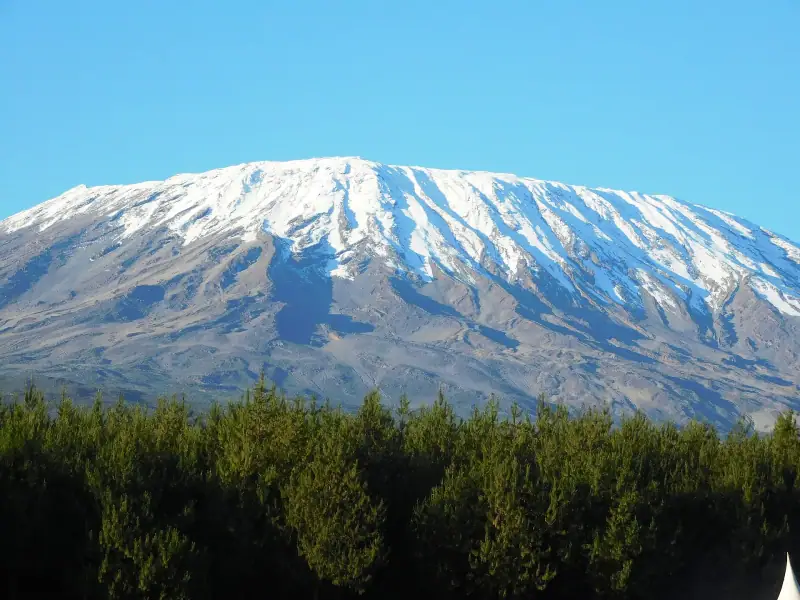
Climbing Kilimanjaro: routes, length and preparation
Climb Kilimanjaro, Africa's highest peak: comparing the Machame, Lemosho, Marangu and Rongai routes, ideal length, altitude and preparation.
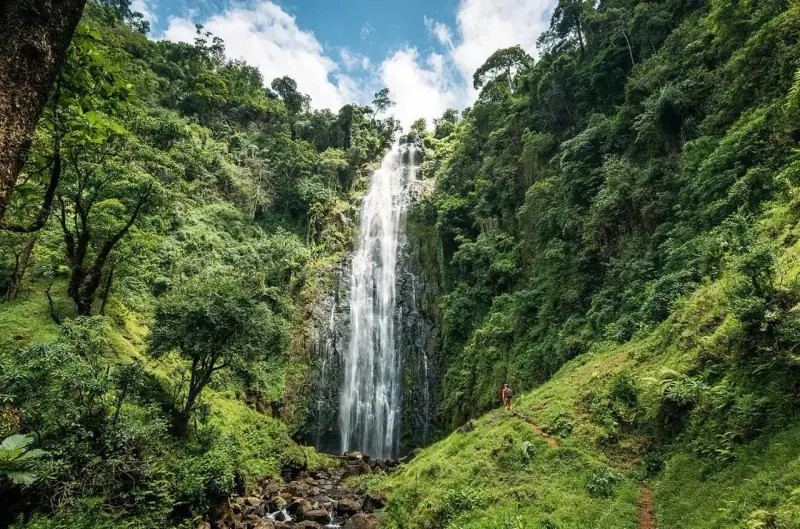
Materuni waterfall from Moshi: going without an agency, prices and guide
Materuni waterfall near Moshi: going alone or with an agency, guide, walking time, quoted prices, season, shoes and the coffee farm visit.
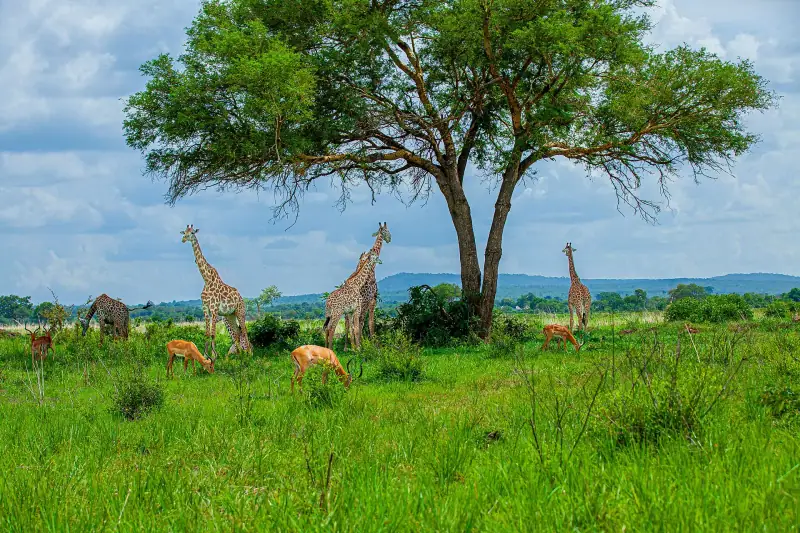
Wildlife watching in Tanzania: a guide to a successful safari
Big Five, big cats, elephants, flamingos: where and when to watch wildlife in Tanzania, how to choose your park, outing times and camera gear.
Ready-made
Tanzania itineraries
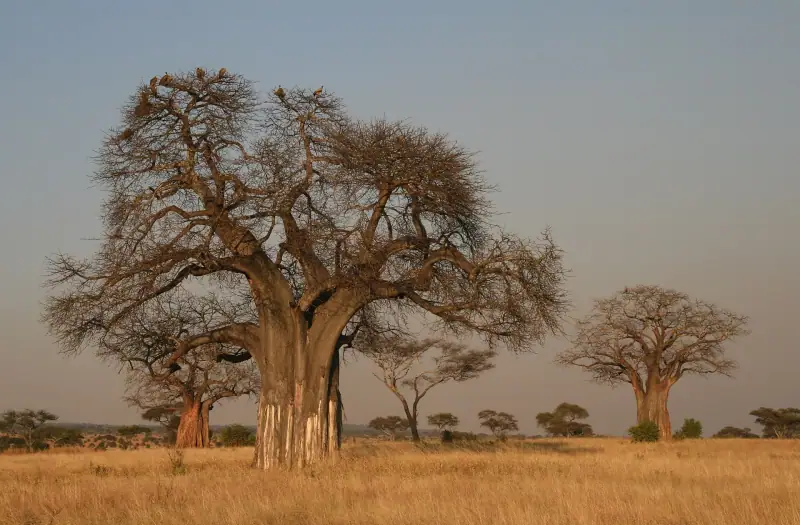
4 days
4-day safari in Tanzania: Tarangire, Manyara and Ngorongoro
A 4-day itinerary for a short safari in northern Tanzania: Tarangire, Lake Manyara and Ngorongoro Crater, with lodging, budget and practical tips.

8 days
Family safari in Tanzania: an 8-day itinerary with kids
A Tanzania safari circuit suited to children: short stages, accessible parks, pace, lodging, health and tips so the whole family enjoys it.
7 days
7-day safari in northern Tanzania: the complete itinerary
A 7-day itinerary for a first Tanzania safari: Tarangire, Lake Manyara, Ngorongoro and the Serengeti, with tips on planning and where to stay.