Itineraries
7-day safari in northern Tanzania: the complete itinerary
We may earn a commission when you book through links on this page, at no extra cost to you. We don't visit or try the places we cover: we summarize published sources. How we work
Day by day
- Day 1Arrive in Arusha, briefing with your operator
- Day 2Tarangire National Park safari
- Day 3Lake Manyara, then the road up to Karatu
- Day 4Descent into Ngorongoro Crater
- Days 5-6Serengeti: sunrise and late-afternoon game drives
- Day 7Return to Arusha by road or domestic flight
In short
- The 7-day loop starts and ends in Arusha and links Tarangire, Lake Manyara, Ngorongoro Crater and the Serengeti (days 5 and 6).
- A driver-guide and a 4x4 with a pop-up roof are the norm; park fees are generally included in operator packages.
- Book early in high season, June to October: the best lodges fill several months ahead.
- Some travelers fly to the Serengeti from Arusha to save time, an option to discuss with your operator.
This 7-day safari in northern Tanzania combines the four big names of the classic circuit in one loop: Tarangire, Lake Manyara, Ngorongoro Crater and the Serengeti. It is the most common itinerary for a first trip, because it alternates landscapes, ecosystems and types of viewing without excessive drives.
The driving times given are approximate: track conditions, the season and the number of wildlife stops make them vary noticeably. To choose your dates, see our guide to when to go to Tanzania.
Preparing the circuit
The circuit starts and ends in Arusha, the town where most northern safaris depart. Kilimanjaro International Airport lies between Arusha and Moshi, generally about an hour’s drive from Arusha.
Flights to Tanzania
Flights usually arrive at Kilimanjaro Airport, between Arusha and Moshi: compare offers for your dates.
A few planning principles:
- A driver-guide and a 4x4 with a pop-up roof are the norm: the park tracks and the Ngorongoro Conservation Area cannot be driven in a regular rental car.
- Park entrance fees are a large part of the budget and are generally included in operator packages: check this before comparing offers.
- Departures are early: the best viewing times are the morning and late afternoon.
- Bring layered clothing: it is cool at dawn at altitude, and hot in the middle of the day.
Day 1: Arusha, arrival and getting started
Take time to settle in, recover from the flight and go over the plan with your operator: briefing, checking the program, last purchases. Arusha is a lively town at the foot of Mount Meru, with a range of amenities for the night before departure.
If you arrive late, a single night in a comfortable hotel is enough. Do not plan anything: the next day starts early.
Hotels in Arusha
Plan a comfortable night before the safari departure and another on your return.
Day 2: Tarangire National Park
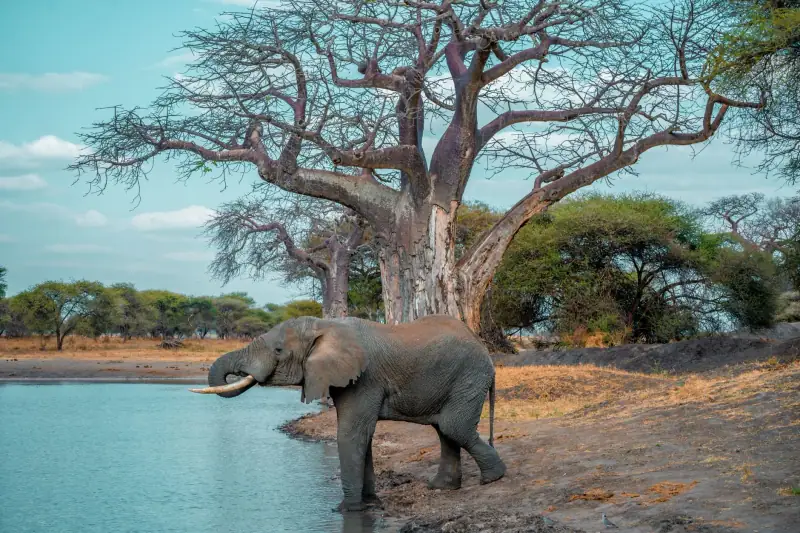
Tarangire is reached from Arusha in about two to three hours by road. It is known for its imposing baobabs and its elephant herds, especially in the dry season, when animals gather around the Tarangire River.
Spend the day on safari in the park, with a picnic inside. Besides elephants, you often see zebras, wildebeest, giraffes and many bird species. Lions and leopards are more discreet, but possible.
Sleep in a lodge or camp near the park, or continue late in the day toward the Karatu area, depending on your operator’s arrangements.
Day 3: Lake Manyara and the road to Karatu
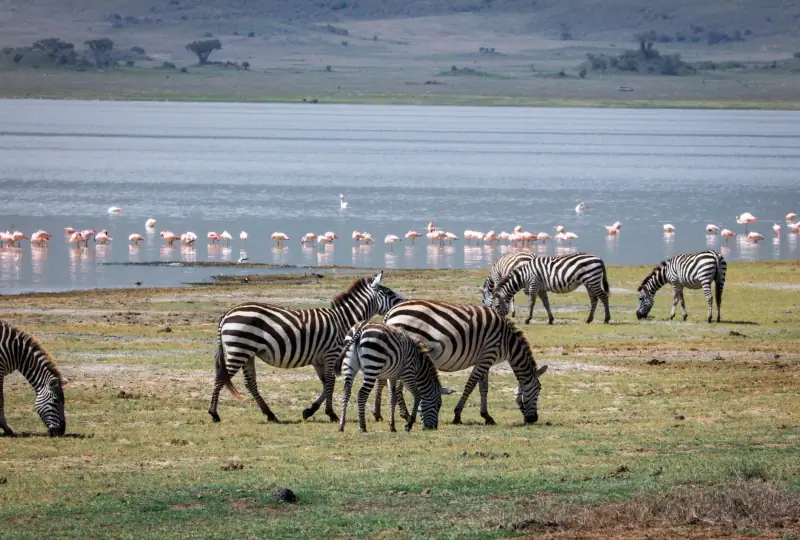
Lake Manyara National Park is more compact than its neighbors and can be visited in half a day. It stands out for its varied scenery: groundwater forest, plains, and lakeshore at the foot of an escarpment. You often see large groups of baboons, as well as elephants, hippos and abundant birdlife, including flamingos depending on the lake level.
In the afternoon, the road climbs to the Karatu area, in the highlands near the Ngorongoro entrance. At that altitude evenings are cool: pack a fleece.
Places to stay around Karatu
Karatu, at the foot of Ngorongoro, has many lodges for sleeping before the descent into the crater.
Day 4: Ngorongoro Crater
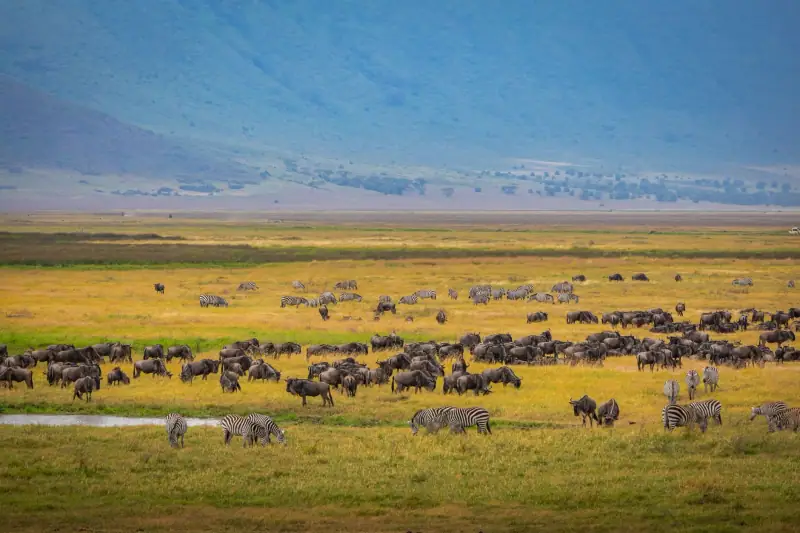
Ngorongoro is one of the most memorable stops on the circuit. It is a huge volcanic caldera whose floor shelters a remarkable concentration of wildlife in a confined space: zebras, wildebeest, buffalo, hyenas, lions, hippos, and sometimes black rhinos, rare but possible.
You descend early in the morning on a track reserved for authorized vehicles, and time spent on the crater floor is limited by regulation. Plan a picnic, binoculars and a camera with a good zoom. In the afternoon you climb back out, then head toward the Serengeti or spend an extra night around the crater, depending on your program.
Days 5 and 6: the Serengeti
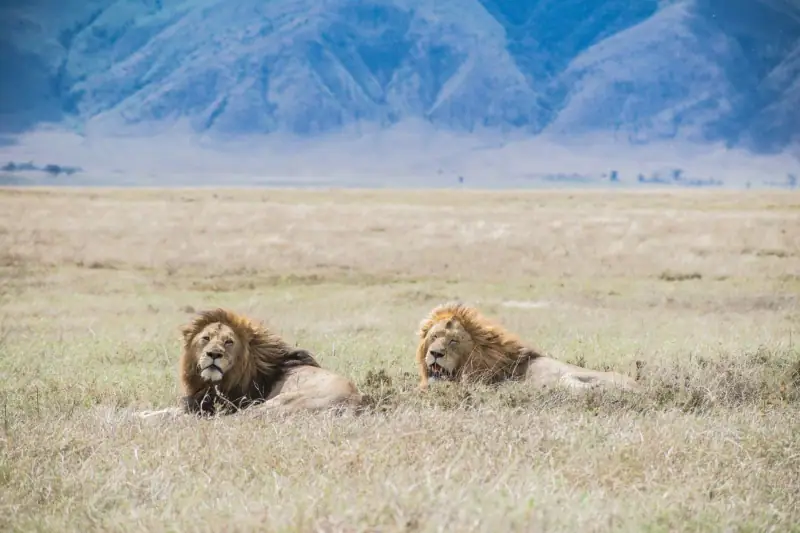
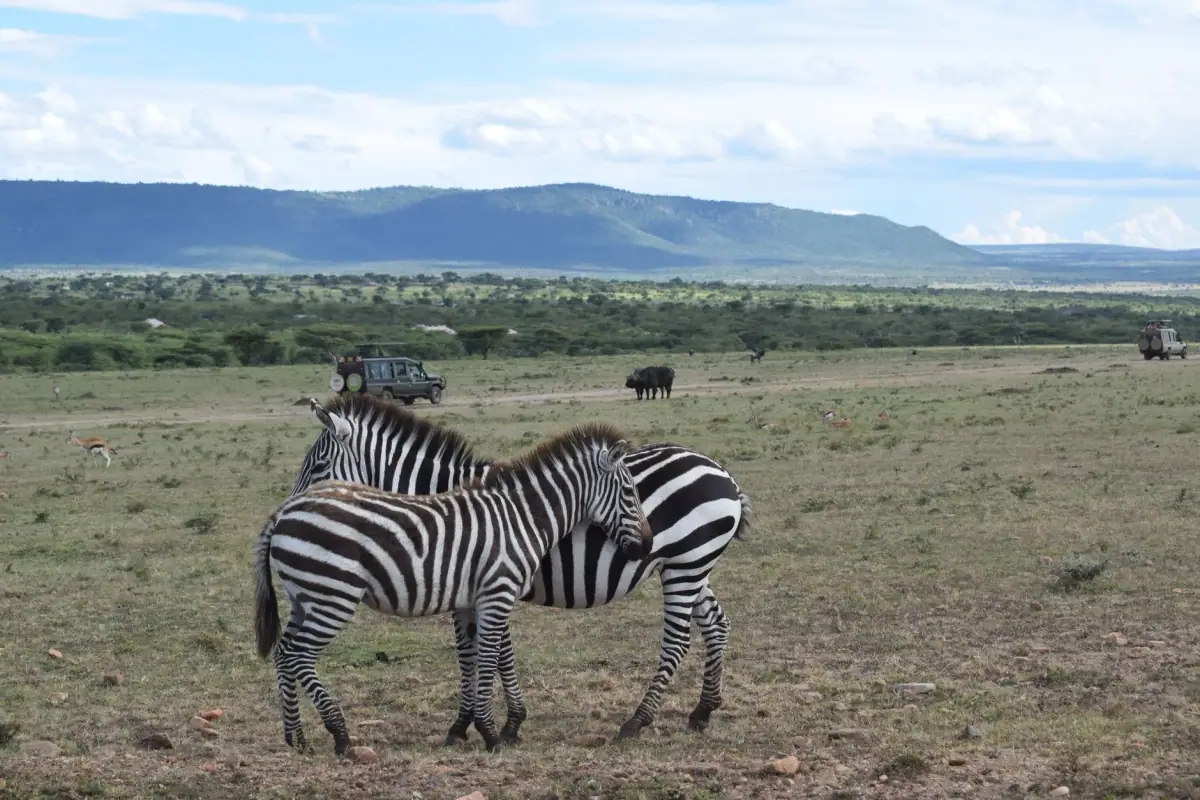
Serengeti National Park is the big stop of the trip. Its immense plains are the setting for the Great Migration of wildebeest and zebras, a continuous circular movement whose position varies with the season. To know where the herds are in a given month, see the guide to when to go to Tanzania.
The road from Ngorongoro crosses the conservation area and takes a good part of the day, with possible stops to watch wildlife along the way. Once in the park, days are organized around two game drives: one at sunrise and one in the late afternoon, with a break at the lodge or camp in the middle of the day.
The big cats are the main attraction: lions, cheetahs on the open plains and leopards perched in acacias along the rivers. Giraffes, elephants, hippos and crocodiles complete the picture.
Safaris and excursions
Compare organized safaris from Arusha, with a guide and a suitable vehicle.
Some travelers choose a domestic flight to reach the Serengeti from Arusha to save time, an option to look into with your operator depending on your budget.
Day 7: back to Arusha
The last day is for the return. Depending on where your last lodging is, you leave the Serengeti early, pass back through the Ngorongoro area, then drive down to Arusha late in the day, or you return on a domestic flight.
Keep a safety margin for your international flight: do not arrange a same-evening departure without checking the driving times with your operator. To extend the trip, a beach extension on Zanzibar is possible.
Tips for a successful safari
- Book early in high season, June to October: the best lodges fill several months ahead.
- Plan tips for the driver-guide and the lodge team, a common practice in Tanzania.
- Protect yourself from dust and sun: glasses, a hat, sunscreen and a scarf are useful on the tracks.
- Follow the rules: do not leave the vehicle outside authorized areas, keep quiet and never feed the animals.
- Ask your doctor or a travel clinic before you go, and see the official travel health pages (CDC in the US, TravelHealthPro in the UK).
Frequently asked questions
How many days do you need for a safari in northern Tanzania?
A week is a good minimum to combine Tarangire, Lake Manyara, Ngorongoro and the Serengeti without rushing. With five days you often limit yourself to three parks; with ten days you can slow down or add a more remote area.
Can you do this safari without an agency?
It is possible by booking a local operator directly or through an agency, but the parks impose strict rules and a vehicle suited to the tracks is essential. Most travelers choose an organized safari with a driver-guide.
Where should you sleep during a safari?
Options range from camping to high-end lodges, inside or outside the parks. Arusha and Karatu are practical bases at the start and middle of the route, with options for every budget.
Can you add a beach extension?
Yes, many travelers extend their safari with a few beach days on Zanzibar.
More Tanzania guides
Keep reading
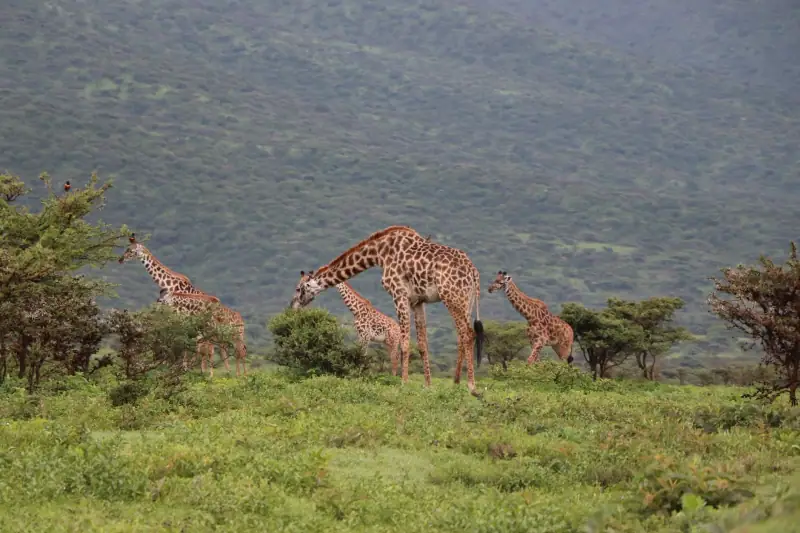
Arusha National Park: walking, canoeing and Mount Meru
Arusha National Park, near town: walking safari with a ranger, canoeing on the Momella lakes, Ngurdoto Crater and the Mount Meru climb. Practical guide.
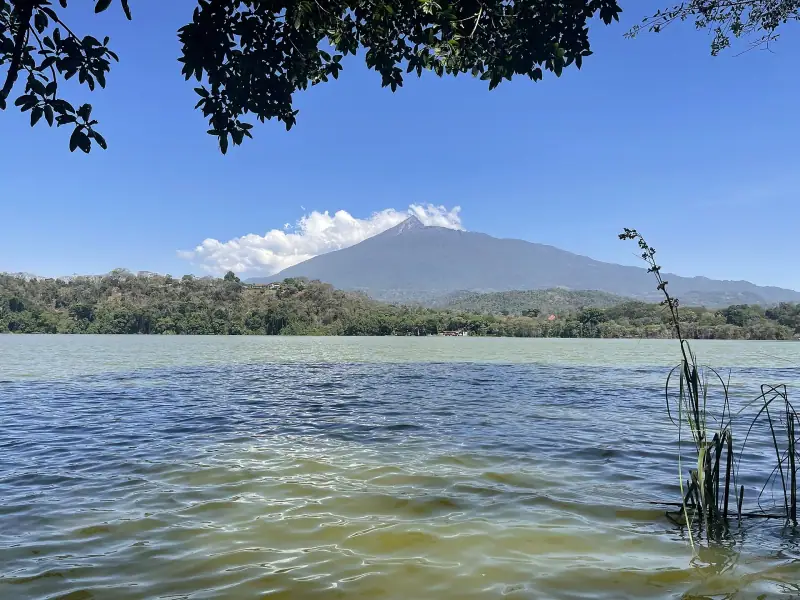
Lake Duluti near Arusha: canoeing, walking and prices for a half day
Is Lake Duluti worth a detour before or after a safari? Access from Arusha, canoeing, walking, birds, quoted prices and tips for a half day.
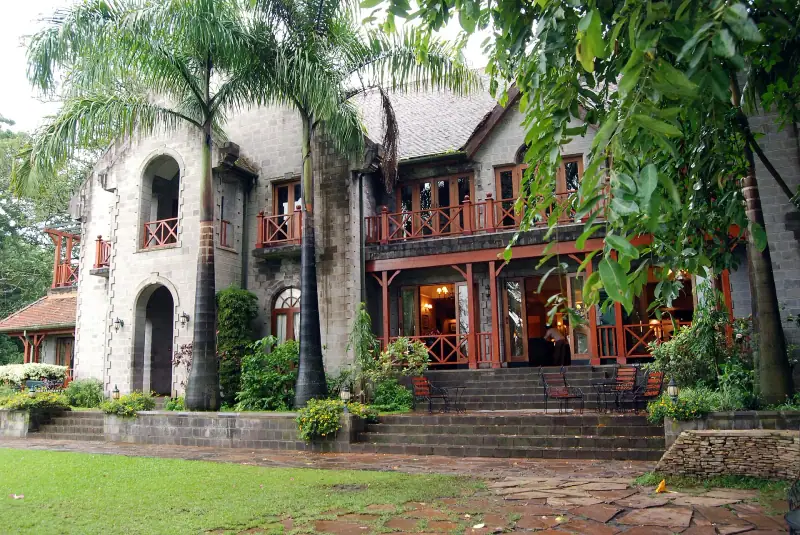
Where to stay in Arusha and Moshi before and after a safari
Arusha, Moshi or Karatu: which base before and after a safari or Kilimanjaro, what kinds of hotels, what budget and which pitfalls to avoid.
Ready-made
Tanzania itineraries
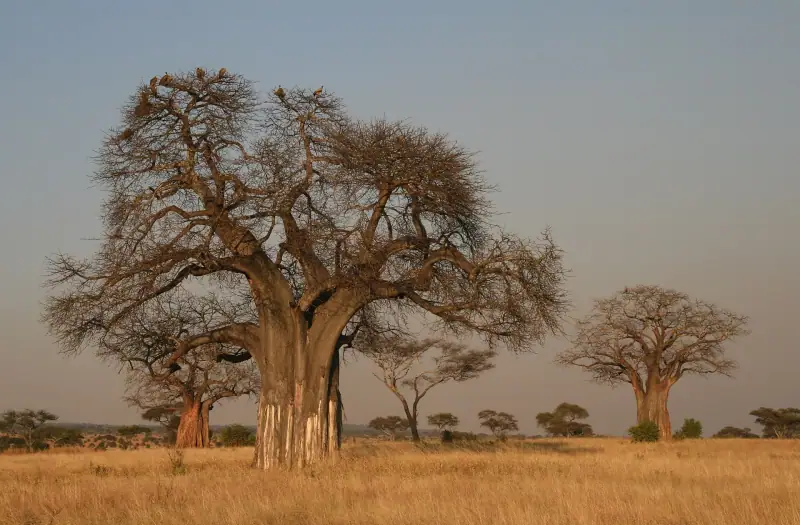
4 days
4-day safari in Tanzania: Tarangire, Manyara and Ngorongoro
A 4-day itinerary for a short safari in northern Tanzania: Tarangire, Lake Manyara and Ngorongoro Crater, with lodging, budget and practical tips.

8 days
Family safari in Tanzania: an 8-day itinerary with kids
A Tanzania safari circuit suited to children: short stages, accessible parks, pace, lodging, health and tips so the whole family enjoys it.