Where to stay
Where to stay in Lausanne: neighborhoods and types of accommodation
We may earn a commission when you book through links on this page, at no extra cost to you. We don't visit or try the places we cover: we summarize published sources. How we work
In short
- The station and Flon area is the best compromise for a first stay; Ouchy suits a lakeside stay and the Cité a historic setting.
- The M2 metro links Ouchy to the station and Flon in a few minutes.
- According to Lausanne Tourisme, guests of hotels, hostels, campsites and B&Bs subject to the tourist tax receive the Lausanne Transport Card; private rentals are not entitled to it.
- Two nights cover the city; three or four add Lavaux, Vevey and Montreux or a boat trip on the lake.
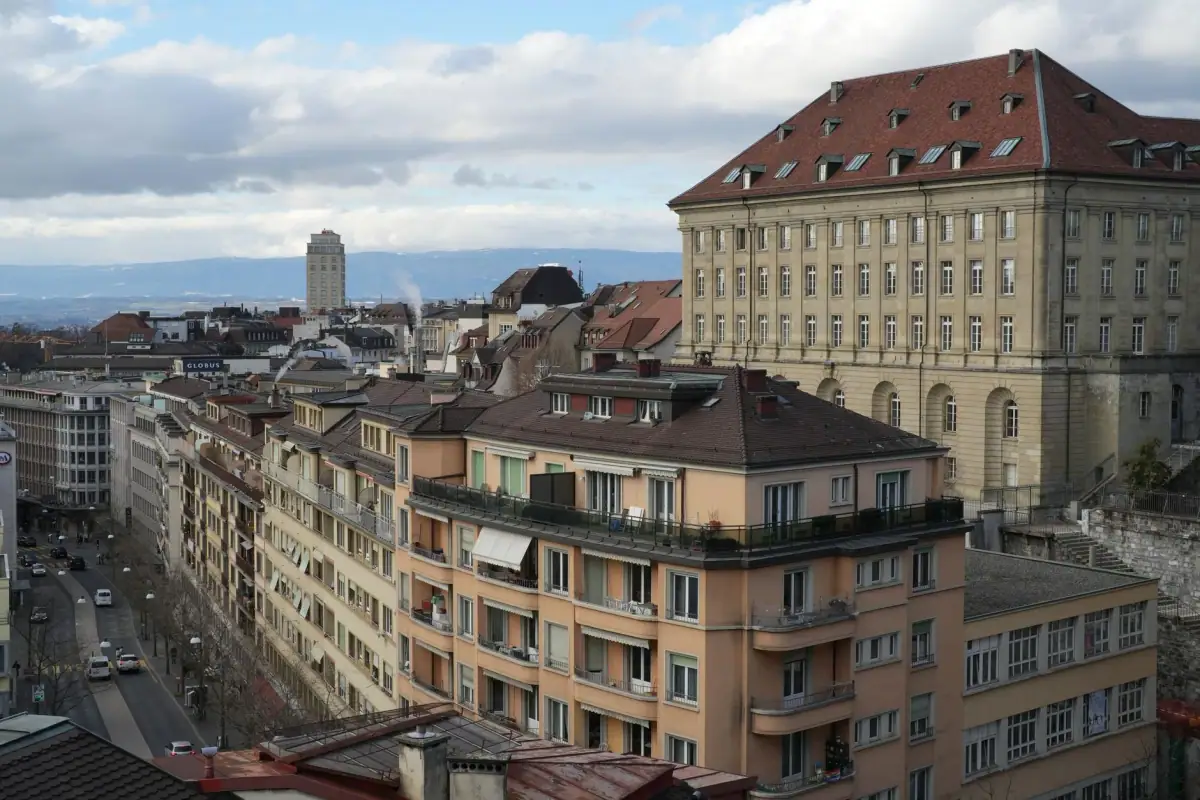
Lausanne is built in tiers on the north shore of Lake Geneva: the cathedral dominates the upper town, the station sits midway down the slope and the port of Ouchy spreads out below, facing the mountains across the lake. This spectacular topography has a very concrete consequence for the traveler: depending on where you sleep, you will have the lake under your windows, medieval lanes at your door or the trains a step away. And you will not climb the same hills every day.
This guide goes through Lausanne’s neighborhoods, then the types of accommodation (hotels, hostels, apartments, campsites), the periods to watch and tips for cutting the bill. Rates vary sharply from one season to the next: check them for your dates. To place Lausanne among the country’s other bases, see our guide where to stay in Switzerland.
How Lausanne is laid out
Lausanne is arranged on several levels. At the top, the Cité surrounds the cathedral and the castle. Lower down, the shopping center is organized around Place Saint-François and the Flon district. Midway down the slope is the station, where trains leave for Geneva, Bern, Zurich and the Valais. At the very bottom, Ouchy borders the lake, with its quays, parks and port.
These levels are linked by the metro. Line M2 links Ouchy to the station, Flon and the upper parts of town, while line M1 leaves Flon to the west, toward the university and EPFL. Flon is therefore a transport crossroads, which makes it a practical place to land. Distances between districts stay short, but you feel the slope: on foot, the descent to the lake is pleasant, the climb back much less so with a suitcase.
Good news for the budget: guests of Lausanne accommodation receive a free transport card (see below). Sleeping a little away from the center therefore costs almost nothing in transport.
The station and Flon area: the best compromise for a first stay
Lausanne station and the neighboring Flon district are the most logical choice for a first stay. You are in the middle of the rail and metro network, which simplifies late arrivals and day trips. Shops, cafés and restaurants number in the dozens, a few minutes’ walk away.
Flon, a former warehouse district now converted, concentrates bars, terraces, boutiques and nightlife venues. The atmosphere is lively, especially on weekends: if you are a light sleeper, ask for a courtyard-side room or one on a high floor. Around the station, the choice of hotels is wide, from simple hotels to more comfortable properties, so you can match the address to almost any budget.
This area suits travelers by train, short stays, those who want to go out in the evening and those who plan to move every day toward Geneva, Vevey or Lavaux. It is also the simplest if you continue to another stay with the Swiss Travel Pass.
🏨 Stay near the station and Flon: compare hotels in central Lausanne for your dates, before the best places fill up.
Ouchy: sleeping by the lake
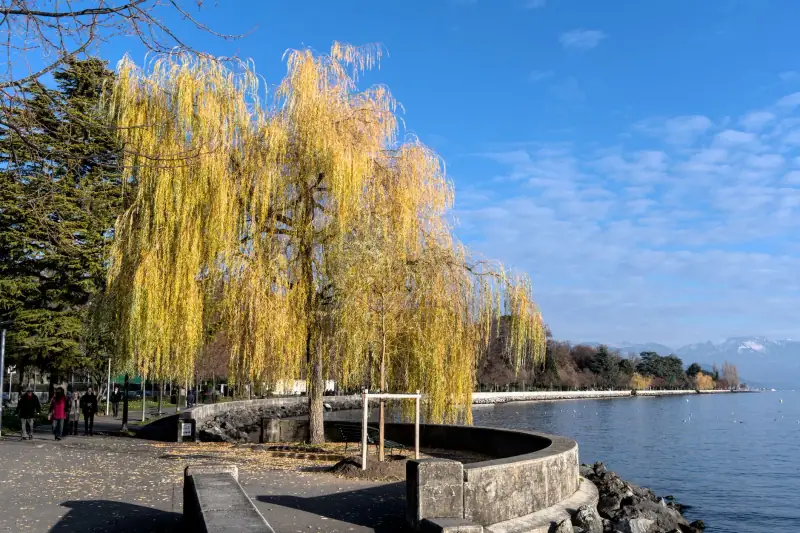
Ouchy is Lausanne’s showcase district. Its port, tree-lined quays and gardens offer a clear view of the lake and, in good weather, of the mountains on the far shore. This is where the Olympic Museum and several of the city’s grand hotels are, some in late 19th-century buildings.
Sleeping in Ouchy means giving yourself a seaside-resort atmosphere: a morning walk by the water, boats leaving for the stops on Lake Geneva, terraces in summer. The M2 metro links you to the station and Flon in a few minutes, day and evening, so you are not isolated. The district is, however, quieter and more residential than the center: at nightfall, activity concentrates on a few terraces and restaurants.
Rates are generally higher than in town, especially for rooms with a lake view. Ouchy suits couples, relaxing stays, families who want to enjoy the parks and travelers who like to sleep near the water. If your budget is tight, look at mid-range hotels and the hostel in the lake area, often more affordable than the big hotels on the quays.
🏨 Stay in Ouchy: compare hotels facing the lake and in the neighboring streets, with or without a view, depending on your budget.
The Cité: medieval charm, not many rooms
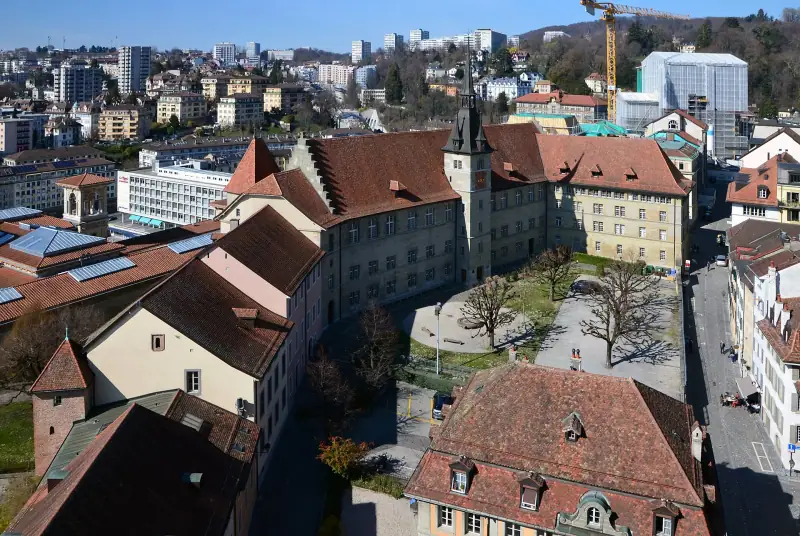
The Cité is Lausanne’s historic district, perched on its hill around the Gothic cathedral and the castle. Its cobbled lanes, covered stairways and squares make for a very atmospheric setting, especially in the evening once the groups of visitors have gone. Sleeping here puts you closest to the old town, with superb views over the rooftops and the lake.
The flip side: the choice is limited. Properties are few, often small, and old buildings sometimes mean compact rooms, few elevators and sloping or stair access. With a suitcase, arriving can take some effort. In return, you are in the middle of Lausanne’s charm, and Flon is a few minutes’ walk away.
The Cité suits couples, history lovers and those staying two or three nights. If you cannot find a reasonably priced room, do not be discouraged: the Saint-François and Flon area, just below, puts you a few minutes’ walk away. For sightseeing ideas, see our guide to Geneva, Lausanne and Lavaux.
Sous-Gare and Plateforme 10: quiet, residential and cultural
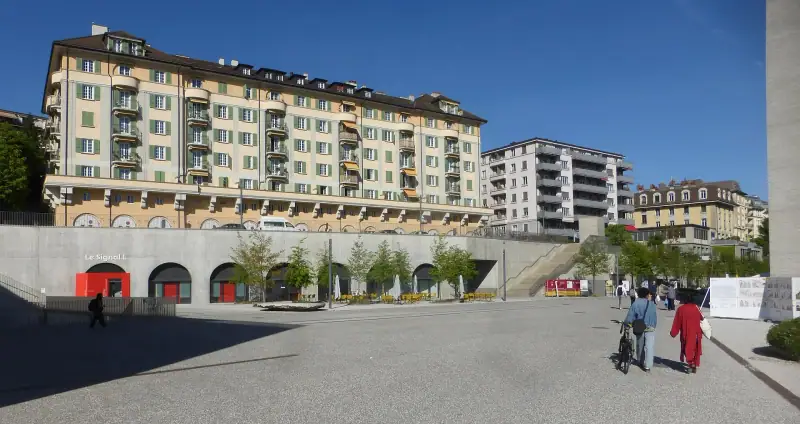
Between the station and the lake, the Sous-Gare district is more residential than the center. You mostly meet residents, prosperous buildings, parks and schools. It is neither very touristy nor very lively, but it offers a good compromise: the station is a few minutes’ walk away, Ouchy is reached by metro or a pleasant downhill walk, and prices are sometimes a little gentler than by the lake.
Next to the station is also Plateforme 10, a cultural district that brings together museums. Sleeping in this area is practical if you plan to visit these institutions, and it remains very well linked to the trains.
This area suits slightly longer stays, families and travelers who want a quiet district without going far from transport. Lodging is mostly mid-size hotels, apartments and guesthouses, with less choice than in the station area.
Hotels, hostels, apartments, campsites: which type of accommodation?
Neighborhoods are only part of the equation. Lausanne offers every format, with large price gaps.
Hotels make up most of the lodging. You will find luxury and grand hotels by the lake, mid-range properties around the station and the center, and a few boutique hotels in the Cité. They are the simplest option for a short stay: reception open late, breakfast available there, generally excellent comfort. The downside is the price, high in French-speaking Switzerland as elsewhere in the country.
Hostels are the cheapest option. They offer dorms, but also private rooms for two or more, sometimes with a shared kitchen. They are not only for young people: travelers of all ages stay there to save money, and they also entitle you to the transport card. For the budget of a full stay, see our article on the budget for Switzerland.
Apartments and guesthouses suit stays of several nights, families and those who want to cook. In a country where eating out is expensive, a kitchenette can really lighten the bill. Watch the terms: cleaning, extra fees and tourist tax can be added, and strictly private rentals are not entitled to the Lausanne Transport Card.
Campsites are on the outskirts, notably on the lake side, west of the city. They appeal to travelers with a caravan or motorhome and outdoor lovers. Plan a bus or public transport ride to reach the center, but rely on the transport card so that it costs nothing more.
When to book and which periods to watch
Lausanne hosts many congresses, sporting events and trade fairs, as well as international sports institutions. These periods fill the hotels and push prices up. Summer, with its terraces, boats and lakeside swimming, is also in high demand, as are sunny weekends. If your dates are flexible, compare several weeks: a shift of a few days can noticeably change the bill.
Autumn offers another asset: the grape harvest in the neighboring Lavaux vineyards gives the region remarkable light and atmosphere, with rates often more moderate than in the height of summer. Winter is quieter in the city, but the proximity of mountain resorts makes it a practical starting point. To choose your dates, see our guide to the best time to visit Switzerland.
Book as soon as your dates are fixed, especially if you are aiming for Ouchy or the Cité. Favor rates with free cancellation: you can adjust your stay if your plans change.
The Lausanne Transport Card and the tourist tax
It is one of the good points for the budget: according to Lausanne Tourisme, visitors staying in a hotel, hostel, campsite or B&B subject to the tourist tax receive the Lausanne Transport Card free of charge. It gives access to public transport in Lausanne and its surroundings (buses, metro and trains in the relevant zones) for the length of the stay, up to 15 days. It also offers discounts on a selection of museums and activities.
It is handed over by your accommodation provider on arrival; you can also collect it at the tourist office. Private rentals are not entitled to it, and ID may be requested in case of a check. Check the exact conditions with your provider before booking: it is a selection criterion in its own right, especially if you are hesitating between a hotel and an apartment.
The tourist tax, for its part, is a small amount per person per night that is added to your bill and partly funds these services. Its rate varies by property: do not be surprised to see it appear at payment.
Sleeping in Lausanne to explore: lake, Lavaux and Alps
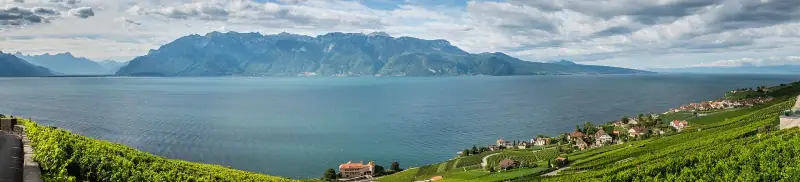
Lausanne is an excellent base for exploring the Swiss side of Lake Geneva. The train takes you to Vevey and Montreux in about twenty minutes, and Lavaux, with its UNESCO-listed terraced vineyards, deserves a full day on foot or by train. Geneva is under an hour away, which lets you visit the metropolis without paying for a night there. Lake boats also offer stops as far as the towns on the shore.
⛴️ Cruises and excursions on Lake Geneva: see the boat outings and Vaud wine tastings from Lausanne, and book ahead for the good season.
As for food, the region has its own identity: fondue, papet vaudois, perch fillets and Lavaux wines. Our article on Swiss culinary specialties helps you choose what to taste. If you are comparing with the neighboring city, our guide where to stay in Geneva details the Geneva neighborhoods.
A last practical point: Switzerland is not in the European Union, and roaming conditions for your mobile plan may differ. Check your carrier’s international plan or consider a travel eSIM before you go; see our guide to the SIM card and eSIM in Switzerland.
Tips for choosing and saving
For a first stay of two or three nights, choose the station and Flon area: trains, the metro and restaurants are within walking distance. For a romantic or relaxing getaway, try Ouchy. For a historic setting, try your luck in the Cité, but compare with the neighboring streets. For a longer stay or with family, Sous-Gare is a good compromise.
A few tips to lighten the bill: compare accommodation slightly out of the way, since the transport card makes that choice almost free; favor lodging with a kitchenette for a few meals; avoid event weekends and peak sunny weekends when possible; book early with free cancellation; and gauge the slope before choosing: a room at the top of the city or at the bottom, by the lake, is not the same experience with a suitcase.
Finally, keep in mind that the best neighborhood is the one that fits your trip. A train traveler arriving late prefers the station; a couple on a weekend prefers the lake or the Cité; a family prefers an apartment with a kitchen. Take the time to compare rather than booking the first available hotel.
🏨 Compare accommodation in Lausanne: across all districts, hotels, apartments and guesthouses by budget and proximity to transport.
In short: which neighborhood for which traveler?
Station and Flon: first stay, arrival by train, evenings out, variable budget. Ouchy: lake, relaxation, couples and families, higher rates. Cité: medieval charm, limited supply, stairs to expect. Sous-Gare and Plateforme 10: quiet, longer stays, good compromise. Whatever you choose, the Lausanne Transport Card makes every district an easy starting point, provided you pick accommodation that issues it.
Frequently asked questions
What is the best neighborhood to stay in Lausanne?
For a first stay, the station and Flon area offers the best compromise: trains, metros, restaurants and nightlife within walking distance. Ouchy suits better if you want to sleep by the lake, and the Cité if you favor the historic setting.
Should you stay in Ouchy or downtown?
Ouchy is ideal for lakeside walks and relaxing stays, but it is quieter in the evening. The M2 metro links Ouchy to the station and Flon in a few minutes, which makes the two choices easy to combine.
Is public transport free for guests of Lausanne accommodation?
Yes: according to Lausanne Tourisme, guests of hotels, hostels, campsites and B&Bs subject to the tourist tax receive the Lausanne Transport Card, valid during their stay. Private rentals are not entitled to it: check the conditions with your provider.
Is Lausanne more expensive than Geneva for accommodation?
Lausanne is still an expensive city, but rates are often a little more moderate than in Geneva, especially outside major events. Compare several districts and several dates: the gap can be significant.
Can you stay in Lausanne and visit Geneva or Montreux in a day?
Yes, Lausanne is very well placed on the lake railway line: Geneva is under an hour away by train, Vevey and Montreux about twenty minutes. It is a practical base for exploring the Swiss shore of Lake Geneva.
How many nights should you plan in Lausanne?
Two nights are enough for the city itself. With three or four nights, you can add Lavaux, Vevey and Montreux, or a boat trip on the lake.
Do you need a car to stay in Lausanne?
No. The metro, buses and trains cover the city and its surroundings, and a car is mostly a handicap downtown, where parking is limited and paid. It is only useful for exploring the Vaud countryside.
More Switzerland guides
Keep reading
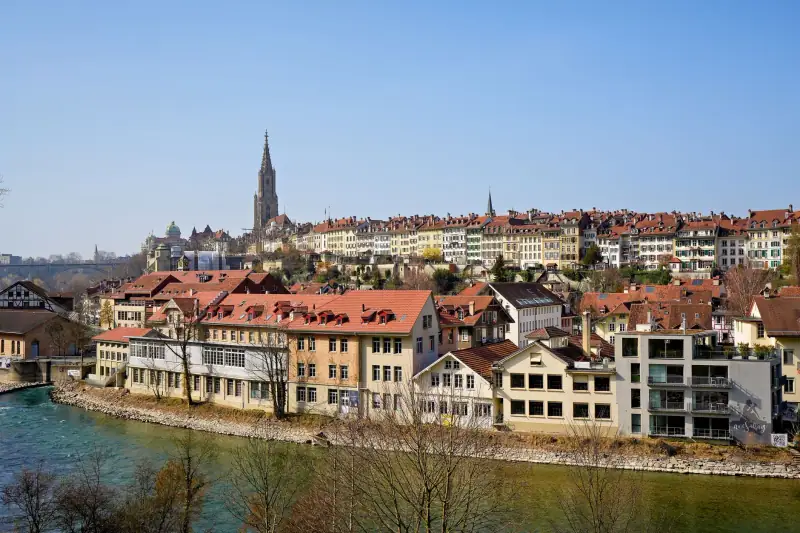
Where to stay in Bern: neighborhoods and types of accommodation
Old town, station, Länggasse, Kirchenfeld, Lorraine or Marzili: compare Bern's neighborhoods, types of accommodation and tips for choosing well.
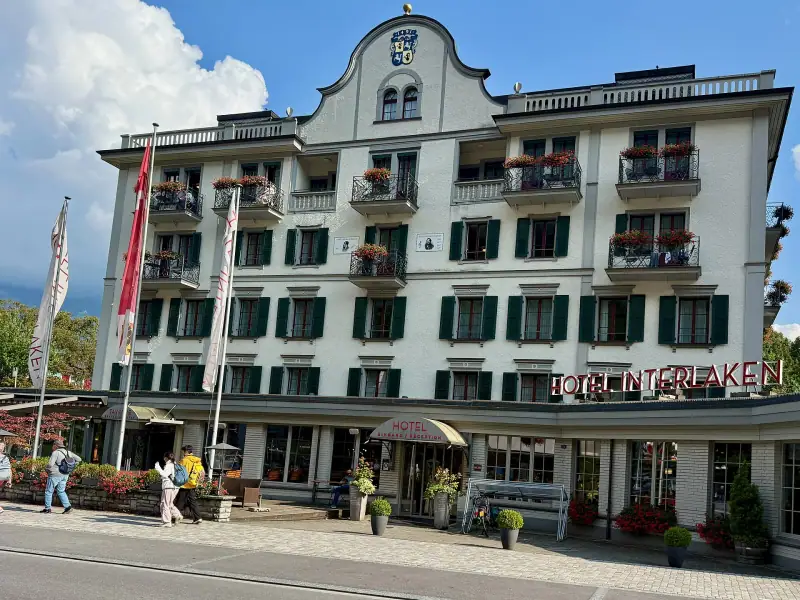
Where to stay in Interlaken: neighborhoods and types of accommodation
Interlaken West, Ost, Unterseen, Matten or nearby villages: compare Interlaken's areas, types of accommodation and tips for choosing well.
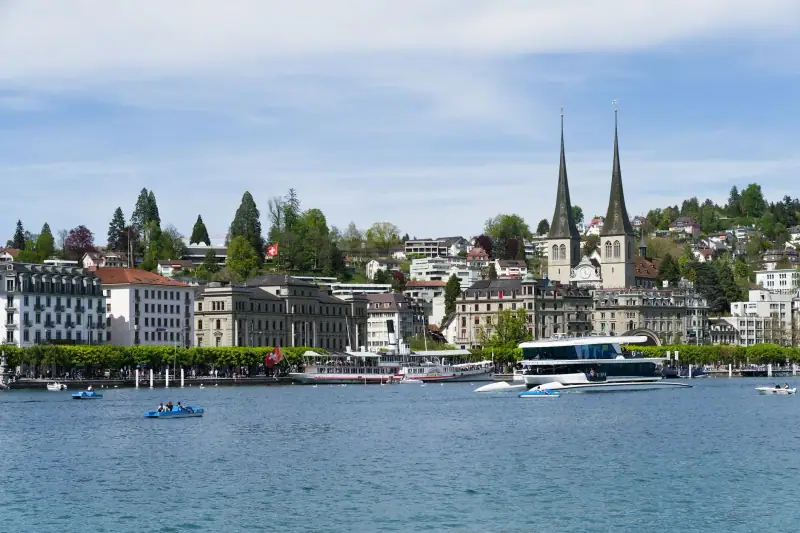
Where to stay in Lucerne: neighborhoods and types of accommodation
Old town, station, Hirschmatt, Tribschen or lake villages: compare Lucerne's neighborhoods, types of accommodation and tips for choosing well.
Ready-made
Switzerland itineraries
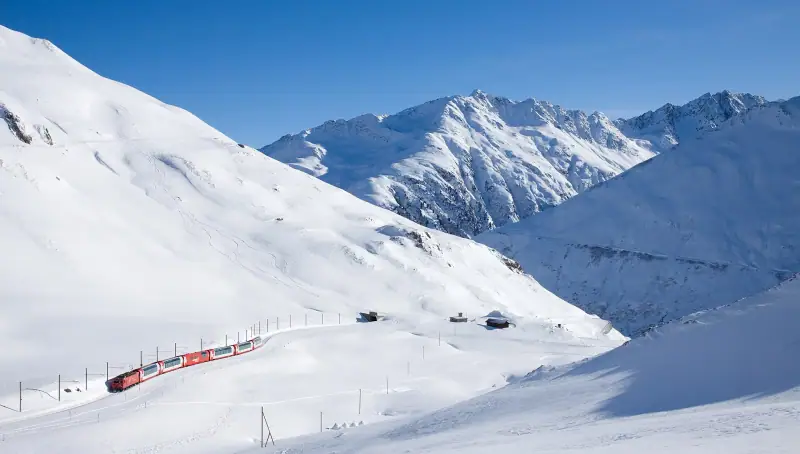
Glacier Express and panoramic trains in winter: routes, prices and reservations
Glacier Express, Bernina Express and GoldenPass in winter: 2026-2027 running dates, reservation prices, recommended routes and tips for seeing the snow.
Glacier Express or Bernina Express: which panoramic train should you choose?
Glacier Express or Bernina Express: duration, scenery, reservations and passes. Compare Switzerland's two panoramic trains and pick the one for your trip.
7 days
7-day Switzerland itinerary by train: Lucerne, Interlaken, Zermatt and Lake Geneva
LucerneInterlakenZermattLausanne