Itineraries
7-day Switzerland itinerary by train: Lucerne, Interlaken, Zermatt and Lake Geneva
We may earn a commission when you book through links on this page, at no extra cost to you. We don't visit or try the places we cover: we summarize published sources. How we work
Day by day
- Day 1Lucerne: old town, Chapel Bridge, lakefront
- Day 2Pilatus or Rigi excursion, or a lake cruise
- Day 3Train Lucerne to Interlaken via the Brünig line
- Day 4Jungfrau region: Lauterbrunnen, Grindelwald, Jungfraujoch
- Day 5Train to Zermatt, Matterhorn views, Gornergrat
- Days 6-7Lausanne, Lavaux vineyards, Chillon, then Geneva
Where to sleep
- Lucerne2 nights
- Interlaken2 nights
- Zermatt1 night
- Lausanne1 night
In short
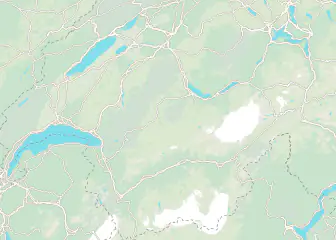
- Four bases cover the week: Lucerne (days 1-2), Interlaken (days 3-4), Zermatt (day 5) and Lausanne (days 6-7), east to west by train.
- No car is needed: all stops are linked by rail and Zermatt is a car-free village; each transfer takes roughly two to three hours.
- Arrive via Zurich Airport (station under the airport, Lucerne about an hour away by train) and leave from Geneva.
- Book accommodation early for summer, especially in Zermatt and the Oberland; check Swiss Federal Railways timetables for your dates.
A week in Switzerland without a car is entirely possible, and it is even the best way to enjoy the landscapes. Trains leave on time, connections are designed to be short and stations are almost always in the center of town. This itinerary links four bases: Lucerne, the Bernese Oberland around Interlaken, Zermatt and Lake Geneva around Lausanne.
The route runs from east to west, from the lakes of central Switzerland to the vineyards of Lake Geneva, via two of the country’s most famous mountain sites. The journey times given are approximate: check the official Swiss Federal Railways timetables for your dates, as they vary with the season and works.
How to organize this 7-day itinerary
The principle is simple: sleep two or three nights in the same place and make day excursions. You unpack only four times, and each transfer takes roughly two to three hours.
For arrival, Zurich Airport is a good gateway: a station sits under the airport, and Lucerne is about an hour away by train. For departure, Geneva has air and rail connections onward. If you have the choice, flying in to Zurich and leaving from Geneva avoids retracing your steps.
Before booking anything, read our comparison of the Swiss Travel Pass: on an itinerary like this, it can simplify journeys and give access to many benefits, but it is not always the cheapest option. To choose your hotels, our guide where to stay in Switzerland details the districts and bases.
Days 1 and 2: Lucerne and Lake Lucerne
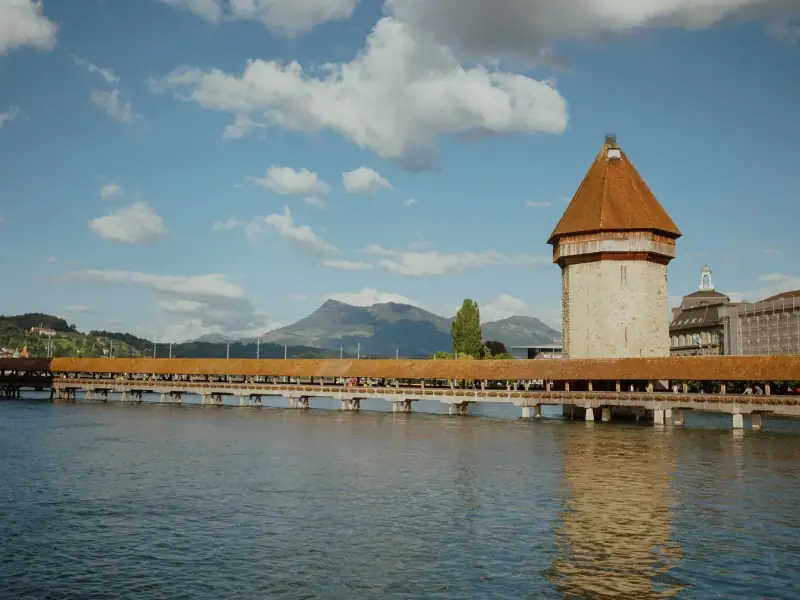
Lucerne is an ideal introduction. The old town can be walked in a few hours: the wooden Chapel Bridge spans the Reuss and remains the city’s emblem. Pedestrian lanes, painted facades and quays set the tone immediately.
On the first day, stroll the historic center, walk along the lake and give yourself time to recover from the trip. In the late afternoon, the quayside promenade offers fine views of the mountains around the lake.
The second day is devoted to the mountains. Two summits overlook Lucerne: Pilatus and Rigi. Rigi, nicknamed the “queen of the mountains,” is reached by cog railways and boats from the lake. Pilatus offers a ride up by cable car and cog railway depending on the season. Choose one or the other depending on the weather: in overcast conditions, it is better to give up the summits and enjoy a cruise on the lake.
🏨 Where to stay in Lucerne: the city center and the station surroundings let you do everything on foot. Compare the hotels available for your dates.
Day 3: from Lucerne to Interlaken on the Brünig line
The trip between Lucerne and Interlaken is already an excursion in itself. The line linking the two towns crosses landscapes of lakes and forests and climbs the Brünig Pass, before running along Lake Brienz. Allow about two hours of travel, which leaves the afternoon free to discover your new base.
Interlaken sits between Lake Thun and Lake Brienz. The town is less picturesque than Lucerne, but it is a convenient starting point for the neighboring valleys. Walk along the Aare, then use the end of the day to plan your excursions for the next day. If the sky is clear, look out for the peaks: the Jungfrau is sometimes visible from town.
Day 4: Jungfrau, Lauterbrunnen and Grindelwald
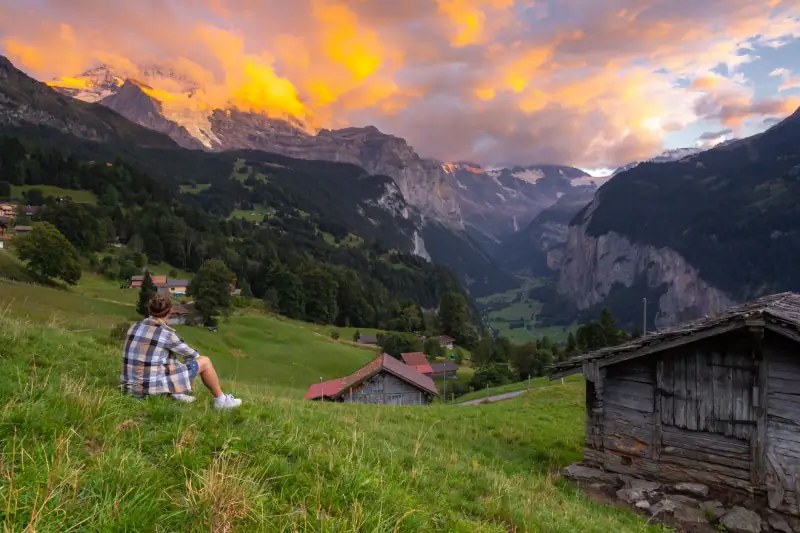
The Bernese Oberland is the alpine heart of the trip. From Interlaken, trains serve the Lauterbrunnen Valley and Grindelwald. Lauterbrunnen is known for its enclosed valley and its many waterfalls. Grindelwald, wider, opens onto the great walls of the Eiger.
Many travelers want to go up the Jungfraujoch, often called the “Top of Europe,” at about 3,450 m (11,320 ft). This excursion is expensive and strongly weather-dependent: in low cloud, visibility up there is nil. Check the webcams and forecasts the same morning, and keep a mid-mountain alternative in reserve.
Our guide to what to do around the Jungfrau and the Oberland details the walks, excursions and fallback solutions in bad weather.
🎟️ Excursions in the Oberland: guided outings, lake cruises and mountain activities are worth comparing online before departure.
Day 5: Zermatt and the Matterhorn
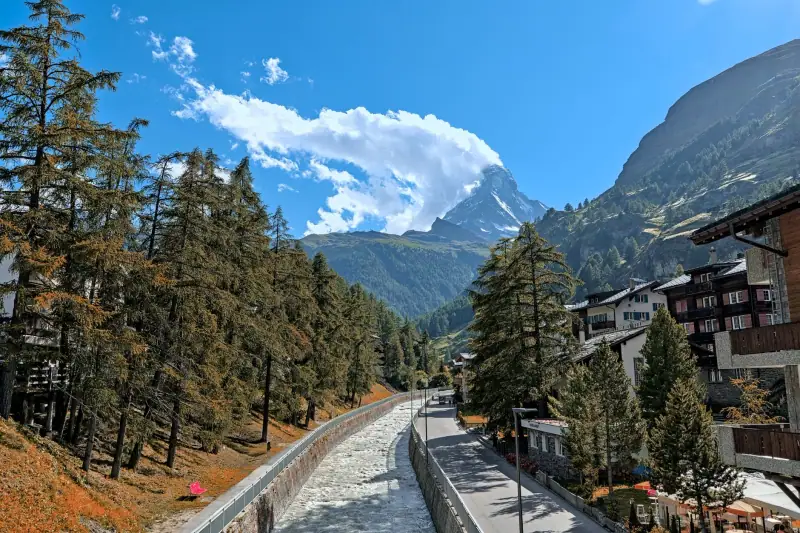
The trip from Interlaken to Zermatt takes about three hours by train, with changes in the Rhône valley. For the last part of the journey, a mountain train takes you to the village. Zermatt is car-free: only small electric vehicles run there, which adds to the charm of the place.
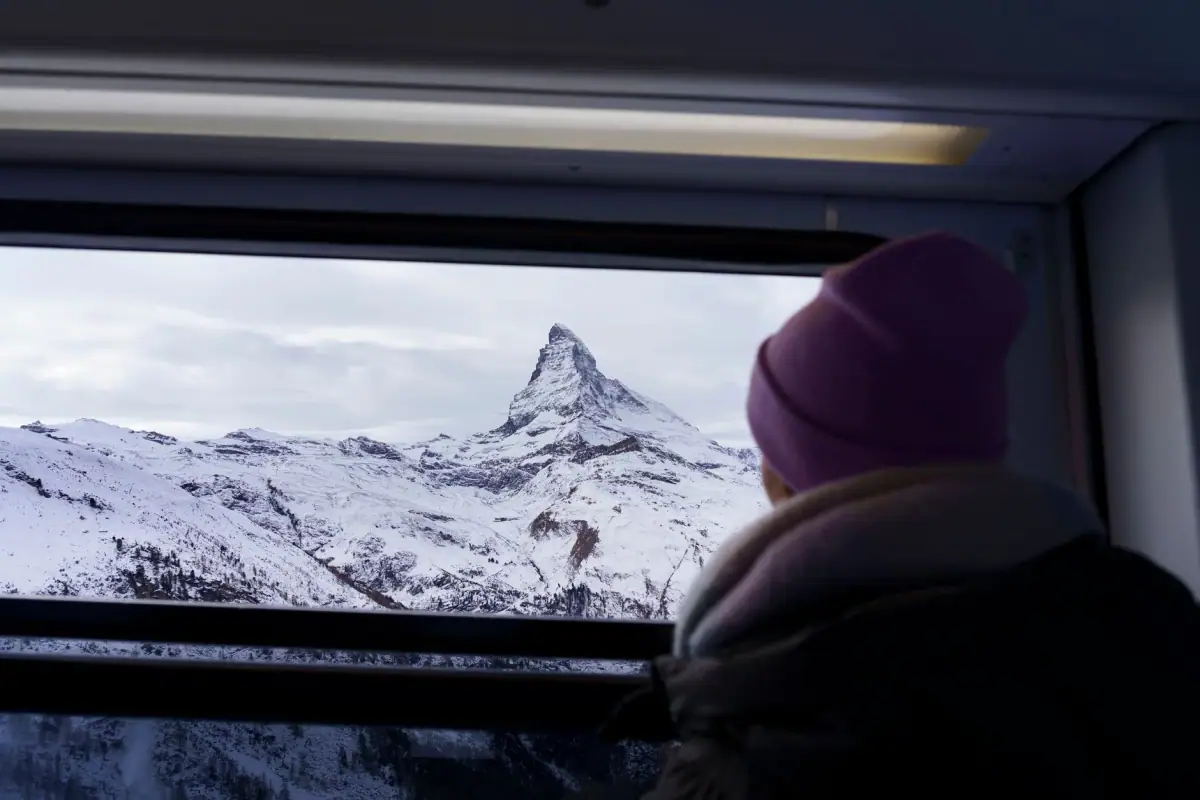
The Matterhorn, whose summit peaks at about 4,478 m (14,692 ft), dominates the village. You can admire it from Zermatt’s streets, but also from viewpoints reached by mountain transport. The Gornergrat railway is one of the best known: it climbs to a balcony facing the Matterhorn and many glaciers.
To enjoy the view, schedule the ride up early in the day: clouds often rise in late morning, especially in summer. In the evening, come back to the village for dinner in one of the traditional inns in the center.
🏨 Where to stay in Zermatt: rooms are limited and fill quickly in high season. Compare hotels for your dates.
Days 6 and 7: Lausanne, Lavaux and Lake Geneva
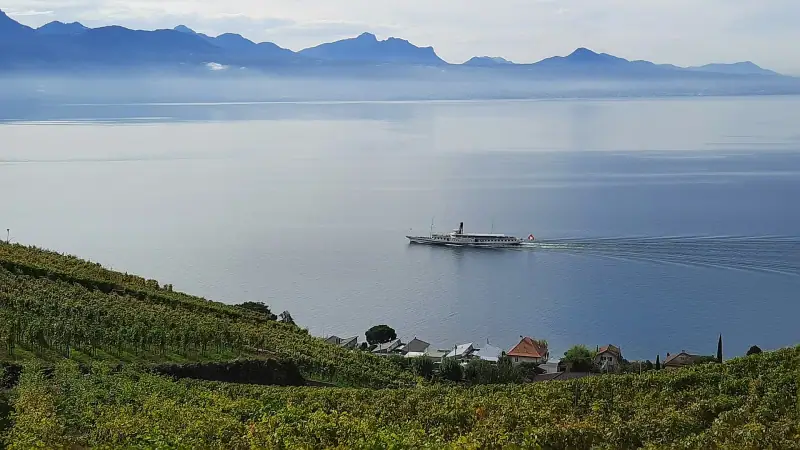
From Zermatt, the trip to Lausanne takes about three hours and brings you back west through the Rhône valley to Lake Geneva. Lausanne is built in tiers on a slope on the lake’s north shore, with the Gothic cathedral as a landmark. The old town is best explored on foot, and the metro links the upper town to the lakefront, in Ouchy.
Day 7 is devoted to the lake. The terraced Lavaux vineyard, UNESCO-listed, stretches between Lausanne and Montreux. You can walk it on marked trails, or by train and boat. Chillon Castle, near Montreux, is also easily visited from the lakeshore.
To finish, head to Geneva: the station and the airport are linked by a very short ride, and the train from Lausanne takes under an hour. If you have a little time in hand, a detour along the lakefront lets you close the trip gently.
Looking for dining ideas? Our article on what to eat in Switzerland presents the specialties to taste along the way, from fondue to raclette.
Variations and extensions of the itinerary
With three more days, add Ticino: Lugano, Locarno and Bellinzona offer a more Mediterranean atmosphere. Our guide to Ticino details possible stops. Another option for train lovers, the Glacier Express and the Bernina Express let you cross the Alps in a panoramic car.
If the weather turns, swap days: keep the cities for rainy days and the high mountains for the good windows. The order of the stops matters less than flexibility.
Budget and practical tips
Switzerland is expensive, especially for lodging and lifts. To limit the bill, ideally eat one big meal at midday, use supermarkets for picnics and take high-altitude excursions only when the weather justifies it.
- Light luggage: you will change towns several times, a soft bag is easier to handle than a big suitcase.
- Swiss Federal Railways app: it gives real-time timetables and lets you buy tickets.
- Layered clothing: even in summer, it is cold at altitude.
- Travel insurance: consider health and cancellation coverage.
Sources
- Jungfrau Railways (jungfrau.ch): figures checked November 2026
Frequently asked questions
Is one week enough to see the essentials of Switzerland?
Yes, provided you choose three or four bases and fan out from them. One week lets you combine a lakeside city, the Bernese Oberland, Zermatt and Lake Geneva without rushing.
Do you need to rent a car for this itinerary?
No. All stops are linked by train, and Zermatt is a car-free village. The Swiss rail network is dense, punctual and complemented by boats and PostBuses.
In what order should you do the stops?
The order Lucerne, Interlaken, Zermatt, Lausanne follows a geographic logic from east to west and ends near Geneva, which has air and rail connections onward.
What is the best time for this route?
From June to September, lifts run at full service and trails are clear. May and October are quieter, but some high-altitude facilities may be closed or limited.
Do you need to book ahead?
Book accommodation early for summer, especially in Zermatt and the Oberland. Regular trains do not require a reservation, but panoramic trains may.
More Switzerland guides
Keep reading
Switzerland budget: what a trip costs, item by item (2026)
How much to plan for a trip to Switzerland? Real costs by item, three budget profiles in CHF and tips to spend less without giving up the scenery.
What to see in Graubünden: Chur, the Engadine, the National Park and UNESCO trains
What to see in Graubünden: Chur, Rhine Gorge, Flims, Engadine, St. Moritz, Swiss National Park, Müstair and UNESCO trains. Itineraries and practical tips.
Switzerland's best ski resorts: Zermatt, Verbier, St. Moritz compared, with budgets
Zermatt, Verbier or St. Moritz: ski areas, atmosphere, access, lodging and budget. Compare Switzerland's three big resorts before booking your winter.
Ready-made
Switzerland itineraries
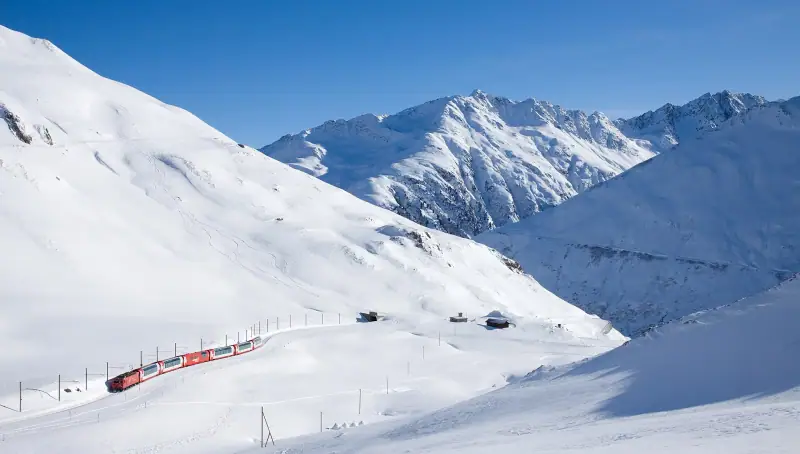
Glacier Express and panoramic trains in winter: routes, prices and reservations
Glacier Express, Bernina Express and GoldenPass in winter: 2026-2027 running dates, reservation prices, recommended routes and tips for seeing the snow.
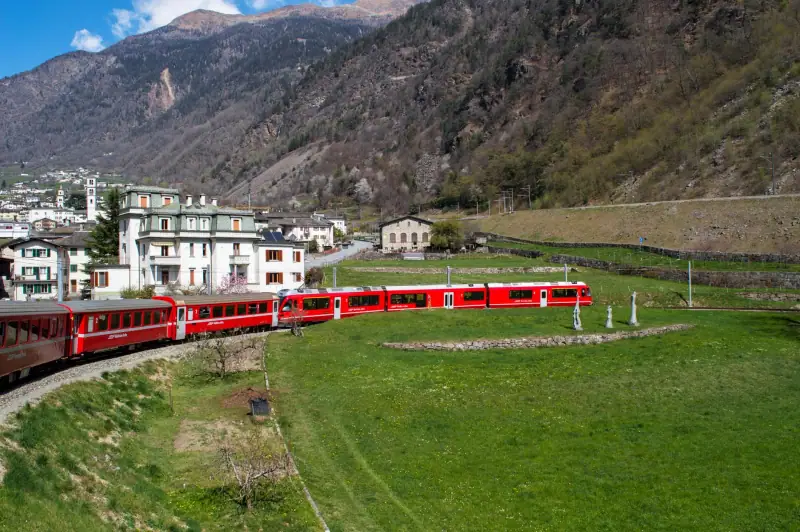
Glacier Express or Bernina Express: which panoramic train should you choose?
Glacier Express or Bernina Express: duration, scenery, reservations and passes. Compare Switzerland's two panoramic trains and pick the one for your trip.