What to see
Visiting Geneva, Lausanne and Lavaux: a stay on Lake Geneva
We may earn a commission when you book through links on this page, at no extra cost to you. We don't visit or try the places we cover: we summarize published sources. How we work
In short
- Two days cover the essentials of Geneva and one day is enough for Lausanne; with half a day in Lavaux, plan 3 to 4 days in total.
- Direct trains between Geneva and Lausanne are frequent and take about 35 to 45 minutes.
- Lavaux's terraced vineyards are UNESCO-listed and best explored on foot, with the train back to the station; late September to October is the harvest season.
- A car is unnecessary in the city centers and in Lavaux: the train is enough.
Lake Geneva is the largest lake in Western Europe, shared between Switzerland and France. On its north shore, three faces follow one another: Geneva, an international and cosmopolitan city at the end of the lake; Lausanne, built in tiers on its hills and turned toward sport and culture; and Lavaux, a long slope of terraced vineyards facing the Alps. It is all easily covered by train, which makes it an ideal base for a first stay in French-speaking Switzerland.
This guide presents what is worth the detour in each of these three places, how to get around and a suggested plan over three to four days. To place this stop in a wider trip, see our 7-day itinerary by train.
Geneva: the old town, the Jet d’Eau and the international institutions
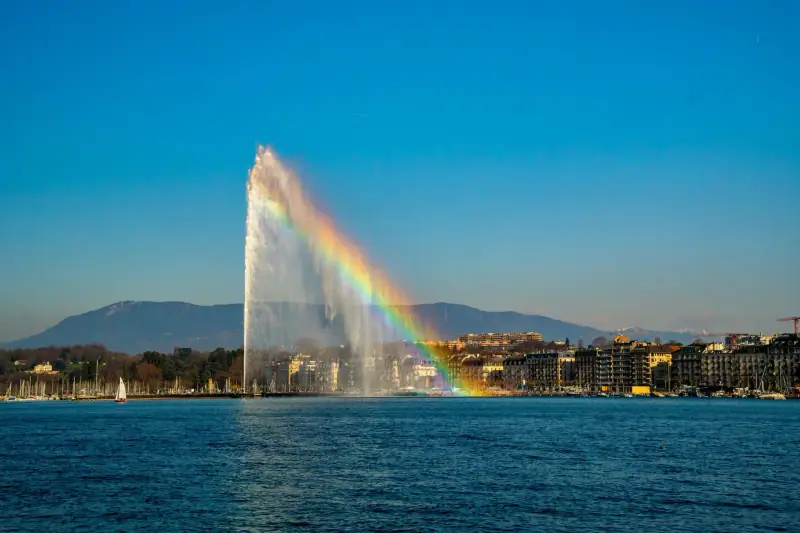
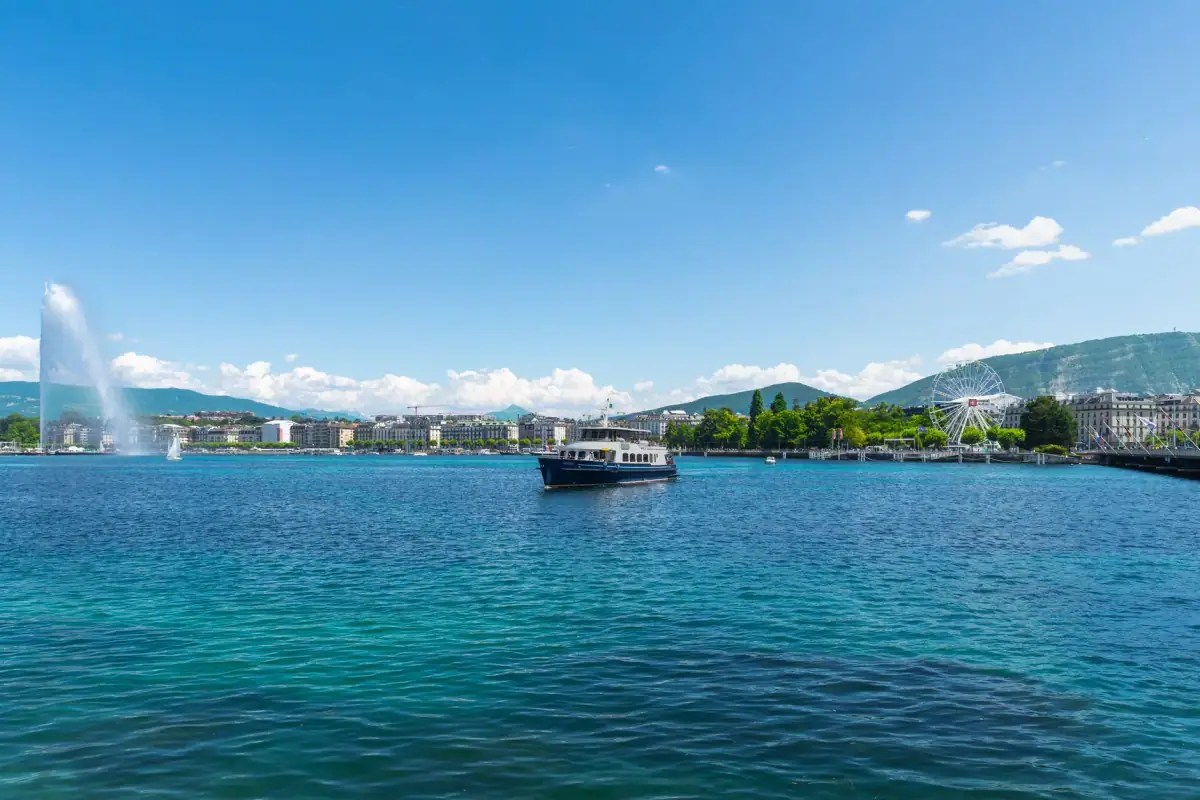
Geneva is best explored on foot. The Jet d’Eau, the city’s symbol, shoots lake water about 140 meters (460 ft) high; you can watch it from the quays or from the jetty, in calm weather. Operation may be reduced in strong wind or frost, which is normal: do not be surprised if it is off on some winter days.
The old town, on the left bank, can be explored in half a day. There you find St. Peter’s Cathedral, whose tower offers a fine view over the rooftops and the lake, the Place du Bourg-de-Four, very lively with its terraces, and the Reformation Wall, in the Parc des Bastions, which recalls the city’s role in the history of the Protestant Reformation.
Geneva is also the European seat of the United Nations. The Palais des Nations can be visited, with ID and, generally, a prior reservation. Another curiosity often cited: CERN, in Meyrin, at the city’s gates, offers free exhibitions on particle physics; guided tours must be booked long in advance. For museum fans, the city has several good ones: check before choosing, since closing days vary.
For relaxation, swimming in the lake is very popular in summer. The Bains des Pâquis, on the right bank, are a local classic, open to everyone and appreciated for their relaxed atmosphere.
🏨 Where to stay in Geneva: compare accommodation by budget and proximity to the station, often the best starting point for getting around without a car.
Lausanne: hill, cathedral and lakeside
About 35 to 45 minutes by train from Geneva, Lausanne charms with its topography: the upper town, around the cathedral, overlooks the Ouchy district on the lakeshore, linked by a steeply sloping metro. In a few minutes you go from cobbled lanes to a flower-lined promenade facing the mountains of the French shore.
The cathedral, considered one of the most beautiful Gothic buildings in Switzerland, is worth the climb. Lower down, the Flon district, a former warehouse area now converted, concentrates bars, cinemas and shops. In Ouchy, the quayside promenade is ideal at the end of the day.
Lausanne also presents itself as the Olympic capital: the International Olympic Committee has its seat here, and the Olympic Museum, on the quays, traces the history of the Games with many objects and interactive displays. It is a good option in case of rain, and it appeals to families. As for food, the region has its own identity: our article on Switzerland’s culinary specialties details fondue, papet vaudois and local wines to taste.
🎟️ Activities and guided tours in Lausanne: old town tours, Vaud wine tastings, lake cruises.
Lavaux: UNESCO-listed terraced vineyards
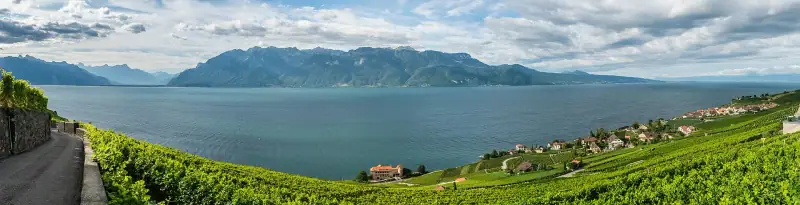
Between Lausanne and Vevey, Lavaux spreads over several kilometers of terraced vines plunging toward the lake, held up by stone walls dating back to the Middle Ages. The site has been a UNESCO World Heritage site since 2007. The dominant grape is chasselas, which gives fresh, light whites, perfect with a cheese dish.
The best way to discover Lavaux is on foot. Several marked trails cross the vineyard from one village to the next, with regular elevation changes but accessible to ordinary walkers; bring good shoes, water and a hat, because sun exposure is strong in summer. The wine villages, such as Cully, Lutry or Chexbres, have cellars where you can taste. Many open mostly in season or by reservation: check before traveling.
The train runs along the vineyard and lets you combine walking and an easy return to the station, without a car. In autumn, the harvest period colors the terraces in golden hues and attracts many visitors: it is a magnificent but busier time, so book early.
🎟️ Tastings and walks in Lavaux: cellar visits and guided excursions in the vineyards.
Vevey, Montreux and Chillon Castle
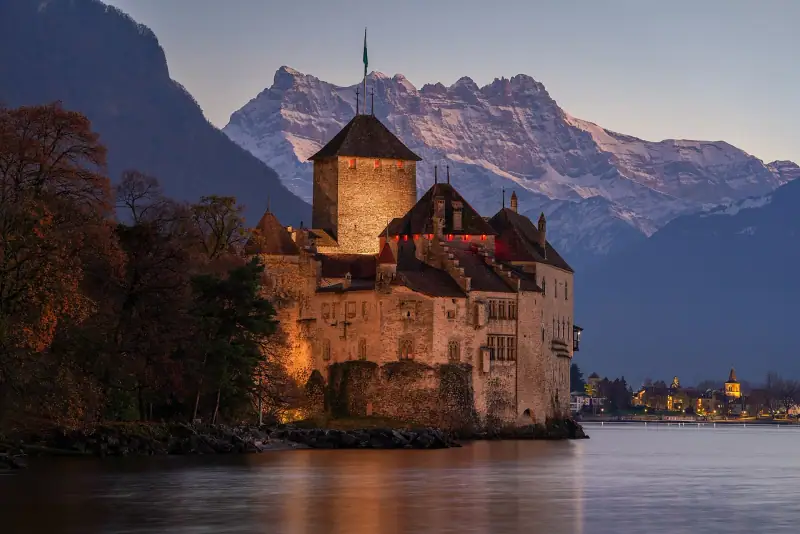
At the end of Lavaux, Vevey and Montreux form the “Vaud Riviera,” with its mild climate. Vevey, where Charlie Chaplin spent his last years, has a museum dedicated to him in the neighboring municipality of Corsier-sur-Vevey. Montreux is known for its summer jazz festival and its lakefront.
Nearby, Chillon Castle, built on a rock at the water’s edge, is one of the most visited monuments in Switzerland. You reach it from Montreux by a walk along the lake or by local transport. Allow one to two hours there. It is a good complement to a Lavaux day, especially if you have time to add a cruise.
Getting around: train, boat and passes
The region’s three poles are linked by frequent trains along the shore. The boats of the Lake Geneva navigation company also link the ports on both shores, which lets you mix things up: one trip by train on the way out, another by boat on the way back, or a simple sightseeing cruise. Some services are seasonal; check the official timetables before you go.
If you plan several trips by train, boat and museums, see our guide to find out whether the Swiss Travel Pass is worth it. In some cases, local transport cards provided by certain accommodations can also reduce costs in town. A car is useless in the city centers and in Lavaux: the train is enough.
Organizing a 3 to 4 day stay
Here is a realistic plan, without long distances: day 1 is devoted to Geneva’s old town, the Jet d’Eau and the quays. Day 2 combines an international institution (Palais des Nations or CERN, by reservation) and free time by the lake. Day 3 reaches Lausanne by train: cathedral in the morning, Ouchy and the Olympic Museum in the afternoon. Day 4 is dedicated to Lavaux, on foot from a winegrowers’ village, with the end of the day in Vevey or Montreux.
If you have little time, you can sleep in Lausanne: the city is ideally placed between Geneva and Lavaux, with trains all day in both directions. For the rest of the trip, Ticino and the Lucerne region offer a contrast of landscapes and languages. To compare accommodation options by region, also see our guide where to stay in Switzerland.
🏨 Where to stay in Lausanne: compare accommodation by budget and proximity to the station, often the best starting point for getting around without a car.
Practical tips
Western Switzerland is French-speaking. Prices are high, notably for dining and lodging; eat at the market or from a bakery at lunchtime to moderate the budget. The currency is the Swiss franc, although some shops accept euros at an unfavorable rate: prefer a bank card. Finally, tap water is excellent and free, and most public fountains are drinkable.
Frequently asked questions
How long do you need to visit Geneva and Lausanne?
Two days let you see the essentials of Geneva, and one day is enough for Lausanne. With half a day in Lavaux, plan 3 to 4 days in total without rushing.
How do you get from Geneva to Lausanne?
The train is the simplest way: direct services are frequent and take about 35 to 45 minutes. A boat trip on the lake is possible, but much longer: it is an excursion in itself.
Do you need a car to visit Lavaux?
No. The wine villages are linked by train, bus and hiking trails. A car is even impractical: the roads are narrow and parking is limited in the villages.
What is the best time for Lavaux?
From late September to October, when the vines change color during the harvest, and in spring. Summer offers long, warm days, perfect for swimming in the lake.
More Switzerland guides
Keep reading
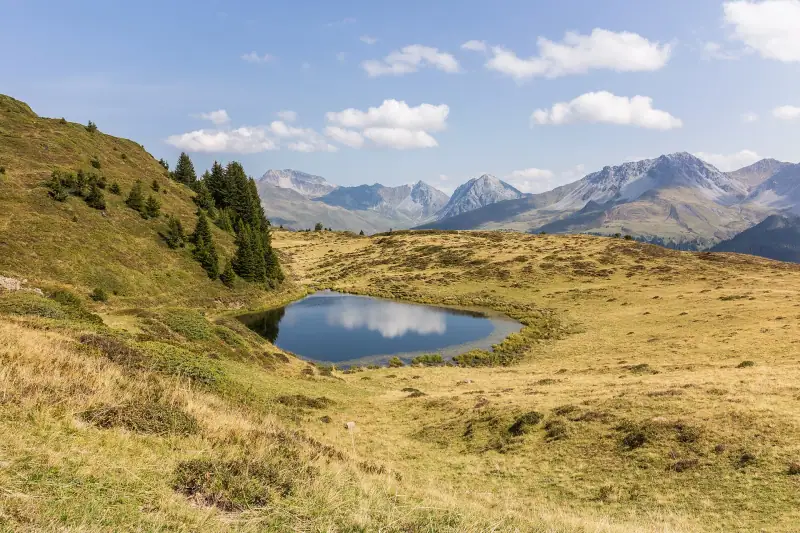
What to see in Graubünden: Chur, the Engadine, the National Park and UNESCO trains
What to see in Graubünden: Chur, Rhine Gorge, Flims, Engadine, St. Moritz, Swiss National Park, Müstair and UNESCO trains. Itineraries and practical tips.
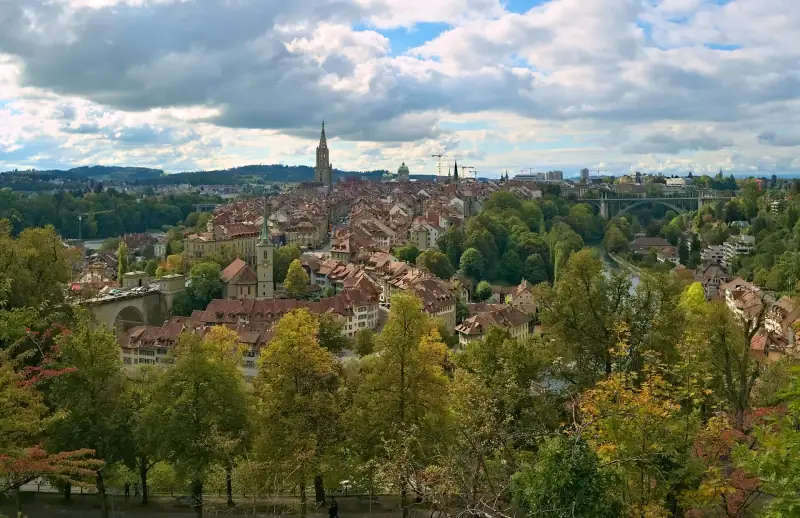
Visiting Bern: what to see and do in 1 to 2 days
Visit Bern in 1 to 2 days: UNESCO old town, arcades, Zytglogge, Münster, Bear Park, the Aare, Einstein and Paul Klee. Practical tips and budget.
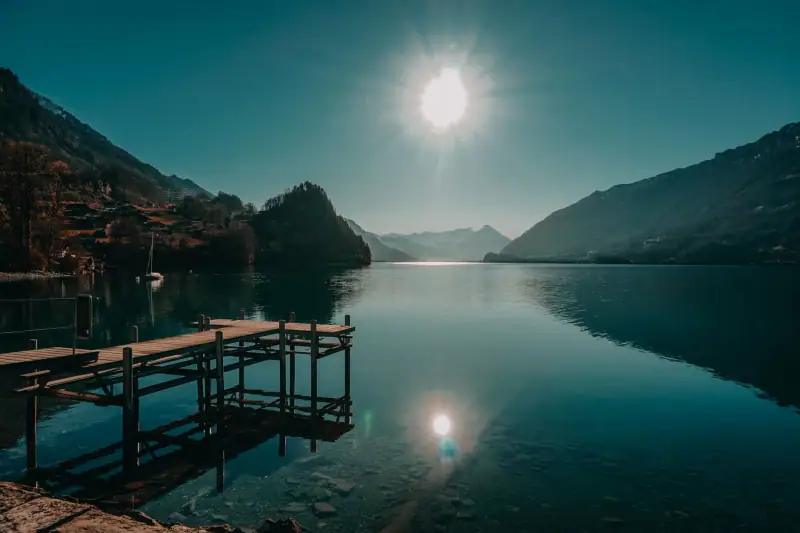
Visiting Interlaken: what to see and do between Lake Thun and Lake Brienz
Interlaken in 1 to 3 days: Harder Kulm, Höhematte, boats on both lakes, caves, paragliding and excursions. Tips to plan your stay and avoid pitfalls.
Ready-made
Switzerland itineraries
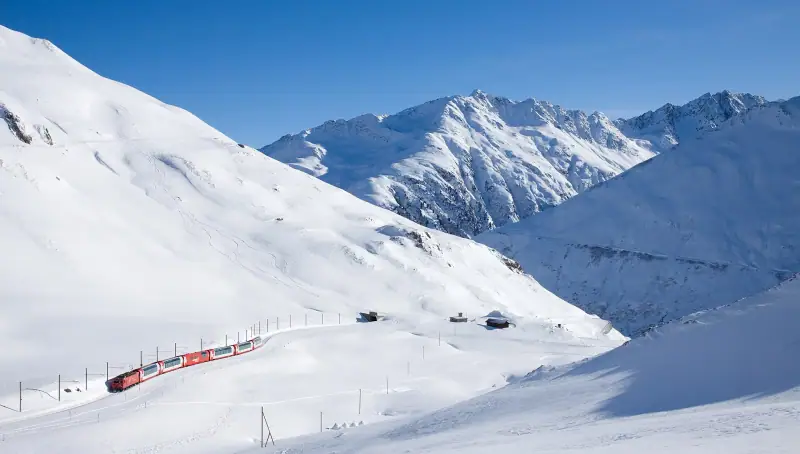
Glacier Express and panoramic trains in winter: routes, prices and reservations
Glacier Express, Bernina Express and GoldenPass in winter: 2026-2027 running dates, reservation prices, recommended routes and tips for seeing the snow.
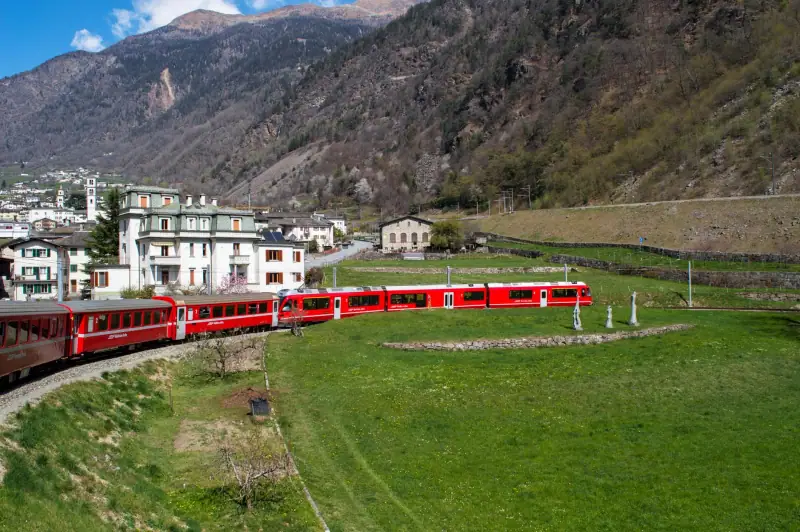
Glacier Express or Bernina Express: which panoramic train should you choose?
Glacier Express or Bernina Express: duration, scenery, reservations and passes. Compare Switzerland's two panoramic trains and pick the one for your trip.
7 days
7-day Switzerland itinerary by train: Lucerne, Interlaken, Zermatt and Lake Geneva
LucerneInterlakenZermattLausanne