What to see
What to see in Madrid and Castile: 10 stops between the capital and the art cities
We may earn a commission when you book through links on this page, at no extra cost to you. We don't visit or try the places we cover: we summarize published sources. How we work
In short
- Madrid sits on a plateau more than 600 m (1,970 ft) up, with a ring of UNESCO-listed art cities reachable in under two hours by train or road.
- Toledo is about 70 km (43 mi) from Madrid, 30 minutes by high-speed train; Segovia is about 100 km (62 mi) away and Ávila about 110 km (68 mi).
- Salamanca (about 210 km / 130 mi) deserves one or two nights; Burgos (about 240 km / 149 mi) and Cuenca (about 170 km / 106 mi) suit a longer trip.
- Spring and fall are the most pleasant; summer is very hot on the plateau and winter can be cold in Segovia, Ávila and Burgos.
In the heart of the Iberian Peninsula, on a vast plateau more than 600 meters (1,970 ft) above sea level, Madrid and Castile form the historic core of Spain. The capital is surrounded by a ring of art cities, often listed as UNESCO World Heritage Sites, that you can reach in under two hours by train or road. Medieval walls, Gothic cathedrals, a Roman aqueduct, centuries-old universities and royal palaces follow one another in a landscape of golden plains and sierras. This guide presents ten stops not to miss, with tips for combining them. If you are preparing the capital first, our 3-day Madrid itinerary details the program day by day.
Madrid, a capital best visited on foot
Madrid is an ideal starting point: the airport is well connected, the rail network fans out in every direction, and the city alone has enough to fill several days. The historic center is explored on foot, between the Puerta del Sol, the Plaza Mayor, the lanes of the Habsburg district and the terraces of La Latina.
For where to sleep, the choice of neighborhood matters: see our guide on where to stay in Madrid to compare areas according to your budget and wishes. Book early if you travel in spring or fall, the most popular seasons.
The Prado, the Reina Sofía and the triangle of art
Madrid owes a large part of its reputation to its museums. The Prado Museum holds a major collection of Spanish painters such as Velázquez and Goya, as well as Flemish and Italian masters. The Reina Sofía Museum, devoted to modern and contemporary art, exhibits Picasso’s Guernica among other works. The Thyssen-Bornemisza Museum completes the trio with a route through the centuries of European painting.
You do not need to see everything: one major museum per half day is plenty. Book your tickets online to avoid the line, check any free-admission days on the official websites and plan on comfortable shoes. The galleries are huge and the visit is more tiring than you might think. To estimate the cost of a trip, our article on the budget for Spain gives reference points.
Where to stay in Madrid
Historic center, museum district or a quieter area: compare accommodation for your dates and budget.
The Royal Palace, the Retiro and urban walks
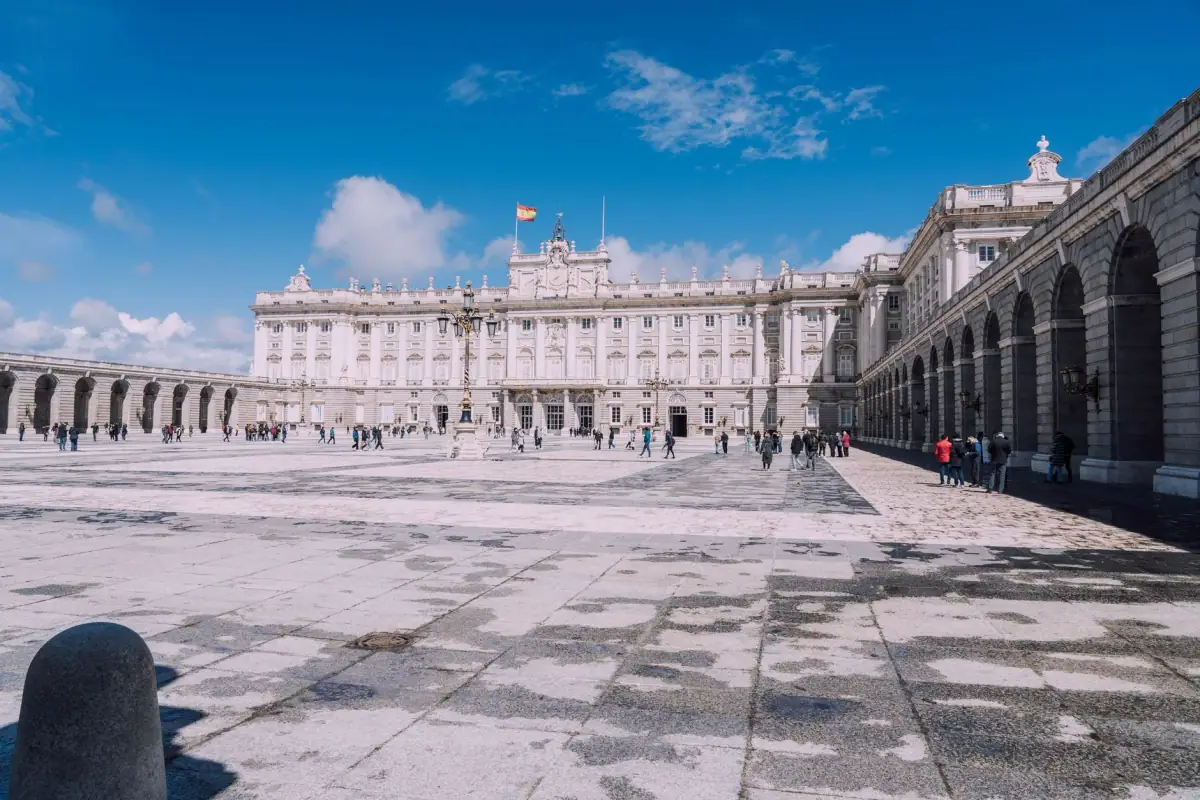
The Royal Palace is one of the largest palaces in Europe by floor area. Its state rooms can be visited almost all year, except during official ceremonies: check the hours before you come. Nearby, the Almudena Cathedral and the Sabatini Gardens offer a welcome break.
Retiro Park is the city’s green lung. You stroll around the big pond, where rowboats can be rented, and discover the Crystal Palace, an elegant glass greenhouse. The Retiro and the neighboring Paseo del Prado are World Heritage listed as the “Landscape of Light.” At the end of the day, the Temple of Debod, an Egyptian temple rebuilt in a park in the west of the city, is a popular spot to watch the sunset.
Toledo, the city of three cultures
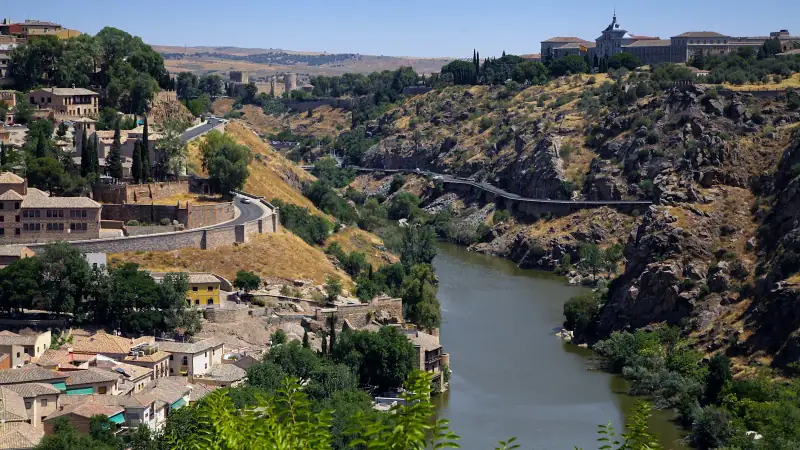
Toledo lies about 70 km (43 mi) south of Madrid, and the high-speed train links it to the capital in about thirty minutes. Perched on a hill almost entirely surrounded by the Tagus, the old town is a UNESCO World Heritage Site. It long housed Christian, Jewish and Muslim communities, hence its nickname “city of the three cultures,” visible in its synagogues, churches and Moorish remains.
The major monuments are the Gothic cathedral, the Alcázar that dominates the city and the Church of Santo Tomé, where you can admire El Greco’s Burial of the Count of Orgaz. The painter lived in Toledo, and his mark is everywhere. Beyond the visits, the real pleasure is getting lost in the maze of narrow lanes. The slopes are steep and the cobblestones uneven: choose suitable shoes.
Toledo is very busy during the day with groups. If you sleep there, you will enjoy almost empty streets in the early evening and early morning. A night in town really changes the experience.
Segovia, the Roman aqueduct and the Alcázar
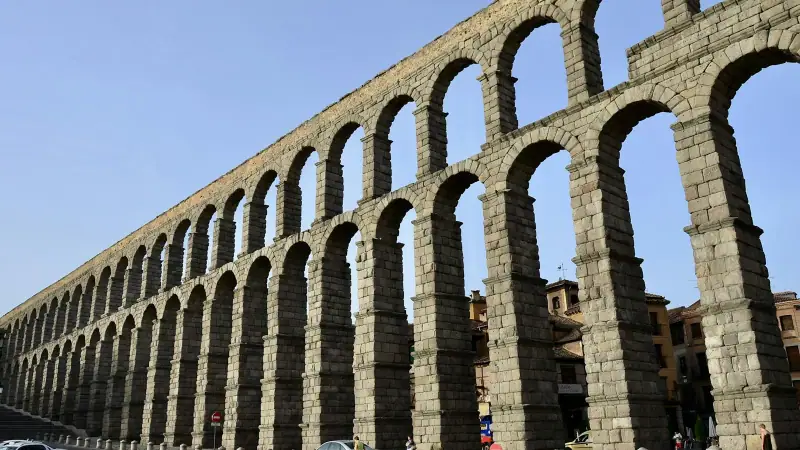
Northwest of Madrid, about a hundred kilometers (62 mi) away, Segovia is famous for its Roman aqueduct. This granite structure, assembled without mortar, crosses the city on tall arches and remains remarkably well preserved. It earned the old town its UNESCO World Heritage listing.
Higher up, the Alcázar stands on a rocky spur between two rivers. With its slate-capped towers, it is said to have inspired some fairy-tale settings. The Gothic cathedral, nicknamed “the lady of cathedrals” for its elegance, occupies the Plaza Mayor. The high-speed train links Madrid to Segovia’s station in about half an hour, but that station is away from the center: plan on a city bus or a taxi to reach the old town. The bus from Madrid is a direct alternative.
Segovia is also an excellent place to taste Castilian cooking. Our article on what to eat in Spain will help you spot the regional dishes to try.
Excursions from Madrid
Toledo, Segovia, Ávila or El Escorial: compare guided day tours and excursions with transport.
Ávila, the city of intact ramparts
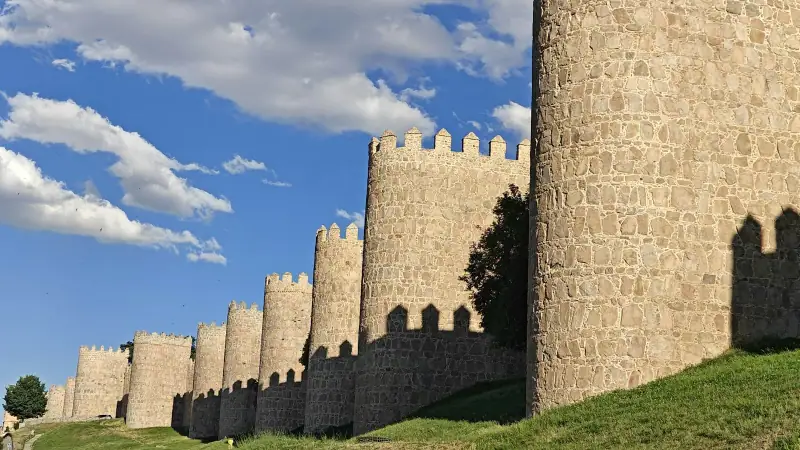
About 110 km (68 mi) west of Madrid, Ávila is ringed by one of the best-preserved medieval walls in Europe. These granite ramparts, built in the Middle Ages and flanked by many towers, form an almost perfect rectangle around the old town, itself UNESCO-listed. You can climb onto part of the wall walk for fine views over the rooftops and the countryside.
Ávila is the birthplace of Saint Teresa of Ávila, a 16th-century mystic, and several sites are devoted to her. The cathedral, built into the ramparts, looks as much like a fortress as a church. The city is small enough to be seen in half a day, which makes it easy to combine with Segovia on a longer stay. At over 1,100 meters (3,610 ft) above sea level, it is one of the highest provincial capitals in Spain: it is often cool there, even in spring.
Salamanca, the golden university city
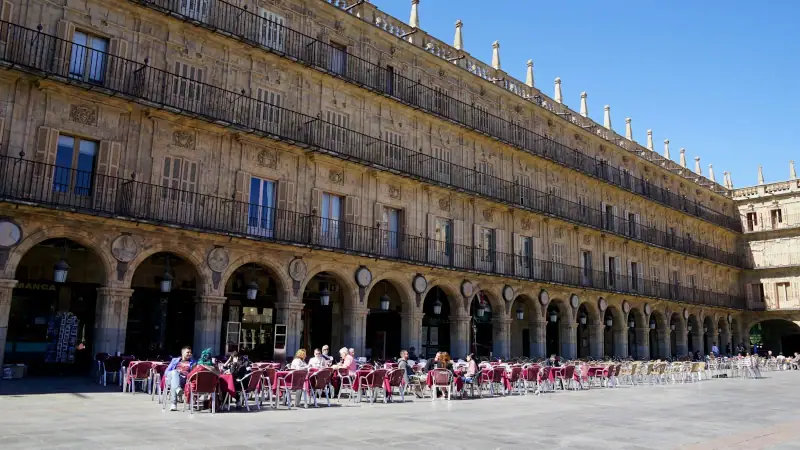
About 210 km (130 mi) west of Madrid, Salamanca is one of the most beautiful cities in Castile and León. Its university, founded in the 13th century, is one of the oldest in Europe, and its historic center is UNESCO-listed. The golden stone of its monuments takes on warm hues at the end of the day.
The Baroque Plaza Mayor is often cited among the most harmonious in Spain. You will see students, families and visitors in the same place, from morning until late at night. The university facade is decorated with fine carvings, including a small frog that visitors enjoy looking for. The two cathedrals, the old and the new, are joined and are visited together.
Salamanca deserves a night, or even two. The city is lively in the evening thanks to its student population, and its lanes are calmer than Madrid’s. It is linked to the capital by train and bus, a trip of around two to three hours depending on the mode of transport.
Burgos, the Gothic cathedral of northern Castile
Burgos, about 240 km (149 mi) north of Madrid, is worth the detour for its Gothic cathedral, a UNESCO World Heritage Site. Its openwork spires dominate the city center, and the interior surprises with the richness of its chapels and sculptures. The city is tied to the legend of El Cid, the medieval Castilian hero.
Burgos is also a major stage on the Camino de Santiago. You will meet many walkers with their pilgrim shells in the center. Walks along the Arlanzón river and the pedestrian streets, lined with tapas bars, make it a pleasant stop. The city is cooler and calmer than Madrid; it suits those extending their stay toward the north of Spain.
Rent a car around Madrid
To link Segovia, Ávila, Salamanca or Burgos at your own pace, compare rental companies.
Alcalá de Henares, Aranjuez and El Escorial: three nearby getaways
Three sites near Madrid lend themselves to a short excursion. Alcalá de Henares, about thirty kilometers (19 mi) away, is the birthplace of Cervantes, the author of Don Quixote. Its historic university and old center are UNESCO-listed, and the city is easy to reach by commuter train.
Aranjuez, south of the capital, is known for its royal palace and gardens. The cultural landscape of Aranjuez is also World Heritage listed. It is a relaxing outing, particularly pleasant in spring, when the gardens are in bloom.
The Monastery of San Lorenzo de El Escorial, about 50 km (31 mi) northwest of Madrid, is a vast, austere 16th-century complex commissioned by Philip II. It brings together a monastery, a palace, a basilica and a library, and it too is UNESCO-listed. It combines well with a walk in the Sierra de Guadarrama.
Cuenca and its hanging houses
A bit farther east, in Castilla-La Mancha, Cuenca clings to a cliff between two gorges. Its “hanging houses,” built at the edge of the void, are its most famous image, and the fortified old town is UNESCO-listed. Cuenca is about 170 km (106 mi) from Madrid, and the high-speed train gets you there in under an hour, but the station is away from the center.
This destination is calmer than Toledo or Segovia. It suits those looking for a less crowded place, with trails along the gorge and photogenic viewpoints. A night in town lets you enjoy the atmosphere of the old town once the day-trippers have left.
How to organize your trip
Here are ideas for combinations depending on the length of your trip:
- 3 to 4 days: Madrid (2 days) then Toledo or Segovia as a day trip, returning to Madrid in the evening.
- 5 to 6 days: Madrid (3 days), Toledo, then Segovia and Ávila in a single day on the road or in two separate days.
- 8 to 10 days: add Salamanca (one or two nights), then Burgos or Cuenca depending on your direction of return.
- Culture and nature getaway: Madrid, El Escorial, the Sierra de Guadarrama and Segovia, to mix monuments and big landscapes.
Rather than changing hotels every night, settle in Madrid and fan out by train. It is the simplest solution, with many connections. To sleep in Toledo, Salamanca or Segovia, one or two nights are enough. The choice of season matters too: see our guide to when to go to Spain to compare periods.
Practical tips
- Getting there: Madrid-Barajas Airport (MAD) is the main international airport. High-speed trains also link Madrid to Barcelona and several cities across the country.
- Getting around: Atocha and Chamartín are Madrid’s two main stations. Check which one your train leaves from, especially for Segovia, Ávila and Salamanca.
- Meal times: lunch is generally around 2 pm and dinner after 9 pm. The menú del día, offered at midday on weekdays, is often an economical option.
- Reservations: book the Prado, the Royal Palace and the Alcázar of Segovia ahead if you come in high season.
- Climate: summer can be very hot, winter cold in the high-altitude cities. Pack layers in the shoulder seasons.
- Insurance: to travel with more peace of mind, travel insurance can cover medical costs and cancellations. For an overview of the country, see also our complete guide to Spain.
A trip into the heart of Spanish history
Madrid and Castile bring together world-class museums, medieval ramparts, Roman remains, cathedrals and university towns within a small radius. Depending on your time, stay in Madrid and multiply the day trips, or put together a loop toward Salamanca and Burgos. Either way, leave room for strolling: the terraces, squares and stone lanes are among the best memories of Castile.
Frequently asked questions
What to see in Madrid and Castile in one week?
A week lets you spend three days in Madrid, then add Toledo and Segovia as day trips, before finishing with Ávila or Salamanca. With a few more days, you can add Burgos and Cuenca.
Do you need to rent a car to visit Castile?
It is not essential. Toledo, Segovia, Ávila, Salamanca, Alcalá de Henares and El Escorial are served from Madrid by train or bus. A car becomes useful for the villages of the sierra, for combining several stops in one day, or to save time.
Which Castilian cities can you visit from Madrid in a day?
Toledo, Segovia, Alcalá de Henares, El Escorial, Aranjuez and Ávila are easy day trips. Salamanca is farther but still possible for a long day, although a night there lets you enjoy the city in peace.
What is the best time to visit Madrid and Castile?
Spring and fall are the most pleasant: temperatures are mild and the light is beautiful. Summer is very hot on the plateau, and winter can be cold, especially in Segovia, Ávila and Burgos, which sit at higher altitude.
What is the difference between Castile and León and Castilla-La Mancha?
They are two separate autonomous communities. Segovia, Ávila, Salamanca and Burgos belong to Castile and León, while Toledo and Cuenca are in Castilla-La Mancha. Madrid forms its own autonomous community, enclosed between the two.
How long does it take to visit Madrid?
Three days let you see the major museums, the historic districts and the parks without rushing. A two-day weekend forces choices, for example one major museum and the old center.
Can you visit Toledo and Segovia on the same day?
It is not recommended. The two cities lie on opposite sides of Madrid and each needs half a day to a full day to be appreciated. It is better to give them two separate days.
More Spain guides
Keep reading
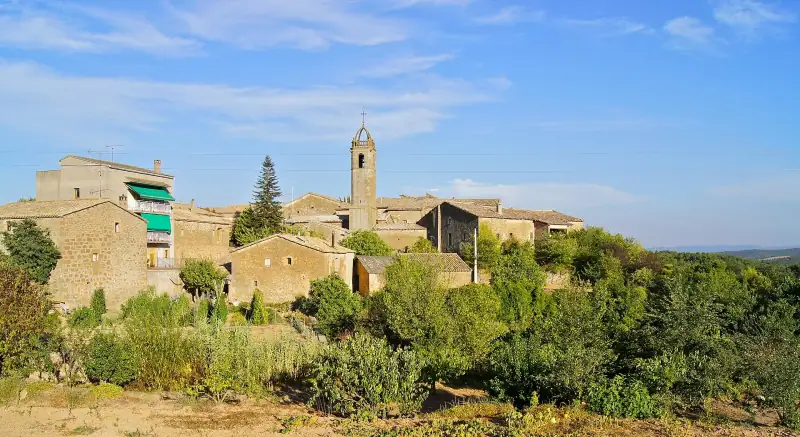
What to see in Catalonia: the region's 12 must-sees
What to see in Catalonia? Barcelona, Girona, Costa Brava, Figueres, Montserrat, Tarragona, Pyrenees: our selection to plan a stay in the region.
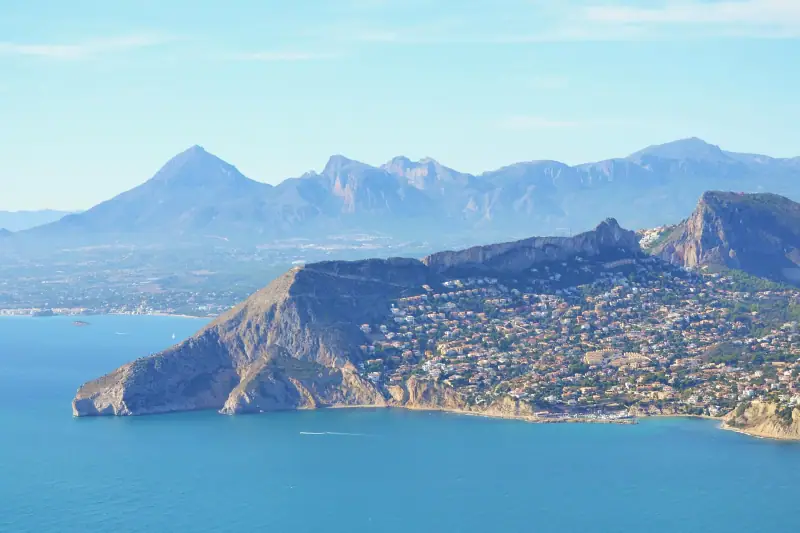
What to see in Valencia and on the Costa Blanca: 10 must-sees
What to see in Valencia and on the Costa Blanca? City of Arts, Albufera, Alicante, Calpe, Altea, Elche, Tabarca: our selection to plan your stay.
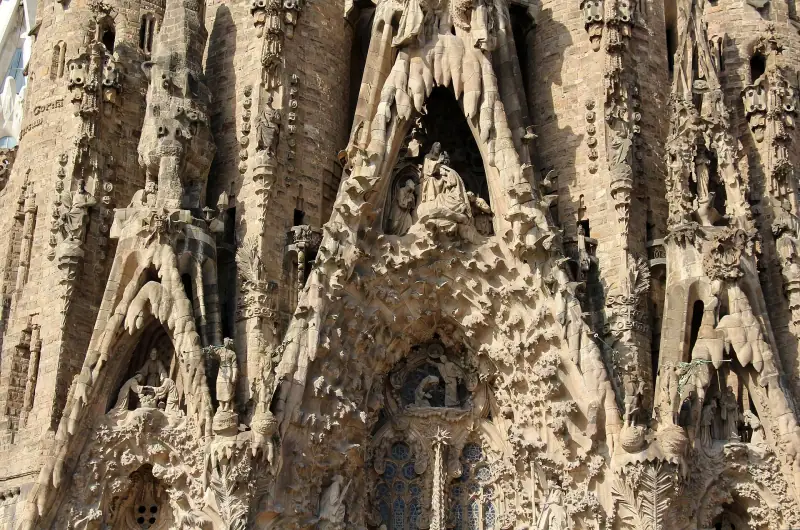
Complete guide to visiting Spain: regions, cities, budget and tips
Visiting Spain: must-see regions and cities, best time to go, transport, accommodation and budget. The pillar guide to prepare your trip from A to Z.
Ready-made
Spain itineraries
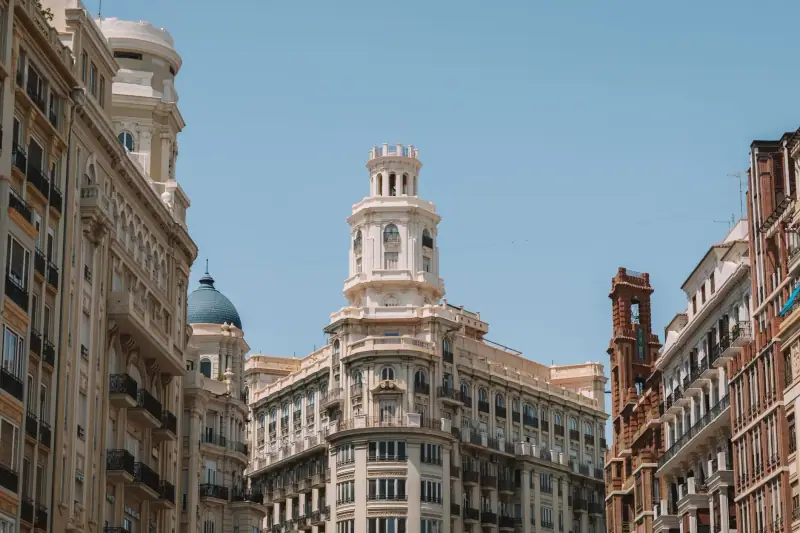
2 days
Valencia in 2 days: an itinerary through the old town, the Turia and the beach
What to do in Valencia in 2 days? Historic center, market, City of Arts and Sciences, Turia Gardens, paella and beach: our day-by-day itinerary.
7 days
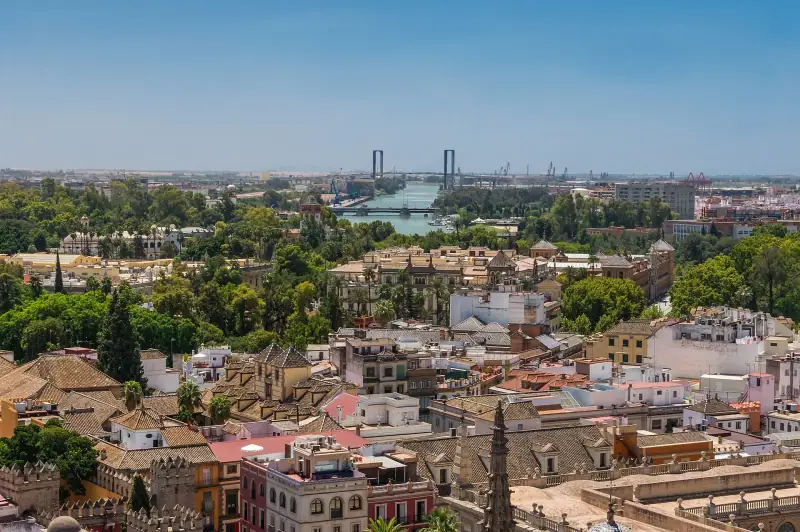
Andalusia in 7 days: Seville, Córdoba, Granada and Málaga
A 7-day Andalusia route: Seville, Córdoba, Granada and Málaga, with travel times, a day-by-day pace, useful reservations and pitfalls to avoid.
3 days
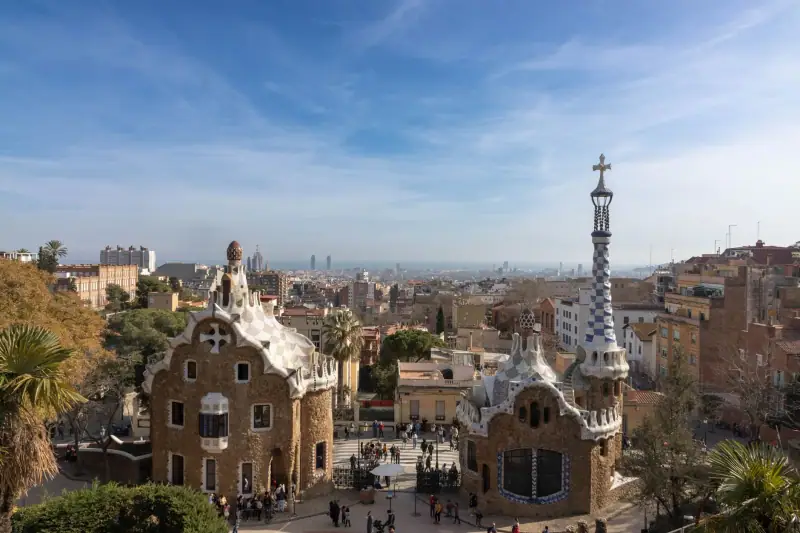
Barcelona in 3 days: a day-by-day itinerary for a first stay
Sagrada Família, Park Güell, Barri Gòtic, Montjuïc and Barceloneta: a 3-day Barcelona itinerary with the best order of visits, transport and tips.