What to see
Complete guide to visiting Spain: regions, cities, budget and tips
We may earn a commission when you book through links on this page, at no extra cost to you. We don't visit or try the places we cover: we summarize published sources. How we work
In short
- Spain is several destinations in one: Andalusia, Catalonia, Madrid and Castile, the Basque Country and the North, and Valencia with the Costa Blanca.
- Spring and fall are the most balanced seasons; summer suits beaches and the North, while the interior and the South can be very hot.
- Three daily budget profiles for two people sharing a room: about €55-65 per person (about $64-75), €120-140 (about $140-165) and €250 and up (about $290+).
- High-speed trains link Madrid with Barcelona, Seville, Valencia and Málaga; book the Alhambra and the Sagrada Família weeks ahead.
Spain is not one country to visit, it is several. Between the Moorish palaces of Andalusia, the avenues of Madrid, Gaudí’s architecture in Barcelona, the beaches of the Mediterranean coast and the green villages of the North, the contrast is constant: food, climate, landscapes and even languages change from one region to the next. That is what makes planning a trip both exciting and a little bewildering: where to begin?
This complete guide is the site’s entry point. It presents the main regions and the cities not to miss, helps you choose the right time, explains how to get there and around, where to stay and how much to budget. At every step it points to our detailed articles to go further: day-by-day itineraries, formalities, budget, culinary specialties, Alhambra tickets and more. Keep it as a table of contents, then dig into the topics that concern you.
Spain at a glance
Spain occupies most of the Iberian Peninsula, between the Atlantic, the Mediterranean and the Pyrenees, which separate it from France. It also includes two archipelagos, the Balearic Islands in the Mediterranean and the Canary Islands in the Atlantic, as well as two autonomous cities in North Africa. This guide covers mainland Spain: each of the two archipelagos has its own guide. The country is organized into autonomous communities, each with its own identity, festival calendar and sometimes language.
Three things to keep in mind before planning:
- Size: Spain is one of the largest countries in Europe. Distances between big cities are counted in hours of train rather than minutes, and you have to give up on “seeing everything” in a single trip;
- Climate: temperate and humid in the North, very hot in summer in the interior and the South, mild on the Mediterranean coast. The choice of season matters as much as the choice of destination;
- Pace of life: late lunch, dinner around 9 pm, extended nightlife, shops sometimes closed in the early afternoon in small towns. It is better to adapt than to fight it.
The currency is the euro, and bank cards are widely accepted in cities. Entry rules depend on your passport: check the official travel advice of your government before you book, and see our article on formalities for Spain.
The main regions to know
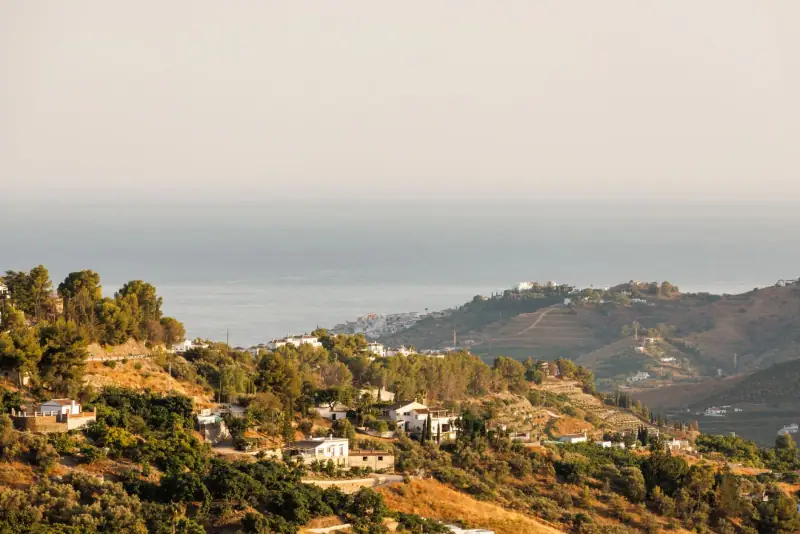
To find your way, it helps to think in big groups. Here are the five we cover on this site, with what each brings to the traveler.
Andalusia: the South of palaces, patios and sun
This is the image many travelers have of Spain: white towns, flower-filled patios, Arab-Andalusian heritage, tapas and flamenco. The region lines up major cities (Seville, Córdoba, Granada, Málaga) close enough to be linked in a week, which makes it the ideal destination for a first trip. It also has white villages perched in the mountains and a long Mediterranean coast.
Summer is very hot there: spring and fall are the most pleasant seasons for visiting. To build a trip, our 7-day Andalusia itinerary links Seville, Córdoba, Granada and Málaga, without a car if you wish.
Catalonia: Barcelona, the Costa Brava and the Pyrenees
Catalonia has its own language, its own cuisine and a strong identity. Barcelona is its heart, but the region also offers the Costa Brava with its coves, the city of Girona and the Pyrenean hinterland. It lies close to the French border.
Barcelona deserves three days on its own: we detailed a route in our 3-day Barcelona itinerary, which combines Gaudí’s works, the Gothic Quarter and the waterfront.
Madrid and Castile: the heart of the country
In the center of the country, Madrid is the capital, a city of great museums, lively squares and late nightlife. Around it, Castile has left a remarkable heritage: Toledo, Segovia, Salamanca, historic cities reachable as day trips or on a circuit. The climate is continental: scorching summers, cool winters, and springs and falls that are often the most pleasant.
To plan your stay in the capital, see our 3-day Madrid itinerary, which includes a suggested day trip to Toledo or Segovia.
The Basque Country and the North: a green, food-loving Spain
San Sebastián, Bilbao, Asturias, Galicia: the north of the country is greener, cooler and wetter than the rest, with an Atlantic coast, mountains and a renowned gastronomy. It is an increasingly popular destination in summer, when the South is sweltering, but you must accept more changeable weather.
This part of Spain suits a road trip well, with a car as the best way to reach villages and beaches. The cuisine of pintxos, those small bites served at the counter, is one of the reasons to go.
Valencia and the Costa Blanca: the urban, beachside Mediterranean
Valencia combines a historic old town, a large park laid out in the former river bed, contemporary architecture and a beach reachable by public transport. Farther south, the Costa Blanca around Alicante offers beach resorts and a mild climate much of the year. Valencia is also the city of paella: our 2-day Valencia itinerary helps you organize a stay between heritage, park and waterfront.
The cities not to miss
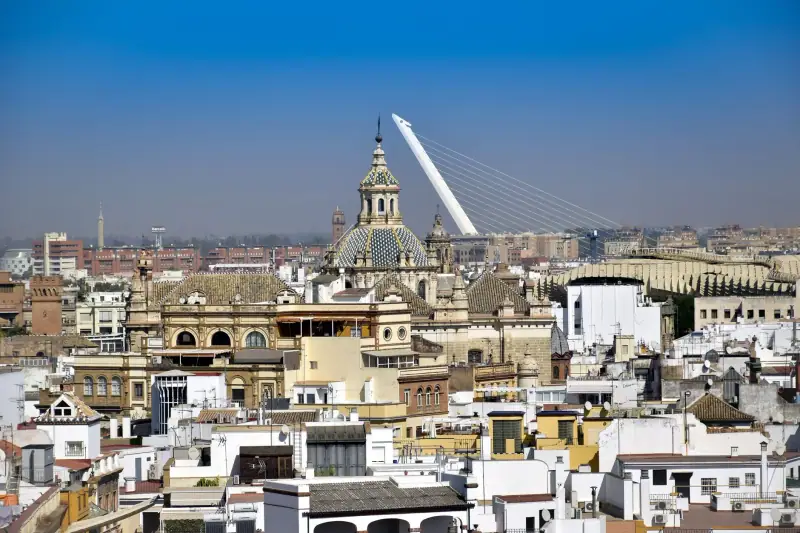
Each city has its own personality. Here are our guideposts for choosing according to what you are looking for.
Madrid: museums, squares and nightlife
A lively capital, Madrid is visited above all for its top-tier museums (including the Prado, one of Europe’s great art museums), the Royal Palace, Retiro Park and the atmosphere of its neighborhoods. It is also an excellent starting point: high-speed trains link the capital to most of the country’s big cities.
Barcelona: Gaudí, sea and architecture
Between the Sagrada Família, Park Güell, the Gothic Quarter and Barceloneta beach, Barcelona mixes heritage and beach life. It is a city where you need to book entry to the most popular monuments ahead, especially in high season. It is also pricier than the national average, which we detail in our article on the budget for a trip to Spain.
Seville: Andalusian charm par excellence
Seville is often described as the most romantic of Spanish cities: the Alcázar, the cathedral and its tower, the Santa Cruz district, the Triana riverbank. The city is visited on foot and two days let you see the essentials, as our 2-day Seville itinerary shows. The choice of neighborhood to stay in changes the experience a lot: our guide on where to stay in Seville compares the main areas.
Granada: the Alhambra and the Nasrid legacy
Granada is known for the Alhambra, the palatial complex and gardens that dominate the city, with the Sierra Nevada in the background. It is one of the most visited sites in the country, with a limited number of tickets each day: you need to plan ahead. Everything is explained in our guide to visiting the Alhambra in Granada, with tickets, route and practical tips.
Córdoba: the Mezquita and the patios
Smaller and calmer, Córdoba is known for its Mezquita-Cathedral, a striking mix of Islamic and Christian architecture, and for the Judería district with its lanes. One well-organized day is enough for the essentials: our one-day Córdoba itinerary offers a balanced route between the Mezquita, the patios and the riverbanks. Córdoba is also visited as a stop between Seville and Granada.
Málaga: the gateway to the Costa del Sol
Málaga combines a historic center, an active cultural scene (museums, including those devoted to Picasso, a native son) and direct access to the sea. Its airport is one of the most used for reaching the south of Spain, and the city often serves as the entry or exit point of an Andalusian circuit.
Valencia: beach, paella and modern architecture
Valencia charms with its balance: a pleasant old town, a big linear park, the City of Arts and Sciences, and a beach close to the center. It is a more affordable and calmer alternative to Barcelona for a city break on the Mediterranean.
San Sebastián: the capital of pintxos
In the Basque Country, San Sebastián is renowned for its bay, its old town and its food culture. The pintxos bars in the center are the main attraction. The city is pricier than the national average, but it is easily visited on foot.
Compare hotels in Spain
Madrid, Barcelona, Seville, Valencia: compare accommodation for your dates and favor free-cancellation rates.
The highlights

If you could remember only a few experiences, these are the ones that come up most often in travelers’ accounts.
- The Alhambra in Granada: the country’s most famous palatial complex, to be booked well ahead;
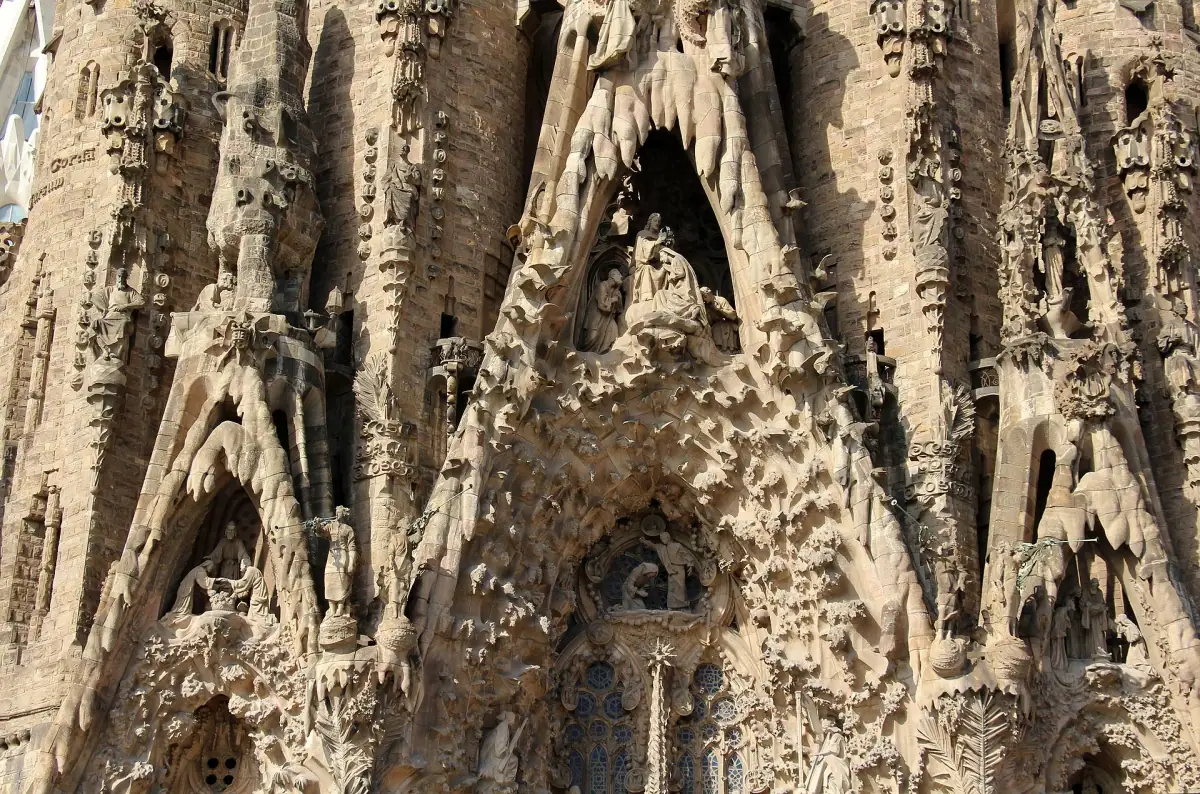
- The Sagrada Família and Gaudí’s work in Barcelona: a monument under construction for more than a century, to visit with a reserved ticket;
- The Mezquita of Córdoba: a forest of columns and arches inside a cathedral;
- The Alcázar of Seville: a royal palace with Mudéjar-inspired decoration and gardens;
- The Prado Museum and the museum district in Madrid: from classic Spanish painting to the great European schools;
- The historic cities of Castile: Toledo, Segovia and Salamanca, reachable from Madrid;
- Counter cuisine: tapas in Andalusia, pintxos in the Basque Country, paella in Valencia;
- A local festival: Holy Week and the April Feria in Andalusia, Fallas in Valencia, San Fermín in Pamplona. Dates vary: check them before booking.
To combine visits and experiences, platforms such as GetYourGuide offer skip-the-line tickets, guided tours and activities in most of these cities.
Tours and activities in Spain
Skip-the-line tickets, guided tours, tastings and cooking classes: compare the experiences on offer in your city.
When to go to Spain
There is no bad time for Spain, but there are bad times for certain regions. The principle: avoid the intense heat of the interior and the South in summer, and the dampness of the North in winter.
- Spring (March to May): the most pleasant season for Andalusia and the interior cities. It is also the season of the big Andalusian festivals;
- Summer (June to August): perfect for beaches and for the cooler North. However, the cities of the South and the interior can see very strong heat, and prices climb on the coast;
- Fall (September to November): the sea stays warm until early fall, crowds thin and prices drop. It is an excellent compromise for combining cities and beaches;
- Winter (December to February): mild in the South and on the Mediterranean coast, cool in Madrid, rainy in the North. Ideal for discounted city breaks, and the Sierra Nevada offers skiing.
The detailed calendar, with climate and festivals region by region, is in our article on when to go to Spain. If you hesitate between two periods, look at it before booking your flights.
Getting to Spain
By air
This is the fastest way to reach Madrid, Barcelona, Seville, Valencia, Málaga or Bilbao. Flight options depend on where you are flying from and vary by season, so compare airlines and routes for your dates. Prices drop noticeably when you book ahead and travel midweek or outside school holidays. Remember the baggage fees of low-cost airlines, which can change the final price.
Flights to Spain
Compare flights by dates and arrival airports: flying into one city and out of another can save time.
Getting around once there
Spain’s transport network is one of the trip’s assets, as long as you choose the right tool for each leg.
The high-speed train
Madrid is at the center of a network of fast lines serving Barcelona, Seville, Valencia, Málaga and many other cities. Several operators compete on the major routes, which pushes prices down for advance bookings. For trips between Seville, Córdoba, Granada and Málaga, train and bus combine easily.
Long-distance buses
Slower than the fast train but very comprehensive, the bus links nearly all mid-sized towns and serves villages the train ignores. It is often cheaper, especially in Andalusia and the North.
Rental cars
Useful for the white villages, the Costa Brava, the roads of the North or the natural parks. Impractical in city centers: parking is expensive and historic centers have restricted access. Our advice: rent only for the days you really need one, picking it up at the edge of the city.
Urban transport
Metro, buses and trams are efficient in Madrid and Barcelona, with rechargeable cards or multi-trip tickets that reduce the unit price. In the historic centers of Seville, Granada, Córdoba or Valencia, almost everything is done on foot.
Where to stay in Spain
The offer is very broad: hotels of all categories, family guesthouses (“pensiones” and “hostales”), youth hostels, tourist apartments, and in some regions paradores, hotels set in former castles or convents. The right choice depends on the length of your stay and how you travel.
A few principles that work everywhere:
- Choose the neighborhood before the hotel: accommodation ten minutes’ walk from the center is often cheaper, just as convenient and calmer. Our guide to sleeping in Seville shows how to think by neighborhood;
- Book early for big festivals: Holy Week, the Seville Feria, Valencia’s Fallas or San Fermín push prices up and saturate supply well ahead;
- Favor free cancellation when possible, while you finalize your transport;
- Check the tourist tax, applied in some regions such as Catalonia and sometimes payable there;
- Consider noise: in lively old neighborhoods, a courtyard room is often quieter than a street-facing one.
The choice between a hotel and an apartment also depends on your meals: with a kitchen you save on dinners, but the midday menu del día remains unbeatable for value.
Food: one of the best reasons to travel
Eating is a central pleasure of traveling in Spain. Each region has its dishes: paella in Valencia, gazpacho and ham in Andalusia, pintxos in the Basque Country, tortilla nearly everywhere, seafood in Galicia. The rhythm is particular: lunch around 2 pm, dinner around 9 pm, and many restaurants do not reopen before 8:30 pm in the evening.
The menú del día served at midday on weekdays is the most economical formula: starter, main course, dessert or coffee and a drink at a fixed price. Tapas, shared at the counter or on a terrace, let you taste several dishes on a reasonable budget. To know what to order, our article on what to eat in Spain presents twelve specialties region by region.
Avoid restaurants with photo menus on the most touristy squares. Two streets farther, prices drop and customers are more often local.
How much to budget
Spain’s prices vary greatly by city and season. As a rough guide, you can keep three profiles, per person per day, for two travelers sharing a room:
- Tight budget: about €55 to 65 (about $64-75), with a hostel or simple room, menú del día, public transport;
- Mid-range comfort: about €120 to 140 (about $140-165), with a three-star hotel, restaurants, fast train and a few paid visits;
- Upscale: €250 and up (about $290+), with a four- or five-star hotel, gourmet meals and a car.
These figures are indicative. Accommodation weighs between a third and a half of spending, and that is where planning ahead pays off most. For a line-by-line breakdown (accommodation, transport, meals, visits) and our tips to pay less, see our full article on the budget for a trip to Spain.
Preparing your trip: papers, health, insurance
Entry rules depend on your passport. Check the official travel advice of your government before you book: travel.state.gov (US), GOV.UK (UK), travel.gc.ca (Canada), Smartraveller (Australia) (checked November 2026).
For health, ask your doctor or a travel clinic, and see the official travel health pages (CDC in the US, TravelHealthPro in the UK). Travel insurance is worth considering, especially if you plan sports activities or a car rental.
We gathered these points in the article on formalities for Spain: identity papers, health, insurance, customs and driving. Always check the conditions in force before you leave, as rules can change.
Practical tips for traveling well
A few habits that save time and avoid unpleasant surprises:
- Book the most in-demand sites (Alhambra, Sagrada Família, some museums) several weeks ahead, especially in high season;
- Adapt your hours: sightsee early in the morning, use the early-afternoon break in summer, go out for dinner late;
- Stay hydrated and protect yourself from the sun in the South and the interior, from June to September;
- Watch your belongings in very busy places (metro, big squares, stations), as in any major tourist destination;
- Keep a few euros in cash for small village bars, markets and some parking lots, even though cards are accepted almost everywhere;
- Learn a few words of Spanish: hello, thank you, the check please. The effort is always well received;
- Respect local rules: in some cities, rules on tourist rentals, pedestrian zones and terraces change regularly.
Itinerary ideas by length of stay
To go from wanting to a program, here are realistic combinations, all based on the articles of this site.
A weekend of three or four days
Choose a single city: Madrid with our 3-day itinerary, or Barcelona with the 3-day route. For an even shorter stay, Seville is easily seen in two days and so is Valencia, with our 2-day itinerary.
One week: Andalusia
This is the most classic formula: Seville, Córdoba, Granada and Málaga in seven days, without a car if you wish. Follow our Andalusia itinerary, complemented by the guide to the Alhambra and the one on Córdoba in 1 day.
Two weeks: Madrid, Andalusia and Catalonia
With fifteen days, combine Madrid, Andalusia by train, then a return via Valencia or Barcelona. The order depends on flights: fly into one city and out of another to avoid backtracking. Keep a half-day margin for long trips.
A food-focused formula
If you travel above all for the table, combine Seville or Granada for tapas, Valencia for paella and San Sebastián for pintxos, using our article on the specialties to taste.
All the site’s articles to prepare your trip
To find your way, here is the full list of our guides, sorted by theme:
Preparing your trip
- When to go to Spain: climate, seasons and festivals by region
- Budget for a trip to Spain: real costs and 3 profiles with figures
- Formalities for Spain: papers, health, insurance and customs
Itineraries
- Andalusia in 7 days
- Madrid in 3 days
- Barcelona in 3 days
- Seville in 2 days
- Valencia in 2 days
- Córdoba in 1 day
Accommodation, visits and food
- Where to stay in Seville: the best neighborhoods
- Visiting the Alhambra in Granada: tickets, route and tips
- What to eat in Spain: 12 specialties region by region
New articles will complete this list over time: additional cities, northern regions, beaches and gastronomy.
Where to start?
If you are preparing your first trip, the best method is to proceed in this order: set the period thanks to the article on the best date to go, choose a region and a length, estimate the budget, check the formalities, then book flights and accommodation. Tickets for the most in-demand sites come next, as they fill up several weeks ahead.
Whatever your choice, Spain rewards the traveler who takes their time: a lunch that stretches out, a lane taken at random, a neighborhood bar where you are served a tapa. It is in those moments that the country reveals itself, far more than in a list of ticked-off monuments.
To go further, we also have separate guides to the Balearic Islands and the Canary Islands.
Frequently asked questions
How long do you need to visit Spain?
A week is enough for one region (Andalusia, for example) or for two big cities linked by train. To combine Madrid, Andalusia and Catalonia without rushing, plan on two weeks. The country is big: it is better to see less and enjoy it more.
What is the best time to go to Spain?
Spring and fall are the most balanced: pleasant temperatures, and cities you can visit without suffering from the heat. Summer is ideal for beaches and the North, but the interior and the South can be very hot. Our article on the best time to go details the climate region by region.
What entry documents do you need for Spain?
Entry rules depend on your passport. Check the official travel advice of your government before you book: travel.state.gov (US), GOV.UK (UK), travel.gc.ca (Canada), Smartraveller (Australia) (checked November 2026). Our formalities guide gathers the points to check.
Can you visit Spain without a car?
Yes, it is even the simplest way for the big cities. The high-speed train links Madrid, Barcelona, Seville, Valencia and Málaga, and buses serve most mid-sized towns. A car becomes useful for Andalusia's white villages, the Costa Brava or the small roads of the North.
Is Spain expensive?
Prices vary a lot by city and season, with exceptions to watch: Barcelona, the Basque Country and beach resorts in summer. Our budget article offers three daily profiles with figures.
Which cities should you visit on a first trip?
Madrid and Barcelona for art, architecture and urban atmosphere, then Seville and Granada for Andalusia. Add Valencia if you like beaches and food, or San Sebastián if you are drawn to gastronomy.
Is English spoken in Spain?
Not much outside the very touristy areas, where you can often get by in English. A few words of Spanish (hello, thank you, please, the check) are much appreciated and make exchanges easier. In Catalonia, the Basque Country and Galicia, you will also see regional languages on signs.
More Spain guides
Keep reading

What to see in Catalonia: the region's 12 must-sees
What to see in Catalonia? Barcelona, Girona, Costa Brava, Figueres, Montserrat, Tarragona, Pyrenees: our selection to plan a stay in the region.

What to see in Valencia and on the Costa Blanca: 10 must-sees
What to see in Valencia and on the Costa Blanca? City of Arts, Albufera, Alicante, Calpe, Altea, Elche, Tabarca: our selection to plan your stay.
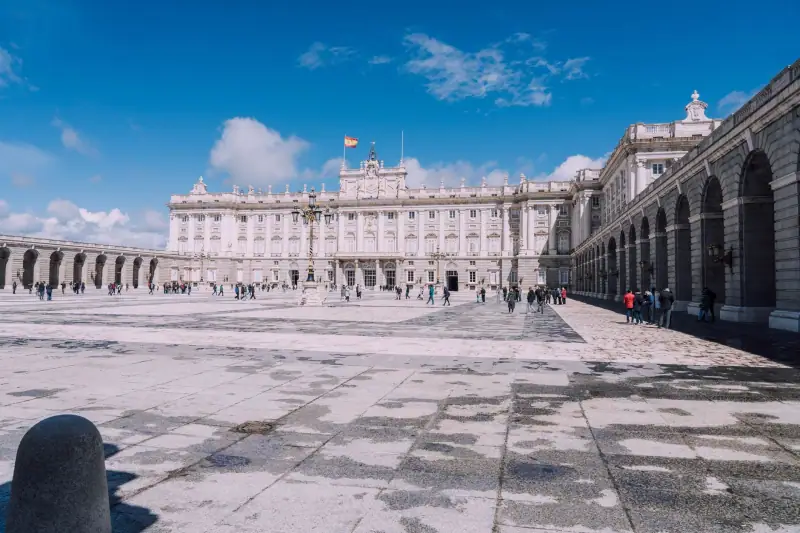
What to see in Madrid and Castile: 10 stops between the capital and the art cities
What to see in Madrid and Castile? Prado, Toledo, Segovia, Ávila, Salamanca, Burgos: our selection of stops and tips to plan your trip.
Ready-made
Spain itineraries

2 days
Valencia in 2 days: an itinerary through the old town, the Turia and the beach
What to do in Valencia in 2 days? Historic center, market, City of Arts and Sciences, Turia Gardens, paella and beach: our day-by-day itinerary.
7 days
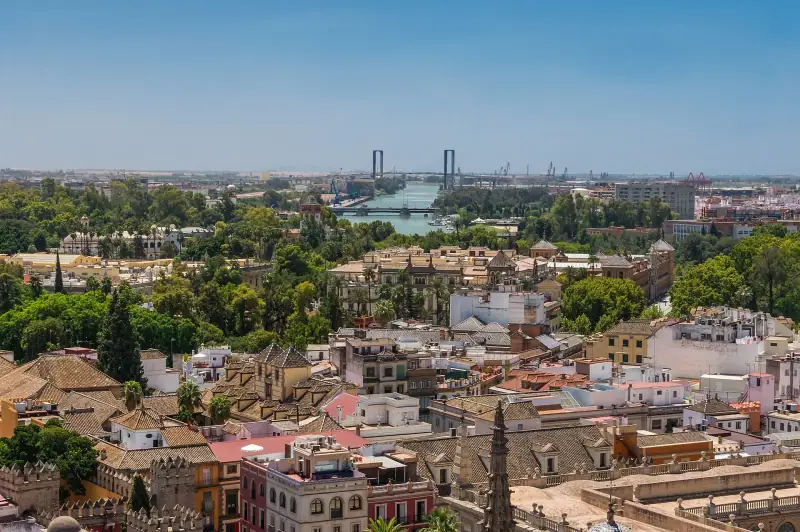
Andalusia in 7 days: Seville, Córdoba, Granada and Málaga
A 7-day Andalusia route: Seville, Córdoba, Granada and Málaga, with travel times, a day-by-day pace, useful reservations and pitfalls to avoid.
3 days
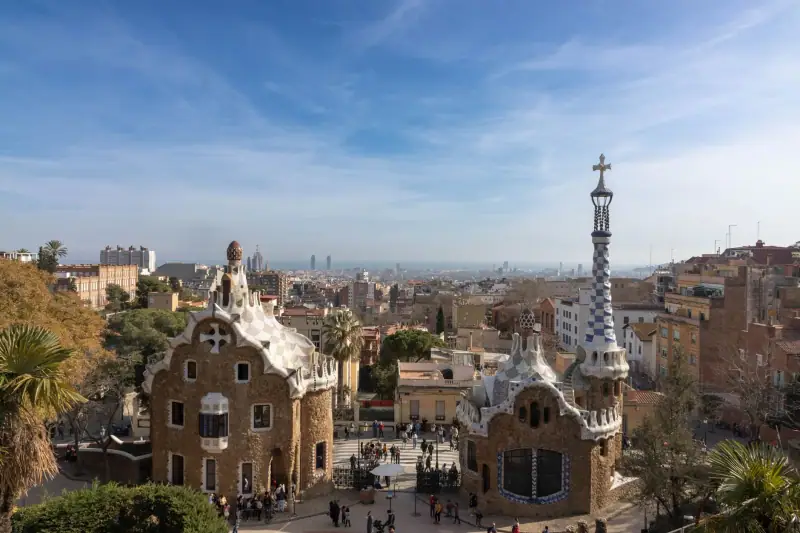
Barcelona in 3 days: a day-by-day itinerary for a first stay
Sagrada Família, Park Güell, Barri Gòtic, Montjuïc and Barceloneta: a 3-day Barcelona itinerary with the best order of visits, transport and tips.