Plan your trip
When to go to Spain: climate, seasons and festivals by region

We may earn a commission when you book through links on this page, at no extra cost to you. We don't visit or try the places we cover: we summarize published sources. How we work
In short
- Spring (April to June) and early fall (September to October) are the most balanced seasons for most itineraries; if you have only one window, aim for May or September.
- Madrid, Seville and Córdoba regularly exceed 35 °C (95 °F) in July and August and can reach 40 °C (104 °F); northern Spain stays much milder.
- Holy Week, the Seville Feria, the Fallas in Valencia and San Fermín (July 6 to 14) fill accommodation and raise prices: book very early.
- Winter, outside Christmas and ski resorts, is generally the cheapest period for flights and city hotels.
Spain is a big country with very different climates: a traveler visiting Seville in August and another touring Asturias the same month do not have the same trip at all. Choosing your period therefore starts with choosing your region. This guide reviews the main climate zones, the seasons and the festivals that can steer (or complicate) your calendar.
In short, spring and early fall suit most itineraries. Summer remains ideal for the coast and the north, but you should avoid scheduling daytime city visits in the south and the center.
Madrid and the center: scorching summers, cool winters
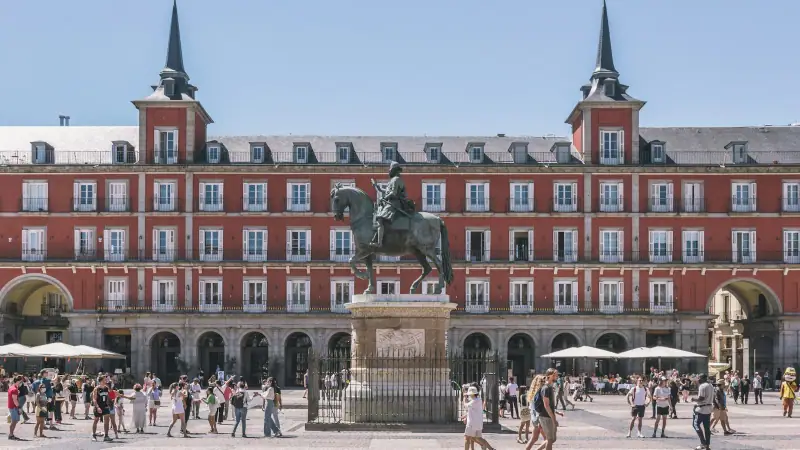
Madrid sits on a high plateau, which gives a continental climate: very hot and dry summers, cool winters, with mornings that are sometimes cold. In July and August, afternoons often exceed 30 to 35 °C (86 to 95 °F), and evenings stay mild, which explains the late nightlife.
To visit museums, parks and historic neighborhoods without suffering, the best months are April, May, June, September and October. In winter, the city is perfectly pleasant for museums and food: just pack a warm jacket. The same reasoning applies to the neighboring historic cities such as Toledo or Segovia, often visited as day trips.
Where to stay in Madrid
Compare hotels in the center for your dates: prices vary a lot between high and low season.
Seville, Córdoba and Granada: Andalusia outside the summer heat
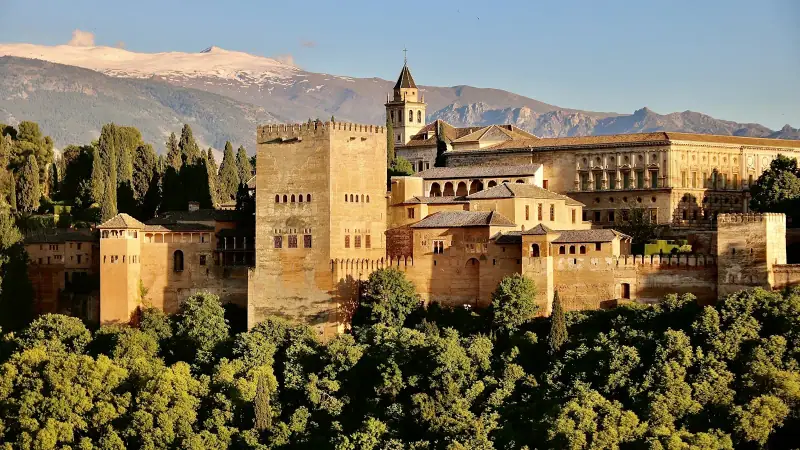
Inland Andalusia is among the hottest regions in Europe in summer. In Seville and Córdoba, July and August temperatures regularly exceed 35 °C (95 °F), with peaks around 40 °C (104 °F). Monuments in full sun, such as the Alcázar or the mosque-cathedral, are better visited early in the morning or at the end of the day.
Spring is the best season: orange trees in bloom, mild temperatures, pleasant café terraces. October and November are also good choices, with fewer people. Granada, higher in altitude, stays a bit cooler than Seville, and nights there are much cooler in winter; the nearby Sierra Nevada also hosts a ski resort.
Holy Week and spring festivals in Andalusia
Holy Week (Semana Santa), with its processions, attracts huge numbers of visitors to Seville and across Andalusia. In 2027, Easter falls on March 28, so Holy Week takes place in the days before. Seville’s Feria de Abril takes place some time after Easter, in April or early May depending on the year. These events are superb, but they raise prices and saturate accommodation: book early, or choose another period if you are looking for peace and quiet.
Barcelona and Catalonia: a mild coast almost all year

Barcelona enjoys a Mediterranean climate: hot and humid summers, mild winters, pleasant springs and falls. Swimming is generally possible from June to September. In high season, the city is very busy, notably around the best-known sites; spring and September offer a better compromise between weather and crowds.
The Costa Brava, north of the city, follows the same calendar: the coves are at their best in June and September, when the sun is out but the beaches are less packed than in August. Off-season, some restaurants and accommodation in small coastal resorts close or reduce their hours.
Valencia and the Mediterranean coast: sun and Fallas
Valencia enjoys a mild, sunny climate, with hot summers and temperate winters, which makes it a possible destination even in low season. It is also a city of big festivals: the Fallas, in March, turn the streets into an immense festival of monumental sculptures, firecrackers and fireworks, with a climax around March 19. If you like the atmosphere, it is a unique moment; if you prefer calm, avoid that week, as the city is lively day and night.
Farther south, the Costa Blanca and the Costa del Sol offer mild winters, which attracts long-stay visitors. The water, however, is too cool to swim comfortably before late spring.
Tours and excursions in Spain
Skip-the-line tickets, guided tours and day excursions, to be booked according to the season.
San Sebastián and the Spanish Basque Country: an oceanic climate
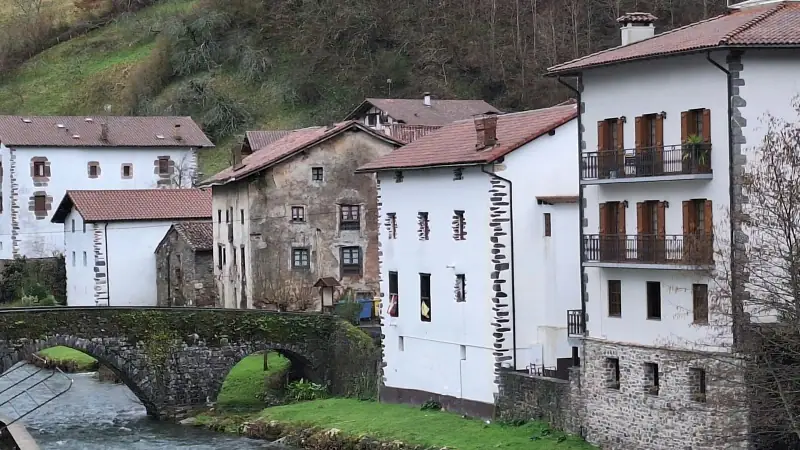
Here, the register changes completely. The north of Spain, from San Sebastián to Asturias and Galicia, has an oceanic climate: green landscapes, moderate summer temperatures and possible rain in every season. That explains the nickname “Green Spain.” Summer there is pleasant and much less stifling than in the south, which makes it a very good option in July and August.
The Atlantic water stays cool even in midsummer. Always pack a light windbreaker, whatever the season. San Sebastián is renowned for its gastronomy, and for its international film festival, held in September, and its summer festivals, which can raise accommodation prices. On the Basque side, only the Spanish slope is covered here.
Pamplona and the summer festivals: San Fermín and other events
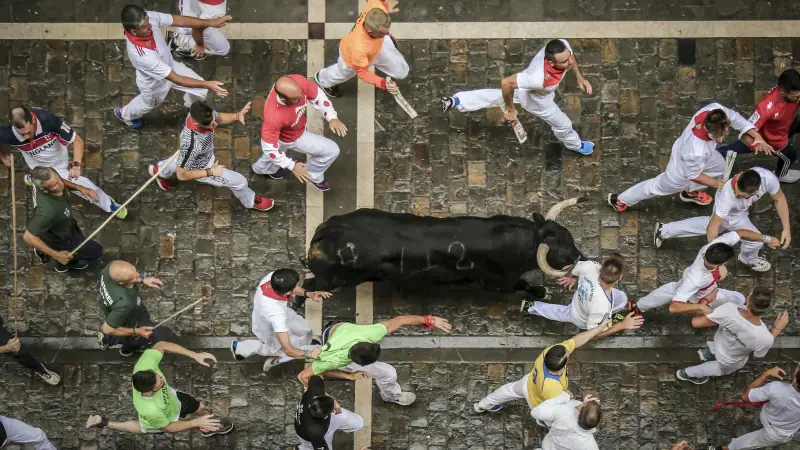
The Spanish summer is punctuated by big festivals. The San Fermín festival in Pamplona, famous for its bull runs through the streets, takes place every year from July 6 to 14. The city is then overrun and it is hard to find a bed without booking very far ahead. In Buñol, near Valencia, the Tomatina takes place on the last Wednesday of August.
These events are worth the trip for those who like a popular atmosphere, but they do not suit everyone: crowds, noise, high prices. If you prefer a quiet visit, check the calendar before fixing your dates.
Season by season: what to choose?
Spring (March to May)
This is the best compromise for a circuit combining cities and landscapes. The heat is bearable everywhere, days grow longer, and Andalusia is at its peak. Spring festivals, on the other hand, push rates up.
Summer (June to August)
Ideal for the beach, the Mediterranean coasts and the north of Spain. To be avoided for long urban visits in Seville, Córdoba or Madrid. Prices and crowds are at their maximum, notably in August, the month when many Spaniards take their vacations.
Fall (September to November)
September and October often offer a sea that is still pleasant on the Mediterranean coast, milder heat and fewer people. It is an excellent period for circuits, including in Andalusia. Rains are more frequent in the north from fall.
Winter (December to February)
The cities of the south are mild, those of the center cooler. It is the season for bargains on flights and hotels outside school holidays, and for winter sports in mountains like the Sierra Nevada. In return, days are shorter and some beach businesses are closed.
When to go to Spain: month by month
Hesitating between two dates? Here is a quick guide, to be refined by region (the figures are orders of magnitude, weather varies from year to year).
| Month | What to know | For whom |
|---|---|---|
| January – February | Mild in the south and on the coast, cool in the center, snow in the mountains | Cheap city trips, skiing in the Sierra Nevada |
| March – April | Orange trees in bloom, Fallas in Valencia, Holy Week depending on the year | Andalusia circuits, festivals |
| May – June | Pleasant warmth, long days, first swims in the Mediterranean | The best compromise for most travelers |
| July – August | Very hot in the center and south, beaches and the north at their best, prices at maximum | Beach, Green Spain, families on school vacation |
| September – October | Sea still good, fewer people, milder heat | Circuits, late beach, hiking |
| November – December | Cooler, short days, possible rain in the north, Christmas atmosphere in the cities | Museums, food, small budgets |
When to go to Spain depending on your plan
For a first multi-city trip: May or September. You avoid the peak heat of the center and south without giving up long days. Our 7-day Andalusia itinerary works particularly well on these dates.
For the beach: June to September on the Mediterranean coast. June and September are calmer than August, with a sea already or still pleasant. On the northern Atlantic coast, the water stays cool even in summer: think of Green Spain instead as a destination for walks and food, detailed in our guide to northern Spain.
For a small budget: winter (outside Christmas) and the months before and after high season, April-May outside festivals or October-November. To put figures on your trip, see our budget for Spain.
To avoid crowds: avoid Holy Week, the Seville Feria, the Fallas, San Fermín and August on the coast. If these festivals appeal to you, book accommodation very far ahead.
In two sentences: if you can pick only one period for Spain, choose May or September. If you go in summer, head for the coast or the north, and keep the south and the center for another season.
Renting a car depending on the season
To combine cities, villages and coasts, a car is handy, but summer sharply raises its price and demand. Book ahead for July and August. In big cities, access to the center is sometimes restricted and parking is expensive: a train or bus is better for linking cities like Madrid, Seville or Barcelona.
Practical tips for choosing your period
If you have only one window, aim for May or September. If you travel with young children or people sensitive to heat, favor the north or the Mediterranean coast in summer. For an Andalusia circuit, March-May or October-November are preferable.
Adapt your hours too: in Spain, lunch is late, dinner even later, and many small shops close in the middle of the day in hot regions. Finally, consider travel insurance to cover cancellation and medical costs, and compare plans before you leave.
Where to stay in Spain
Check availability for your dates, especially during festivals and summer vacations.
Frequently asked questions
What is the best time to visit Spain?
Spring (April to June) and early fall (September to October) are the most balanced: pleasant temperatures almost everywhere, long days and more reasonable crowds than in high summer.
Is it too hot in Spain in August?
In the interior and the south (Madrid, Seville, Córdoba), temperatures regularly exceed 35 °C (95 °F) and can reach 40 °C (104 °F). Daytime sightseeing becomes tiring. Northern Spain and the Atlantic coast stay much milder.
When to go to Andalusia to avoid the summer heat?
Aim for March to May or October to November. Spring is the most pleasant period, but also the time of Seville's big festivals, so accommodation is pricier and fills up fast.
Can you swim in spring or fall?
On the Mediterranean coast, swimming is generally pleasant from June to September, sometimes until October. In spring the water is still cool. On the northern Atlantic coast, the water is cool even in summer.
What is the cheapest period?
Winter, outside the Christmas holidays and ski resorts, is generally when flights and city accommodation are cheapest. Beach areas are also calmer, but some businesses close.
Do you need to book for Holy Week?
Yes, very far ahead. Holy Week is a period of heavy crowds, notably in Andalusia, and accommodation in big cities fills up months in advance.
When to go to Spain for good weather without too much heat?
May, June and September are the safest months: it is nice and warm, without the summer peaks in the center and the south. In October, the south stays mild, but the north gets rainier.
When to go to Spain in winter to find sun?
The south and the Mediterranean coast (Andalusia, Costa del Sol, Costa Blanca) are the mildest in winter. The center is cooler, the north wetter, and the mountains snowy.
More Spain guides
Keep reading
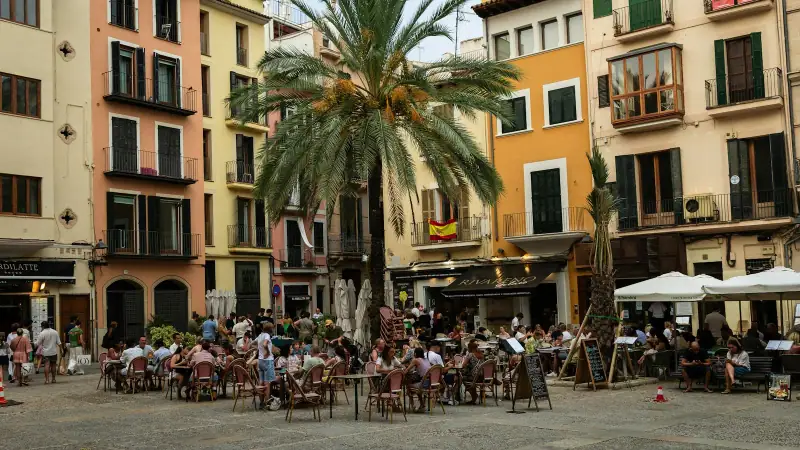
Budget for a trip to Spain: real costs and 3 profiles with figures
How much does a trip to Spain cost? Lodging, transport, meals, visits: three daily budgets with figures (tight, comfort, upscale) and saving tips.
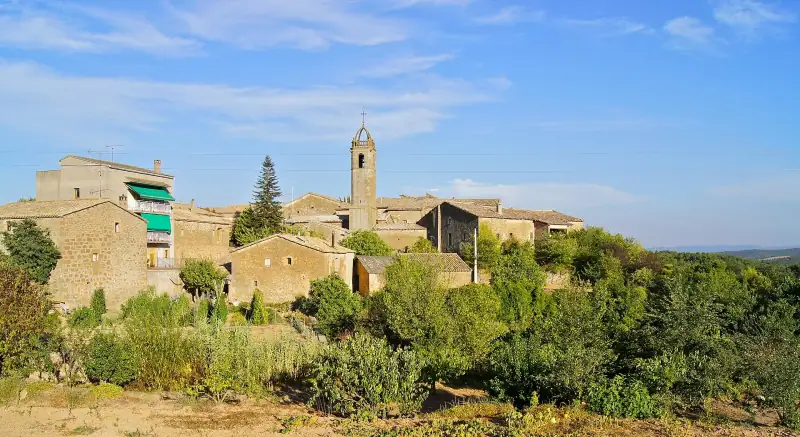
What to see in Catalonia: the region's 12 must-sees
What to see in Catalonia? Barcelona, Girona, Costa Brava, Figueres, Montserrat, Tarragona, Pyrenees: our selection to plan a stay in the region.

Skiing in Spain: Sierra Nevada, Baqueira-Beret and the Spanish Pyrenees resorts
Skiing in Spain: Sierra Nevada, Baqueira-Beret, Formigal, Masella. 2026-2027 dates, access, lift passes, accommodation and tips to choose your resort.
Ready-made
Spain itineraries

2 days
Valencia in 2 days: an itinerary through the old town, the Turia and the beach
What to do in Valencia in 2 days? Historic center, market, City of Arts and Sciences, Turia Gardens, paella and beach: our day-by-day itinerary.

7 days
Andalusia in 7 days: Seville, Córdoba, Granada and Málaga
A 7-day Andalusia route: Seville, Córdoba, Granada and Málaga, with travel times, a day-by-day pace, useful reservations and pitfalls to avoid.
3 days
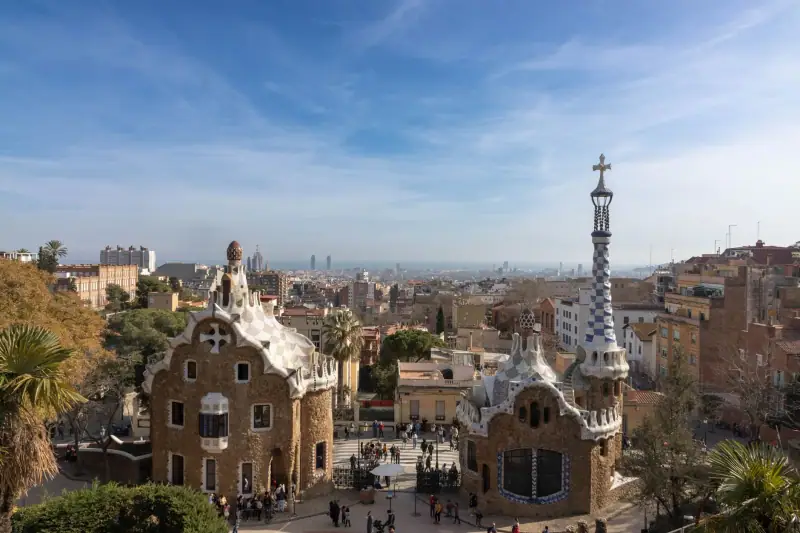
Barcelona in 3 days: a day-by-day itinerary for a first stay
Sagrada Família, Park Güell, Barri Gòtic, Montjuïc and Barceloneta: a 3-day Barcelona itinerary with the best order of visits, transport and tips.