Where to stay
Where to stay in Madrid: neighborhoods and types of accommodation
We may earn a commission when you book through links on this page, at no extra cost to you. We don't visit or try the places we cover: we summarize published sources. How we work
In short
- Madrid's center is compact: the Royal Palace, Puerta del Sol, Prado and Retiro are linked on foot in 15 to 30 minutes, and the metro does the rest.
- For a first stay of 2 to 3 nights, Sol, Austrias and Huertas is the most convenient area, but also the busiest and generally the priciest.
- Lavapiés, parts of Malasaña and the area around Atocha are often cheaper; Salamanca is elegant and quiet, with higher prices.
- Dinners rarely start before 9 pm and busy streets calm down only after midnight: ask for a courtyard room if you are a light sleeper.
Madrid is a vast capital, but its center is surprisingly compact: the Royal Palace, the Puerta del Sol, the Prado Museum and Retiro Park are linked on foot in 15 to 30 minutes. The very dense metro does the rest. The result: you can stay in almost any central neighborhood without feeling far from everything. What really changes from one neighborhood to the next is the atmosphere, the noise level, the style of accommodation and the final bill.
Madrileños live late: dinners rarely start before 9 pm and the busiest streets only calm down after midnight, especially on weekends. This rhythm directly affects your choice of room. Here is an overview of the main neighborhoods, the types of accommodation and our tips for booking. To plan your stay once you have chosen a neighborhood, see our 3-day Madrid itinerary.
Sol, Austrias and Plaza Mayor: monumental Madrid
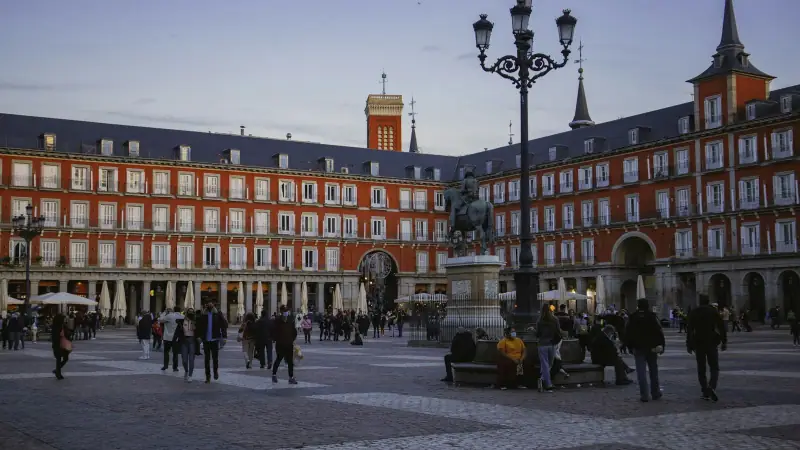
The area around the Puerta del Sol, the Plaza Mayor and the Madrid of the Habsburgs (the Austrias) is the historic heart of the capital. You sleep a few minutes’ walk from the Royal Palace, the Almudena Cathedral, the Plaza Mayor and the San Miguel market. The Puerta del Sol is also a major hub for the metro and commuter trains, which makes day trips easier.
The advantage is obvious for a short first stay: everything is done on foot, including the walk back to the hotel after dinner. The drawback is just as obvious. The pedestrian streets around the Puerta del Sol are very busy until late, the restaurants right around the Plaza Mayor mainly target passing visitors, and room prices there are generally among the highest in the city. Pickpockets also take advantage of the crowds: stay alert in dense areas.
Practical tip: if you are a light sleeper, ask for a courtyard room or a high floor, and read recent reviews about noise before booking. Many old buildings have double glazing, but not all do.
Where to stay in Madrid
Compare hotels and apartments in the historic center for your dates.
Huertas and the Barrio de las Letras: art and terraces
Southeast of the Puerta del Sol, the Barrio de las Letras takes its name from the Golden Age writers who lived there, including Cervantes and Lope de Vega. This district of narrow lanes is now full of tapas bars, terraces and small theaters. It is right next to the Paseo del Prado, where the Prado Museum, the Reina Sofía and the Thyssen-Bornemisza are concentrated: the famous “triangle of art.”
For museum lovers, it is probably the best compromise: you sleep 10 minutes’ walk from the Puerta del Sol and 10 to 15 minutes from the major museums. The nightlife is real, particularly around Calle Huertas on weekends, but the side lanes are often quieter. You will mostly find small hotels, renovated guesthouses and apartments.
La Latina and Lavapiés: tapas, markets and a local atmosphere
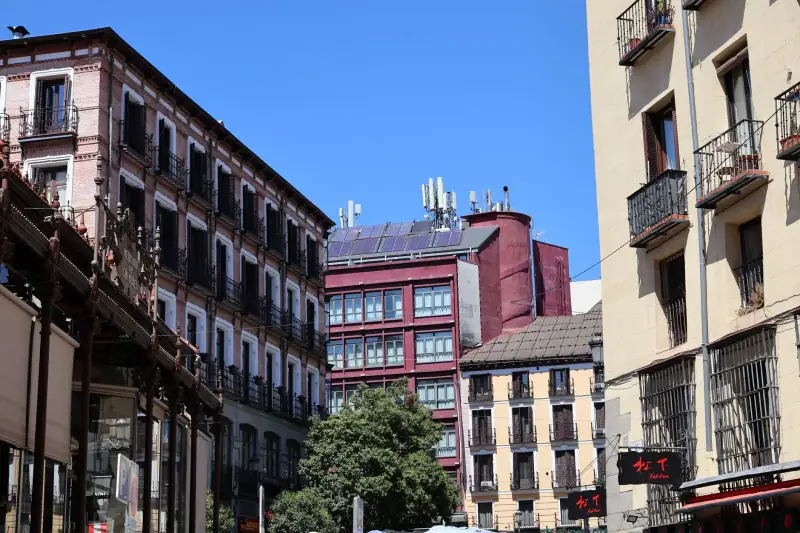
South of the Plaza Mayor, La Latina is a district of sloping lanes, known for its tapas bars, particularly along Calle Cava Baja, and for its Sunday bustle, when the El Rastro flea market sets up in the neighboring streets. The atmosphere is friendly and very Madrid. Accommodation is scarcer, smaller and often full of character.
Right next door, Lavapiés is the capital’s most cosmopolitan neighborhood: restaurants from around the world, galleries, theaters, cultural centers and lively squares. Rents there have long been more moderate than in the monumental center, and rooms are often more affordable, hence the appeal for budget travelers. The neighborhood is lively, sometimes noisy, and its raw atmosphere does not appeal to everyone. In the evening, prefer busy streets for the walk back and keep the same caution as in any big city.
Both neighborhoods suit a stay of three nights or more well, when you want to eat, go out and stroll like the locals rather than sleep in a setting made for visitors.
Malasaña and Chueca: fashion, bars and nightlife
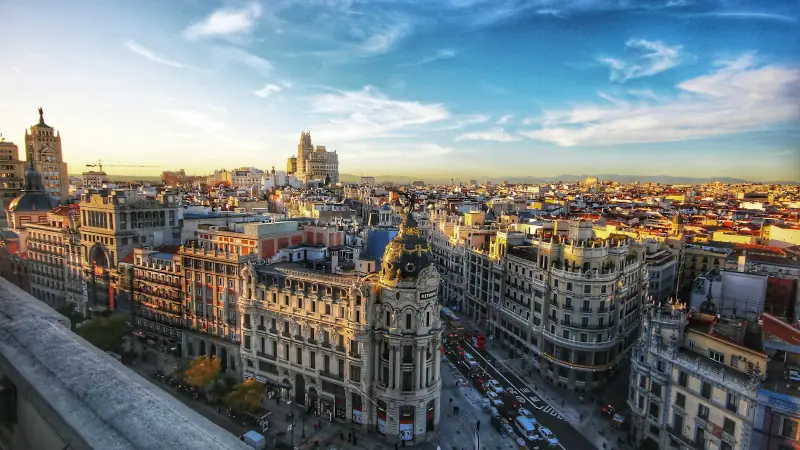
North of the Gran Vía, Malasaña and Chueca form young, creative Madrid. Malasaña is the neighborhood of secondhand shops, roaster cafés, record stores and alternative bars, around the Plaza del Dos de Mayo. Neighboring Chueca is the historic LGBTQ+ neighborhood of Madrid, very welcoming, with many restaurants, shops and terraces around the Plaza de Chueca.
These two neighborhoods are ideal if you are looking for atmosphere: you eat well, go out late and find a variety of places for every budget. They are also well served by the metro. In return, nightlife is intense from Thursday to Saturday: it is better to ask for a room away from the main street, or even to consider earplugs. In these neighborhoods you will find a good range of design hotels, hostels and apartments.
To compare with another big Spanish city, our guide on where to stay in Seville covers the same neighborhood-by-neighborhood logic.
Salamanca: elegance, shops and residential calm
East of the Paseo de la Castellana and north of Retiro Park, the Salamanca district is Madrid’s most upscale neighborhood. Wide avenues, Haussmann-style facades, luxury boutiques on Calle Serrano, refined restaurants and art galleries: the atmosphere is elegant and calm, especially in the evening. It is an excellent choice for a comfortable stay, a business trip or a romantic getaway.
The historic center is reachable by metro or on foot in 25 to 40 minutes depending on the spot, and Retiro Park is very close. Here you find more classic upper-category hotels and few hostels. Room prices are generally higher than in other neighborhoods, but nighttime quiet is a real asset if noise bothers you.
Retiro, Atocha and the Paseo del Prado: calm and museum access
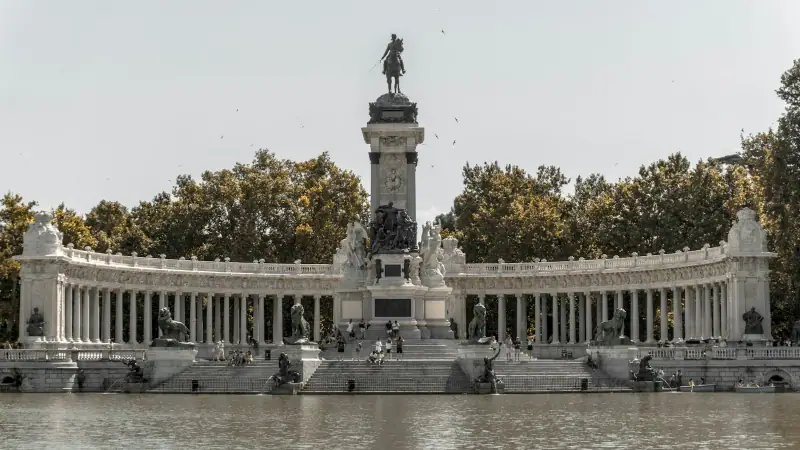
Around Retiro Park and Atocha station, the area is calm, green and very well located for museums. Atocha station handles the high-speed trains to Andalusia, Barcelona and Valencia: sleeping nearby makes early departures with luggage much easier. The Botanical Garden and the Retiro offer pleasant walks away from the crowds.
This area is less lively in the evening than Sol or Malasaña: restaurants are scarcer and more traditional. On the other hand, it suits families, travelers linking several cities by train, and those who prefer a quiet place with direct access to the metro and the Cercanías commuter trains.
Chamberí and Moncloa: residential authenticity
North of the center, Chamberí is a bourgeois, lively residential district, known for its markets, its tapas bars frequented by locals and its pleasant squares. Less touristy, it suits a stay of a few nights well: you often eat better and for less than in the center, and the metro reaches the Puerta del Sol or the Gran Vía in about ten minutes.
Farther west, Moncloa, near the Parque del Oeste and the Egyptian Temple of Debod, is a lively university district, well connected and more affordable. It has mid-range hotels and apartments. These areas are particularly suited to long stays, families and travelers who want to live like a local.
Tours and activities in Madrid
Museums, guided tours, tapas tours and excursions from Madrid.
Which type of accommodation to choose in Madrid?
Beyond the neighborhood, the type of accommodation clearly changes the experience. Here are the main options.
Hotels: comfort and simplicity
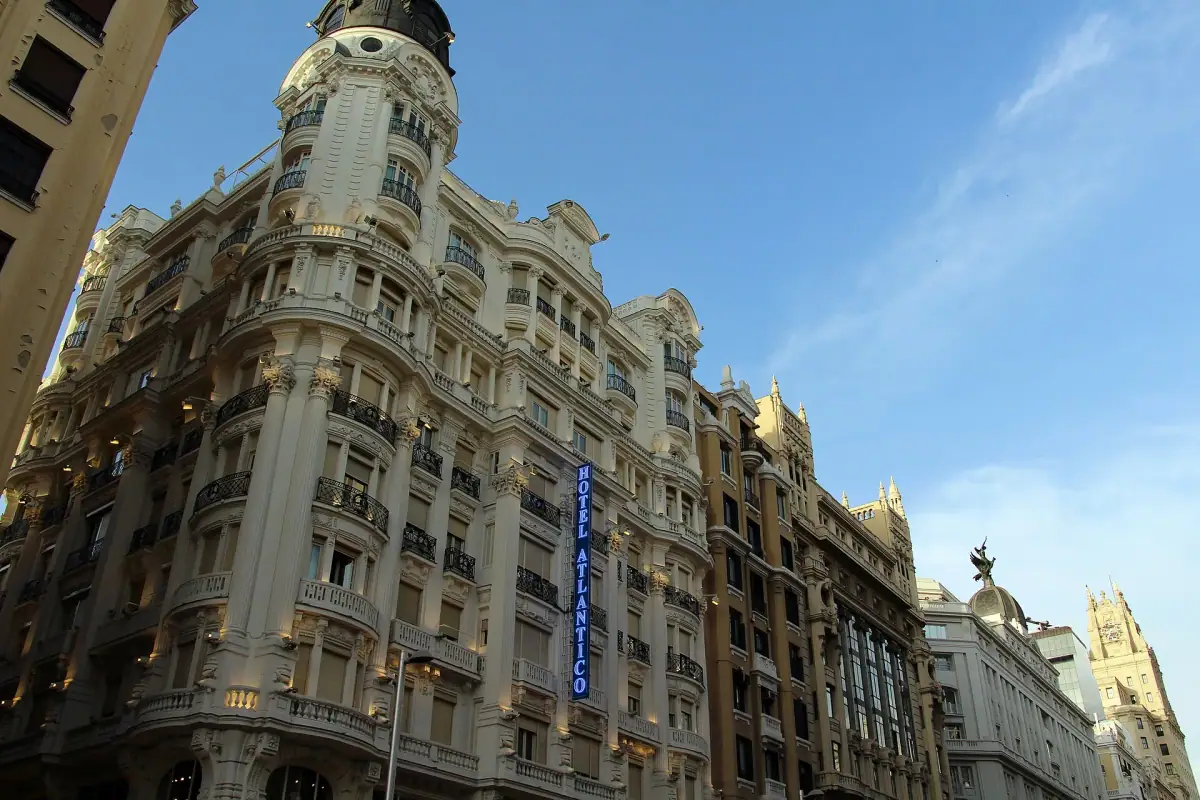
Madrid has a very varied hotel offer, from grand historic hotels near the Paseo del Prado to chain properties around the Gran Vía, plus small boutique hotels. It is the simplest option: front desk, daily housekeeping, often breakfast as an option. Many hotels in the center occupy old buildings: rooms can be compact but well located. Check for an elevator and air conditioning, two often decisive criteria.
Hostales and guesthouses: the Spanish-style budget option
In Spain, a “hostal” is not a youth hostel: it is a small guesthouse-type establishment, often set a few floors up in a building, with simple private rooms, sometimes with a shared bathroom. It is generally the cheapest option for having a room of your own in the center. Comfort is basic but often enough for those who spend their days out. Read the reviews on cleanliness and noise carefully.
Hostels: for solo travelers or groups
Madrid has many hostels, particularly around Sol, Lavapiés and Malasaña. They offer dorms and often private rooms, plus friendly common areas and organized activities. It is a good way to cut your budget and meet people. Check for individual lockers and the rules on nighttime quiet.
Apartments: space and a kitchen
Renting an apartment suits families, groups of friends and stays of more than three nights: you gain space, a kitchen and sometimes a balcony. To make the most of the covered markets, it is a very good option. Check that the host is properly registered and that arrival conditions are clear, especially if you check in on your own with a key box. Street noise is the most common flaw in lively neighborhoods.
Boutique and charm hotels
For a romantic getaway, Madrid offers charming hotels in former palaces or mansions, particularly in Salamanca, the Austrias and the Barrio de las Letras. Book well ahead for weekends and major events, and compare cancellation policies.
Which neighborhood to choose for your profile?
- First stay, 2 to 3 nights: Sol, Austrias and Huertas, to do everything on foot.
- Art and museum lovers: Huertas, Retiro or Atocha.
- Food and local atmosphere: La Latina, Chamberí.
- Nightlife and shops: Malasaña and Chueca.
- Small budget: Lavapiés, Moncloa, or the area around Atocha.
- Comfort, calm and elegance: Salamanca.
- High-speed train departures: Atocha (or Chamartín, for trains leaving from the north of the city).
Tips for booking well in Madrid
The season matters a lot. Spring and fall are the most pleasant for sightseeing and also the most in demand; book early. In summer, days are very hot: air conditioning is not a luxury, and accommodation near a park or a metro station makes breaks easier. See our guide to when to go to Spain to choose your dates, and our article on the budget for Spain to estimate your overall budget.
A few simple habits:
- Read the reviews of recent months, especially on noise, cleanliness and air conditioning.
- Check the real distance to the nearest metro station, rather than the “as the crow flies” distance from the center.
- If you arrive late, make sure the front desk stays open or that self check-in is clearly explained.
- Compare cancellation conditions: they vary a lot from one property to another.
- Keep valuables in the safe and leave nothing visible on a café table.
For transport from the airport, check the official websites of the Madrid metro and of Adolfo Suárez Madrid-Barajas Airport before you go: lines, fares and hours can change.
Accommodation in Madrid
Hotels, hostales and apartments: filter by neighborhood, budget and free cancellation.
And to combine Madrid with other stops?
Madrid is an excellent starting point for exploring Castile: Toledo and Segovia are generally visited as day trips by train or bus, which lets you keep the same accommodation in Madrid. To continue to Andalusia, high-speed trains link Madrid to Seville, Córdoba or Granada (possibly with a connection): sleeping near Atocha then makes departures very simple. If you continue south, our article on Seville and our complete guide to Spain will help you build the rest of the trip.
Frequently asked questions
What is the best neighborhood to stay in on a first visit to Madrid?
The Sol, Austrias and Huertas area is the most convenient: the Royal Palace, Plaza Mayor, Puerta del Sol and the Prado are all within walking distance. The downside is a very touristy setting, noise and generally higher prices.
Where to stay in Madrid on a small budget?
Lavapiés, some parts of Malasaña or the neighborhoods around Atocha often have gentler rates than the very center, with the metro nearby. Hostels and guesthouses are the cheapest options.
Is it dangerous to stay in Madrid?
Madrid is generally considered a safe big city, but pickpockets are active in very busy areas (Sol, Plaza Mayor, the metro, El Rastro). Keep your belongings close and use the safe in your accommodation.
Do you need to rent a car to stay in Madrid?
No. The center is explored on foot and by metro, and parking there is complicated and regulated. If you arrive by car, choose accommodation with parking or leave the car in a public garage on the edge of the center.
When should you book accommodation in Madrid?
As early as possible for spring, fall, long weekends and major events. In summer, the heat lowers attendance: air conditioning then becomes an essential criterion.
How do you get to the center from Madrid-Barajas Airport?
The metro, an express bus to the center and taxis serve the airport. Check the Madrid metro website and the airport's website for current lines, fares and hours before you leave.
More Spain guides
Keep reading
Where to stay in Málaga: neighborhoods and types of accommodation
Historic center, Soho, La Malagueta, Pedregalejo or Perchel: compare Málaga's neighborhoods and types of accommodation to choose where to stay.
Where to stay in Córdoba: neighborhoods and types of accommodation
Judería, San Basilio, Santa Marina, Centro or near the station: compare Córdoba's neighborhoods and types of accommodation to choose where to stay.
Where to stay in Barcelona: neighborhoods and types of accommodation
Barri Gòtic, El Born, Eixample, Gràcia, Barceloneta: compare Barcelona's neighborhoods and types of accommodation to choose where to stay for your budget.
Ready-made
Spain itineraries
2 days
Valencia in 2 days: an itinerary through the old town, the Turia and the beach
What to do in Valencia in 2 days? Historic center, market, City of Arts and Sciences, Turia Gardens, paella and beach: our day-by-day itinerary.
7 days
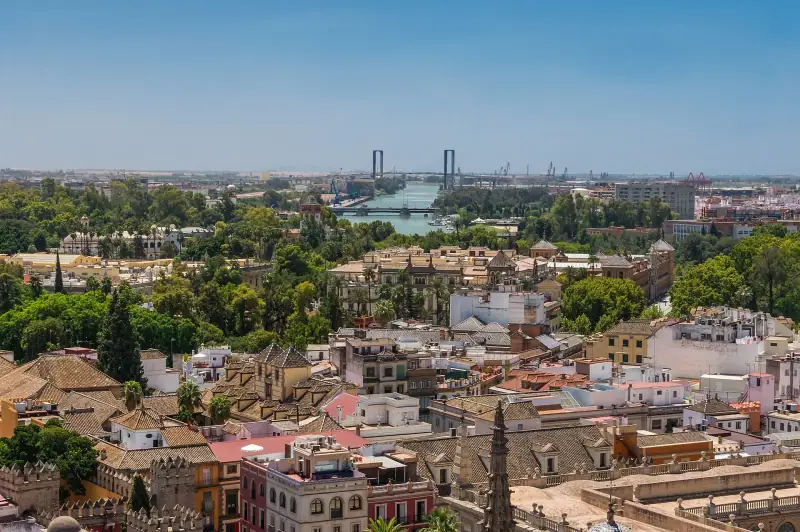
Andalusia in 7 days: Seville, Córdoba, Granada and Málaga
A 7-day Andalusia route: Seville, Córdoba, Granada and Málaga, with travel times, a day-by-day pace, useful reservations and pitfalls to avoid.
3 days
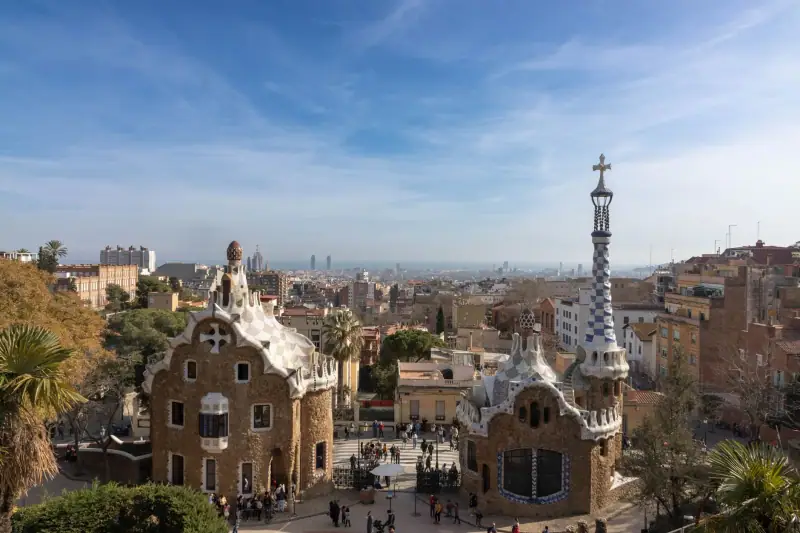
Barcelona in 3 days: a day-by-day itinerary for a first stay
Sagrada Família, Park Güell, Barri Gòtic, Montjuïc and Barceloneta: a 3-day Barcelona itinerary with the best order of visits, transport and tips.