What to see
What to see in Catalonia: the region's 12 must-sees
We may earn a commission when you book through links on this page, at no extra cost to you. We don't visit or try the places we cover: we summarize published sources. How we work
In short
- Barcelona is the natural entry point; a week combines Barcelona (3 days), a Montserrat excursion, then Girona, Figueres and a few Costa Brava coves.
- Barcelona, Girona, Figueres, Tarragona and Sitges are linked by train; a car helps for Costa Brava coves, inland villages and the Pyrenees.
- Montserrat is about 50 km (31 mi) from Barcelona, Girona about 100 km (62 mi) northeast, Tarragona about 100 km (62 mi) south.
- Spring and early fall balance pleasant temperatures and reasonable crowds; summer suits beaches but the coast is very busy.
Catalonia takes up only a few lines on the map, but it packs a rare variety: a cosmopolitan capital, medieval towns, listed Roman remains, Costa Brava coves, a monastery clinging to a serrated mountain, natural parks and the peaks of the Pyrenees. This region in the northeast of Spain is easy to travel, because distances are short and contrasts strong from one day to the next. This guide presents twelve places not to miss, grouped by area, with concrete tips to build your stay. If Barcelona is your entry point, also see our 3-day Barcelona itinerary.
Barcelona, the essential gateway
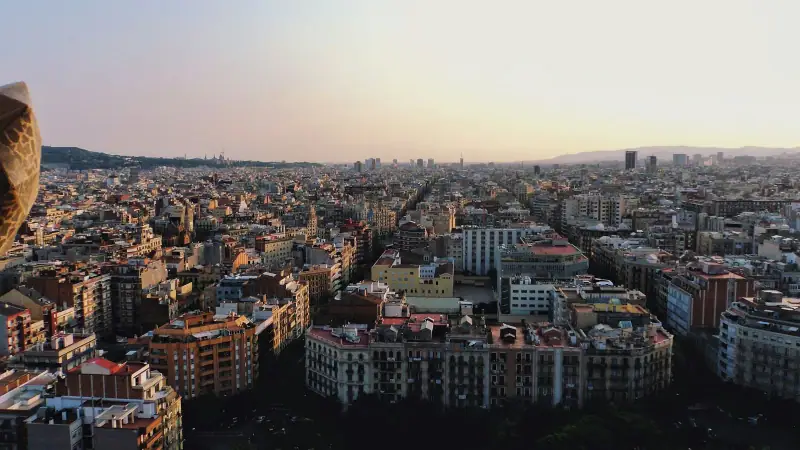
Barcelona is the natural starting point of almost every stay in Catalonia. Its international airport and its station make it the ideal base, and the city deserves several days on its own. Its identity comes from a mix of Modernista architecture, medieval neighborhoods, urban beaches and lively gastronomy.
The Gothic Quarter and the Born form the old heart: narrow lanes, discreet squares, the cathedral, craft shops and tapas bars. The Eixample, the big 19th-century district built on a grid plan, holds the most famous Modernista facades. Along the sea, Barceloneta and the developed beaches offer a swimming break between visits, from late spring to early fall.
To understand the city, it is better to give it at least three days. We detail this program in our 3-day Barcelona itinerary, and our guide on where to stay in Barcelona helps you choose the right neighborhood.
The Sagrada Família and Gaudí’s work
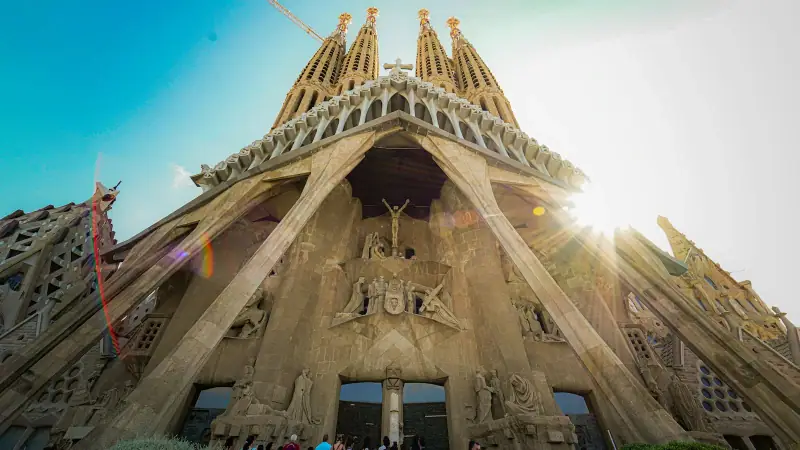
It is impossible to speak of Catalonia without mentioning Antoni Gaudí, the architect who marked Barcelona with his organic style. The Sagrada Família, a basilica begun in 1882 and still under construction, is his best-known work. Its carved facades and its interior, designed as a forest of columns, leave few visitors indifferent. Book your tickets online ahead: crowds are heavy almost all year.
Park Güell, Casa Batlló and Casa Milà, also called La Pedrera, complete the discovery of Gaudí. You do not need to see everything: choose one or two sites according to your taste and budget, and leave time to stroll the surrounding streets. Several of these monuments are UNESCO World Heritage listed, which gives an idea of their importance. To prepare for these expenses, see our guide to the budget for Spain.
Where to stay in Catalonia
Barcelona, Girona or a Costa Brava village: compare accommodation for your dates and budget, booking early for summer.
Montserrat, the monastery at the foot of the serrated mountains
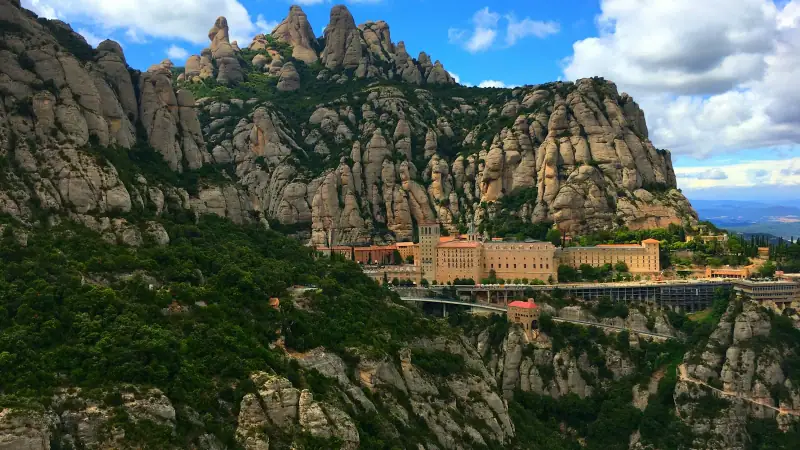
About 50 km (31 mi) from Barcelona, the Montserrat massif raises its rounded rock forms, which earned it the name “serrated mountain.” The Benedictine monastery set on the cliff side houses the Virgin of Montserrat, nicknamed La Moreneta, venerated for centuries and very important to Catalans. The basilica can be visited, and the famous boys’ choir school, the Escolania, performs at certain times: check the days on the official website before coming.
You reach the site by train from Barcelona, then by rack railway or cable car, or by car. Beyond the monastery, trails cross the mountain and offer wide panoramas over the Catalan plain. Even if you are not a hiker, a short walk lets you taste the calm of the place. Plan on suitable shoes and a light jacket, as it is often cooler at altitude. This excursion easily takes half a day, or even a full day if you walk.
Girona, the medieval city of colorful houses
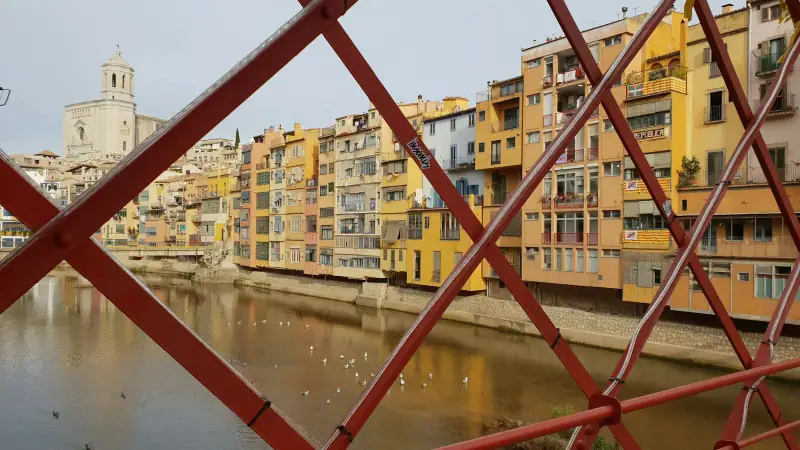
About a hundred kilometers (62 mi) northeast of Barcelona, Girona charms with its perfectly preserved old center. The colorful houses lining the Onyar river, the ramparts, the cathedral crowning a grand staircase and the lanes of the Jewish quarter, the Call, make this city one of the most pleasant in Catalonia. It is visited on foot and is an ideal stop between Barcelona and the Costa Brava.
The walk on the ramparts offers fine views over the city and the surroundings. The fast train gets you to Girona from Barcelona in under an hour, which makes a day trip very simple. But the city deserves a night there, to enjoy dusk on the river and its restaurants. It is also an excellent base for fanning out to the coast, Figueres and Besalú.
Tours and excursions in Catalonia
Skip-the-line entries, guided tours, excursions to Montserrat or Girona: compare offers and book ahead.
Figueres and the Dalí Theatre-Museum
Figueres, about forty kilometers (25 mi) north of Girona, is the birthplace of Salvador Dalí. The Dalí Theatre-Museum, set in a former municipal theater, is the most visited place: Dalí designed it himself as a great total work of art, mixing installations, paintings and surprising objects. The visit is like no other museum, and children enjoy it too.
The museum draws many people, especially in summer: book your slot ahead if possible. Allow at least two hours there. The rest of the town has a discreet charm, with a big pedestrian avenue, the Rambla, cafés and a market. Figueres is also very well placed to continue toward the Cap de Creus coast and Cadaqués.
Cadaqués and Cap de Creus
Cadaqués is one of the most emblematic villages of the Costa Brava: whitewashed houses, sloping lanes, a church overlooking the bay and turquoise waters. Dalí lived there, and the neighboring bay of Portlligat holds his house-studio, visited by reservation (prices, hours and parking in our guide to booking Dalí’s house in Portlligat). The village attracted many artists in the 20th century, and its atmosphere still mixes fishermen, galleries and terraces.
The winding road leading there crosses dry and sometimes windy hills: bring patience, especially in high season, because the road is narrow. Beyond the village, the Cap de Creus natural park unfolds a rare mineral landscape, with rocks shaped by wind and sea, secluded coves and coastal trails. It is an ideal place for an afternoon of walking and swimming, provided you avoid the hottest hours.
The Costa Brava: coves, villages and coastal paths
Beyond Cadaqués, the Costa Brava stretches over more than 200 km (124 mi) of coastline, from north of Barcelona to the French border. Its name, “wild coast,” refers to its cliffs, its pine forests that run down to the sea and its small coves reached on foot or by boat. Among the appreciated stops, Tossa de Mar is often cited, with its fortified old town at the water’s edge, Begur, Calella de Palafrugell and its surroundings, or the Medes Islands, near L’Estartit, very popular with divers.
The Camí de Ronda, a former coast guards’ path, runs along the sea in stretches and lets you link several coves on foot. Choose a short stretch if you go with family: the elevation changes are sometimes steep. In high season, parking lots near the coves fill up early in the morning, and some beaches are hard to reach by car. Leaving early or aiming for September ensures a quieter setting. To understand the seasons, our guide to when to go to Spain details the most pleasant periods.
Rent a car in Catalonia
To reach the Costa Brava coves, inland villages and the Pyrenees at your own pace, compare rental companies.
Besalú and the medieval villages of the Garrotxa
A little inland, northwest of Girona, Besalú is one of the most beautiful medieval villages in Catalonia. Its fortified Romanesque bridge, spanning the Fluvià river, serves as the entrance to an old stone center, with lanes, a former Jewish quarter and remains from the medieval period. The visit takes a quiet half day.
Nearby, the volcanic zone of the Garrotxa offers a setting very different from the coast: forest-covered volcanic cones, beech groves and accessible hiking trails. You can walk there for a few hours without major difficulty. This part of Catalonia is less visited than the Costa Brava and suits those who like green landscapes and calm.
Sitges, the elegant seaside resort south of Barcelona
About forty kilometers (25 mi) south of Barcelona, Sitges is a seaside resort appreciated for its waterfront, white lanes and active cultural life. It is reached by train from Barcelona in about thirty minutes, which makes it an easy getaway. Its center, with the church overlooking the sea, is explored on foot.
Sitges is known for its open-mindedness and its festivals, notably a fantasy film festival in fall and a lively carnival. The sandy beaches, lined with promenades, are pleasant in summer, and the town remains gentle to visit off-season. If you want an accessible beach stop without a car, it is a good option.
Tarragona, the Roman memory of Catalonia
Farther south, about a hundred kilometers (62 mi) from Barcelona, Tarragona was ancient Tarraco, an important Roman capital of Hispania. The archaeological ensemble of Tarraco is a UNESCO World Heritage Site. The amphitheater, facing the sea, is the most spectacular monument: it is easy to imagine the spectacles of Antiquity there, with the Mediterranean as a backdrop. The Roman circus, the walls and the aqueduct, the Pont del Diable, on the outskirts, complete the visit.
The old town, perched above the port, also offers a pretty setting of lanes and squares, with a Gothic cathedral. Tarragona faces the Costa Dorada beach, which lets you mix cultural visits and swimming. It is a very good stop for a full day, or two days if you like ancient remains.
The Catalan Pyrenees and the Vall de Boí
At the opposite end from the coast, the north of Catalonia is dominated by the Pyrenees. Aigüestortes i Estany de Sant Maurici National Park is Catalonia’s only national park: high-altitude lakes, glacial valleys, conifer forests and trails for all levels. It is a remarkable hiking ground from summer to early fall, with short routes accessible to families.
Nearby, the Vall de Boí holds a group of Romanesque churches, several of them UNESCO World Heritage listed. Their square bell towers stand out against a mountain backdrop, and each village keeps its period church. This area requires a longer trip from Barcelona, and the mountain road demands careful driving. It is therefore better to give it at least two days. In winter, snow can make some access tricky: check conditions before leaving. To ski in the Pyrenees, see our guide to skiing in Spain, which presents Baqueira-Beret, La Molina and Masella.
The Ebro Delta, another face of Catalonia
Far in the south of the region, the Ebro Delta is a vast wetland where the river meets the Mediterranean. Rice fields, lagoons, long wild beaches and birdwatching make up a flat, luminous landscape, very different from the mountains and cliffs elsewhere in Catalonia. Birdwatchers particularly appreciate this site, important for migratory birds and water species.
You explore it by bike, because the roads are flat and distances reasonable. Restaurants in the area serve rice dishes and seafood. For a fuller discovery of Spanish cuisine, our article on what to eat in Spain presents the specialties to try in the different regions.
How to organize your stay in Catalonia
Here are some ideas for combinations, depending on the length of your trip:
- 4 to 5 days: Barcelona (3 days), then Montserrat or Sitges as a day trip. It is the simplest formula, entirely doable without a car.
- 7 days: Barcelona (3 days), Girona and Figueres (1 to 2 days), then one or two nights on the Costa Brava around Cadaqués or Begur.
- 10 days: add Besalú and the Garrotxa, then Tarragona and the Ebro Delta on the way back south.
- Mountain stay: devote 3 or 4 days to the Catalan Pyrenees, sleeping in the Vall de Boí, and combine them with a few days in Barcelona.
To limit fatigue, do not try to see everything: distances are short on the map, but mountain or coast roads noticeably slow the trip. Plan stops of at least two nights, except for simple excursions from Barcelona. If you travel by train, the rail offer is good around Barcelona, Girona, Figueres, Sitges and Tarragona, but more limited for the north coast, the hinterland and the Pyrenees.
Practical tips
- Getting there: Barcelona Airport is the region’s main entry point.
- Languages: Catalan and Spanish are both official. In tourist areas, English is widely understood.
- Meal times: as in the rest of Spain, lunch is late, often after 2 pm, and dinner after 9 pm. Many restaurants offer a moderately priced menú del día at midday on weekdays.
- Reservations: book the Sagrada Família, the Dalí Theatre-Museum and Dalí’s house in Portlligat ahead, especially from June to September.
- Budget: Barcelona and the Costa Brava resorts are pricier in summer. Traveling in spring or September often reduces the accommodation bill.
- Insurance: to travel with more peace of mind, travel insurance can cover medical costs and cancellations.
A region to travel without hurrying
Within a few hours’ drive, Catalonia offers a range of landscapes and heritage that is rare in Europe: Gaudí’s architecture, the medieval lanes of Girona, Dalí’s universe, the Costa Brava coves, the Roman remains of Tarragona, the Pyrenean mountains and the calm of the Ebro Delta. Depending on your taste, you can put together an urban, seaside, cultural or sporty stay. Choose two or three hubs rather than multiplying stops, book the busiest sites ahead, and keep time for terraces, markets and coastal paths: that is often where you keep the best memories.
Frequently asked questions
What to see in Catalonia in one week?
A week lets you combine Barcelona (3 days), an excursion to Montserrat, then Girona, Figueres and a few Costa Brava coves. With one or two more days, you add Tarragona and its Roman remains.
Do you need to rent a car to visit Catalonia?
Not necessarily. Barcelona, Girona, Figueres, Tarragona and Sitges are linked by train. A car becomes useful for the Costa Brava coves, inland villages and the Pyrenees, where public transport is less frequent.
What is the best time to visit Catalonia?
Spring and early fall offer a good balance between pleasant temperatures and reasonable crowds. Summer suits beaches but the coast is very busy. The mountains are mostly visited from late spring to fall, unless you are looking for snow.
What is the difference between the Costa Brava and the Costa Dorada?
The Costa Brava stretches north of Barcelona up to the French border, with rocky coasts, coves and fishing villages. The Costa Dorada, to the south, is sandier and its beaches are longer, around Tarragona.
Can you visit Montserrat as a day trip from Barcelona?
Yes, it is one of the most classic excursions. The site is about 50 km (31 mi) from Barcelona and is reached by train then rack railway or cable car, or by car. Allow half a day to a full day depending on whether you walk.
What languages are spoken in Catalonia?
The official languages are Catalan and Spanish. In tourist areas, you will often find people who understand English, and sometimes French near the border. A few words of Catalan such as "bon dia" or "gràcies" are always appreciated.
More Spain guides
Keep reading
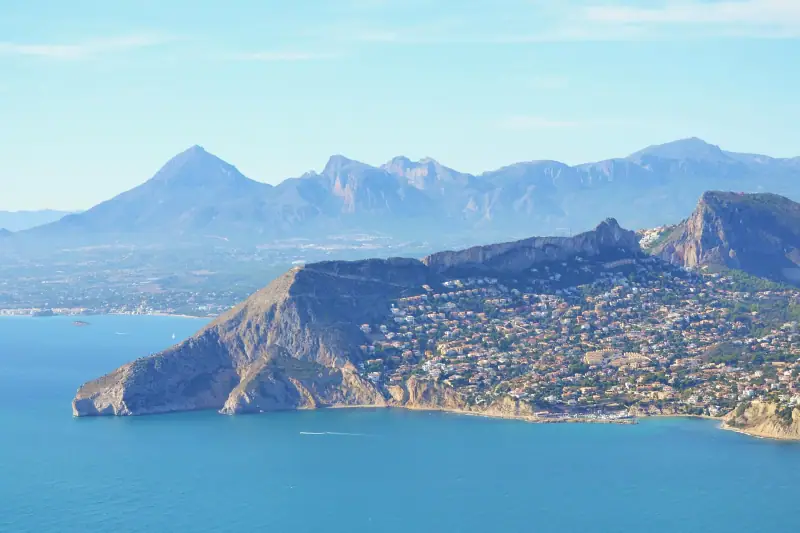
What to see in Valencia and on the Costa Blanca: 10 must-sees
What to see in Valencia and on the Costa Blanca? City of Arts, Albufera, Alicante, Calpe, Altea, Elche, Tabarca: our selection to plan your stay.
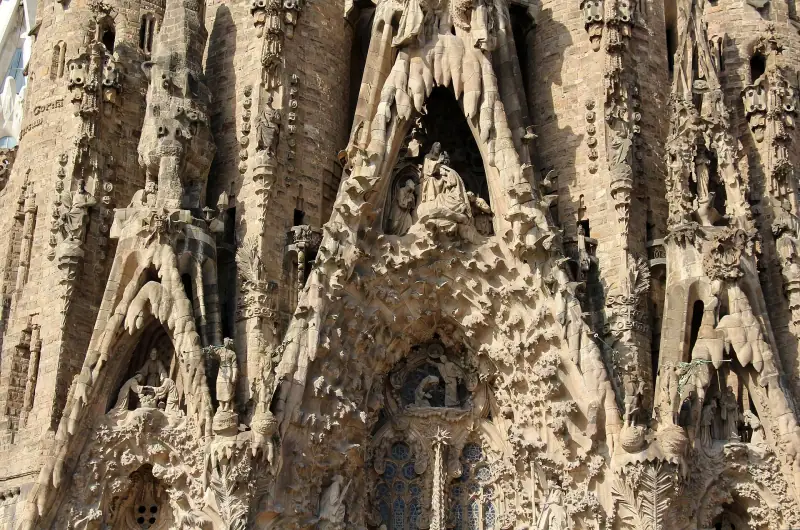
Complete guide to visiting Spain: regions, cities, budget and tips
Visiting Spain: must-see regions and cities, best time to go, transport, accommodation and budget. The pillar guide to prepare your trip from A to Z.
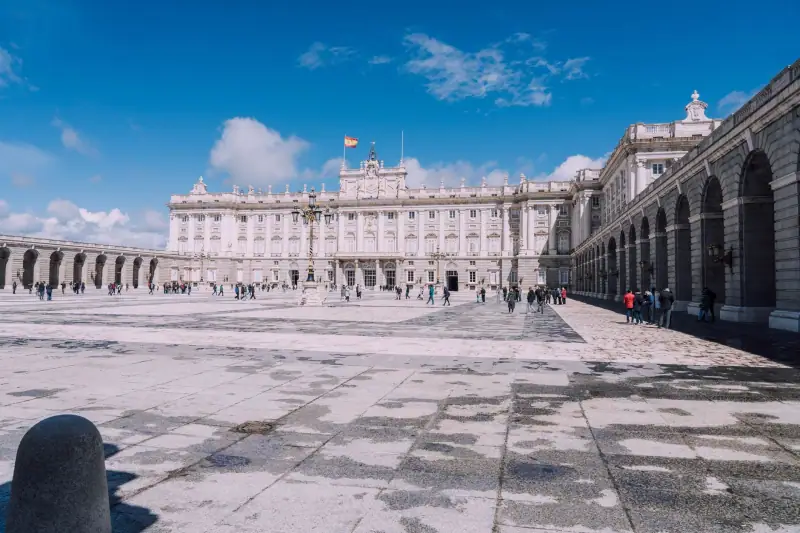
What to see in Madrid and Castile: 10 stops between the capital and the art cities
What to see in Madrid and Castile? Prado, Toledo, Segovia, Ávila, Salamanca, Burgos: our selection of stops and tips to plan your trip.
Ready-made
Spain itineraries
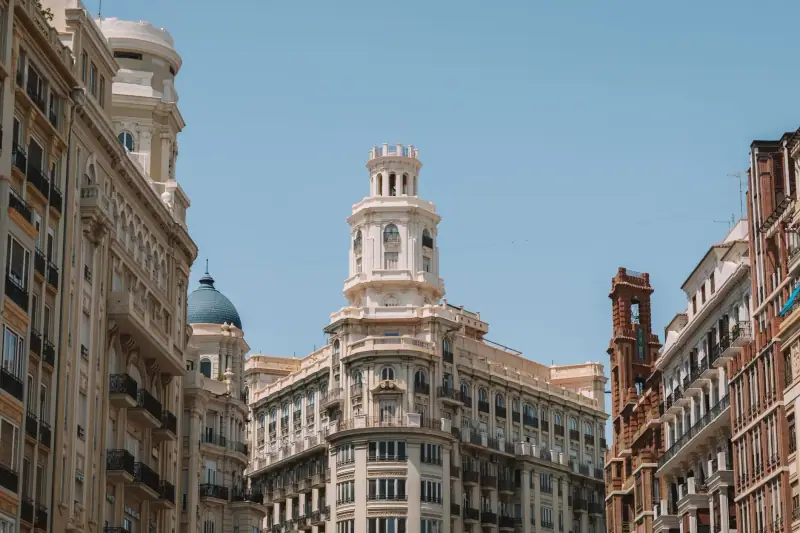
2 days
Valencia in 2 days: an itinerary through the old town, the Turia and the beach
What to do in Valencia in 2 days? Historic center, market, City of Arts and Sciences, Turia Gardens, paella and beach: our day-by-day itinerary.
7 days
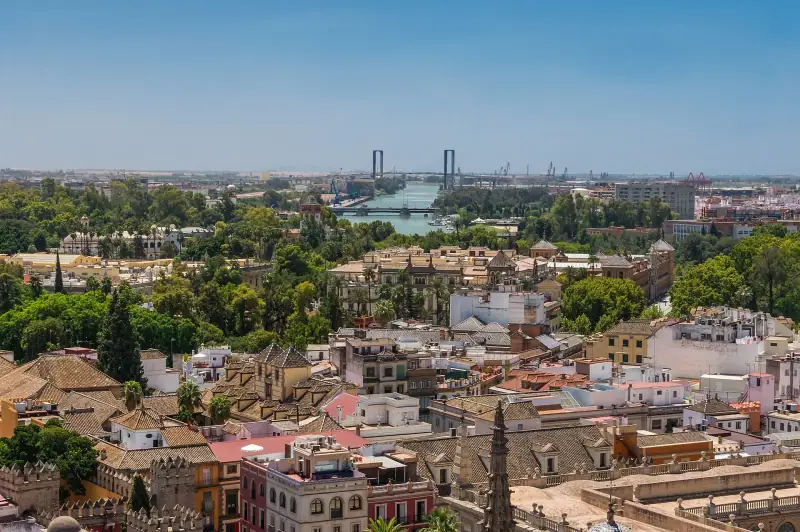
Andalusia in 7 days: Seville, Córdoba, Granada and Málaga
A 7-day Andalusia route: Seville, Córdoba, Granada and Málaga, with travel times, a day-by-day pace, useful reservations and pitfalls to avoid.
3 days
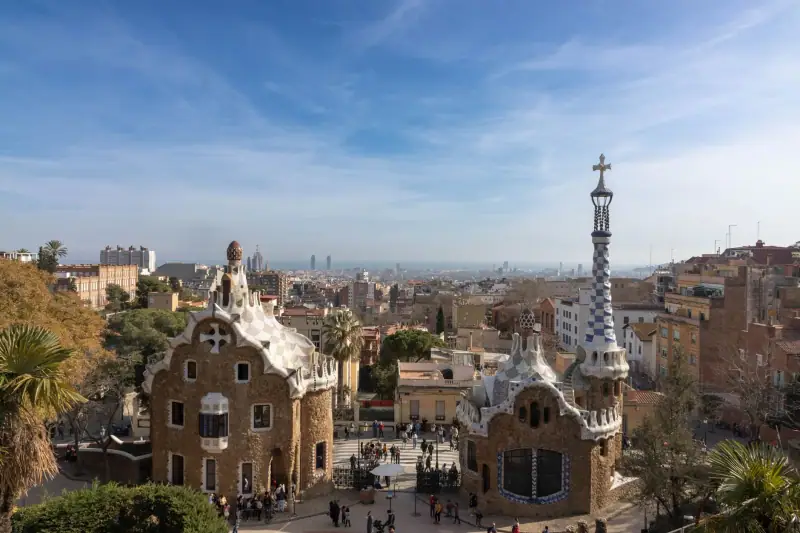
Barcelona in 3 days: a day-by-day itinerary for a first stay
Sagrada Família, Park Güell, Barri Gòtic, Montjuïc and Barceloneta: a 3-day Barcelona itinerary with the best order of visits, transport and tips.