Itineraries
Valencia in 2 days: an itinerary through the old town, the Turia and the beach
We may earn a commission when you book through links on this page, at no extra cost to you. We don't visit or try the places we cover: we summarize published sources. How we work
Day by day
- Day 1Cathedral, Plaza de la Virgen, Carmen, Lonja de la Seda, Central Market
- Day 2Turia Gardens, City of Arts and Sciences, paella, Malvarrosa beach
Where to sleep
- Valencia1 night
Estimated budget
$81 – $140 per person (€74 – €130)
For 2 travelers sharing a double room, with mid-range lodging.
| Item | Per person |
|---|---|
| Lodging | $48 – $80 |
| Paid visits | $32 – $58 |
Not included: international flights, meals, local transport and insurance.
Weather through the year on this route
| Jan | Feb | Mar | Apr | May | Jun | Jul | Aug | Sep | Oct | Nov | Dec | |
|---|---|---|---|---|---|---|---|---|---|---|---|---|
| High °F (°C) | 489 | 5211 | 5915 | 6317 | 7222 | 8228 | 9032 | 9032 | 7926 | 6820 | 5614 | 4910 |
| Low °F (°C) | 310 | 331 | 362 | 405 | 479 | 5513 | 6116 | 6116 | 5513 | 468 | 384 | 331 |
| Rain in (mm) | 1.540 | 1.335 | 1.540 | 1.845 | 1.845 | 1.025 | 0.410 | 0.515 | 1.130 | 2.255 | 2.050 | 1.845 |
Normals 1991–2020 at Toledo and Segovia: averages over 30 years, not a forecast. Source: NASA POWER (MERRA-2), grid of about 50 km. Figures computed by us in November 2026.
In short
- Day 1 covers the cathedral and Plaza de la Virgen, the Carmen district, the Lonja de la Seda and the Central Market; day 2 the Turia Gardens, the City of Arts and Sciences and the beach.
- The center is compact and walkable; the metro, tram, buses and bikes cover the rest. No car is needed for the city.
- Traditional Valencian paella is made with chicken, rabbit and beans; seafood versions are not the original.
- Spring and fall are best for walking; the Fallas in March are spectacular but push up prices and fill accommodation.
Valencia is often overshadowed by Barcelona and Madrid, and that is a mistake. Spain’s third-largest city combines a rich historic center, futuristic architecture, a huge garden laid out in the former bed of a river and a beach at the edge of town. It is visited largely on foot or by bike, without the crush of the two big cities.
This two-day itinerary is designed for a first stay: the first day is devoted to the historic heart, the second to modern Valencia, the Turia and the sea. To choose your season, see our guide to when to go to Spain.
Day 1 morning: the cathedral and Plaza de la Virgen
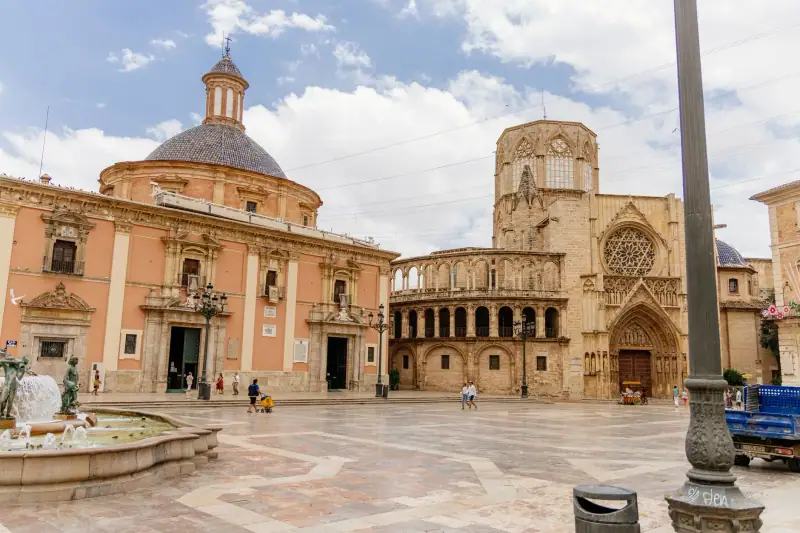
Start at the Plaza de la Virgen, in the heart of the old town. Lined with café terraces and dominated by the cathedral, it is calm early in the morning and good for a first coffee. The cathedral combines several styles, from Gothic to Baroque, and houses a chalice that a local tradition presents as the Holy Grail. Its bell tower, the Miguelete, offers an overview of the rooftops and the city: the climb is by a narrow staircase, so it is better to go early in the morning to avoid the wait.
A few streets away, stroll through the Carmen district, the old center with narrow lanes, colorful facades and walls covered in street art. It is an ideal neighborhood to get lost in without a precise plan, with its small shops and bars. Check the opening hours and any closing days of the monuments before you go, as they vary with the season.
Where to stay in Valencia
Accommodation in the historic center or near the Turia lets you do everything on foot. Compare hotels for your dates.
Day 1 afternoon: the Lonja de la Seda and the Central Market
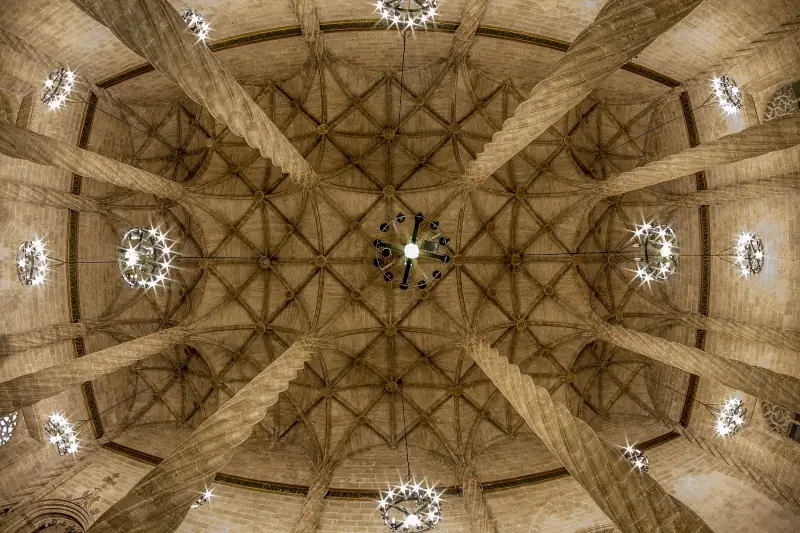
Almost face to face, two buildings tell the story of the city’s merchant past. The Lonja de la Seda, the former silk exchange, is a masterpiece of civil Gothic, listed as a UNESCO World Heritage Site. Its great hall with twisted columns, which evoke palm trees, is one of the finest interiors in the city.
Right next door, the Mercado Central is one of the largest covered markets in Europe. Its early 20th-century structure of iron, glass and ceramic is worth the visit on its own. You will find fruit, vegetables, cured meats, fish and seafood: it is the place to buy a picnic, or simply to watch local life. Markets close in the afternoon and on certain days of the week: check the hours, and come in the morning if you want to see the market at its best.
End the day by climbing one of the former gates of the city wall, the Torres de Serranos or the Torres de Quart. These medieval towers offer a view over the old town at sunset.
Tours and activities in Valencia
Guided tour of the historic center, a bike ride or an excursion: compare the experiences on offer in Valencia.
Day 2 morning: the Turia Gardens
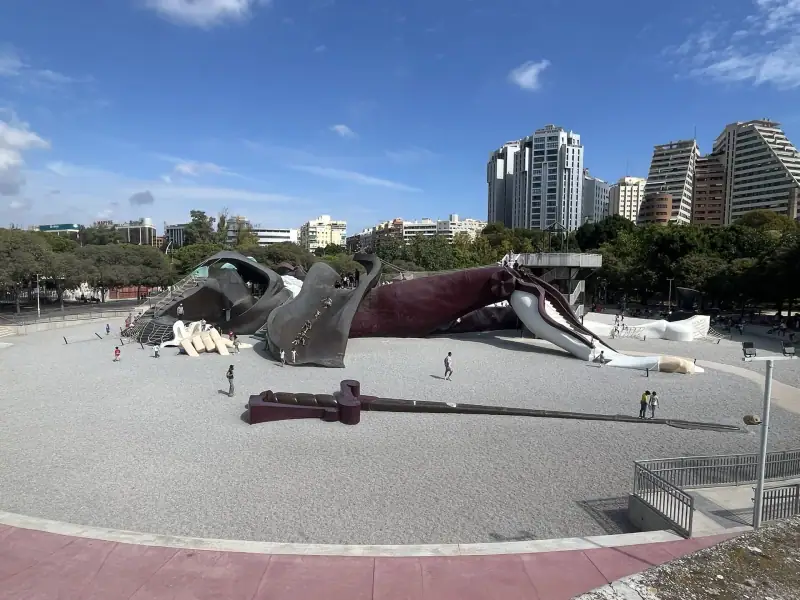
On the second day, go down into the Turia. After a major flood in 1957, the river was diverted south of the city, and its old bed was turned into a long garden about ten kilometers (6 mi) long. You will meet joggers, cyclists, sports fields, playgrounds and lawns, all crossed by many old and modern bridges. It is the best way to reach modern Valencia on foot or by bike, avoiding traffic.
Renting a bike is an excellent idea in Valencia, a flat city with many bike lanes. Allow a good hour of easy walking to link the old center to the south end of the garden, or noticeably less by bike.
Day 2 midday: the City of Arts and Sciences

The Turia Gardens lead to the City of Arts and Sciences, the architectural complex largely designed by Santiago Calatrava, a native of the region. Its white buildings, surrounded by pools of water, form a futuristic setting that contrasts with the old town. The complex includes the Hemisfèric, the science museum, a palace of the arts and the Oceanogràfic, one of the largest aquariums in Europe.
Even if you do not pay for entry, a walk around the pools is worth the detour, especially at the end of the day when the light is soft. If you want to enter one of the buildings, book ahead in high season and choose just one, rather than trying to do everything in a few hours. With children, the aquarium is a great classic.
Day 2 afternoon: paella and Malvarrosa beach
Valencia is the birthplace of paella, and it would be a shame to leave without tasting one. The traditional Valencian recipe is made with chicken, rabbit and beans, sometimes artichokes depending on the season, cooked in a wide pan over high heat. It is generally eaten at midday, rarely in the evening. Seafood paellas exist, but they are not the original version. Our article on what to eat in Spain presents the other dishes not to miss.
To help digestion, head to Malvarrosa beach, reachable from the center by public transport and by bike. It is the city’s big urban beach, wide and sandy, lined with a promenade with restaurants and terraces. The Cabanyal district, just behind, keeps its fishermen’s houses with ceramic-decorated facades, and suits a walk full of character. Outside summer, the beach remains pleasant for a seaside walk.
Valencian cuisine
Paella class, tasting or food tour: compare the culinary experiences on offer in Valencia.
If you have one more day: the Albufera
With a third day, head to the Albufera, a large freshwater lagoon about ten kilometers (6 mi) south of Valencia, surrounded by rice fields. This is where paella rice comes from. You can take a ride on a traditional boat, especially pleasant at the end of the day at sunset, when the light reflects on the water. The lagoon is part of a natural park, and it is a good place to watch birds.
Another tasty idea: try a horchata, the cool drink made from chufa (tiger nut), a tuber grown in the region, traditionally associated with Alboraya, at the gates of Valencia. It is served very cold, often with fartons, small elongated pastries. We detail the addresses and prices in our guide to horchata in Valencia and Alboraya.
Getting around, when to come and where to stay in Valencia
Valencia’s center is compact: most stops in this program are done on foot. To go farther, the metro, tram and buses complete the network, and shared or rental bikes let you enjoy the bike lanes. There is no need to rent a car for these two days; it only becomes useful for trips around the region, for example to inland villages or the coast.
Spring and fall are the most pleasant for walking. Summer is hot but ideal for the beach. If you come in March, the Fallas, the city’s big festival, turn the streets into a spectacle of monumental sculptures, firecrackers and processions. It is a unique moment, but you must book very early and accept the crowds and noise.
To sleep, favor the historic center if you like neighborhood life and restaurants nearby, or the area around the Turia for a calmer stay. Lively streets can be noisy on weekends: read the reviews before booking.
Flights to Valencia
Compare flights and trips for your dates: weekends book up early.
Budget, safety and practical tips
Valencia is a pleasant and safe city, but as in every tourist destination, stay alert to your belongings in very busy places. A few tips:
- Book tickets for the major sites of the City of Arts and Sciences ahead in high season.
- Bring water, a hat and sunscreen: the sun is strong, even in spring.
- Adopt Spanish hours: lunch around 2 pm, dinner fairly late.
- Consider travel insurance suited to your trip.
After Valencia, you can continue north with our 3-day Barcelona itinerary, or head to the Andalusian atmosphere of the south.
Frequently asked questions
Are two days enough to see Valencia?
Yes, for a first stay. Two days let you see the historic center, the Central Market, the City of Arts and Sciences, the Turia Gardens and spend some time on the beach. A third day is useful for the Albufera or for strolling.
Do you need to rent a car in Valencia?
No, not for the city. The center is explored on foot, and the metro, tram, buses and bikes link the other districts. A car is only useful for trips around the region.
What is the best time to visit Valencia?
Spring and fall are the most pleasant for walking. Summer is hot and good for the beach. In March, the Fallas are a spectacular festival, but they push prices up and fill accommodation.
Where can you eat a real Valencian paella?
Paella comes from the Valencia region. The traditional recipe is generally made with chicken, rabbit and flat or white beans, rather than seafood. Be wary of restaurants that show it in pictures on tourist menus, and ask whether it is made to order.
Can you swim in Valencia?
Yes, the urban beaches, such as Malvarrosa, are reachable from the center by public transport. Swimming is generally pleasant from June to September.
More Spain guides
Keep reading
Budget for a trip to Spain: real costs and 3 profiles with figures
How much does a trip to Spain cost? Lodging, transport, meals, visits: three daily budgets with figures (tight, comfort, upscale) and saving tips.
What to see in Catalonia: the region's 12 must-sees
What to see in Catalonia? Barcelona, Girona, Costa Brava, Figueres, Montserrat, Tarragona, Pyrenees: our selection to plan a stay in the region.
Skiing in Spain: Sierra Nevada, Baqueira-Beret and the Spanish Pyrenees resorts
Skiing in Spain: Sierra Nevada, Baqueira-Beret, Formigal, Masella. 2026-2027 dates, access, lift passes, accommodation and tips to choose your resort.
Ready-made
Spain itineraries
7 days
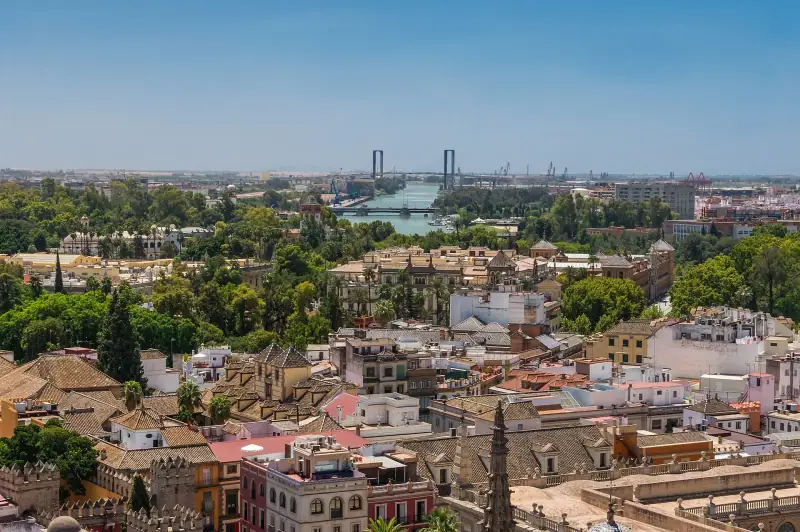
Andalusia in 7 days: Seville, Córdoba, Granada and Málaga
A 7-day Andalusia route: Seville, Córdoba, Granada and Málaga, with travel times, a day-by-day pace, useful reservations and pitfalls to avoid.
3 days
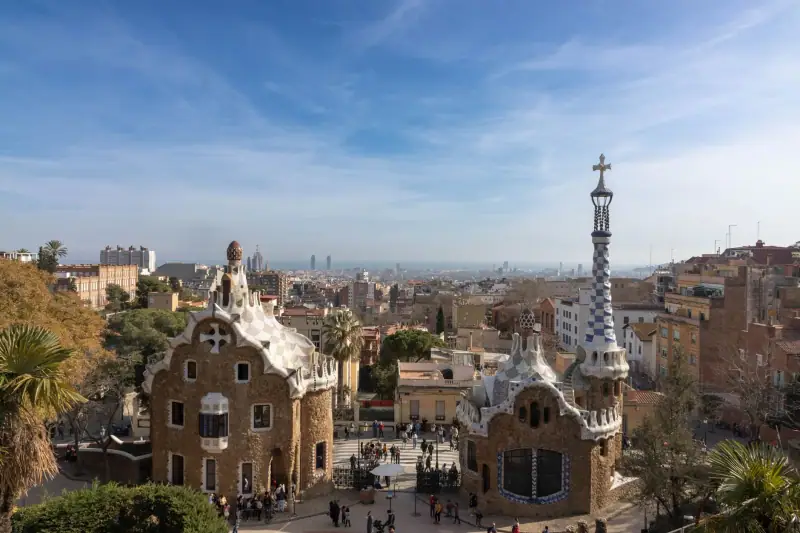
Barcelona in 3 days: a day-by-day itinerary for a first stay
Sagrada Família, Park Güell, Barri Gòtic, Montjuïc and Barceloneta: a 3-day Barcelona itinerary with the best order of visits, transport and tips.
3 days
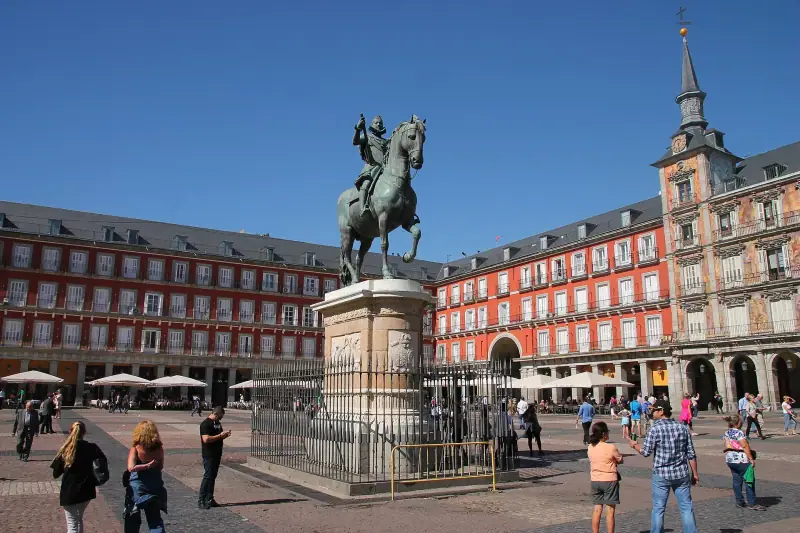
Madrid in 3 days: an itinerary to discover Spain's capital
Royal Palace, Prado, Retiro, Gran Vía and tapas neighborhoods: a 3-day Madrid itinerary with the best order of visits, transport and practical tips.