Plan your trip
Budget for a trip to Spain: real costs and 3 profiles with figures
We may earn a commission when you book through links on this page, at no extra cost to you. We don't visit or try the places we cover: we summarize published sources. How we work
In short
- Three daily profiles per person, for two travelers sharing a room: about €55-65 (about $64-75) tight, €120-140 (about $140-165) comfort, €250 and up (about $290+) upscale.
- Accommodation is generally a third to a half of the budget; the menú del día averages around €14 (about $16) and is the best-value meal.
- Book trains and major sites early: the lowest fares and slots sell out. Sagrada Família entry starts around €26 (about $30), the Alhambra about €21 (about $24).
- Rent a car only for the days you need one; in big cities it is more a burden than an asset.
“How much does Spain cost?” The answer depends less on the country than on how you travel. A couple sleeping in a guesthouse in Valencia, having the menú del día for lunch and moving by high-speed train does not spend anything like a pair staying in a four-star hotel in central Barcelona, dining à la carte and renting a car. Between the two, the budget can easily vary by a factor of four.
This article breaks down spending item by item (accommodation, transport, meals, activities), then offers three budget profiles with figures per person per day, and finally a series of concrete tips to spend less without giving up the essentials. The amounts cited are orders of magnitude taken from recent sources (official monument websites, transport operators, cost-of-living comparison sites) in October 2026. Prices change, especially near holidays: treat them as a basis for calculation, not as a quote.
What to remember at a glance
Here are the three profiles we detail below, per person per day, for two travelers sharing a room:
- Tight budget: about €55 to 65 (about $64-75) (youth hostel or simple room, menú del día, metro and bus, free or few visits);
- Mid-range comfort: about €120 to 140 (about $140-165) (three-star hotel, restaurants and tapas, fast train between cities, two or three paid visits);
- Upscale: €250 and up (about $290+) (four- or five-star hotel, gourmet meals, rental car, guided tours).
These ranges are consistent with the estimates published by cost-of-living comparison sites, which mention a little over €50 (about $58) per day for a small budget and about €250 (about $290) for upscale.
Accommodation: the first expense
Accommodation generally represents between a third and a half of the budget. It is also the item with the biggest gaps, according to three factors: the city, the season and how far ahead you book.
How much a night costs by type of lodging
As an order of magnitude, for two people:
- Youth hostel or “hostel” (private room or dorm): averages recorded in 2026 run from about €60 to 100 (about $70-115) for two in cities like Valencia, and climb clearly higher in Seville in high season. A dorm bed is obviously cheaper per person, but check the reviews on noise and locker security;
- Two- or three-star hotel, or guesthouse (“pensión” or “hostal”): expect on average €70 to 130 (about $80-150) for a double room depending on the city and period, with big gaps between a February night and Holy Week;
- Four-star hotel and above: from €130 to 150 (about $150-175) a night in the city off-season, and much more in the most sought-after neighborhoods in high season;
- Tourist apartment: worthwhile from three or four nights or for families, because the kitchen saves on meals. Check that the lodging is properly registered: rules are tightening in several big cities.
Also remember the tourist tax, which exists in some regions (Catalonia applies it, for example) and is added to the bill, often to be paid there.
Compare hotels in Spain
Prices vary a lot by date: compare several neighborhoods and favor free-cancellation rates to lock in a good price.
Choose the right neighborhood rather than the right hotel
Sleeping ten minutes’ walk from the center rather than at the foot of the cathedral often saves 20 to 30% on the night, without losing time thanks to the metro or tram. In a city like Seville, the choice of neighborhood changes the atmosphere as much as the price: our guide to choosing where to stay in Seville compares the most convenient areas.
Transport: train, bus, plane and car
Transport has two parts: getting to Spain, then getting around once there. The first depends on your departure city and the season; the second is surprisingly affordable if you avoid the car in big cities.
Getting between cities
The high-speed rail network is one of the country’s assets, and competition between operators pushes prices down. On the Madrid-Barcelona line, four operators share the market: Renfe’s AVE and Avlo trains, Ouigo and Iryo. The “from” prices shown are about €7 (about $8) on Avlo, €9 (about $10) on Ouigo, €12 (about $14) on AVE and €18 (about $21) with Iryo, but these are the teaser fares of advance booking: they vanish quickly as departure approaches, and a ticket bought the day before costs much more. The trip takes about 2 h 30 on AVE and around 3 h with the others.
Low-cost operators add baggage fees: on Avlo and Ouigo, the base fare includes only a carry-on bag (a surcharge of about €10 (about $12) on Avlo and €5 (about $6) on Ouigo adds a larger bag). Read the conditions before comparing prices.
The long-distance bus is often cheaper than the train on routes without a high-speed line, with the bonus of a very dense network reaching into villages. For routes in Andalusia, train and bus combine well: our 7-day Andalusia itinerary shows how to link the cities without a car.
Getting around in cities
Urban transport is inexpensive:
- Barcelona: the T-casual card, valid for 10 trips on metro, bus and tram, costs about €13 (about $15) (to be loaded onto a T-mobilitat card, whose paper version costs €1 (about $1.20)). A trip therefore comes to about €1.30 (about $1.50);
- Madrid: the rechargeable Tarjeta Multi costs €2.50 (about $3) and a 10-trip pack for metro and bus is around €12 (about $14); single metro trips range from about €1.50 to 2 (about $1.75-2.30) depending on distance. Note: trips serving the airport carry a surcharge of about €3 (about $3.50).
In most historic centers (Seville, Granada, Córdoba, Valencia), everything is done on foot or nearly. The real expense is the car, which we cover below.
Flights to Spain
Compare flights and dates: leaving midweek or outside school holidays often lowers the bill noticeably.
Renting a car: useful, but not everywhere
The car budget varies a lot by season. Some comparison sites estimate rental at around €40 (about $46) a day on a small budget and €60 (about $70) or more upscale, to which you must add fuel, tolls on some highways and above all parking in the city, often expensive and complicated. In big cities, a car is more a burden than an asset. It becomes worthwhile for Andalusia’s white villages, the Costa Brava or the small roads of the North.
The most effective saving rule: rent only for the days you really need it (for example by picking up the vehicle on leaving the city, not on arrival).
Meals: where Spain is most generous
Eating in Spain is one of the real pleasures of the trip, and also one of the items where you can adjust your budget most easily. The rhythm is different (lunch around 2 pm, dinner around 9 pm), but the value for money is excellent if you follow local habits.
The menú del día, your best ally
The menú del día is a fixed-price formula served at midday on weekdays, generally with a starter, a main course, a dessert or coffee, bread and a drink. According to industry surveys, its average price is around €14 (about $16) in Spain, up about 6% over a year. In practice, expect €12 to 15 (about $14-17) in most cities and a bit more in Catalonia, the Basque Country and the Balearic Islands, which are among the priciest areas.
Making this menu your main meal, then settling for tapas or a bocadillo in the evening, is the most economical strategy: a hearty lunch, a light dinner, and a food budget that stays well below €30 (about $35) per day per person. To know what to order, our guide to the specialties to try in Spain gives the great classics by region.
Tapas, bocadillos and cafés
A small sandwich or a bocadillo de calamares can be found for about €4 (about $5) near the Plaza Mayor in Madrid, and in some neighborhoods (like Lavapiés), many drinks are still served with a small free tapa. This free-tapa tradition is receding, but it survives in some Andalusian cities, notably Granada: ask your host.
Other useful reference points to calibrate your daily budget:
- Breakfast at the counter (coffee and tostada or pastry): one to a few euros, much cheaper than in the dining room or on a terrace;
- Dinner à la carte: about €25 to 40 (about $29-46) per person for a full meal with a drink at a mid-quality place, depending on the city;
- Fine-dining restaurant: from several dozen euros per person and highly variable. Book ahead.
Comparison sites put the food budget at around €15 (about $17) per day per person for a small budget, €33 (about $38) for a medium budget and €50 (about $58) for a high budget. That is consistent with what you see on the ground.
Pitfalls to avoid
Some places on the busiest squares (Plaza Mayor, around the Sagrada Família, the Rambla) charge terrace prices clearly higher, without the quality to match. Often it is enough to walk two streets away to find normal prices. Also check whether service is included: tipping is not mandatory in Spain and stays modest, generally a few coins or a rounding up.
Activities and visits: free, paid, essential
Visits are the easiest item to control, as long as you choose. Many superb places are free or very cheap: cathedrals from the outside, historic neighborhoods, parks, beaches, covered markets, viewpoints. The big paid sites, on the other hand, cost quite a lot and are sometimes sold out in advance.
Prices of the major sites
A few reference points recorded in 2026:
- Alhambra in Granada: general admission is around €21 (about $24) (about €22 (about $26) when booked online with fees), for the Nasrid palaces, the Alcazaba and the Generalife. The number of tickets is limited each day, and they are often sold out weeks ahead. Details are in our guide to booking the Alhambra;
- Sagrada Família, in Barcelona: basic entry starts around €26 (about $30), a ticket with tower access is around €36 (about $42) and a guided tour is around €90 (about $105). Tickets are often sold out several days ahead, notably in 2026, the centenary year of Gaudí’s death;
- Prado Museum, in Madrid: about €18 (about $21) for adults; free for under-18s, for students aged 18 to 25 with a valid card, and for everyone at the end of the day (Monday to Saturday 6 to 8 pm, Sundays and holidays 5 to 7 pm).
A three-day stay in Madrid or Barcelona with two or three paid entries therefore comes to about €50 to 100 (about $60-115) per person, to compare with the transport and food budget. To organize your days, see our 3-day Madrid itinerary or the one for 3 days in Barcelona.
Tours and excursions in Spain
Skip-the-line tickets, guided tours, tastings or cooking classes: compare the activities available for your city.
Free or nearly free activities
To balance a tight budget, alternate one big paid site per city with free visits: strolling through old neighborhoods, climbing to a viewpoint at sunset, visiting a covered market, enjoying the urban beaches of Valencia or Barcelona, or attending a neighborhood festival. Some museums also offer free-entry hours: always check hours and conditions on their official website before going, as they change regularly.
Three budget profiles with figures
Here are three budgets per person per day, for two travelers sharing a room. They combine the ranges above and remain estimates: they include neither the round trip from home, nor shopping, nor insurance.
Profile 1: tight budget, about €60 (about $70) per day
- Accommodation: €25 to 30 (about $29-35) (youth hostel shared private room, simple pensión, or dorm bed);
- Meals: €15 to 20 (about $17-23) (coffee and tostada at the counter, menú del día, tapas or bocadillo in the evening);
- Transport: about €5 to 8 (about $6-9) (urban transit card, walking, an occasional bus or low-cost train);
- Activities: about €5 (about $6) on average (free visits, a paid entry every other day).
Over a week, that gives about €420 (about $490) per person, excluding flights. This profile is perfectly realistic off-season and in mid-sized cities. It becomes difficult in Barcelona in summer or in Seville during Holy Week.
Profile 2: mid-range comfort, about €130 (about $150) per day
- Accommodation: €50 to 60 (about $58-70) (well-located three-star hotel, double room split in two);
- Meals: €30 to 40 (about $35-46) (menú del día at midday, restaurant or tapas in the evening);
- Transport: €15 to 20 (about $17-23) (fast train between two cities, public transport, a few taxis);
- Activities: €20 to 25 (about $23-29) (two or three paid entries per city stay, a guided tour or a tasting).
Over a week, expect around €900 (about $1,045) per person, excluding flights. This is the most common budget for a multi-city trip with train, good meals and major visits.
Profile 3: upscale, €250 (about $290) and up per day
- Accommodation: €120 to 150 (about $140-175) per person (four- or five-star hotel in a sought-after neighborhood);
- Meals: €50 to 70 (about $58-81) (quality restaurants, high-end tapas, wine);
- Transport: €30 to 40 (about $35-46) (rental car, taxis, first-class train);
- Activities: €30 to 50 (about $35-58) (private guided tours, excursions, shows).
Over a week, expect €1,800 (about $2,090) or more per person, excluding flights, and clearly more for a stay in luxury establishments or in peak season.
And for a family?
Children often get free admission or reduced fares in museums and on transport, which lightens the bill. The main lever is accommodation: a family room or an apartment with a kitchen often costs less than two rooms, and lets you prepare breakfasts and simple meals.
Ten tips to spend less
- Travel off-season. April, May, September and October are pleasant and cheaper than summer; winter is the most economical time in cities. Our guide to the best time to go to Spain details the months by region.
- Book trains and major sites early. The lowest fares sell out fast, and a ticket for a very popular monument may simply no longer exist at the last minute.
- Make the menú del día your main meal. Light dinner, hearty lunch: the food budget shrinks.
- Sleep a little away from the center. A neighborhood well served by the metro often offers better value.
- Choose accommodation with a kitchen for stays of more than three nights or with family.
- Use transit cards rather than single tickets (see the Barcelona and Madrid examples above).
- Avoid the car in cities and rent it only for getaway days.
- Use the free-entry windows of museums where they exist, checking their hours on the official website.
- Beware of terraces on tourist squares: a coffee on a terrace there is clearly pricier than at the counter of a neighborhood bar.
- Compare before booking, but without multiplying intermediaries. Prices on official sites and platforms sometimes differ; monument tickets are sold at the same base price on the official site.
Insurance and the unexpected
Plan a small margin of 5 to 10% for the unexpected (taxis, tips, tourist tax, train delays). For withdrawals and payments, see our guide to card or cash in Spain. For travel insurance, compare the cover (cancellation, baggage, repatriation) before choosing.
How much to budget for a 7-day trip?
For a week for two, adding up the three profiles above and not counting the flight, you get about:
| Profile | Per person per day | For 7 days, per person | For 2 people |
|---|---|---|---|
| Tight | €55-65 (about $64-75) | about €420 (about $490) | about €840 (about $975) |
| Comfort | €120-140 (about $140-165) | about €900 (about $1,045) | about €1,800 (about $2,090) |
| Upscale | €250+ (about $290+) | €1,800+ (about $2,090+) | €3,600+ (about $4,180+) |
To add: the flight or train from home (highly variable by season), travel insurance, shopping and personal spending. If you want a trip with no surprises, keep a reserve and note your spending each evening for the first few days: the gap with the planned budget corrects itself very quickly.
To finish: a budget is mostly choices
Spain can be visited as well on €60 (about $70) as on €250 (about $290) a day, and the pleasure is not proportional to the spending. By combining good periods, well-placed accommodation, the menú del día and chosen visits, a quality trip remains accessible. Set your priorities first (one big monument, a great table, a hotel with a view), and save on the rest.
Sources
- ATM Barcelona: prices checked November 2026
- Madrid Regional Transport Consortium (CRTM): prices checked November 2026
Frequently asked questions
What daily budget should you plan in Spain?
Roughly €55 to 65 (about $64-75) per person per day on a tight budget (dorm or simple room, menú del día, public transport), €120 to 140 (about $140-165) at mid-range comfort (three-star hotel shared by two, restaurants, paid visits) and €250 (about $290) or more upscale. These are orders of magnitude: Barcelona, San Sebastián and beach areas in summer are clearly pricier than the interior.
How much does a menú del día cost?
The menú del día, served at midday on weekdays, averages around €14 (about $16) nationwide, drink and bread included, according to industry surveys. Expect more in the priciest areas (Catalonia, the Basque Country, the Balearic Islands) and a bit less in mid-sized inland cities.
Do you need to carry a lot of cash in Spain?
No. Bank cards are accepted almost everywhere in cities, including for small amounts. Just keep a few euros in coins for small village bars, markets or some parking lots. Check your card's foreign transaction fees with your bank before you go.
How can you pay less for the major monuments?
Book tickets ahead on the official websites (prices do not move, but the cheapest or simply available slots go fast) and use free-entry windows where they exist: the Prado Museum in Madrid is free at the end of the day Monday to Saturday (6 to 8 pm) and on Sunday (5 to 7 pm), with a line as the trade-off. Always check the hours on the museum's website before going.
What is the cheapest period?
Winter outside the year-end holidays and early spring or fall outside major festivals generally offer the best flight and city hotel prices. Summer on the coast and Holy Week in Andalusia are the priciest periods. Our guide to the best time to go details the calendar region by region.
More Spain guides
Keep reading

When to go to Spain: climate, seasons and festivals by region
Spring, summer, fall or winter? Our guide to choosing the best time to visit Spain by region, heat, crowds and major festivals.

What to see in Catalonia: the region's 12 must-sees
What to see in Catalonia? Barcelona, Girona, Costa Brava, Figueres, Montserrat, Tarragona, Pyrenees: our selection to plan a stay in the region.

Skiing in Spain: Sierra Nevada, Baqueira-Beret and the Spanish Pyrenees resorts
Skiing in Spain: Sierra Nevada, Baqueira-Beret, Formigal, Masella. 2026-2027 dates, access, lift passes, accommodation and tips to choose your resort.
Ready-made
Spain itineraries

2 days
Valencia in 2 days: an itinerary through the old town, the Turia and the beach
What to do in Valencia in 2 days? Historic center, market, City of Arts and Sciences, Turia Gardens, paella and beach: our day-by-day itinerary.
7 days
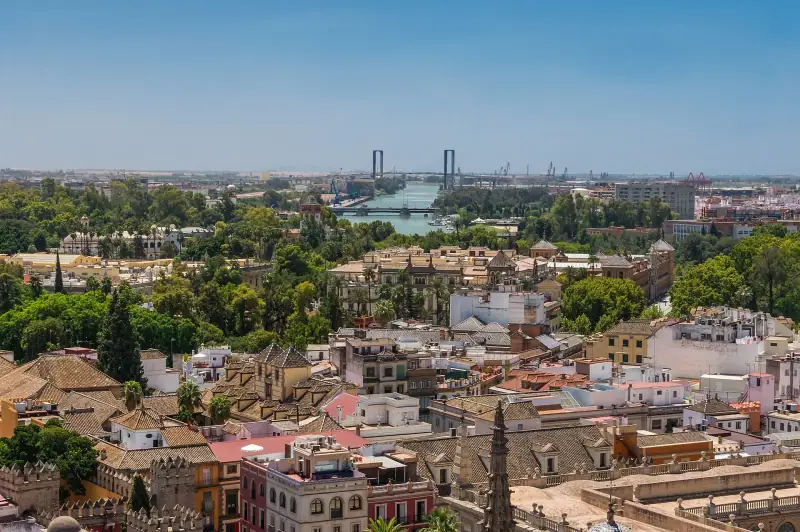
Andalusia in 7 days: Seville, Córdoba, Granada and Málaga
A 7-day Andalusia route: Seville, Córdoba, Granada and Málaga, with travel times, a day-by-day pace, useful reservations and pitfalls to avoid.
3 days
Barcelona in 3 days: a day-by-day itinerary for a first stay
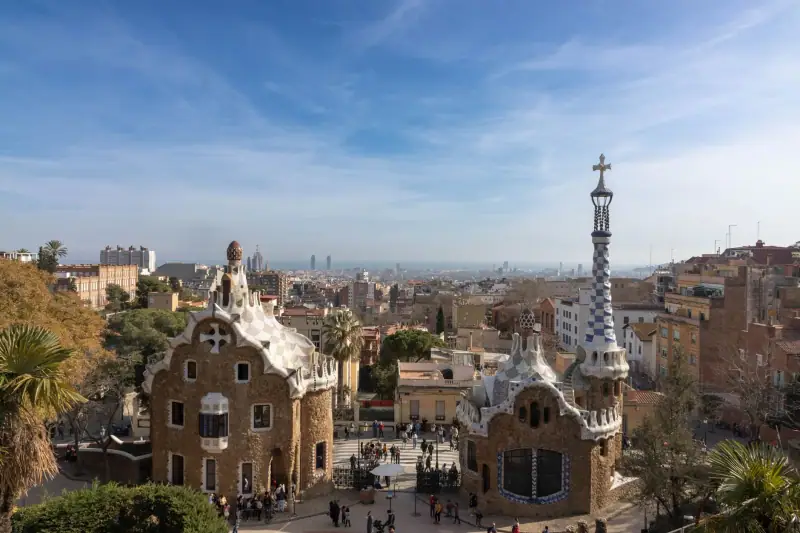
Sagrada Família, Park Güell, Barri Gòtic, Montjuïc and Barceloneta: a 3-day Barcelona itinerary with the best order of visits, transport and tips.