Itineraries
Seville in 2 days: an itinerary through the Alcázar, Santa Cruz and Triana
We may earn a commission when you book through links on this page, at no extra cost to you. We don't visit or try the places we cover: we summarize published sources. How we work
Day by day
- Day 1Alcázar, cathedral and Giralda, Santa Cruz, tapas and flamenco
- Day 2María Luisa Park, Plaza de España, Triana, Setas
Where to sleep
- Seville1 night
Estimated budget
$81 – $140 per person (€74 – €130)
For 2 travelers sharing a double room, with mid-range lodging.
| Item | Per person |
|---|---|
| Lodging | $48 – $80 |
| Paid visits | $32 – $58 |
Not included: international flights, meals, local transport and insurance.
Weather through the year on this route
| Jan | Feb | Mar | Apr | May | Jun | Jul | Aug | Sep | Oct | Nov | Dec | |
|---|---|---|---|---|---|---|---|---|---|---|---|---|
| High °F (°C) | 489 | 5211 | 5915 | 6317 | 7222 | 8228 | 9032 | 9032 | 7926 | 6820 | 5614 | 4910 |
| Low °F (°C) | 310 | 331 | 362 | 405 | 479 | 5513 | 6116 | 6116 | 5513 | 468 | 384 | 331 |
| Rain in (mm) | 1.540 | 1.335 | 1.540 | 1.845 | 1.845 | 1.025 | 0.410 | 0.515 | 1.130 | 2.255 | 2.050 | 1.845 |
Normals 1991–2020 at Toledo and Segovia: averages over 30 years, not a forecast. Source: NASA POWER (MERRA-2), grid of about 50 km. Figures computed by us in November 2026.
In short
- Day 1 covers the Alcázar (allow about two hours), the cathedral and Giralda, and Santa Cruz, with tapas and flamenco in the evening.
- Day 2 covers Parque de María Luisa and the Plaza de España, the Guadalquivir, Triana and the Setas of Seville.
- The center is walkable; the tram, metro and buses cover longer distances. A car is only useful for trips around Andalusia.
- Book the Alcázar and flamenco shows ahead; spring and fall are the most pleasant, while summer afternoons are very hot.
Seville is one of the most appealing cities in Spain: whitewashed lanes, the scent of orange blossom in spring, Mudéjar palaces, a giant cathedral and tapas evenings that stretch late. The historic center is compact, and two days are enough to grasp the essentials without rushing.
This itinerary devotes the first day to the monumental heart and Santa Cruz, and the second to the gardens, the Plaza de España and Triana, on the other side of the Guadalquivir. To choose where to put down your bags, see our guide on where to stay in Seville, and to extend your stay, our 7-day Andalusia itinerary.
Day 1 morning: the Alcázar of Seville
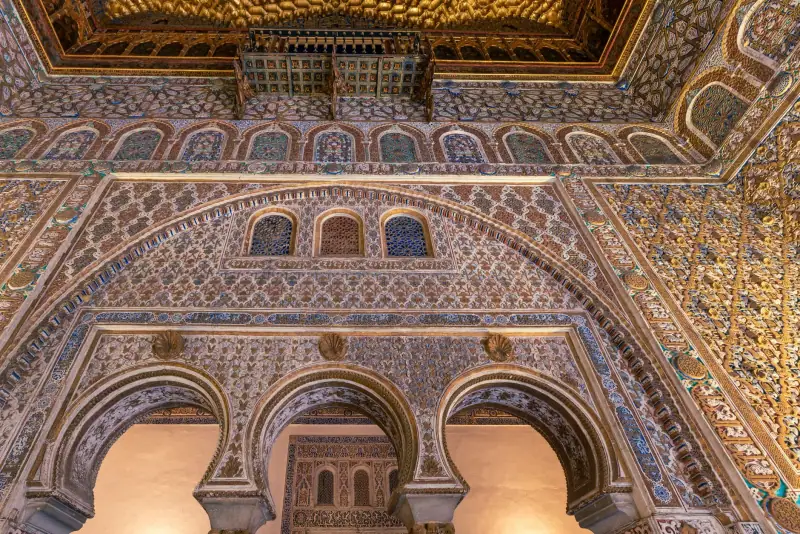
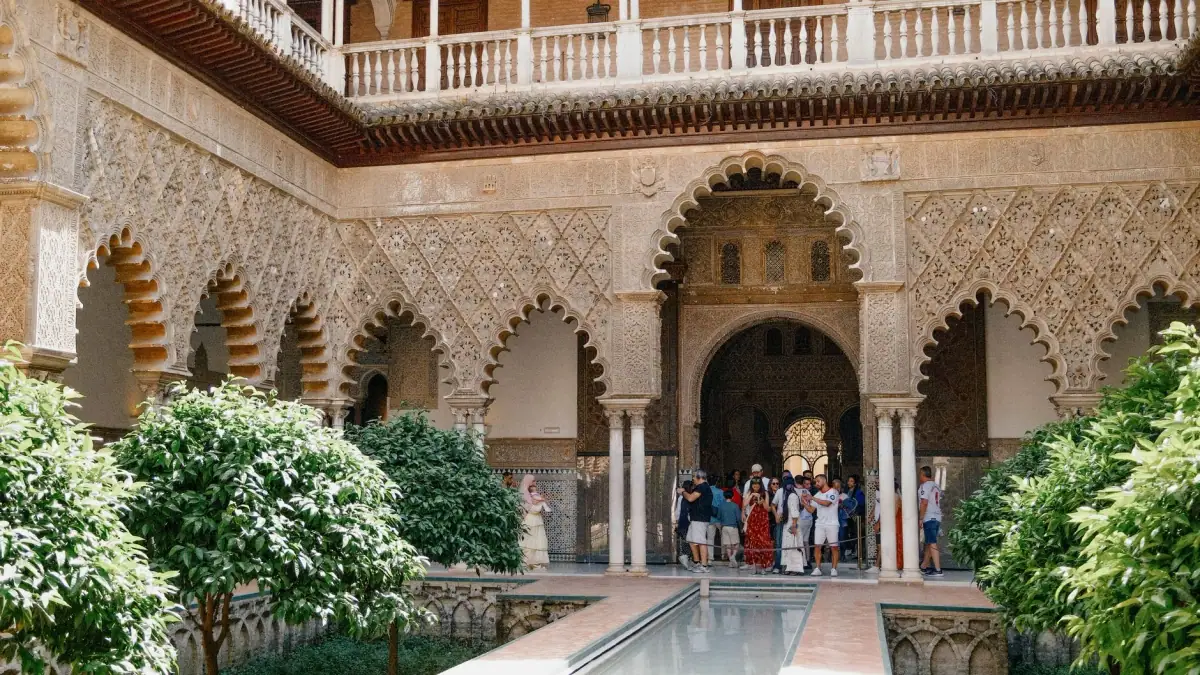
The Alcázar is a royal palace still used by the royal family during its stays in Seville. It combines Mudéjar, Gothic and Renaissance architecture, with rooms with elaborate ceilings, intimate patios and gardens where you readily linger. It is the most important visit in the city: allow about two hours, and more if you like to wander the gardens.
Two practical tips. Book your ticket ahead, because lines without a reservation can be long, and choose the first slot of the morning to enjoy the patios with fewer people. Hours vary with the season, so check them before you go.
Where to stay in Seville
Accommodation in Santa Cruz or near the cathedral lets you do everything on foot. Compare hotels for your dates.
Day 1 afternoon: the cathedral, the Giralda and Santa Cruz
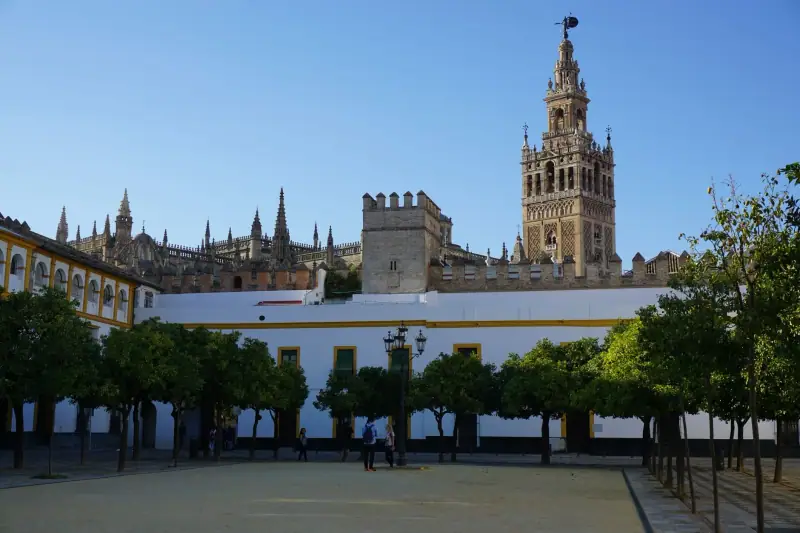
Right across from the Alcázar stands Seville Cathedral, one of the largest Gothic cathedrals in the world. It houses an imposing gilded altarpiece and the monumental tomb attributed to Christopher Columbus. Its bell tower, the Giralda, was originally the minaret of the Almohad mosque: you climb it by ramps rather than steps, and the view over the rooftops is worth the effort.
Then spend the rest of the afternoon in the Santa Cruz district, the former Jewish quarter. Its narrow lanes, shaded small squares, flowered balconies and hidden patios are discovered without a precise route. Avoid the hottest hours in summer and use the terraces for a cool break.
Day 1 evening: tapas and flamenco
The tapa tradition is alive and well in Seville. The principle is simple: you move from bar to bar, order one or two small portions and a drink, then move on. Among the Andalusian classics are Iberian ham, croquettes, fried fish, salmorejo (a cold tomato soup thicker than gazpacho) and carrilladas, slow-cooked pork cheeks. To learn more about the dishes to try across the country, read our guide on what to eat in Spain.
For a flamenco evening, prefer a small venue where the audience is close to the performers. Book ahead, especially on weekends, and check the show time before fixing your dinner.
Tickets, tours and shows in Seville
Skip-the-line entry for the Alcázar, guided tours, flamenco shows, tapas tastings: compare offers and book ahead.
Day 2 morning: María Luisa Park and the Plaza de España
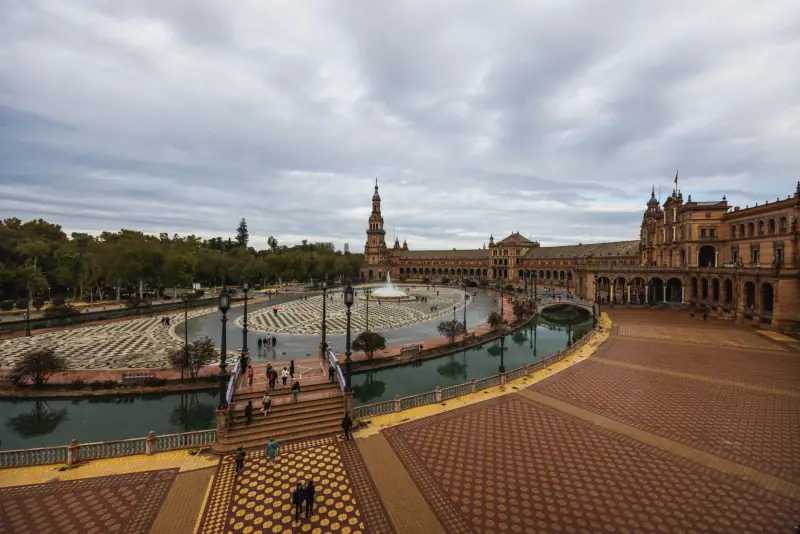
Start the second day south of the center, in María Luisa Park. This green space was laid out for the 1929 Ibero-American Exposition, as was the Plaza de España, its highlight. Its vast brick semicircle, bridges, canal and benches decorated with ceramic tiles representing the Spanish provinces make it one of the most photographed places in the city.
Arrive early: the light is softer, there are fewer people and the temperature stays bearable in summer. Continue with a walk in the park, with its shaded paths, fountains and Exposition pavilions. From there, return to the center on foot through the streets of the university district, or by public transport if the heat is strong.
Day 2 afternoon: the Guadalquivir and Triana
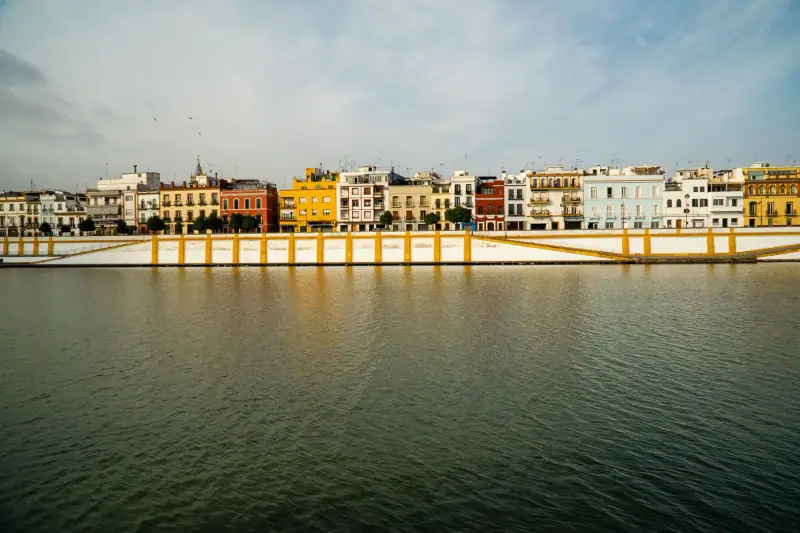
Around the middle of the day, follow the river past the Torre del Oro, a medieval watchtower on the Guadalquivir. Then cross the bridge to Triana, a former district of sailors, potters and Roma people, often presented as one of the cradles of flamenco.
Triana has kept a village atmosphere: colorful streets, ceramic shops, popular bars and a market set up near the river. It is a good place for a late lunch, Spanish style, then a stroll along the bank in the late afternoon, when the light gilds the facades.
Day 2, end of the day: the Setas and the old town
To close your stay, head to the Setas of Seville, or Metropol Parasol, a large wooden parasol-shaped structure that dominates the Plaza de la Encarnación. You can go up for an overview of the city at sunset, which makes a fine finale for your itinerary.
Then dine in the center or return to Triana for a last round of tapas. If you have a little time on the morning of your departure, the Macarena district or the streets around the Plaza del Alfalfa are pleasant for a last coffee.
Practical tips for your stay
- Getting around: everything is done on foot in the center. The tram, metro and buses complete the picture for longer distances.
- Season: avoid high summer if you fear the heat. Spring and fall are ideal, as our guide on when to go to Spain explains.
- Reservations: the Alcázar and flamenco shows should be booked ahead.
- Hours: in Andalusia, lunch is late (often around 2 pm) and dinner even later. Many shops close in the afternoon in summer.
- Insurance: for a more relaxed trip, travel insurance can cover medical costs and cancellations.
Going further
If you have three days, add a day trip to another Andalusian city, such as Córdoba or Granada, reachable from Seville. To plan a longer trip, our 7-day Andalusia itinerary links the region’s main stops, and our guide on visiting the Alhambra helps you prepare for Granada.
Frequently asked questions
Are two days enough to see Seville?
Yes, for a first stay. Two days let you see the Alcázar, the cathedral and the Giralda, the Santa Cruz district, the Plaza de España and Triana, with a tapas evening and, if you wish, a flamenco show.
Do you need to book the Alcázar in advance?
It is strongly recommended, especially in spring and fall. The Alcázar is one of the most visited monuments in Spain and slots fill up. Book your tickets online as soon as your dates are set.
Do you need to rent a car in Seville?
No, not for the city. The historic center is explored on foot, with the tram, metro and buses for longer distances. A car is only useful for trips around Andalusia.
What is the best time to visit Seville?
Spring and fall are the most pleasant. Summer is very hot, with afternoons often hard to bear: it is better to sightsee early in the morning and in the evening. During Semana Santa and the April Feria, the city is magnificent but accommodation is full and pricier.
Where can you see flamenco in Seville?
Seville has many show venues, notably in the center and in Triana, a district tied to the history of flamenco. Favor a small venue for an intimate atmosphere and book ahead.
More Spain guides
Keep reading
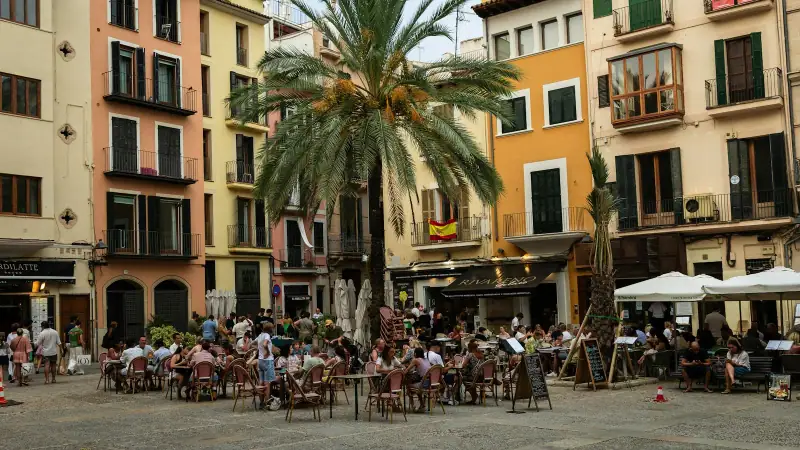
Budget for a trip to Spain: real costs and 3 profiles with figures
How much does a trip to Spain cost? Lodging, transport, meals, visits: three daily budgets with figures (tight, comfort, upscale) and saving tips.
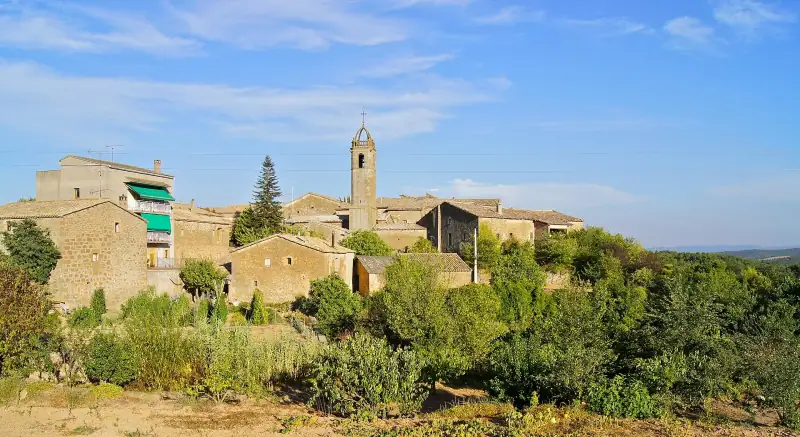
What to see in Catalonia: the region's 12 must-sees
What to see in Catalonia? Barcelona, Girona, Costa Brava, Figueres, Montserrat, Tarragona, Pyrenees: our selection to plan a stay in the region.
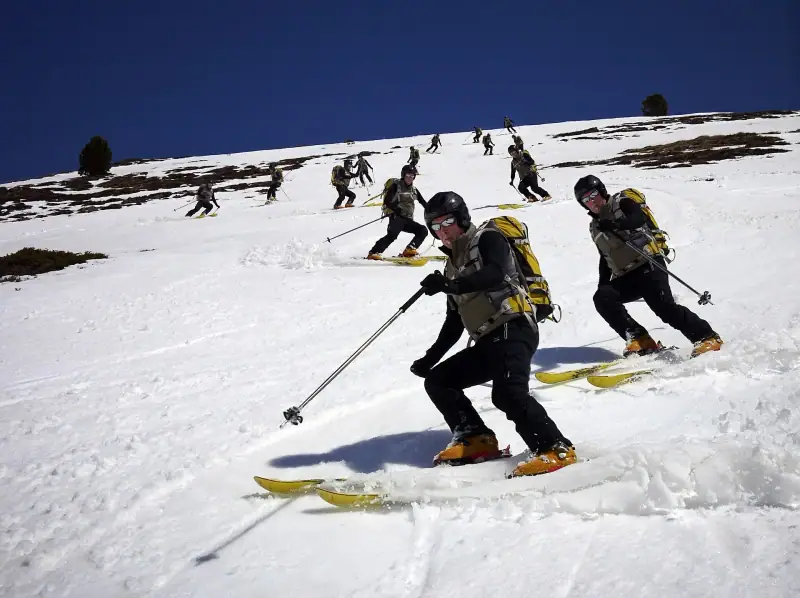
Skiing in Spain: Sierra Nevada, Baqueira-Beret and the Spanish Pyrenees resorts
Skiing in Spain: Sierra Nevada, Baqueira-Beret, Formigal, Masella. 2026-2027 dates, access, lift passes, accommodation and tips to choose your resort.
Ready-made
Spain itineraries
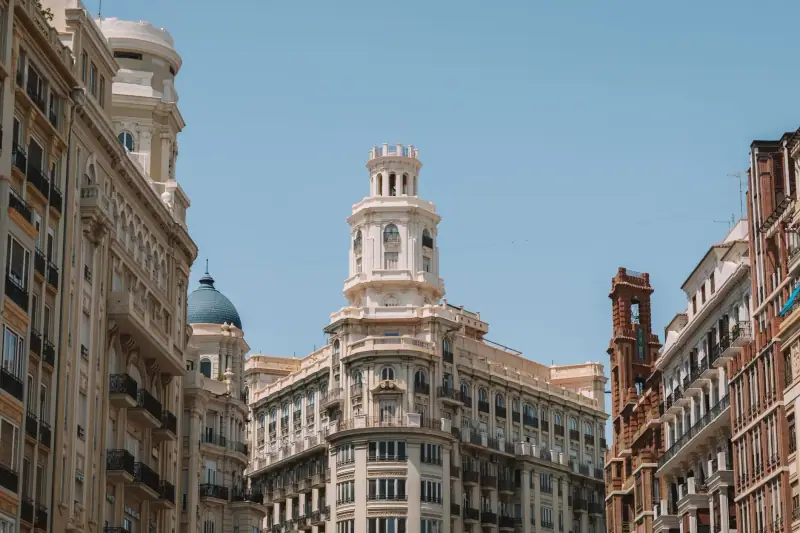
2 days
Valencia in 2 days: an itinerary through the old town, the Turia and the beach
What to do in Valencia in 2 days? Historic center, market, City of Arts and Sciences, Turia Gardens, paella and beach: our day-by-day itinerary.
7 days
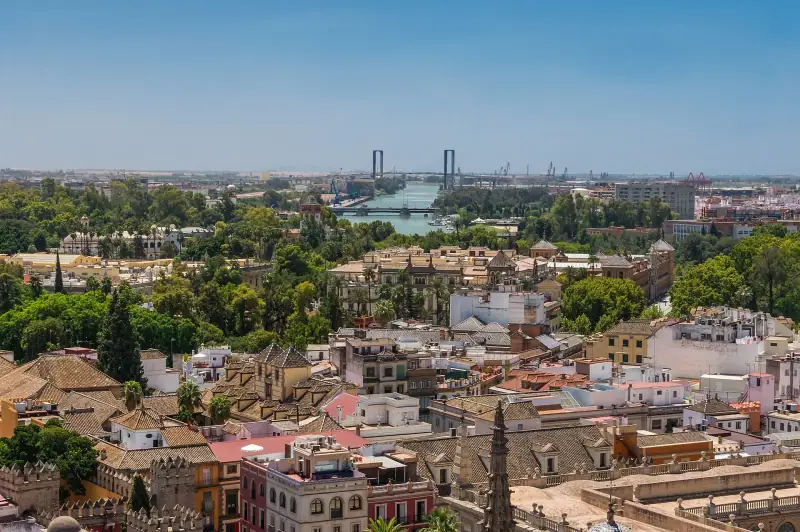
Andalusia in 7 days: Seville, Córdoba, Granada and Málaga
A 7-day Andalusia route: Seville, Córdoba, Granada and Málaga, with travel times, a day-by-day pace, useful reservations and pitfalls to avoid.
3 days
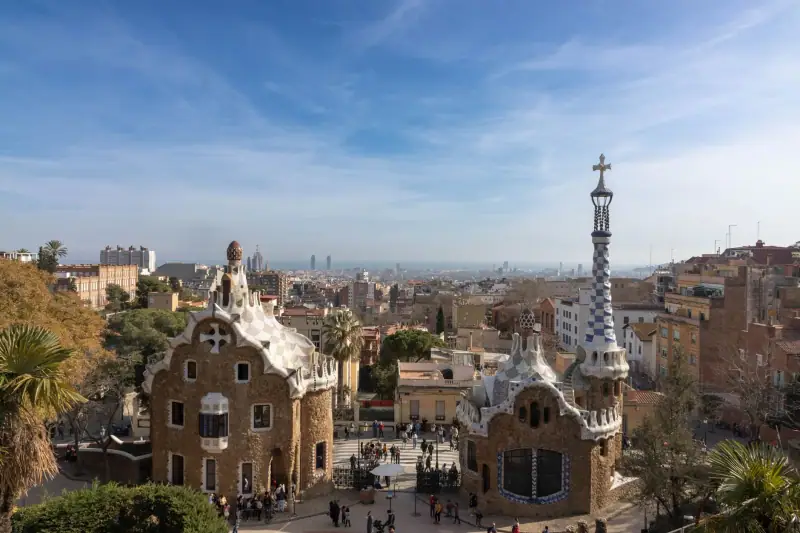
Barcelona in 3 days: a day-by-day itinerary for a first stay
Sagrada Família, Park Güell, Barri Gòtic, Montjuïc and Barceloneta: a 3-day Barcelona itinerary with the best order of visits, transport and tips.