Where to stay
Sleeping Outside Nouméa: Tribal Guesthouse, Bungalow or Campsite in New Caledonia
We may earn a commission when you book through links on this page, at no extra cost to you. We don't visit or try the places we cover: we summarize published sources. How we work
In short
- Outside Nouméa, lodging falls into four families: tribal guesthouses, bungalows and small hotels, B&B-style guesthouses and campsites.
- A tribal guesthouse is the most immersive option but simple in comfort; ask your host about the customary gesture (a small gift, traditionally cloth with a modest sum) before arriving.
- Book ahead, especially for the Loyalty Islands, the Isle of Pines and the cool, dry season; keep cash in Pacific francs, as cards are not always accepted.
- Camp only on a designated spot or with the clear permission of the owner or tribe: most land is customary or private.
Many travelers spend their first nights in Nouméa, then discover that the best of New Caledonia is elsewhere: on the East Coast, in the bush of the West Coast, in the Grand Sud or on the islands. As soon as you leave the capital, lodging changes face. Big hotels give way to tribal guesthouses, bungalows set near the lagoon, small family hotels and campsites.
Each option has its own character, advantages and constraints. This guide helps you choose according to your budget, your taste for immersion and your way of traveling. For the capital, another guide details where to stay in Nouméa; here, we cover everything else.
Understanding your lodging options outside Nouméa
As soon as you move away from the urban area, the choice narrows. You generally find four main families of lodging:
- Tribal guesthouses (or tribal welcome), run by Kanak families on customary land;
- Bungalows and small hotels, often by the sea, sometimes with a restaurant;
- Guesthouses and B&Bs run by individuals, in the bush or by a river;
- Campsites, often next to guesthouses, with tent pitches and sometimes huts to rent.
The first difference with a city stay is scarcity. There are fewer beds than you might imagine, and the best addresses, especially on the islands, fill up fast in high season and during school holidays. The second is services: in a tribe or in the bush, shops are far, the connection is patchy and meals are often served there, at a set time. You will gain a lot by adapting your rhythm to your host’s rather than the reverse.
To choose the period, see our guide When to go to New Caledonia: the cool, dry season is the most comfortable for sleeping in a hut or under a tent, while the hot, humid season brings heat, rain and cyclone risk, something to keep in mind for camping.
The tribal guesthouse: the most immersive option
The tribal guesthouse is a Caledonian specialty. It is tourist lodging located on customary land, run by a family or community. The most common is the hut (case), often with mattresses on the floor, or the paillote, a hut fitted with real beds. You sleep in a simple setting, often a few steps from the sea or a river.
The interest goes beyond lodging: you share meals, talk with the family and, depending on the place, can take part in activities such as preparing a bougna, weaving pandanus leaves or fishing. To understand the social framework of this hospitality, read our article on Kanak culture.
What to expect from a tribal guesthouse
Be realistic: comfort is simple. Bathrooms are often shared, hot water is not always available and air conditioning is rare. In exchange, you enjoy a warm welcome, family cooking based on fish, roots and local vegetables, and a preserved natural setting. Nights are calm, but mornings are early: life starts with daylight.
A few practical pointers:
- Book ahead, preferably directly with the host, as capacity is limited;
- Confirm meals (dinner, breakfast, picnic) and their times when you book;
- Ask how arrival works: access, road, possible transfer, person to contact;
- Bring a headlamp, mosquito repellent and a small kit: lighting and shops are far;
- Keep cash, as card payment is not always possible.
The customary gesture, how it works
When you stay in a tribe, you will be offered or asked to make the customary gesture. It is a small gift, traditionally a piece of cloth with a modest sum, handed to the tribe’s representative. It is not a toll: it is a way of introducing yourself, asking permission to be welcomed and receiving in return the words of welcome.
The simplest is to talk to your host before arrival: they will tell you what is customary and how to proceed. Do it seriously, without hurry, and without trying to negotiate. Habits vary from one tribe to another; it is better to ask than to assume.
Discover Kanak culture with a guide
Cultural visits, guided excursions and local experiences: compare the activities you can book in New Caledonia.
Bungalows and small hotels: the comfort and nature compromise
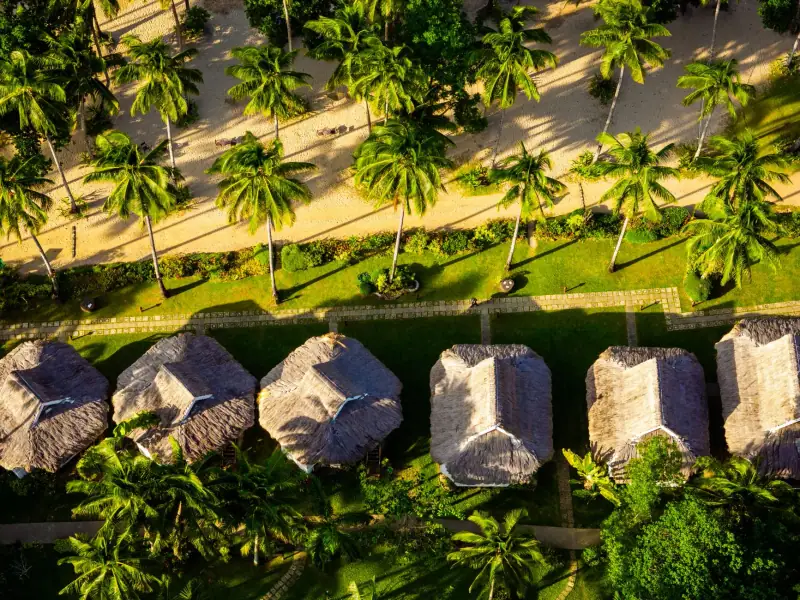
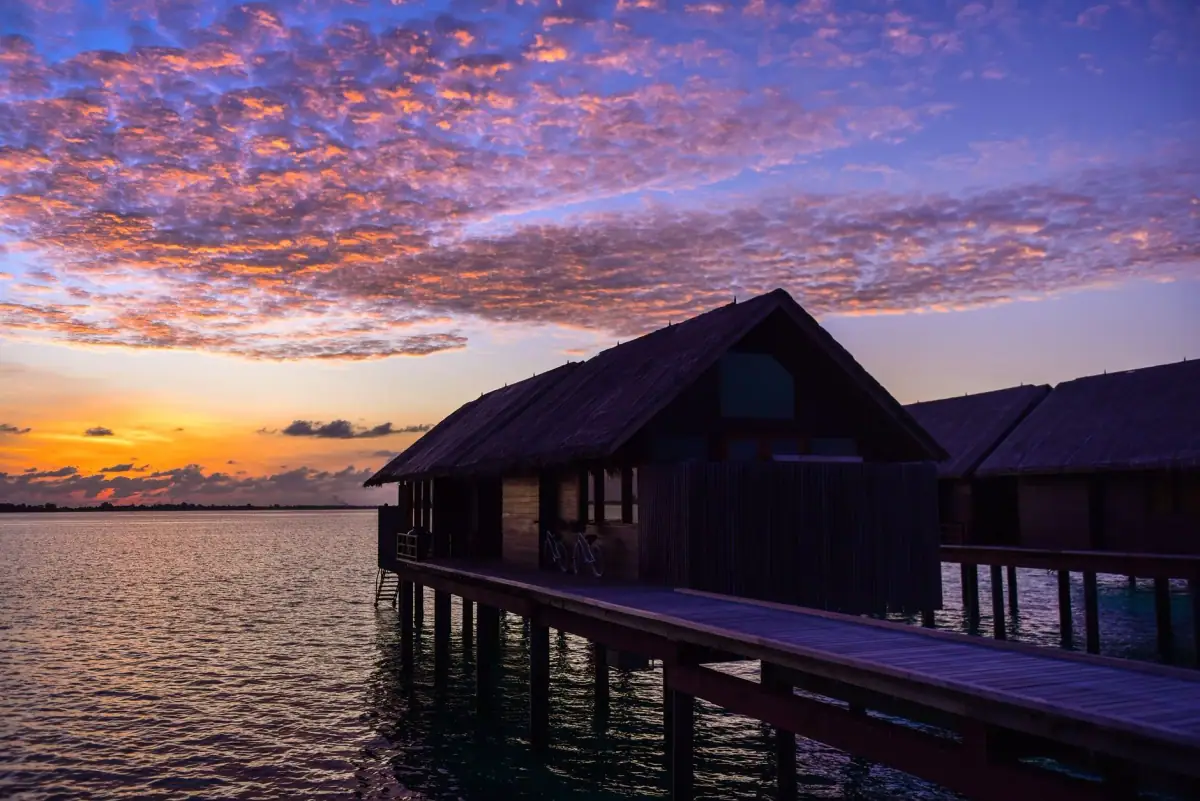
If you want to sleep near the lagoon without giving up a real bathroom, the bungalow is the most common option. You find them on the West Coast, the East Coast, the Isle of Pines and the Loyalty Islands. They are often built with local materials, with a terrace, sometimes a small kitchen, and a restaurant or set table nearby.
Their big asset is the setting: you fall asleep facing the sea, wake up a few steps from the beach, and organize your day at your own pace. Their limit is the price, higher than a tribal guesthouse, because life is expensive in the territory and getting products there costs a lot, especially on the islands. To place this item in your overall budget, see our New Caledonia budget.
How to choose a bungalow
A few criteria help sort the offers:
- Beach access: some coasts are lined with mangrove or reef and do not offer direct swimming. Check on recent photos;
- Food: on an island or in the bush, lodging without meals means planning groceries or a trip;
- Ventilation and mosquito net: in the hot season, essential for sleeping well;
- Transfers: some hosts pick up guests at the airport or pier;
- Cancellation: favor a flexible rate, useful in case of a flight change or unsettled weather.
Places to stay in New Caledonia
Bungalows, small hotels and residences: compare availability and recent reviews for your dates.
Sleeping on Grande Terre: West Coast, East Coast and Grand Sud
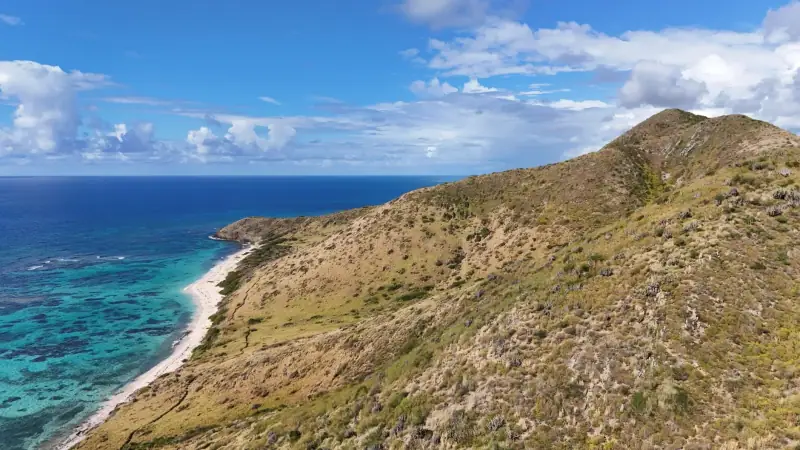
Grande Terre is the main island. You travel it by car, with lodging spread along the road. Each region has its own temperament.
The West Coast and the bush
The West Coast is the “bush” region, with its open landscapes, ranches and villages such as Bourail or Koné. You will find small hotels, guesthouses, B&Bs and campsites near the sea. It is a practical area for a road trip, with regular stops: our West Coast road trip offers a day-by-day breakdown that helps place your nights.
The East Coast
Greener, wetter and more mountainous, the East Coast is famous for the Hienghène area and its landscapes of cliffs and rocks. Lodging there often goes through tribal guesthouses and small family properties. The roads are winding: allow more time than the map suggests, and do not plan a late arrival at an isolated guesthouse. Our guide Is Hienghène worth the detour? details the sites and access.
The Grand Sud
The Grand Sud, around Rivière Bleue Park and Yaté, is a land of forests, lakes and red earth. You sleep in guesthouses, B&Bs or, depending on the place, campsites. It is a good choice for hikers: read our guide to Rivière Bleue Park to prepare your hikes before choosing your night.
Sleeping on the Isle of Pines and in the Loyalty Islands
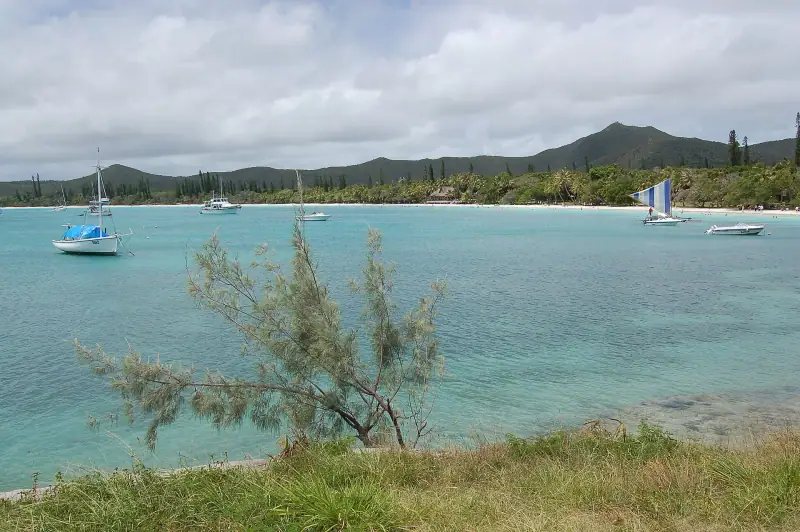
The islands are the realm of bungalows and tribal guesthouses. The Isle of Pines, with Kuto Bay and Oro Bay, offers a varied choice, from small hotels to bungalows and simpler options. To choose your area, rely on our guide Isle of Pines: what to do and see.
The Loyalty Islands (Lifou, Maré and Ouvéa) rely more on tribal welcome, with a few seaside bungalows and rare small hotels. Each island has its own atmosphere, detailed in our comparison of the Loyalty Islands. A few points apply to all:
- Book very early, as choice is limited and demand concentrates in a few periods;
- Check the transfer from the airport or pier: on an island, a car is not always needed if the host picks you up;
- Plan basic groceries on arrival: shops are rare outside the towns;
- Keep cash, as card payment is sometimes impossible in tribes.
Camping: economical and close to nature
Camping is a very common option in New Caledonia. It often takes the form of pitches next to a guesthouse or at the edge of a beach, sometimes with bathrooms and a water point. Some hosts also rent huts or pre-pitched tents for those traveling light.
It is the cheapest solution, and one of the most pleasant if you like starry nights. It does, however, take a little organization:
- Camp only on a designated spot or with the clear agreement of the owner or tribe: most land has customary or private status;
- Protect yourself from mosquitoes with a mosquito net and suitable repellent;
- Watch the weather: in the hot season, heavy rain and cyclone episodes make camping risky;
- Leave nothing valuable in the tent and store food away, to avoid animal visits;
- Take your trash if no collection service is provided.
For a list of useful gear, see our article on essential accessories.
Getting between lodgings
Sleeping outside Nouméa almost always means getting around. On Grande Terre, public transport is rare outside the urban area, and a rental car gives you the freedom to sleep in places that are not served. Main roads are generally well maintained, but access tracks to guesthouses can be tougher, especially after heavy rain. Always ask your host about the state of access before setting out.
A few driving and organization tips:
- Avoid driving at night in the bush: animals and pedestrians can appear on the road, and lighting is rare;
- Fill up whenever you get the chance, as gas stations are spread out in rural areas;
- Tell your host your arrival time, especially if it is late;
- Allow margin between two stops: distances seem short, but winding roads slow you down.
For the car, check the terms of your contract, notably insurance and use of tracks, before you leave.
Flights to New Caledonia
Fix your dates first, then compare flights: your lodging reservations depend on them.
Which option for your profile?
To decide quickly:
- You want cultural immersion: the tribal guesthouse, with shared meals and exchanges with the host;
- You want comfort and the lagoon a few steps away: a bungalow or small seaside hotel;
- You have a small budget and like nature: camping, or a simple hut next to a guesthouse;
- You travel as a family: a bungalow with a kitchenette or a residence, more flexible for kids’ schedules;
- You are on a road trip: a mix of options, with one or two nights in a tribe, a few comfortable stops and a night in Nouméa before the flight.
The best compromise is often to mix. Sleep two or three nights in a tribal guesthouse for immersion, then settle for a few days in a bungalow to recover, and keep a night in Nouméa before your international flight.
Insurance and preparation
Sleeping in remote areas, taking bush roads and leaving for a long trip justify good coverage: medical costs, repatriation, cancellation. Entry rules depend on your passport. Check the official travel advice of your government before you book: travel.state.gov (US), GOV.UK (UK), travel.gc.ca (Canada), Smartraveller (Australia) (checked November 2026). If you want to compare travel insurance offers, read the coverage and exclusions carefully before signing up.
Booking tips
- Start with the islands and guesthouses, whose capacity is limited, then fill in with the stops that are easier to find;
- Contact tribal guesthouses directly when possible, to confirm meals, access and the customary gesture;
- Stay flexible: choose cancellable rates for lodging you can book online;
- Read recent reviews to check the state of the bathrooms, noise level and reliability of the welcome;
- Plan cash in XPF for nights, meals and small purchases;
- Respect places and people: greet, ask before photographing and follow the tribe’s instructions;
- Anticipate seasons: high season and school holidays quickly saturate lodging.
By choosing your stops carefully, you will turn your nights into one of the best memories of the trip: waking up facing the lagoon, a meal shared in a tribe, an evening under a sky with no light pollution. That is the whole point of leaving Nouméa.
Frequently asked questions
What is a tribal guesthouse in New Caledonia?
It is lodging run by a Kanak family or community, located on customary land. It usually takes the form of a hut or a paillote, with meals often shared. It is one of the best ways to meet residents.
Do you need to make the customary gesture when sleeping in a tribe?
It is the custom: a small gift, traditionally a cloth with a modest sum, handed to the tribe's representative. Ask your host when you book; they will explain the expected form.
Can you camp freely in New Caledonia?
It is better to avoid it: most land belongs to tribes, private owners or local authorities. Camp on designated spots, often offered by guesthouses, and always ask permission before pitching the tent.
Do you need to book ahead outside Nouméa?
Yes, especially for the Loyalty Islands, the Isle of Pines and the cool, dry season. Capacity is limited, and some guesthouses can only be reached by phone or message, so start early.
Can you pay by card in guesthouses and campsites?
Not always. In the bush and in tribes, card payment is not guaranteed, and the connection can be weak. Plan on cash in Pacific francs (XPF) for nights, meals and the customary gesture.
Do you need a car to sleep outside Nouméa?
On Grande Terre, yes, it is by far the most practical: public transport is rare outside the urban area. On the islands, hosts often arrange the transfer from the airport or pier, to confirm when booking.
More New Caledonia guides
Keep reading
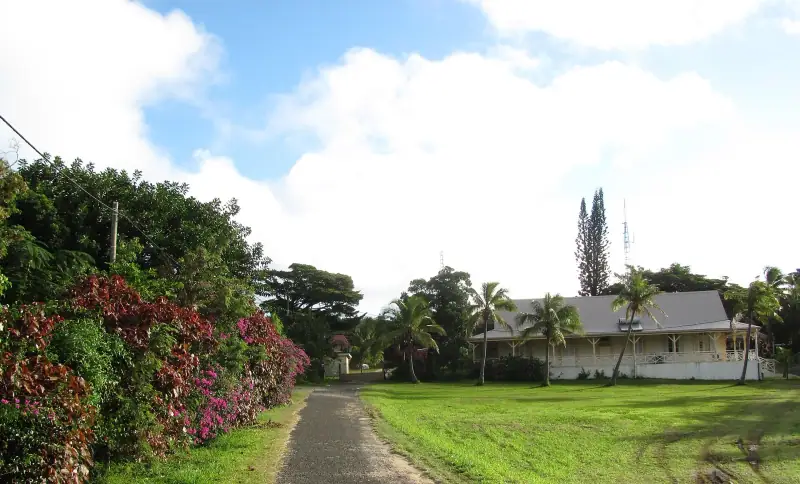
Where to Stay on the Isle of Pines: Kuto, Kanumera or Oro Bay?
Kuto, Kanumera or Oro Bay: which area to stay in on the Isle of Pines? Hotels, guesthouses and campsites compared by budget and getting around.
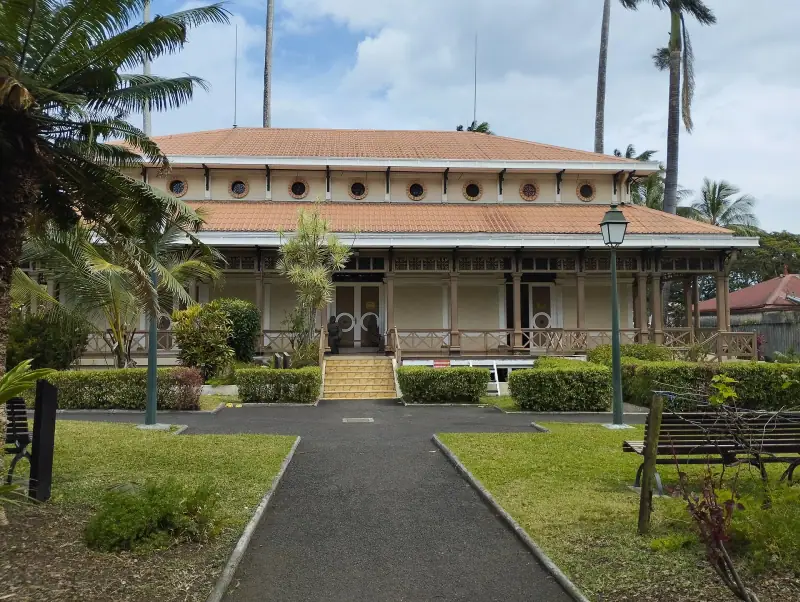
Where to Stay in Nouméa: Which Neighborhood Suits Your Trip?
Anse Vata, Baie des Citrons, downtown or Val Plaisant: compare Nouméa neighborhoods to choose where to stay by budget and travel style.
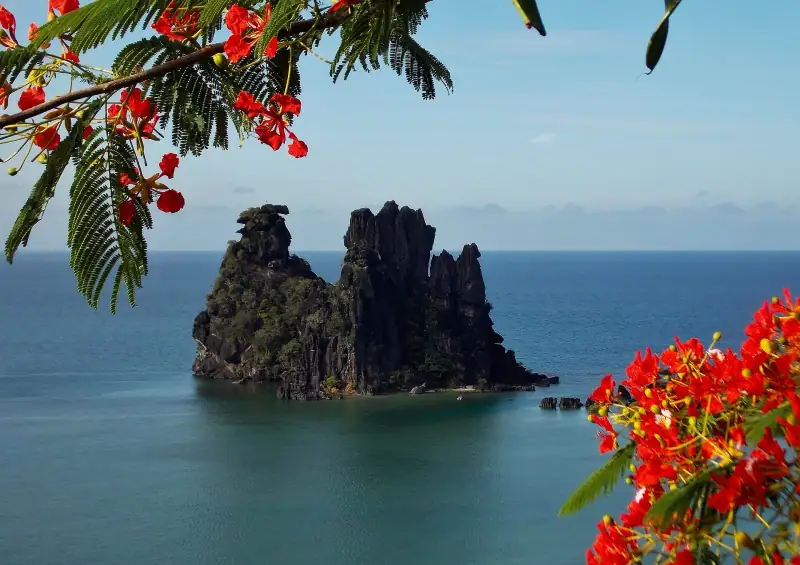
Is Hienghène Worth the Detour? Poule Couveuse, Lindéralique and Tao Falls
Is Hienghène worth the detour? Poule couveuse, Lindéralique, Tao Falls, Ouaïème ferry, getting there from Nouméa, where to sleep and how long to stay.
Ready-made
New Caledonia itineraries
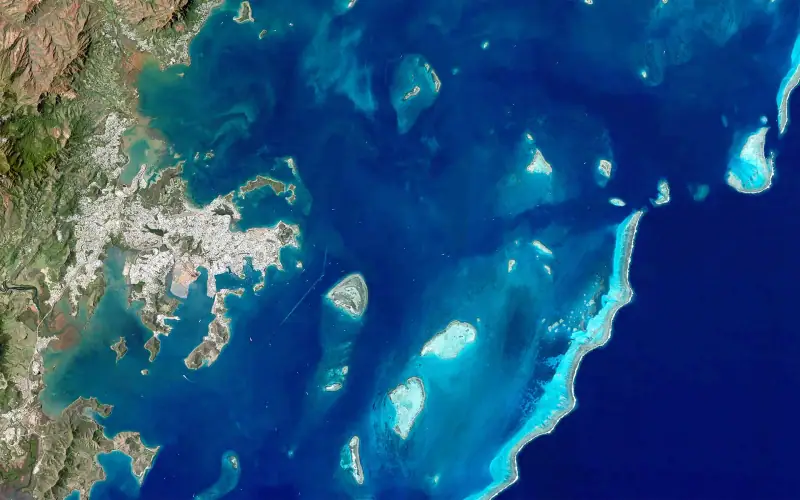
10 days
New Caledonia in 10 Days: An Itinerary Through Nouméa, the Bush and the Islands
A 10-day New Caledonia itinerary: Nouméa, Grand Sud, West Coast, Hienghène, then the Isle of Pines or Lifou, with pacing and budget tips.
7 days
New Caledonia in 7 Days Without a Car: A Realistic Itinerary
NouméaIsle of Pines
3 days
New Caledonia's Grand Sud in 3 Days: Yaté, Rivière Bleue and Port-Boisé
3-day Grand Sud itinerary from Nouméa: Rivière Bleue, Yaté Lake, Madeleine Falls, Port-Boisé, with practical tips.