Plan your trip
When to Go to New Caledonia: Seasons, Weather and the Best Months
We may earn a commission when you book through links on this page, at no extra cost to you. We don't visit or try the places we cover: we summarize published sources. How we work
In short
- The cool, drier season, about May to October, is the best compromise for most travelers; September to November and April to June are often cited as the most balanced.
- The cyclone season runs roughly from November to April, with the highest risk from January to March.
- Humpback whales visit the lagoon from about July to September, on regulated boat trips.
- Swimming is possible all year, but the water is noticeably cooler in the austral winter (July-August).
Choosing when to go to New Caledonia is not just a weather question: the calendar is the reverse of the Northern Hemisphere, since the archipelago lies in the Southern Hemisphere. When winter sets in up north, it is austral summer in Nouméa, with hot days, a bathwater-warm lagoon and… cyclone risk. Conversely, the austral winter, from June to August, brings mild, dry and bright weather, far from the harshness of a Northern winter.
This guide helps you decide according to what you want: beach, hiking, diving, Kanak culture, whale watching, budget or peace and quiet.
New Caledonia’s climate in brief
New Caledonia has a tropical oceanic climate, tempered by the trade winds. Temperature differences between seasons are moderate but real, and two main periods stand out:
- The hot, humid season, from about November to April: hot, muggy days, more frequent showers, a very warm sea and a risk of tropical depressions and cyclones.
- The cool, drier season, from about May to October: milder temperatures, less humid air, nights that can be cool, especially inland and in the South.
These limits remain an order of magnitude: one year can be rainier than the last, and the transition seasons (April-May, October-November) look very much alike.
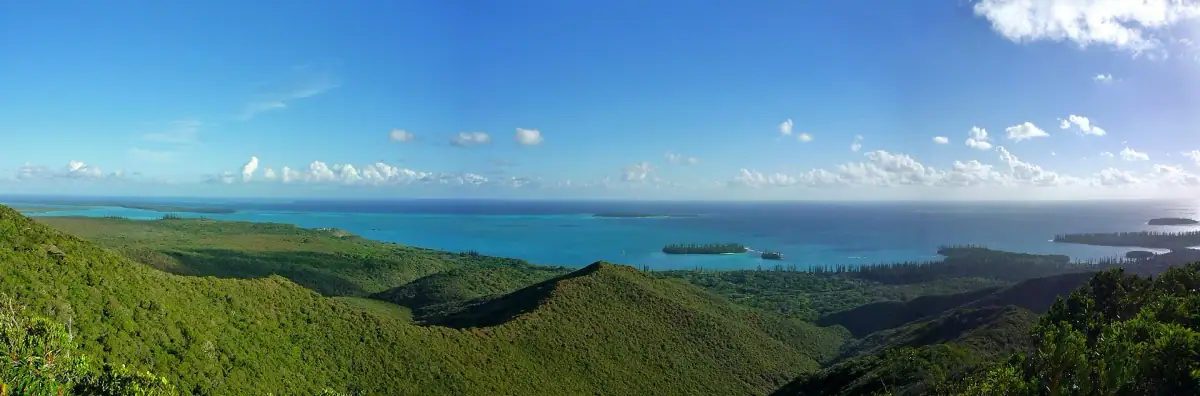
Geography matters as much as the calendar. The mountain range running along Grande Terre stops the humid trade winds: the East Coast, facing the wind, is generally wetter and greener, while the drier West Coast is the land of bush savanna. The Grand Sud, with its red soils and forests, also gets sudden showers. The Loyalty Islands and the Isle of Pines are flat, coral and fairly windy.
November to April: austral summer, hot and cyclonic
This is the hottest season, when the lagoon is the most inviting for swimming. Days are long and bright, but often heavy, with sometimes intense rain alternating with fine clear spells.
Advantages:
- Particularly warm sea, ideal for swimming and snorkeling without a wetsuit.
- Long days, with plenty of light to enjoy beaches and islets.
- Year-end holiday period for Caledonian families, with a festive atmosphere, especially at Christmas and New Year.
- Lush vegetation after the rains, with well-fed rivers and waterfalls.
Drawbacks:
- Risk of tropical depressions and cyclones, highest from January to March.
- Heat and humidity that can be oppressive, making long hikes more demanding: start early in the morning.
- Roads and fords that can be cut after heavy rain, which complicates a road trip.
- More expensive flights and lodging around the year-end holidays.
If you travel in this period, keep your schedule flexible and plan for insurance covering cancellation and trip interruption.
Hotels in New Caledonia
Compare lodging available for your dates, from Nouméa to the Isle of Pines, especially in holiday periods when the best places go quickly.
May to October: the cool season, the best compromise
This is the most pleasant period for most travelers. The air is less humid, rain is rarer and temperatures stay mild: it is far from cold, but evenings can be cool, and a thin sweater is useful, especially in July and August.
Advantages:
- Generally more stable weather, ideal for hikes, road trips and cultural visits.
- More bearable heat for exploring Nouméa on foot or by bike, or for walking the trails of the Grand Sud.
- No significant cyclone risk.
- It is the humpback whale period in the lagoon, from about July to September.
Drawbacks:
- Cooler water in the depths of the austral winter: a thin wetsuit can be useful for diving and long snorkeling sessions.
- Sometimes strong winds, which can make some boat crossings rougher.
Between these two extremes, September, October and November are often cited as the most balanced: the sun is out, the sea is warming up, and crowds stay moderate before the year-end holidays arrive.
July to September: humpback whale watching
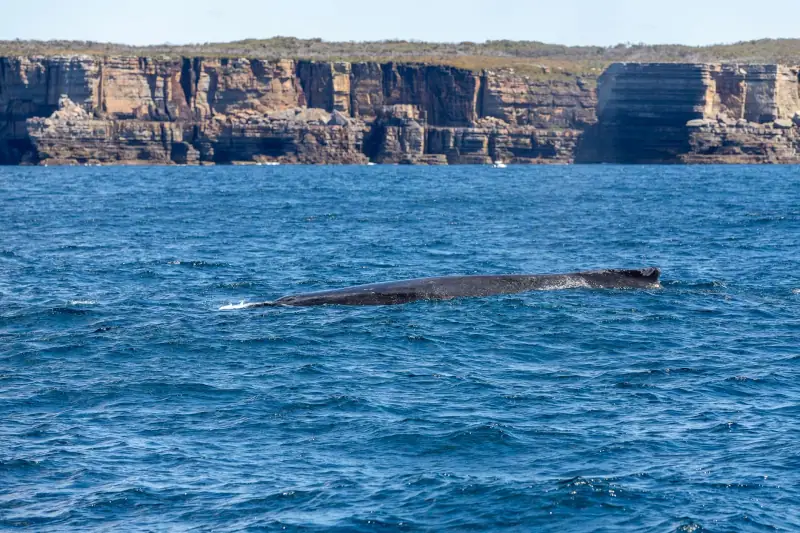
Every austral winter, humpback whales leave the cold waters of Antarctica to breed and give birth in the warm waters of the South Pacific, including those of New Caledonia. They are seen mainly around the southern lagoon and the approaches to Grande Terre, from about July to September.
A few pointers for a successful outing:
- Book with an approved local operator: watching is regulated to protect the animals, notably approach distances and trip length.
- The sea can be rough in the austral winter: bring a windbreaker and, if you are prone to seasickness, ask your doctor or a travel clinic.
- Keep a margin in your schedule: a trip can be postponed depending on the weather.
- Beware of promises of a “guaranteed encounter”: these are wild animals.
Flights to New Caledonia
The journey is long and fares vary a lot with the period: compare several dates before booking.
Cyclones and tropical depressions: how to prepare
The cyclone season runs roughly from November to April. The risk is not constant, and many stays in the austral summer pass without incident, but it must be taken seriously: an alert can change your travel, even strand travelers for a few days.
Good habits:
- Take out insurance covering cancellation, trip interruption and weather events, checking the exclusions carefully.
- Favor flexible tickets when possible, especially from January to March.
- Follow the bulletins of Météo-France Nouvelle-Calédonie and follow the authorities’ instructions to the letter in case of an alert: travel can be restricted.
- Allow buffer time before your return flight, especially if you go through the islands, where air and sea links can be disrupted.
- Ask your host about local instructions as soon as you arrive.
Rain, even outside a cyclone, can be sudden. A sunny morning followed by a heavy squall late in the day is nothing unusual.
Which period for your type of trip?
The “best time” depends mostly on what you come for.
For beach and lagoon: from September to April, the sea is warmer and the beaches of the Isle of Pines or the Loyalty Islands are at their most pleasant. September-October or April-May offer a good balance of warmth, weather and prices.
For hiking: the cool season, May to October, is the most comfortable, especially in the Grand Sud and the inland forests. In the austral summer, start very early in the morning and carry plenty of water.
For diving and snorkeling: the sea is usable all year. Visibility and temperature vary with weather and season: ask local clubs for advice, as they know current conditions.
For Kanak culture: customary ceremonies follow their own calendar, notably around the yam harvest, which takes place at the end of the austral summer. Always respect local customs: a tribe is not visited like a tourist site, and it is better to go through a host or local guide to be welcomed properly.
For budget: fares are higher during school holidays and at Christmas. Outside these periods, you have a better chance of finding more affordable flights and lodging.
Activities and excursions in New Caledonia
Boat trips, diving, guided visits: discover the experiences you can book once you are there.
Preparing your trip: time difference, entry rules and gear
A few practical points to plan for, whatever season you choose.
Flight length and time difference. The journey is long: allow about a full day with one or more stopovers. New Caledonia does not change its clocks (UTC+11 all year). Plan a day or two to recover before chaining visits.
Entry rules. Entry rules depend on your passport. Check the official travel advice of your government before you book: travel.state.gov (US), GOV.UK (UK), travel.gc.ca (Canada), Smartraveller (Australia) (checked November 2026).
Getting around. Outside Nouméa, a car is the most practical way to explore Grande Terre. Remember to book ahead in holiday periods, and check road conditions after heavy rain.
Recommended gear:
- Sunscreen (preferably reef-friendly), a hat and sunglasses.
- Mosquito repellent, useful all year, especially in the hot season.
- A light rain jacket and a thin sweater for cool austral winter evenings.
- Closed walking shoes and water shoes for rivers and reefs.
- Light, breathable clothes, plus a thin wetsuit if you plan long snorkeling sessions in the cool season.
Health. Ask your doctor or a travel clinic, and see the official travel health pages (CDC in the US, TravelHealthPro in the UK).
Recommended periods
If you could only remember one period, aim for September to November or April to June: pleasant weather, a sea that is still inviting, limited or no cyclone risk and moderate crowds. To watch whales, target July to September instead. If school holidays dictate your dates, book your flights and lodging several months ahead and keep some flexibility in your schedule.
Whatever the season, New Caledonia is best discovered slowly: it is better to see few places, well chosen, than to attempt overly ambitious trips in the heat or rain.
Frequently asked questions
What is the best month to go to New Caledonia?
September, October and November are often considered the best months: days are mild and dry, the sea warms up and crowds stay reasonable. April to June is also a very good compromise. The choice depends mostly on your priorities: beach, hiking, diving or whale watching.
When is the cyclone season in New Caledonia?
The cyclone season runs roughly from November to April, with a higher risk from January to March. Not every summer is affected, but it is wise to take out insurance with cancellation cover and to follow the bulletins of Météo-France Nouvelle-Calédonie and the authorities' instructions.
When can you see humpback whales in New Caledonia?
Humpback whales come to breed in New Caledonian waters during the austral winter, generally from July to September. Watching trips are regulated: ask approved local operators for the exact dates of the season.
Can you swim all year in New Caledonia?
Yes, swimming is possible all year, but water temperature varies. It is noticeably cooler in the depths of the austral winter (July-August) than in the austral summer, when the lagoon is very warm. A thin wetsuit can be useful for diving and snorkeling in the cool season.
What is the time difference with home?
New Caledonia does not change its clocks (UTC+11 all year). Check the time difference with your home city; the journey is very long, with one or more stopovers, so allow a day of travel.
More New Caledonia guides
Keep reading
New Caledonia Travel Budget: How Much Does a Trip Cost? Prices and Tips
How much to budget for New Caledonia? Flight, lodging, car, meals, activities: three sample budgets and tips to spend less.
Is Hienghène Worth the Detour? Poule Couveuse, Lindéralique and Tao Falls
Is Hienghène worth the detour? Poule couveuse, Lindéralique, Tao Falls, Ouaïème ferry, getting there from Nouméa, where to sleep and how long to stay.
Visiting New Caledonia: The Complete Guide to Planning Your Trip
Complete guide to visiting New Caledonia: regions, highlights, when to go, flights, getting around, lodging and budget, with links to detailed guides.
Ready-made
New Caledonia itineraries
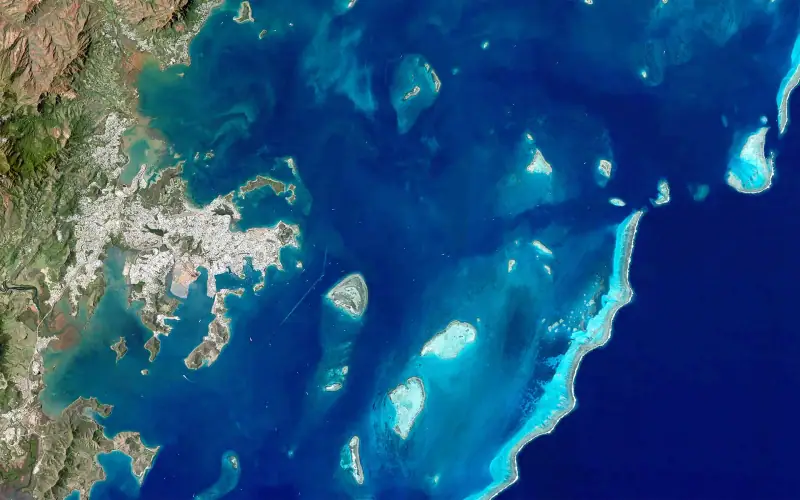
10 days
New Caledonia in 10 Days: An Itinerary Through Nouméa, the Bush and the Islands
A 10-day New Caledonia itinerary: Nouméa, Grand Sud, West Coast, Hienghène, then the Isle of Pines or Lifou, with pacing and budget tips.
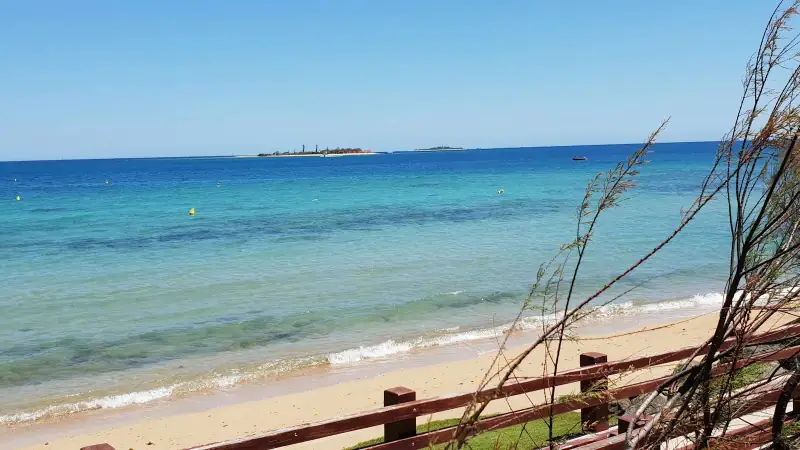
7 days
New Caledonia in 7 Days Without a Car: A Realistic Itinerary
NouméaIsle of Pines
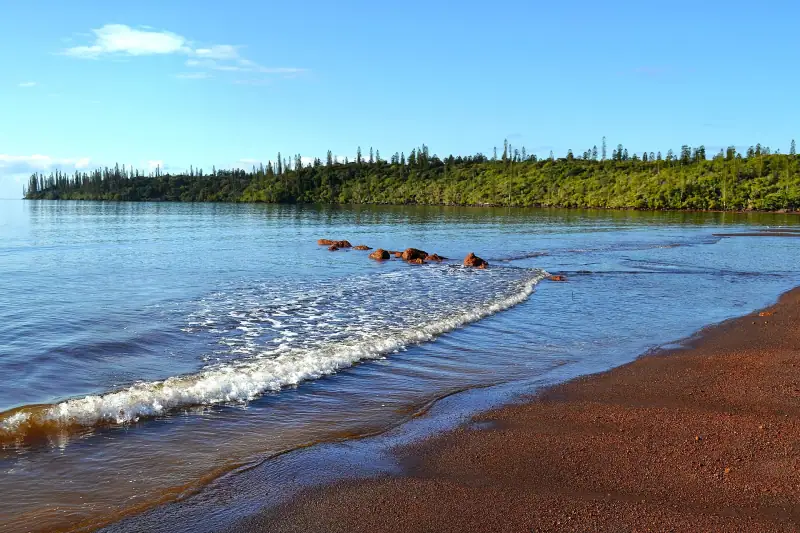
3 days
New Caledonia's Grand Sud in 3 Days: Yaté, Rivière Bleue and Port-Boisé
3-day Grand Sud itinerary from Nouméa: Rivière Bleue, Yaté Lake, Madeleine Falls, Port-Boisé, with practical tips.