Itineraries
New Caledonia West Coast Road Trip in 4 Days
We may earn a commission when you book through links on this page, at no extra cost to you. We don't visit or try the places we cover: we summarize published sources. How we work
Day by day
- Day 1Nouméa, coffee stop in La Foa, drive to Bourail
- Day 2Bourail: Roche Percée and Poé beach
- Day 3Bourail to Koné, Heart of Voh area
- Day 4Drive back to Nouméa along the RT1
Where to sleep
- Bourail2 nights
- Koné1 night
In short
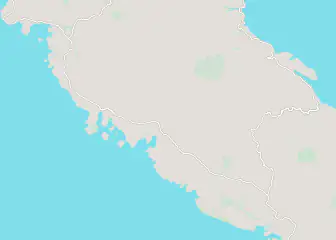
- Four days cover about 270 km (168 mi) one way along the RT1, with stops at La Foa, Bourail and the Koné and Voh area.
- Drives stay between 1 h 30 and 2 h 30 per leg; Bourail is about 160 km (99 mi) from Nouméa and makes the natural overnight stop.
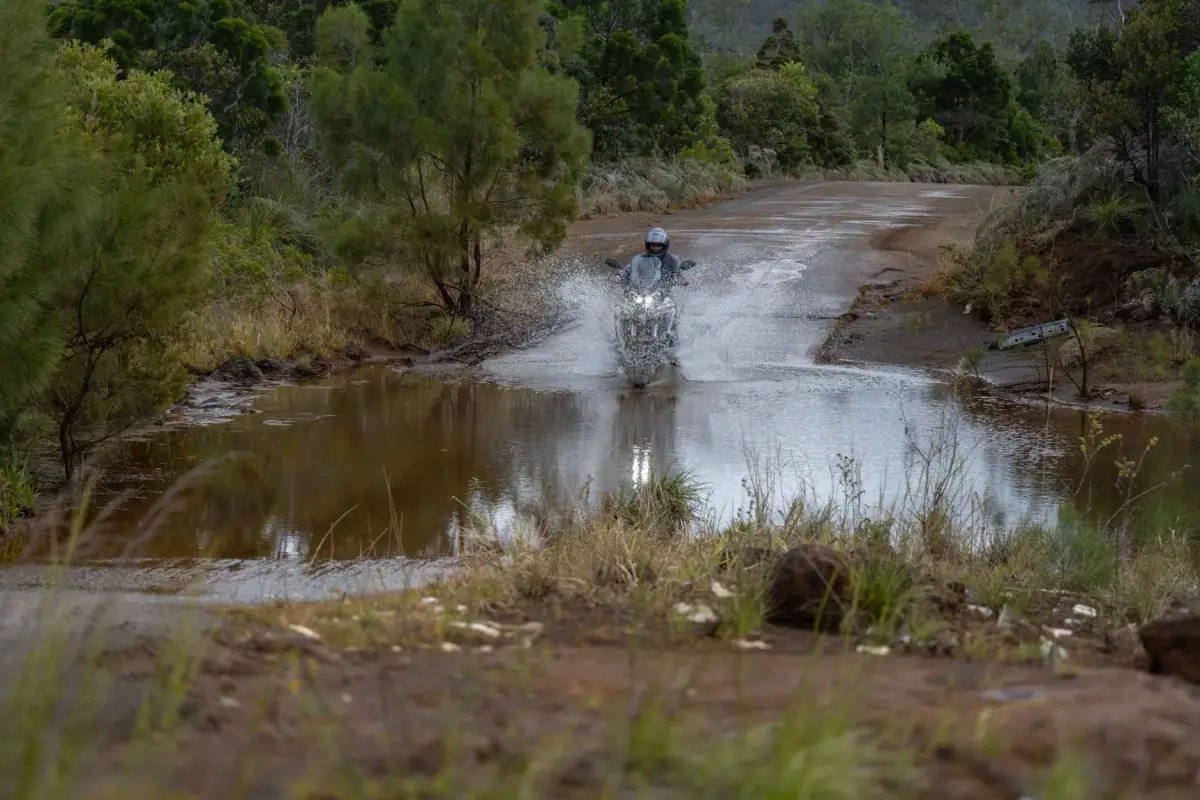
- The RT1 is paved all the way, so a standard rental car is enough. Fill up as soon as the tank drops below half.
- The cool, drier season, roughly May to October, is the most pleasant for driving and walking.
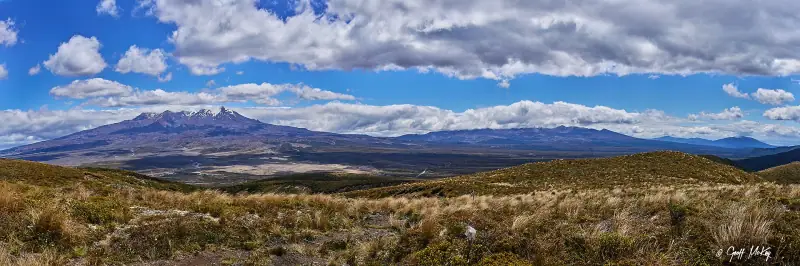
Leaving Nouméa by road and heading up the West Coast shows you another side of New Caledonia: the bush (la brousse), with its niaouli savannas, cattle ranches, quiet villages and a lagoon that appears now and then between the hills. This four-day road trip follows territorial road 1 (RT1) from Nouméa to the Koné area, with stops at La Foa and Bourail.
It suits you if you have already seen Nouméa and want to get off the tourist trail without driving in difficult conditions. It complements our 10-day itinerary in New Caledonia, whose West Coast leg it describes in detail. The times given are orders of magnitude: confirm them with your navigation app on the day you set out.
Overview: 4 days, about 270 km (168 mi) one way
Here is the plan, designed so that you never drive more than three to four hours a day:
- Day 1: Nouméa → La Foa → Bourail (a driving day with stops).
- Day 2: Bourail and its beaches, with little or no driving.
- Day 3: Bourail → Koné and the Voh area.
- Day 4: back to Nouméa in a single day.
The distance from Nouméa to Koné is about 270 km (168 mi), a little over three hours without stops. You return by the same road: there is no big alternative loop on this coast without crossing the central mountain range. If you have more time, the cross-island road to the East Coast is described in our 10-day guide.
One simple rule: do not try to see everything. Days are short in the tropics, the sun sets early all year round, and lighting is limited outside the villages. Plan to reach your stop before dark.
Flights to New Caledonia
Before you plan the stops, fix your dates: compare flights to Nouméa.
Preparing your road trip: car, road and budget
Renting the car
A rental car is essential: public transport is rare in the bush, and a car gives you the freedom to stop wherever the scenery calls. A standard-category model is enough, since the RT1 is paved throughout. Pick the vehicle up when you leave Nouméa rather than on the day you arrive: parking and traffic in town are easier without a car. Compare offers before you book.
Before signing, check the included mileage, the insurance deductible and the return conditions. If you arrive at La Tontouta airport, about 50 km (31 mi) from Nouméa, it may be more practical to take the car there and head straight to the West Coast.
Driving in the bush
Driving is relaxed, but a few habits help:
- Cattle and horses: it is not unusual to see them near the road, sometimes on the road itself. Slow down in ranching areas.
- Speed: respect the limits, which are enforced, and the road has many bends.
- Fuel: fill up whenever you can; gas stations are concentrated in the villages.
- Mobile coverage: it can be patchy between villages. Download offline maps.
Rough budget
Life is expensive in New Caledonia, and this route is no exception. The main costs are the rental car, fuel and nights. To refine your overall budget, see our guide to the budget for a trip to New Caledonia. Also plan on simple meals: markets and small village shops help keep costs down.
Day 1: Nouméa, La Foa and the road to Bourail
Leave Nouméa early, preferably before the city’s traffic builds. After a few kilometers the scenery changes quickly: neighborhoods give way to hills, then to wide stretches of savanna. You are on the RT1, which will be your guide throughout the trip.
A break in La Foa
La Foa is a West Coast town known for its “green” tourism and rural atmosphere. It is a good place for a coffee, to fill up and stretch your legs before the second half of the drive. Do not expect a packed program here: the pleasure is in crossing these open landscapes, a mix of pastures, wooded hills and small rivers.
Then continue to Bourail. Between Nouméa and Bourail, allow about 160 km (99 mi), roughly two and a half hours of driving without stops. With photo breaks, lunch and a visit to a viewpoint, the day naturally stretches to mid-afternoon, which leaves time to arrive before dark.
Arriving in Bourail
Bourail is the main stop on the West Coast. The town faces the lagoon and long beaches lined with columnar pines, which many people associate with New Caledonia. Settle in, then enjoy the end of the day: a walk on the beach and a simple dinner are enough after the drive.
For the night, choose a guesthouse or bungalow: these offer a more personal welcome than the big hotels of Nouméa and are part of the bush experience. To compare what is available before you leave, use the link below.
Places to stay in Bourail
Guesthouses, bungalows and hotels on the West Coast: compare by dates and budget.
Day 2: Bourail, Roche Percée and the beaches
The second day is deliberately slow. After half a day on the road, a day without driving feels good, and it is a chance to enjoy the lagoon.
Roche Percée
Roche Percée is one of the most photographed sites in the area. The viewpoint looks over the Bourail pass, with the coast, pale sand beaches and columnar pines in the background. The place is especially beautiful early in the morning, when the light is soft and visitors are still few. Bring comfortable shoes and sun protection, as the sun is intense even when the sky is hazy.
Poé beach
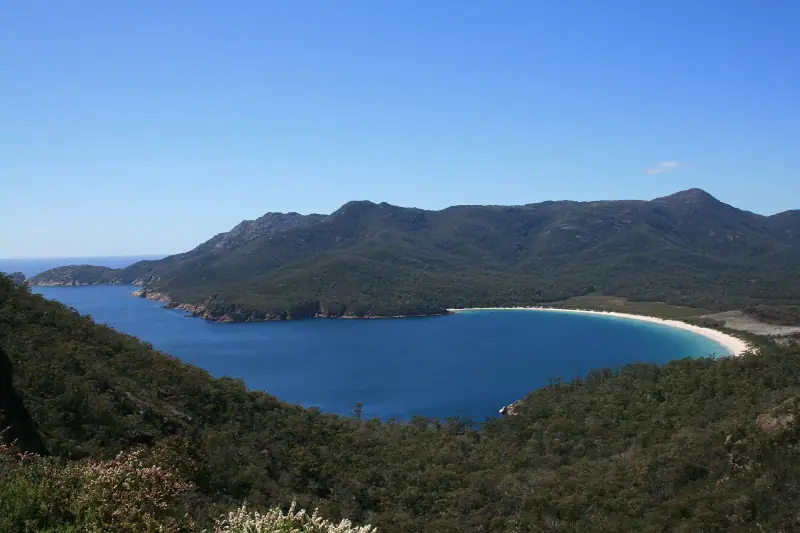
Poé beach, in the municipality of Bourail, is one of the best-known on the West Coast. It is appreciated for its wide open spaces and natural setting. Use the time to swim, walk along the shore or simply rest. For swimming, take sea conditions into account and follow local guidance, especially in areas with currents.
Getting to know the area
If you have time, take half a day to visit the town and its surroundings: farming, cattle ranching and local history play a big part in Bourail. To better understand local customs and social codes, read our feature on Kanak culture in New Caledonia. A greeting, a smile and a little politeness open many doors in the villages.
For swimming, a mask and snorkel are handy if conditions allow. Our article on diving and snorkeling in New Caledonia gives you the right habits before you get in the water.
Activities and excursions in New Caledonia
Boat trips, guided visits, hikes: discover the experiences you can book to round out your road trip.
Day 3: from Bourail to Koné and the Voh area
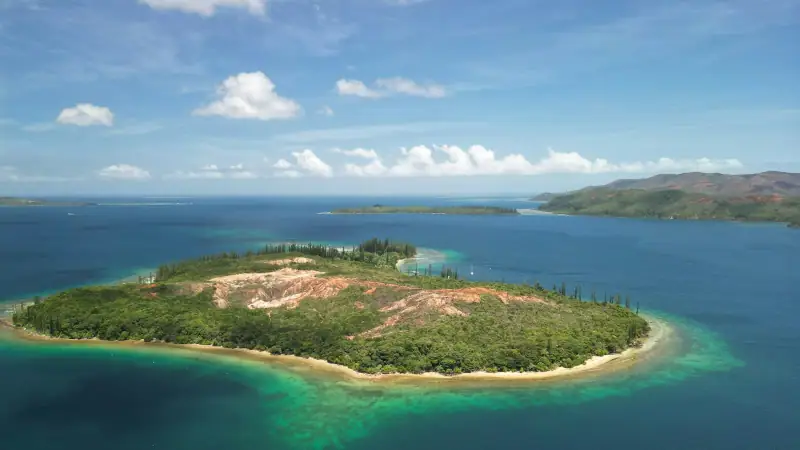
Take the RT1 north again. The road crosses increasingly open landscapes: savanna, cattle ranches and dry hills, with the mountain range on your right and the lagoon on your left. The distance from Bourail to Koné is around 110 km (68 mi), which means about an hour and a half to two hours of driving with a few stops.
Koné, gateway to the North
Koné is an administrative and economic hub of the North Province. The town is a handy base for exploring the area: shops, gas stations and lodging are concentrated here. It is also the start of the cross-island road to the East Coast, so you can extend the trip toward Hienghène, as in our 10-day itinerary.
The Heart of Voh
The Heart of Voh is a natural mangrove formation shaped like a heart, made famous by an aerial photograph. It lies in the Voh area, near Koné. Seeing it from the ground means asking about viewpoints and access: the site is mostly spectacular from above. If you are tempted, scenic flights exist, but availability and prices vary; check before you book.
Even without a flight, the Voh area offers a good glimpse of the mangrove and the northern lagoon, far from the crowds of Nouméa. Spend the evening in Koné or nearby, then go to bed early if you plan to return to Nouméa the next day.
Day 4: back to Nouméa
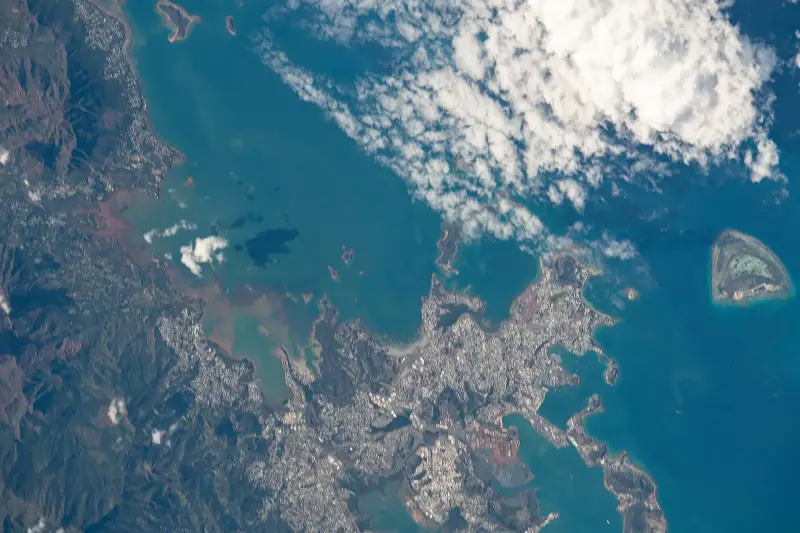
The return to Nouméa is along the same RT1. Allow a little over three hours without a break for the roughly 270 km (168 mi), more with stops. Leave early enough to avoid driving at dusk.
A few tips for this last day:
- Fill up before entering the Nouméa urban area, where prices and traffic can complicate the trip.
- If you have an international flight the next day, keep a safety margin. Our article on sleeping near La Tontouta airport helps you plan the last night.
- If you are staying in Nouméa, take the time to choose your neighborhood: the guide where to stay in Nouméa compares the areas.
Where to eat on the way
The West Coast is not a land of sophisticated cuisine, but you eat very well: home cooking, lagoon fish, local meat and farm produce. Villages have bakeries, small eateries and shops that can help with a picnic. Carry cash in the bush, as some small shops and roadside markets do not always accept cards.
To find out what to try, see our guide what to eat in New Caledonia and the one on markets and local products. Seasonal fruit and vegetables bought by the roadside make an excellent quick lunch.
When to go for this route
The most pleasant time for a drive is the cool, drier season, generally May to October. Temperatures are more bearable, roads safer and hikes more comfortable. The hot, humid season brings a risk of heavy rain and even cyclones: follow the official weather bulletins and keep your bookings flexible. For details, our guide when to go to New Caledonia presents the climate month by month.
Adapting the itinerary to your pace
- With kids: cut it to three shorter legs, add more swims and avoid days with more than three hours on the road.
- More time: add an extra night in Bourail, or extend to the East Coast by the cross-island road from Koné.
- Less time: do Nouméa to Bourail and back over two days, keeping Roche Percée and Poé.
- Tight budget: favor guesthouses, market meals and picnics, and share the car.
Also think about travel insurance: in the bush, the distance from major medical centers is a good reason to be well covered.
Key takeaways
The West Coast road trip is the best way to discover New Caledonia’s bush in four days: an easy road, superb beaches at Bourail, Roche Percée, the Heart of Voh and a warm welcome. Keep your legs short, start early, fill up regularly and leave room for the unexpected. To round out your stay, reread our complete guide to New Caledonia.
Frequently asked questions
How many days do you need for a West Coast road trip?
Four days is a good minimum: outward legs of 1 h 30 to 2 h 30, with time to stop, swim and sleep without rushing. With a week, you can add the East Coast or an island.
How far is it from Nouméa to Koné?
About 270 km (168 mi) on the territorial road 1 (RT1), a little over three hours of driving without stops. Bourail lies just past the halfway point, about 160 km (99 mi) from Nouméa, which makes it a natural overnight stop.
Do you need a 4x4 for this route?
No, the RT1 is paved along the whole itinerary and a regular car is enough. A higher vehicle is only useful if you venture onto dirt tracks, which this route does not require.
Can you drive with a foreign license?
Driving is on the right. Which licenses are accepted depends on your license and on the rental company, so check with the company before you book, including its minimum age and how long you must have held your license.
Where can you find gas and shops along the way?
The main villages such as La Foa, Bourail and Koné have gas stations and shops. Distances between villages can be long: fill up as soon as the tank drops below half, and carry water and snacks.
When is the best time for this road trip?
The cool, drier season, roughly May to October depending on the year, is the most pleasant for driving and walking. The hot season brings more heat, humidity and a risk of heavy rain or cyclones.
More New Caledonia guides
Keep reading
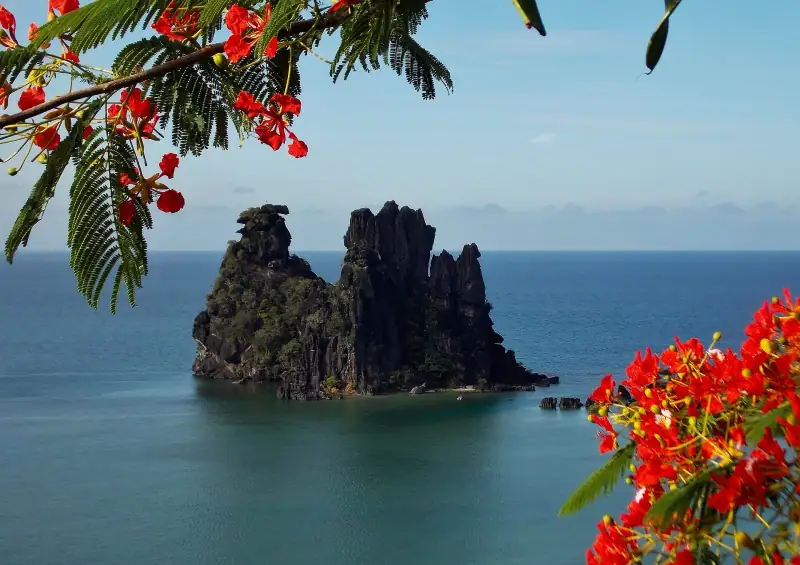
Is Hienghène Worth the Detour? Poule Couveuse, Lindéralique and Tao Falls
Is Hienghène worth the detour? Poule couveuse, Lindéralique, Tao Falls, Ouaïème ferry, getting there from Nouméa, where to sleep and how long to stay.
Visiting New Caledonia: The Complete Guide to Planning Your Trip
Complete guide to visiting New Caledonia: regions, highlights, when to go, flights, getting around, lodging and budget, with links to detailed guides.
Sleeping Outside Nouméa: Tribal Guesthouse, Bungalow or Campsite in New Caledonia
Tribal guesthouse, seaside bungalow or campsite: compare lodging outside Nouméa in New Caledonia, with booking tips and the customary gesture.
Ready-made
New Caledonia itineraries
10 days
New Caledonia in 10 Days: An Itinerary Through Nouméa, the Bush and the Islands
A 10-day New Caledonia itinerary: Nouméa, Grand Sud, West Coast, Hienghène, then the Isle of Pines or Lifou, with pacing and budget tips.
7 days
New Caledonia in 7 Days Without a Car: A Realistic Itinerary
NouméaIsle of Pines
3 days
New Caledonia's Grand Sud in 3 Days: Yaté, Rivière Bleue and Port-Boisé
3-day Grand Sud itinerary from Nouméa: Rivière Bleue, Yaté Lake, Madeleine Falls, Port-Boisé, with practical tips.